
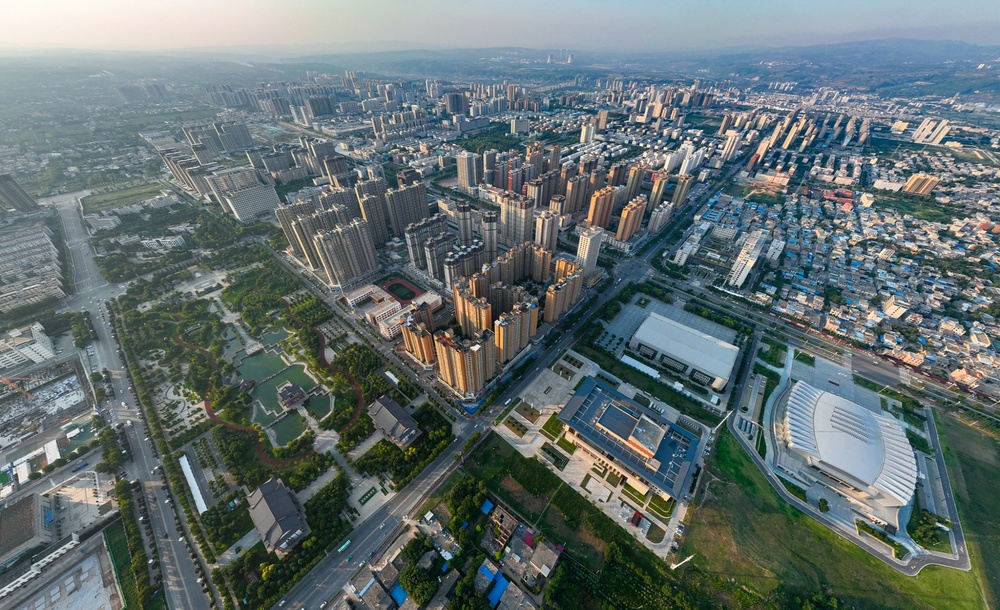
Tongchuan is located in central Shaanxi Province, in the transitional zone between the Guanzhong Plain and the Loess Plateau of northern Shaanxi. It has a warm temperate continental monsoon climate with four distinct seasons, an average annual temperature of about 12°C, and an annual precipitation of about 600 mm.
Tongchuan has a long history. During the Western Zhou Dynasty, it belonged to the Bin region. In the Tang Dynasty, Tongguan County was established, named for its copper production. In the Song Dynasty, it was under Yaozhou Prefecture, and the name continued through the Ming and Qing dynasties. In modern times, it rose due to abundant coal resources and was known as the 'Coal City'.
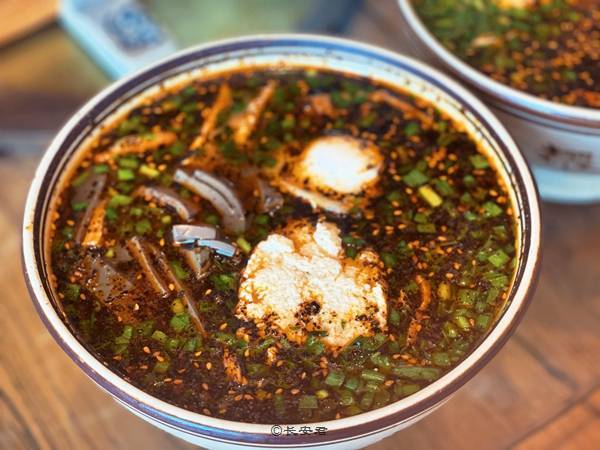
Tongchuan is the hometown of Sun Simiao, the King of Medicine, and has a deep culture of traditional Chinese medicine. Yaozhou Kiln is one of the six famous kilns of ancient China, and its celadon technique is listed as a national intangible cultural heritage. Local delicacies include Xiantang noodles, Wowotou noodles, and Yaozhou Snowflake Candy.
In recent years, Tongchuan has actively transformed, developing new energy, new materials, cultural tourism and other industries. It has built the Zhaojin Red Tourism Town and the Yaowang Mountain Scenic Area, improved its ecological environment, and been awarded the title of National Sanitary City.
The best time to visit 铜川 is Spring and Autumn (March-May, September-November).
Spring (March-May): Temperatures rise, flowers bloom, ideal for mountain climbing and sightseeing, especially at Yaowang Mountain and Zhaojin Xiangshan.
Autumn (September-November): Clear and crisp weather, red leaves cover the mountains, the best time to enjoy Zhaojin Danxia landform and Xiangshan red leaves.
Summer (June-August) is hot, winter (December-February) is cold and dry, but winter offers ice and snow tourism.
In the Tang Dynasty, Tongguan County was established in present-day Tongchuan, named for its copper production, later renamed Tongguan County.
After the founding of New China, Tongchuan became an important national coal base due to abundant coal resources, earning the name 'Coal City'.
Tongchuan was listed as a resource-exhausted city and began transforming to tourism, new energy, etc., building Zhaojin Red Tourism Town.
Recommended places to visit
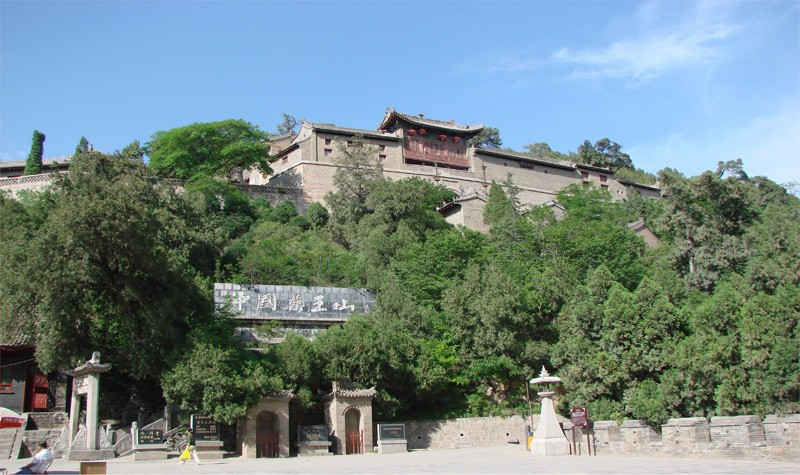
Yaowang Mountain is the hermitage of Sun Simiao, a Tang Dynasty medical scientist. It features the Medicine King Temple and cliff inscriptions, and is a major national heritage site.
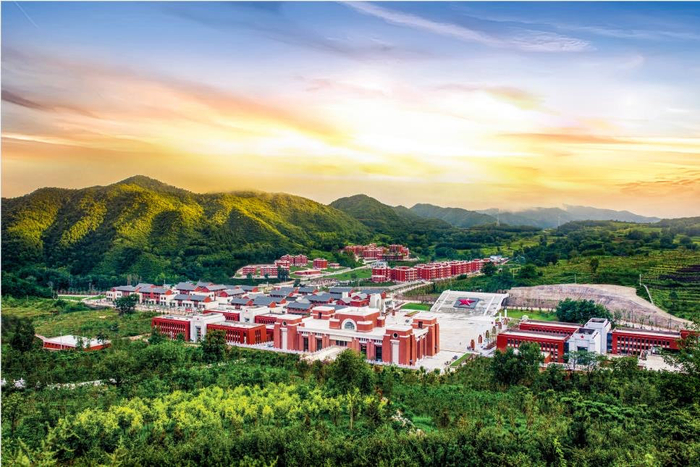
Zhaojin is a revolutionary base on the Shaanxi-Gansu border, with red tourism sites like Zhaojin Memorial Hall and Xuejia Village, featuring spectacular Danxia landforms.
Explore rich intangible cultural heritage and traditional crafts
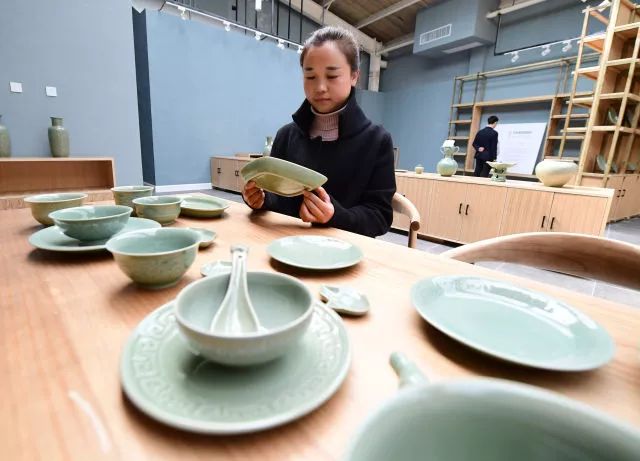
Yaozhou Kiln originated in the Tang Dynasty, famous for celadon, with unique carving techniques, listed in the first batch of national intangible cultural heritage.
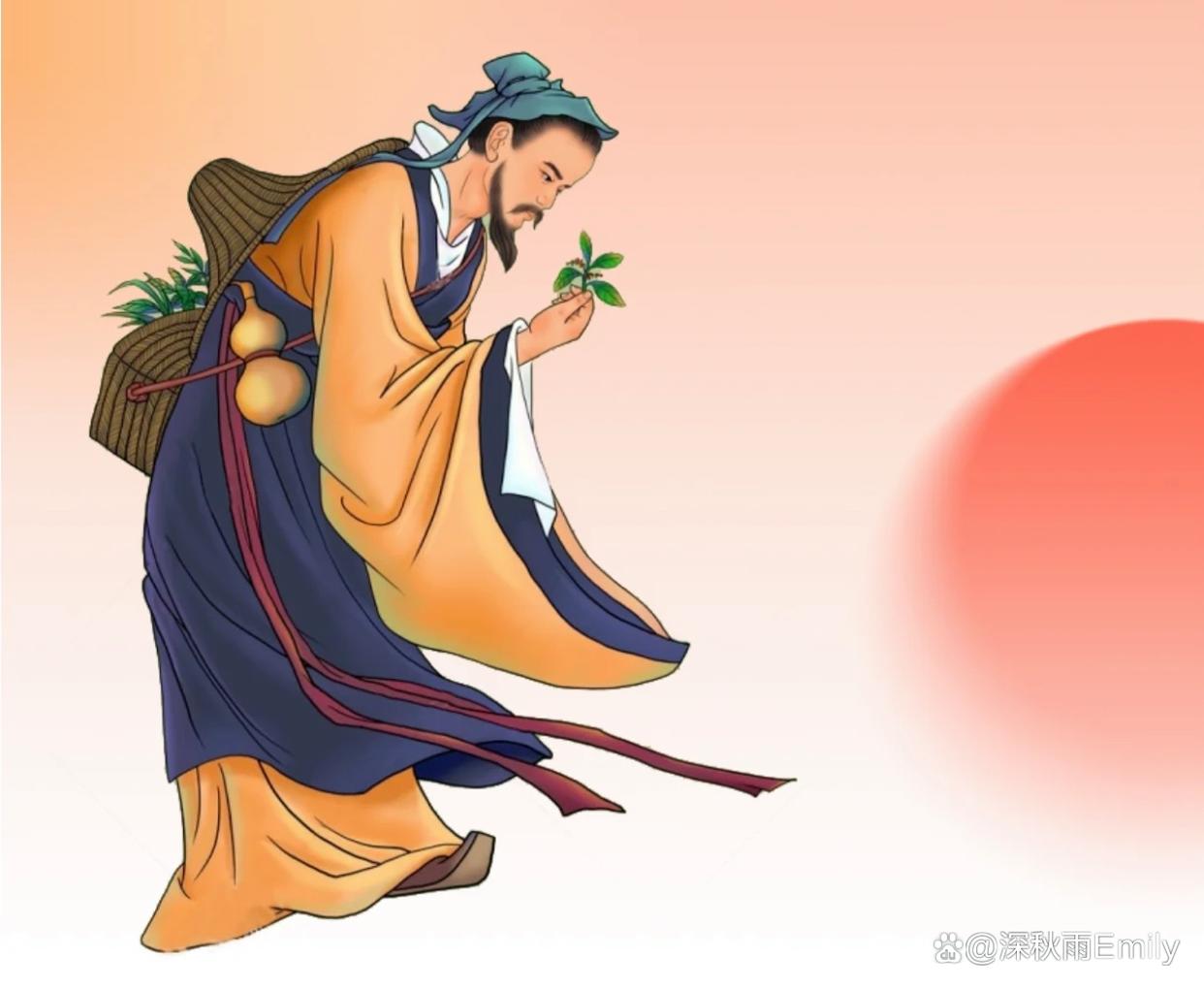
Sun Simiao was a Tang Dynasty medical scientist. Folk tales about his healing practices are listed as provincial intangible cultural heritage.
Must-know transportation for exploring the city
Tongchuan Station is in the city center, with regular trains to Xi'an and other places. High-speed rail requires a transfer in Xi'an.
Xi'an-Tongchuan hard seat about 20 RMB
Tongchuan Bus Station has multiple routes to Xi'an, Yan'an, Xianyang and other nearby cities.
Xi'an-Tongchuan about 30 RMB
City buses cover major attractions and areas, fare 1-2 RMB, some routes accept bus cards.
1-2 RMB
Taste the most authentic and popular local specialties
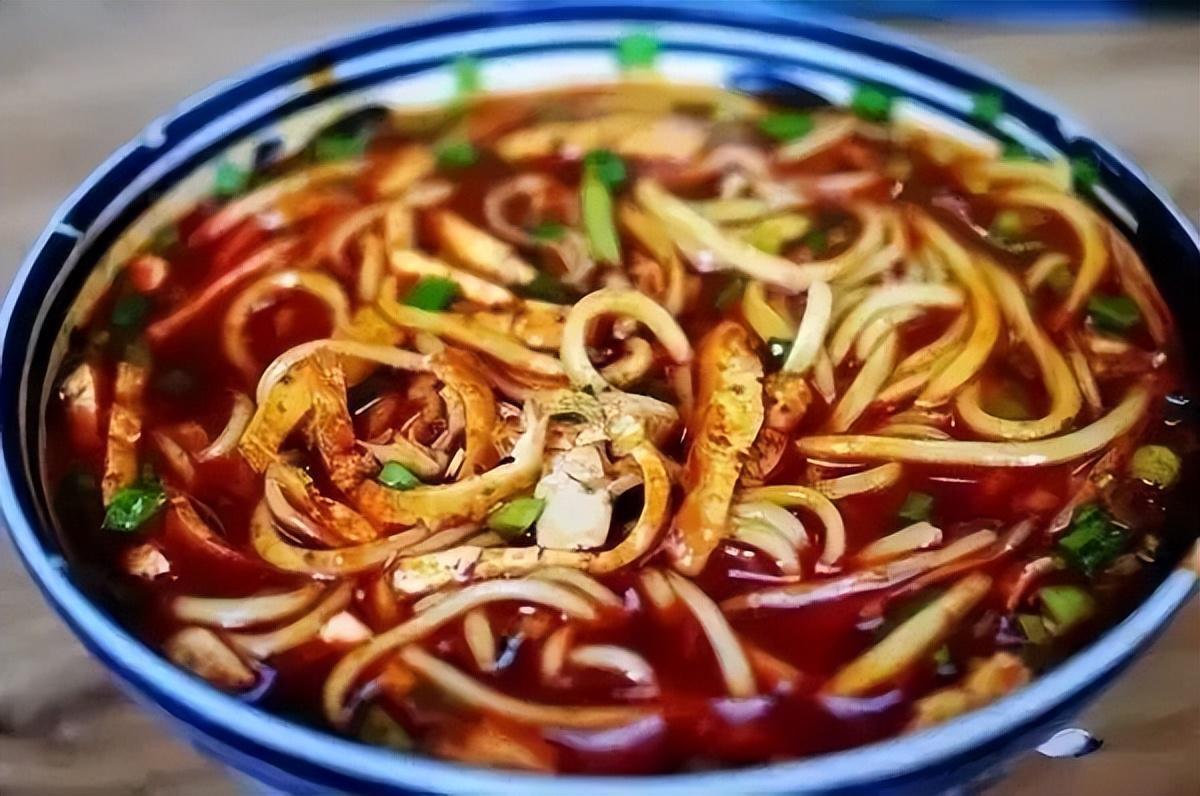
A special noodle dish in Tongchuan, with broth made from bones, added tofu, daylily, etc., savory and fresh.
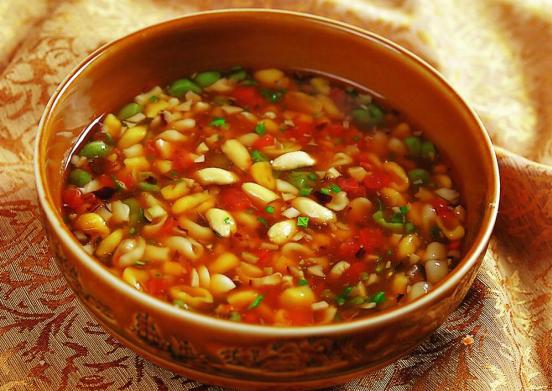
Noodles shaped like small nests, served with diced meat and vegetables, chewy texture, rich broth.
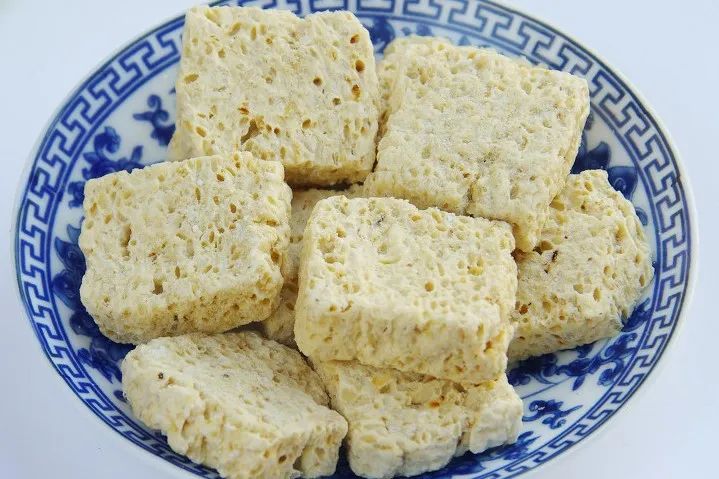
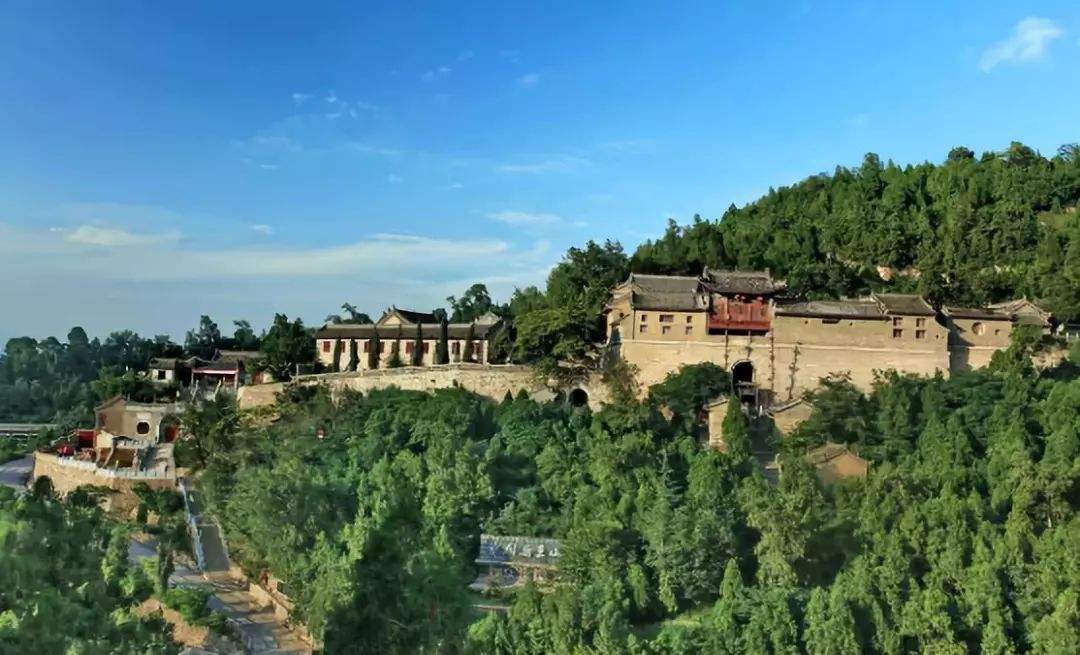
Yuhua Palace was a summer resort for Tang emperors, where Monk Xuanzang translated scriptures. Now a forest park with ice sculpture exhibitions.
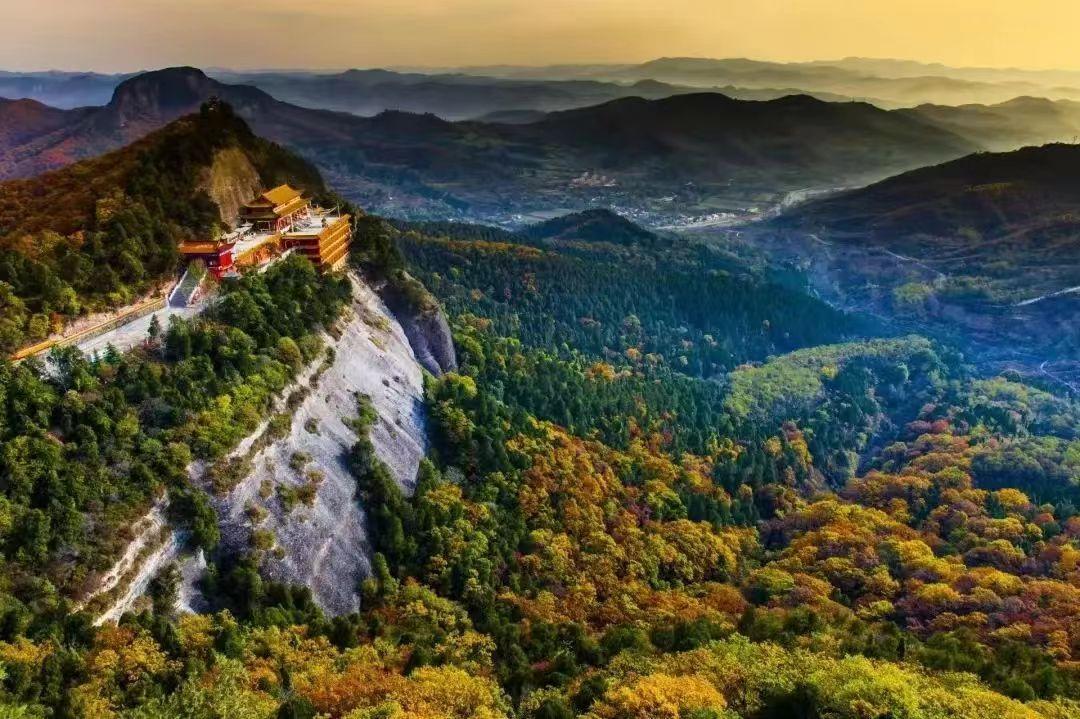
Xiangshan is famous for its red leaves, which cover the mountain like fire in autumn. It also has Buddhist temples, a photography paradise.
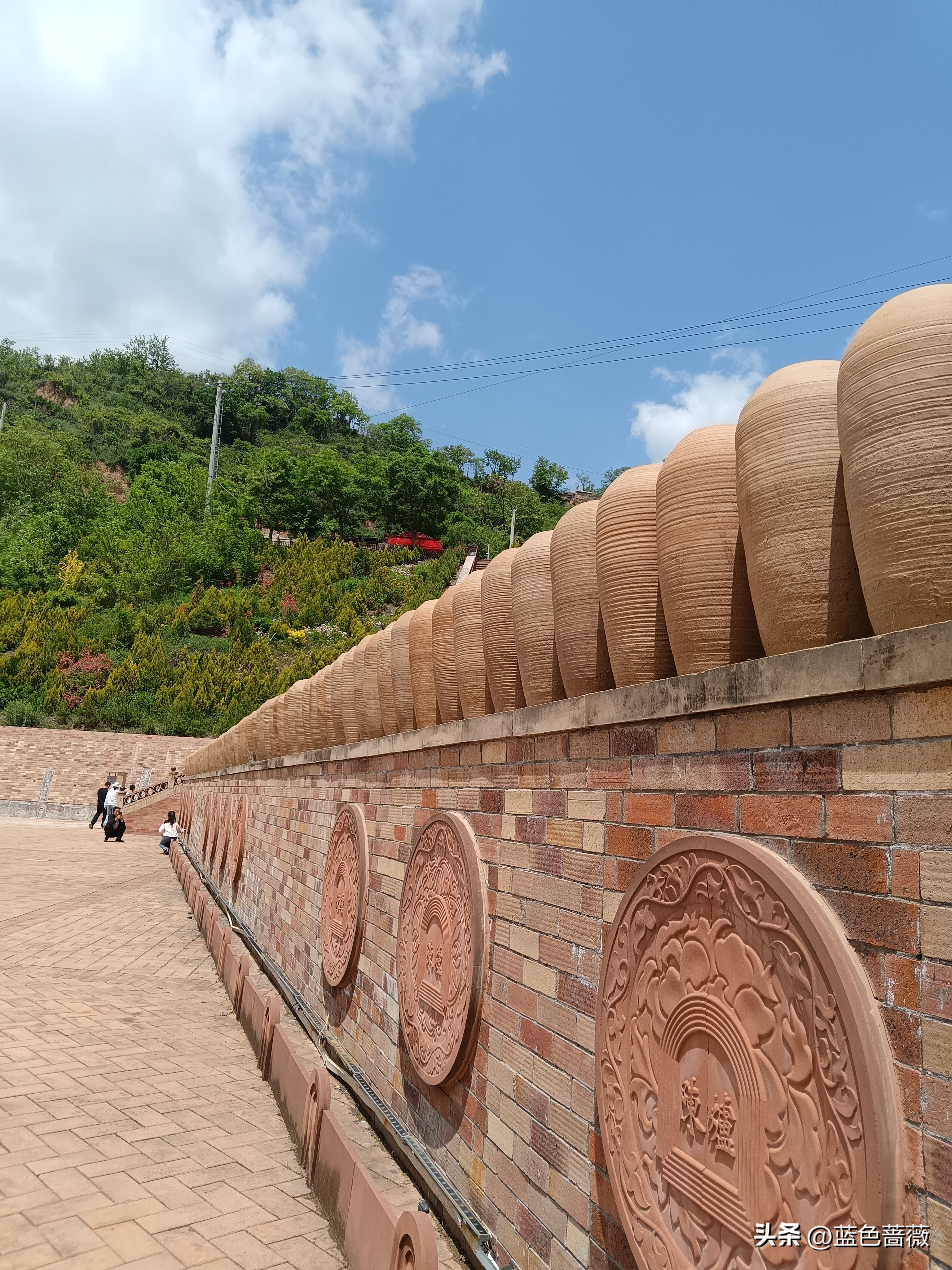
Chenlu is the site of Yaozhou Kiln, famous for 'pottery walls'. Visitors can experience porcelain making, with thousand-year-old kilns.
Traditional sweet, made with sesame and maltose, shaped like snowflakes, crispy and sweet.
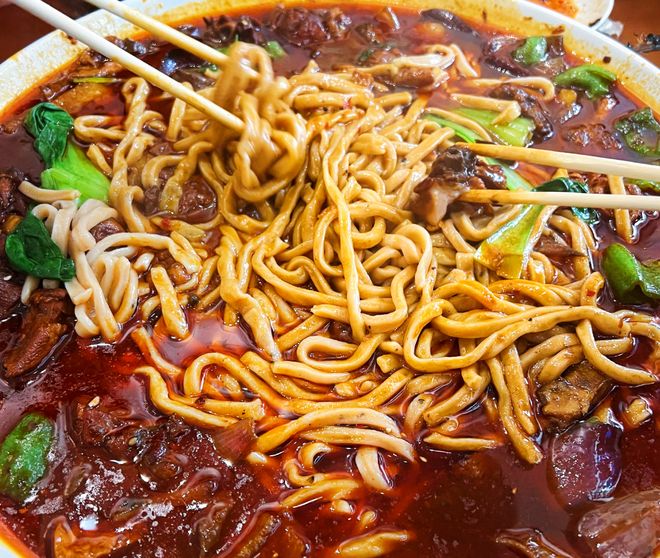
Wide noodles cut with a broad knife, thick and chewy, served with minced meat sauce, sour and spicy.
Made with chili powder, sesame, salt, etc., eaten with bread or noodles, fragrant and spicy.