
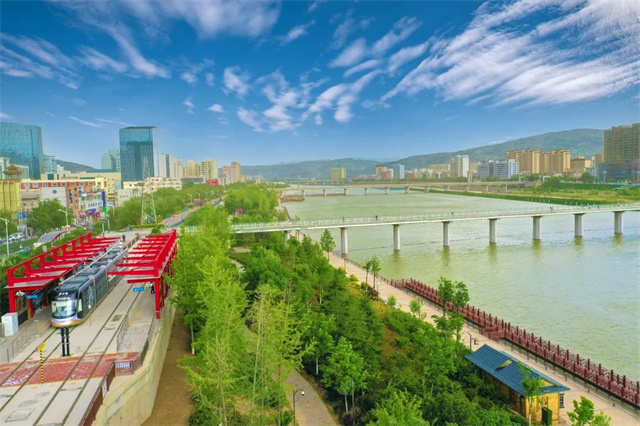
Tianshui is located in the southeastern part of Gansu Province, at the junction of the western Qinling Mountains and the Guanzhong Plain. It has a temperate continental monsoon climate with four distinct seasons and pleasant weather, with an average annual temperature of about 11°C, earning it the nickname 'Jiangnan in Longshang'.
Tianshui is one of the important birthplaces of the Chinese nation, with a civilization history of over 8,000 years. It is the birthplace of Fuxi and Nüwa, as well as the cradle of Qin culture. In 688 BC, the State of Qin established Gui County here, one of the earliest county-level administrative divisions in China.
Tianshui has profound cultural heritage and was the first major town on the Silk Road west of Chang'an. The renowned Maijishan Grottoes, a World Cultural Heritage site, are famous for their exquisite clay sculptures. Tianshui's cuisine, mainly based on noodles, has unique flavors, such as Tianshui Guagua, Jiangshui Noodles, and Lard Box, which are very popular among tourists.
Today, Tianshui has developed into a central city in the southeastern Gansu region, with an industrial system dominated by equipment manufacturing, electronic information, and agricultural product processing. At the same time, Tianshui actively develops cultural tourism, attracting a large number of tourists to scenic spots like Maijishan and Fuxi Temple, and its urban infrastructure is continuously improving.
The best time to visit 天水 is The best travel time is spring and autumn (April-June, September-October).
Spring (April-June): The weather warms up, and scenic spots like Maijishan and Fuxi Temple are lush green, suitable for outdoor outings. The Fuxi Cultural Festival and other events are held during this time.
Autumn (September-October): The sky is clear and the air is crisp, with Maijishan displaying colorful autumn leaves. It's a great season to taste local fruits like apples and pears.
Summer (July-August) is hot, but mountainous areas like Maijishan are cool for escaping the heat. Winter (November-March) is cold, but you can enjoy snow scenes and hot springs.
The Dadiwan site in Qin'an County, Tianshui, is a large early Neolithic settlement, yielding numerous painted pottery and agricultural remains, proving Tianshui as an important birthplace of Chinese agricultural civilization.
In 688 BC, the Qin state established Gui County in present-day Tianshui urban area, one of the earliest county-level administrative divisions in Chinese history, marking Tianshui's formal incorporation into central governance.
Recommended places to visit
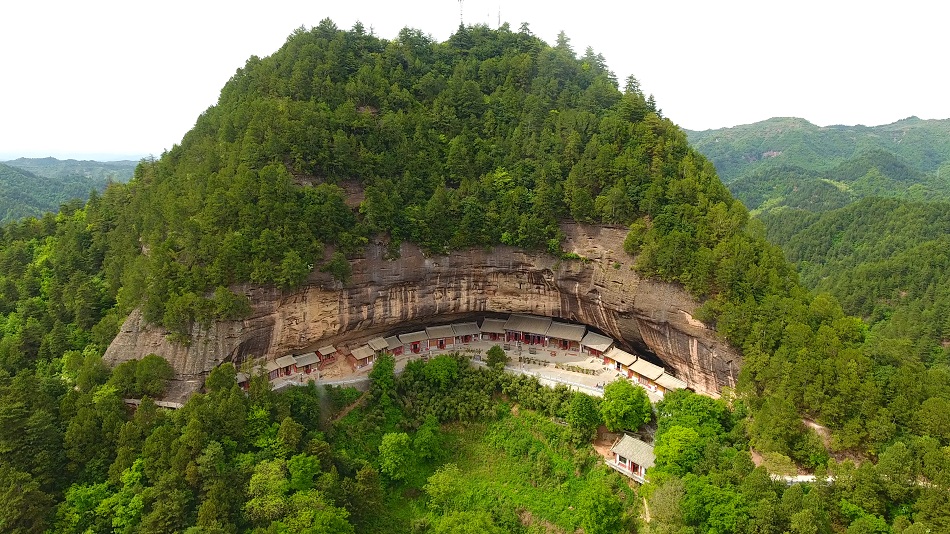
World Cultural Heritage, national 5A scenic spot. Located 45 km southeast of Tianshui city, named for its wheat-stack shape. It has 221 caves and 10,632 clay and stone sculptures, famous for exquisite clay sculpture art, known as the 'Oriental Sculpture Gallery'.
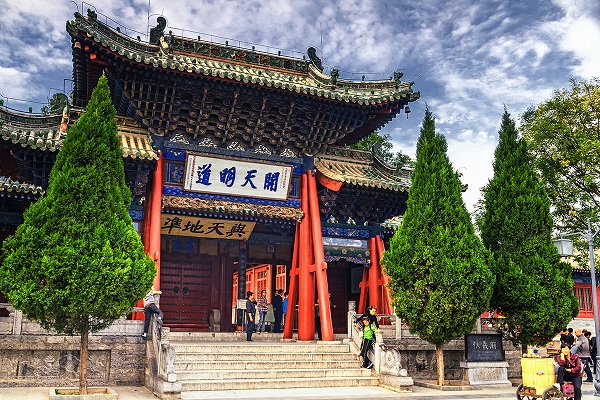
National key cultural relic protection unit, national 4A scenic spot. Located in Qinzhou District, Tianshui, it is the largest Fuxi sacrificial architectural complex in China, first built in the Ming Dynasty. The annual Fuxi Cultural Festival attracts Chinese from home and abroad for ancestor worship.
UNESCO World Heritage Sites
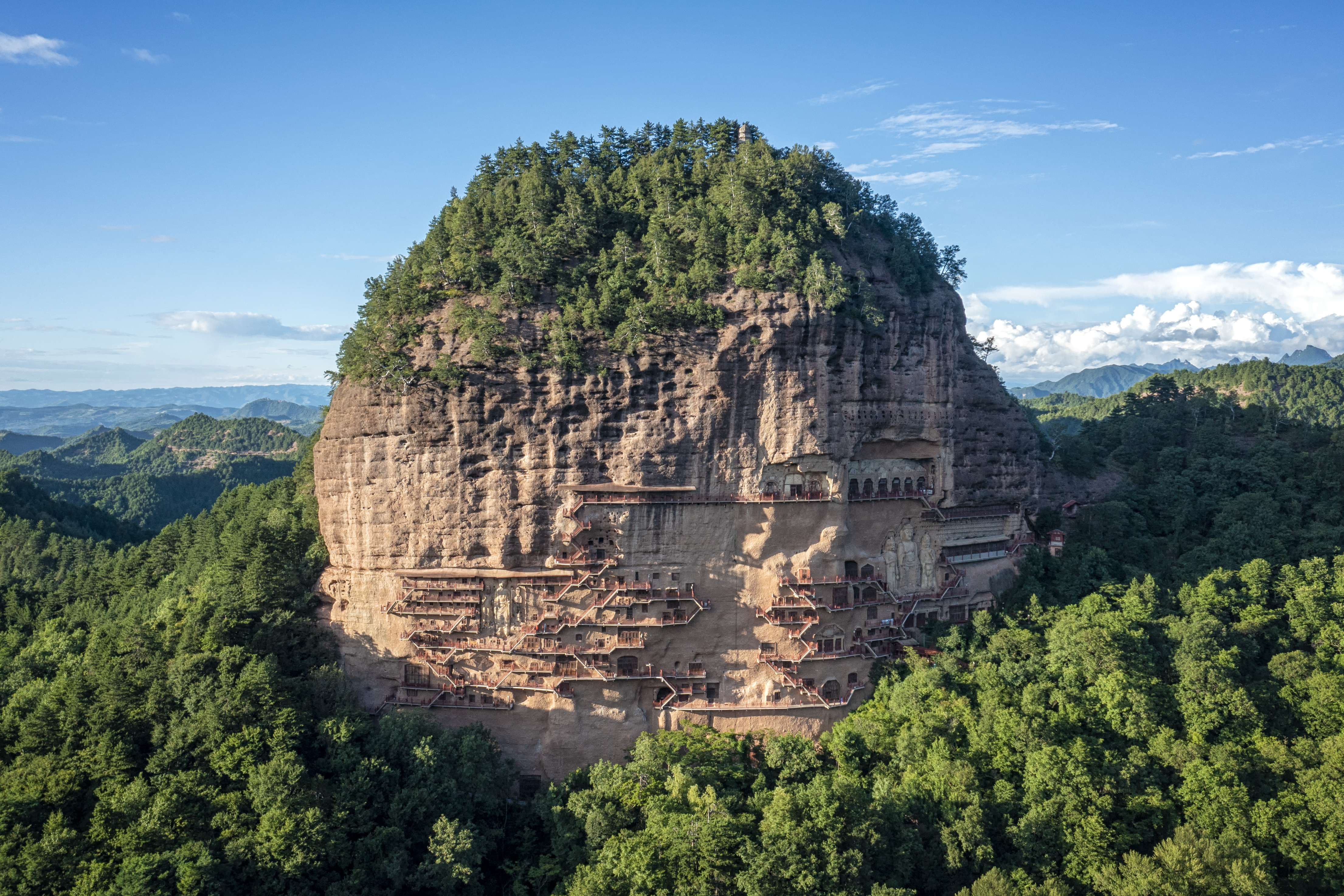
As part of the 'Silk Roads: the Routes Network of Chang'an-Tianshan Corridor', it was inscribed as a World Cultural Heritage site. Maijishan Grottoes are famous for exquisite clay sculpture art, one of the four major grottoes in China.
Explore rich intangible cultural heritage and traditional crafts
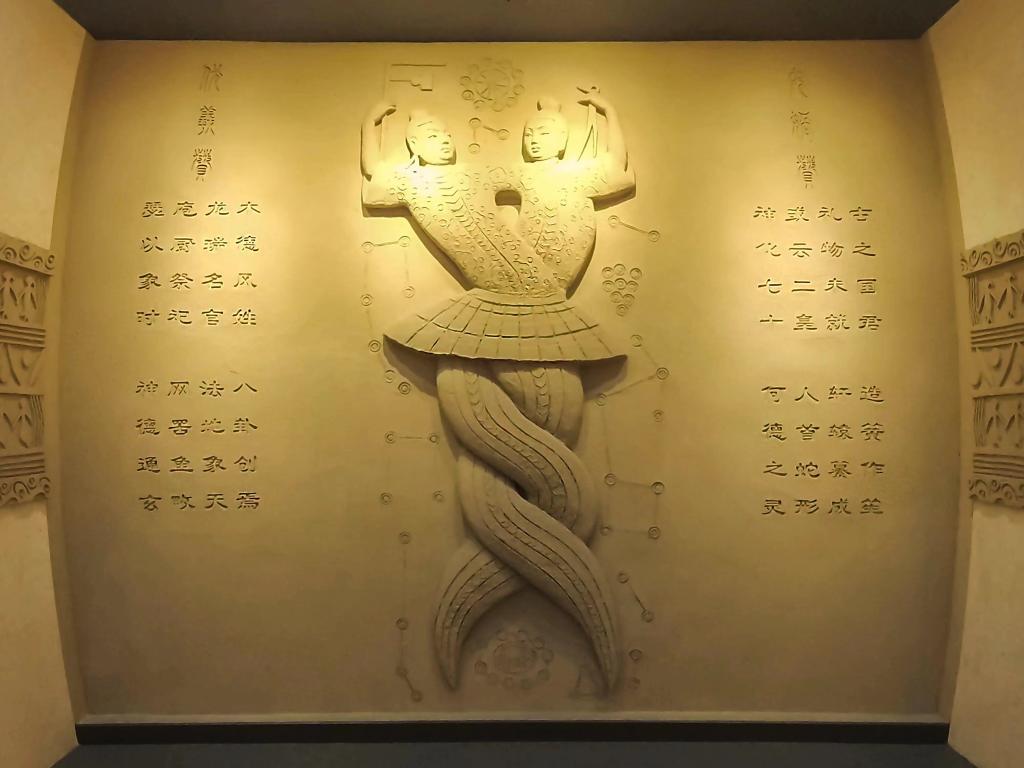
Inscribed as a national intangible cultural heritage. Tianshui is the birthplace of Fuxi and Nüwa, with long-standing and influential legends, and the annual Fuxi Cultural Festival is held.
Must-know transportation for exploring the city
Located in Qinzhou District, about 15 km from the city center, with flights to Beijing, Shanghai, Xi'an, etc. Airport buses and taxis are available to the city.
Airport bus about 20 RMB
Located in Maiji District, an important station on the Xuzhou-Lanzhou High-speed Railway. High-speed trains can quickly reach Xi'an (about 1.5 hours), Lanzhou (about 1.5 hours), etc.
Xi'an to Tianshui second-class seat about 100 RMB
City bus routes cover major attractions and urban areas, fare 1-2 RMB. There are also tourist shuttle buses to Maijishan and other scenic spots.
1-2 RMB
Taste the most authentic and popular local specialties
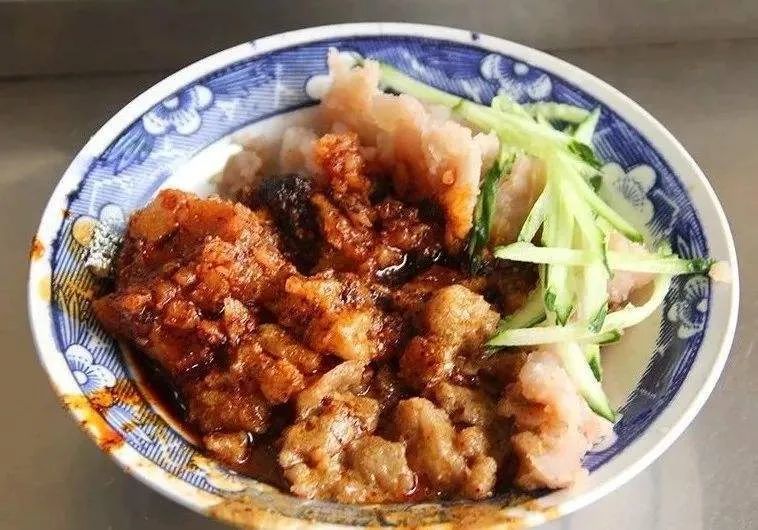
The most representative snack of Tianshui, made from buckwheat starch, chewy texture, served with special chili oil, vinegar, garlic paste, etc., spicy and delicious.
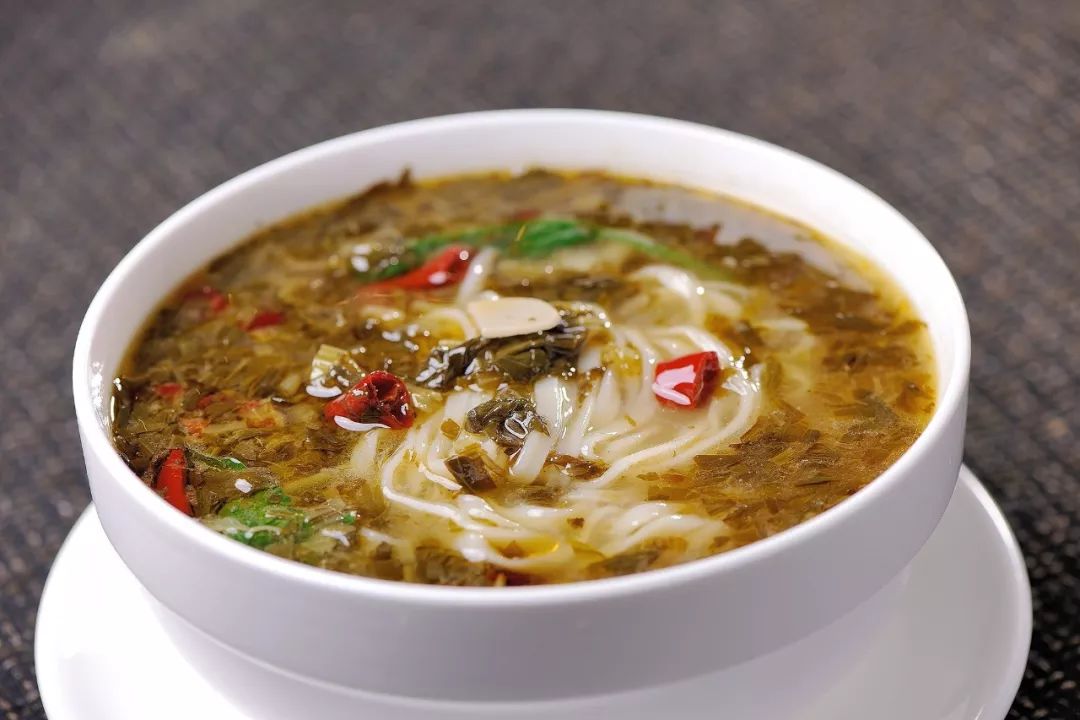
Noodles in a soup made from fermented vegetable broth (jiangshui), sour and refreshing, especially relieving summer heat. A common home-style summer dish in Tianshui.
During the Later Qin period, excavation of the Maijishan Grottoes began, continuing through more than ten dynasties, forming a large-scale grotto complex with 221 existing caves and 10,632 clay and stone sculptures, known as the 'Oriental Sculpture Gallery'.
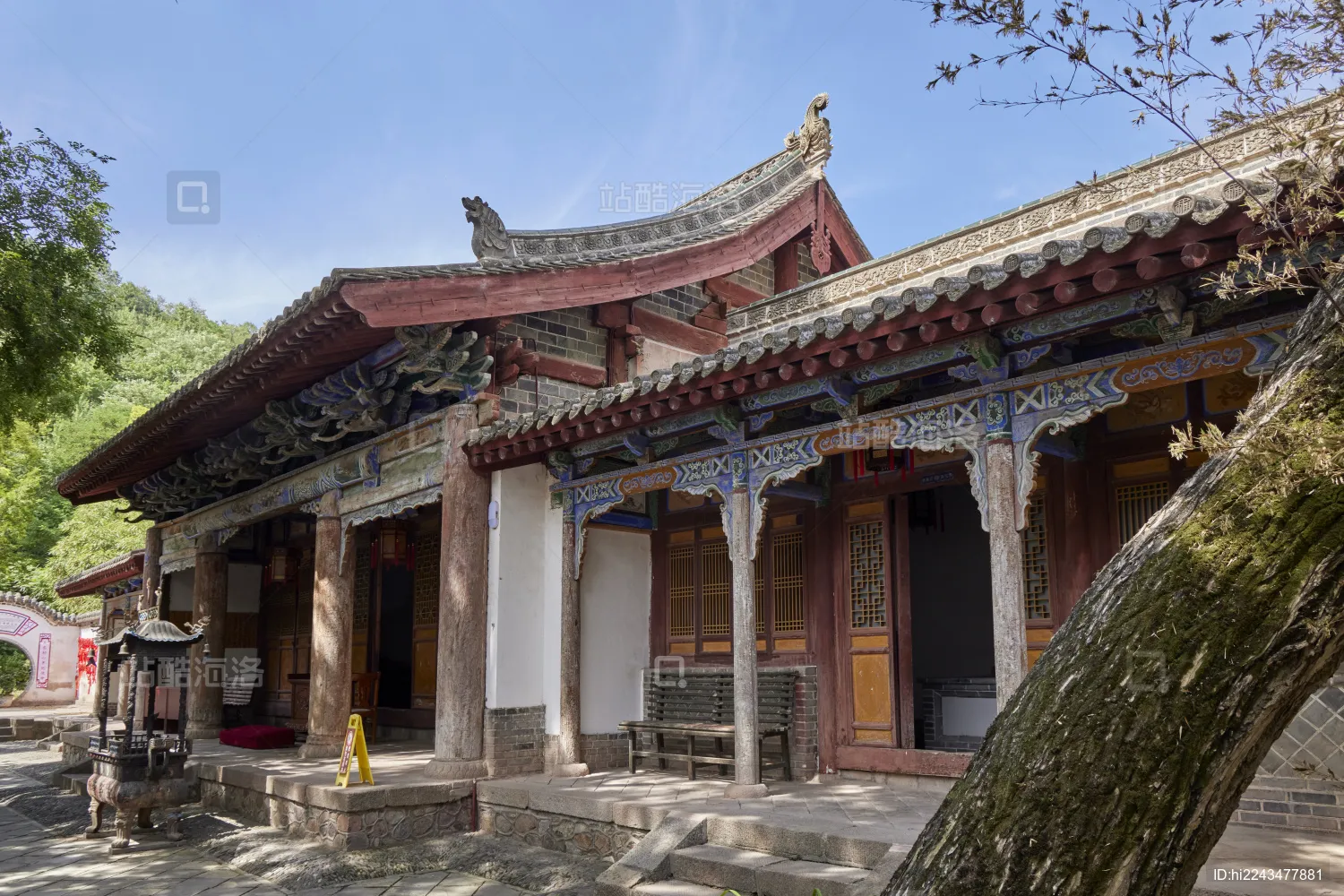
National 4A scenic spot, built in the Sui and Tang dynasties, famous for Du Fu's poems. The temple has towering ancient cypresses, known as 'Nanshan Ancient Cypress', offering a great view of Tianshui city.
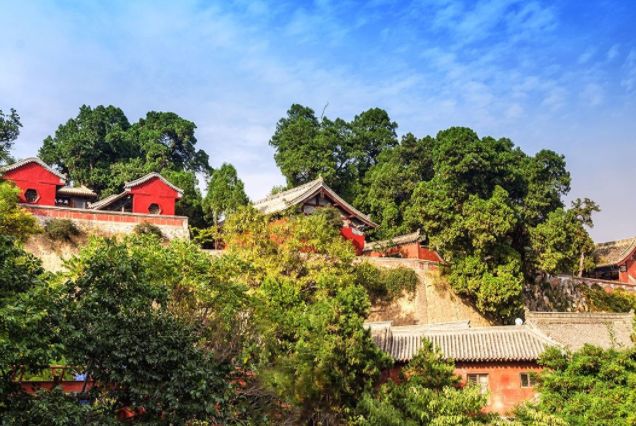
National key cultural relic protection unit, national 4A scenic spot. Built in the Tang Dynasty, named after the jade spring on the hillside. The ancient building complex is built along the mountain, with strong Taoist culture, a famous Taoist holy site in Gansu.
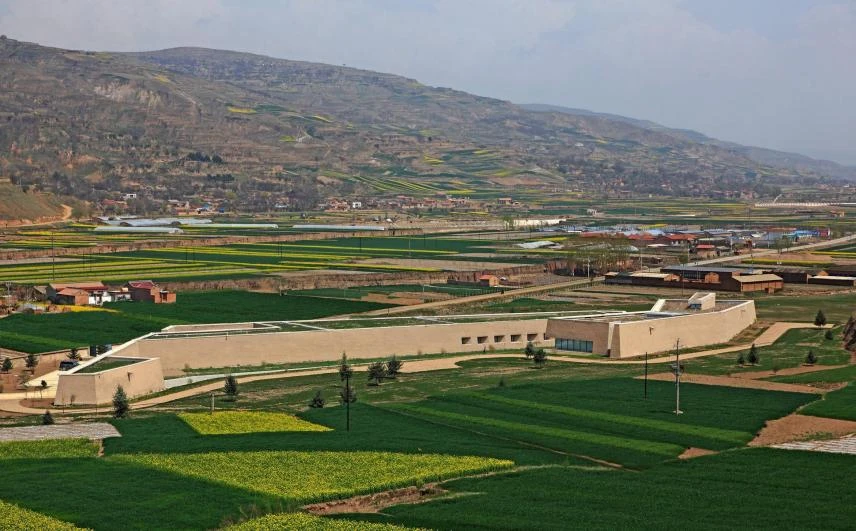
National key cultural relic protection unit, national 4A scenic spot. Located in Qin'an County, Tianshui, it is a large Neolithic settlement site dating back about 8,000 years, yielding numerous painted pottery and ground paintings, significant for studying the origin of Chinese civilization.
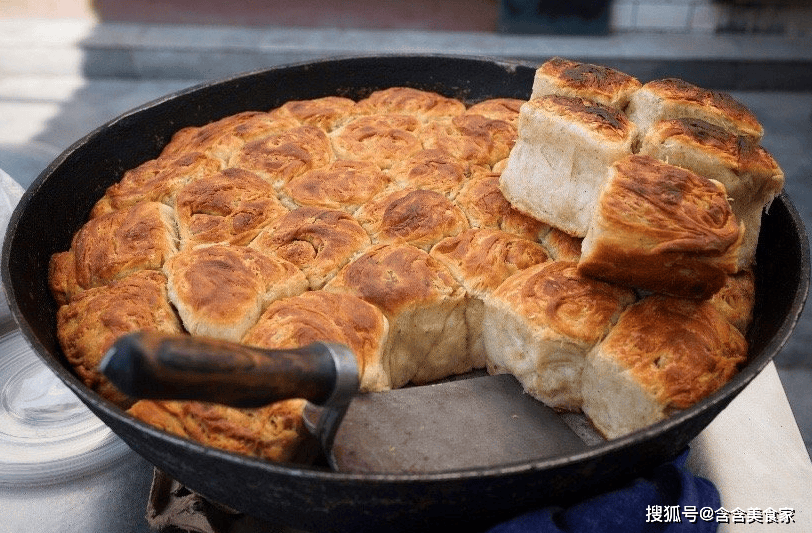
A flaky pastry with crispy outer layer, usually filled with lard and scallions, baked until fragrant, a traditional breakfast item in Tianshui.
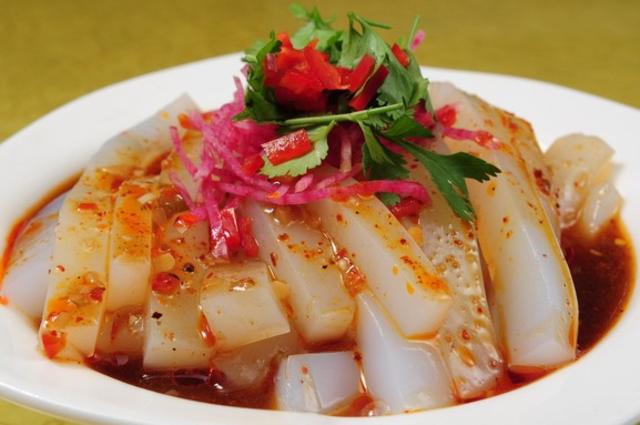
Bean starch jelly made from pea or mung bean starch, translucent and smooth, often served with chili oil, vinegar, mustard, etc., cool and refreshing.
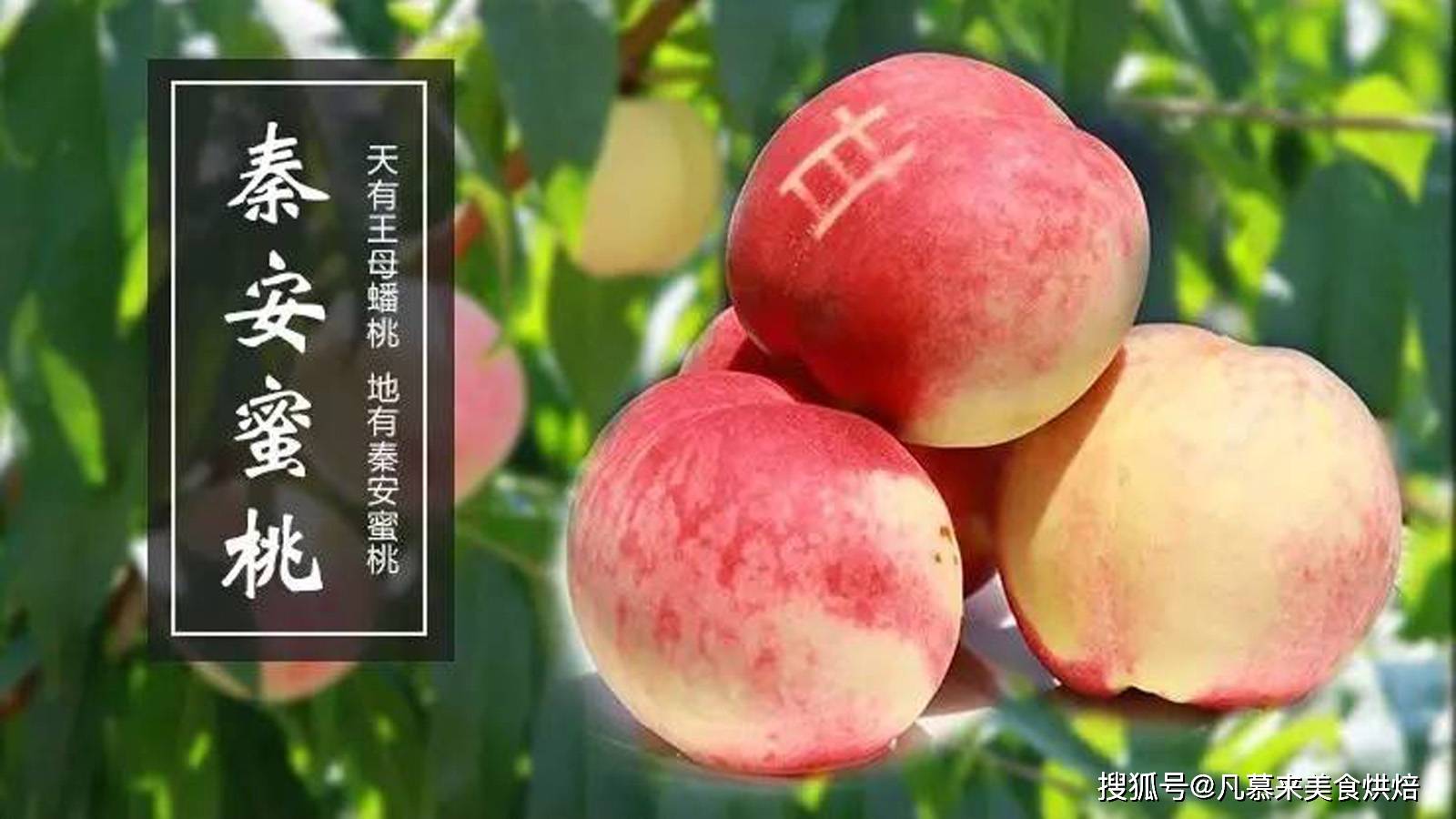
Honey peaches from Qin'an County, Tianshui, large, thin-skinned, juicy and sweet, known as 'China's Famous Fruit', a national geographical indication product.