
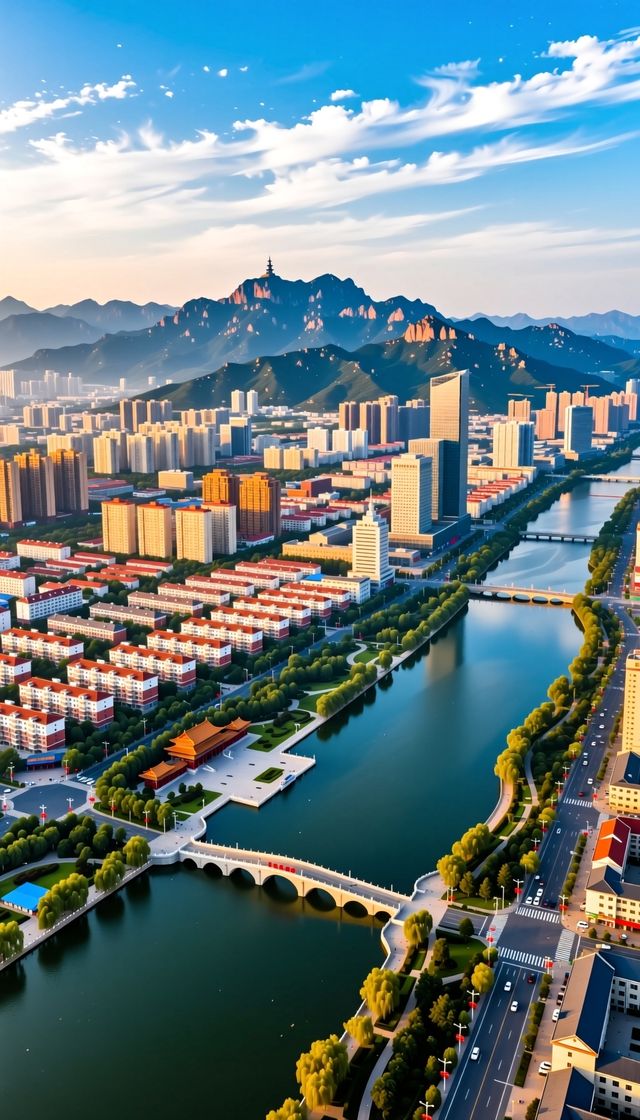
Tangshan is located in eastern Hebei Province, bordering the Bohai Sea to the south and the Yanshan Mountains to the north. It sits at the strategic gateway between North China and Northeast China. The city has a warm temperate semi-humid monsoon climate with four distinct seasons: hot, rainy summers and cold, dry winters.
Tangshan rose to prominence thanks to its coal resources and is known as the cradle of modern Chinese industry. In 1976, a devastating 7.8-magnitude earthquake leveled the city, but the people of Tangshan rebuilt with indomitable will, creating a miracle of rebirth like a phoenix rising from the ashes.
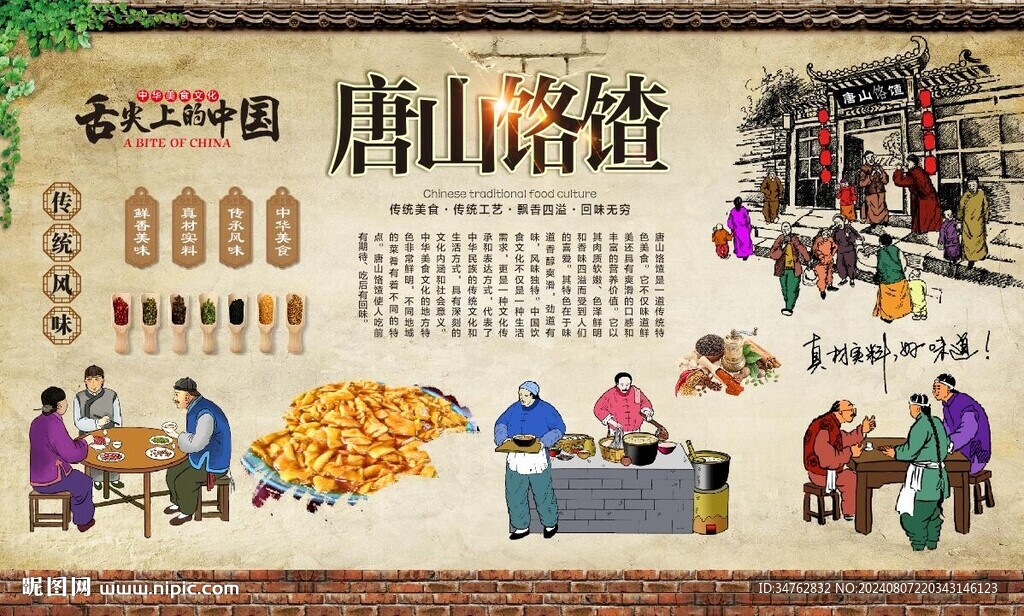
Tangshan has a rich cultural heritage, including intangible cultural treasures like Pingju opera and shadow puppetry. Its cuisine features seafood and pasta dishes, with specialties such as Hongyan Pork Elbow, Chess-shaped Pastry, and Tangshan Gedza, blending bold northern flavors with delicate touches.
Today, Tangshan is a key node in the Beijing-Tianjin-Hebei coordinated development. The Caofeidian port area has become a world-class deep-water harbor, while the city vigorously develops high-end equipment manufacturing and new energy industries, showcasing the vitality of a modern coastal city.
The best time to visit 唐山 is Best in spring and autumn with pleasant weather.
Spring (March to May): The weather warms up, flowers bloom, ideal for outdoor outings and visiting historical sites like the Eastern Qing Tombs.
Summer (June to August): Hot and rainy, but you can escape the heat at the coast and enjoy the wetlands of Caofeidian.
Autumn (September to November): Clear skies and crisp air, with charming autumn colors, perfect for seafood tasting and mountain scenery.
Tangshan rose due to coal. The establishment of the Kaiping Mining Bureau marked the beginning of modern Chinese industry, making Tangshan an industrial hub.
A 7.8-magnitude earthquake struck on July 28, killing 242,000 people and destroying the city. The people of Tangshan rebuilt their homes from the ruins, demonstrating indomitable resilience.
Tangshan successfully hosted the 2016 World Horticultural Exposition with the theme 'City and Nature: Phoenix Nirvana', showcasing its ecological achievements after the earthquake.
Recommended places to visit
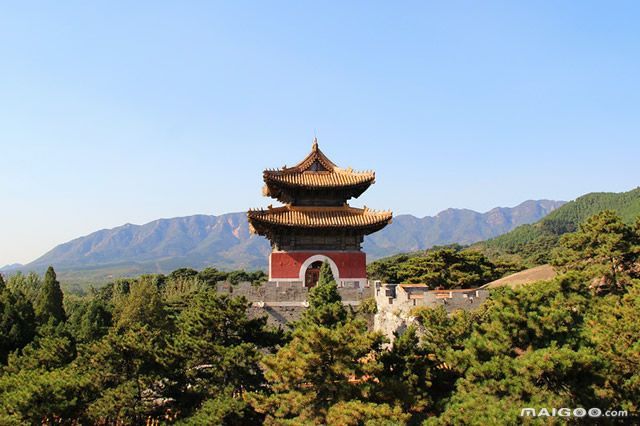
The largest and most complete imperial mausoleum complex in China, housing five emperors including Shunzhi, Kangxi, and Qianlong. A UNESCO World Heritage site.
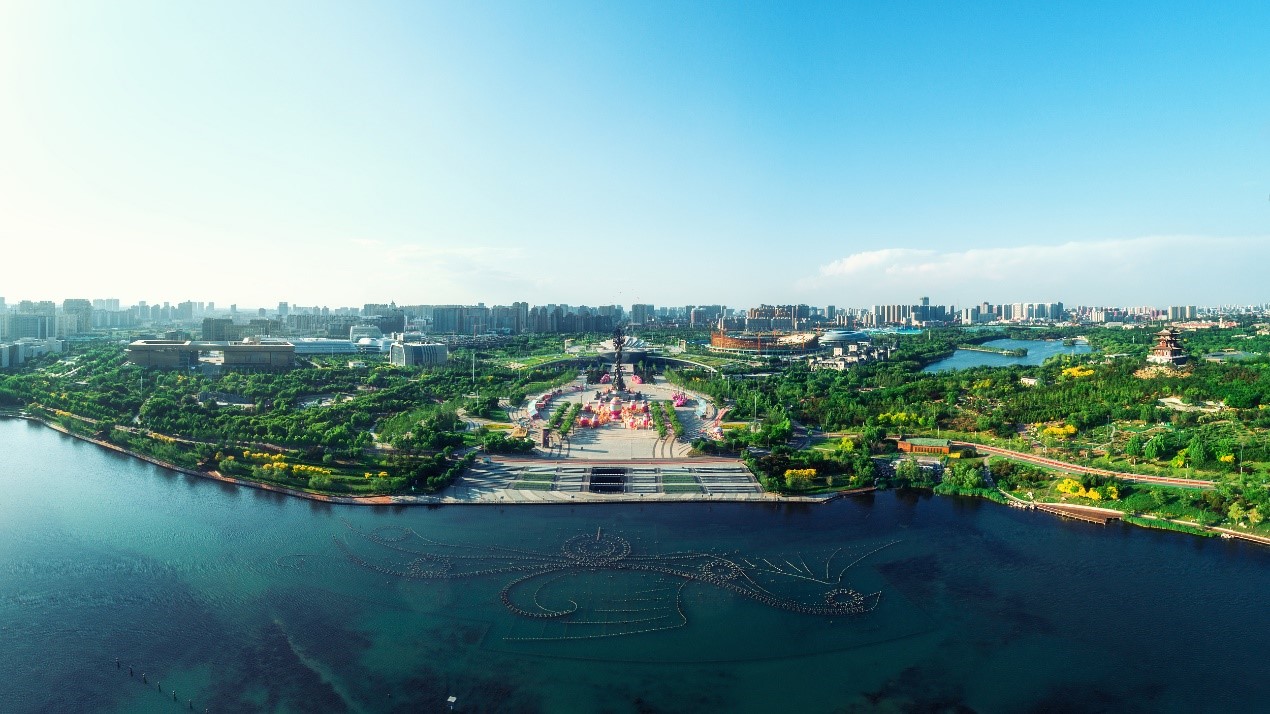
Transformed from a coal mining subsidence area into a central ecological park, the main venue of the 2016 World Horticultural Exposition, featuring beautiful scenery and integrating ecology, leisure, and culture.
UNESCO World Heritage Sites
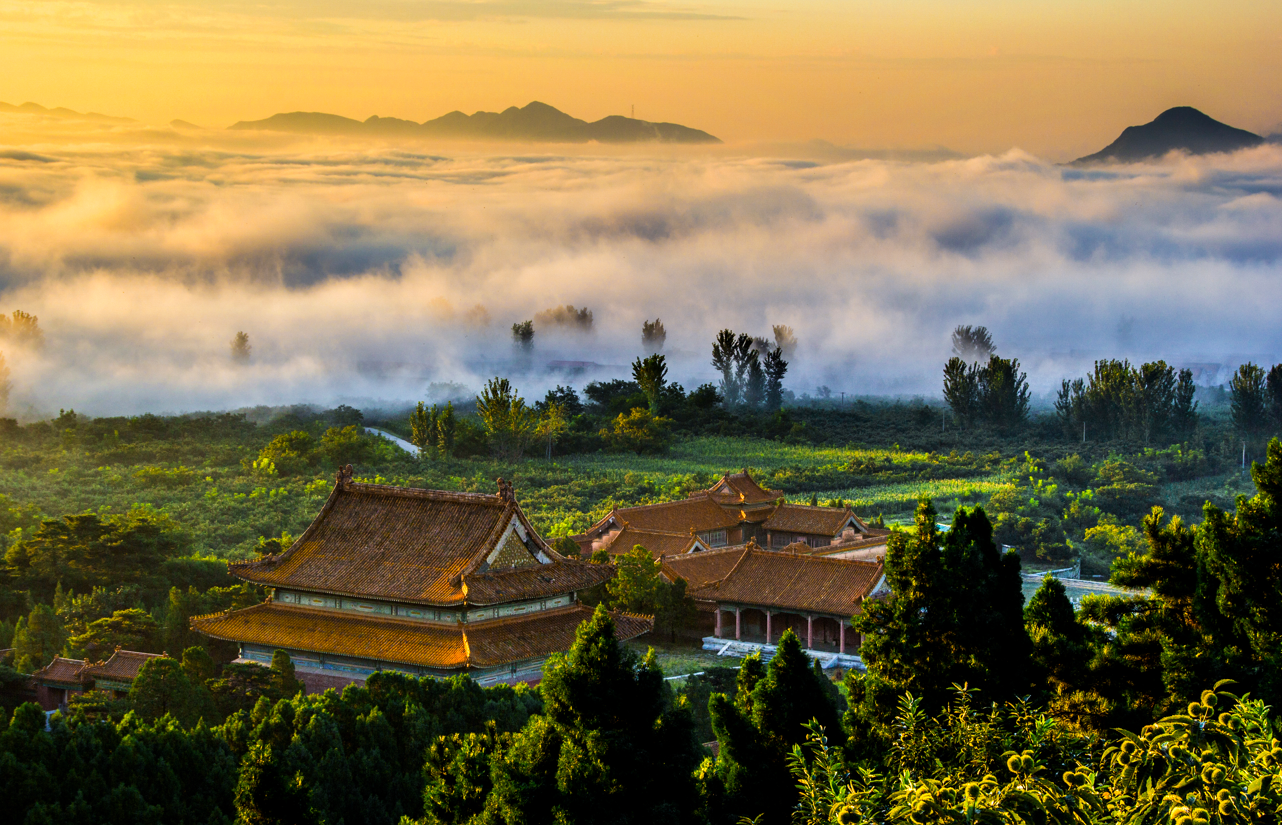
Located in Zunhua, Tangshan, it is the mausoleum complex of Qing emperors, inscribed as a UNESCO World Heritage site in 2000.
Explore rich intangible cultural heritage and traditional crafts
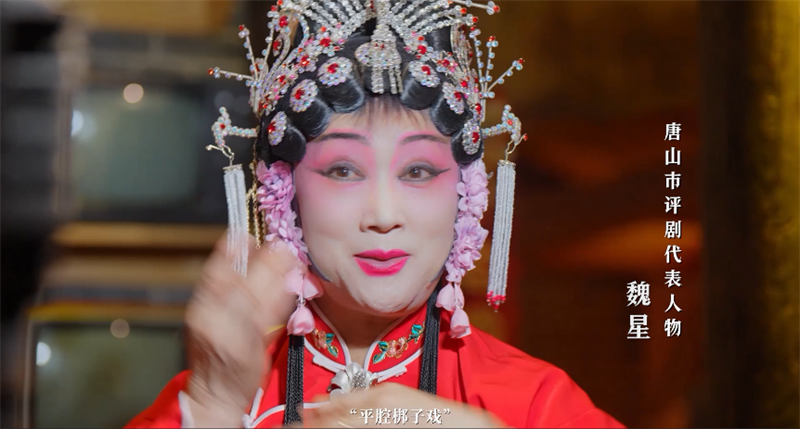
A Han Chinese opera originating in Tangshan, known for its melodious singing and delicate performance, inscribed as a national intangible cultural heritage in 2006.
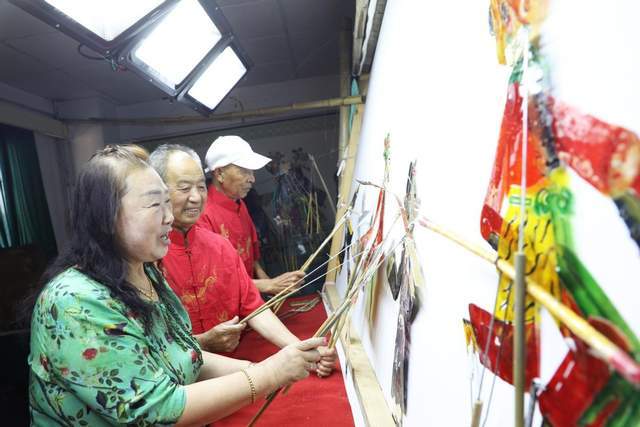
Carving figures from donkey leather and performing with light, with unique singing, a treasure of eastern Hebei folk art, listed as national intangible heritage in 2006.
Must-know transportation for exploring the city
Located in Fengrun District, offering flights to major cities like Shanghai, Guangzhou, and Shenzhen.
Economy class about 500-1500 RMB
Tangshan Station is a high-speed rail station connecting Beijing, Tianjin, and Northeast China; Tangshan North Station serves regular trains. High-speed train to Beijing takes about 1 hour.
High-speed second class to Beijing about 100 RMB
Tangshan's bus system covers major attractions in the urban area, fare 1-2 RMB. Taxi starting fare 7 RMB, convenient and fast.
Bus 1-2 RMB, taxi starting fare 7 RMB
Taste the most authentic and popular local specialties
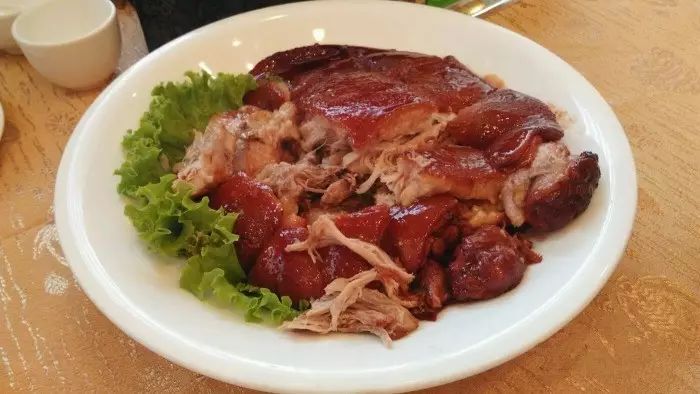
A traditional Tangshan dish, the elbow is slow-cooked to a glossy red color, tender and melting in the mouth.
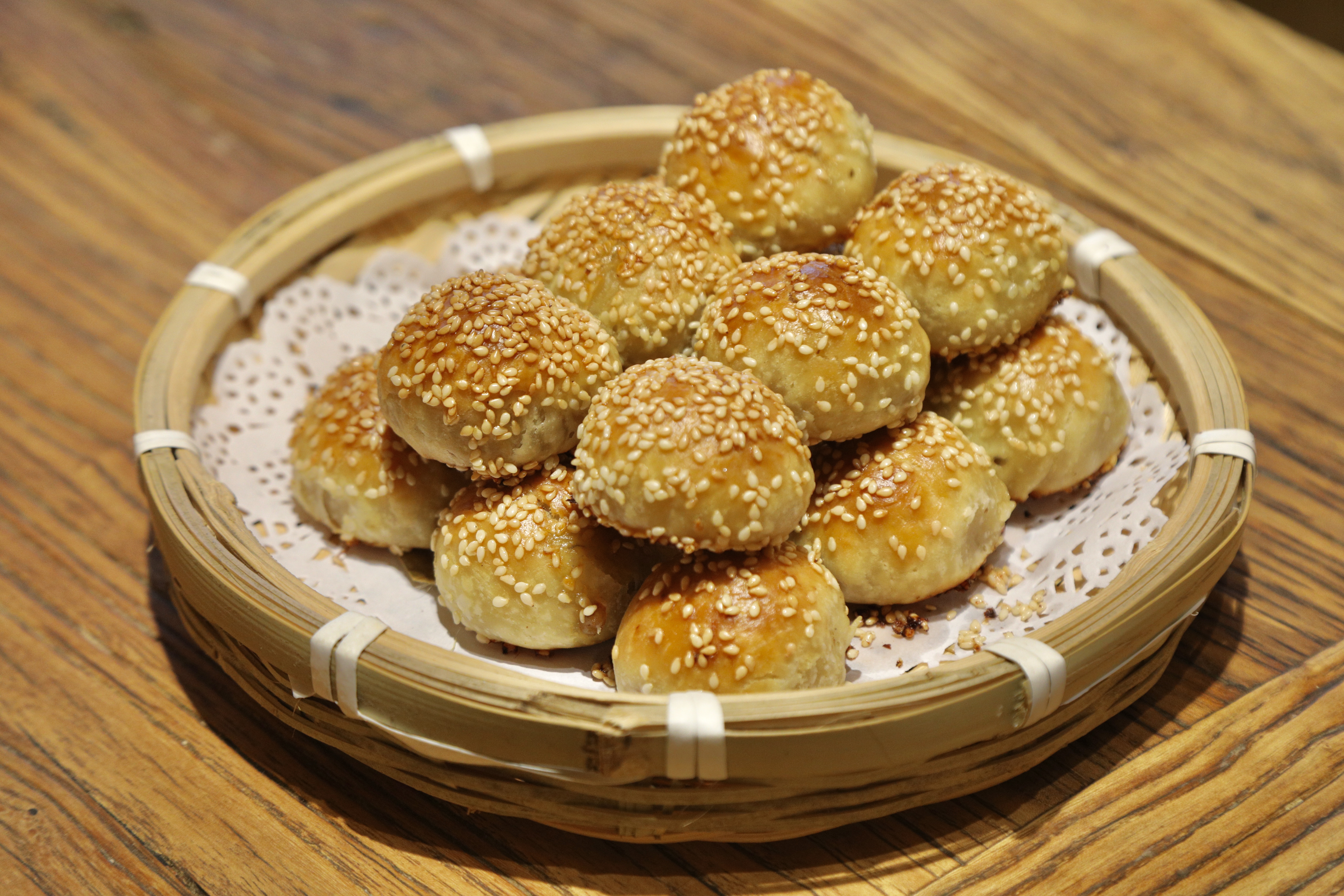
Named for its chess-piece shape, with a crispy crust and various fillings like bean paste and meat floss, a Tangshan specialty snack.
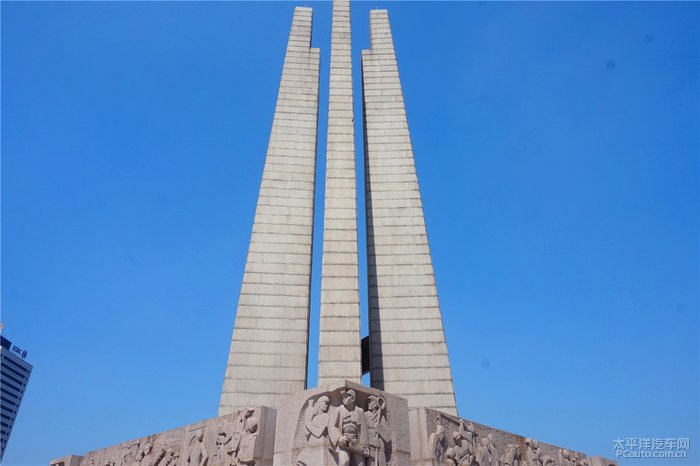
Built to commemorate the 1976 Tangshan earthquake, the main monument is 30 meters high, symbolizing 'man can conquer nature', and represents the spirit of earthquake resistance.
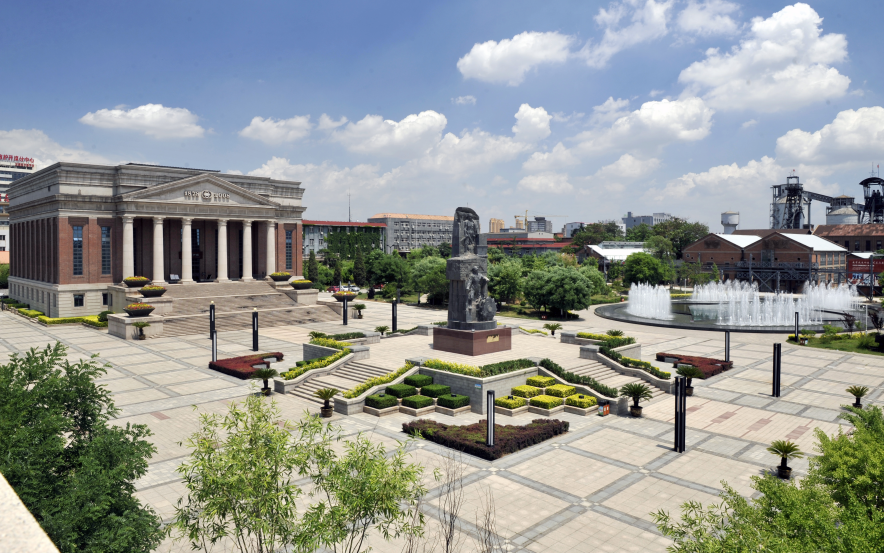
Based on the century-old industrial remains of Kailuan Coal Mine, it showcases the history of modern Chinese coal industry, offering underground mining experience.
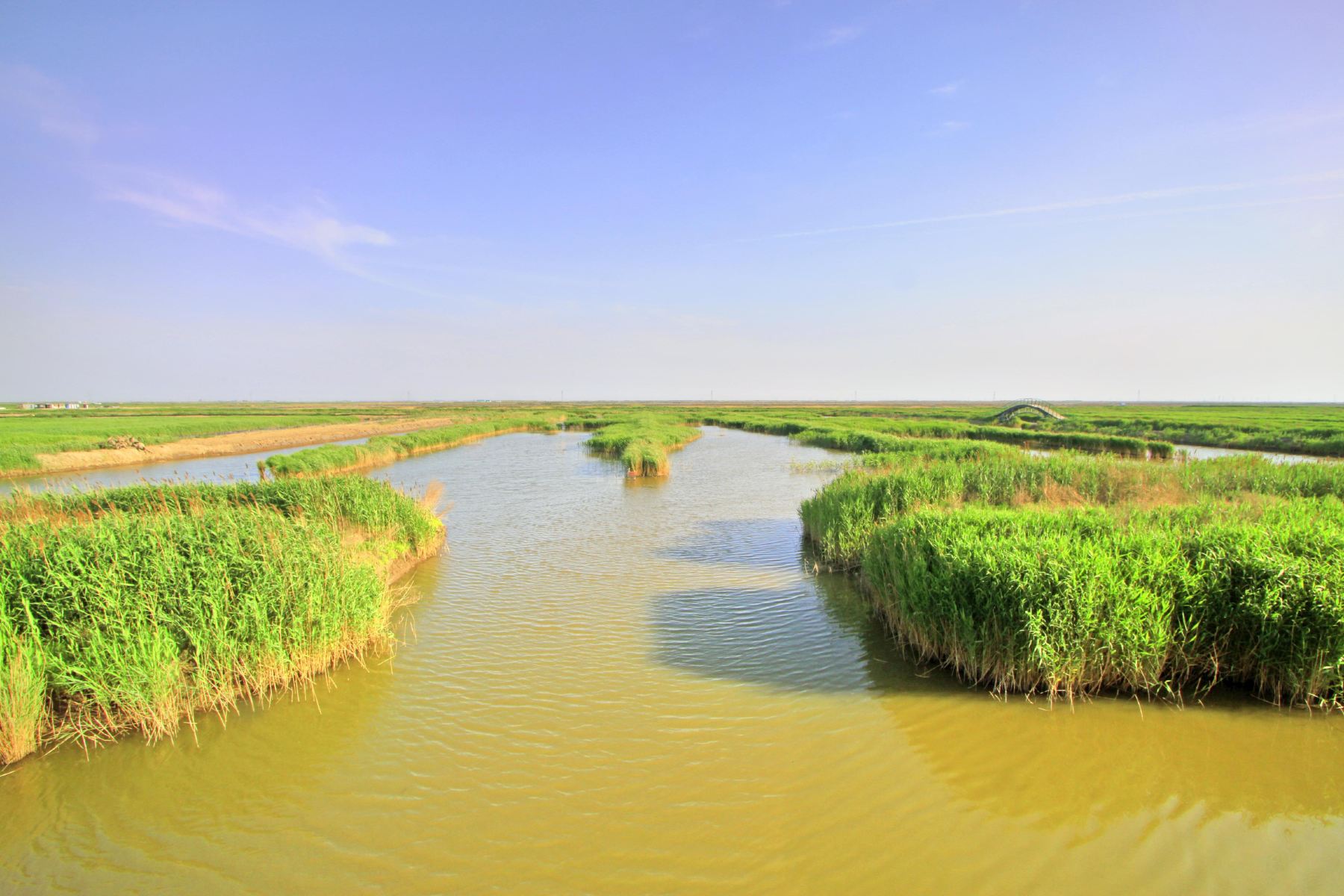
The largest coastal wetland in northern China, rich in bird resources, an excellent place for birdwatching and ecotourism, known as the 'Kidney of Beijing-Tianjin-Hebei'.
Made from mung bean flour, it can be stir-fried, deep-fried, or stewed, with a chewy texture, a common dish on Tangshan tables.
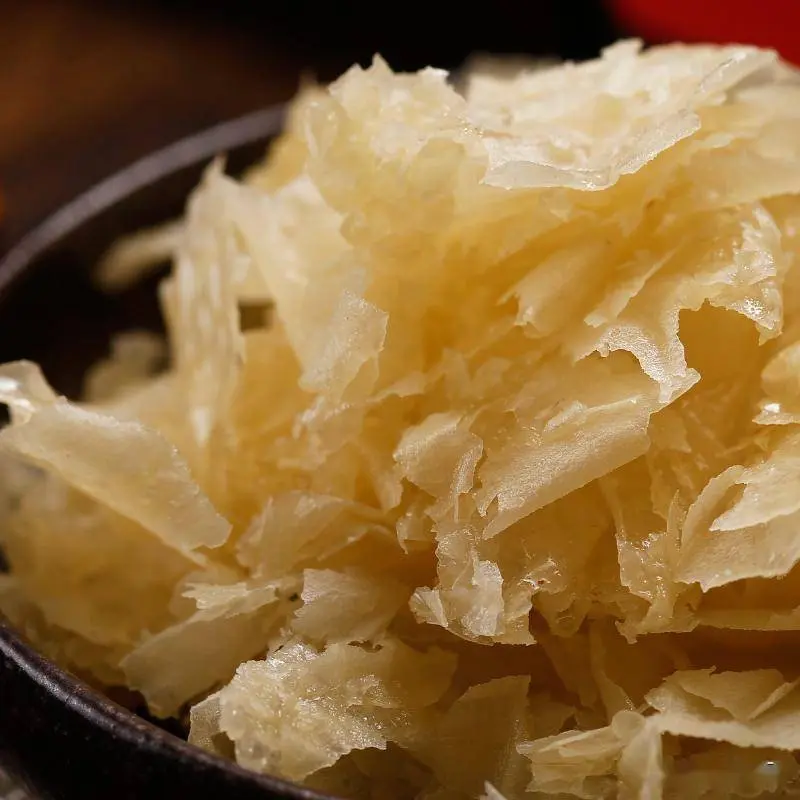
Made from sesame and maltose, thin, crispy, and sweet, a traditional Tangshan pastry with a century-old history.
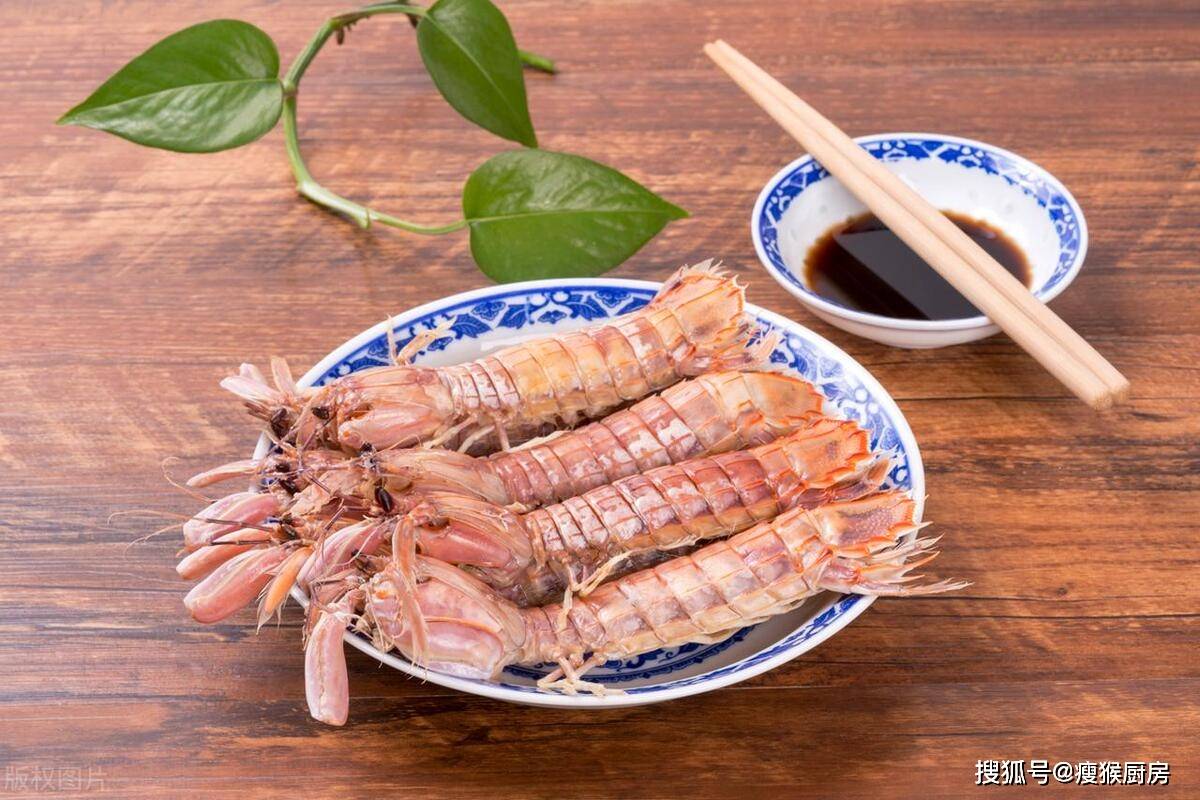
The Bohai Bay is rich in mantis shrimp, with delicious meat, suitable for steaming or spicy stir-fry, a star on Tangshan's summer table.