
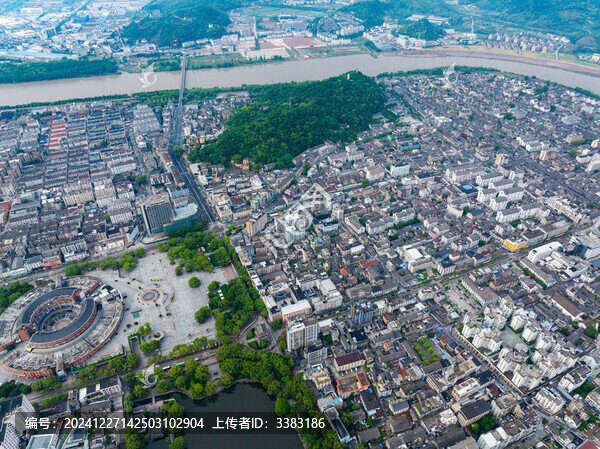
Taizhou is located in the central coast of Zhejiang Province, bordering the East China Sea to the east, Ningbo and Shaoxing to the north, Jinhua and Lishui to the west, and Wenzhou to the south. It covers a land area of 9,411 square kilometers and a sea area of 80,000 square kilometers. The city has a subtropical monsoon climate with four distinct seasons, mild and humid, with an average annual temperature of around 17°C.
Taizhou has a long history, with inhabitants dating back to the Neolithic Age. During the Qin Dynasty, it belonged to Minzhong Commandery, and in the early Han Dynasty, it was part of the Dong'ou Kingdom. It was named Taizhou in the Tang Dynasty, derived from Mount Tiantai within its territory. Historically, it is the birthplace of Tiantai Buddhism and the Southern School of Taoism, boasting profound cultural heritage.
Taizhou's culture is distinctive, blending the maritime culture of mountains and sea with the farming culture of reading and plowing. Its cuisine features seafood, with specialties such as Taizhou seafood, Tiantai Mountain vegetarian dishes, and Xianju bayberries. Folk arts include Taizhou Luantan opera and Linhai Cidiao (a form of ballad singing).
Modern Taizhou is an important birthplace of China's private economy, with a manufacturing-led industrial system. It is home to well-known enterprises such as Geely Automobile and Hisun Pharmaceutical. The city is also actively developing tourism, with scenic spots like Mount Tiantai and Shenxianju gaining nationwide fame.
The best time to visit 台州 is Spring and Autumn (March-May, September-November).
Spring (March-May): The weather warms up, flowers bloom, ideal for mountain hiking, with scenic spots like Mount Tiantai and Shenxianju at their best.
Summer (June-August): Hot and rainy, but suitable for beach vacations at Dachen Island or Shitang Fishing Village, enjoying seafood and sandy beaches.
Autumn (September-November): Pleasant cool weather, great for outdoor activities, and a good time to taste seafood and bayberries.
In the ninth year of the Kaihuang era of the Sui Dynasty, Linhai Commandery was abolished and Taizhou was established, named after Mount Tiantai within its territory.
In August 1994, with the approval of the State Council, Taizhou Prefecture was abolished and Taizhou Prefecture-level City was established, with the municipal government stationed in Jiaojiang District.
In 2014, Taizhou was designated as a pilot demonstration city for 'Made in China 2025', promoting the transformation and upgrading of its manufacturing industry.
Recommended places to visit
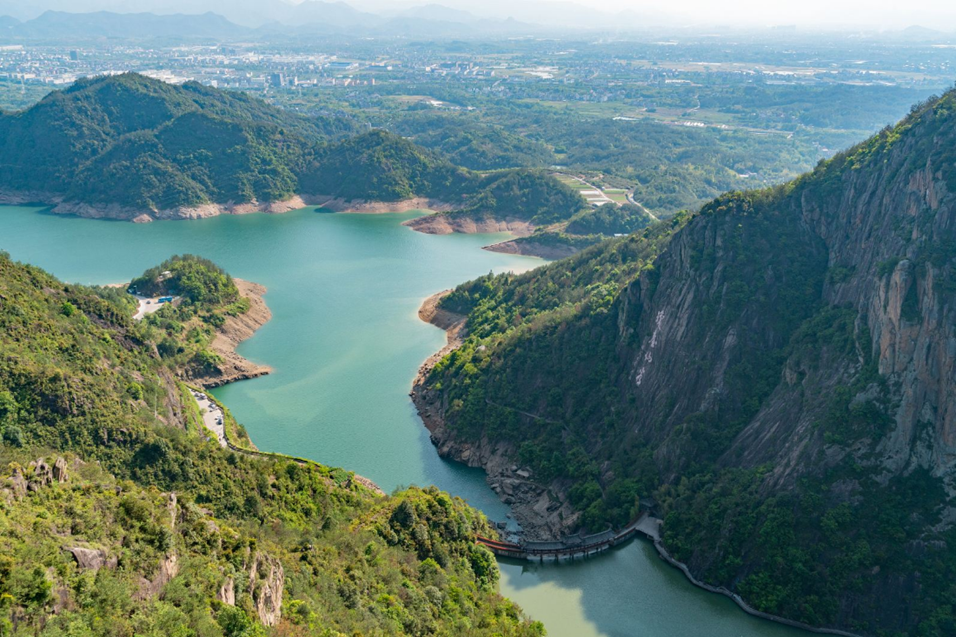
National 5A tourist attraction, the birthplace of Tiantai Buddhism, famous for Guoqing Temple, Shiliang Waterfall, Huading National Forest Park, etc.

National 5A tourist attraction, known for its unique peaks, strange rocks, sea of clouds, and waterfalls, reputed as 'a place where immortals live'.
Explore rich intangible cultural heritage and traditional crafts

National intangible cultural heritage, a traditional opera genre of Taizhou area, integrating Kunqu, Gaoqiang, Luantan and other tunes, with bold and unconstrained performance.
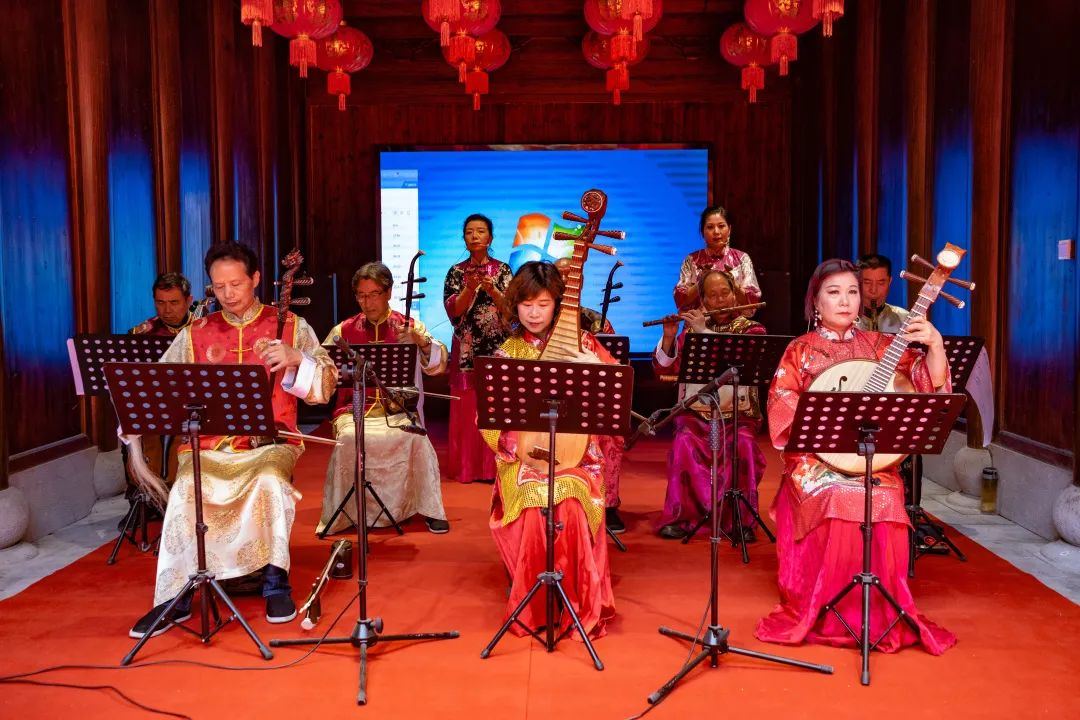
National intangible cultural heritage, a form of storytelling and singing with beautiful tunes and elegant lyrics, popular in Linhai area.
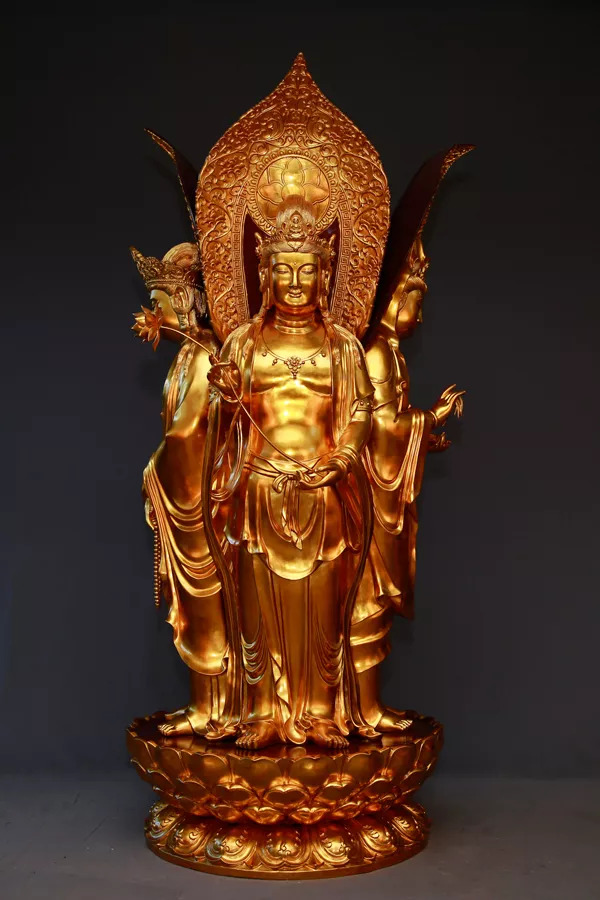
National intangible cultural heritage, a traditional technique for making Buddha statues, using dry lacquer and ramie as main materials, complex process, exquisite works.
Must-know transportation for exploring the city
Taizhou Luqiao Airport is located in Luqiao District, about 20 km from the city center. It has flights to major domestic cities such as Beijing, Guangzhou, Shenzhen, Chengdu, and Chongqing.
Economy class ticket about 500-1500 yuan
Taizhou Station in Jiaojiang District mainly serves high-speed trains; Taizhou West Station in Huangyan District mainly serves conventional trains. High-speed trains connect directly to Hangzhou, Shanghai, Ningbo, Wenzhou, etc.
High-speed second class to Hangzhou about 100 yuan, to Shanghai about 200 yuan
Taizhou bus network covers all districts and counties, including Jiaojiang, Huangyan, Luqiao, and county-level cities like Linhai and Wenling. Fare 1-3 yuan, mobile payment supported.
Taste the most authentic and popular local specialties
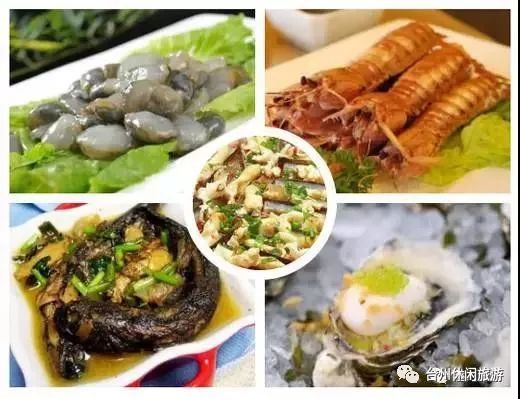
Taizhou is located on the coast of the East China Sea, with a wide variety of seafood, most famous for yellow croaker, hairtail, and swimming crab, cooked in various ways to preserve freshness.
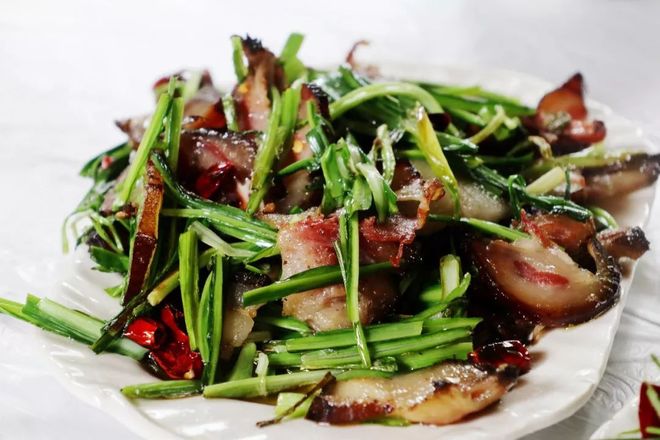
Originating from Tiantai Buddhism, made mainly from bean products, mushrooms, and vegetables, exquisitely prepared, light and delicious, with Guoqing Temple's vegetarian meal being particularly famous.
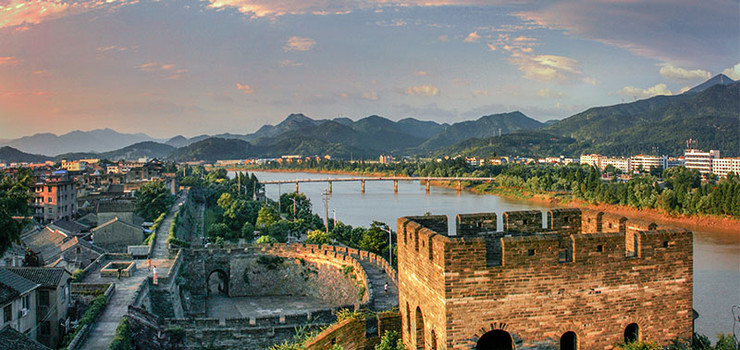
National 4A tourist attraction, including Taizhou Prefecture City Wall (the Great Wall of Jiangnan), Ziyang Ancient Street, East Lake, etc., with profound historical heritage.
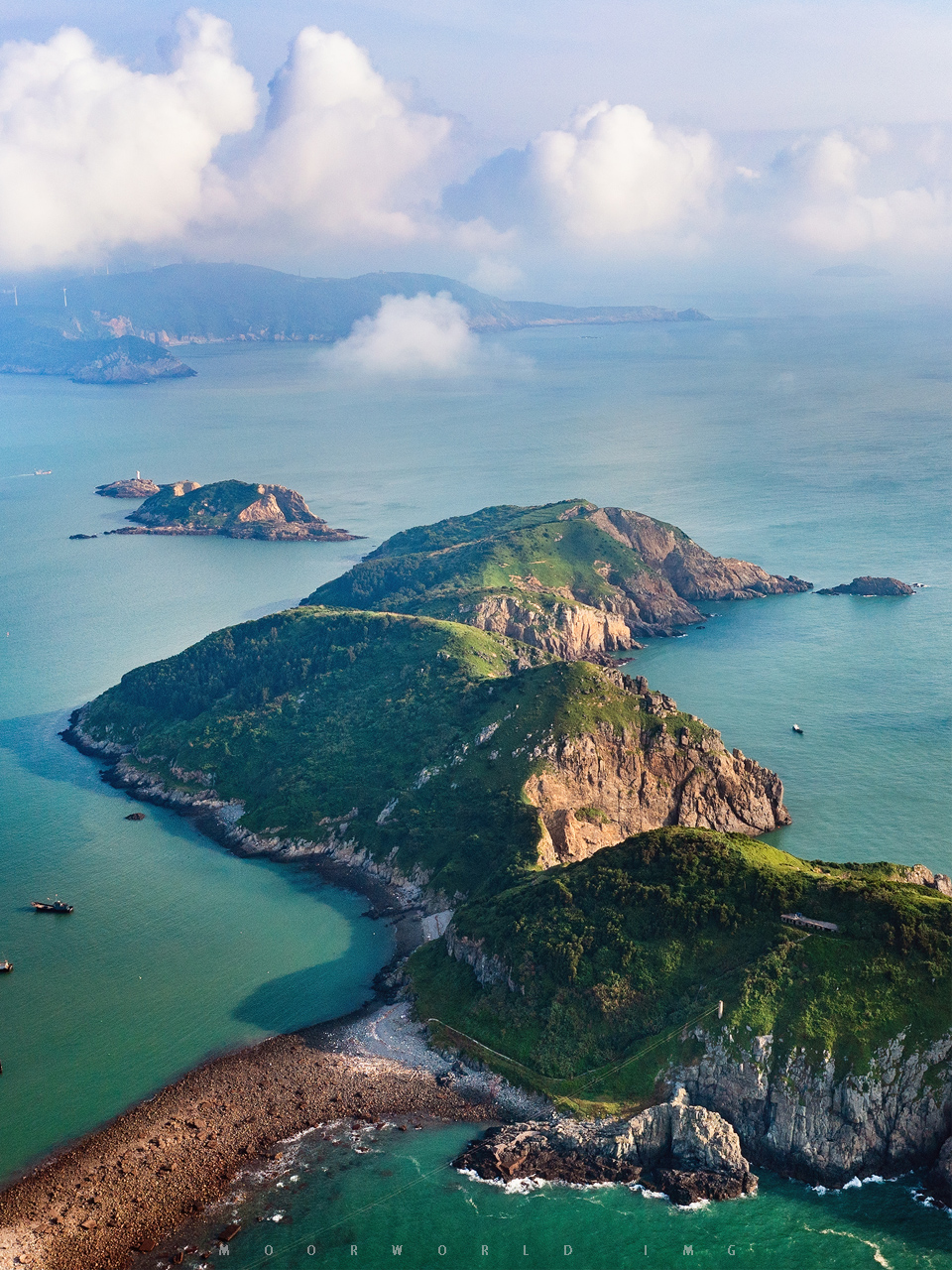
National 4A tourist attraction, famous for island scenery, fishing village culture, and natural landscapes like Jiawu Rock, a pearl of Taizhou tourism.
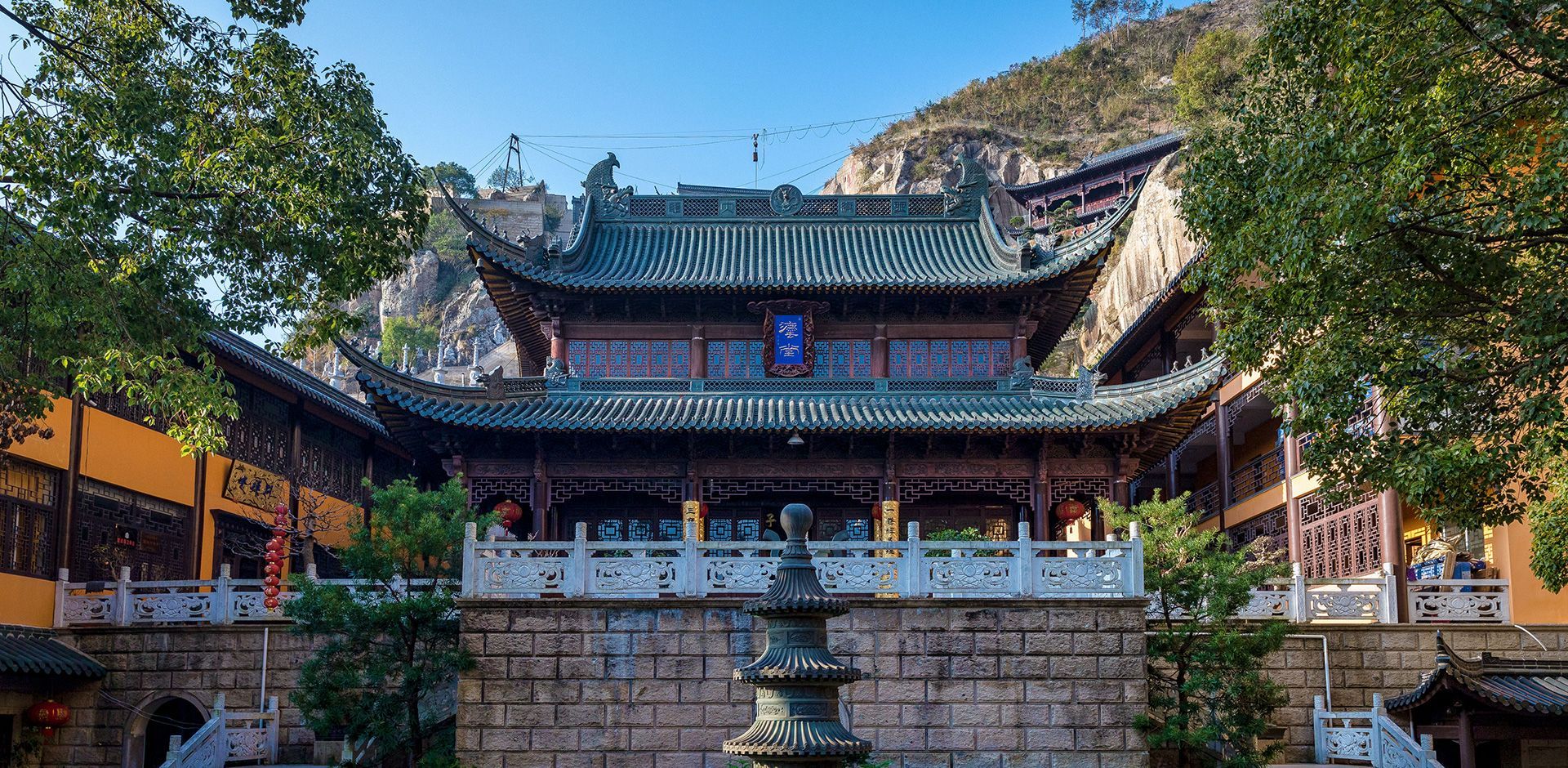
National 4A tourist attraction, a group of caverns formed by centuries of quarrying, known as 'the world's first cave group', with a stone culture museum inside.
1-3 yuan
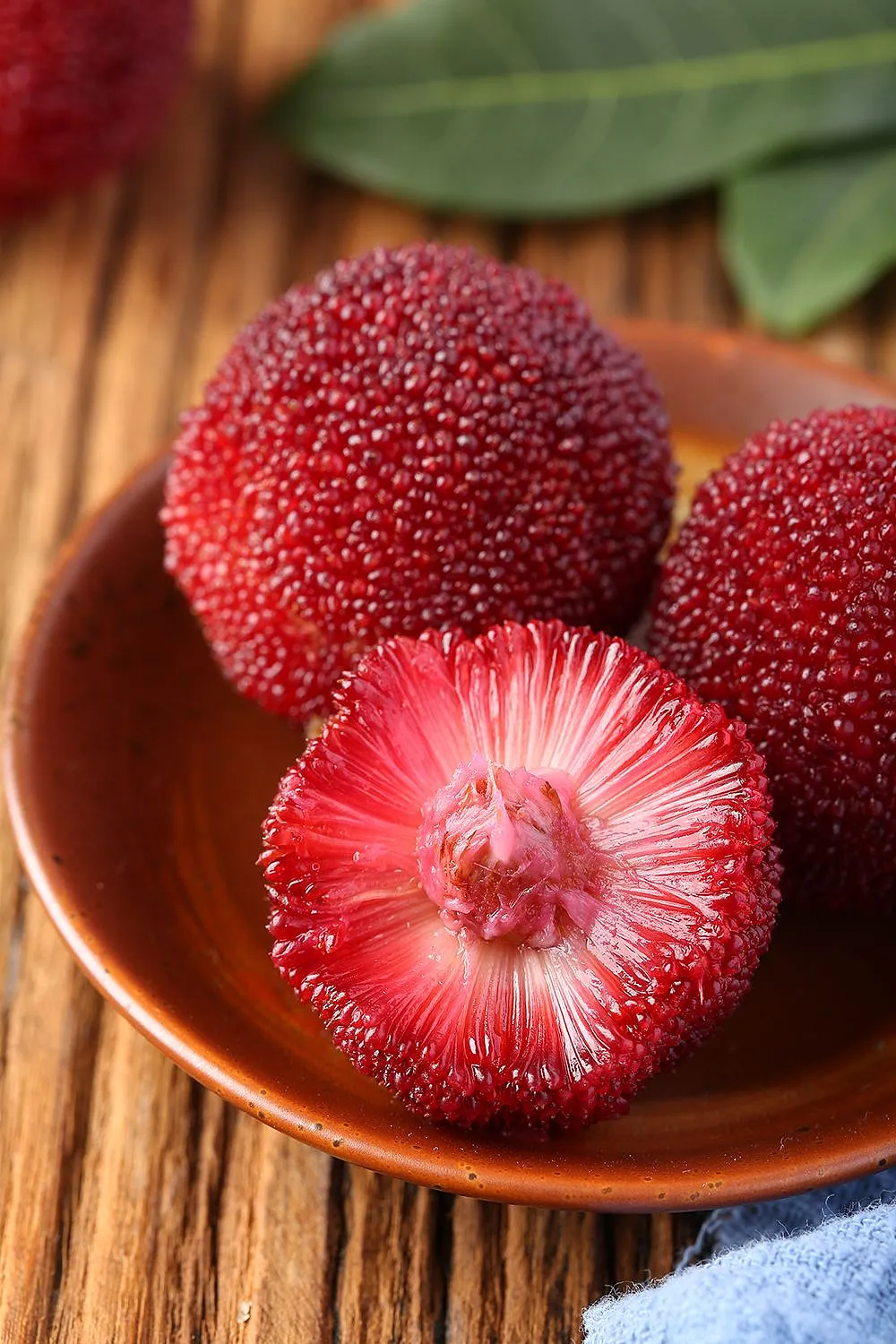
Specialty of Xianju County, China National Geographical Indication product, large fruit with small pit, juicy and sweet, ripe in June, a perfect summer refreshment.
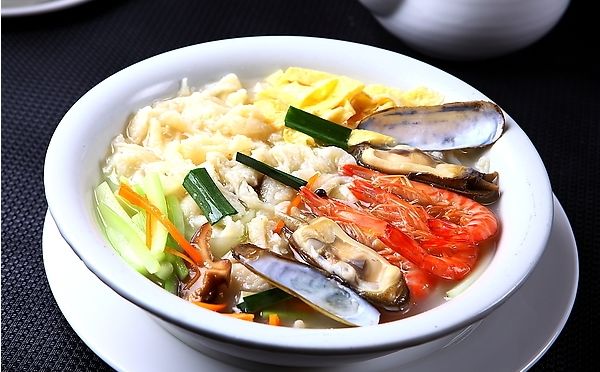
A specialty noodle dish of Linhai, made by scraping wheat paste into shrimp-like shapes into boiling water, served with seafood and vegetables, with a savory broth and smooth noodles.
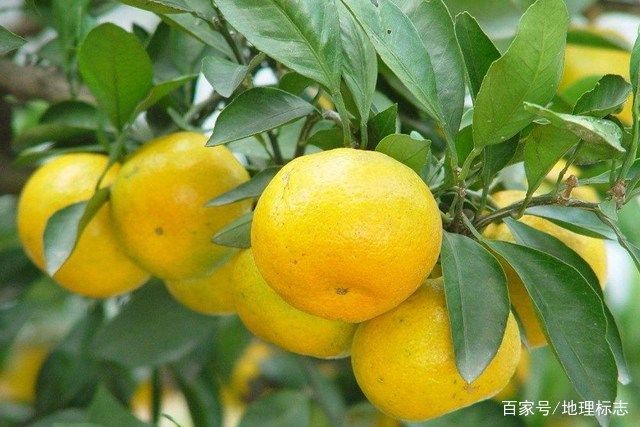
Specialty of Huangyan District, China National Geographical Indication product, thin-skinned, thick-fleshed, sweet and sour, juicy, with a long history.