
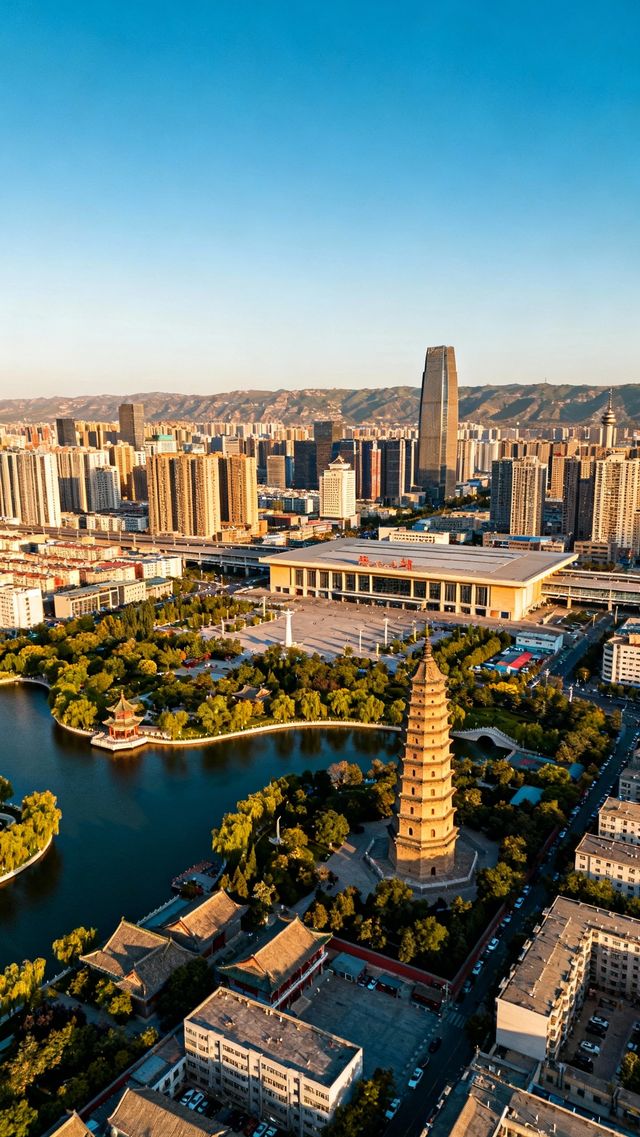
Taiyuan is located in the central part of Shanxi Province, in the northern Jinzhong Basin. It is surrounded by mountains on three sides (east, west, and north), with the central and southern areas forming a river valley plain. It has a temperate continental monsoon climate with four distinct seasons: cold and dry winters, hot summers, and an average annual temperature of 9-10°C. Rainfall is concentrated in summer.
Taiyuan, historically known as Jinyang, has a history of over 2,500 years as a city. It served as the capital of several regimes, including the Zhao State, Former Qin, and Northern Han. During the Tang Dynasty, it was a key military town, and it flourished during the Ming and Qing dynasties due to the rise of Shanxi merchants. In modern times, it became an important industrial base with abundant coal resources.
Taiyuan is one of the birthplaces of Shanxi merchant culture, preserving many guild halls and residential buildings from the Ming and Qing dynasties. Shanxi noodles are famous nationwide, with specialties like knife-cut noodles, cat ear noodles, and oat noodle rolls. Taiyuan also has a rich vinegar culture, with aged vinegar being the soul of local cuisine.
Modern Taiyuan is transitioning from a resource-based city, vigorously developing high-tech industries, cultural tourism, and modern services. The Taiyuan Metro is now operational, and the city's appearance has been revitalized. As the capital of Shanxi Province, Taiyuan serves as the political, economic, and cultural center of the province, with its transportation hub status becoming increasingly prominent.
The best time to visit 太原 is Best in spring and autumn with pleasant weather.
Spring (March-May): Temperatures rise, everything revives, ideal for outdoor activities and flower viewing. However, occasional sandstorms may occur, so take precautions.
Autumn (September-November): Clear skies and moderate temperatures, the best time to explore the ancient city and natural scenery. Autumn is also a great season to taste Taiyuan's cuisine.
Summer (June-August) is hot but offers nightlife and water activities; winter (December-February) is cold and dry, suitable for ice and snow activities and hot springs, with fewer tourists and lower accommodation prices.
Zhao Jianzi sent his retainer Dong Anyu to build Jinyang City north of the Jin River, becoming the early capital of Zhao state and the beginning of Taiyuan's city history.
After conquering Northern Han, Emperor Taizong of Song believed Jinyang had a dragon vein, ordered it burned and flooded, completely destroying the city, later rebuilt as Taiyuan.
Recommended places to visit
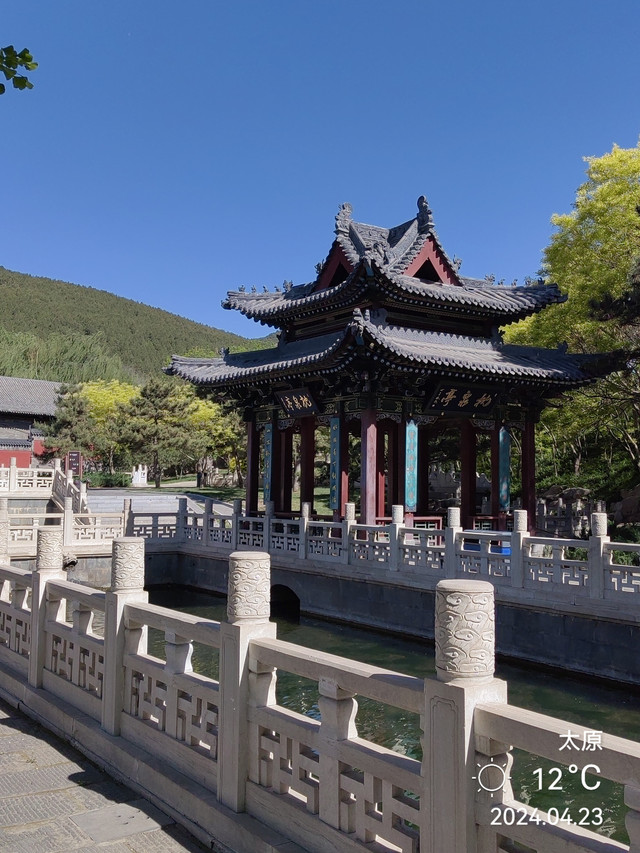
The earliest existing classical ancestral temple garden complex in China, built in the Northern Wei Dynasty to commemorate Tang Shuyu, a prince of Jin. It features three national treasure buildings: the Holy Mother Hall, the Flying Bridge over Fish Pond, and the Sacrificial Hall, as well as the Never-Old Spring and the statues of maids.
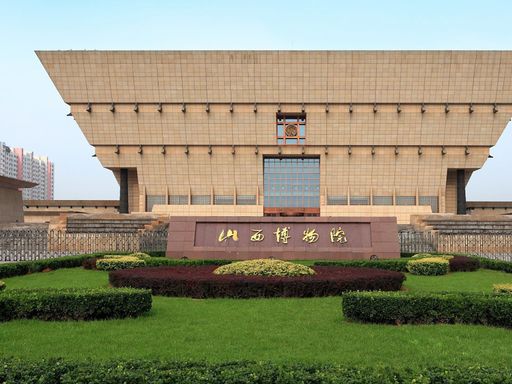
The largest collection, conservation, research and exhibition center of cultural relics in Shanxi Province, with rich collections themed on Jin merchant culture, Buddhist art and ancient architecture. Treasures include the Bird-shaped Zun of the Marquis of Jin and the Western Zhou animal-shaped Gong.
UNESCO World Heritage Sites
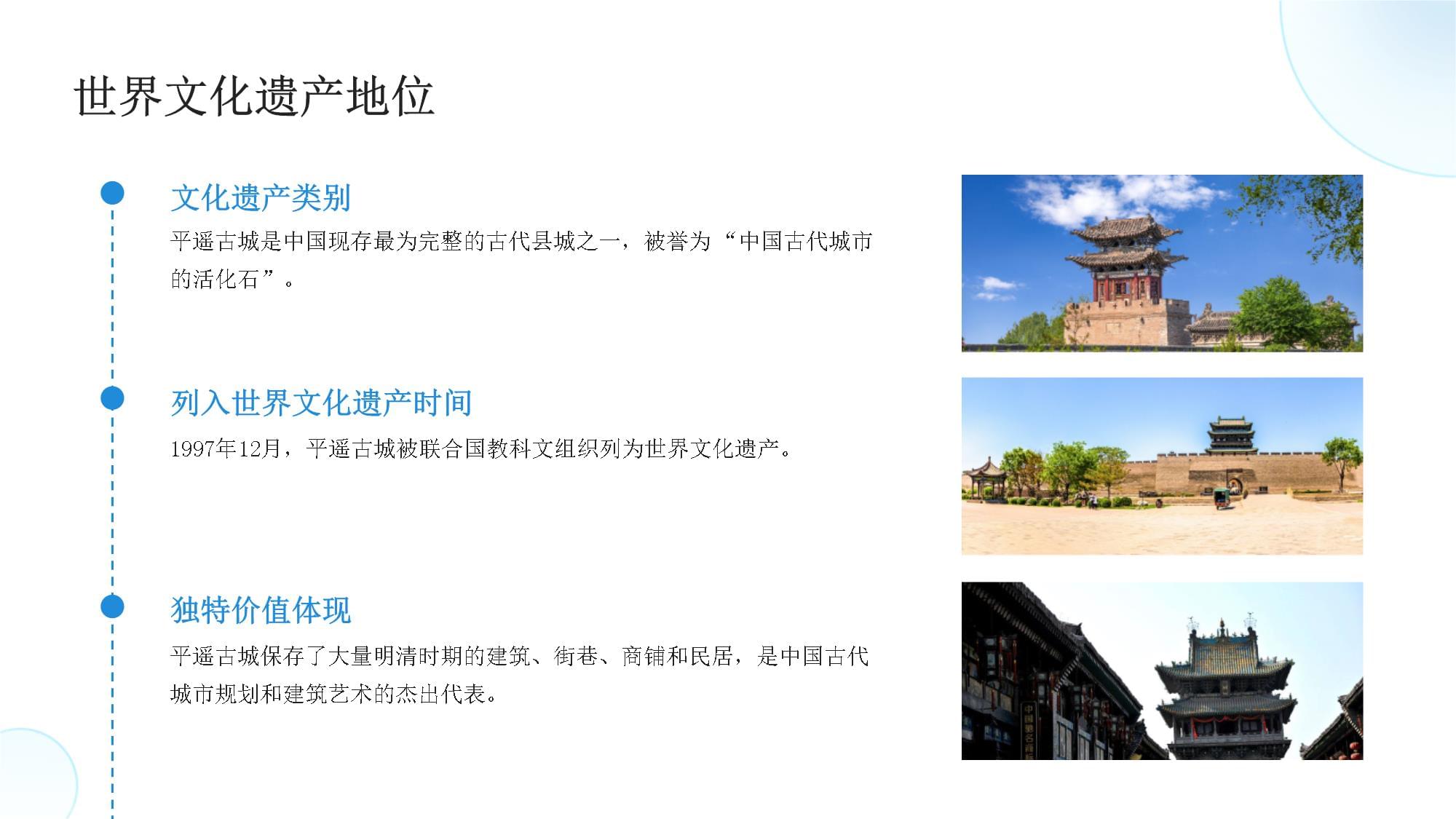
Located about 100 km south of Taiyuan, it is one of the best-preserved ancient county towns in China, famous for its Ming and Qing dynasty city walls, streets, shops, and residences. It reflects the achievements of ancient Chinese urban planning and architecture.
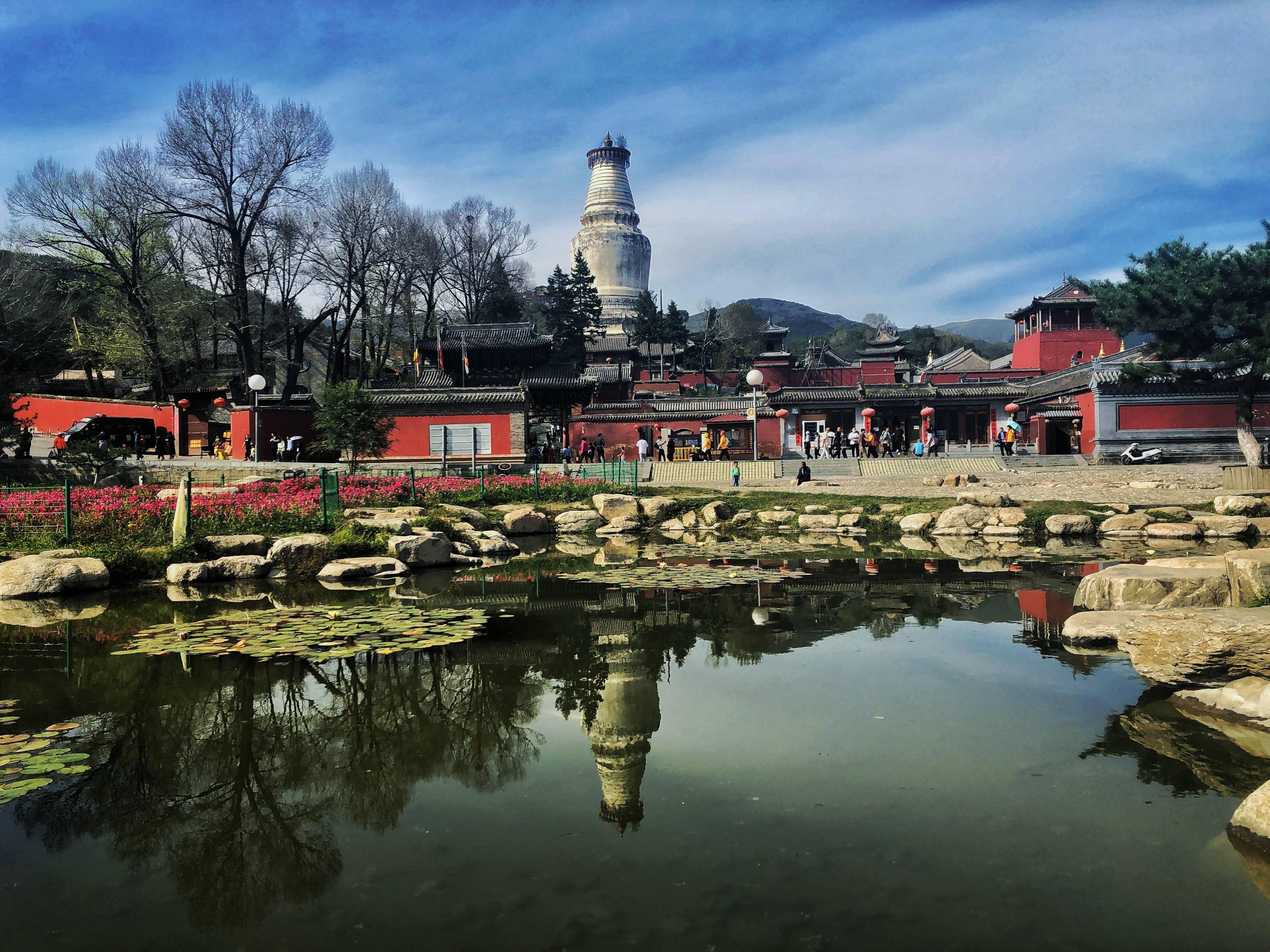
Located about 200 km north of Taiyuan, it is one of the four sacred Buddhist mountains in China, known as the bodhimanda of Manjusri. It houses many ancient temples, such as Xiantong Temple and Tayuan Temple, and is a Buddhist cultural holy land.
Explore rich intangible cultural heritage and traditional crafts
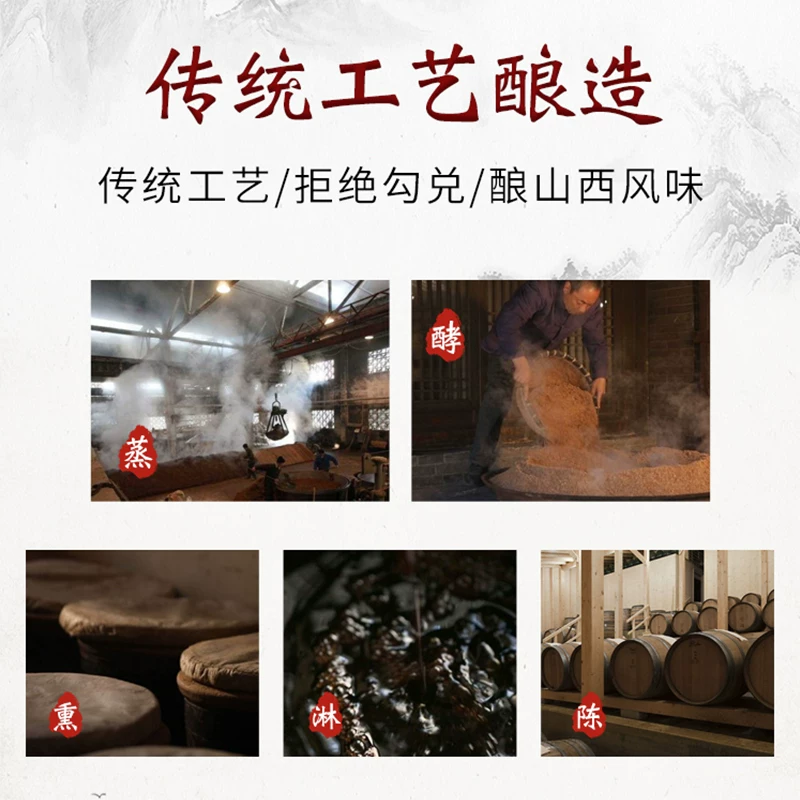
Shanxi aged vinegar is one of the four famous vinegars in China, originating from Qingxu County, Taiyuan. It uses a unique process with sorghum, barley, and peas as raw materials, undergoing five steps: steaming, fermentation, smoking, leaching, and aging for over a year.
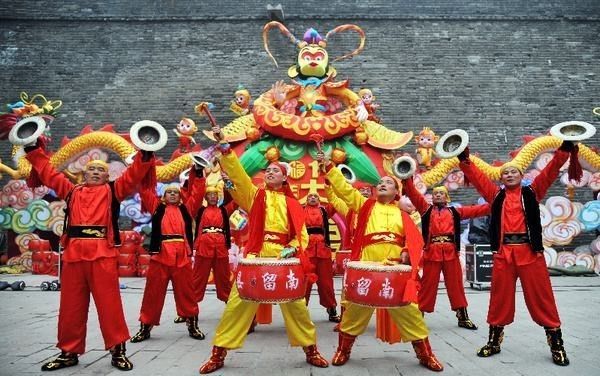
A traditional percussion performance in Taiyuan area, mainly using drums, gongs, and cymbals. The rhythm is lively and majestic. It is often used in festivals and temple fairs, representing folk art in central Shanxi.
Must-know transportation for exploring the city
Located southeast of Taiyuan city center, about 15 km away. It has flights to major domestic cities and some international destinations. Airport buses, taxis, and metro are available to the city center.
Airport bus: 16 RMB
Taiyuan Station is in the city center, mainly for regular trains; Taiyuan South Station is a high-speed rail station with lines such as Shitai, Daxi, and Zhengtai. The two stations are connected by metro and bus.
High-speed to Beijing about 200 RMB
Taiyuan bus routes cover the whole city, fare 1-2 RMB. Taiyuan Metro Line 1 (opened in 2020) runs east-west, Line 2 runs north-south, convenient and fast. Mobile payment is available.
Bus 1-2 RMB, Metro 2-5 RMB
Taste the most authentic and popular local specialties
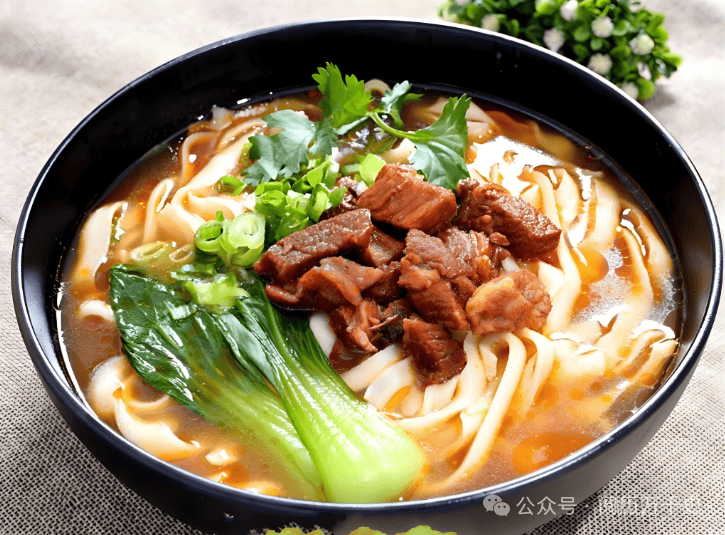
The most representative noodle dish of Shanxi. The noodles are cut with a special arc-shaped knife, thick in the middle and thin on the edges, with distinct edges. They are smooth on the outside and chewy on the inside, becoming more flavorful as you chew.
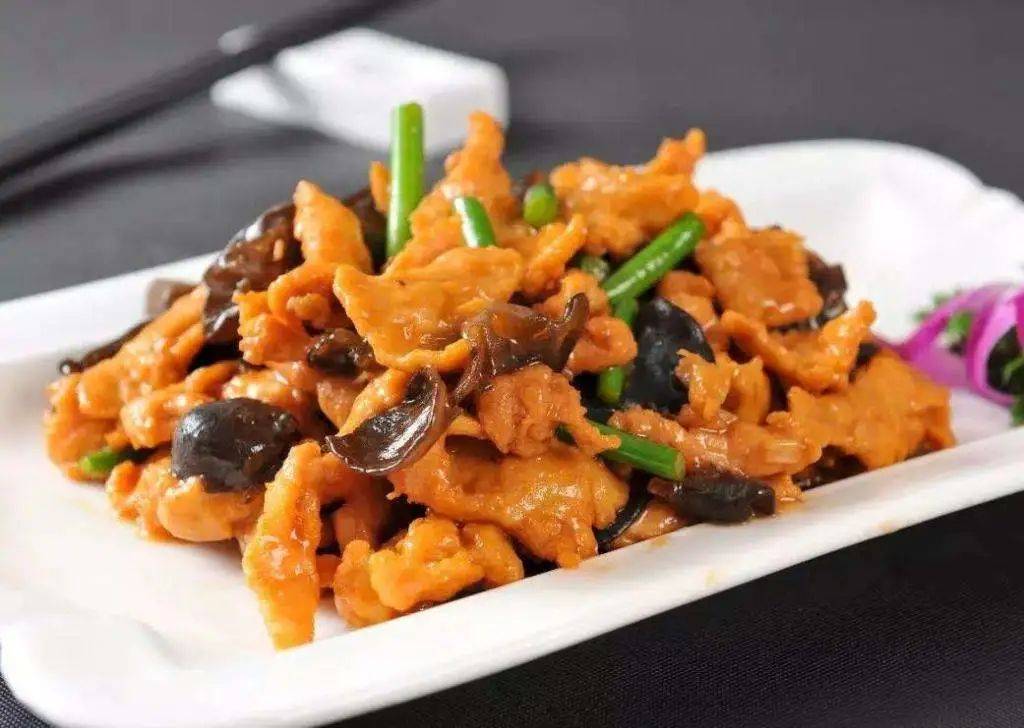
A traditional Taiyuan dish. Sliced pork tenderloin is marinated, quickly fried in oil, then stir-fried with wood ear mushrooms, winter bamboo shoots, scallions, and ginger. Golden in color, crispy outside and tender inside, savory and delicious.
The Zhengtai Railway (now Shitai Railway) linking Zhengding and Taiyuan was fully opened, greatly promoting Taiyuan's modernization and commercial development.
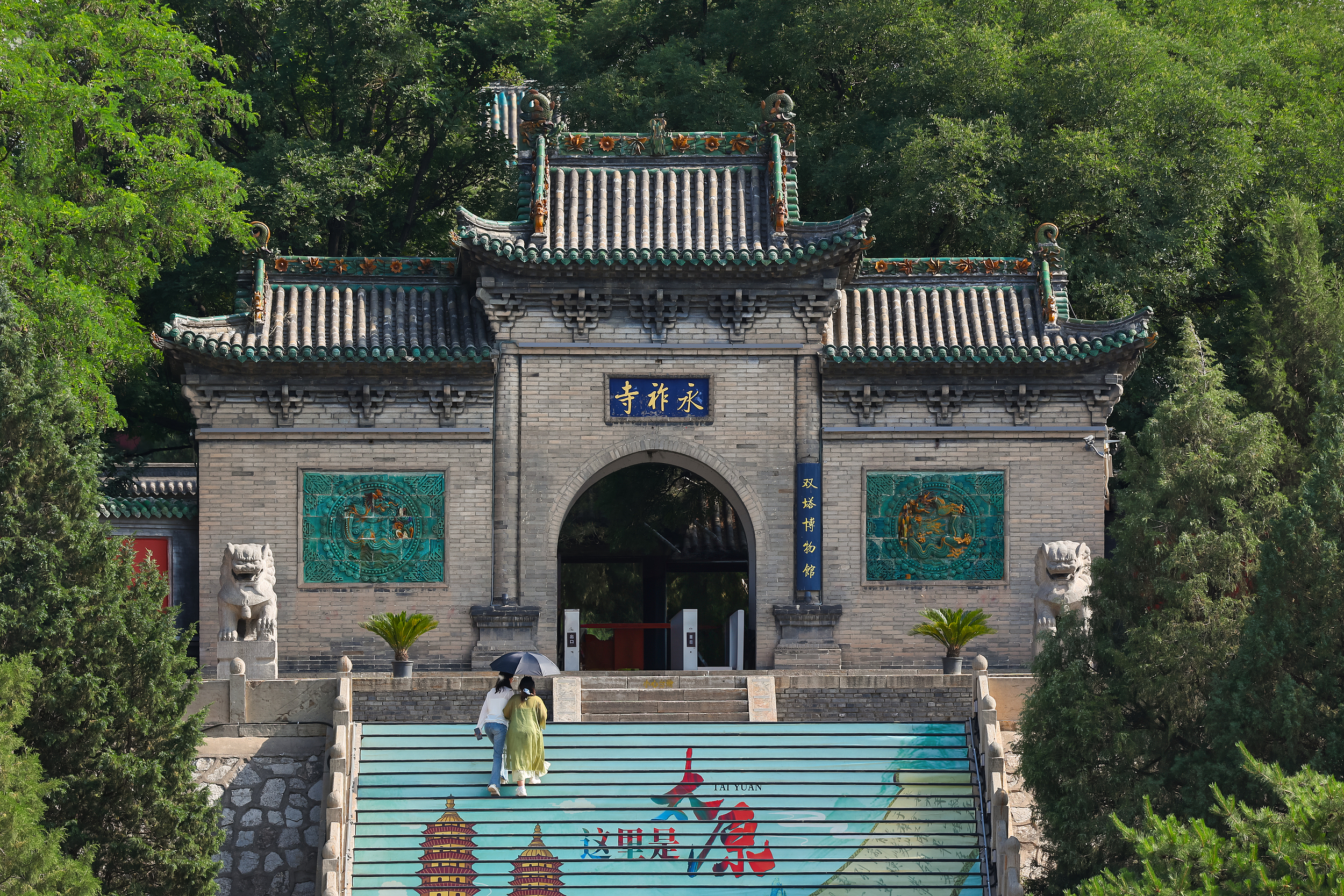
Originally named Yongzuo Temple, it is named after the two towering ancient pagodas. The twin pagodas are iconic landmarks of Taiyuan, built in the Ming Dynasty, about 54 meters high. Visitors can climb the pagoda for a panoramic view of Taiyuan.
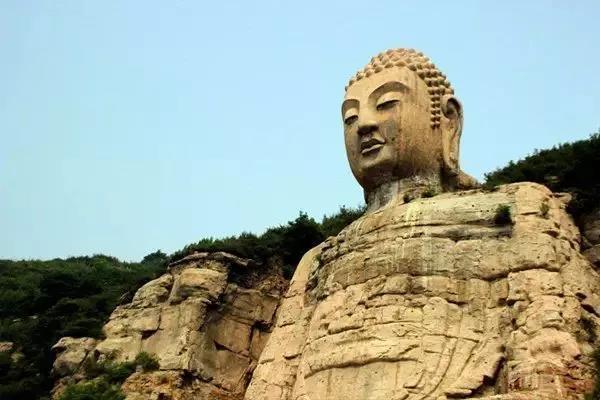
Located on Mount Meng southwest of Taiyuan, it is a cliff-carved Buddha statue built in the Northern Qi Dynasty, about 63 meters high, about 160 years earlier than the Leshan Giant Buddha. The Buddha was destroyed by an earthquake and later restored and reopened.
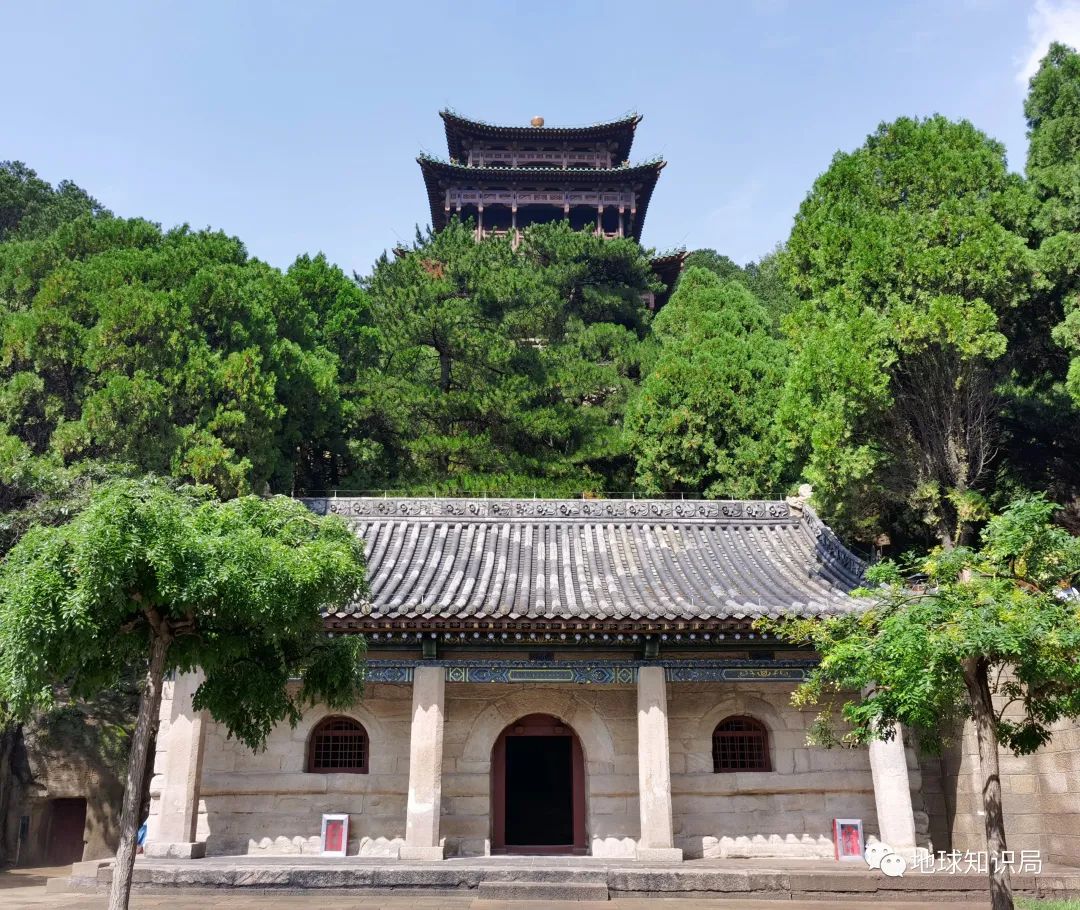
Located on Mount Tianlong southwest of Taiyuan, it has 25 grottoes from the Eastern Wei to Tang dynasties with over 500 statues. The carvings are exquisite with high artistic value, though some Buddha heads were stolen and sold overseas.
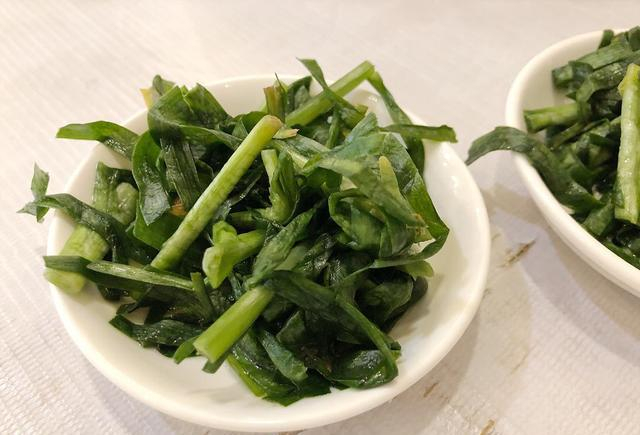
A traditional medicinal breakfast soup made with astragalus, mutton, Chinese yam, lotus root, and yellow wine. It resembles brain in texture, hence the name. It is nourishing and often served with pickled chives and shaomai dumplings.
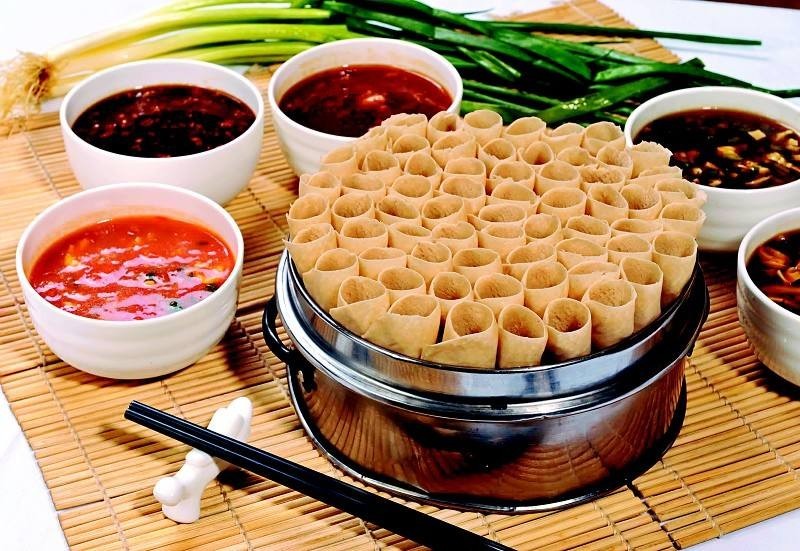
A honeycomb-shaped noodle dish made from oat flour. Steamed and served with mutton soup or vinegar-garlic sauce. It has a chewy texture and is a traditional staple in the cold highlands of Shanxi.
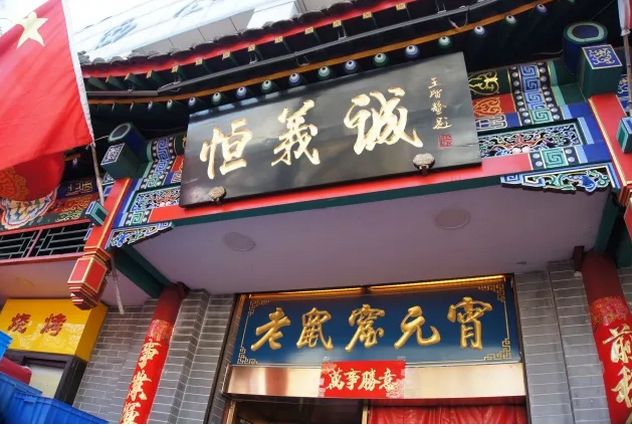
A famous Taiyuan snack originating from the Republic of China era, named after the shop's location in Mouse Hole Lane. The sweet dumplings have various fillings, thin skin, large filling, soft and sweet. They have become an intangible cultural heritage.