
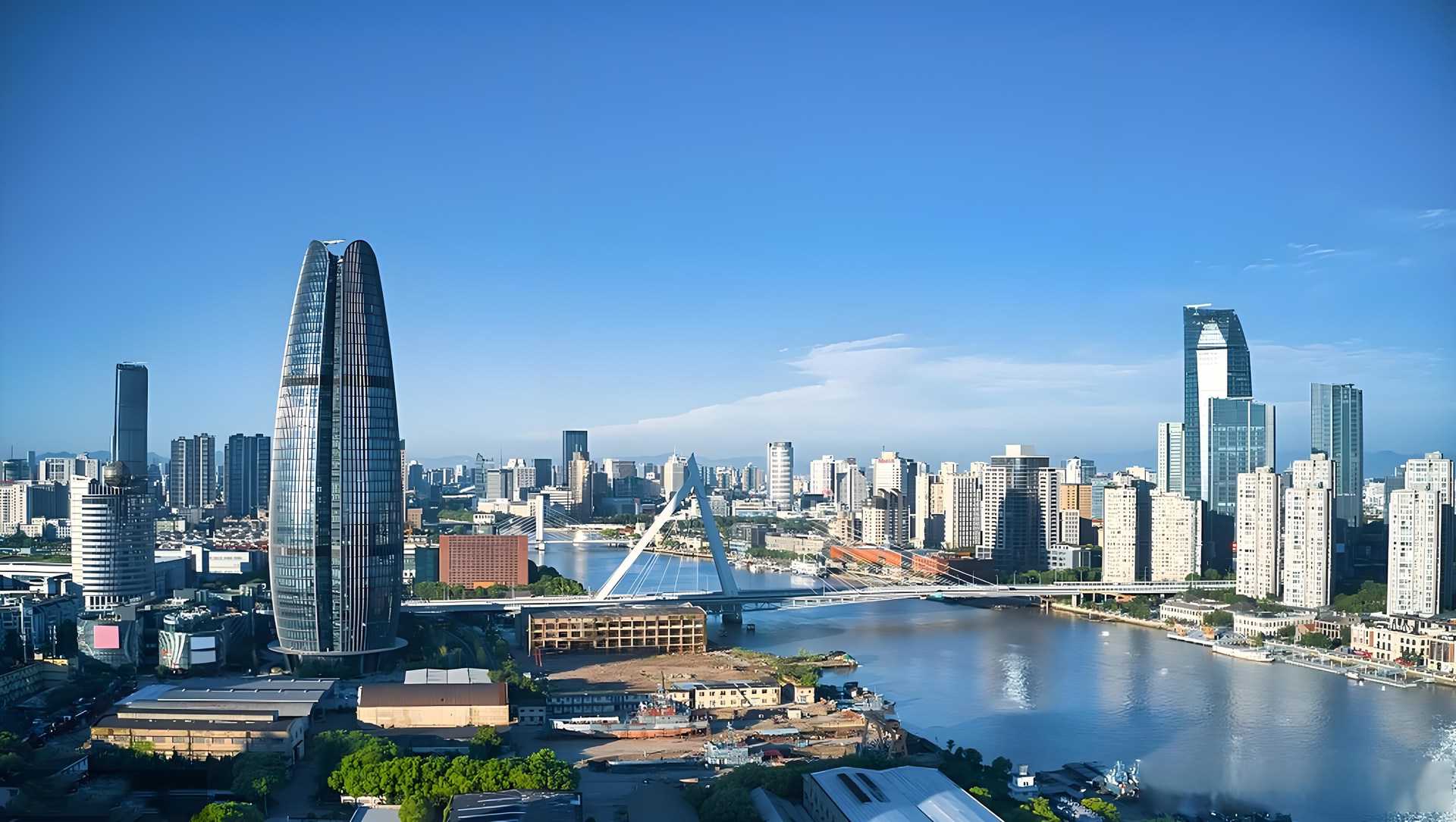
Ningbo is located on the eastern coast of China, in the northeastern part of Zhejiang Province, on the southern wing of the Yangtze River Delta. It faces the East China Sea to the east and borders Hangzhou Bay to the north. The climate is subtropical monsoon, with four distinct seasons, mild and humid. The annual average temperature is about 16.5°C, and the annual precipitation is approximately 1300–1400 mm. In summer, it is cooler than inland areas at the same latitude due to the ocean's moderating effect, while winter is damp and cold. Spring and autumn have pleasant weather, making them the golden seasons for tourism.
Ningbo has a long history and is the birthplace of the Hemudu culture, where ancestors thrived as early as 7,000 years ago. Starting from the Tang Dynasty, it became an important port on the Maritime Silk Road, renowned alongside Yangzhou and Guangzhou as one of the three major foreign trade ports. The city preserves historical sites such as the Tianfeng Pagoda from the Tang Dynasty, the Baoguo Temple from the Song Dynasty, and the Tianyi Pavilion from the Ming Dynasty. Among them, the Tianyi Pavilion is the oldest surviving private library in China, showcasing Ningbo's profound cultural heritage.
Ningbo boasts a rich cultural atmosphere and is a nationally renowned historical and cultural city. The local cuisine is primarily seafood-based, with a preference for salty and savory flavors. Signature dishes include Ningbo Tangyuan, Red Paste Marinated Crab, and Snow Vegetable Stewed Yellow Croaker. In daily life, residents enjoy tea tasting and strolling through ancient streets, with Tianyi Square and the Old Bund being popular leisure spots. The Ningbo dialect belongs to the Taihu Lake subgroup of Wu Chinese, similar to Shanghainese but with its own unique characteristics.
Since the reform and opening up, Ningbo's economy has developed rapidly, making it an important industrial and port city in East China. Ningbo Zhoushan Port has ranked first in the world in cargo throughput for many consecutive years. The city's modernization process has accelerated, with metro lines covering the main urban area and facilities such as the International Convention and Exhibition Center being well-developed. In the future, Ningbo will deepen the construction of the Belt and Road Initiative, aiming to become a renowned international port city and a capital of Eastern civilization.
The best time to visit 宁波 is Spring and autumn (March to May and September to November).
The best times to visit Ningbo are spring (March to May) and autumn (September to November). During these seasons, the weather is mild, with moderate rainfall and ample sunshine, avoiding both the summer heat and typhoons as well as the damp cold of winter. The city is lush with greenery or vibrant with autumn colors, making it ideal for outdoor activities and sightseeing.
Ningbo in Spring (March–May): Temperatures gradually rise to an average of 15–20°C, with continuous spring rain and vibrant revival of nature. Recommended visits include Moon Lake Park and Dongqian Lake, where cherry blossoms and azaleas bloom in stunning beauty. Additionally, Fenghua Tengtou Village and Xikou Scenic Area are great spots for spring outings. Rain gear is recommended.
Ningbo in autumn (September–November) features crisp, clear weather with average temperatures of 16–22°C and less rainfall, making it the best time for travel. During this season, you can participate in the Ningbo International Fashion Festival (October) and the Xiangshan Fishing Festival (September) to experience local customs. The red leaves of Siming Mountain and the ginkgo trees at Tiantong Temple are autumn highlights, and you can also savor the seasonal Zhoushan seafood.
The Hemudu Site in Yuyao, Ningbo, has unearthed a large number of rice remains and stilt-style buildings, proving that the Yangtze River basin is also a cradle of ancient Chinese civilization.
Recommended places to visit
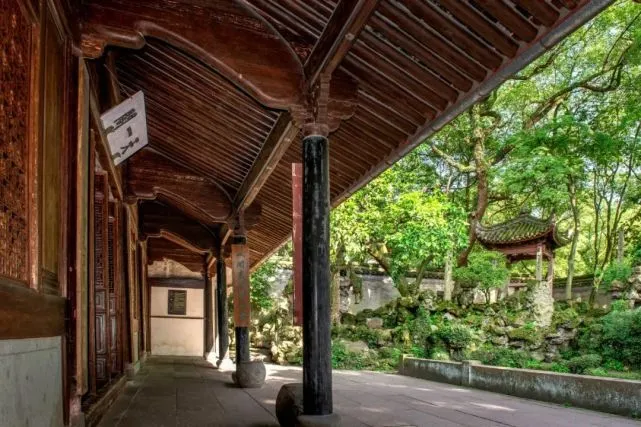
China's oldest existing private library, built in the Ming Dynasty, with a rich collection of books and an elegant garden.
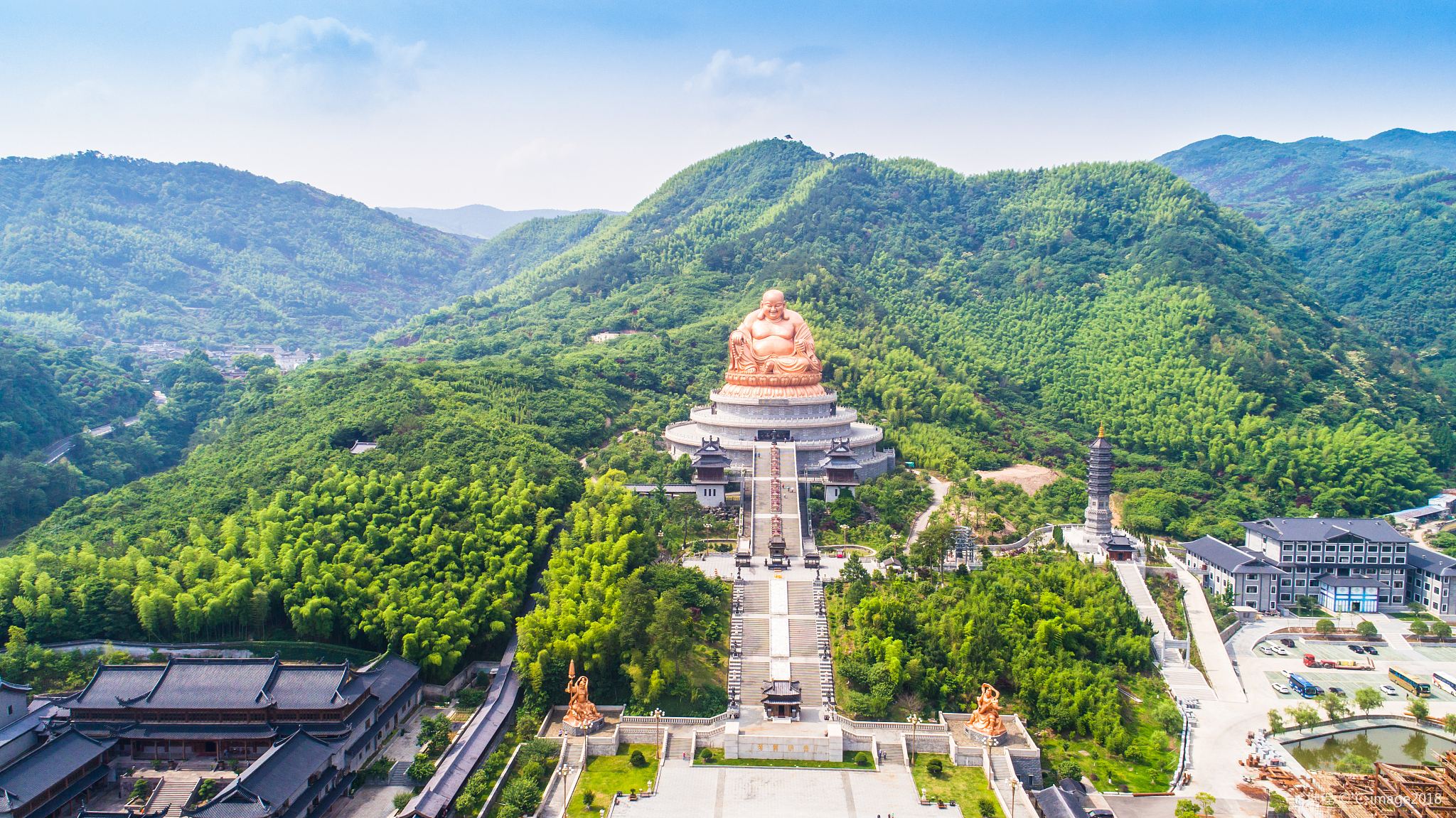
Chiang Kai-shek's hometown, featuring natural landscapes and Republican-era history, including Xuedou Mountain and Chiang's former residence.
UNESCO World Heritage Sites
Ningbo currently has no world heritage sites.
Explore rich intangible cultural heritage and traditional crafts

The local opera of Ninghai County, Zhejiang Province is famous for the unique skill of "playing with teeth" and has been listed as a national intangible cultural heritage.
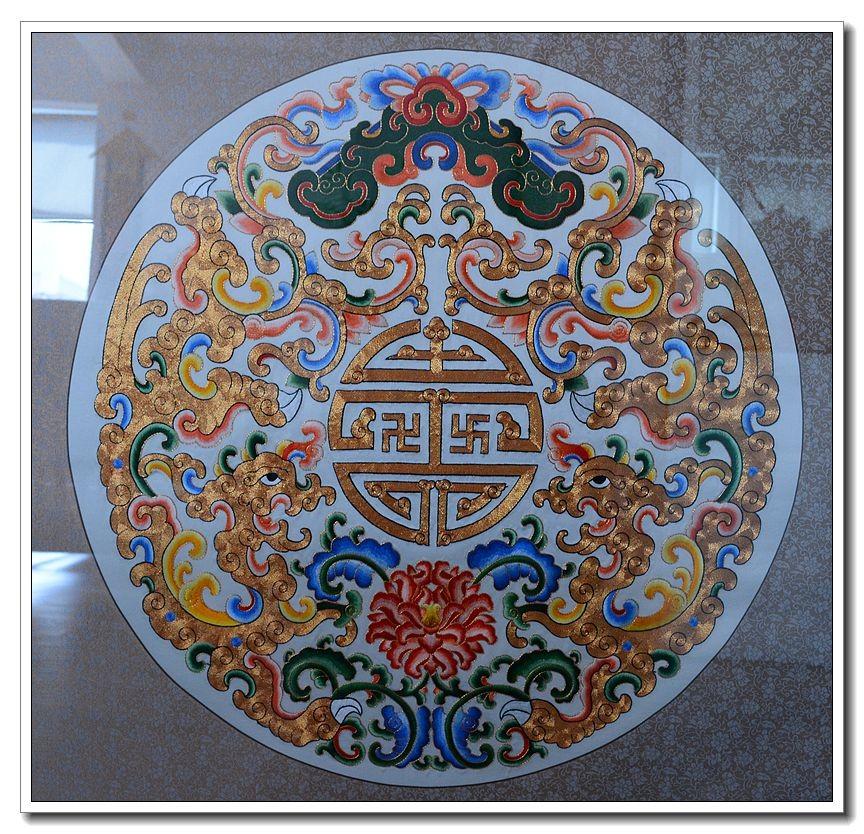
Ningbo's traditional embroidery technique, characterized by the use of gold and silver threads for intricate patterning, produces luxurious and exquisite works and is now recognized as a national intangible cultural heritage.
Must-know transportation for exploring the city
Approximately 12 km from the city center, with direct access via Metro Line 2. Direct flights available from major domestic cities as well as Japan, South Korea, and Southeast Asia. Airport bus takes about 30 minutes to the city center.
The airport bus costs about 20 yuan.
Located in Haishu District, it is a major high-speed rail station with direct access to Shanghai, Hangzhou, Beijing, Shenzhen, and other cities. Metro Line 2 and Line 4 stop here. Other stations include Zhuangqiao Station and Yuyao North Station.
The high-speed rail to Hangzhou takes about 1 hour, and the ticket costs around 50 yuan.
Ningbo Metro currently has Lines 1-5 in operation, covering the main urban area. Bus routes are dense with a fare of 2 yuan. Alipay or Ningbo Citizen Card can be used. Taxi starting fare is 11 yuan.
Taste the most authentic and popular local specialties
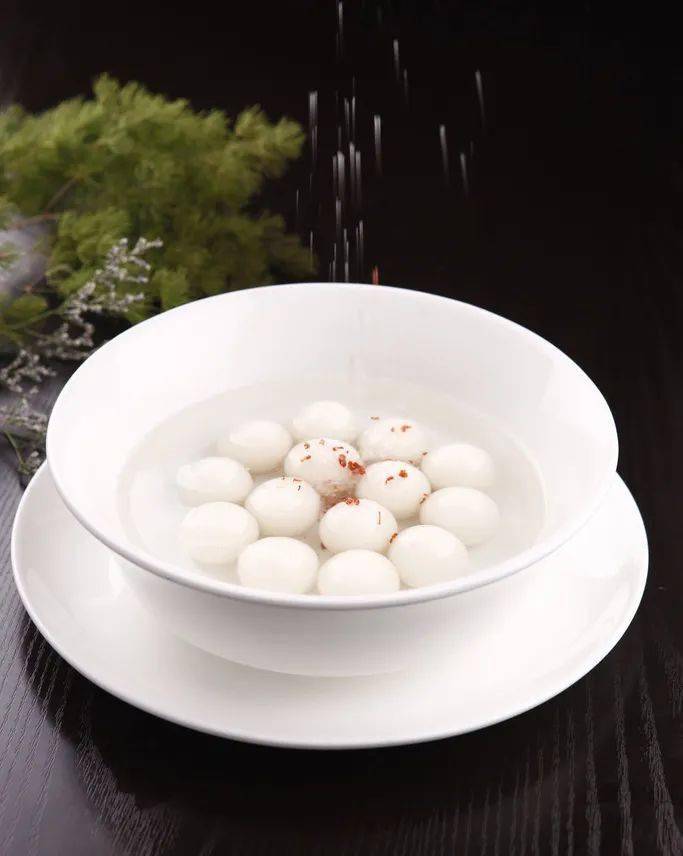
Filled with black sesame, lard, and sugar, wrapped in glutinous rice flour into round balls, and boiled in water—thin-skinned with generous filling, sweet, fragrant, soft, and chewy.
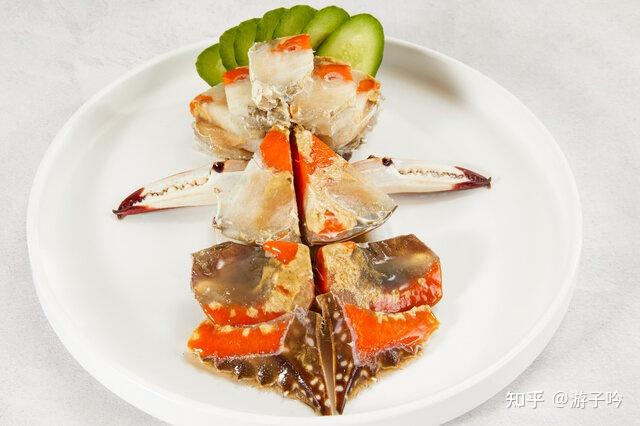
Selected swimming crabs are marinated with salt and wine. The crab roe is red, the meat is tender, and it is savory and delicious. It is a representative cold dish of Ningbo.
During the Tang Dynasty, Han Cha, the governor of Mingzhou, oversaw the construction of the inner city, which laid the foundation for the development of Ningbo.
In the Ming Dynasty, Fan Qin, the Right Vice Minister of the Ministry of War, built Tianyi Pavilion, which is the oldest existing private library in China, housing over 70,000 volumes of books.
According to the Treaty of Nanking, Ningbo was designated as one of the five treaty ports and opened to foreign trade.
The Hangzhou Bay Cross-Sea Bridge, with a total length of 36 kilometers, connects Ningbo and Shanghai, greatly promoting regional economic integration.
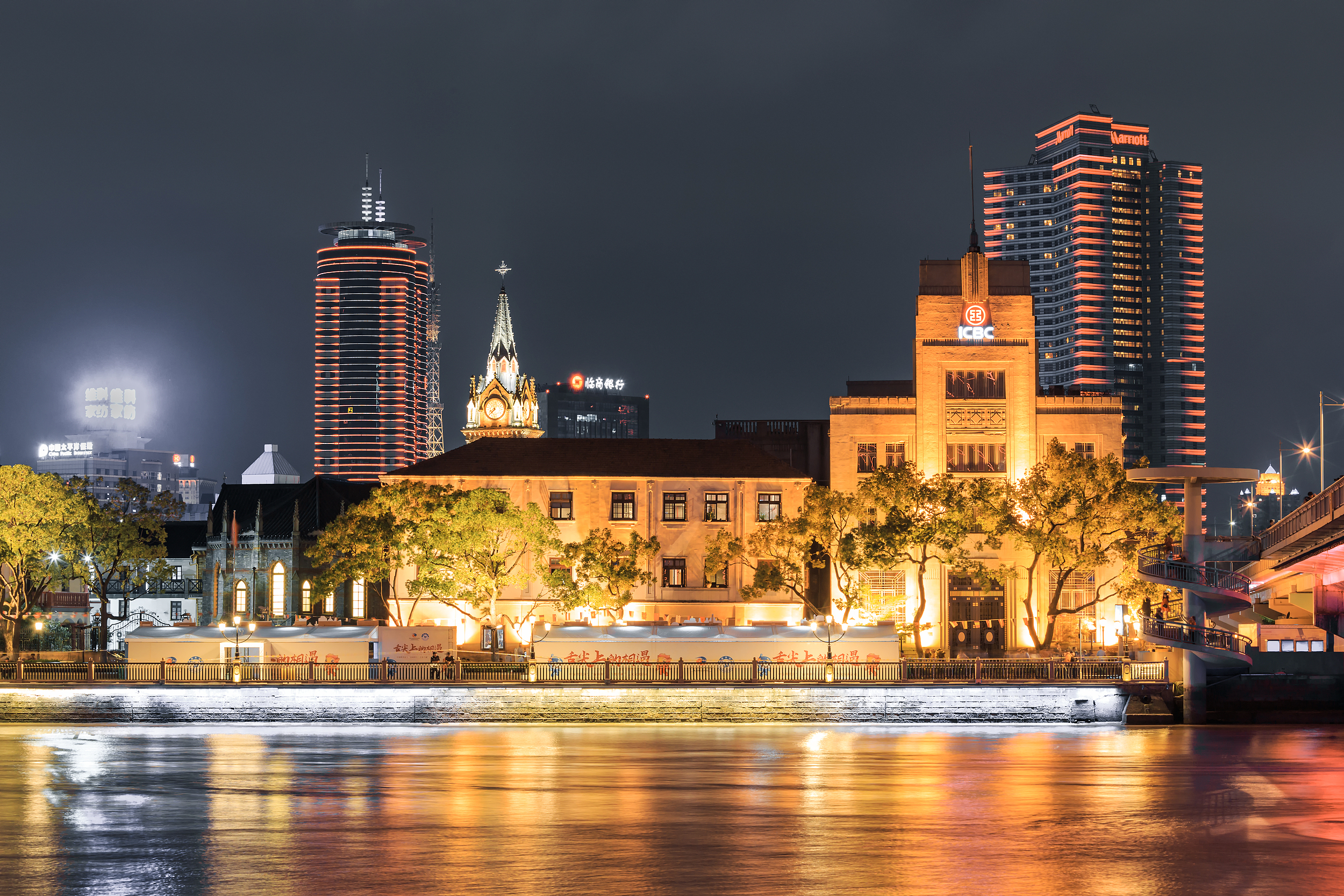
A witness to Ningbo's modern history, it preserves a large number of Western-style buildings and now serves as a bar street and leisure area.
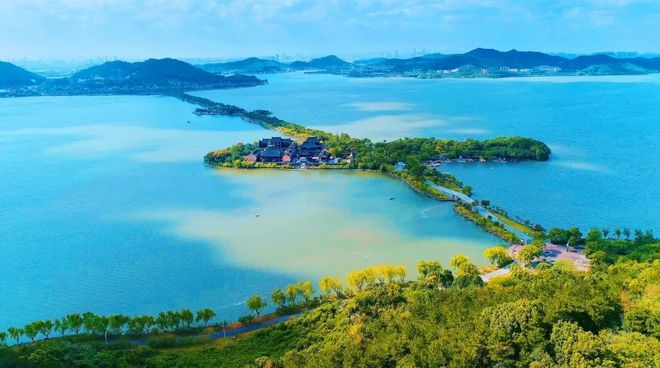
Zhejiang's largest natural freshwater lake, with picturesque lake and mountain scenery, features attractions such as Taogong Island and Little Putuo.
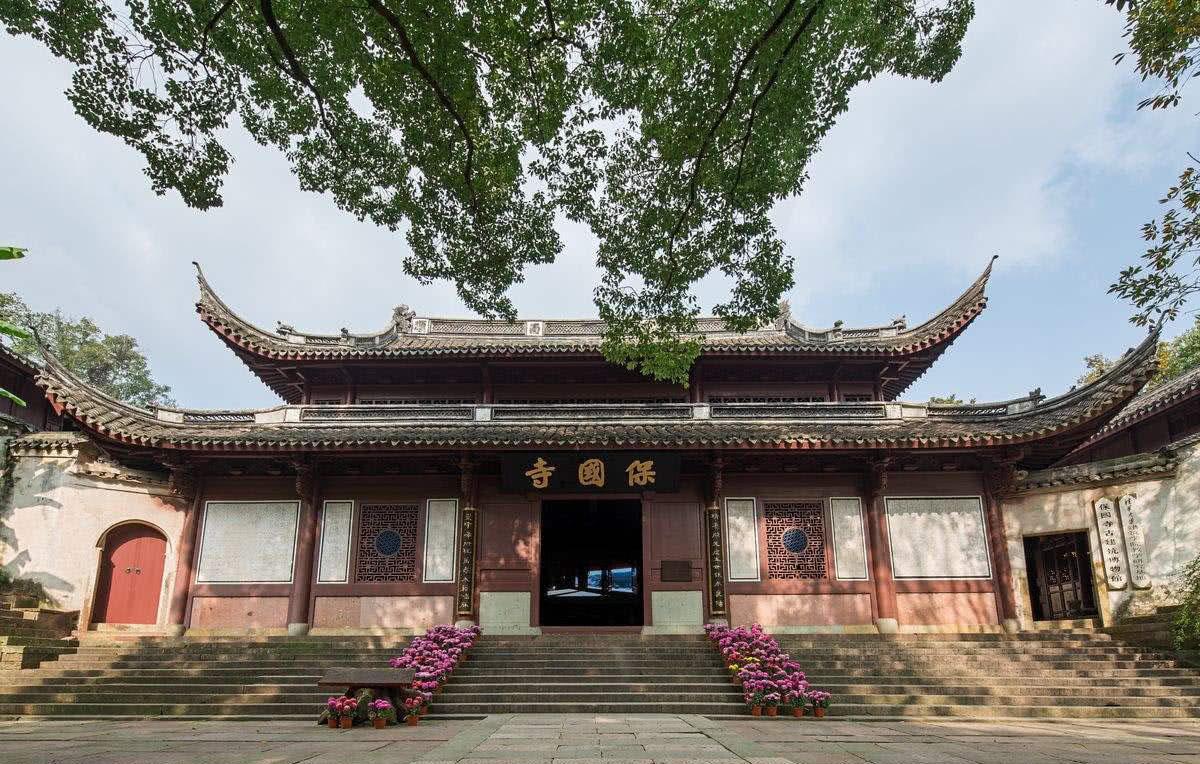
Built in the Northern Song Dynasty, this wooden structure is one of the oldest wooden buildings in the Jiangnan region, renowned for its precise construction.
Metro 2-10 yuan
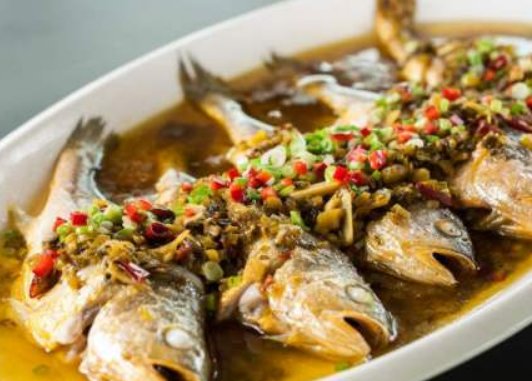
Braised large yellow croaker with potherb mustard features tender fish, savory pickled vegetables, and a rich broth—a classic home-style dish in Ningbo.

Made from high-quality japonica rice, it has a soft and chewy texture. It can be stir-fried, boiled, or deep-fried. Common dishes include stir-fried rice cakes with shepherd's purse and stir-fried rice cakes with swimming crab.
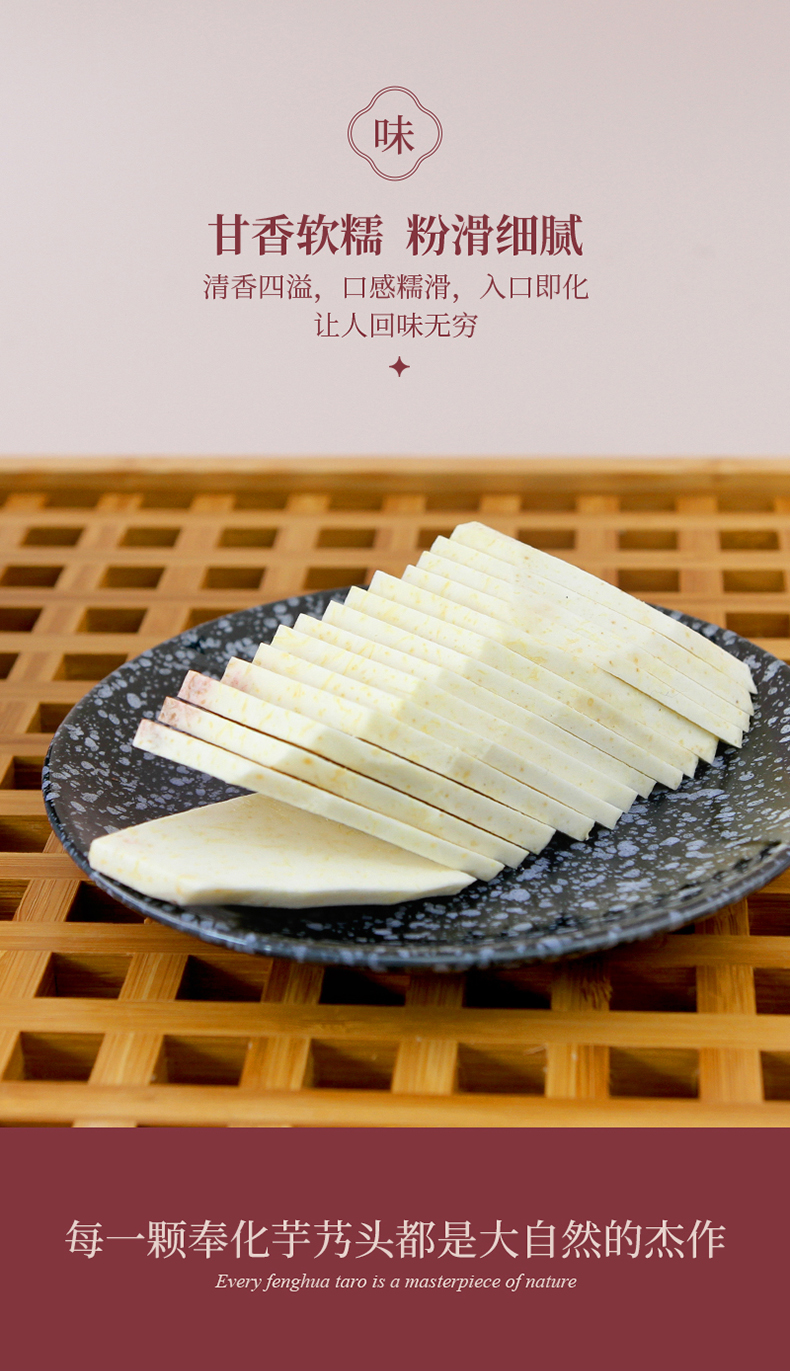
Fenghua specialty: large size, thin skin, soft and starchy flesh. Often steamed and eaten with white sugar, also can be braised with meat.