
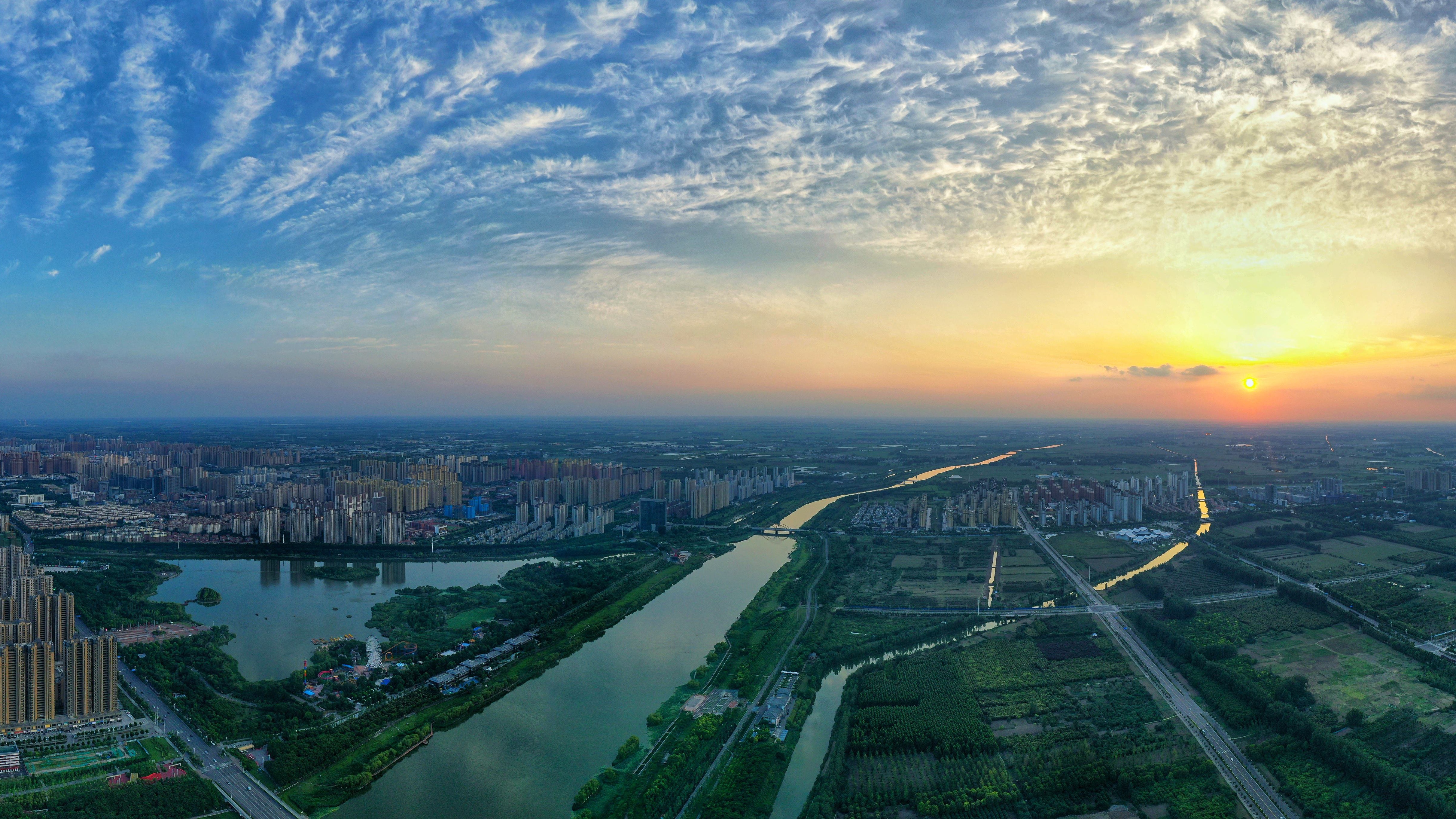
Suzhou is located in the northernmost part of Anhui Province, at the junction of Anhui, Jiangsu, Shandong, and Henan provinces. It has four distinct seasons with a mild climate, and an average annual temperature of 14-16°C.
Suzhou has a long history. It was where Chen Sheng and Wu Guang launched their uprising at the end of the Qin Dynasty, and where the Battle of Gaixia during the Chu-Han Contention took place. During the Sui and Tang dynasties, it flourished due to the Grand Canal, earning the reputation of 'a hub of boats and carriages, a thoroughfare to nine provinces.'
Suzhou is known as the 'Home of Chinese Painting and Calligraphy.' Intangible cultural heritages like Xiaoxian painting and calligraphy and Dangshan suona are famous. Local cuisine features Fuliji roasted chicken, Dangshan crispy pears, and Langan beef, characterized by rich flavors and generous use of spices.
In recent years, Suzhou has been vigorously developing emerging industries such as cloud computing and biomedicine, while advancing agricultural modernization. The Dangshan pear industry is renowned nationwide, and the city's landscape is changing rapidly.
The best time to visit 宿州 is Spring and Autumn (March-May, September-November).
Spring (March-May) has pleasant temperatures, with Dangshan pear blossoms in full bloom, the best time for flower viewing.
Autumn (September-November) is clear and crisp, with Dangshan crispy pears ripe for picking.
Summer is hot and rainy, winter dry and cold, but summer lotus flowers bloom and winter offers snowscapes.
At the end of the Qin Dynasty, Chen Sheng and Wu Guang rose up in Daze Township (now Yongqiao District, Suzhou), beginning the revolt against Qin tyranny.
The decisive battle of the Chu-Han Contention took place at Gaixia in Lingbi County, Suzhou. Xiang Yu was defeated and committed suicide, and Liu Bang founded the Han Dynasty.
Emperor Yang of Sui dug the Tongji Canal, making Suzhou a north-south transportation hub and boosting its economy and culture.
Recommended places to visit
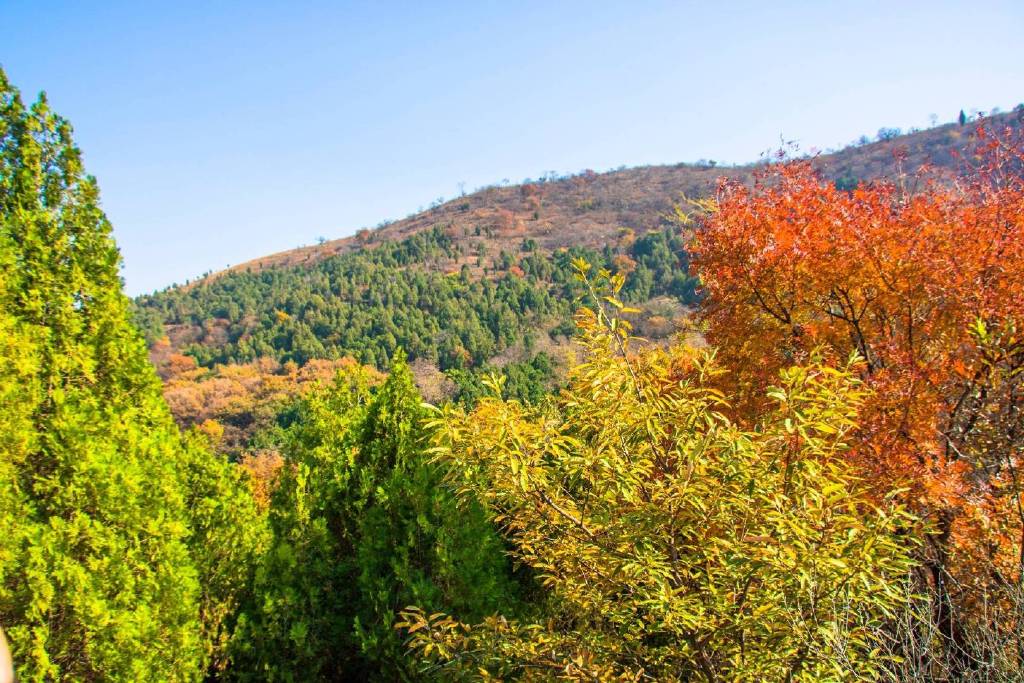
Named after Liu Bang, the founder of Han Dynasty, who once took refuge here. The park features ancient trees, Huangcang Cave, and Ruiyun Temple, a natural oxygen bar.
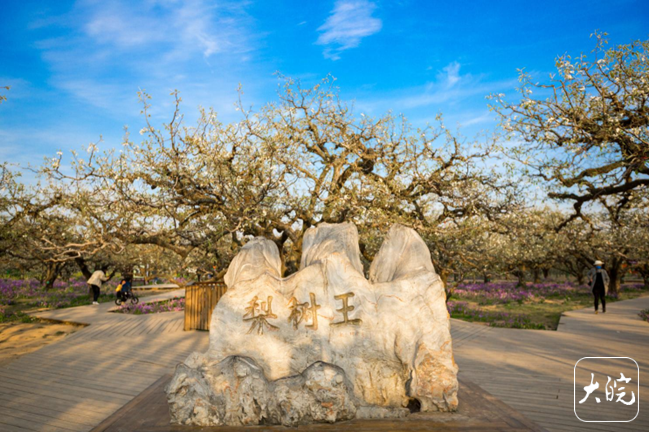
Home to century-old pear trees. In spring, pear blossoms cover the area like snow; in autumn, fruits abound. Visitors can experience picking.
Explore rich intangible cultural heritage and traditional crafts
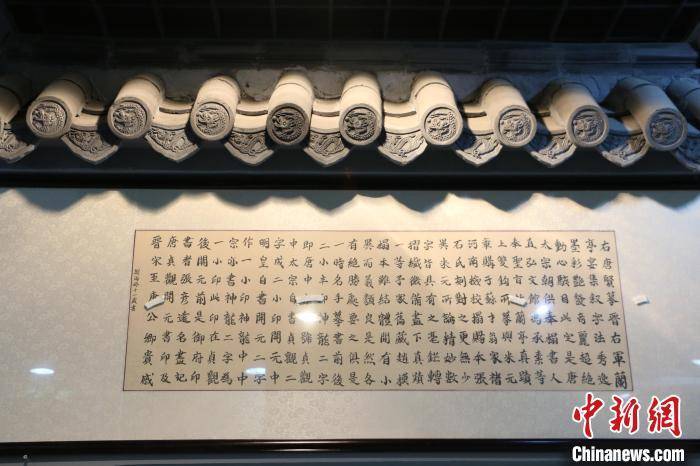
Xiaoxian is the hometown of Chinese painting and calligraphy, with deep traditions and broad public participation, listed as Anhui provincial intangible cultural heritage.
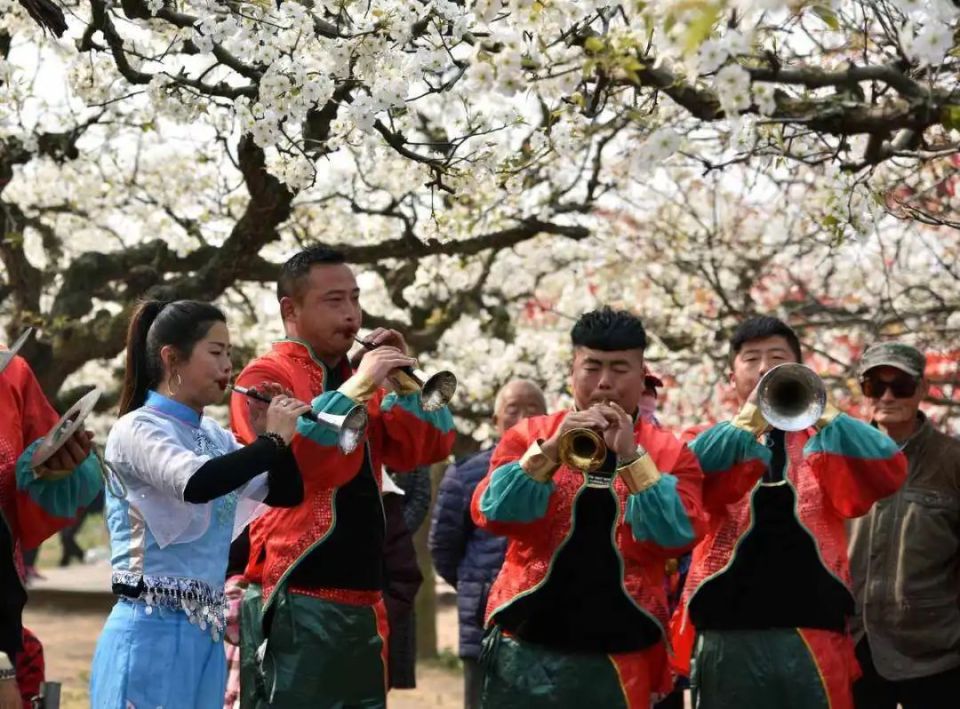
Dangshan suona features loud and passionate tunes, an indispensable instrument in local ceremonies like weddings and funerals, listed as Anhui provincial intangible cultural heritage.
Must-know transportation for exploring the city
The Beijing-Shanghai high-speed railway passes through Suzhou East Station, providing direct access to Beijing, Shanghai, Nanjing, Hefei, etc., with a travel time of about 2-3 hours.
To Hefei about 100 yuan, to Shanghai about 200 yuan
City bus routes cover major attractions and commercial areas. Fare 1-2 yuan, mobile payment accepted.
1-2 yuan
Suzhou is about 80 km from Xuzhou Guanyin Airport, with direct shuttle buses, offering flights to many domestic and international cities.
Shuttle bus fare about 50 yuan
Taste the most authentic and popular local specialties
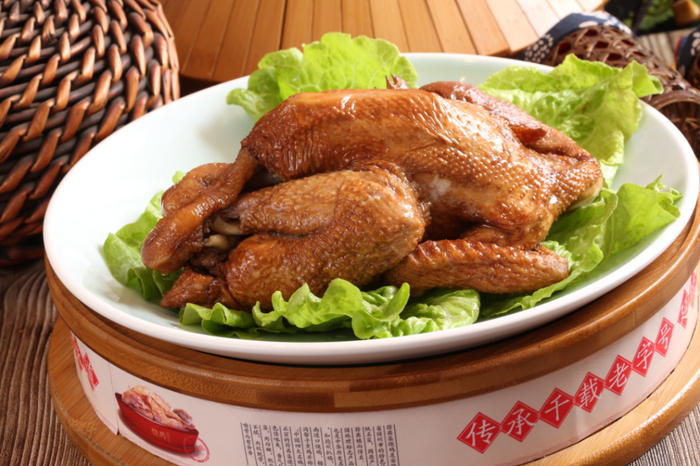
One of the four famous chickens in Anhui, golden in color, tender and flavorful.
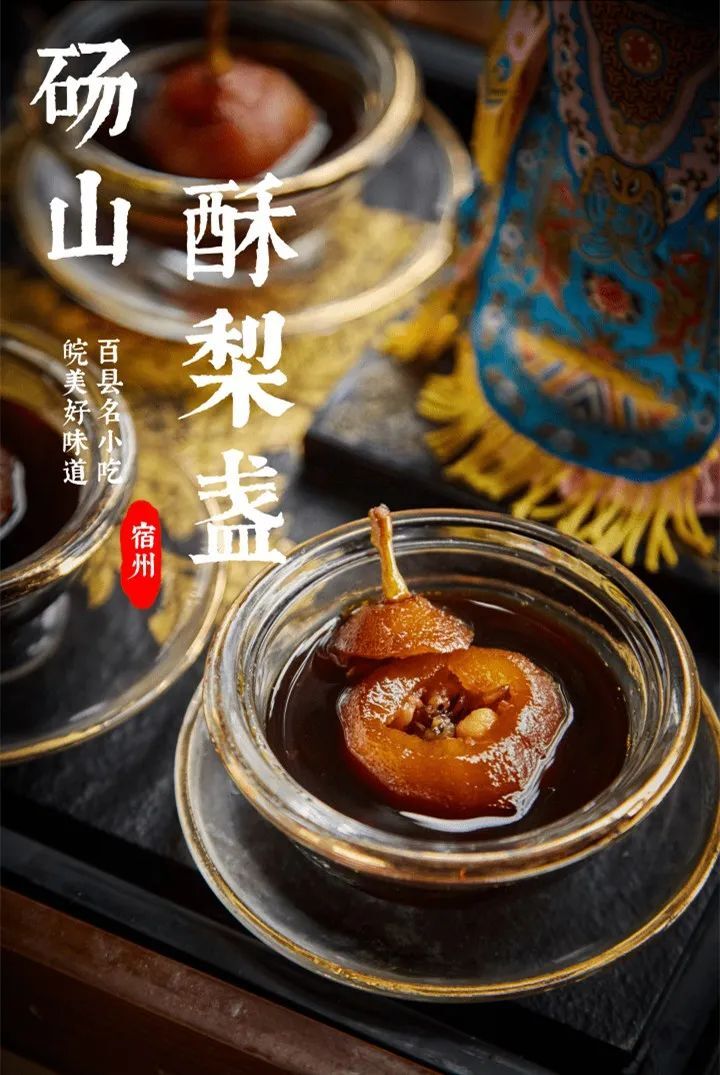
China's national geographical indication product, thin-skinned, juicy, crispy and sweet, known as 'nectar among fruits.'
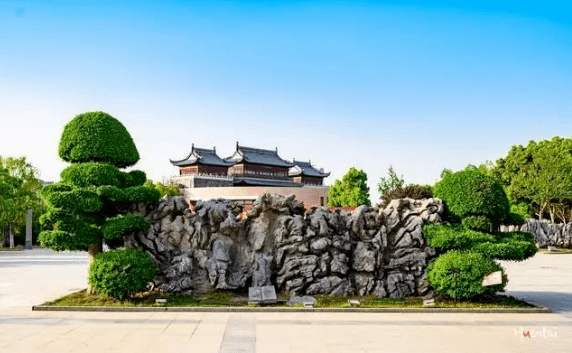
Exhibits Lingbi stone, one of China's four famous stones. The park is filled with unique rocks and also displays Zhong Kui culture.
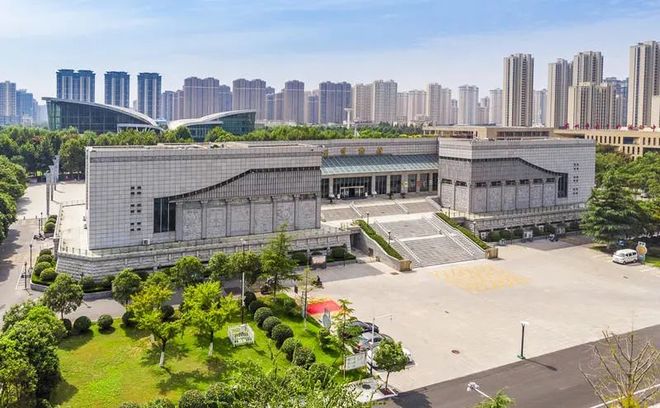
A comprehensive museum showcasing Suzhou's history and culture, with rich collections including Han Dynasty stone reliefs and Grand Canal artifacts.
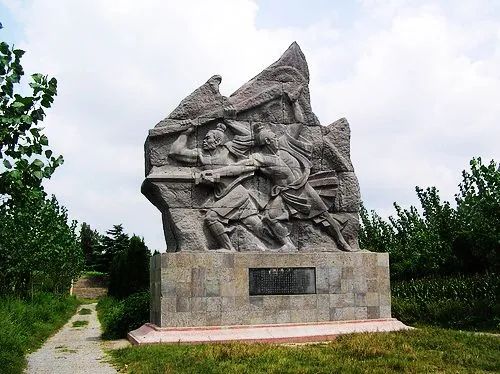
The birthplace of the Chen Sheng and Wu Guang uprising, with existing ruins and a monument, serving as a patriotic education base.
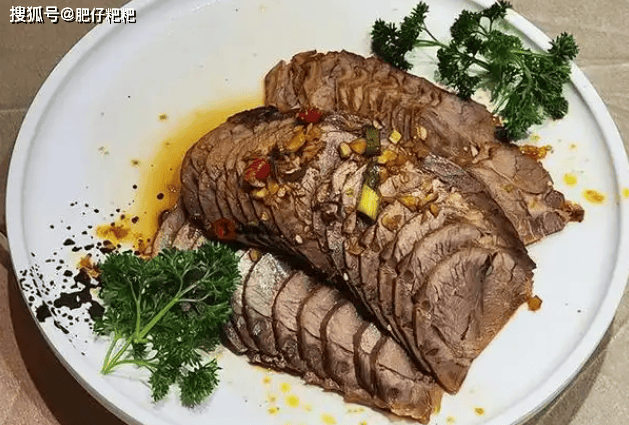
Produced in Lagang Town, Yongqiao District, braised with traditional techniques, tender and aromatic.
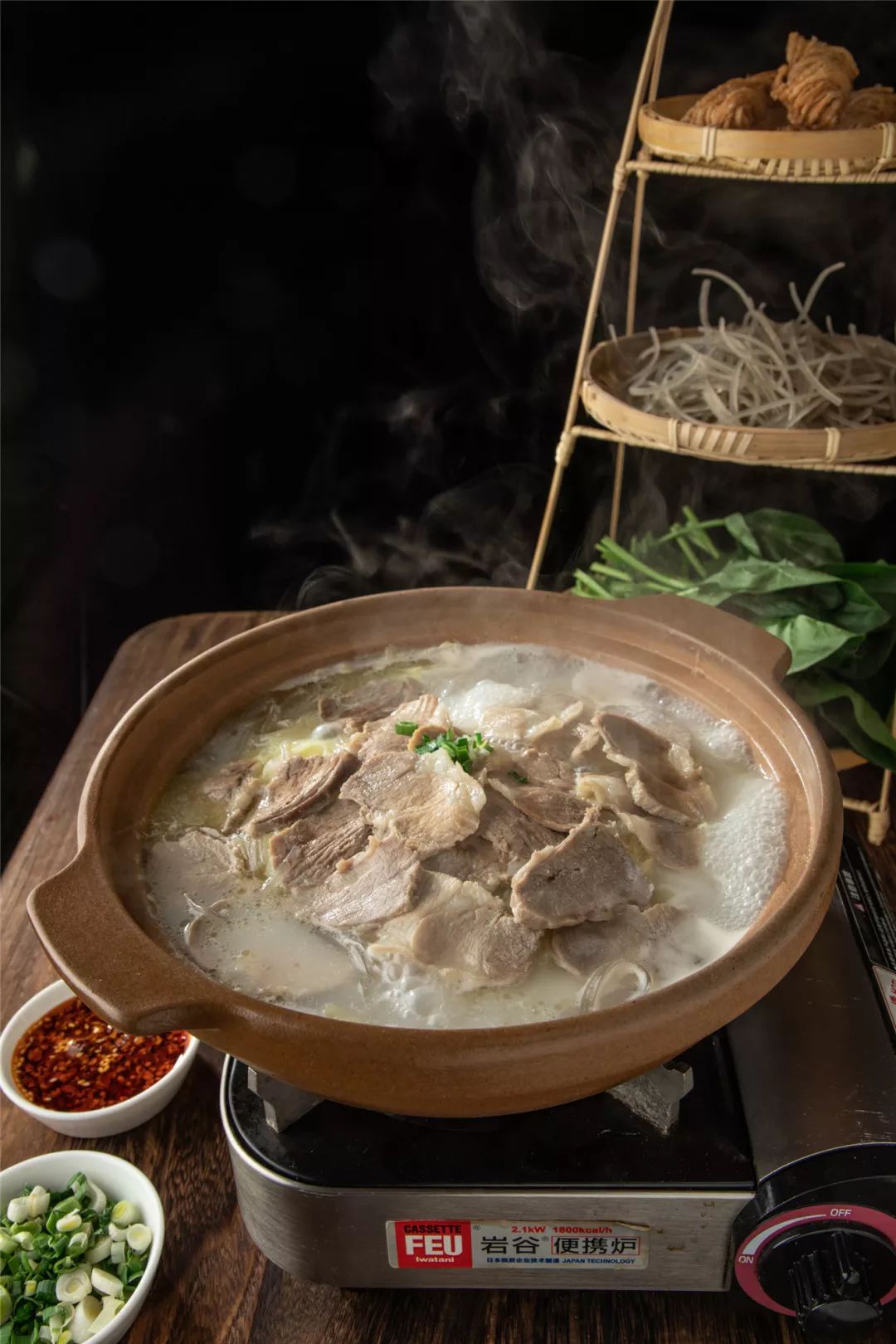
A specialty of Xiaoxian, milky white soup, tender mutton, served with chili oil and coriander, warming and nourishing.
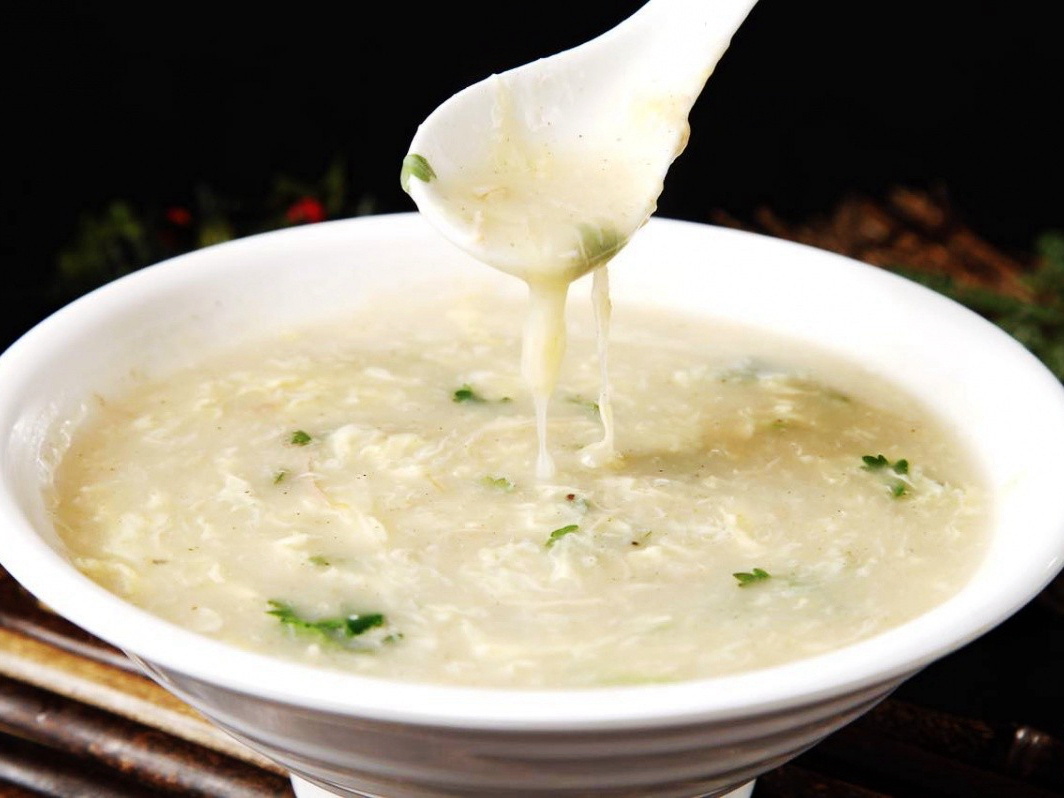
A traditional breakfast soup made with chicken broth, wheat kernels, and pepper, delicious and nutritious.