
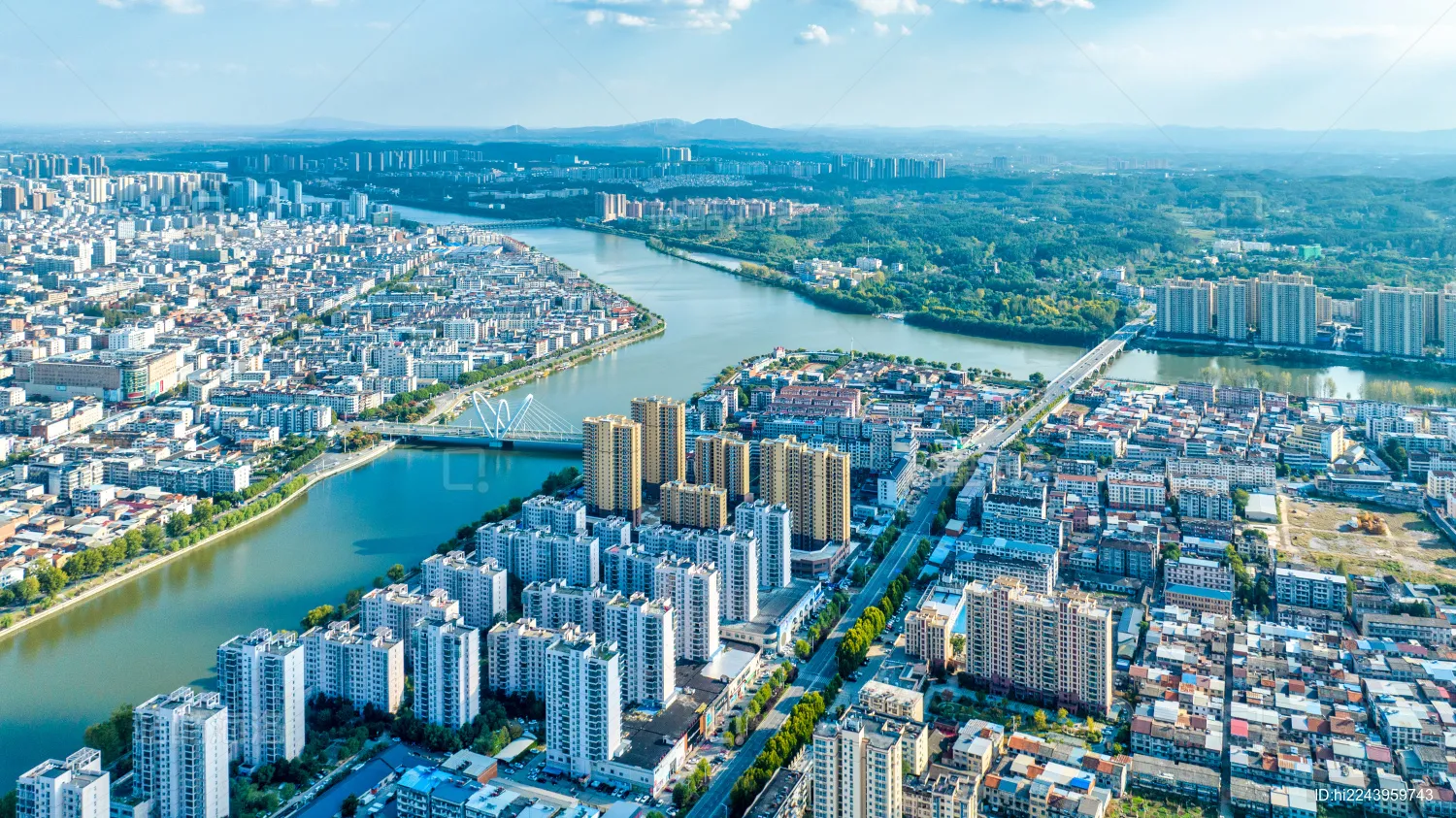
Suizhou is located in the northern part of Hubei Province, at the intersection of the Yangtze River and Huai River basins. It has a subtropical monsoon climate with four distinct seasons and abundant rainfall. The terrain is mainly low mountains and hills, with the Tongbai and Dabie mountain ranges stretching through. Rivers such as the Yunshui and Sheshui crisscross the area. The forest coverage is high, offering a beautiful natural environment.
Suizhou has a long history and is one of the important birthplaces of Chinese civilization. According to historical records, Emperor Yan (Shennong) was born in Lieshan, Suizhou, and pioneered agricultural civilization. During the Western Zhou Dynasty, it was the State of Sui, later belonged to Chu in the Warring States period, and was established as a county in Qin and Han dynasties. It has always been a strategic location throughout history. In 1978, the discovery of the Tomb of Marquis Yi of Zeng shocked the world, unearthed a large number of precious artifacts, including the world-famous Zeng Hou Yi chime bells.
Suizhou has a profound cultural heritage, centered on chime bell culture and Emperor Yan culture. Folk arts such as Suizhou Huagu Opera and Suizhou Shadow Puppetry are unique. In terms of cuisine, Suizhou Bubble Green, Suizhou Mushrooms, Guangshui Sliced Pork, and Lishan Fermented Tofu are well-known local delicacies. Among them, Suizhou Bubble Green is a national geographical indication product.
Modern Suizhou is a regional central city in Hubei Province, with pillar industries including special-purpose vehicles and parts, food processing, and electronic information. Urban construction is changing rapidly, and the transportation network is continuously improving, with high-speed rail connecting to all parts of the country. At the same time, Suizhou focuses on ecological protection and cultural tourism, developing famous scenic spots such as the Hometown of Emperor Yan and Dahong Mountain, making it an important tourist destination in Central China.
The best time to visit 随州 is Spring and Autumn (March-May, September-November).
Spring (March-May): Suizhou has mild weather with blooming flowers. In April, peach and pear blossoms in the Hometown of Emperor Yan scenic area are in full bloom, ideal for spring outings. It is also a good time for tea picking, as Suizhou bud tea is of high quality.
Autumn (September-November): The weather is clear and crisp. Dahong Mountain is covered with colorful leaves, and the Ginkgo Valley turns golden, making it a prime season for photography and outdoor activities. Suizhou Ginkgo Valley is known as 'Hometown of Chinese Ginkgo', with the best viewing period from late October to mid-November.
Summer (June-August) is hot and rainy, but Dahong Mountain is cool and a summer resort; winter (December-February) is cold and dry, suitable for hot springs and snow views, though some attractions may close due to weather.
Emperor Yan (Yandi) was born in Lieshan, Suizhou. He taught people farming, tasted herbs, and made pottery, pioneering Chinese agricultural civilization.
Marquis Yi of Zeng, a ruler of the Zeng state in the early Warring States period, was buried in Leigudun, Suizhou. The tomb yielded a large number of bronze wares, jade artifacts, and the world-famous Zenghouyi Chime Bells.
Recommended places to visit
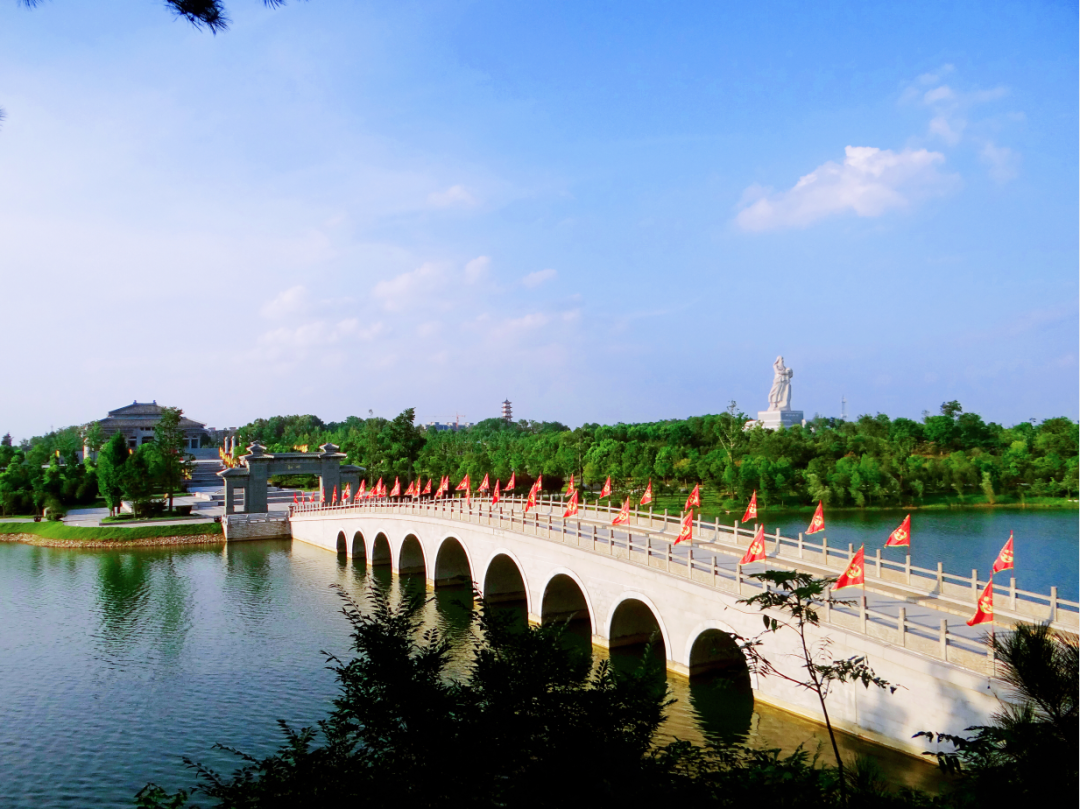
A national 4A scenic area located in Lishan Town, Sui County, the birthplace of Emperor Yan. Attractions include the Grand Hall of Emperor Yan, Lieshan Lake, and Shennong Cave. The World Chinese Roots Seeking Festival is held annually on the 26th day of the fourth lunar month.
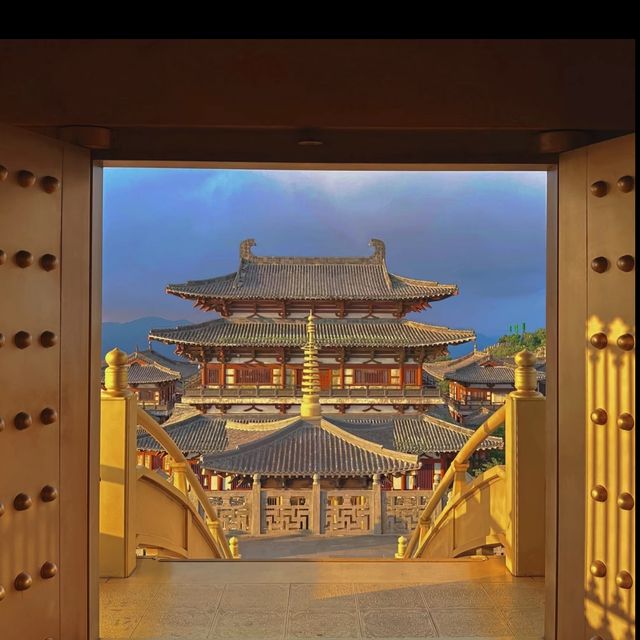
A national first-class museum featuring artifacts from the Tomb of Marquis Yi of Zeng, including replicas of the Zenghouyi Chime Bells and numerous bronze wares. Enjoy chime bell music and dance performances.
Explore rich intangible cultural heritage and traditional crafts
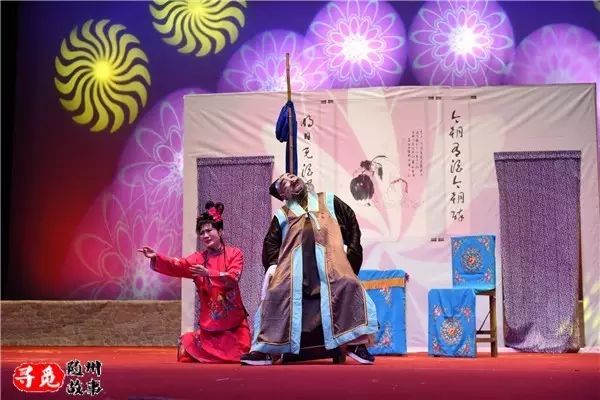
Intangible cultural heritage of Hubei Province, originating in the Qing Dynasty. It combines local folk songs, dances, and storytelling, with lively performances and beautiful melodies.
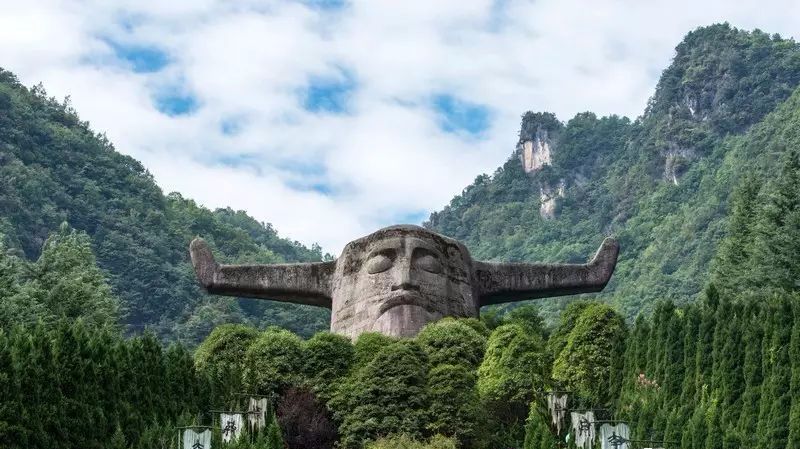
National intangible cultural heritage, spread in Suizhou area. It tells the stories of Emperor Yan teaching farming and tasting herbs, an important legend of Chinese origin.
Must-know transportation for exploring the city
Suizhou South Station is a key stop on the Wuhan-Shiyan high-speed railway. Multiple trains run daily to Wuhan, Xiangyang, Shiyan, etc. Travel time to Wuhan is about 1 hour.
Second-class seat from Wuhan to Suizhou about 80 RMB
Suizhou has no civil airport. Fly to Wuhan Tianhe International Airport or Xiangyang Liuji Airport, then transfer by high-speed rail or bus to Suizhou, about 1-2 hours.
Bus from Wuhan Tianhe Airport to Suizhou about 60 RMB
City bus routes cover main urban areas and attractions. Fare is 1-2 RMB. Some lines go directly to Hometown of Emperor Yan, Suizhou Museum, etc.
1-2 RMB
Taste the most authentic and popular local specialties
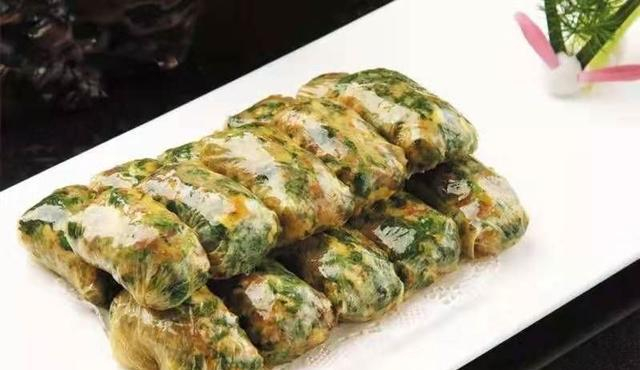
A local specialty vegetable with dark green bubbly leaves, tender texture, and rich nutrition. It can be stir-fried or used in soups, a winter seasonal dish.
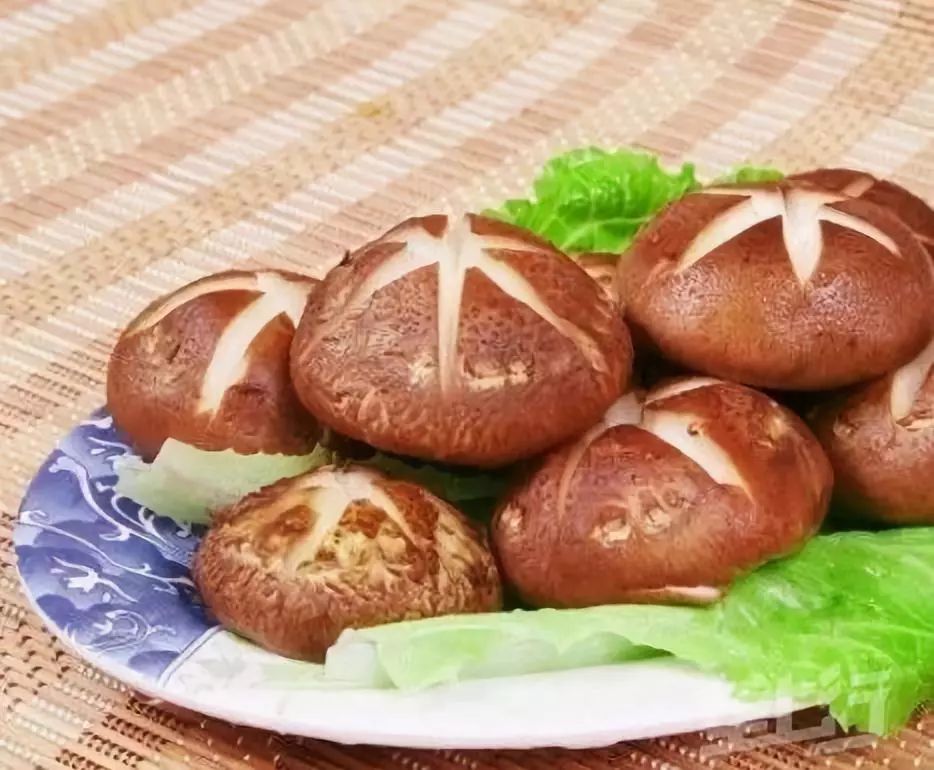
Suizhou is the hometown of mushrooms in China. The mushrooms are thick, fragrant, and can be used in soups, stir-fries, or dried. They are popular domestically and internationally.
The Tomb of Marquis Yi of Zeng in Leigudun, Suizhou, was excavated, yielding over 15,000 artifacts. The Zenghouyi Chime Bells are hailed as the 'Eighth Wonder of the World'.
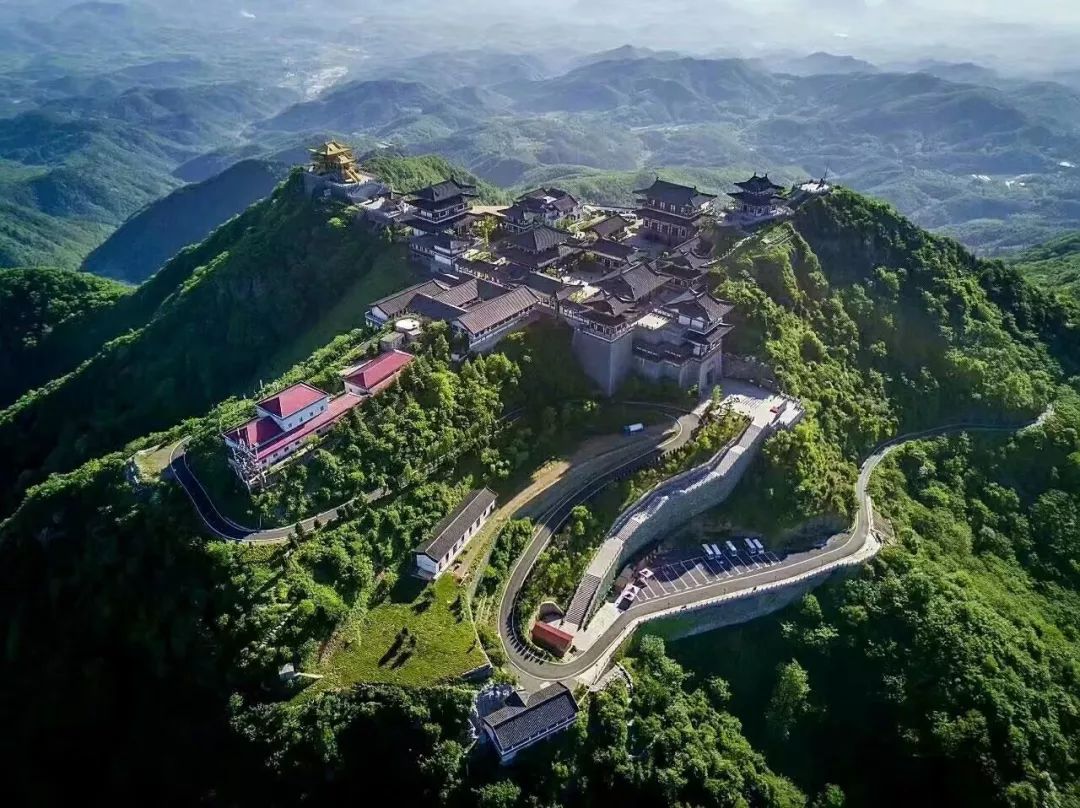
A national 4A scenic area and national forest park, known for mountain scenery and Buddhist culture. The main peak Baozhu Peak is 1055 meters above sea level, known as 'the first peak in northern Chu'. Attractions include Hongshan Temple and Bailong Pool.
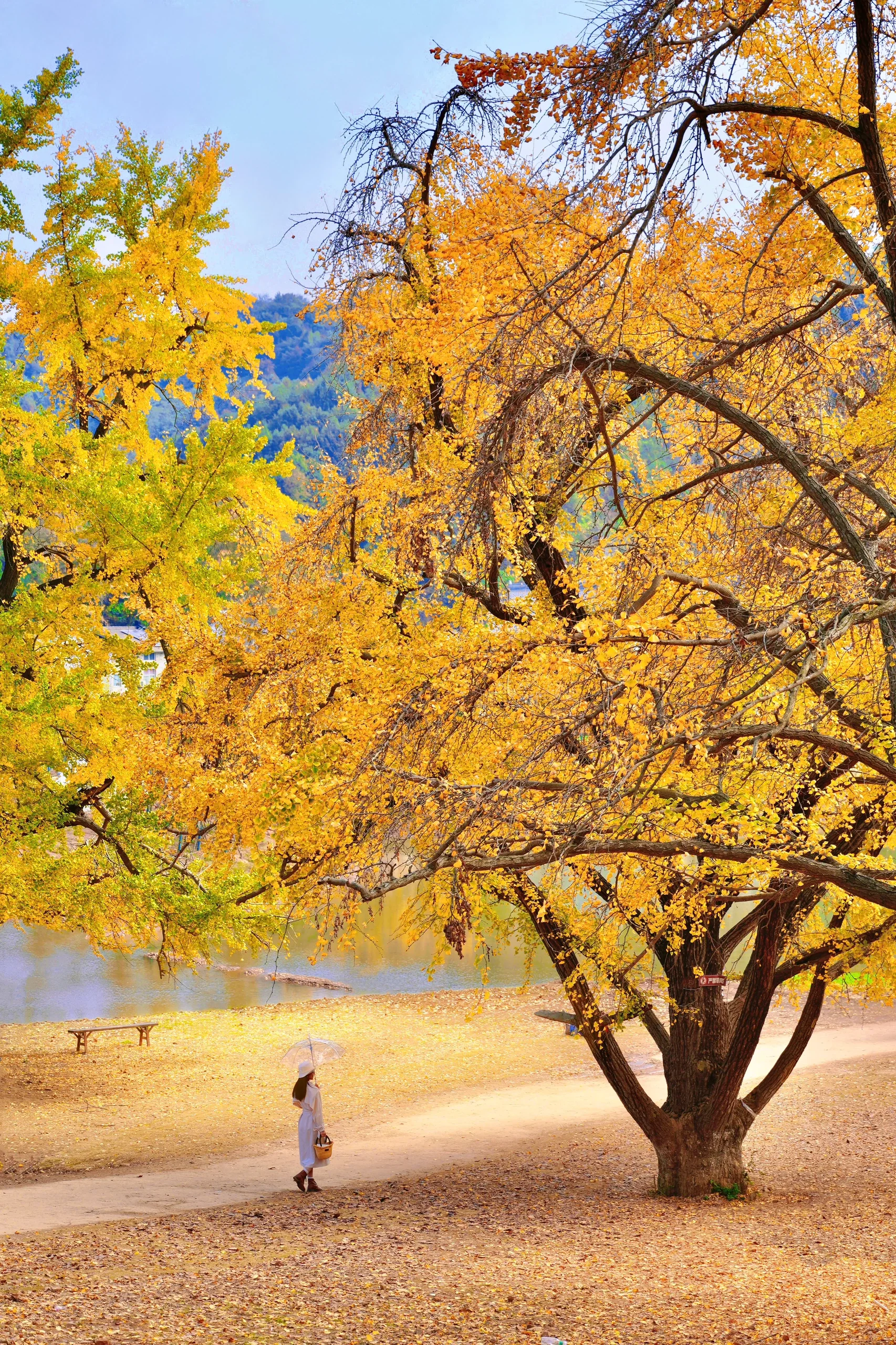
A national 4A scenic area in Luoyang Town, Zengdu District, with 308 ginkgo trees over a thousand years old, known as 'Hometown of Chinese Ginkgo'. In autumn, the valley turns golden, creating a spectacular view.
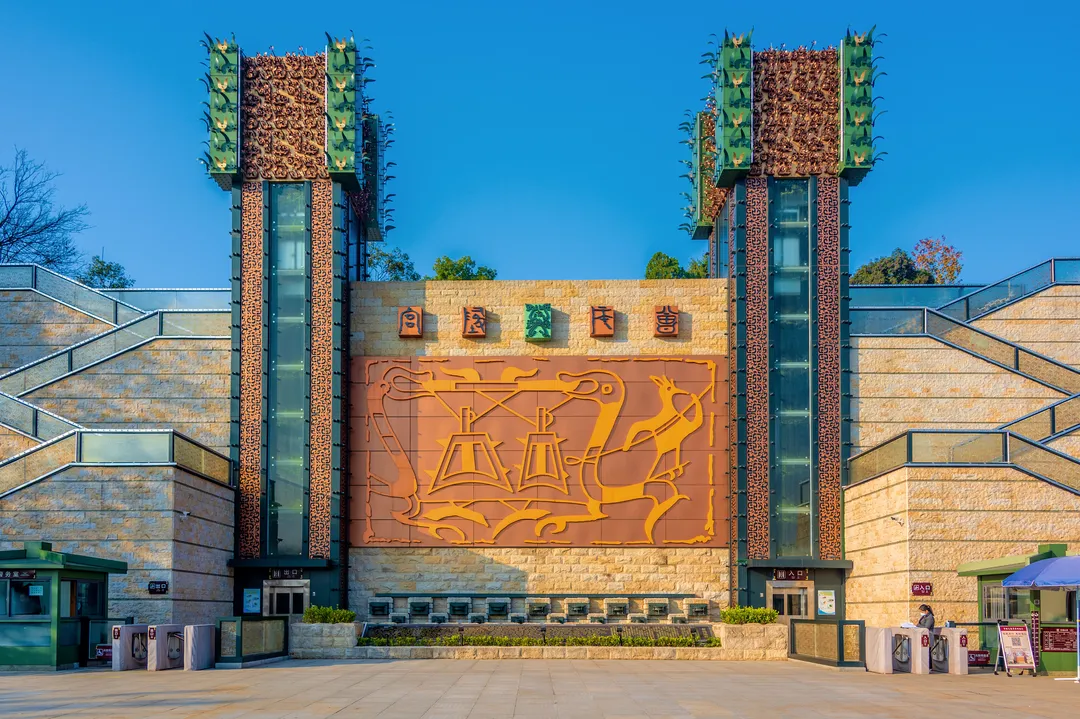
A major historical and cultural site protected at the national level, located in Leigudun. It is the tomb of Marquis Yi of Zeng, a ruler of the Zeng state in the early Warring States period. The site museum displays the original tomb and some artifacts.
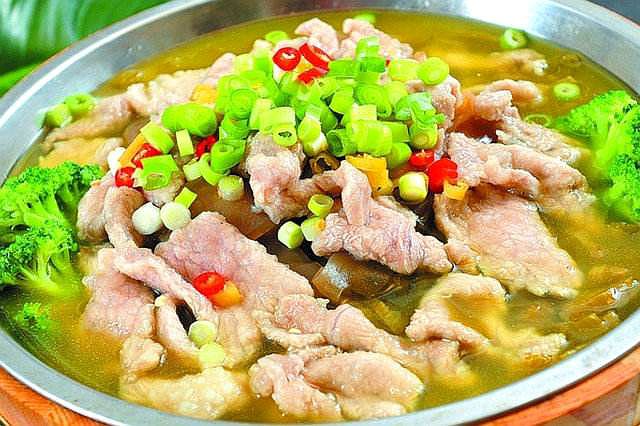
A traditional dish from Guangshui City, made with pork belly coated in sweet potato starch and steamed. The texture is smooth and tender, rich but not greasy, a must-have at local banquets.
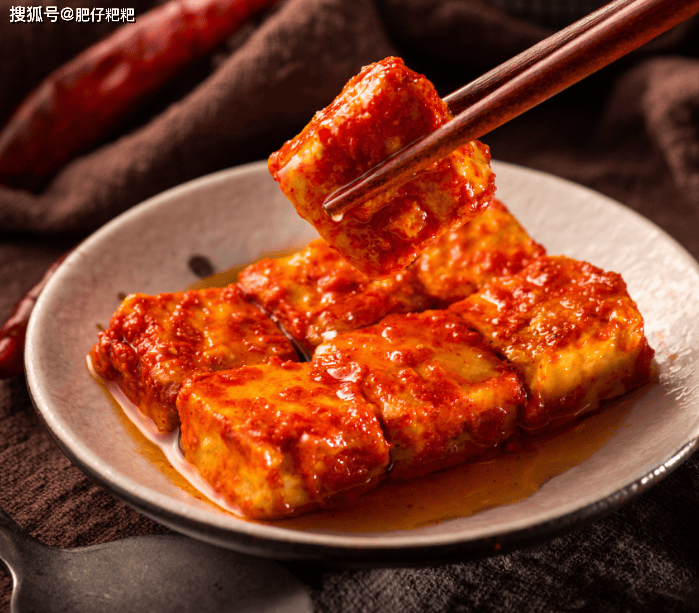
A specialty of Lishan Town, made from high-quality soybeans fermented through traditional techniques. It has a bright red color and delicious taste, perfect as a condiment.
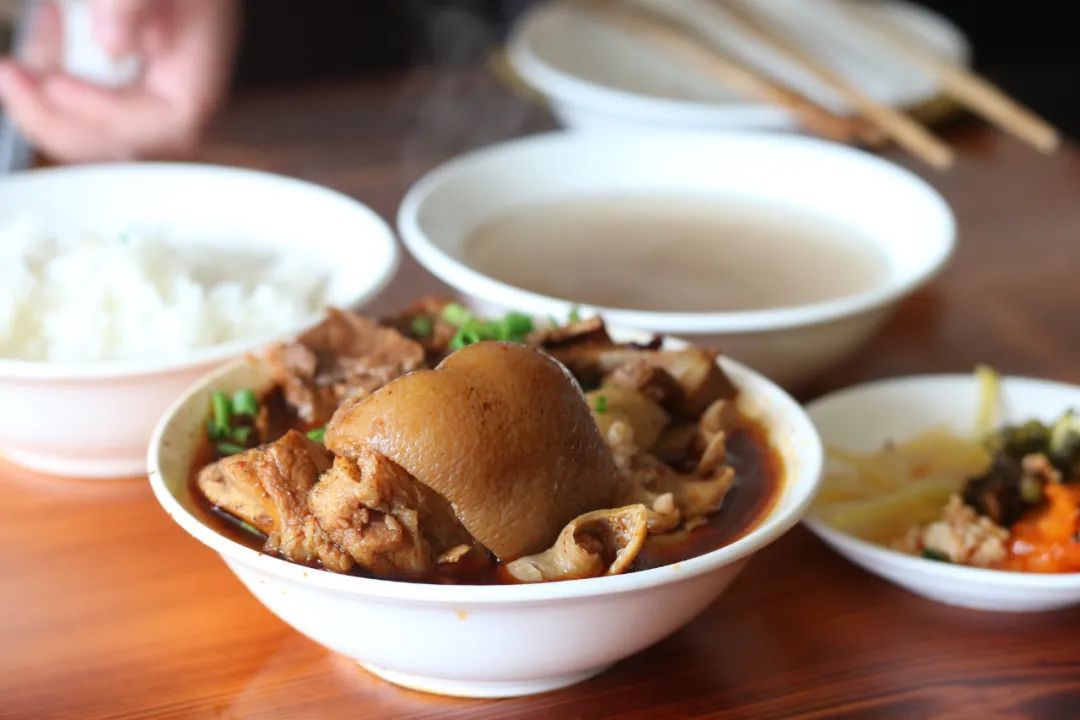
A special breakfast in Suizhou, featuring braised pork hock (guaizi) cut into pieces served with rice and vegetables, topped with braising sauce. Rich in flavor and nutrition.