
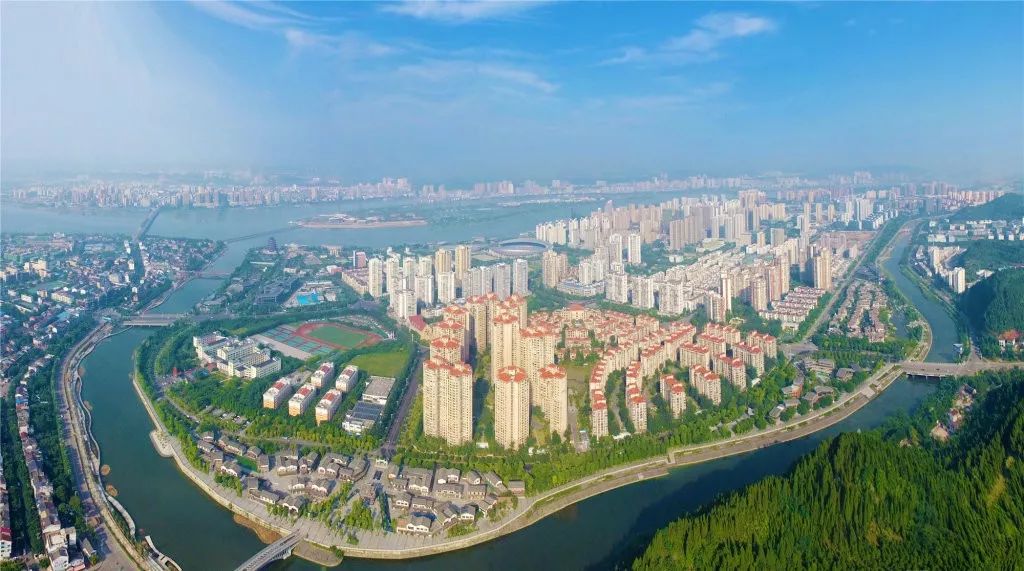
Suining is located in the central part of the Sichuan Basin, along the middle reaches of the Fujiang River, and lies in the hinterland of the Chengdu-Chongqing Economic Circle. It has a subtropical humid monsoon climate with four distinct seasons and abundant rainfall, with an average annual temperature of about 17°C.
Suining has a long history, having been established as a city during the Eastern Jin Dynasty over 1,600 years ago. Its name, meaning 'peace after turmoil,' reflects its origin, and it is known as the 'Hometown of Guanyin.'
Suining is an important birthplace of Guanyin culture, with Lingquan Temple and Guangde Temple attracting many pilgrims. The local cuisine features Suining tofu, Shehong beef, and Pengxi ginger cake, characterized by rich Sichuan flavors.
Modern Suining is a key transportation hub and logistics center in the Chengdu-Chongqing region, hosting a national-level economic and technological development zone. The city is eco-friendly and livable, earning the nickname 'Western Water Capital.'
The best time to visit 遂宁 is Best in spring and autumn (March-May, September-November).
Spring (March-May) is mild with blooming flowers, ideal for flower viewing and outdoor activities.
Autumn (September-November) is clear and cool, perfect for visiting temples and ancient towns.
Summer is hot but you can experience floating in the China Dead Sea; winter is damp and cold with fewer tourists.
During the Eastern Jin Dynasty, Suining Commandery was established, meaning 'attained peace', marking the official founding of the city.
In the Tang Dynasty, Buddhism flourished, and Lingquan Temple and Guangde Temple were built, becoming sacred sites of Guanyin.
Approved by the State Council, Suining County was abolished and Suining Prefecture-level City was established.
Recommended places to visit
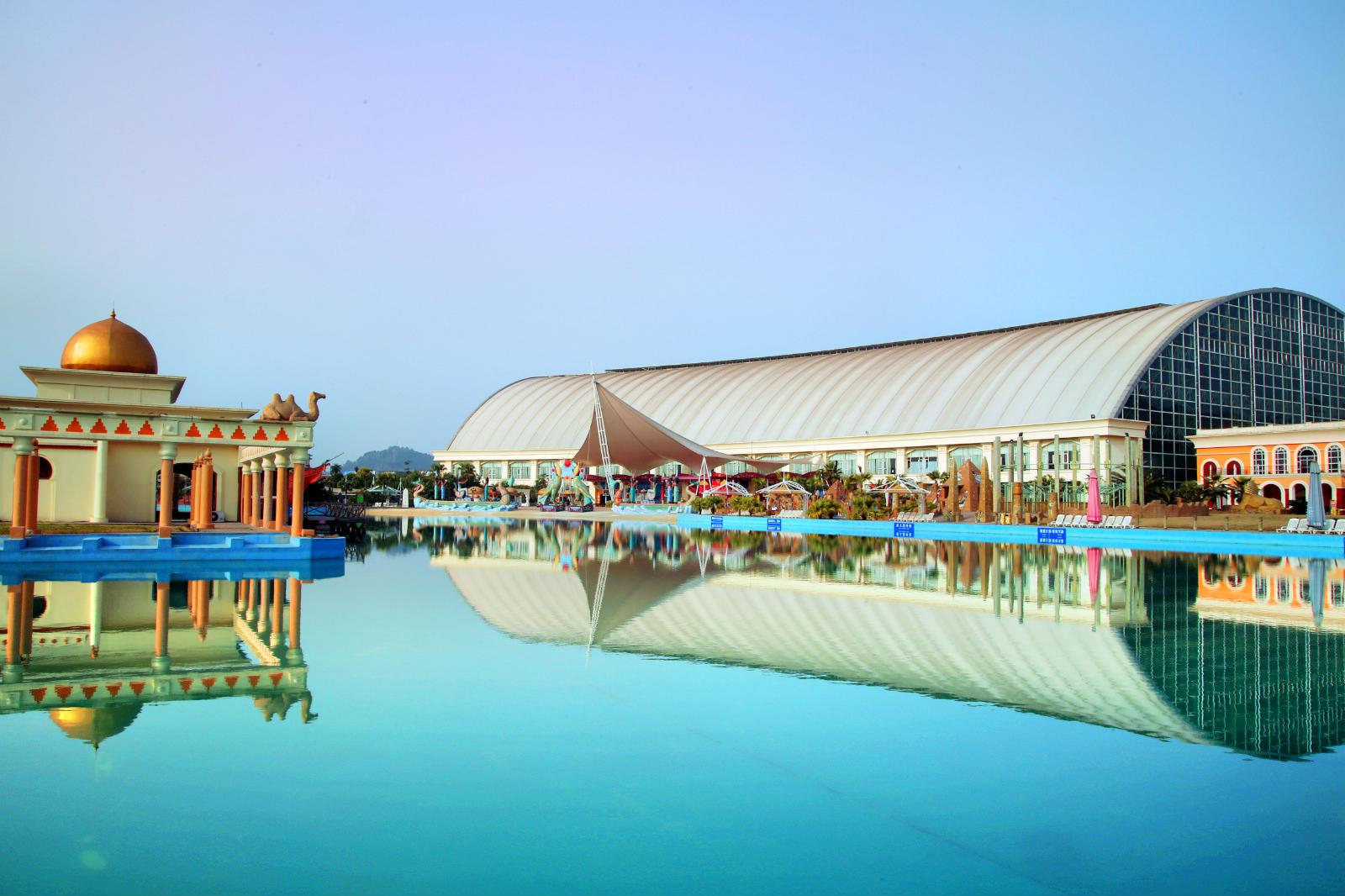
Located in Daying County, it is a 4A-level scenic area featuring saltwater floating, where visitors can experience a buoyant sea.
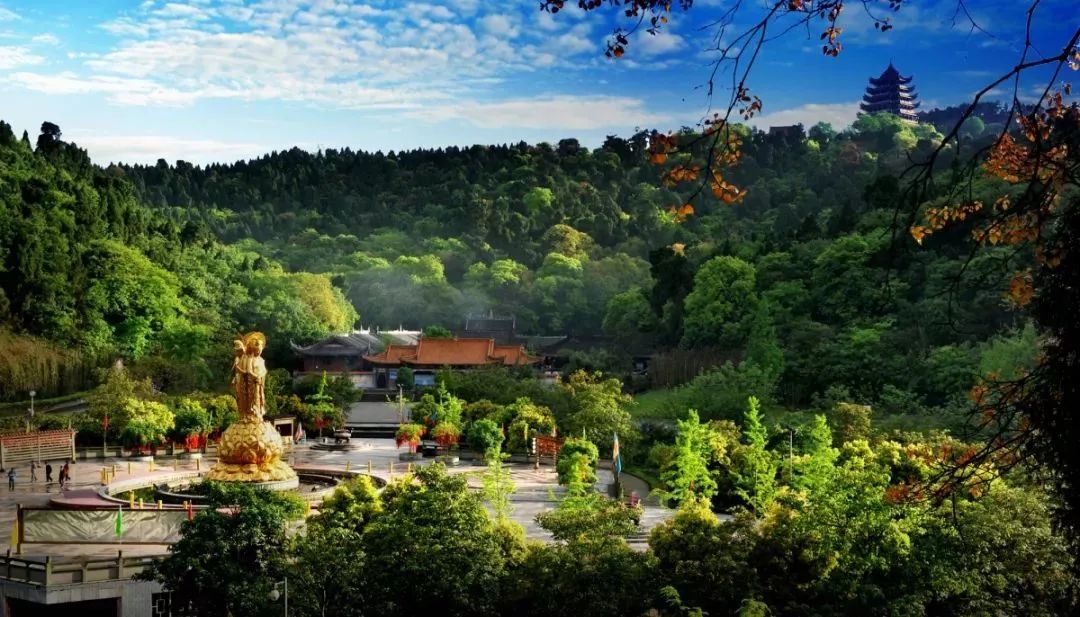
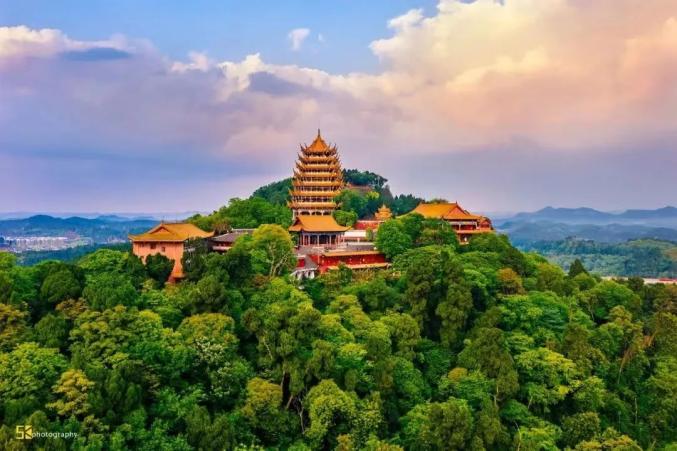
A thousand-year-old temple, one of the birthplaces of Guanyin culture, with a famous ancient well.
Explore rich intangible cultural heritage and traditional crafts

Centered on the folk tale of three sisters practicing Buddhism, listed as a provincial intangible cultural heritage.
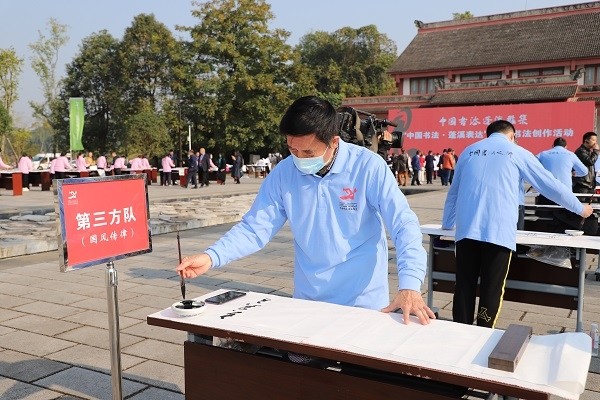
Pengxi County is famous for calligraphy, named 'Home of Chinese Calligraphy', its tradition is a provincial intangible heritage.
Must-know transportation for exploring the city
Suining Station is on the Shanghai-Wuhan-Chengdu high-speed railway, about 45 minutes from Chengdu East Station and 1 hour from Chongqing West Station.
Chengdu-Suining second class about 55 RMB
City bus routes cover major attractions and commercial areas, fare 2 RMB, can use bus card or mobile payment.
2 RMB
Suining currently has no civil airport; you can fly to Chengdu Shuangliu Airport or Chongqing Jiangbei Airport, then transfer by high-speed rail or bus to Suining.
Chengdu Shuangliu to Suining bus about 80 RMB
Taste the most authentic and popular local specialties
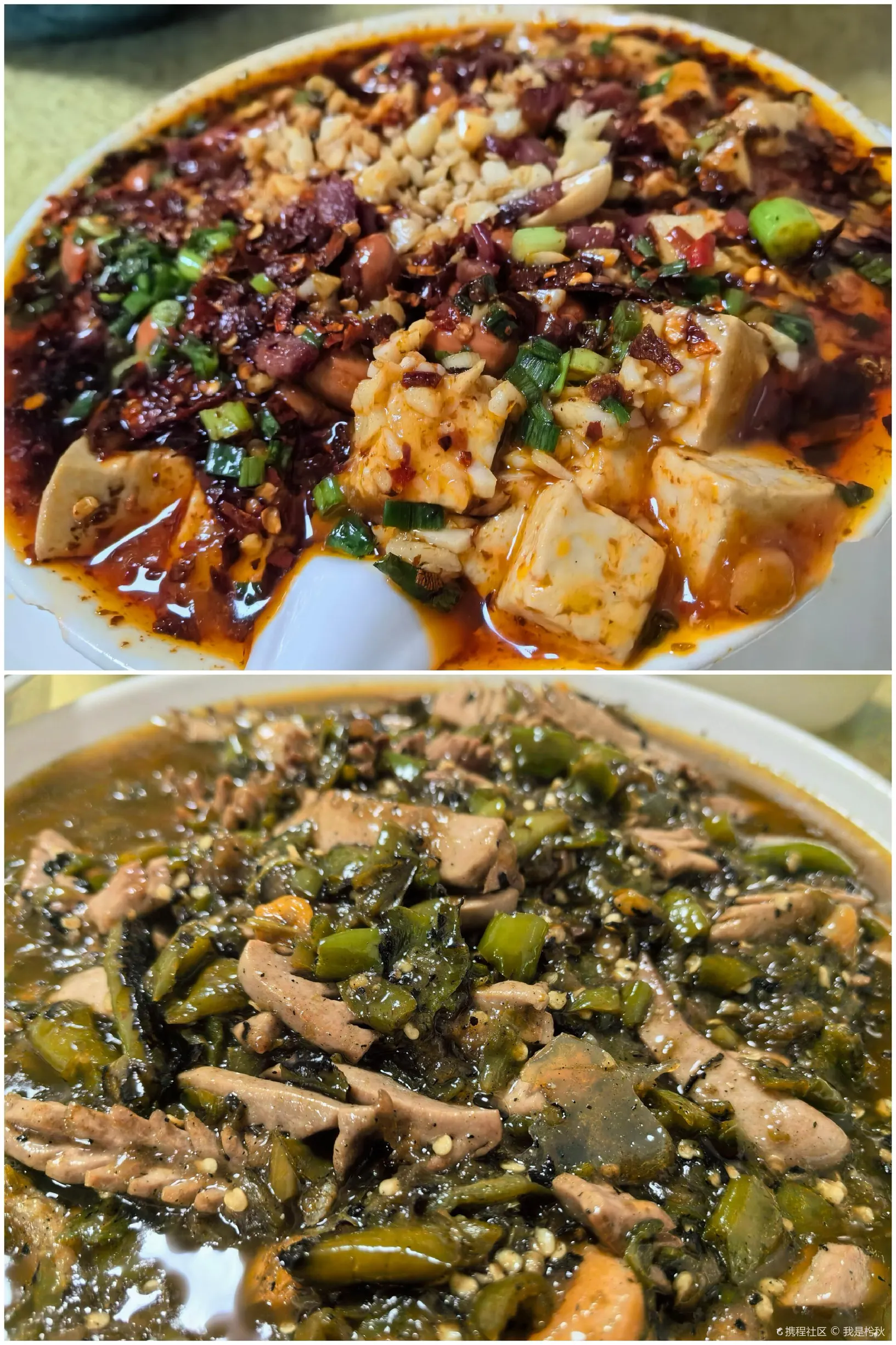
A specialty bean product in Suining, with a tender and smooth texture, can be served cold or braised.
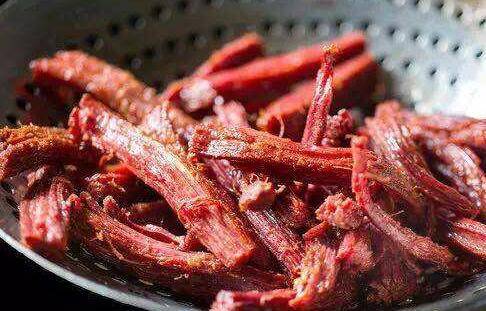
A specialty of Shehong County, made from local yellow cattle, braised to a bright red color with savory flavor.
Built in the Tang Dynasty, it received imperial decrees through dynasties and is a famous Guanyin sacred site.
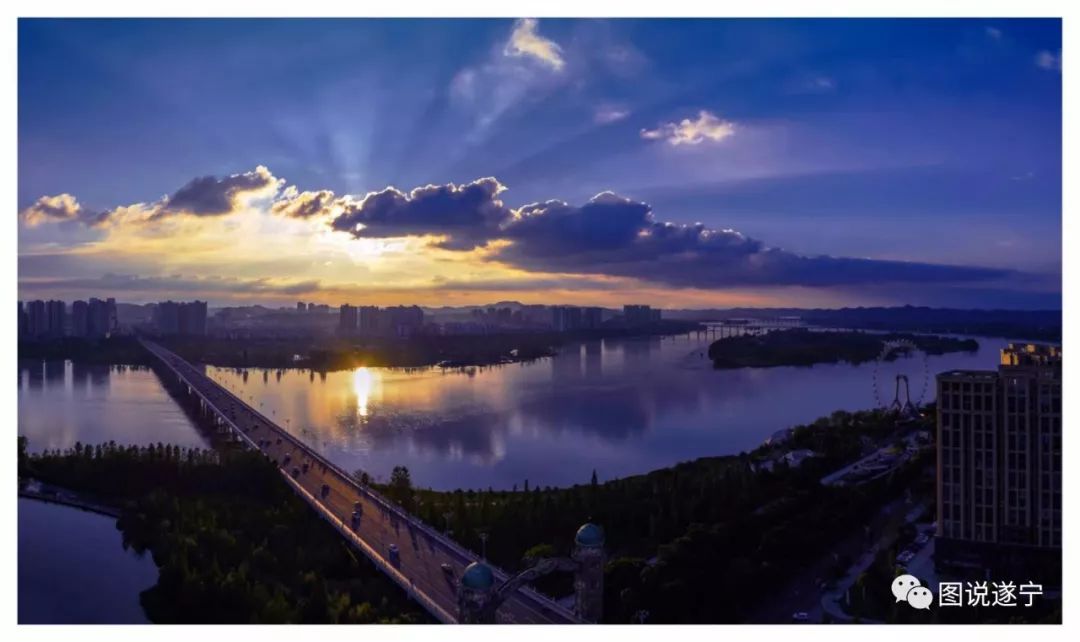
An artificial lake in the city center, surrounded by wetland parks, ideal for leisure walks.
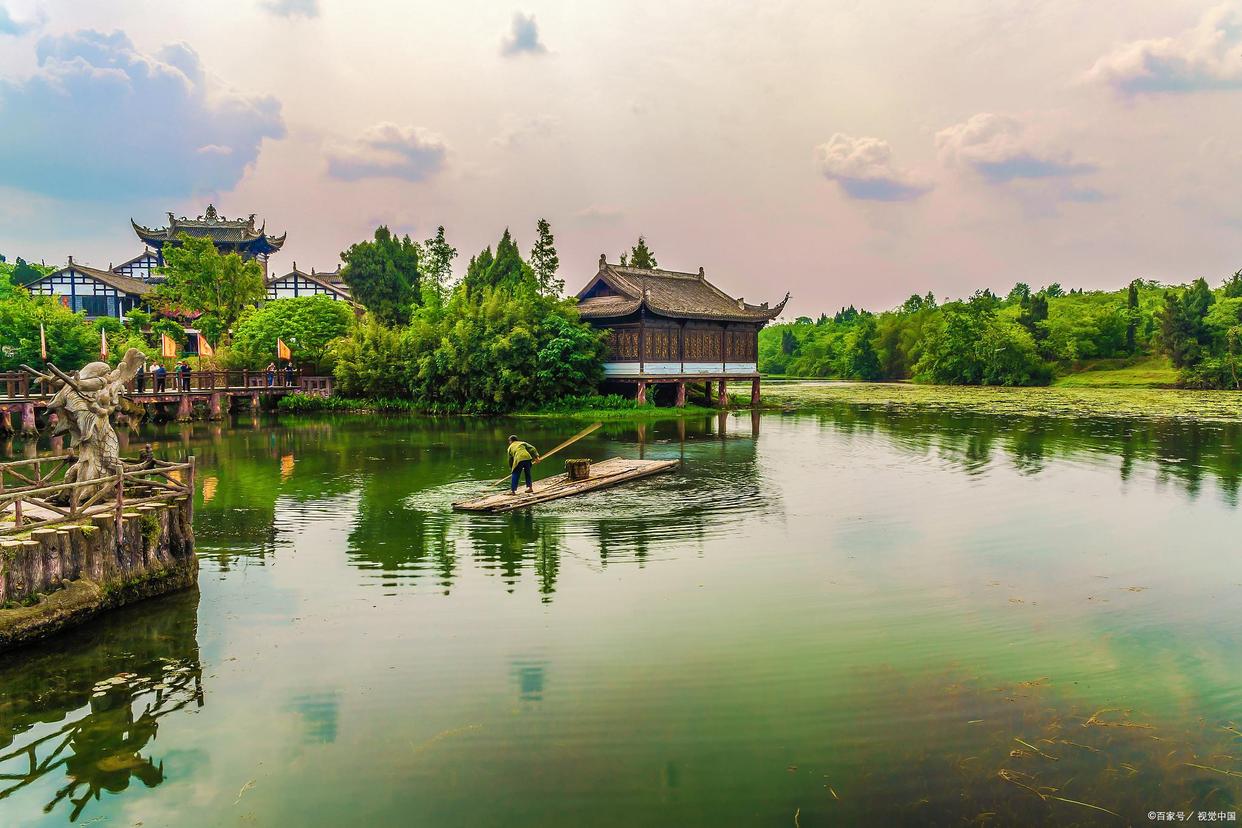
A well-preserved Ming and Qing ancient town themed on dragon and phoenix culture, with many ancient buildings.
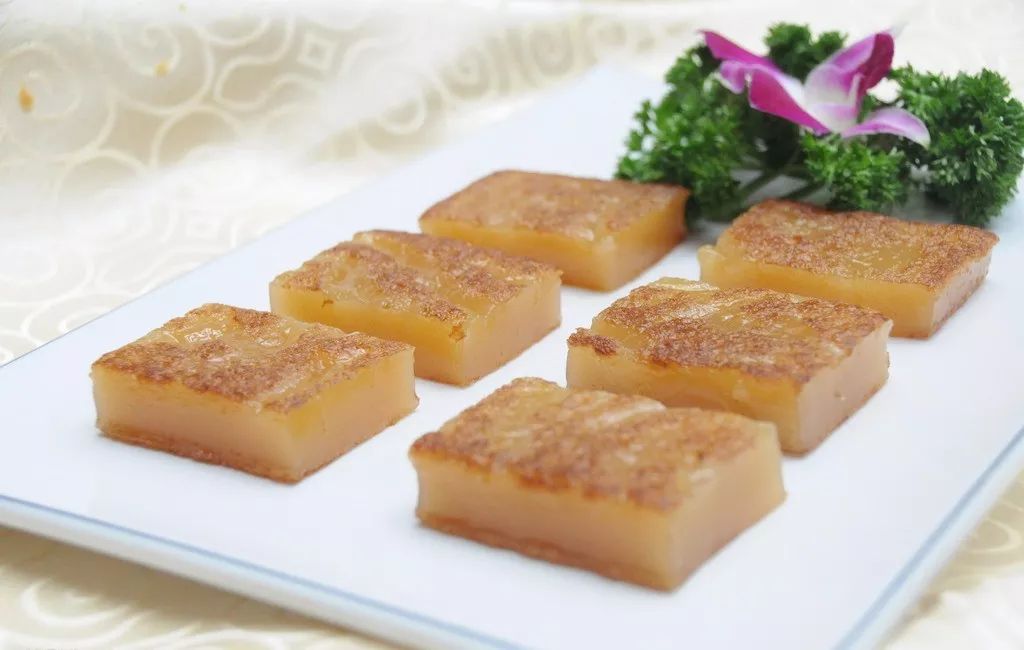
A traditional pastry in Pengxi, made with ginger juice and glutinous rice, sweet with a hint of spice, soft and chewy.
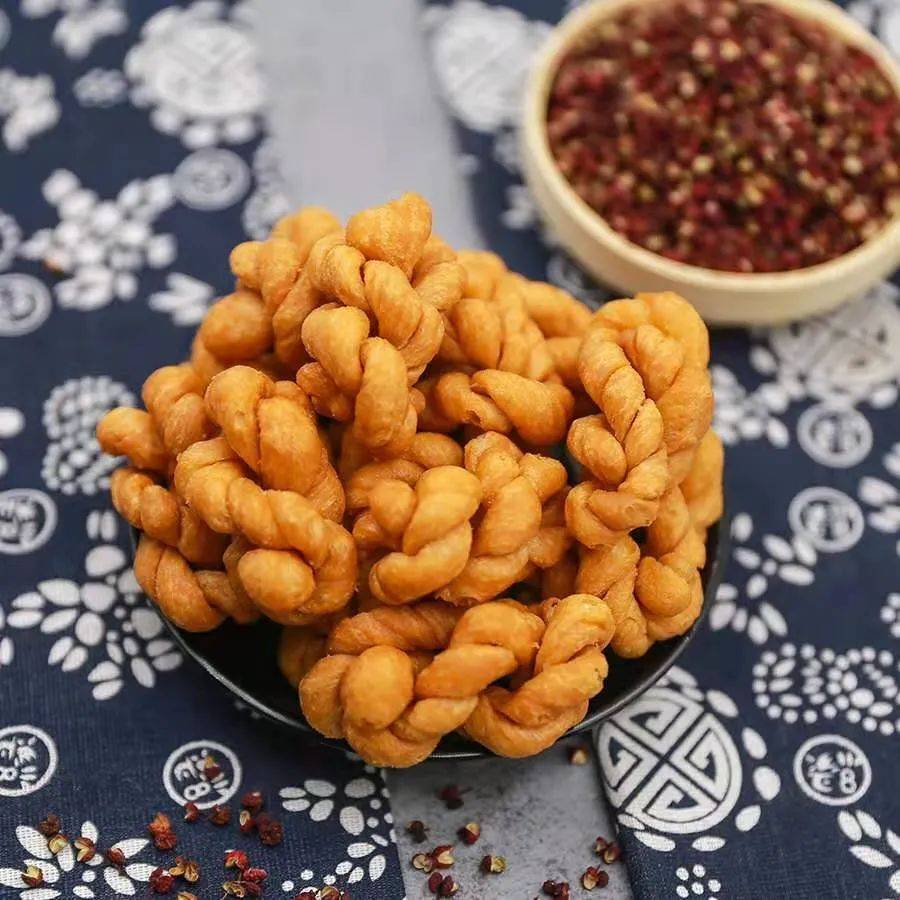
A Suining specialty snack, fried dough twist, crispy and delicious, named after Guanyin culture.
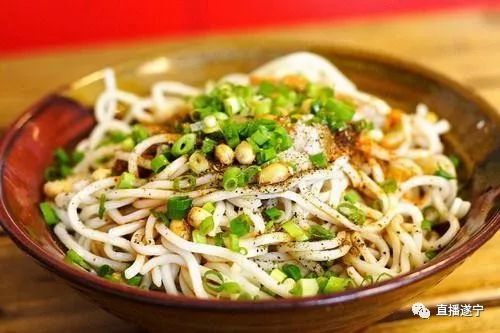
Made from pea starch, served with chili oil, Sichuan pepper, and other seasonings, sour and spicy.