
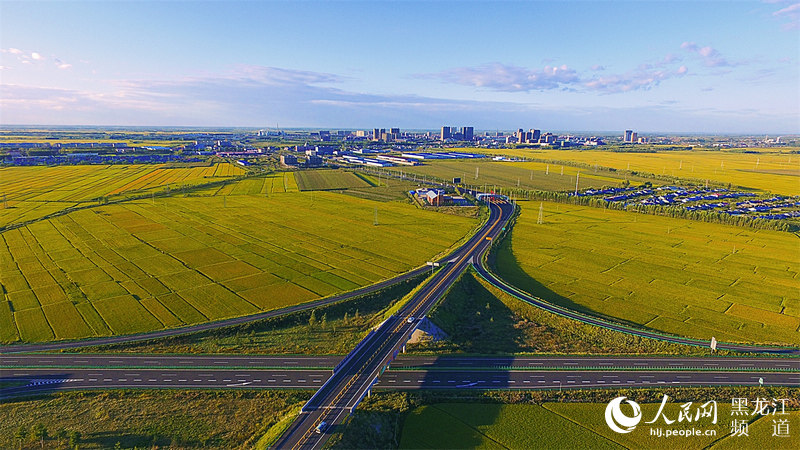
Suihua is located in the south-central part of Heilongjiang Province, in the heart of the Songnen Plain. It has a cold temperate continental monsoon climate with long, cold winters and short, warm summers. The annual average temperature is 1.3-4.0°C, and annual precipitation is about 500 mm, making it a typical core area of cold-region black soil.
Suihua was historically known as 'Beituanlinzi' and was under the jurisdiction of the Heilongjiang General in the Qing Dynasty. In 1905, Suihua Prefecture was established, followed by the Suihua Special District in 1956, and it became a prefecture-level city in 1999. As an important part of the old industrial base in Northeast China, it was once famous for textiles and machinery manufacturing.
Suihua is a multi-ethnic area inhabited by Manchu, Korean, and other ethnic groups, with rich folk culture including Errenzhuan (a duet folk song and dance) and Northeast Yangge. The cuisine is mainly Northeast Chinese, featuring dishes such as Guobao Rou (sweet and sour pork), Shazhu Cai (pork and sauerkraut stew), and cold noodles, as well as local specialties like Qing'an rice and Hailun soybeans.
Modern agriculture is developing rapidly, making Suihua a major national commodity grain base, accounting for one-quarter of Heilongjiang's grain output. The city is also promoting green food processing, biomedicine, and other industries. The Suihua Economic and Technological Development Zone has become a provincial-level key park.
The best time to visit 绥化 is Summer for escaping heat, winter for snow.
Summer (June-August): Cool climate with average temperature 20-25°C, ideal for escaping heat. Visit wetland parks and experience agritainment.
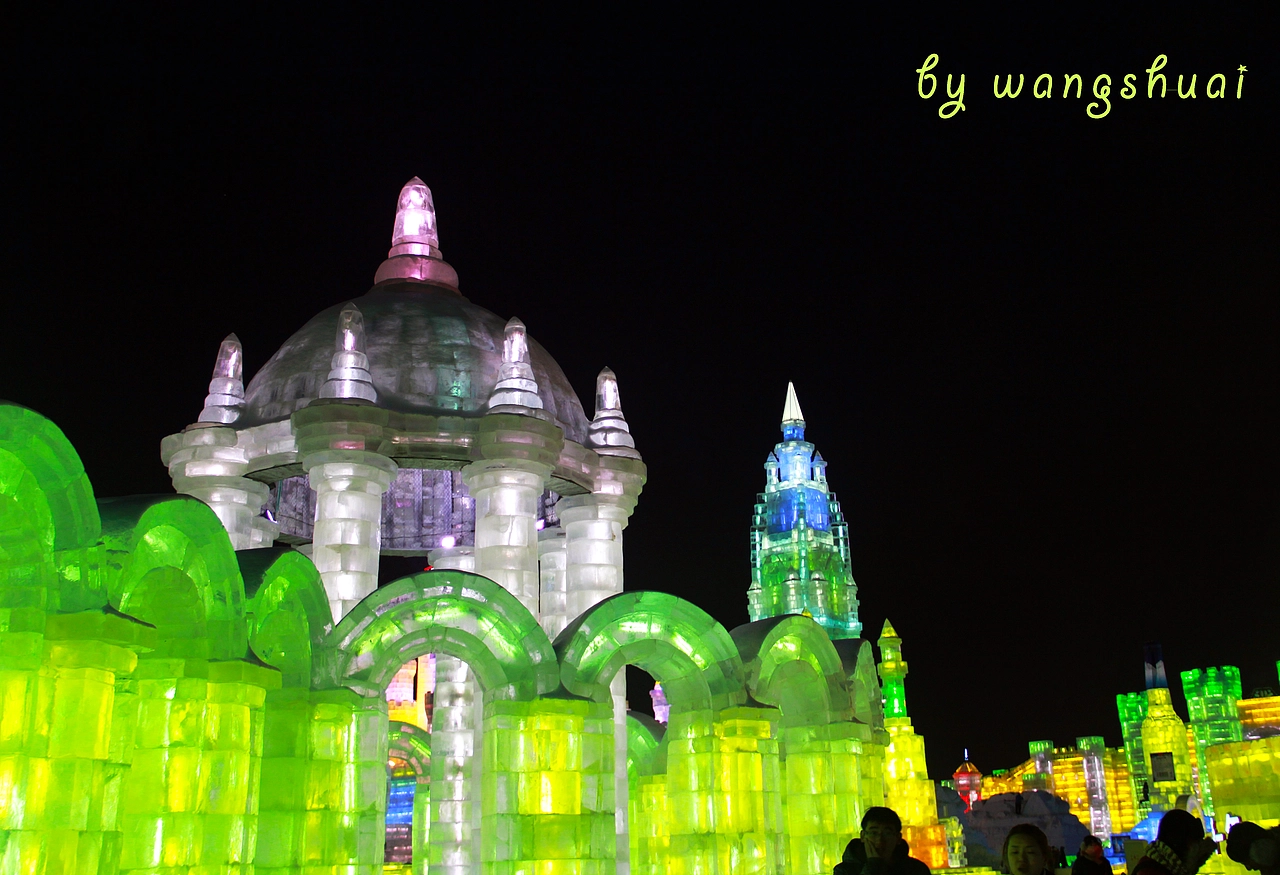
Winter (December-February): Magnificent ice and snow scenery, activities like skiing and ice carving. But extreme cold requires warm clothing.
Spring and Autumn (April-May, September-October): Moderate temperatures suitable for hiking and photography. Spring is windy, autumn is pleasant.
The Qing government approved the establishment of Suihua Prefecture, marking the official founding of Suihua.
Suihua was liberated, becoming an important part of the Northeast Liberated Area.
Suihua Prefecture was abolished and Suihua Prefecture-level city was established.
Recommended places to visit
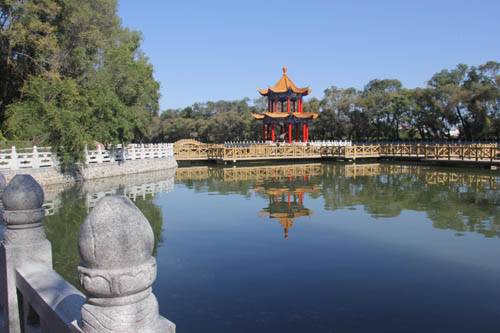
Located in the city center, it is the main place for citizens' leisure and entertainment, with artificial lake, rockeries, and amusement facilities.
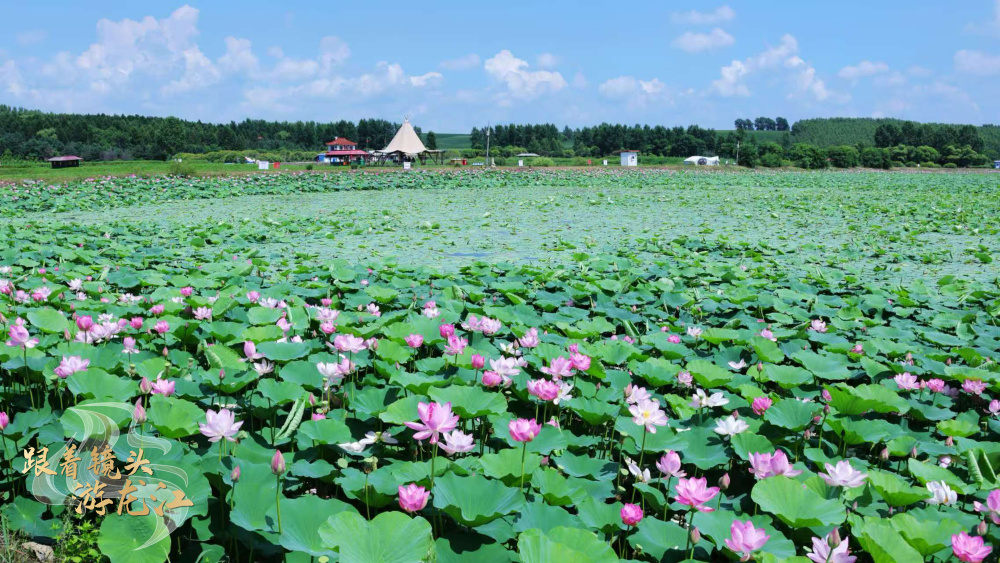
National 3A-level tourist attraction centered on Jingui Lake, integrating natural scenery and leisure vacation.
Explore rich intangible cultural heritage and traditional crafts
Northeast folk performance art, performed by a man and a woman, with rich tunes and humor, listed as Heilongjiang provincial intangible cultural heritage.
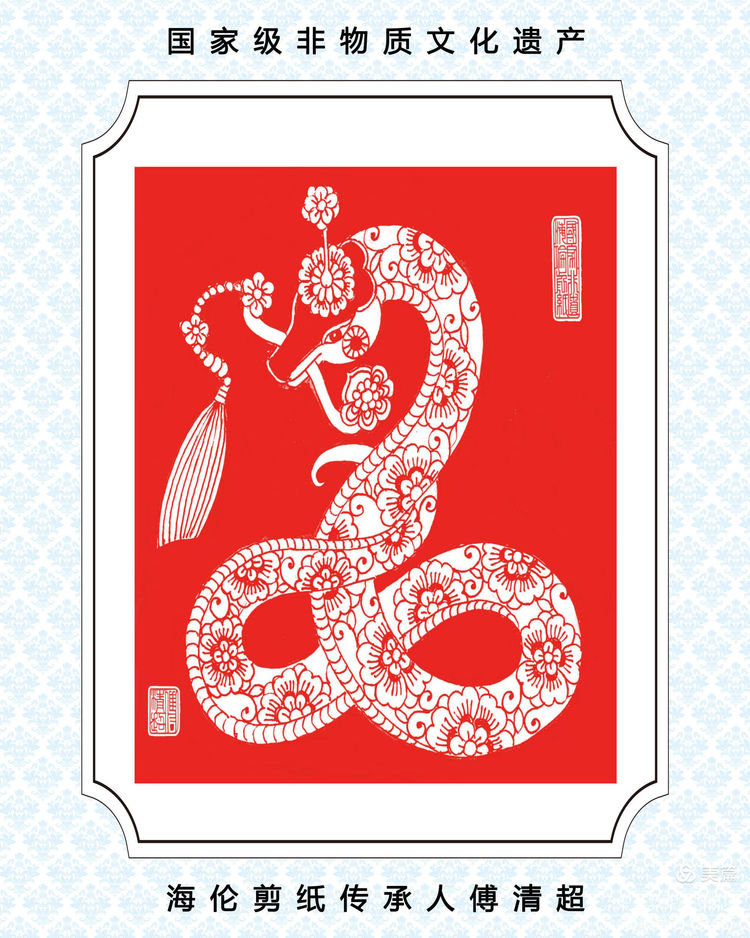
Traditional paper-cutting art, bold and vigorous style, mostly depicting Northeast folk customs, listed as provincial intangible cultural heritage.
Must-know transportation for exploring the city
Located in the urban area, it is an important hub on the Harbin-Jiamusi railway, with trains to Beijing, Harbin, Qiqihar and other cities.
Hard seat about 30-150 yuan
Buses to surrounding counties and major cities in the province, the main means of short-distance travel.
Fare 10-100 yuan
Currently Suihua has no operational airport. The nearest is Harbin Taiping International Airport, about 120 km away, accessible by bus or train.
Bus from Harbin to Suihua about 50 yuan
Taste the most authentic and popular local specialties
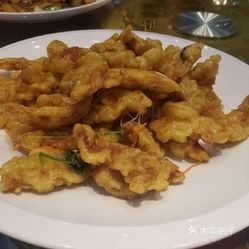
Classic Northeast dish, deep-fried pork tenderloin in starchy batter until golden, then coated with sweet and sour sauce, crispy outside and tender inside.
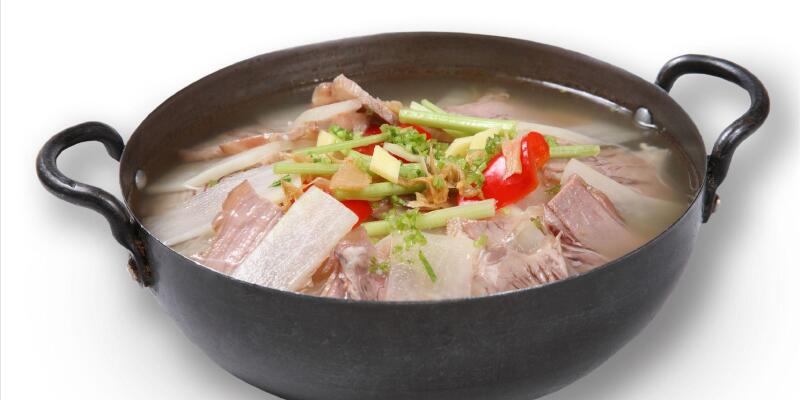
Traditional Northeast rural festive dish, stewed with fresh pork, blood sausage, and sauerkraut, rich in flavor.
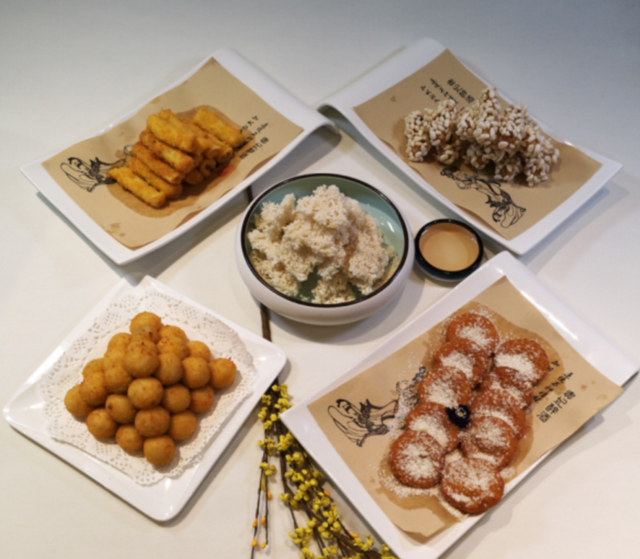
Large winter ice and snow theme park featuring ice sculptures, snow sculptures, skating, skiing and other activities.
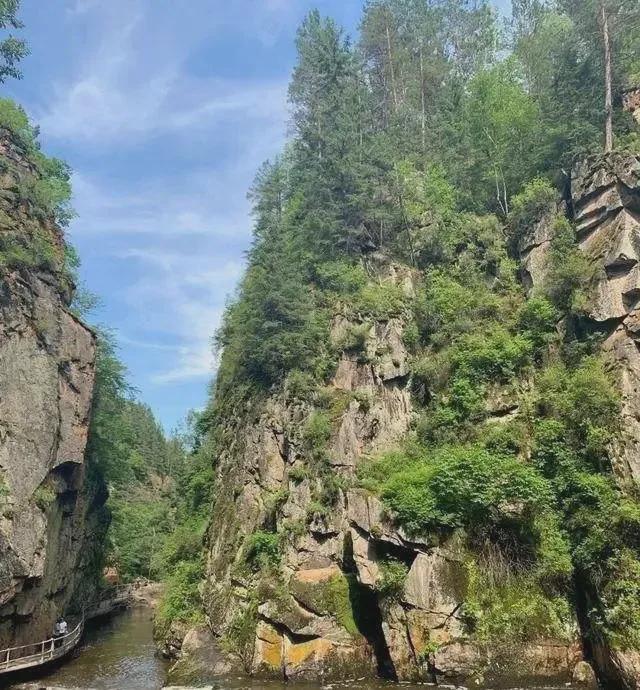
National 4A-level scenic area with high forest coverage, featuring primitive forests, waterfalls, and streams, a natural oxygen bar.

Large reservoir with clear water and beautiful natural surroundings, suitable for fishing and camping.
China National Geographical Indication product, crystal clear grains, soft and sticky texture, fragrant aroma.
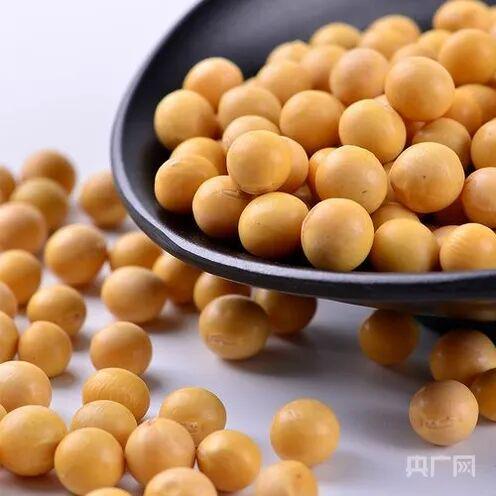
National Geographical Indication product, full grains, high protein content, suitable for making soy products.
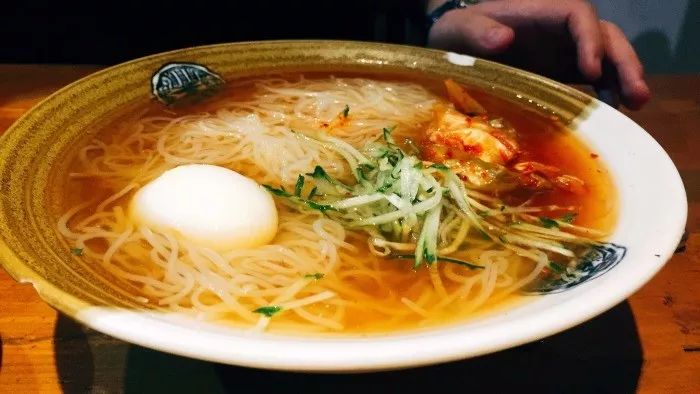
Korean-style cold noodles, chewy noodles, sweet and sour icy broth, perfect for summer refreshment.