
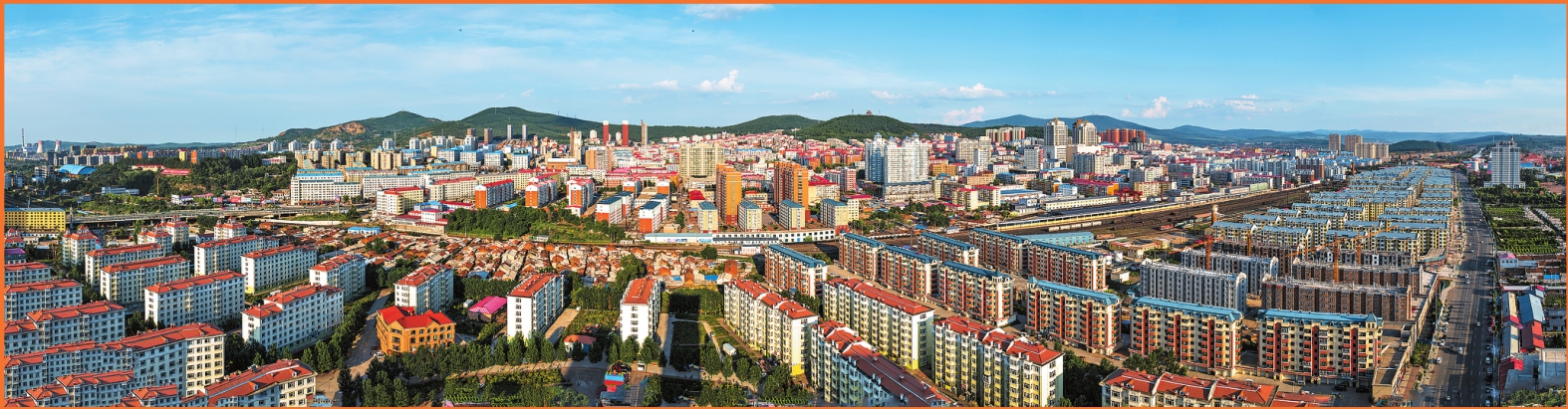
Shuangyashan is located in the northeast of Heilongjiang Province, at the northern foot of the Wanda Mountains and the hinterland of the Sanjiang Plain, facing Russia across the Wusuli River. It has a cold temperate continental monsoon climate with long, cold winters and short, cool summers. The annual average temperature is 3.4°C, and annual precipitation is about 540 mm.
Shuangyashan is named after two peaks shaped like lying ducks. It has a long history of coal mining and was an important coal production base for New China. The coalfield was discovered in 1914, officially mined in 1938, and after liberation in 1947, it gradually developed into an industrial city centered on coal, electricity, and chemicals.
Shuangyashan is home to ethnic minorities such as Manchu and Hezhe, with diverse cultures. Local specialties include Hezhe Talakha (grilled fish), pork stew with blood sausage and sauerkraut, stewed vermicelli with sauerkraut, and sticky bean buns. The area also preserves folk cultures like Northeast Yangge dance and Errenzhuan.
In recent years, Shuangyashan has accelerated its transformation, developing green industries and ecotourism. Leveraging natural resources such as the Wusuli River and Qixinghe Wetland, it has built the brand 'Northern Scenery, Ecological City.' It is also promoting new industries like graphite and wind power for sustainable development.
The best time to visit 双鸭山 is Summer (June-August) and Winter (December-February).
The best travel seasons in Shuangyashan are summer and winter. Summer is cool and pleasant, with an average temperature around 20°C, ideal for summer retreat and wetland sightseeing.
Winter is covered in snow, offering ice and snow activities such as skiing and ice sculpture. The average temperature ranges from -15°C to -20°C.
Spring and autumn are short, but autumn colors are charming for photography. However, temperatures vary greatly, so keep warm.
Large-scale coalfield discovered in Shuangyashan area, marking the beginning of coal mining.
Japanese invaders began predatory mining of Shuangyashan coal.
Approved by the State Council, the Shuangyashan mining area was abolished and Shuangyashan City was established.
Recommended places to visit
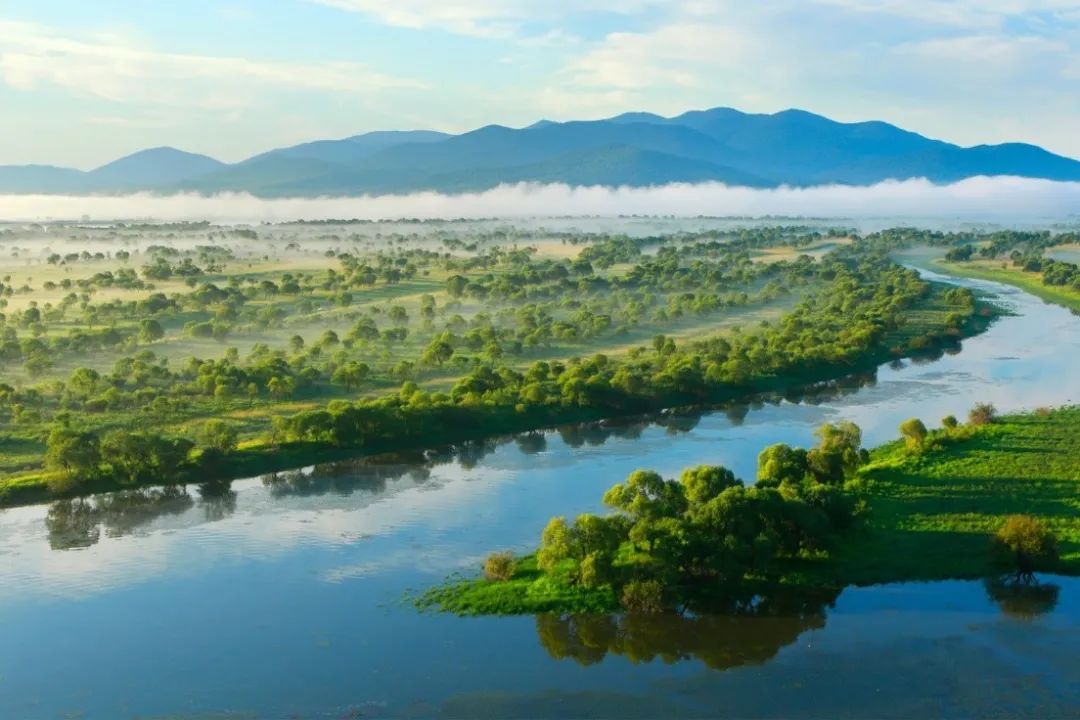
National nature reserve dominated by reed swamps, habitat for rare birds like red-crowned cranes. Lotus blooms in summer, offering beautiful scenery.
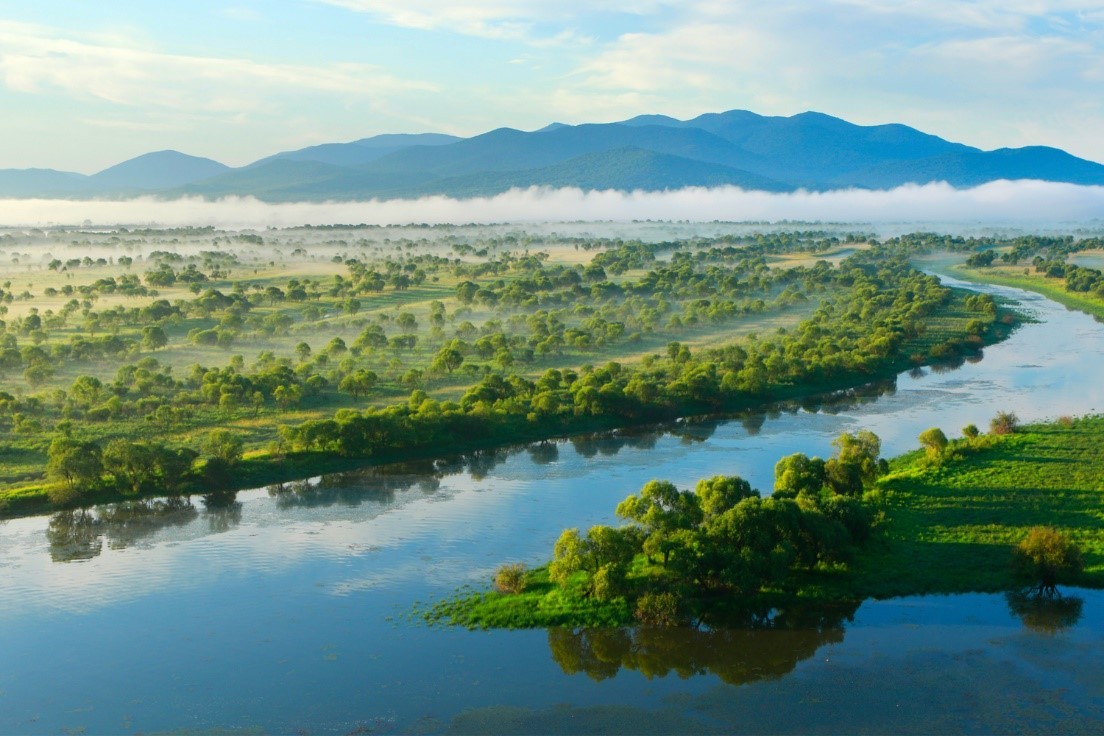
Border river between China and Russia, wide and scenic. Take a boat tour to enjoy natural scenery and border culture.
Explore rich intangible cultural heritage and traditional crafts
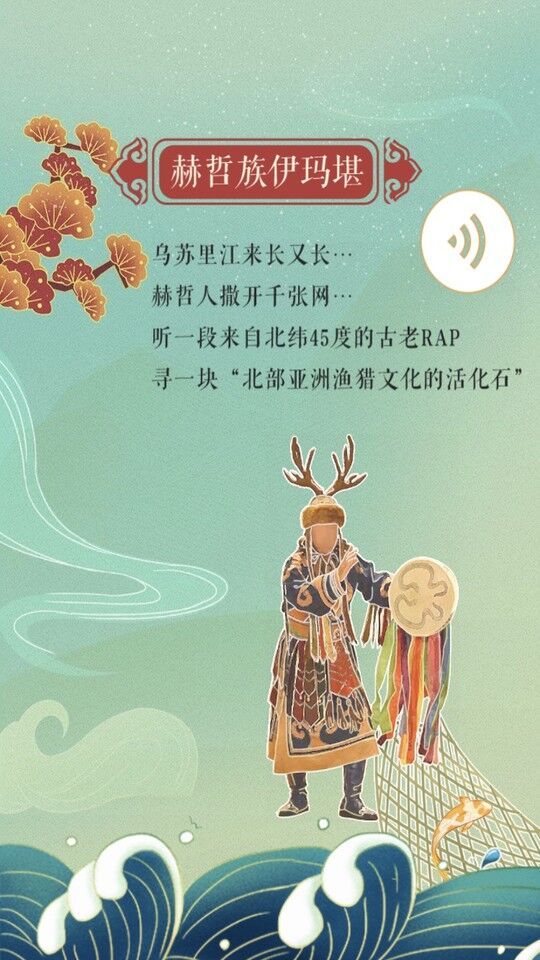
Hezhe oral narrative art, telling history and myths in epic poems, inscribed on UNESCO Intangible Cultural Heritage list.
Must-know transportation for exploring the city
Located about 30 km northeast of downtown, with flights to Harbin, Beijing, etc. Take bus or taxi to city center.
Airport bus 20 RMB
Located downtown, with regular trains to Harbin, Jiamusi, Mudanjiang. High-speed rail from Shuangyashan West Station to Harbin takes about 2.5 hours.
High-speed to Harbin about 150 RMB
Multiple bus routes covering major attractions and areas. Fare 1-2 RMB, can use transit card or mobile payment.
1-2 RMB
Taste the most authentic and popular local specialties
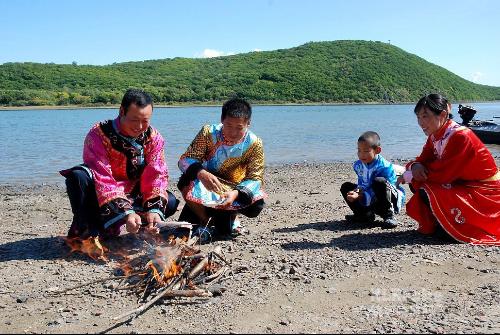
Traditional Hezhe dish: fresh fish grilled over charcoal, crispy outside and tender inside, served with salt or sauce.
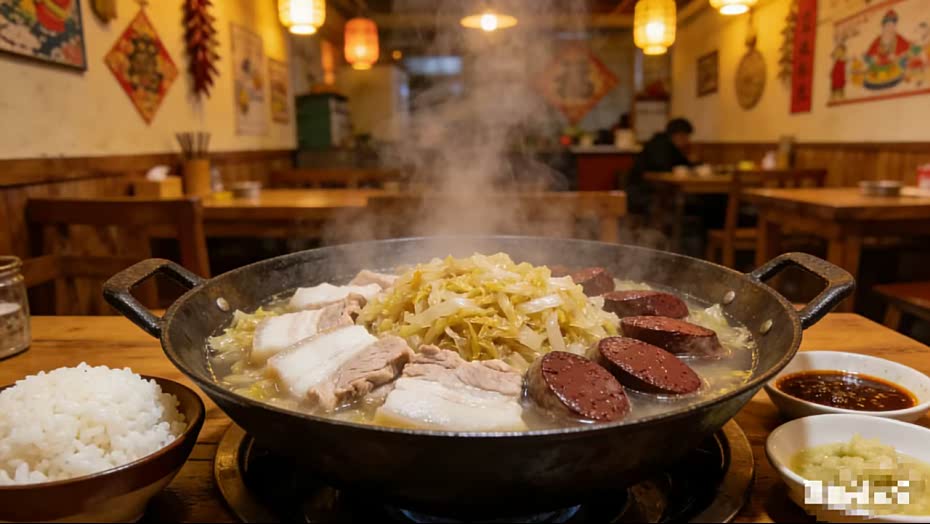
Classic Northeast dish: fresh blood sausage, pork belly, and pickled cabbage stewed together, rich flavor, essential for festivals.

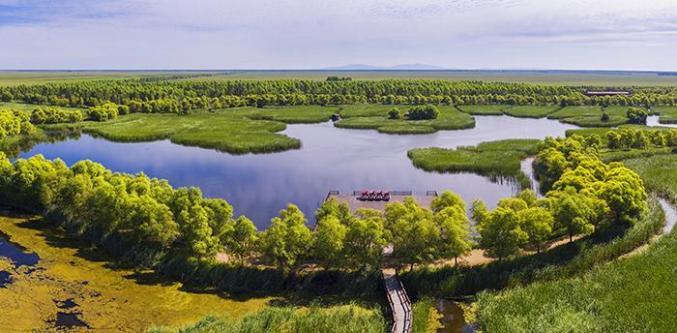
National wetland park integrating wetland protection, tourism, and science education. Features birdwatching platforms and boardwalks.
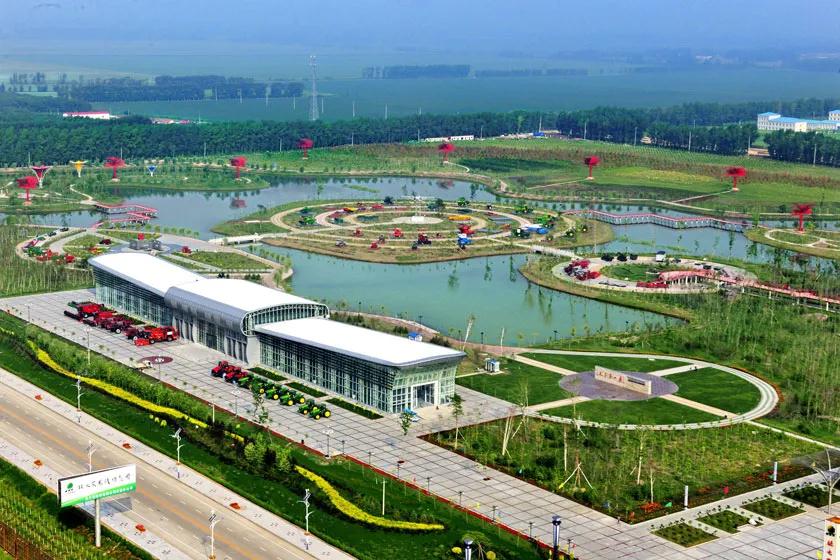
Theme park showcasing the development of Beidahuang and agricultural mechanization, with hundreds of retired farm machines. Great for family trips.
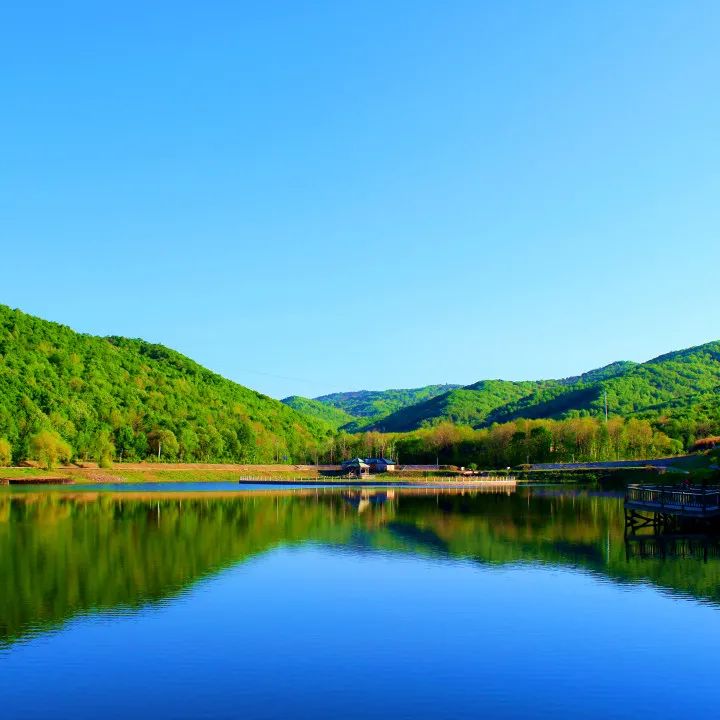
National forest park with high forest coverage, featuring Shifo Mountain and Qixing Pagoda. Red leaves in autumn, skiing in winter.
Northeast home-style dish: pickled cabbage stewed with vermicelli and pork belly, sour and appetizing, vermicelli absorbs the broth.
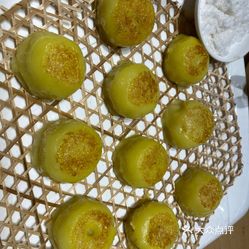
Traditional Northeast snack: yellow rice flour wrapped around red bean paste, steamed, soft and sweet, often eaten in winter.
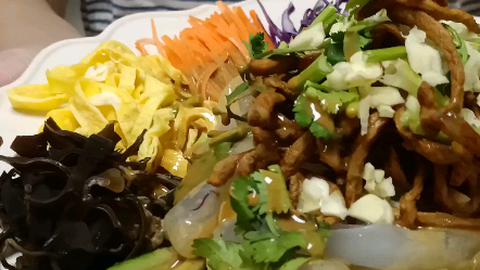
Northeast cold dish: mung bean starch noodles, shredded cucumber and carrot, mixed with sesame paste, vinegar, and chili oil, refreshing.