
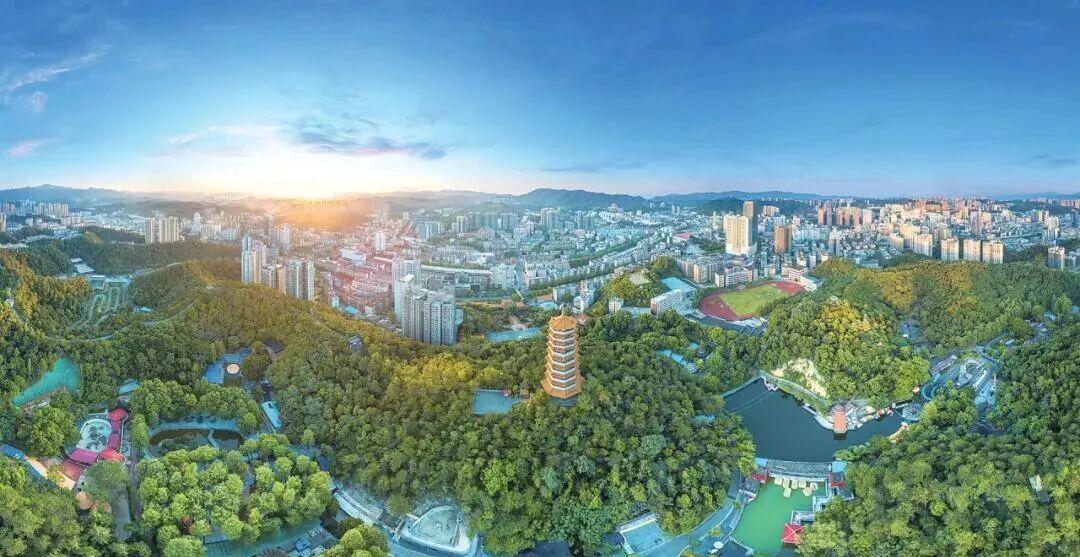
Shiyan is located in the northwestern part of Hubei Province, in the middle and upper reaches of the Han River, nestled in the heart of the Qinba Mountains. It enjoys a mild and humid climate with four distinct seasons, known as the "throat of Qinba."
Shiyan has a long history and is one of the important birthplaces of Chinese civilization. During the Yongle reign of the Ming Dynasty, large-scale construction of Taoist buildings on Wudang Mountain made Shiyan a sacred site of Taoism. In 1969, the Second Automobile Manufacturing Plant (now Dongfeng Motor Corporation) was established here, and Shiyan was built and prospered because of the automobile industry.
Shiyan boasts diverse cultures, with rich intangible cultural heritage such as Wudang martial arts, Taoist music, and Lüjiahe folk songs. The local cuisine features Wudang mountain delicacies and Danjiangkou freshwater fish, such as the Wudang Mountain Feast, Danjiangkou topmouth culter, and Sanhe soup.
Modern Shiyan is the birthplace of Dongfeng Motor Corporation, known as the "Capital of Chinese Trucks." At the same time, as the core water source area of the South-to-North Water Diversion Middle Route Project, Shiyan prioritizes ecological protection and develops a green economy, becoming a livable and workable city of mountains and waters.
The best time to visit 十堰 is Best in spring and autumn (March-May, September-November).
Spring (March-May): The temperature warms up, Wudang Mountain is covered with blooming flowers, and the Danjiangkou Reservoir has sparkling blue waves, perfect for hiking and spring outings.
Autumn (September-November): The sky is clear and the air is crisp, with Wudang Mountain's forests dyed in vibrant colors, making it the best season to enjoy red leaves and Taoist culture.
Summer (June-August): Although hot, Wudang Mountain and surrounding areas are cool, ideal for escaping the heat; winter (December-February) offers magnificent snow scenes on Wudang Mountain, but warm clothing is needed.
Emperor Zhu Di of the Ming Dynasty ordered a large-scale construction of Taoist buildings on Wudang Mountain, which took 12 years and resulted in 33 temples, making Wudang a Taoist holy land.
The state decided to build the Second Automobile Manufacturing Plant (Erqi) in Shiyan, transforming the small town into a modern automobile city.
Recommended places to visit
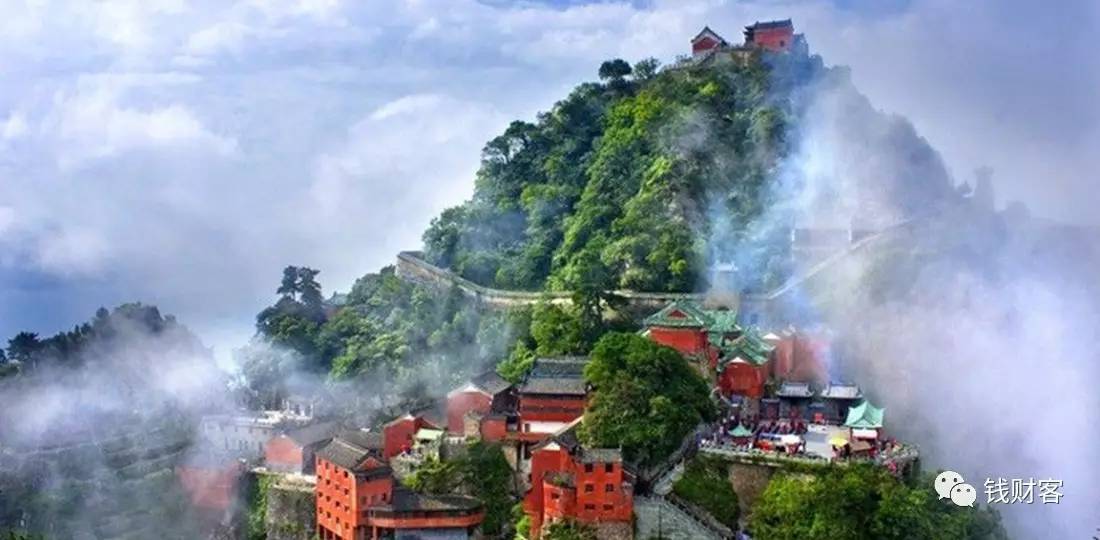
A Taoist holy land and UNESCO World Heritage site, famous for its magnificent ancient architectural complex and Wudang martial arts. Main attractions include Golden Summit, Purple Cloud Palace, and South Rock Palace.
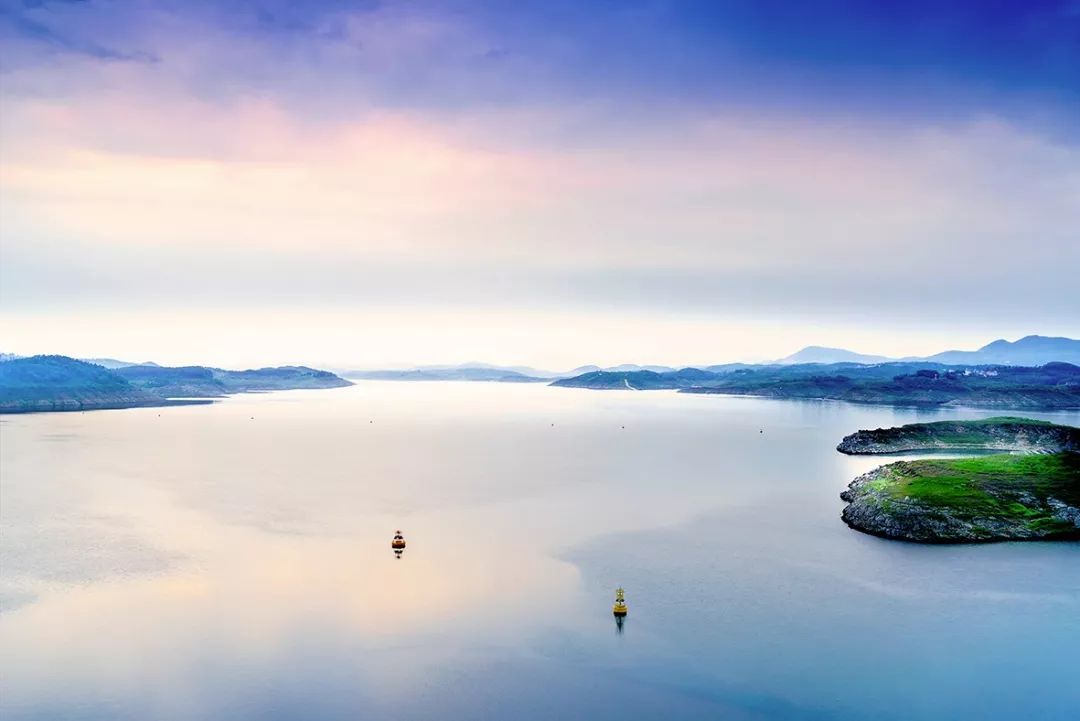
The largest artificial freshwater lake in Asia, the water source of the South-to-North Water Diversion Project's middle route, with clear water and beautiful lake and mountain scenery.
UNESCO World Heritage Sites
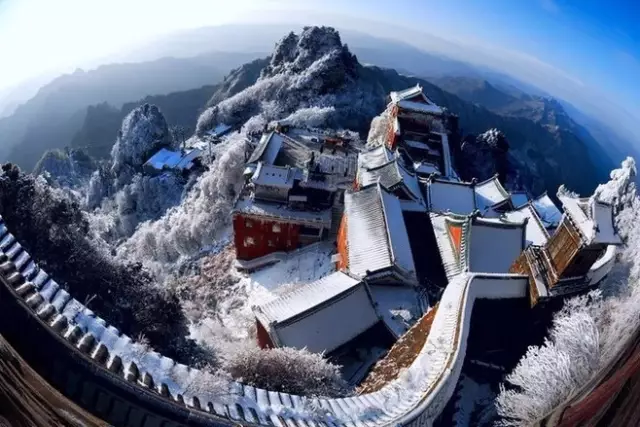
The ancient building complex on Wudang Mountain was first built in the Tang Dynasty and reached its peak in the Ming Dynasty. It is a UNESCO World Heritage site, representing the superb craftsmanship of ancient Chinese architecture and Taoist culture.
Explore rich intangible cultural heritage and traditional crafts
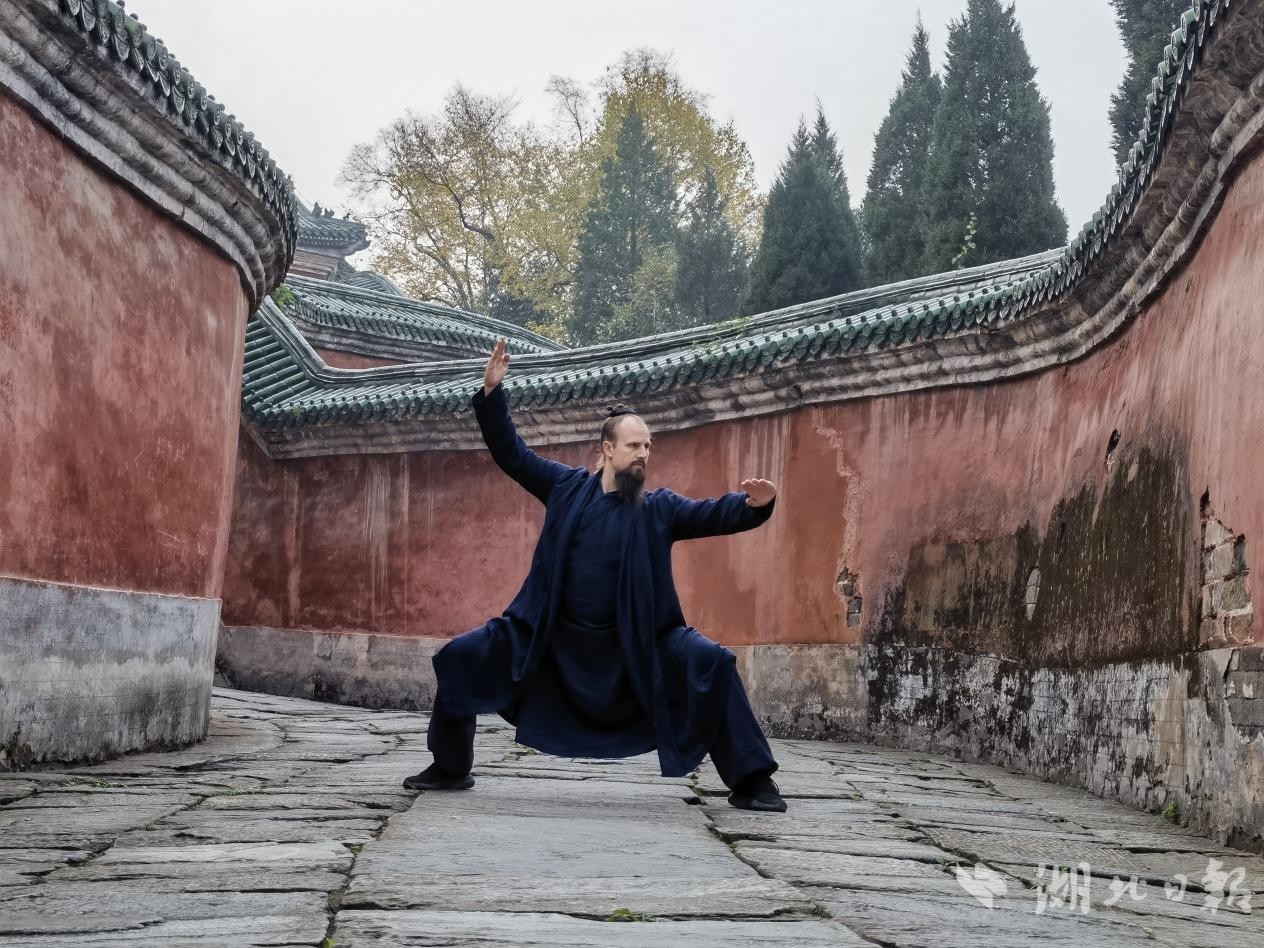
Wudang martial arts is an important school of Chinese martial arts, based on Taoist philosophy, emphasizing overcoming hardness with softness and cultivating both internal and external aspects.
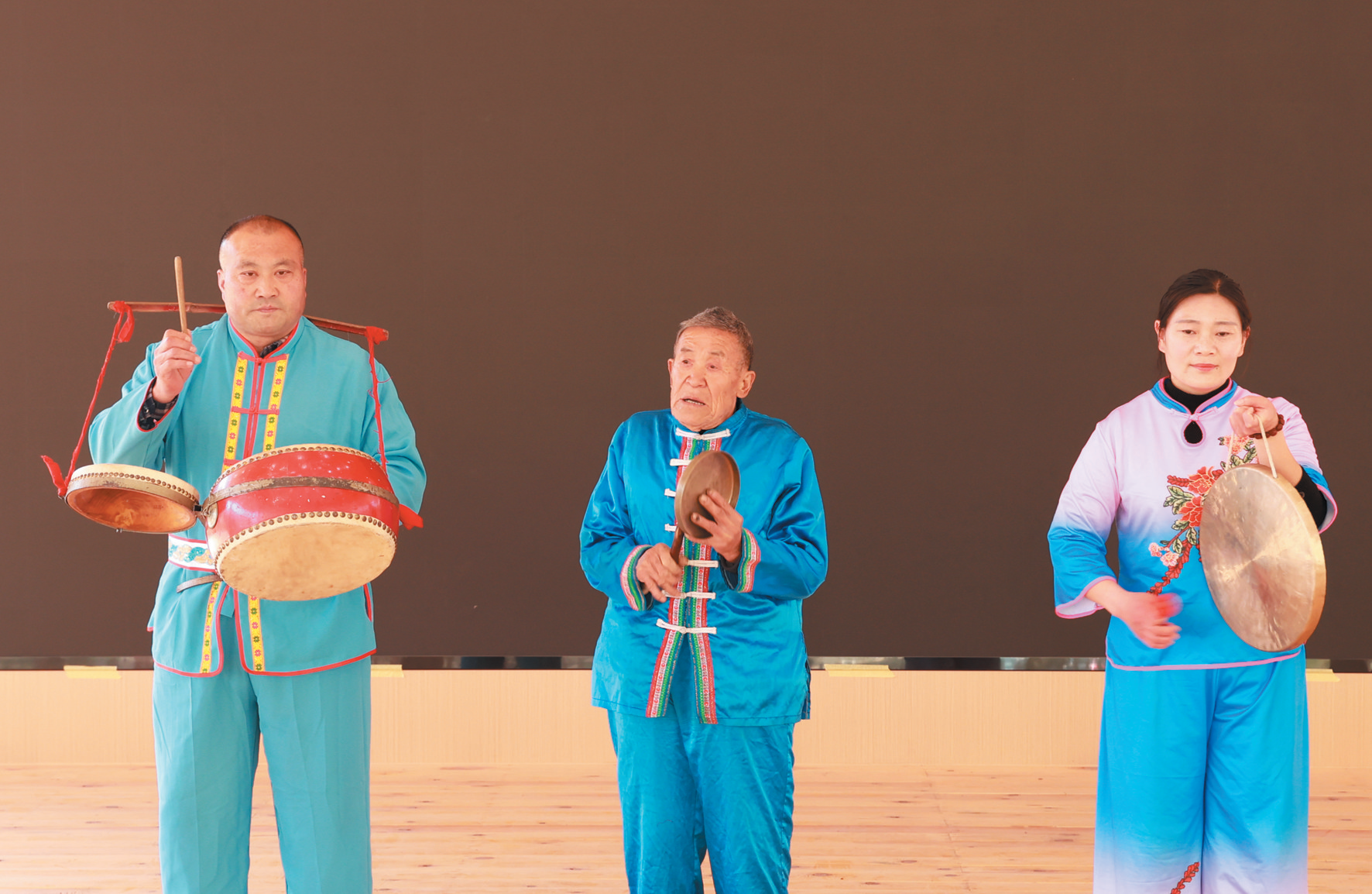
Lüjiahe folk songs are popular in Lüjiahe Village, Danjiangkou City, with rich tunes and simple lyrics, reflecting the life and emotions of local people.
Must-know transportation for exploring the city
Domestic flights to major cities like Beijing, Shanghai, Guangzhou, Shenzhen, about 15 km from downtown.
Ticket prices vary by season
The Wuhan-Shiyan high-speed railway is in operation, about 2 hours from Wuhan to Shiyan. Also high-speed trains to Zhengzhou, Xi'an, etc.
Wuhan-Shiyan second class about 140 yuan
Shiyan's bus system covers major scenic spots and urban areas, fare 1-2 yuan, some routes go directly to Wudang Mountain.
1-2 yuan
Taste the most authentic and popular local specialties
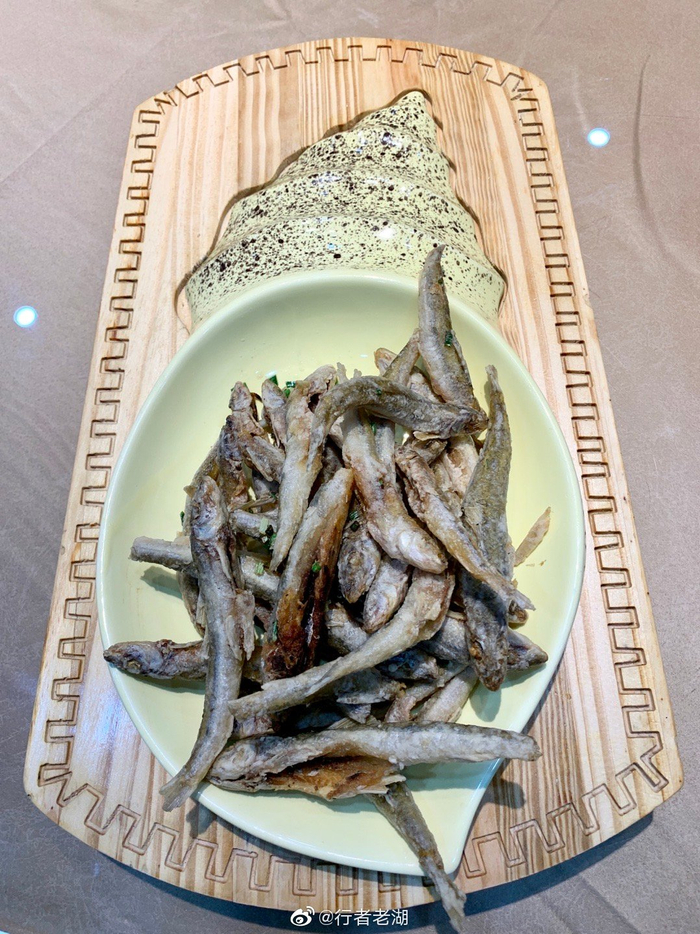
A feast made from local Wudang mushrooms, wild vegetables, tofu, etc., delicious and nutritious.
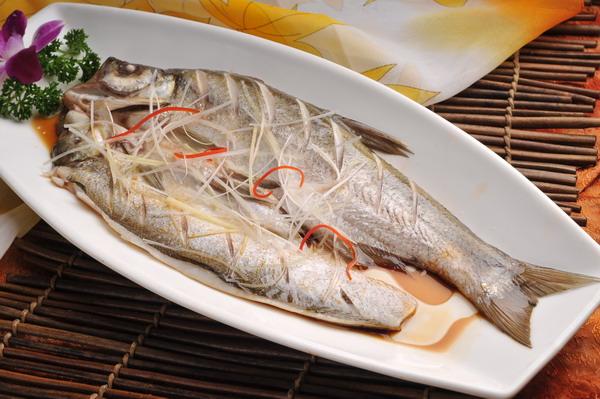
A specialty fish from Danjiangkou Reservoir, tender and delicious, best steamed.
The middle route of the South-to-North Water Diversion Project officially began operation, sending high-quality water from Danjiangkou Reservoir to Beijing, Tianjin, and other areas, making Shiyan the core water source area.
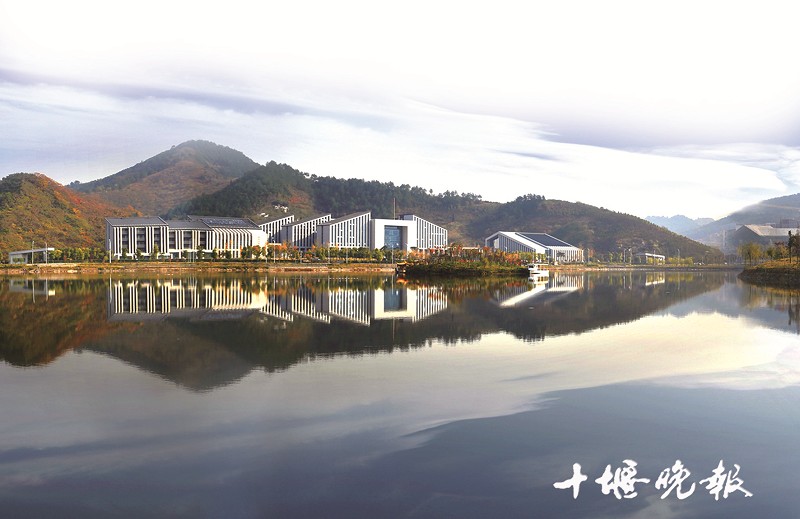
An eco-cultural tourism area built around Danjiangkou Reservoir, integrating sightseeing, leisure, and wellness, with boat tours available.
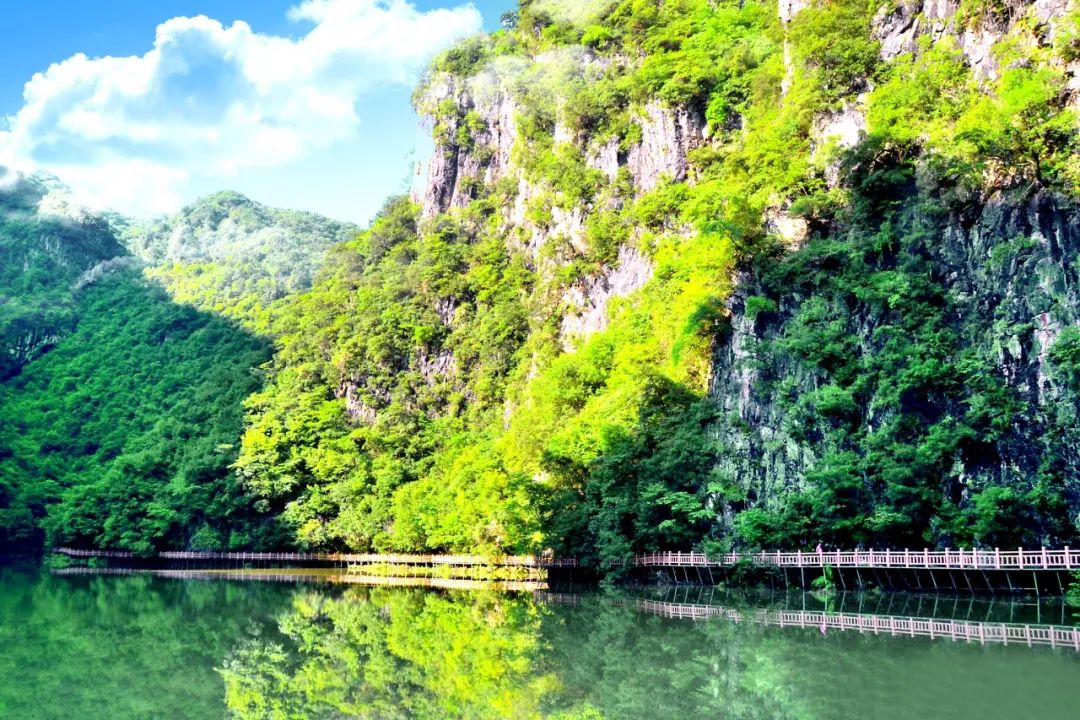
Located in Fang County, a large limestone cave with various stalactite formations, legend has it that wild men once appeared here.
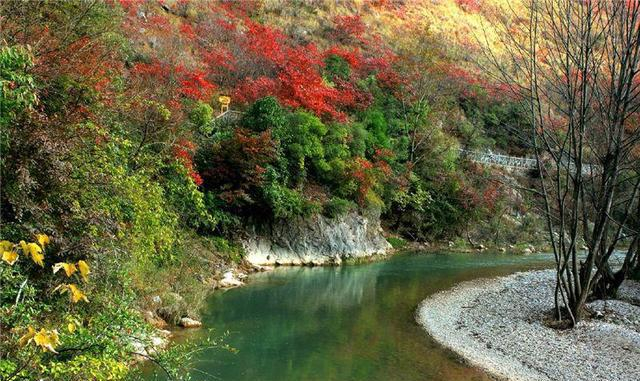
Located in Yunxi County, featuring canyons, waterfalls, and streams, known as 'China's Little Jiuzhaigou,' a natural oxygen bar.
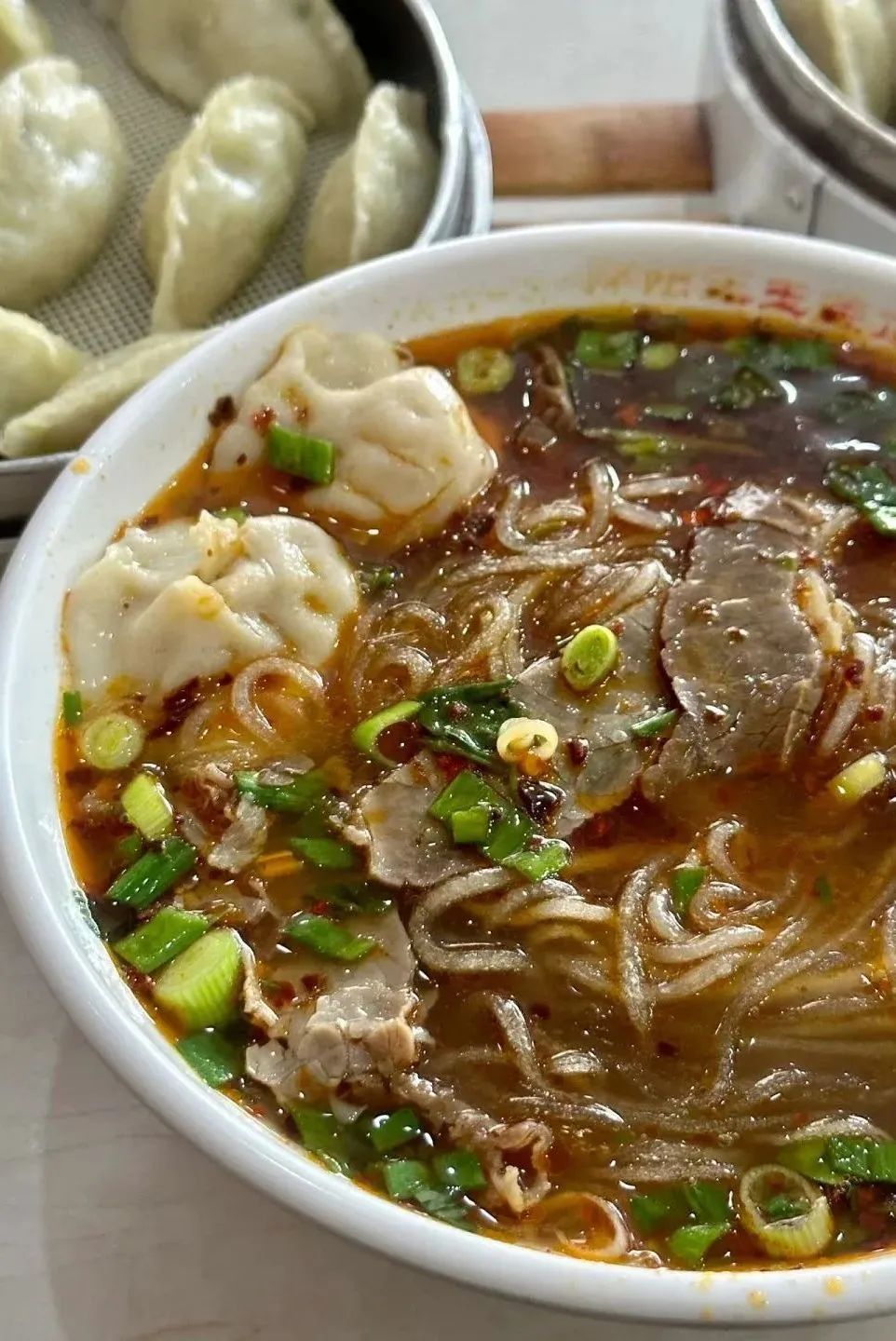
A traditional Shiyan dish, mainly beef, tripe, and vermicelli in a rich broth, served with chili oil and vinegar.
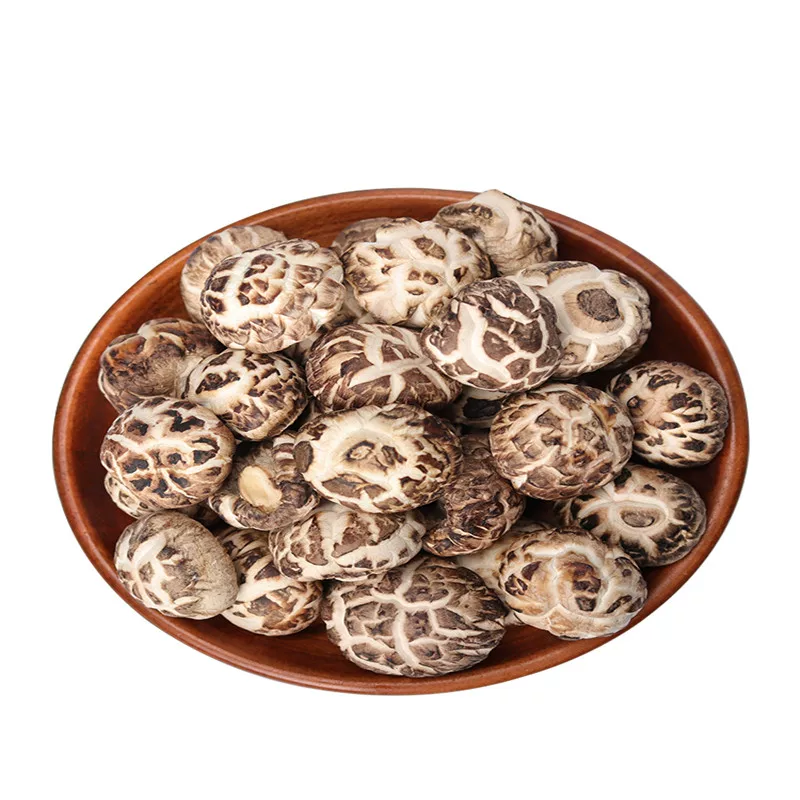
A specialty of Fang County, thick and aromatic, suitable for soup or stir-fry.
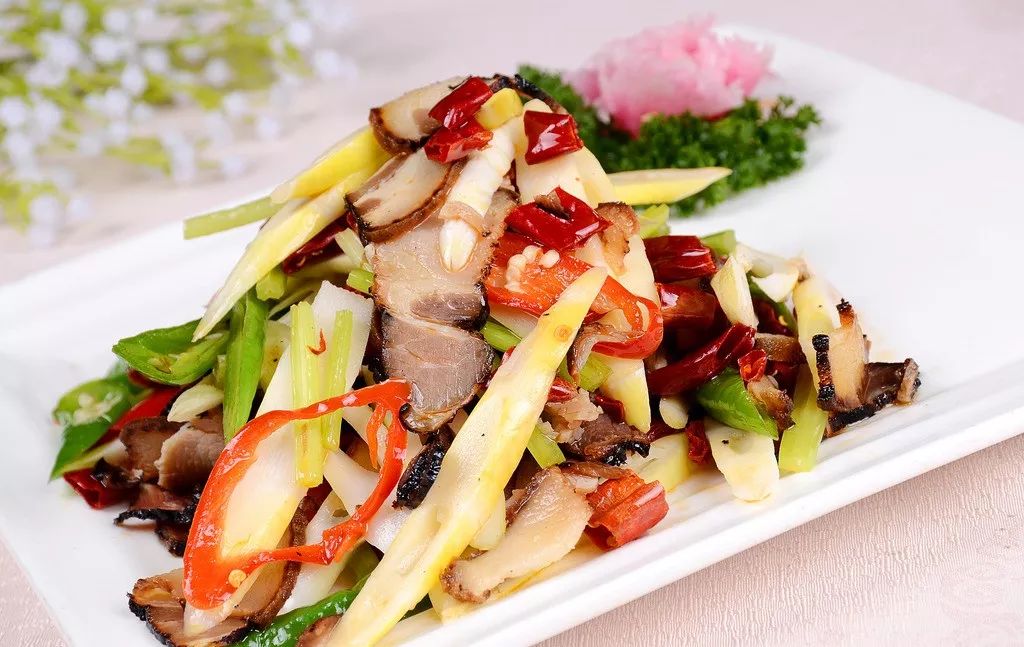
A traditional banquet dish from Zhuxi County, steaming local chicken, pig trotters, egg dumplings, etc., in a pot, preserving the original flavor.