
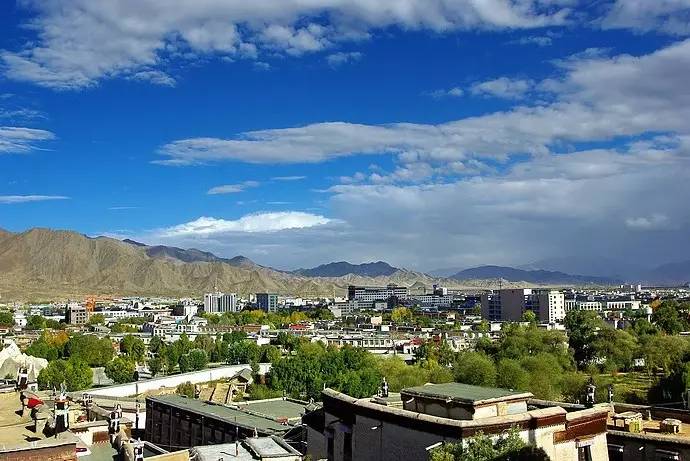
Shigatse is located in the southwest of the Tibet Autonomous Region, at the northern foot of the Himalayas, with an average altitude of over 4,000 meters. The climate is cold and dry, with large temperature differences between day and night, abundant sunshine, and a plateau monsoon climate.
Shigatse has a long history and is one of the birthplaces of ancient Tibetan civilization. After Songtsen Gampo unified Tibet in the 7th century, Shigatse gradually became the political, economic, and cultural center of Ü-Tsang. Successive Panchen Lamas have resided here, and Tashilhunpo Monastery is an important symbol.
Shigatse has a unique culture, deeply influenced by Tibetan Buddhism. Festivals such as Tibetan New Year and the Cham dance are rich and colorful. The cuisine is mainly Tibetan, including tsampa, butter tea, yak meat, and barley wine, with rich flavors and nutrition.
Modern Shigatse is developing rapidly, with improved transportation. The Lhasa–Shigatse Railway, an extension of the Qinghai–Tibet Railway, is now open, and Shigatse Peace Airport operates multiple routes. Tourism has become a pillar industry, but balancing cultural preservation with modernization remains an important issue.
The best time to visit 日喀则 is Best travel time is from May to October.
May to June: Spring, mild climate, grasslands start to turn green, suitable for outdoor activities and photography.
July to August: Summer, rainy season but pleasant temperatures, peak tourist season, can participate in festivals like Shoton Festival.
September to October: Autumn, clear weather, magnificent scenery, best season to view Mount Everest.
In the 7th century, Songtsen Gampo unified the Tibetan tribes and established the Tubo Kingdom, and Shigatse gradually became the center of Tsang.
Gendun Drup, a disciple of Tsongkhapa (later recognized as the 1st Dalai Lama), founded Tashilhunpo Monastery, which became one of the six major Gelug monasteries.
In 1951, Tibet was peacefully liberated, and Shigatse entered a new era, gradually developing tourism and modern industries.
Recommended places to visit
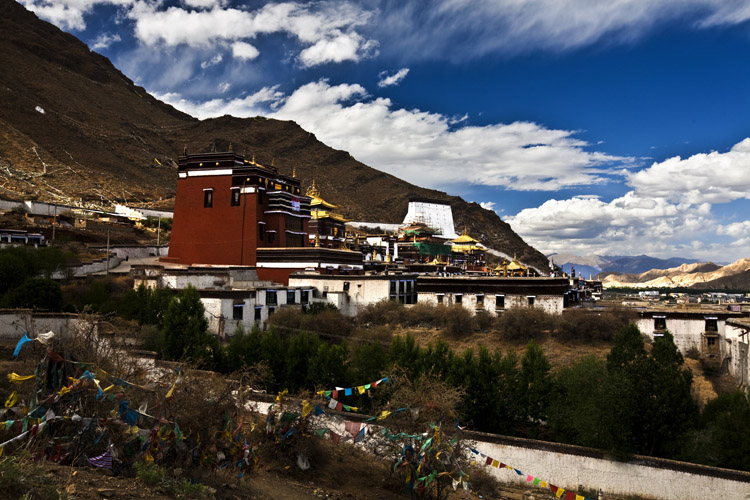
Tashilhunpo Monastery is one of the six major Gelug monasteries, located at the foot of Nysel Hill in Shigatse. It was founded in 1447 by Gendun Drup, the 1st Dalai Lama. The monastery houses the world's largest copper statue of Maitreya Buddha, standing 26.2 meters tall.
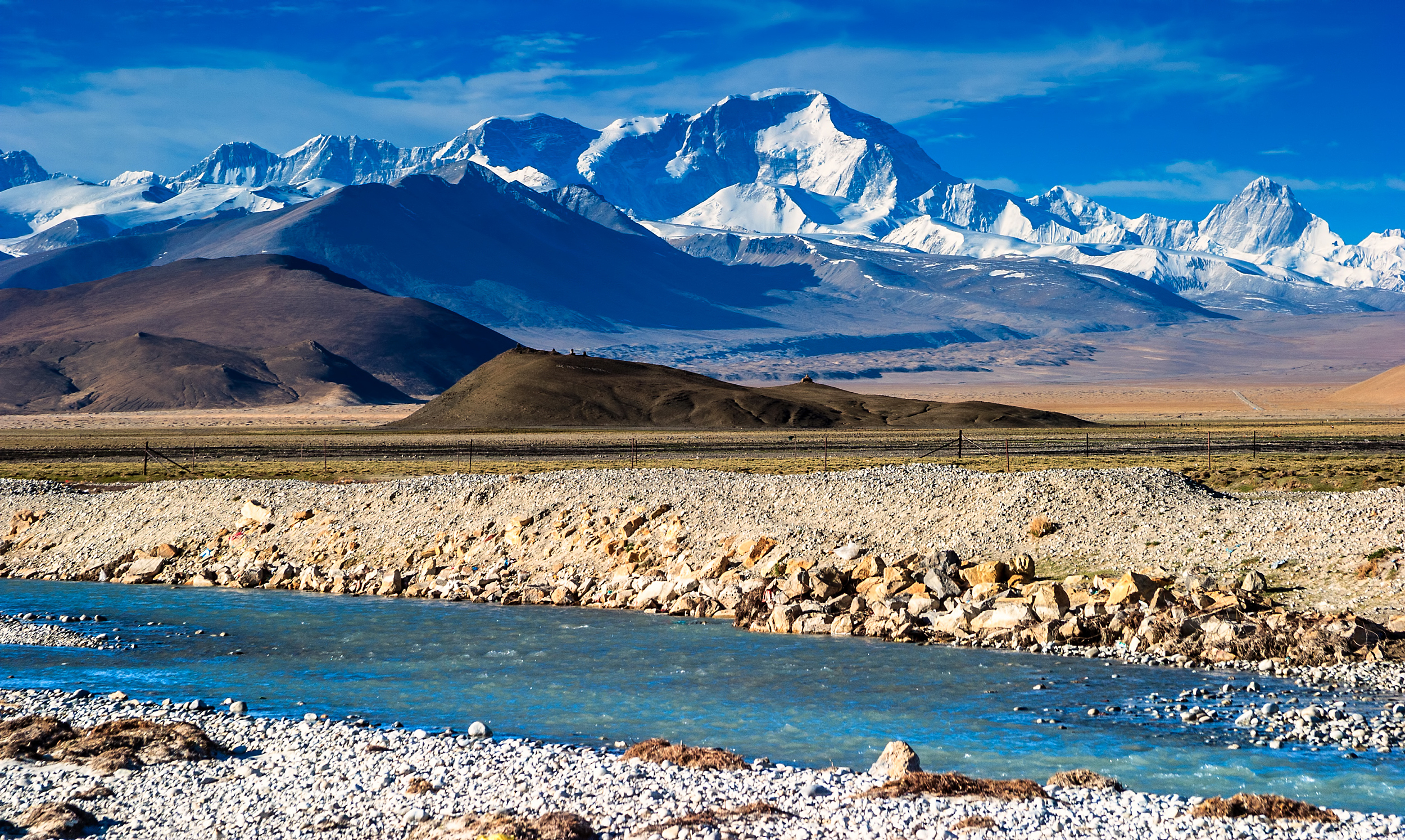
Mount Everest is the world's highest peak, with an altitude of 8,848.86 meters, located in Tingri County, Shigatse. Visitors can go to the Everest Base Camp to view it up close and experience the grandeur of the roof of the world.
UNESCO World Heritage Sites
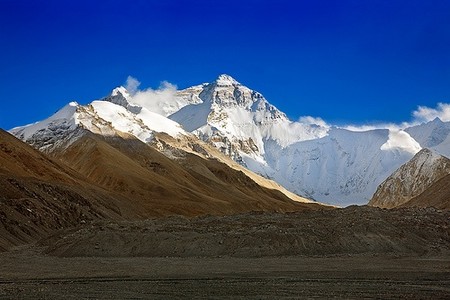
Mount Everest Nature Reserve was established in 1988 and designated a national nature reserve in 1994. It covers Mount Everest and its surrounding ecosystems and is a UNESCO Biosphere Reserve.
Explore rich intangible cultural heritage and traditional crafts
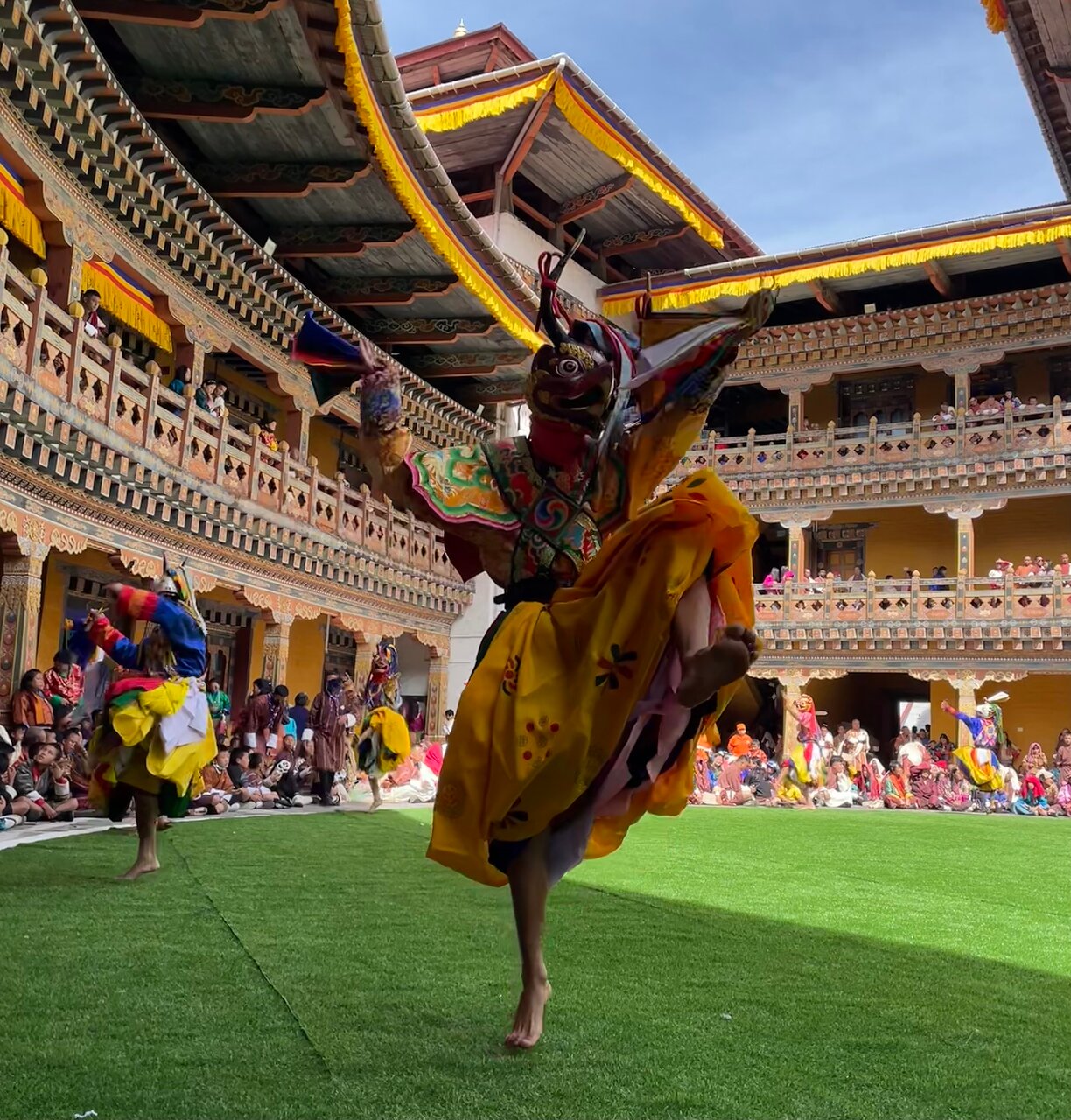
Tibetan opera is a traditional Tibetan drama originating in the 14th century. It was inscribed on UNESCO's Representative List of the Intangible Cultural Heritage of Humanity in 2009. Shigatse is particularly famous for its Tibetan opera performances.
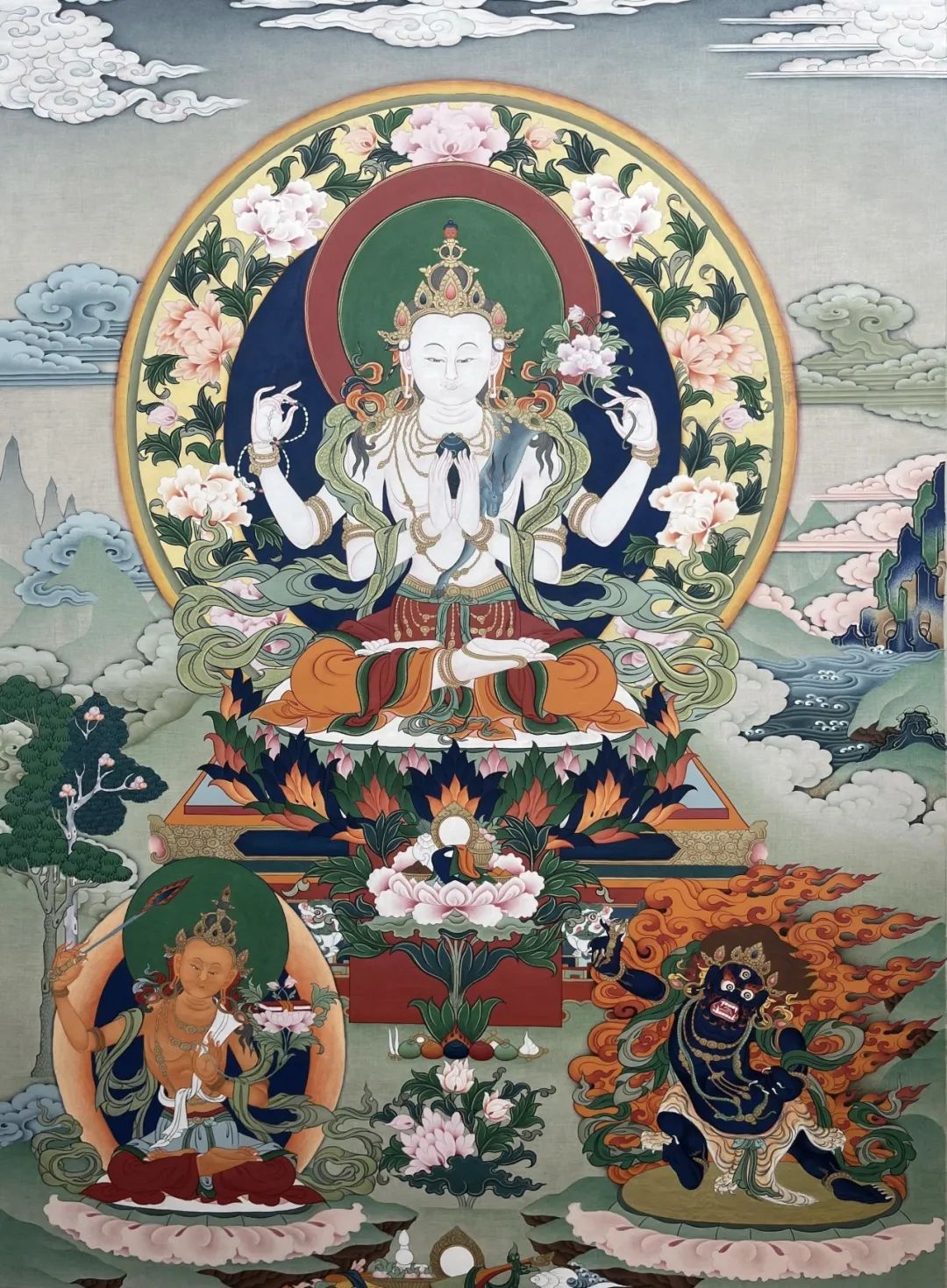
Tibetan Thangka is a painting art of Tibetan Buddhism, listed as a Chinese national intangible cultural heritage in 2006. Shigatse has skilled Thangka painters.
Must-know transportation for exploring the city
Shigatse Peace Airport is about 43 km from the city center, with flights to Chengdu, Xi'an, Lhasa, etc. Airport buses and taxis are available to the city.
Airport bus 30 RMB, taxi about 150 RMB
Shigatse Railway Station is the terminus of the Lhasa-Shigatse Railway, about 5 km from the city center. Multiple trains run daily to and from Lhasa, taking about 3 hours.
Hard seat about 40 RMB, hard sleeper about 120 RMB
City buses in Shigatse cover major attractions and urban areas, with fares of 1-2 RMB. Taxis and tricycles are also available.
Bus 1-2 RMB, taxi starting fare 10 RMB
Taste the most authentic and popular local specialties
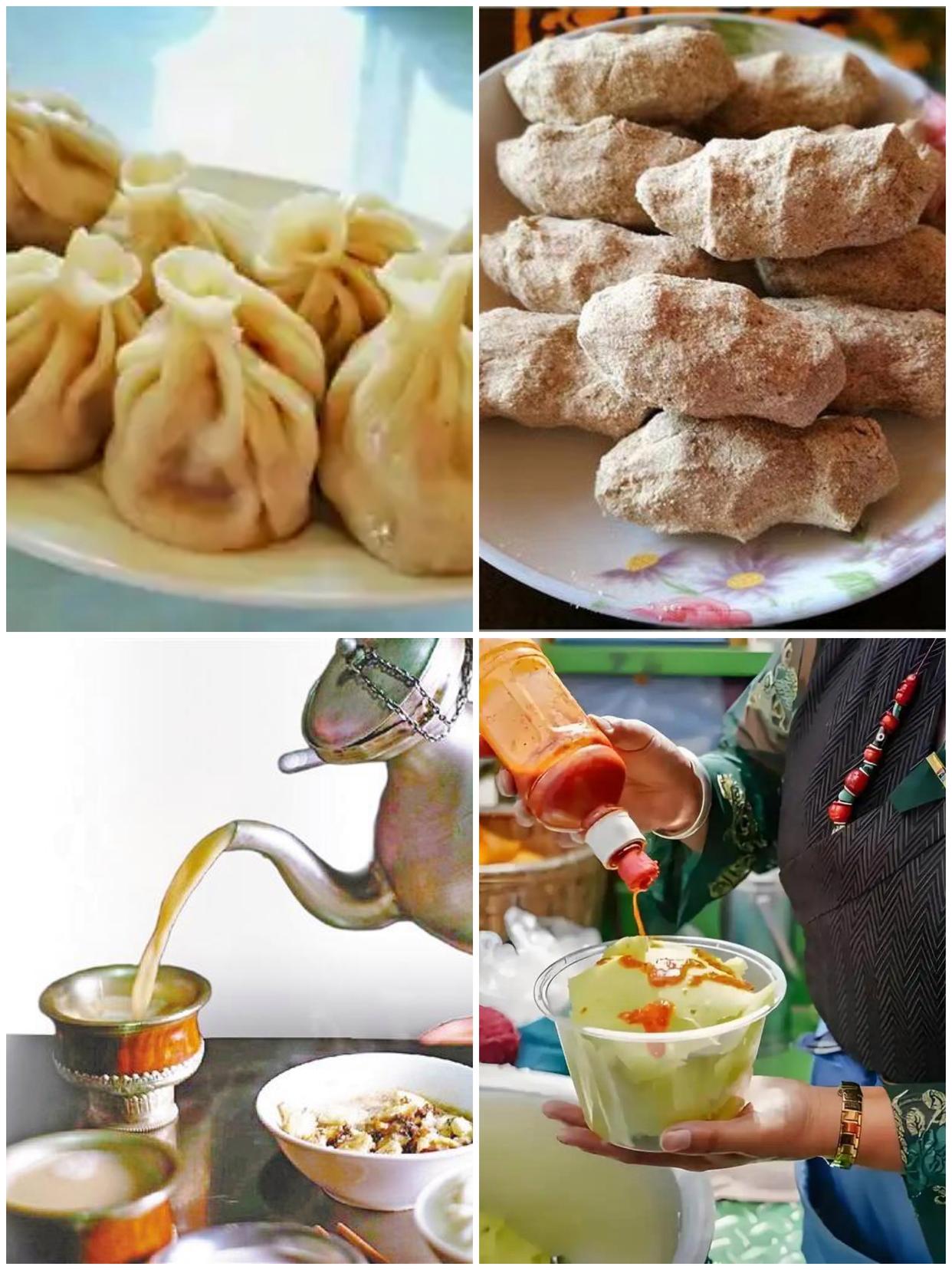
Tsampa is the staple food of Tibetans, made from roasted highland barley flour. It is mixed with butter tea or milk tea and kneaded into dough. Nutritious and easy to carry.
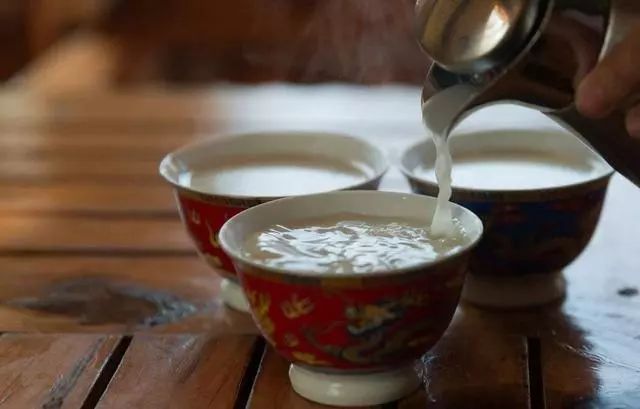
Butter tea is a daily drink for Tibetans, made from brick tea, butter, and salt. It is rich and delicious, helping to keep warm and refresh.
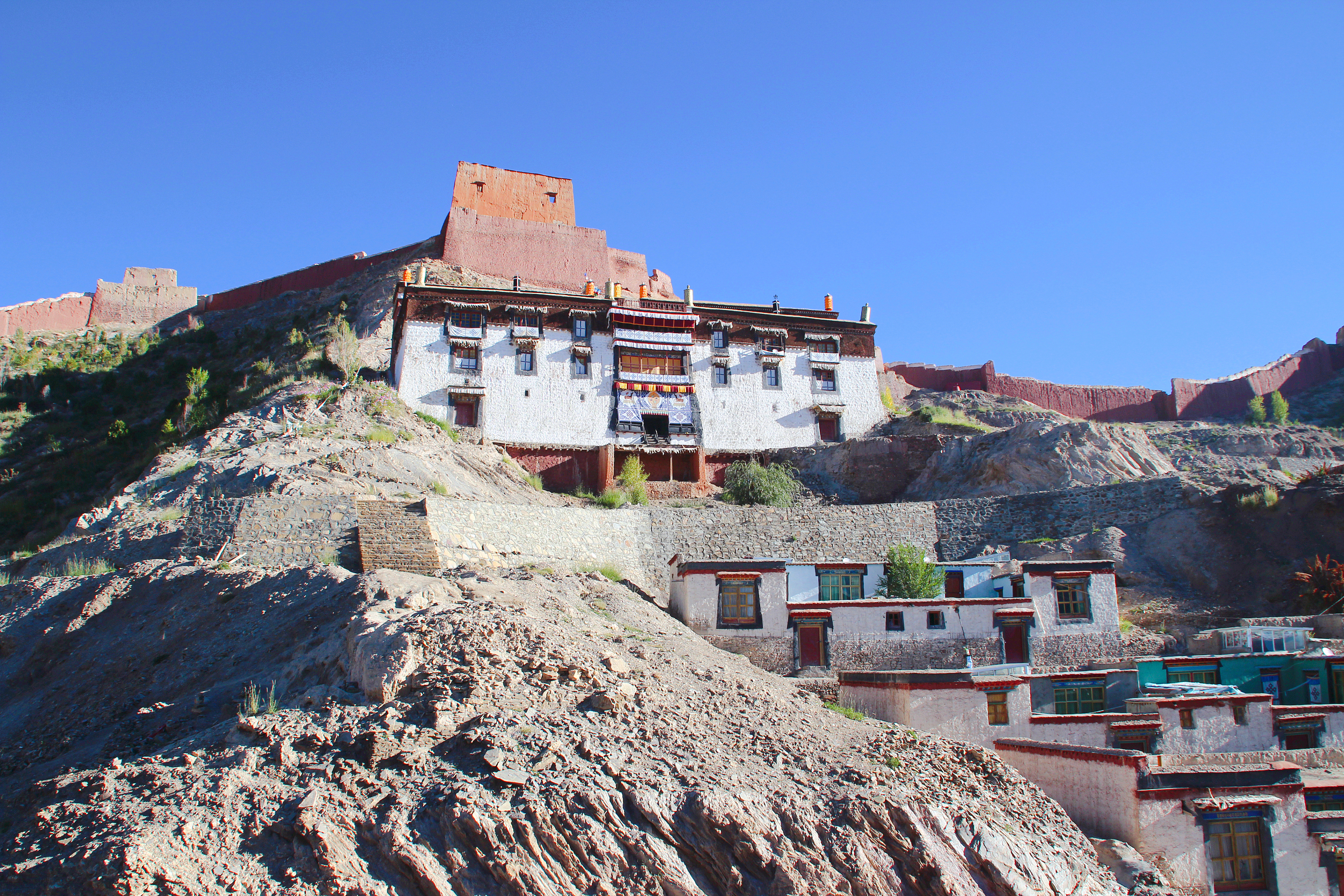
Pelkor Chode Monastery is located in Gyantse County, Shigatse. It is a monastery where the Sakya, Kadam, and Gelug sects coexist, famous for its exquisite murals and the Ten Thousand Buddha Pagoda.
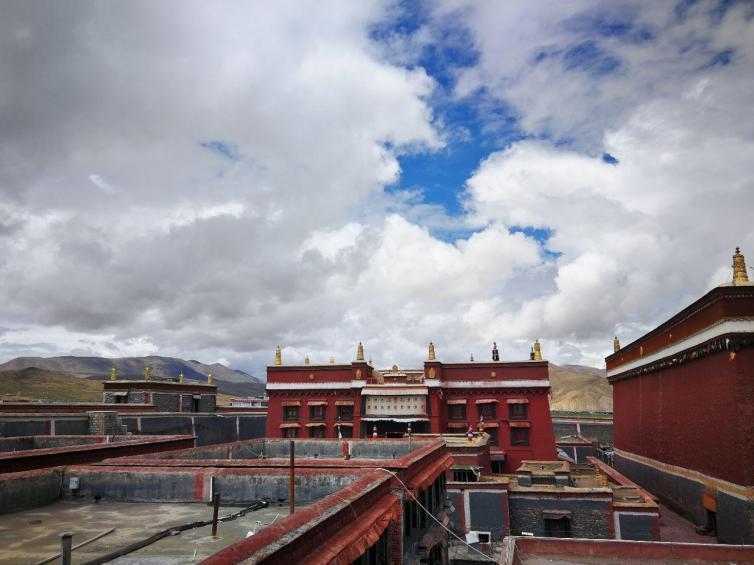
Sakya Monastery is located in Sakya County, Shigatse. It is the main monastery of the Sakya sect of Tibetan Buddhism, known for its rich collection of scriptures and murals, and is praised as the 'Dunhuang of the Snow Land'.
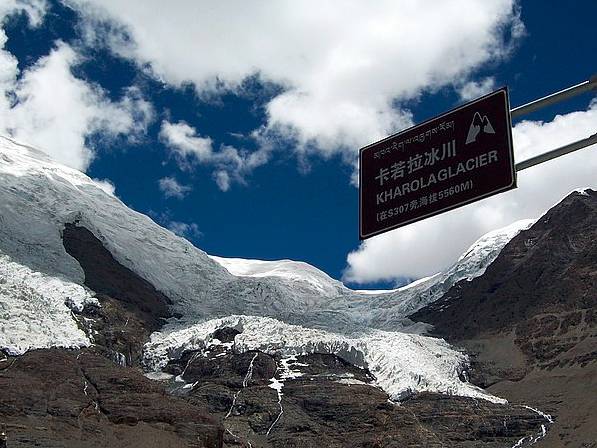
Karo La Glacier is located on the border between Gyantse County, Shigatse, and Nagarze County, Shannan. It is one of the three largest continental glaciers in Tibet, with an altitude of 5,560 meters. The glacier tongue extends to the roadside, offering a spectacular view.
Yak meat is a specialty meat from the plateau, with firm texture and rich nutrition. Common preparations include air-dried yak meat and yak meat hotpot.
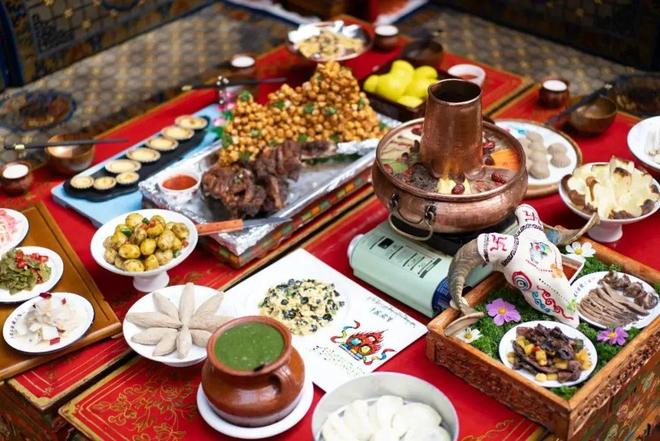
Barley wine is a traditional Tibetan alcoholic beverage made from fermented highland barley. It has a low alcohol content, a sweet and sour taste, and is essential for festivals and hospitality.
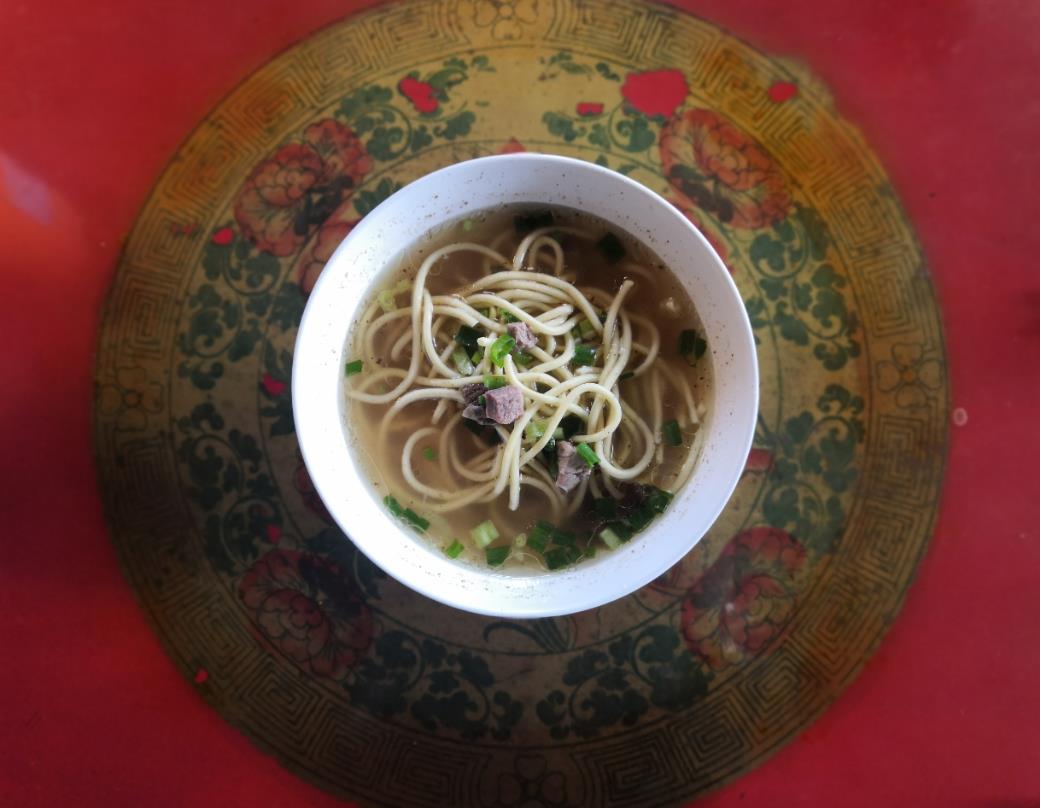
Tibetan noodles are a traditional Tibetan noodle dish. The noodles are thick, and the broth is made from yak bones, topped with yak meat and green onions, offering a delicious taste.