

Shenyang is located in the southern part of Northeast China, situated on the Liaohe Plain, and features a temperate semi-humid continental climate with four distinct seasons. Winters are cold and long, summers are warm and rainy, while spring and autumn are short and pleasant. The annual average temperature is about 8°C, and the annual precipitation is approximately 700 millimeters. Due to the cold winters and hot summers, spring and autumn are the best seasons for tourism.
Shenyang is the birthplace of the Qing Dynasty, known as "the cradle of one dynasty, the imperial city of two emperors." In 1625, Nurhaci moved the capital to Shenyang, where the Later Jin expanded its power. After the Qing army entered the Shanhai Pass, Shenyang was retained as an auxiliary capital, preserving its royal architectural complex. The Shenyang Imperial Palace, one of the only two surviving royal palace complexes in China, highlights Manchu culture. In modern times, Shenyang, as the "eldest son of the Republic," boasts a profound industrial history. The city's charm blends historical depth with an industrial spirit.
Shenyang's culture is deeply influenced by Manchu traditions, with folk arts like Errenzhuan and Yangge dance remaining vibrant among the people. The food culture, represented by "Shenyang Old Snow" beer, chicken racks, and grilled skewers, is full of lively, down-to-earth charm, while century-old time-honored brands such as Li Lian Gui smoked meat pancakes and Ma Jia shaomai preserve a taste of history. The pace of life for residents is relatively slow, with an emphasis on eating, drinking, and entertainment—this is most vividly reflected in summer night markets and winter ice and snow activities.
As the central city of Northeast China and the core of the Shenyang modern metropolitan area, Shenyang boasts a strong economic foundation. In recent years, it has been dedicated to building a "Digital Shenyang and Intelligent Manufacturing Strong City," vigorously developing high-end equipment manufacturing and emerging industries. As a hub connecting the Beijing-Tianjin-Hebei region with the Northeast, Shenyang is accelerating its internationalization process, striving to become an internationally influential central city in Northeast Asia. In the future, it will present a more open and innovative urban landscape.
The best time to visit 沈阳 is Spring and autumn (April to June, September to November).
The best time to visit Shenyang is in spring (April to June) and autumn (September to November). During these two seasons, the temperature is moderate, the weather is clear, and there is less rainfall, making it ideal for outdoor sightseeing. In spring, hundreds of flowers bloom, and in autumn, red leaves cover the mountains, offering pleasant scenery. Avoiding the bitter cold of winter and the scorching heat of summer, visitors can comfortably explore outdoor attractions such as the Imperial Palace and Beiling.
Spring (April to June) in Shenyang sees rising temperatures, averaging 10–22°C, with pleasant weather and gentle breezes. It is recommended to visit Beiling Park (Qing Zhaoling) and Dongling Park (Qing Fuling), where ancient pine trees tower and peach and pear blossoms bloom from April onwards. You can also attend the Shenyang International Horticultural Expo’s spring flower exhibition to experience the vibrant spring scenery. Note that the temperature difference between morning and evening is significant, so it is advisable to bring a jacket.
Autumn (September to November) in Shenyang is crisp and clear, with temperatures ranging from 10-20°C. The best time to view red leaves is from late September to mid-October, with recommended spots including Shenyang National Forest Park and Guai Po Scenic Area. Additionally, the Shenyang International Tourism Festival in late September is a major event, featuring folk performances, food tastings, and more. With little rainfall in autumn, it is ideal for mountain climbing and hiking.
In the Warring States period, Shenyang belonged to Liaodong Commandery of the Yan state. In 300 BC, the Yan state built a city here, called Chihou City.
Recommended places to visit
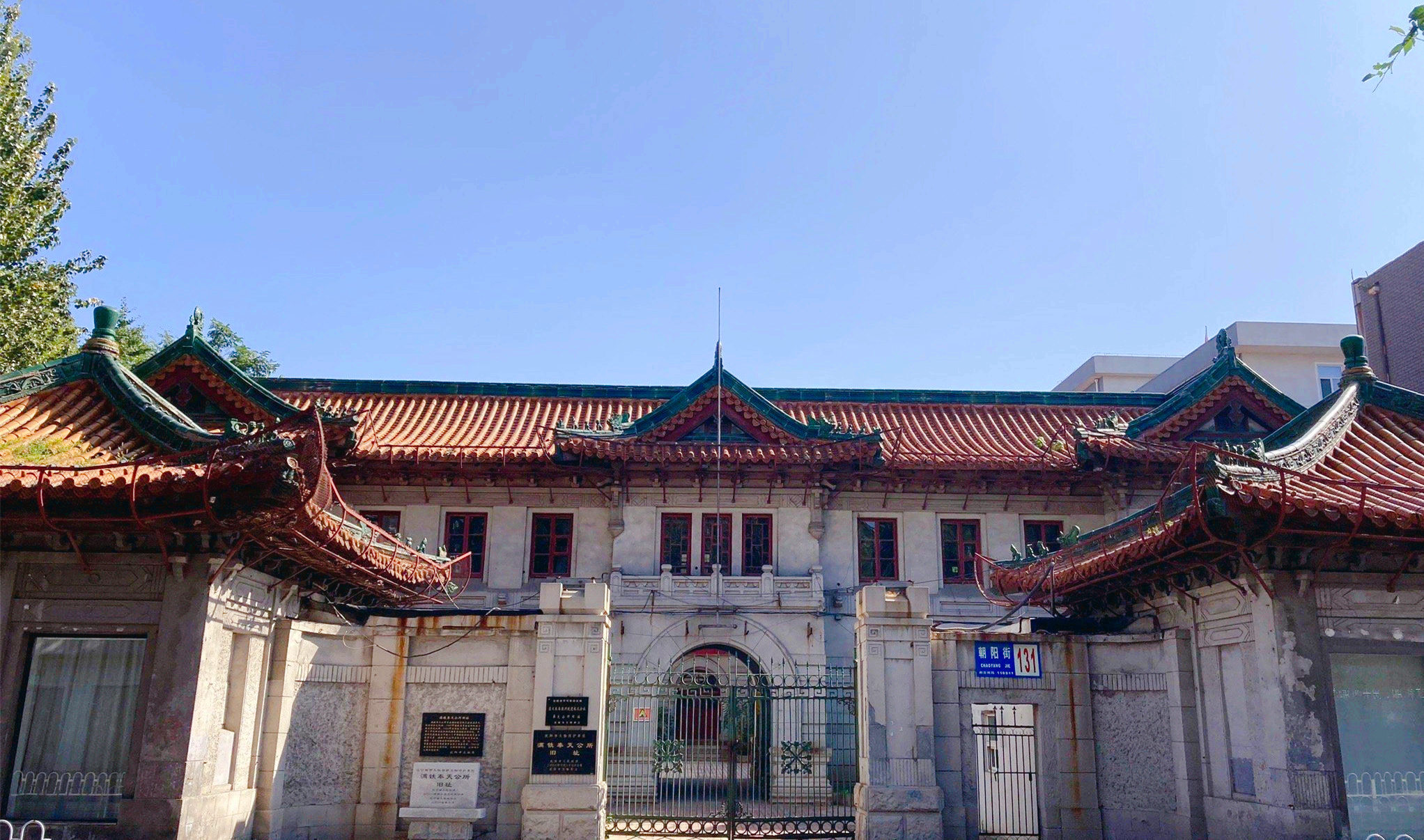
One of only two remaining royal palace complexes in China, the early Qing Dynasty imperial palace features architecture blending Han, Manchu, and Mongolian styles and houses a vast collection of precious relics.
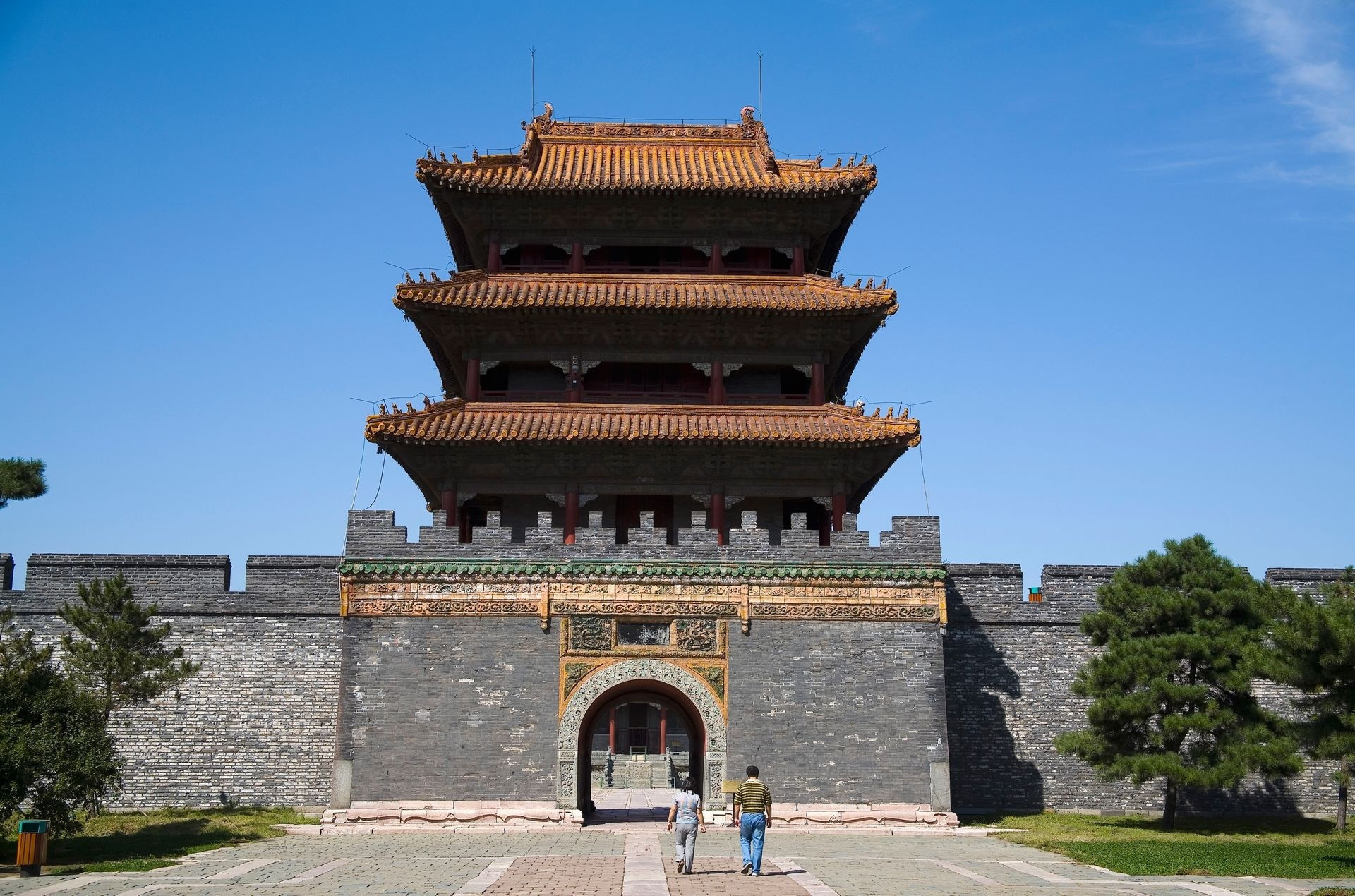
The mausoleum of Qing Emperor Taizong Huang Taiji and Empress Xiaoduanwen is the largest and best-preserved among the three mausoleums outside the Shanhai Pass, with towering ancient trees in the park.
UNESCO World Heritage Sites
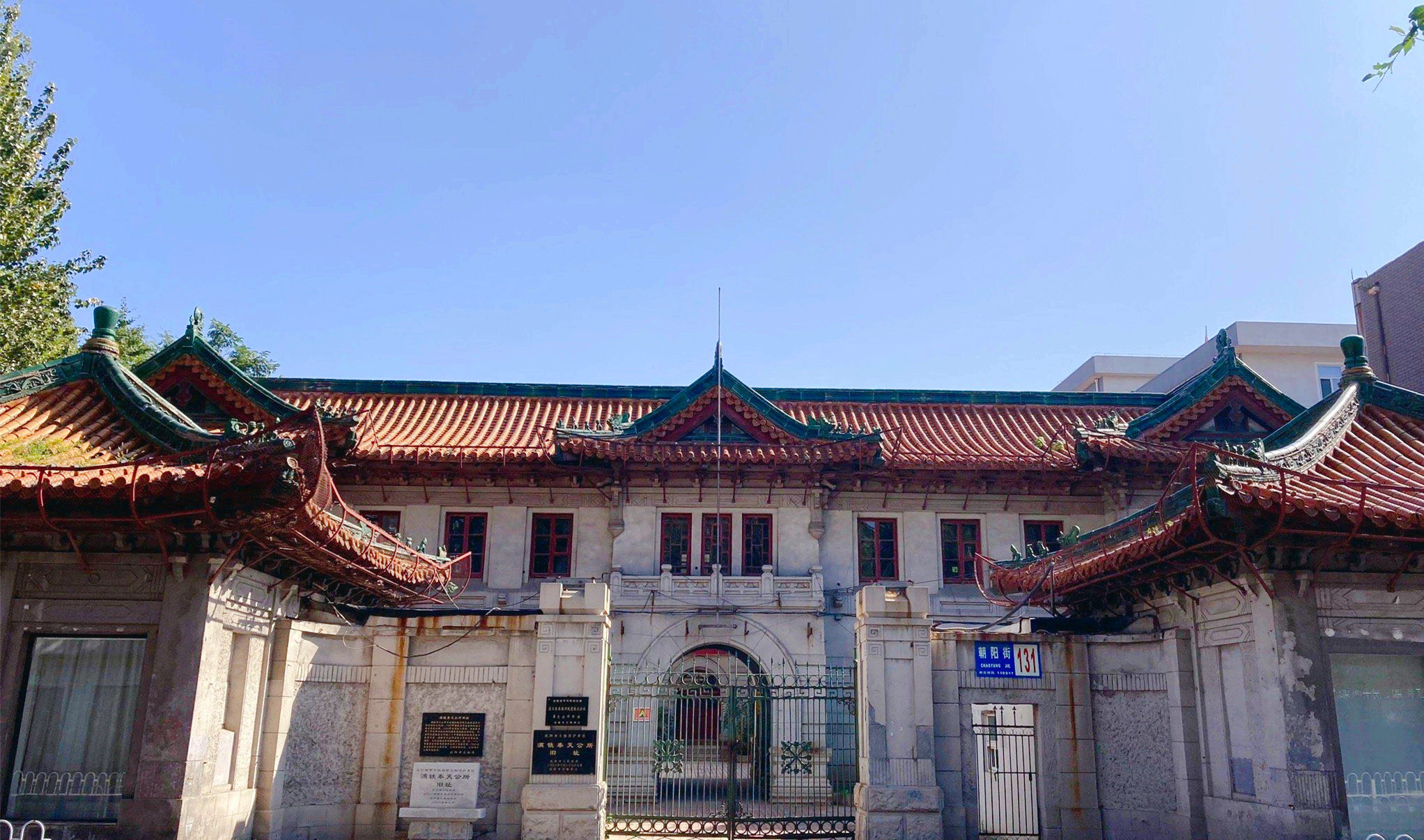
As an extension of the Imperial Palaces of the Ming and Qing Dynasties, it was inscribed as a World Cultural Heritage site. It served as the imperial palace before the Qing Dynasty entered the Shanhai Pass, representing the highest achievement of Manchu court architecture.
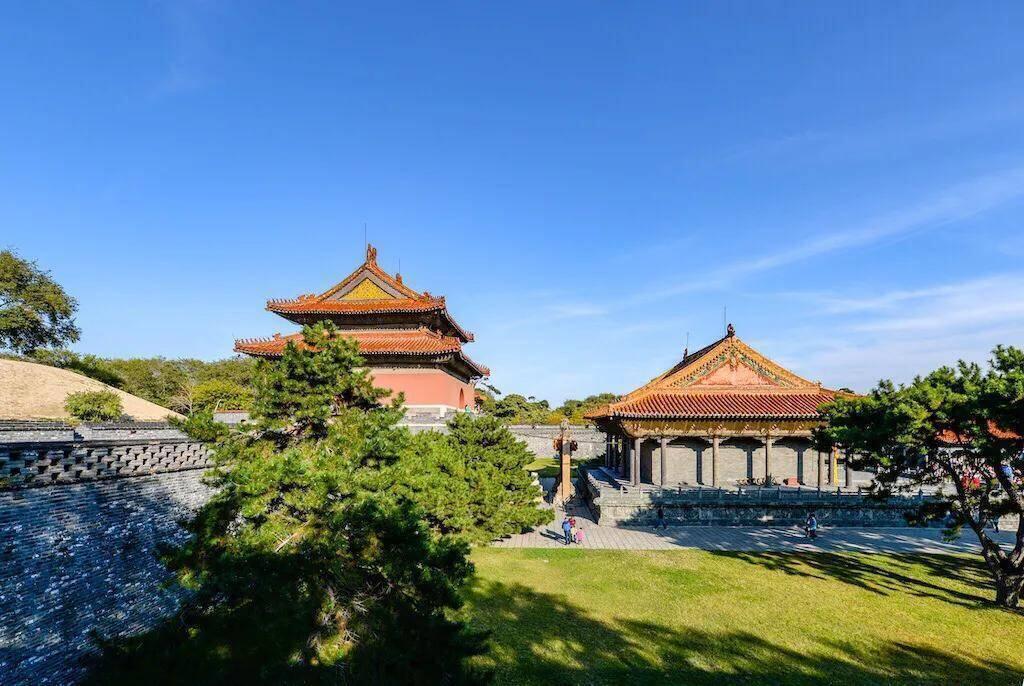
Listed as a World Cultural Heritage site together with the Ming and Qing imperial tombs, it is the mausoleum of Huang Taiji, the second emperor of the Qing dynasty, and the largest among the three tombs outside the Pass.
Explore rich intangible cultural heritage and traditional crafts
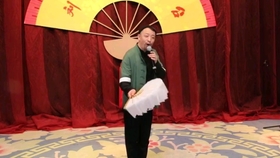
Liaoning's characteristic opera form, performed by one male and one female, combines talking, singing, dancing, and stunts. It is humorous and witty, and is the most popular folk art in Shenyang.
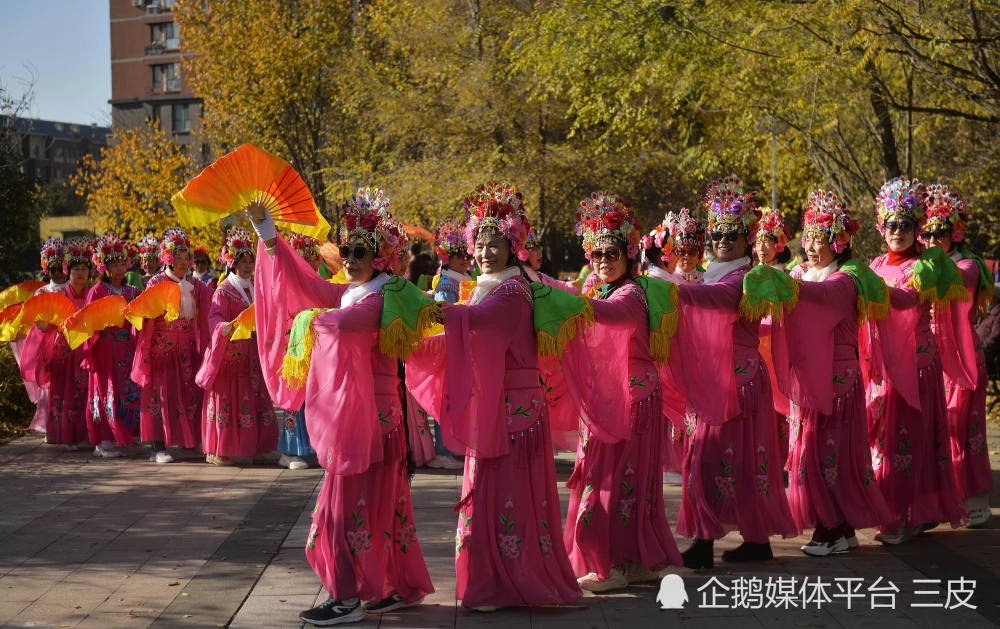
A folk dance popular in Shenyang, characterized by exaggerated and festive movements, often performed during celebrations, reflecting the bold and straightforward nature of the people in Northeast China.
Must-know transportation for exploring the city
About 25 kilometers from the city center, directly accessible via Metro Line 2. The airport currently operates over 200 domestic and international routes, covering major domestic cities as well as destinations such as Japan, South Korea, and Southeast Asia.
——
Shenyang Station, Shenyang North Station, and Shenyang South Station are the main hubs. High-speed trains reach Beijing (about 2.5 hours), Dalian (about 1.5 hours), and Harbin (about 2 hours). Regular trains cover the whole country.
High-speed rail to Beijing: about 400 yuan
There are currently 4 metro lines (Lines 1, 2, 9, and 10) covering the main urban areas. There are over 300 bus routes with a fare of 2 yuan. Taxi starting fare is 9 yuan, and ride-hailing services are convenient.
Taste the most authentic and popular local specialties
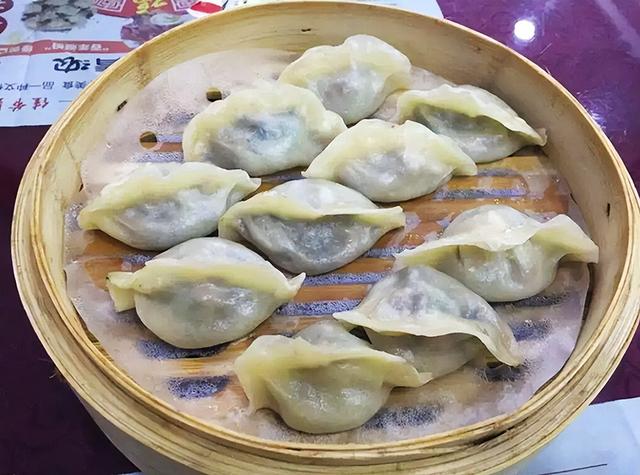
Established in 1829, known for its stir-fried filling and steaming process, these dumplings feature thin wrappers with generous fillings and a variety of flavors, making them a must-try traditional delicacy in Shenyang.
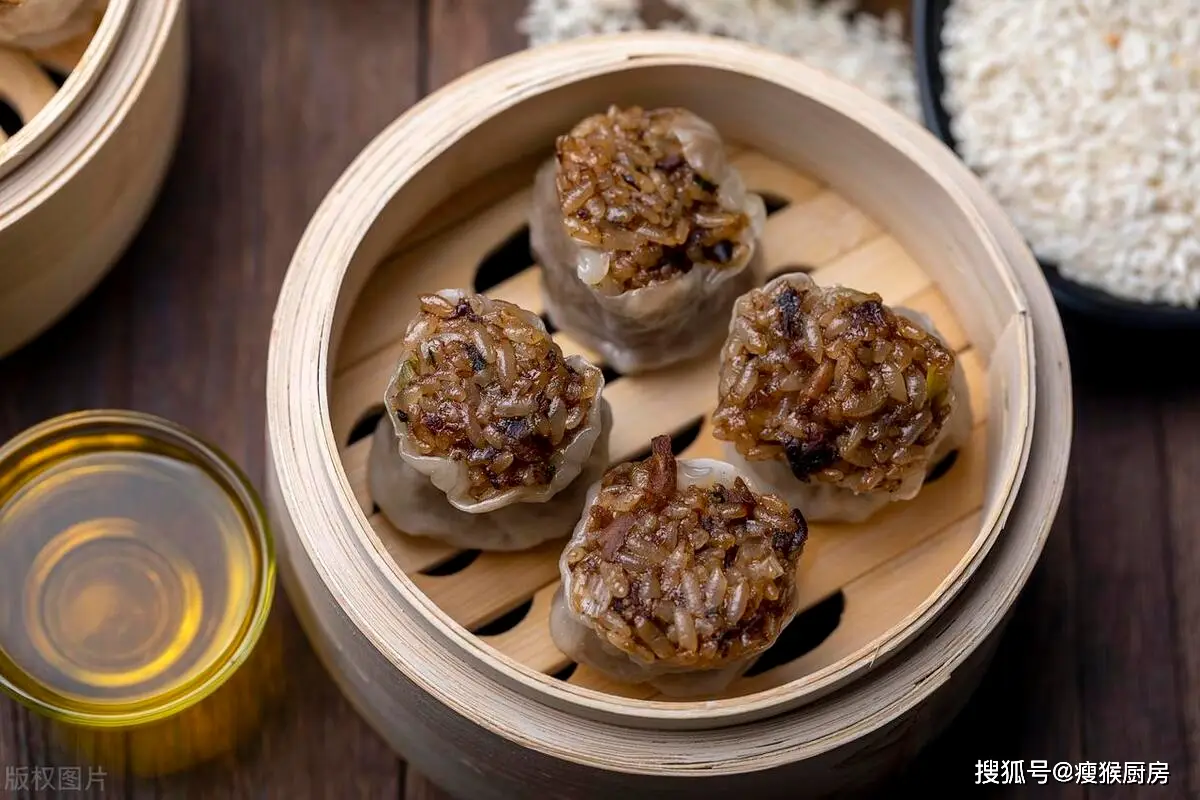
Shenyang's century-old brand shaomai features paper-thin wrappers and savory fillings, with beef filling being the most popular. Best enjoyed with vinegar dipping.
Later Jin Khan Nurhaci moved the capital to Shenyang and renamed it Shengjing. Later, Hong Taiji ascended the throne here, laying the foundation for the Qing Dynasty to enter the central plains.
During the Shunzhi period of the Qing dynasty, the Mukden Palace in Shenyang was expanded, forming an eastern, central, and western layout, becoming the second-largest imperial architectural complex after the Forbidden City in Beijing.
After the founding of the People's Republic of China, Shenyang became a key national industrial base, producing the first aircraft, the first machine tool, and more for the new China, earning it the title of the "Eldest Son of the Republic."
The Shenyang Imperial Palace was listed as a World Cultural Heritage site as an auxiliary building of the Ming and Qing imperial palaces.
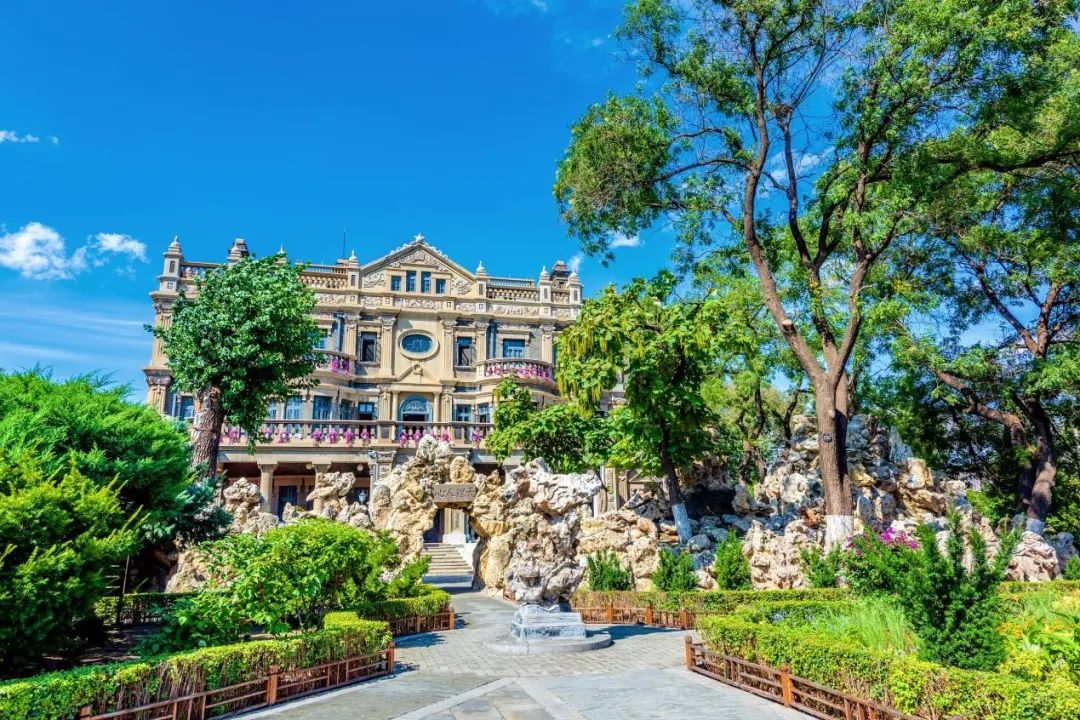
The official residences and private homes of the two-generation warlords Zhang Zuolin and Zhang Xueliang feature a blend of Chinese and Western architectural styles, serving as important sites that bear witness to the modern history of Northeast China.
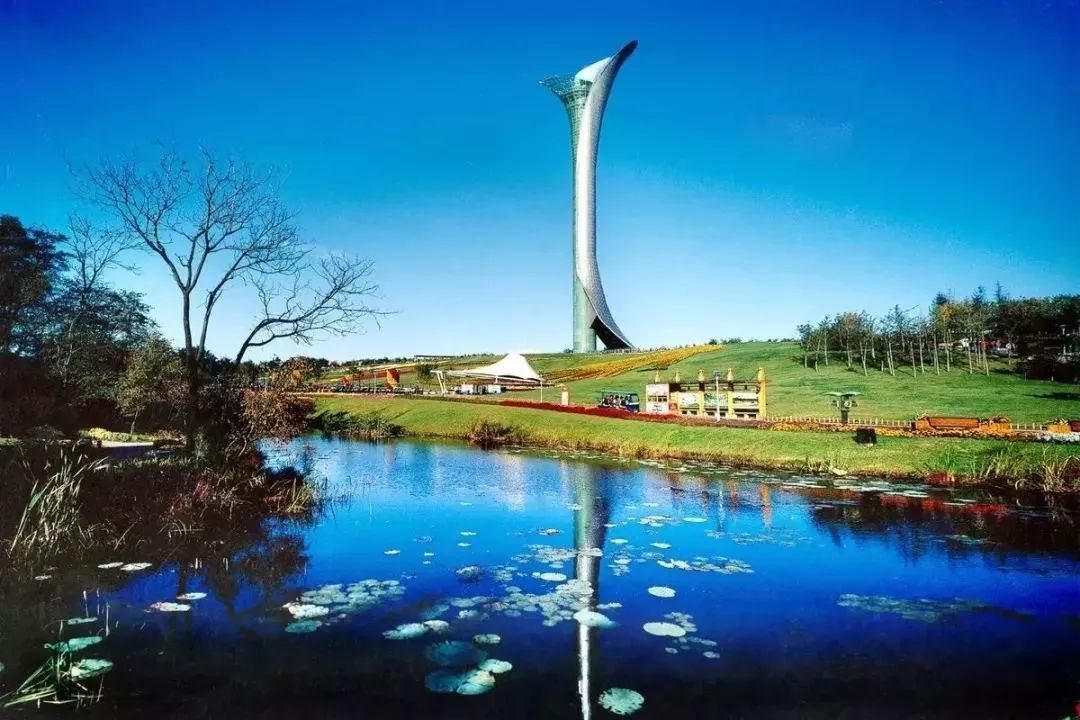
Site of the 2006 World Horticultural Exposition, covering an area of 2.46 square kilometers, brings together exquisite garden art from both domestic and international sources, with the spring flower exhibition being particularly spectacular.
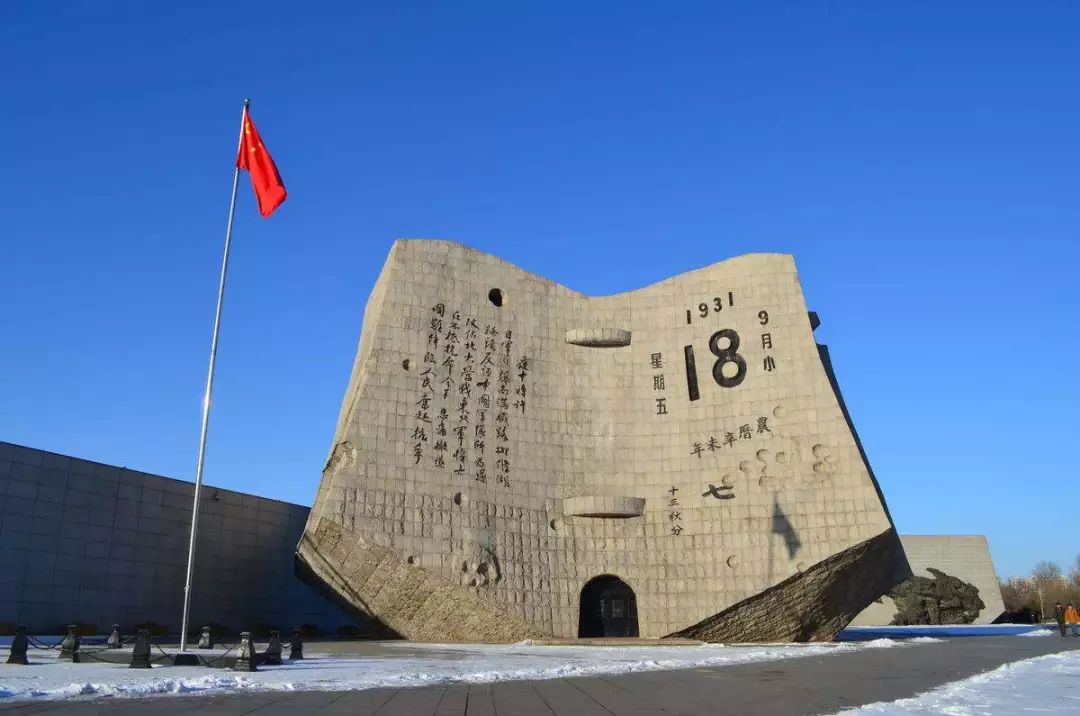
Built to commemorate the September 18 Incident, it exposes the crimes of the Japanese invasion of China through a large amount of historical materials, warning future generations not to forget national humiliation.
Subway: 2-7 yuan
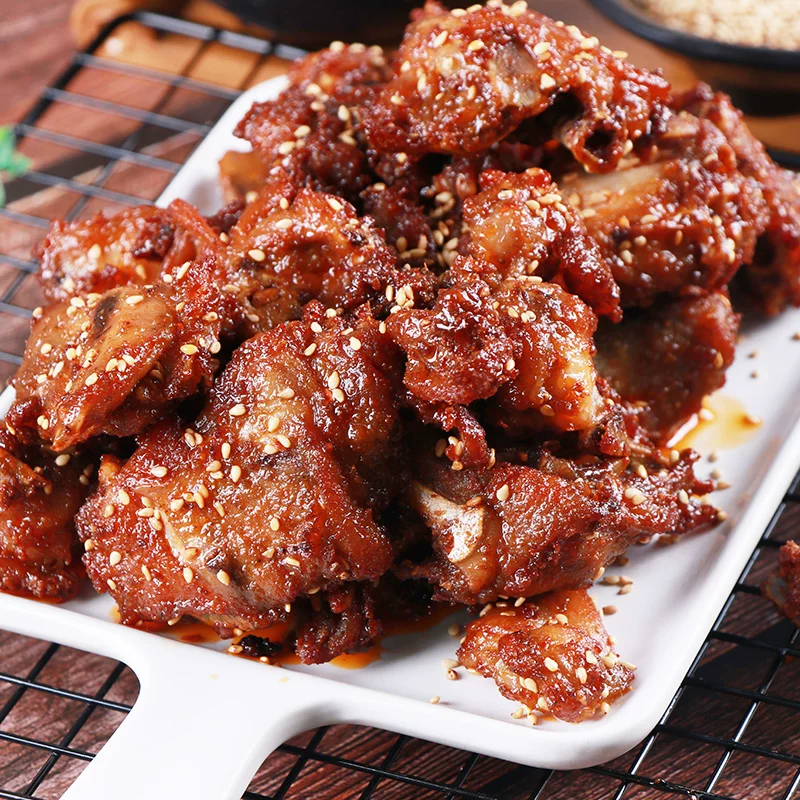
Shenyang locals' favorite street snack, chicken skeleton is boiled, smoked, fried or mixed. Though not much meat, it has rich flavor, and pairing it with beer is a perfect match.
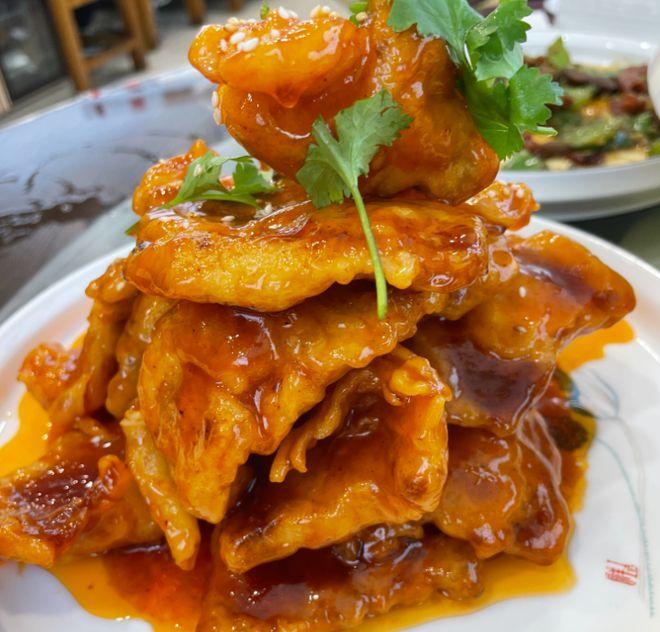
Originating from Harbin, but thriving in Shenyang. Pork tenderloin is marinated, coated in starch, and fried until crispy, then tossed in a sweet and sour sauce. It's delightfully tangy and sweet, with a crispy exterior and tender interior.
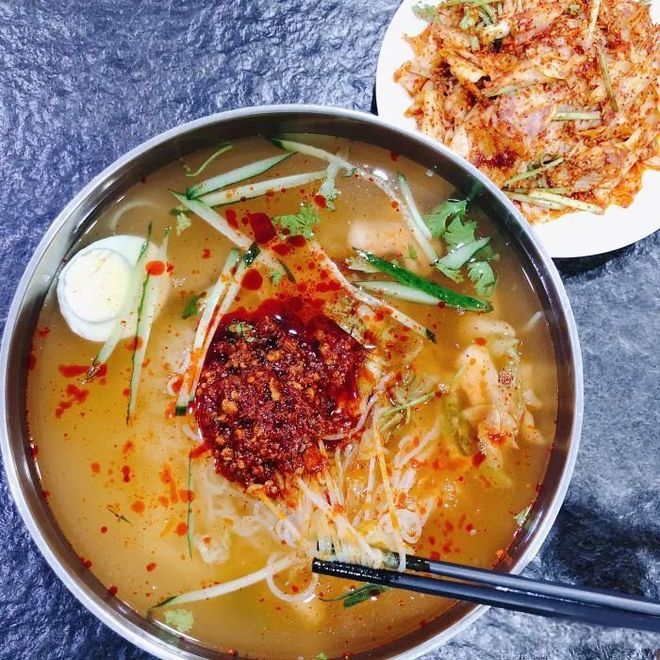
Korean-style buckwheat noodles or potato noodles, served with an icy, tangy and spicy broth, topped with kimchi, shredded cucumber, and egg—a perfect summer dish to beat the heat.