
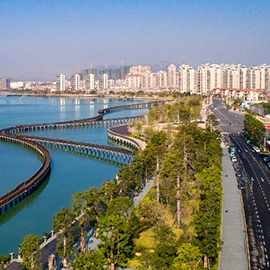
Shanwei is located on the southeastern coast of Guangdong Province, between the eastern bank of the Pearl River Delta and the Chaoshan Plain. It has a subtropical monsoon climate with warm, humid weather year-round, an average annual temperature of about 22°C, and abundant rainfall. With a coastline of 455 kilometers, it boasts numerous islands and fine beaches, earning it the nickname 'Golden Coast of Eastern Guangdong.'
Shanwei's history dates back to the Neolithic Age. During the Qin and Han dynasties, it belonged to Nanhai Commandery. Haifeng County was established in the Ming Dynasty, and Shanwei Town in the Qing Dynasty. In modern history, Shanwei was a key part of the Hailufeng Revolutionary Base, where Peng Pai led the peasant movement, giving it a deep red cultural heritage. It was established as a prefecture-level city in 1988.
Shanwei's culture blends Cantonese, Hakka, and Chaoshan elements, known for intangible cultural heritage such as Mazu belief, Baizi Opera, Xiqin Opera, and Rolling Ground Golden Dragon. Its cuisine centers on seafood, with local specialties like Vegetable Tea, Thin Pancake, Layer Cake, and Mackerel Fish Balls, which are light and savory.
In recent years, Shanwei has actively integrated into the Guangdong-Hong Kong-Macao Greater Bay Area, developing emerging industries through the Shenzhen-Shanwei Special Cooperation Zone, while strengthening ecological protection and building itself as a coastal tourism destination. Attractions like Honghai Bay and Pinqing Lake have gained popularity, and urban infrastructure continues to improve, making Shanwei a rising dynamic city in eastern Guangdong.
The best time to visit 汕尾 is Suitable year-round, best in spring and autumn.
Spring (March-May): Mild temperatures, flowers in bloom, ideal for outdoor activities and flower viewing.
Summer (June-August): Hot and rainy, but great for beach activities; Honghai Bay and Jinding Bay are popular summer resorts.
Autumn (September-November): Clear and crisp weather, seafood at its best, perfect for food tasting and sea views.
Peng Pai led peasant uprisings in the Hailufeng area, establishing China's first Soviet regime—the Hailufeng Soviet.
The State Council approved the abolition of Shanwei Town and the establishment of Shanwei as a prefecture-level city, governing urban districts, Haifeng County, Lufeng County, and Luhe County.
Shenzhen and Shanwei jointly established the Shenzhen-Shanwei Special Cooperation Zone, becoming a key platform for regional coordinated development.
Recommended places to visit
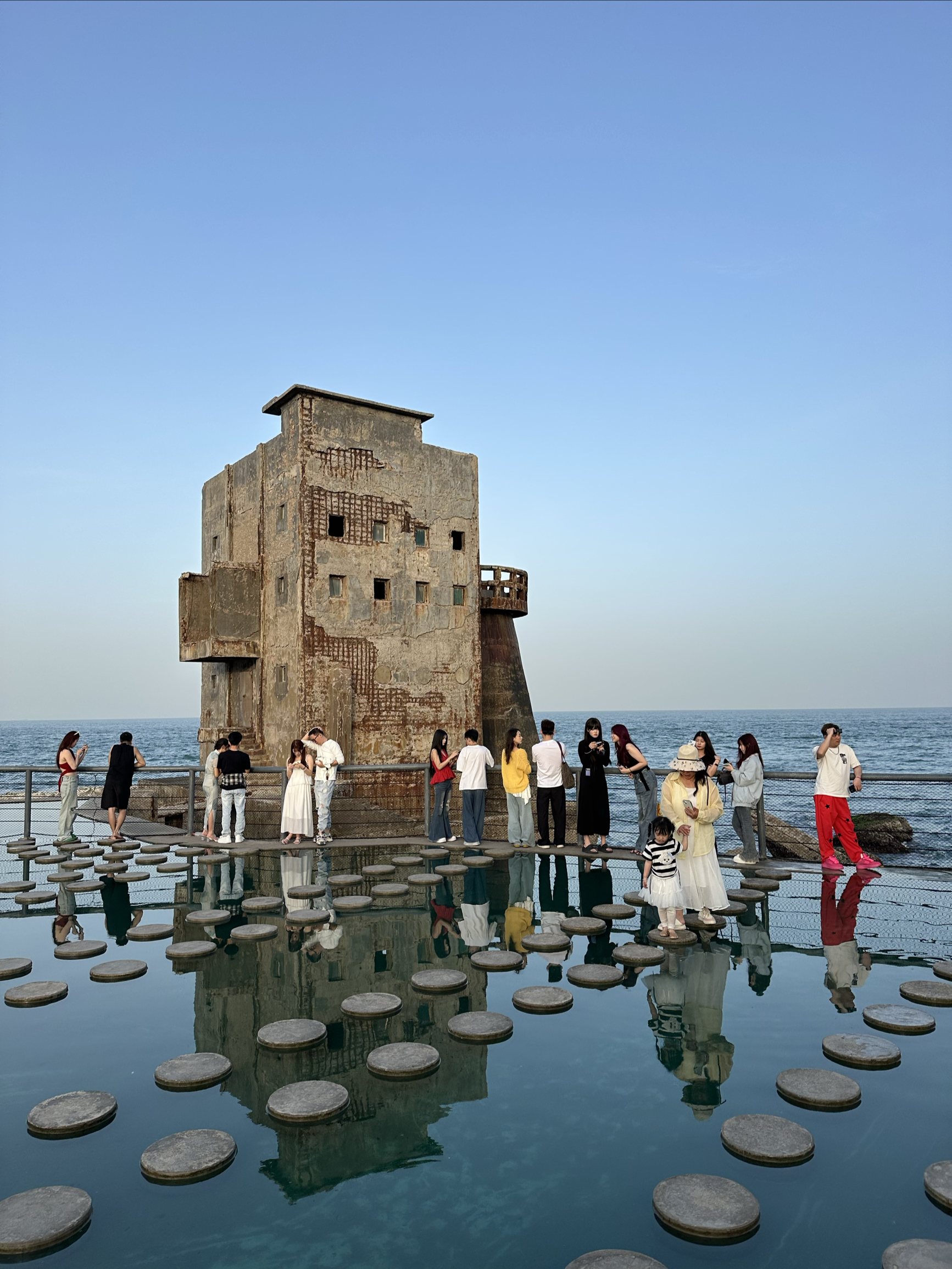
The core scenic spot of Honghai Bay Tourist Area. The beaches on both sides of Zhelang Peninsula are strikingly different: rough waves on the east and calm waters on the west. Attractions include Nanhai Guanyin Temple and a lighthouse, popular for surfing and photography.
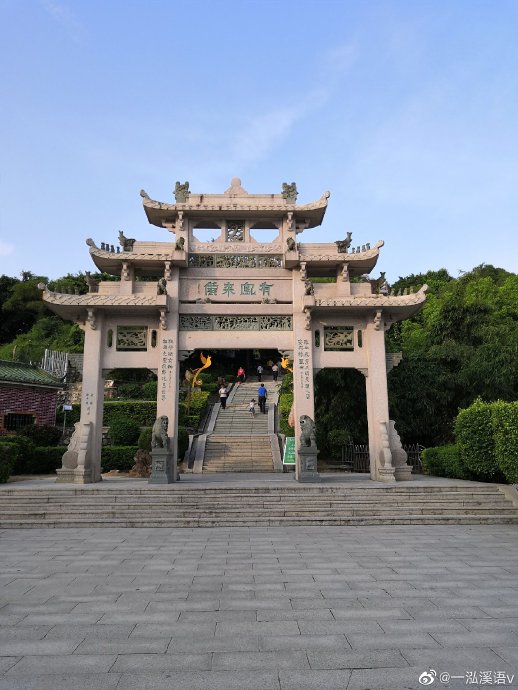
Located on Fengshan in the city center, it is an important site for Mazu culture. A Mazu stone statue stands on the hilltop overlooking Shanwei Port. The temple features exquisite architecture and thriving incense. Grand parades are held annually on Mazu's birthday.
Explore rich intangible cultural heritage and traditional crafts
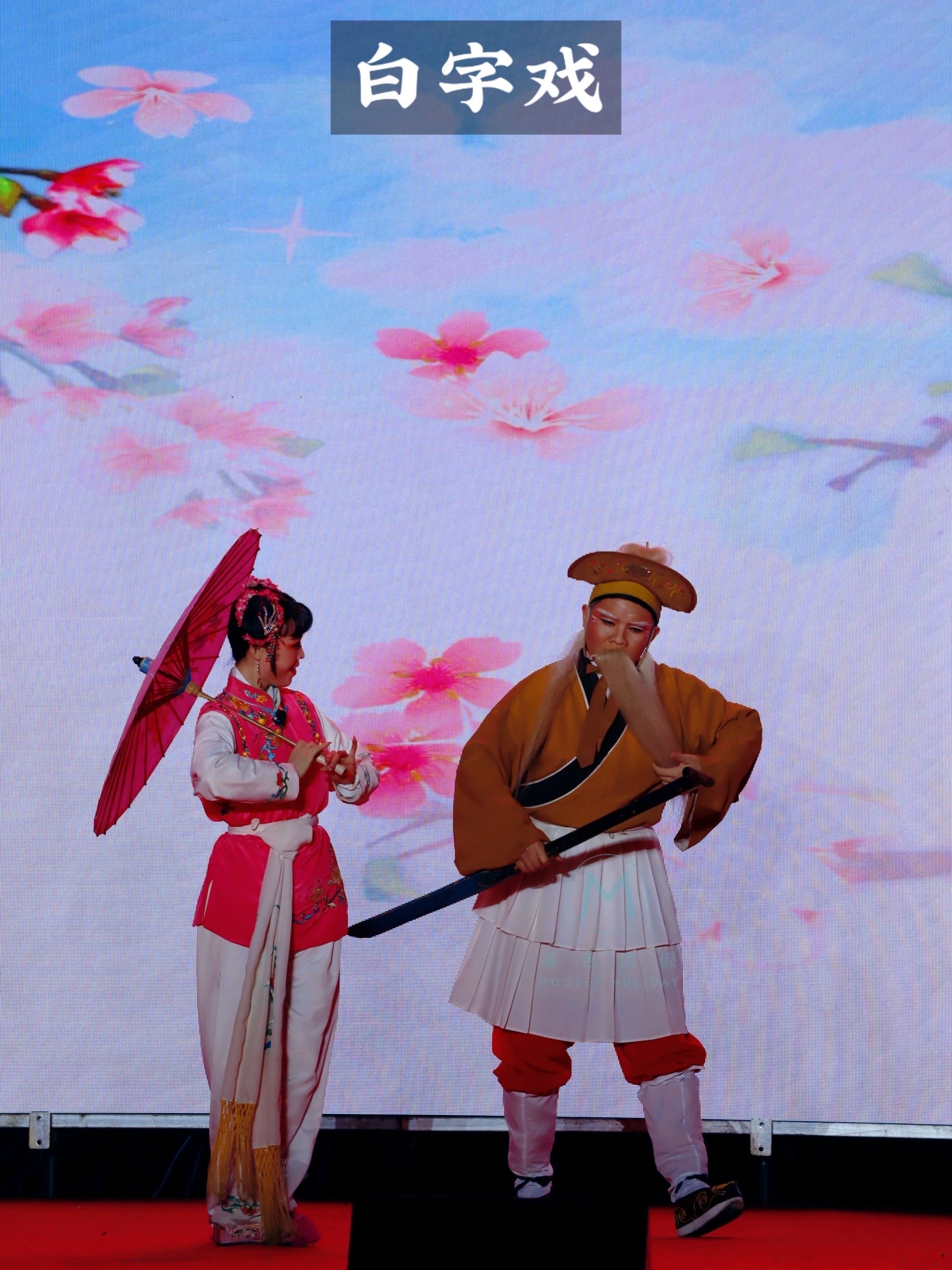
A traditional local opera of Shanwei, Guangdong, sung in Southern Min dialect, with melodious tunes and delicate performances. Listed in the first batch of National Intangible Cultural Heritage in 2006.
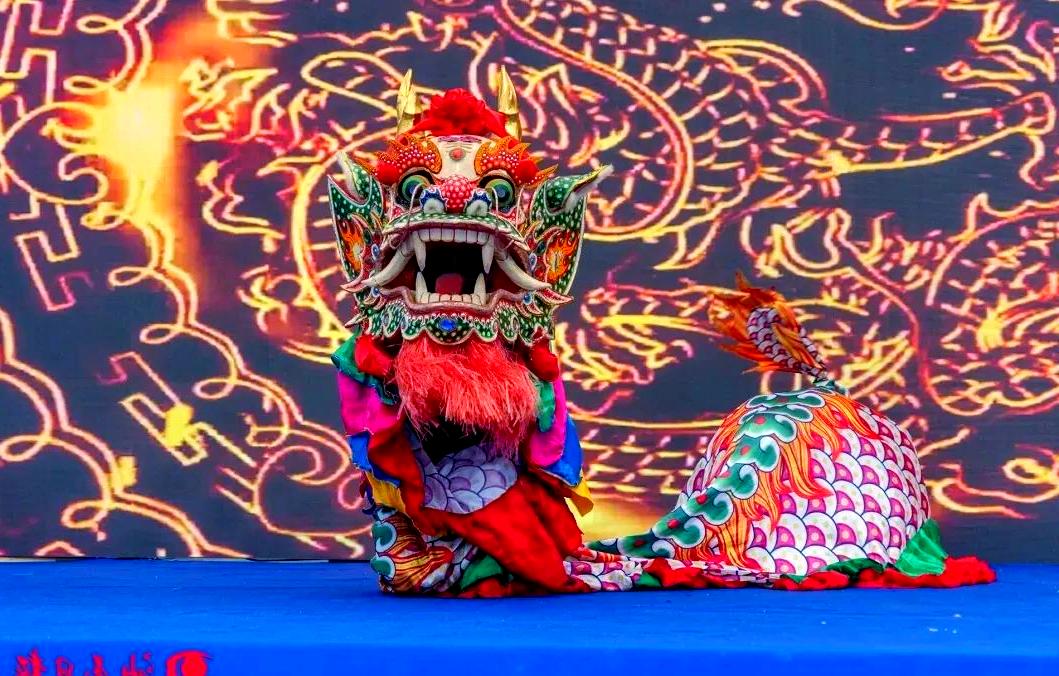
A folk dance from Lufeng, Shanwei, where performers crawl into the dragon body and mimic rolling, leaping, and other movements, creating a majestic spectacle. Listed in the first batch of National Intangible Cultural Heritage in 2006.
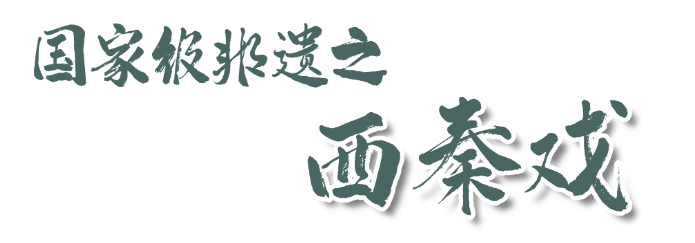
A traditional opera popular in Shanwei and surrounding areas, originating from Shaanxi's Qinqiang opera, incorporating local characteristics, with high-pitched and passionate singing. Listed in the first batch of National Intangible Cultural Heritage in 2006.
Must-know transportation for exploring the city
Shanwei Station is on the Xiamen-Shenzhen high-speed railway line, providing direct access to Shenzhen, Guangzhou, Xiamen, etc. It takes about 1 hour from Shenzhen North Station to Shanwei Station.
Shenzhen-Shanwei second class about 70 RMB
The city bus network covers major attractions and commercial areas, with fares starting at 2 RMB. Taxis and ride-hailing services are also available.
From 2 RMB
Located about 150 km from Shanwei city center, connected by expressway. The airport offers flights to major domestic cities, and transfer by high-speed rail or bus to Shanwei is available.
Airport bus to Shanwei about 80 RMB
Taste the most authentic and popular local specialties
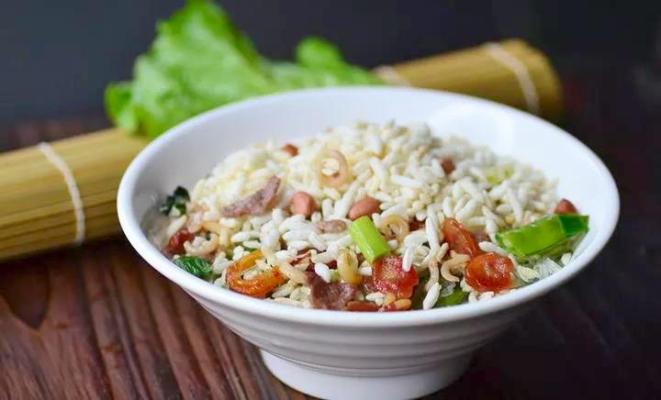
A Shanwei specialty savory tea made with tea leaves, sesame, peanuts, and various vegetables, dried shrimp, and lean meat, offering a rich and savory flavor.
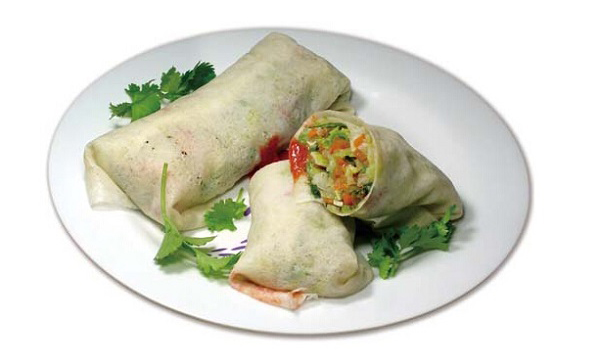
Similar to spring rolls, with thin and chewy wrappers filled with bean sprouts, shredded egg, shredded meat, and shrimp, rolled and pan-fried until golden, crispy outside and tender inside.
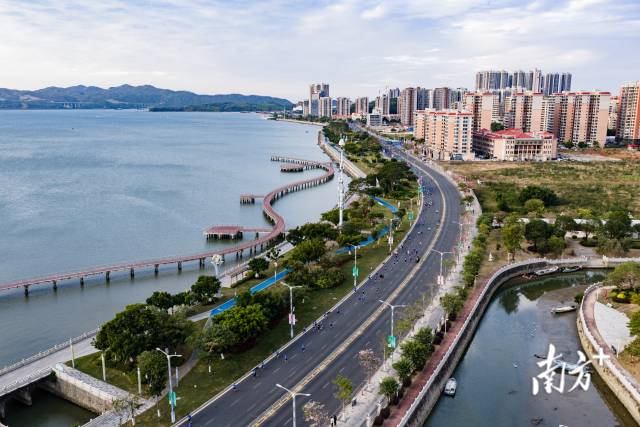
The second largest lagoon in Asia, with a vast open water surface connected to the sea. Greenways around the lake are ideal for cycling and walking. Small islands in the lake can be visited by boat.
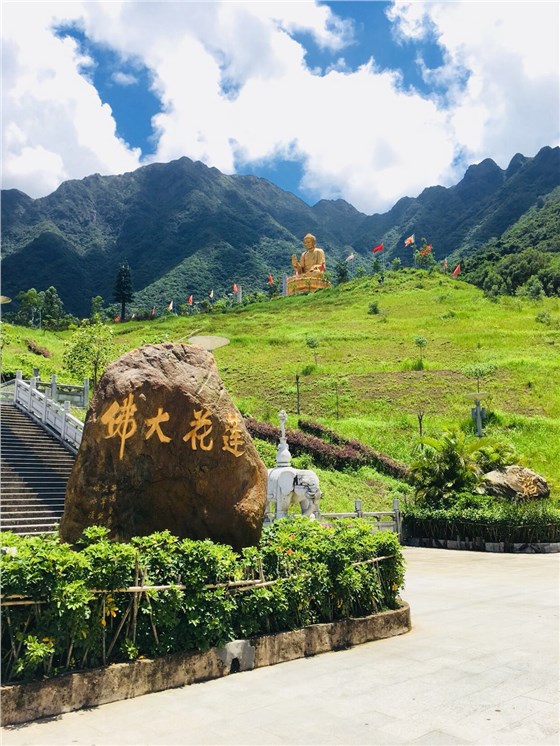
Located in Haifeng County, the main peak at 1337 meters is the highest in eastern Guangdong. The mountain is steep with dense vegetation, featuring waterfalls and ancient temples. Cool in summer, it is a popular summer resort.
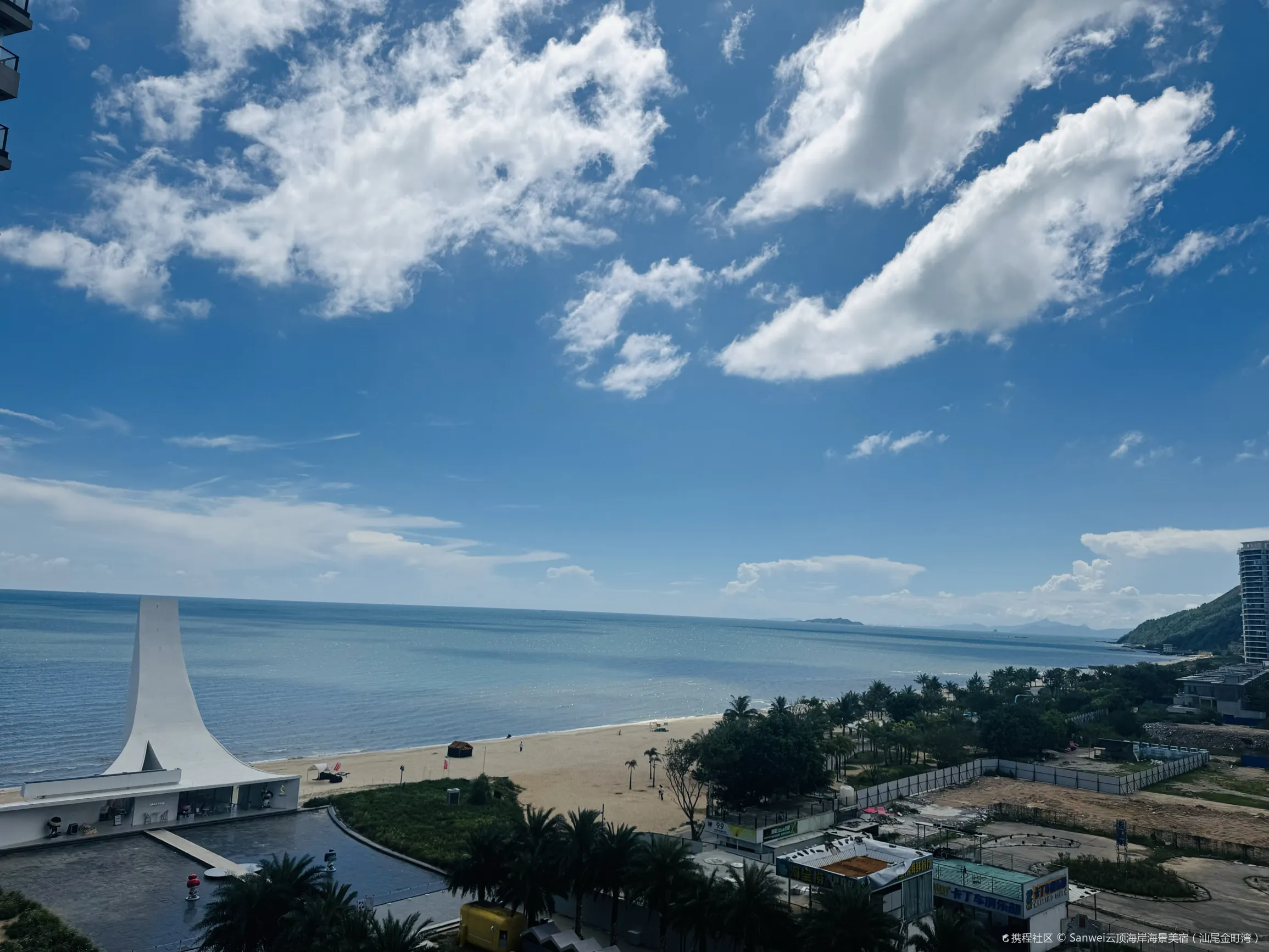
Boasts a 7-kilometer pristine beach with fine sand and clear water. The resort features high-end hotels, water parks, and other facilities, ideal for family vacations.
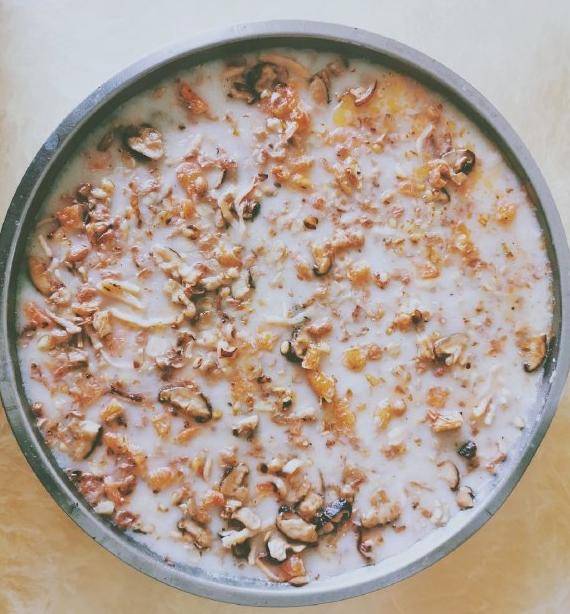
Steamed layer by layer with rice batter, each layer topped with dried shrimp, minced meat, and peanuts. Soft and chewy with distinct layers, served with sweet soy sauce.
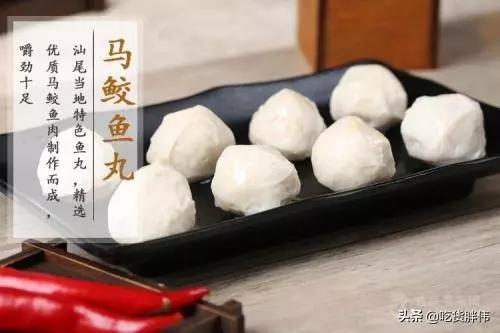
Handmade from fresh mackerel, the balls are springy, sweet, and free of fishy taste. They can be boiled in soup, fried, or stir-fried, a common dish on Shanwei tables.
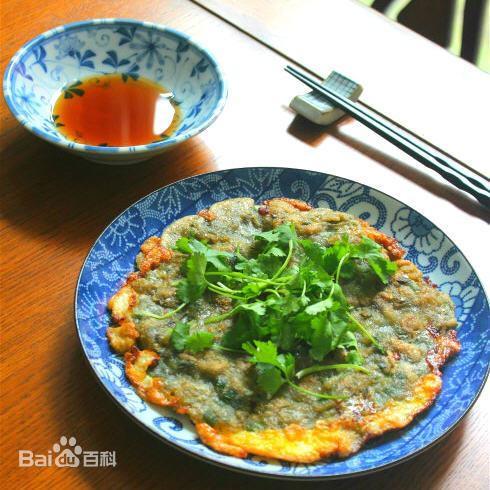
Made with fresh oysters, sweet potato starch, and eggs, pan-fried until crispy outside and tender inside, served with fish sauce. Extremely delicious.