
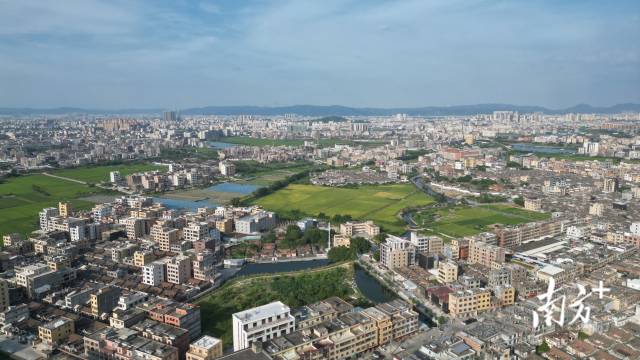
Shantou is located in the east of Guangdong Province, at the southern end of the Han River Delta, bordering the South China Sea. It has a subtropical monsoon climate, warm and humid, with distinct seasons.
Shantou has a long history, inhabited since the Qin and Han dynasties. It became an important trading port after opening in 1860 and was designated a Special Economic Zone after the reform and opening-up.
Shantou is one of the birthplaces of Teochew culture, renowned for the Teochew dialect, Teochew opera, Gongfu tea, and Teochew cuisine. Famous dishes include beef balls, oyster omelette, and rice noodle rolls.
Modern Shantou is a central city in eastern Guangdong, with light industry, port trade, and tourism as its pillars. It is actively building a modern coastal economic belt.
The best time to visit 汕头 is Spring and autumn (March-May, September-November).
Spring (March-May) has moderate temperatures and blooming flowers, ideal for outdoor activities.
Autumn (September-November) is cool with less rainfall, making it the golden season for tourism.
Summer is hot with typhoons, while winter is damp and cold but less crowded, each with its own charm.
According to the Treaty of Tianjin, Shantou was opened as a treaty port, becoming an important harbor in eastern Guangdong.
Shantou was approved by the State Council as a Special Economic Zone, becoming one of the earliest SEZs in China.
Shantou won the bid to host the 2021 Asian Youth Games (later postponed to 2022), enhancing its international profile.
Recommended places to visit
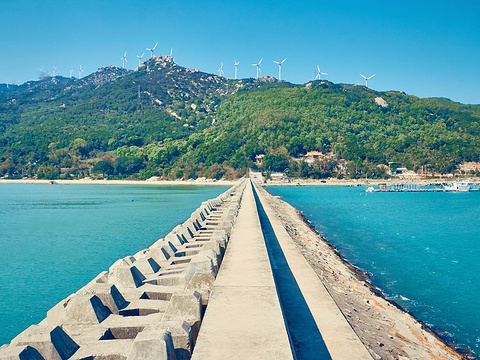
The only island county in Guangdong, featuring Qing'ao Bay, Song Well, and General's Mansion, a seaside resort.
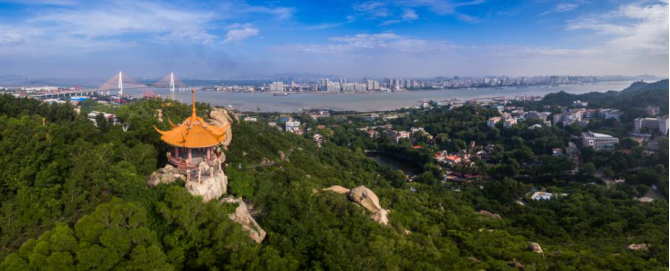
Located on the south bank of Shantou Bay, featuring granite landforms, caves, and stone carvings, a national scenic area.
UNESCO World Heritage Sites
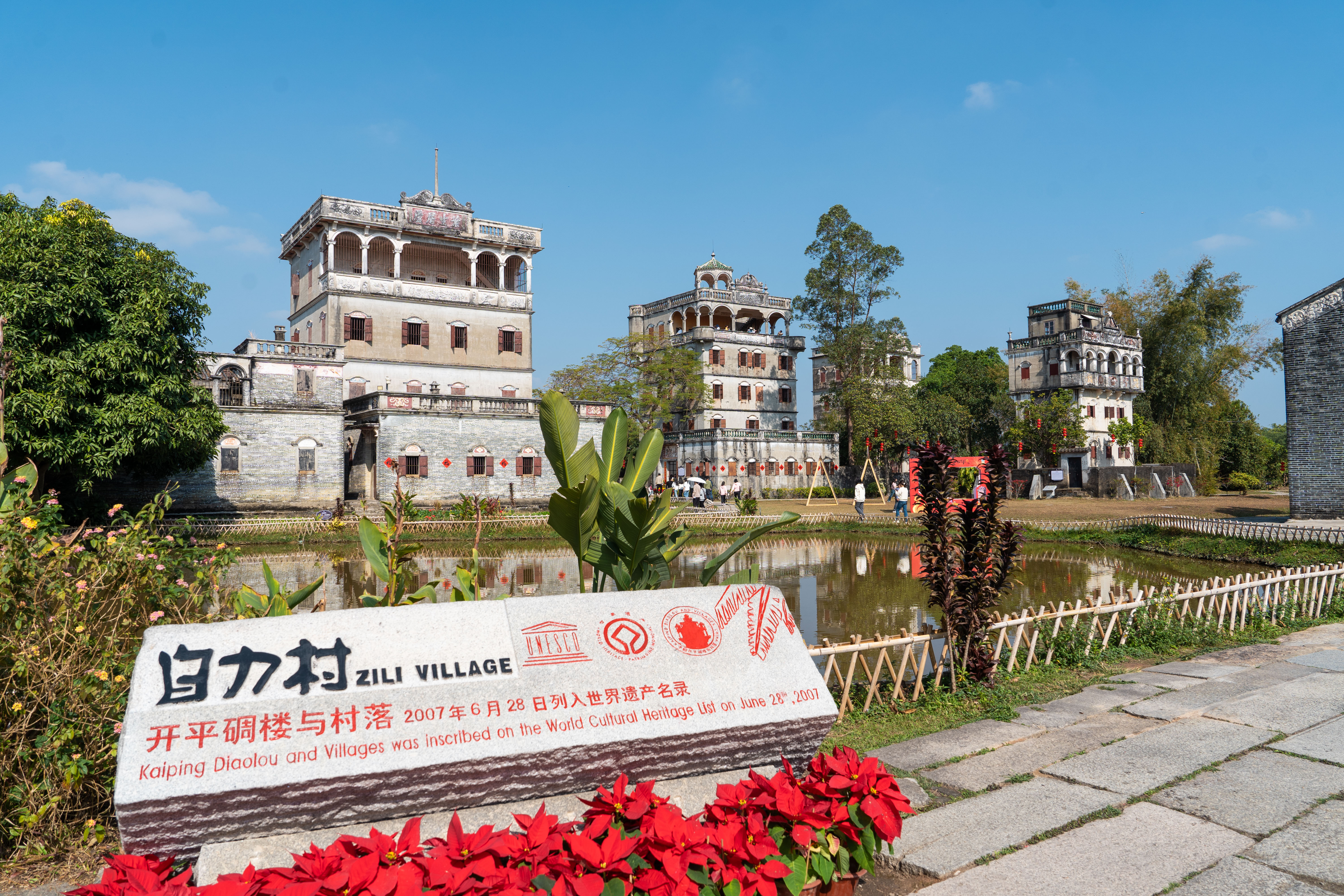
Although located in Kaiping, as the only World Cultural Heritage in Guangdong, it is often combined with Chaoshan tours, so listed here.
Explore rich intangible cultural heritage and traditional crafts
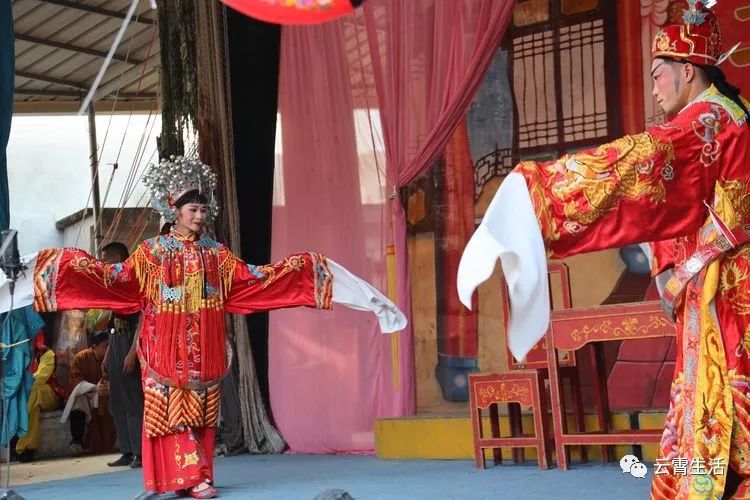
Local opera of Chaoshan, sung in Chaoshan dialect, listed as a national intangible cultural heritage.
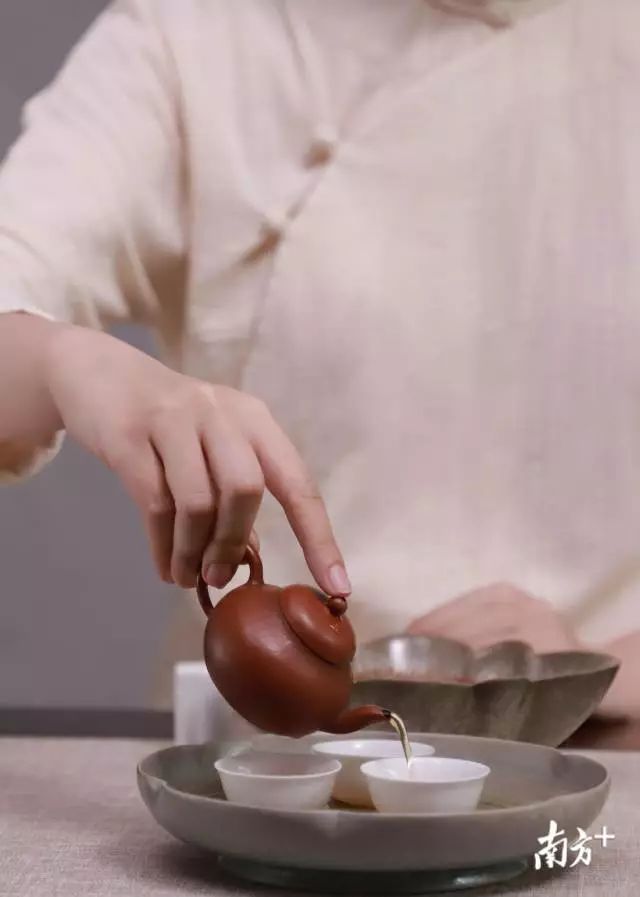
Unique tea brewing technique in Chaoshan, emphasizing etiquette and tasting, a national intangible heritage.
Must-know transportation for exploring the city
Located in Jieyang, about 40 km from downtown Shantou, with direct flights to major domestic cities and Southeast Asia.
Ticket prices vary by route
Stops on the Xiamen-Shenzhen high-speed railway, connecting cities like Shenzhen and Xiamen, located in the city center.
Second-class seat to Shenzhen about 100 yuan
Covers downtown and surrounding attractions, fare starts at 2 yuan, supports QR code payment.
From 2 yuan
Taste the most authentic and popular local specialties
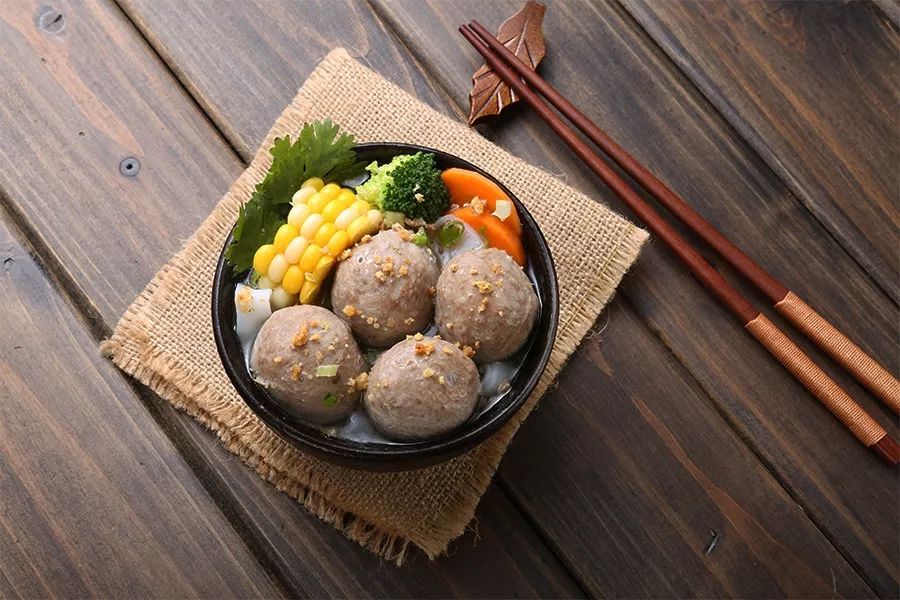
Made from fresh beef pounded by hand, bouncy and juicy, a representative of Chaoshan cuisine.
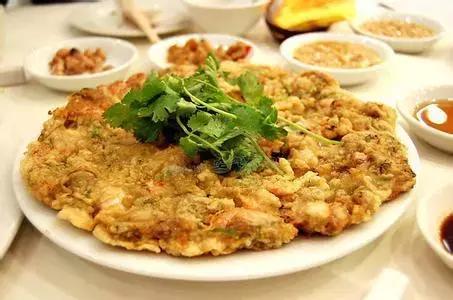
Pan-fried with fresh oysters, eggs, and sweet potato starch, crispy outside and tender inside, best with fish sauce.
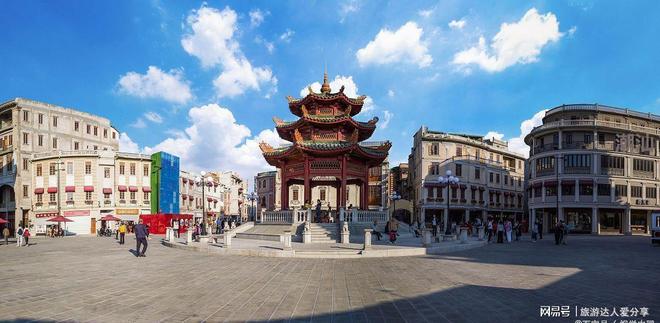
A block of arcade buildings centered around the Sun Yat-sen Memorial Pavilion, preserving many Republican-era buildings, representing Shantou's historical style.
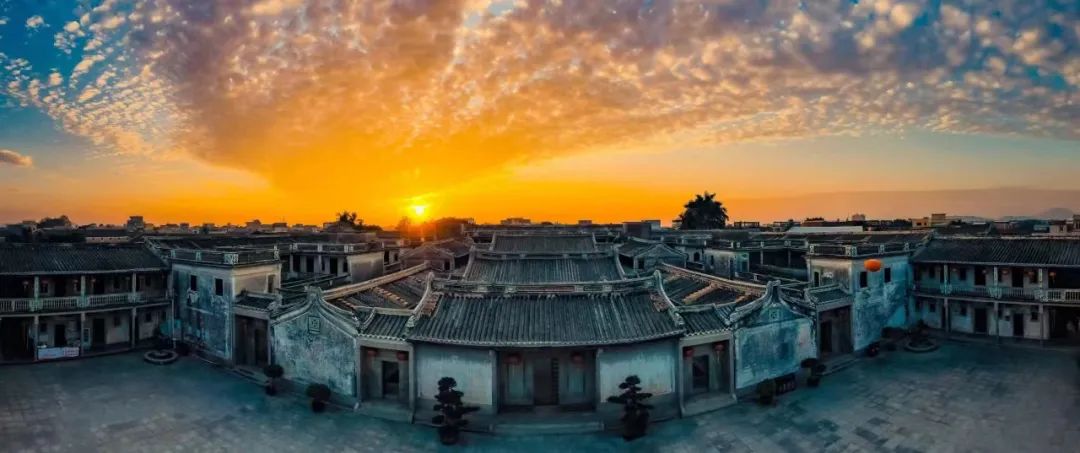
Famous overseas Chinese mansion built in late Qing, blending Chinese and Western architecture, known as 'the first overseas Chinese residence in Lingnan'.
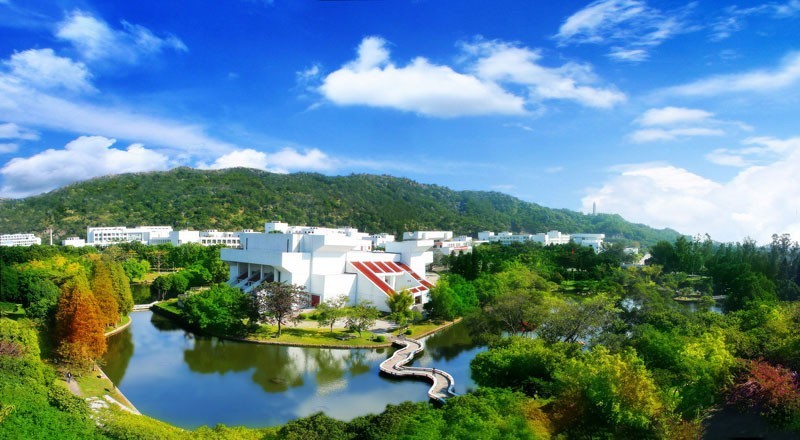
A university funded by Li Ka-shing, with unique campus architecture, known as 'the most beautiful library in Asia'.
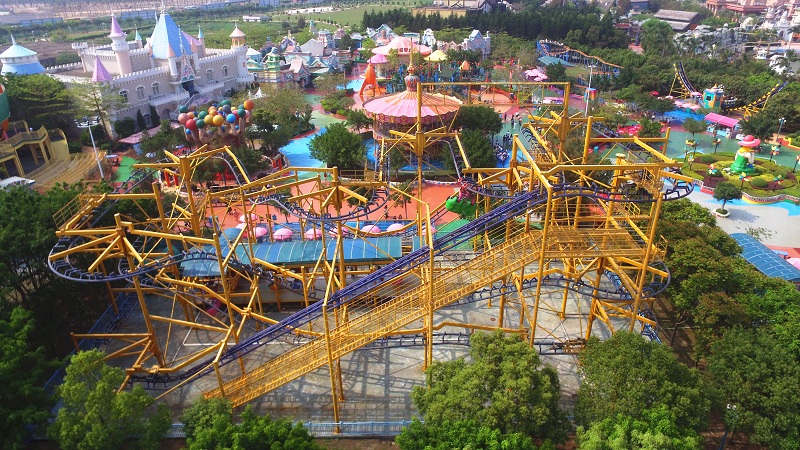
Large theme park featuring sci-fi and animation, suitable for family fun.
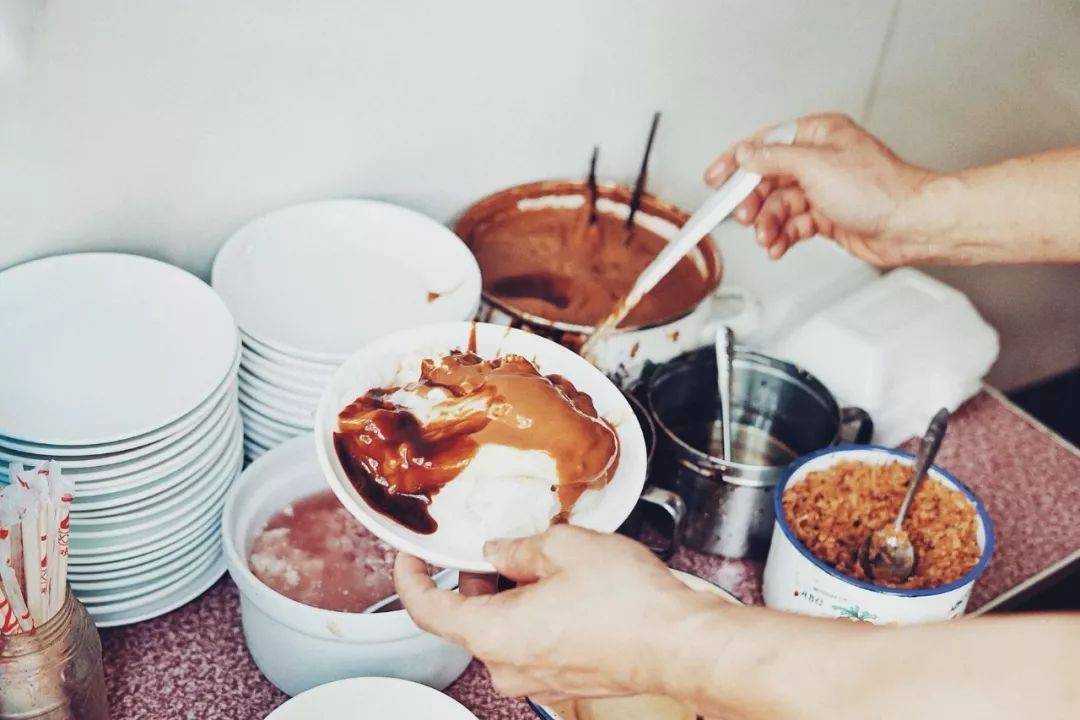
Steamed thin rice sheet wrapped with shrimp, pork, egg, etc., topped with special sauce, smooth and tender.
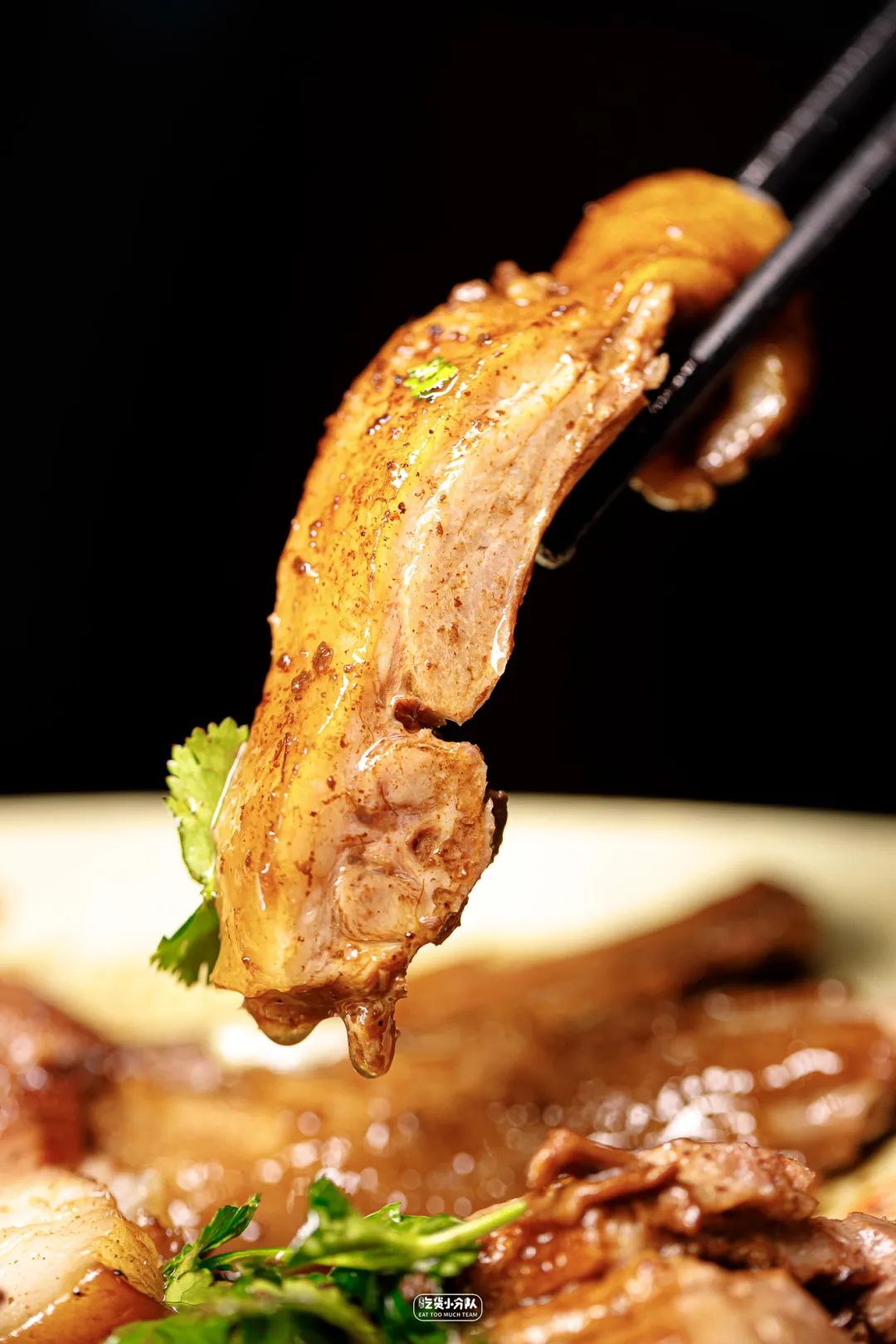
Made from lion-head goose, slow-braised in aged marinade, tender and flavorful, a must-have at Chaoshan banquets.
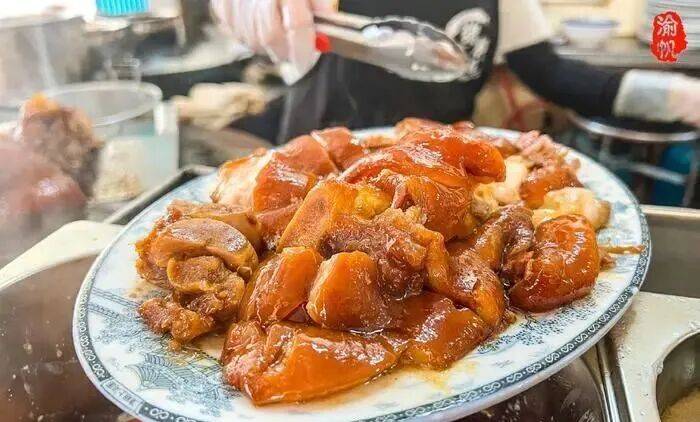
Braised pork trotters until soft and flavorful, served with rice and pickled vegetables, a Chaoshan specialty fast food.
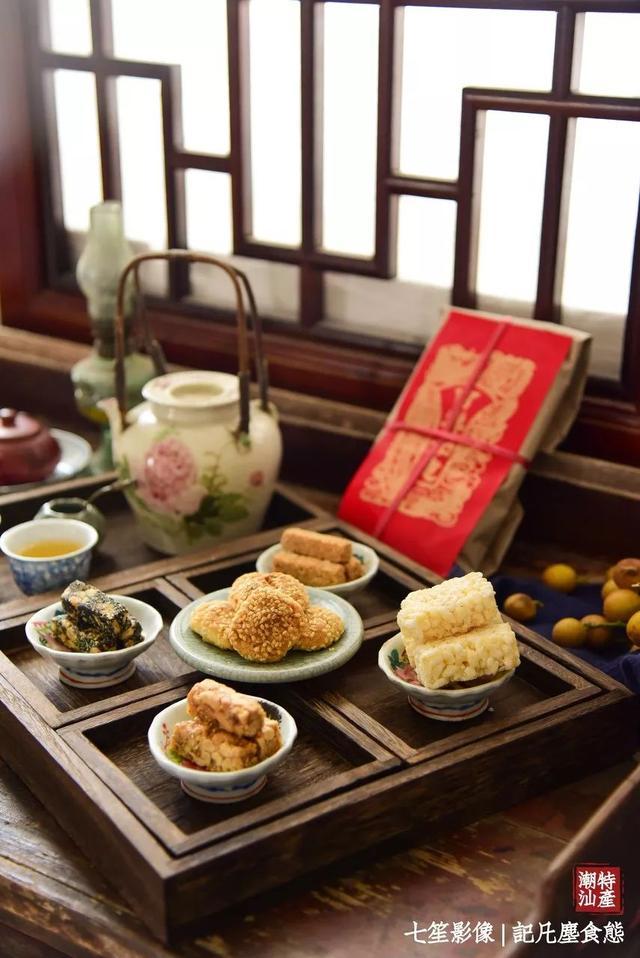
Not food but essence of Chaoshan culture, represented by Fenghuang Dancong tea, elaborate brewing process, with a sweet aftertaste.