
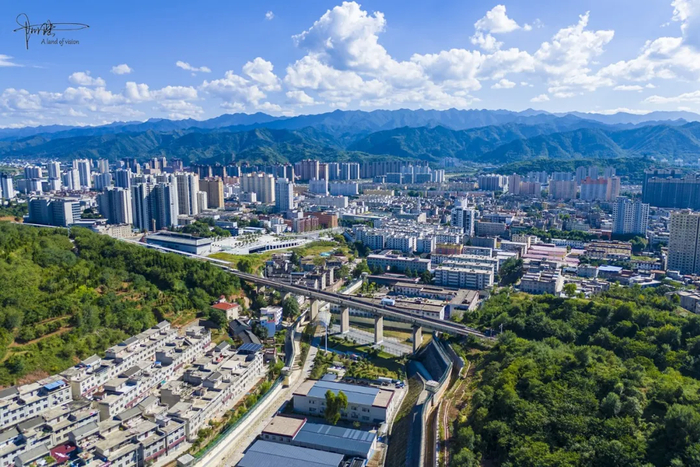
Located in the southeast of Shaanxi Province, at the southern foot of the eastern Qinling Mountains, Shangluo enjoys a mild and humid climate with four distinct seasons. The annual average temperature is 12.9°C, annual precipitation is about 800 mm, and the forest coverage rate is as high as 67%, earning it the reputation of a 'natural oxygen bar'.
Shangluo has a long history. During the Xia, Shang, and Zhou dynasties, it was part of the ancient Liangzhou region. In the Warring States period, it belonged to the border between Qin and Chu, and it got its name from Shang Yang's fiefdom. The Tang Dynasty poet Bai Juyi visited Shangluo many times, leaving behind famous lines such as 'On the road to fame and fortune in Shangshan, walking alone in the night rain'.
Shangluo is known as the 'Hometown of Chinese Drama'. Local operas like Shangluo Huagu and Shangluo Daoqing are listed as national intangible cultural heritage. The cuisine features Qinling mountain delicacies such as Shangluo walnuts, Shangluo chestnuts, and Shangluo tofu, which are fresh and flavorful.
Modern Shangluo leverages its ecological advantages to develop green industries and wellness tourism, becoming the backyard garden of Xi'an. The continuous improvement of transportation networks, including the Xi'an-Kang and Xi'an-Wuhan high-speed railways, promotes high-quality economic development.
The best time to visit 商洛 is Spring and Autumn (March-May, September-November).
Spring (March-May): Shangluo is covered with blooming mountain flowers with pleasant temperatures, ideal for hiking and flower viewing. Azaleas bloom in Jinsixia and other scenic areas, creating stunning views.
Summer (June-August): Although temperatures are higher, the mountainous areas are cool, making it a good time for summer escape. Outdoor activities like rafting and camping are available.
Autumn (September-November): Clear skies and colorful foliage make it the best season for photography and hiking. Walnuts and chestnuts ripen, offering picking experiences.
Duke Xiao of Qin granted Shang Yang the land of Shang (present-day Shangluo), from which the city derived its name.
Tang dynasty poet Bai Juyi visited Shangluo many times, leaving behind several popular poems.
Shangluo Prefecture was upgraded to a prefecture-level city, governing districts such as Shangzhou and Luonan.
Recommended places to visit
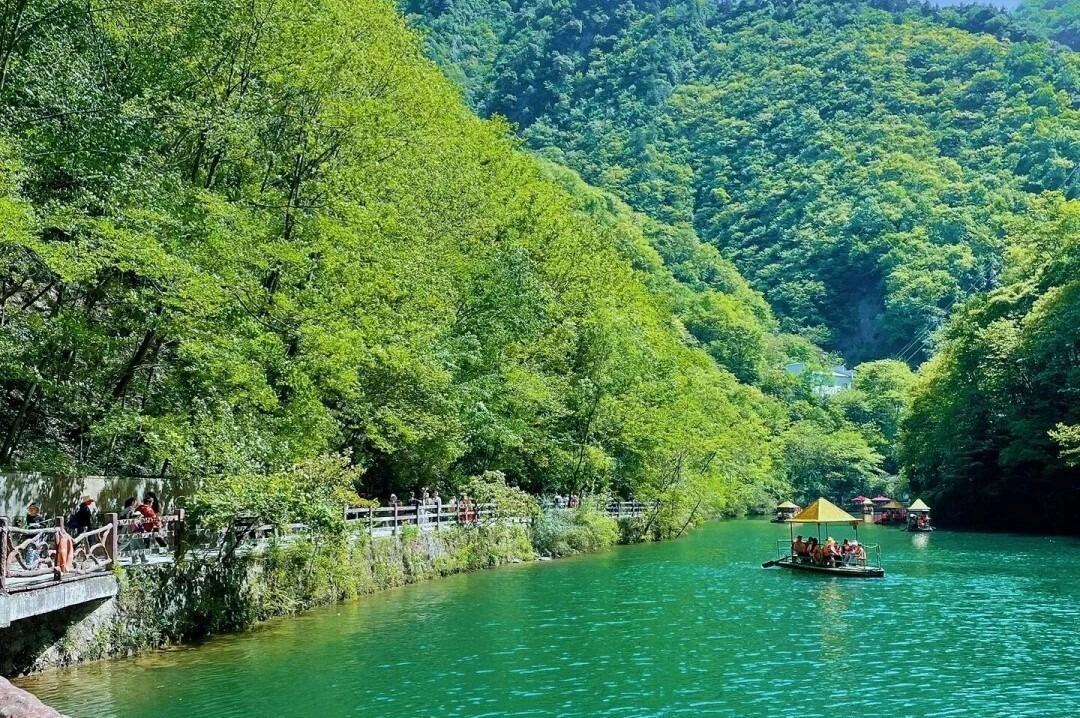
A national 5A scenic area known for its canyons, waterfalls, and primeval forests, hailed as 'China's most beautiful canyon'.
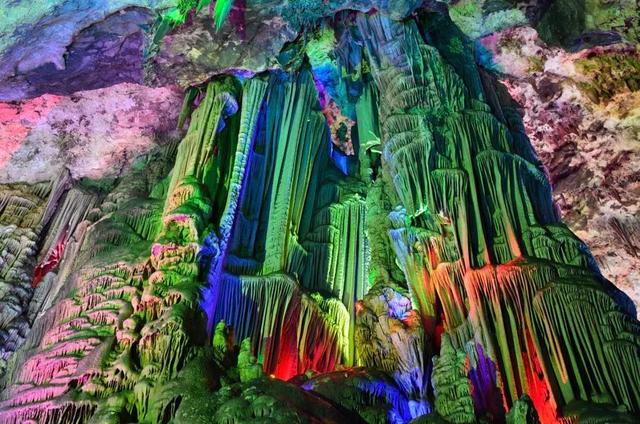
A national 4A scenic area consisting of multiple karst caves with spectacular stalactites, known as 'a wonder of the north'.
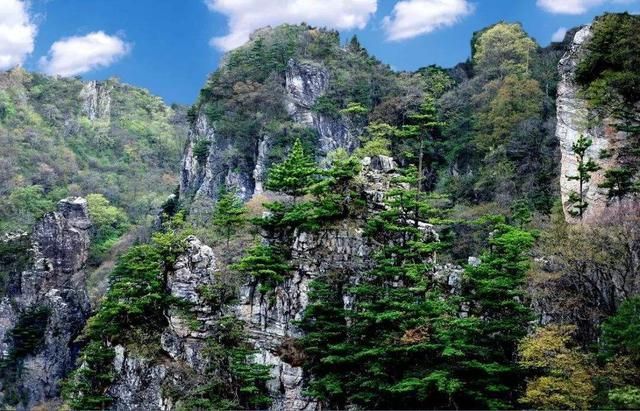
Explore rich intangible cultural heritage and traditional crafts
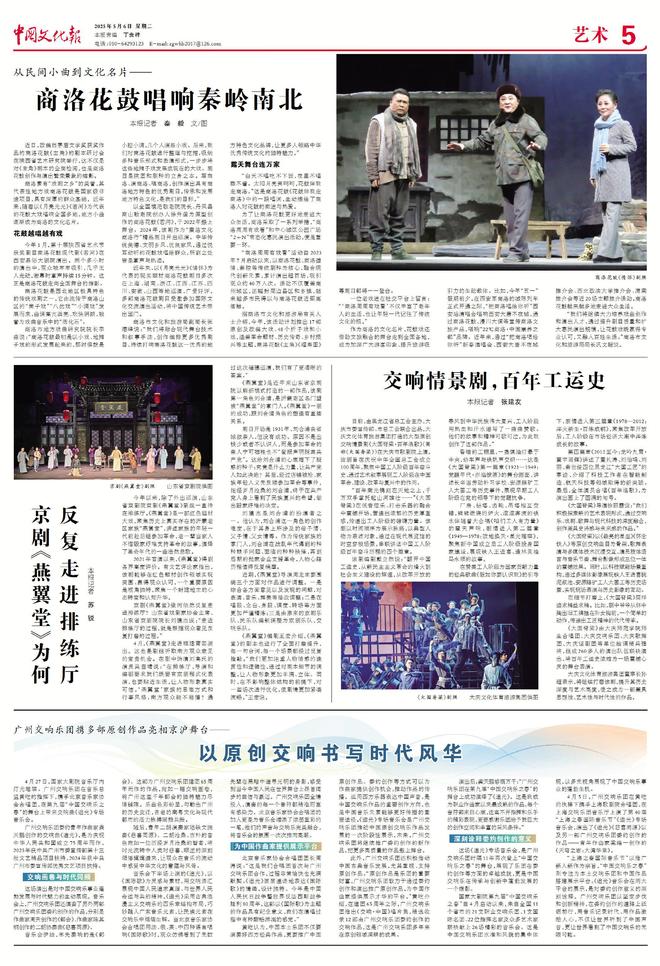
A local opera of Shaanxi, accompanied by flower drums, with lively performances, listed as national intangible cultural heritage in 2006.
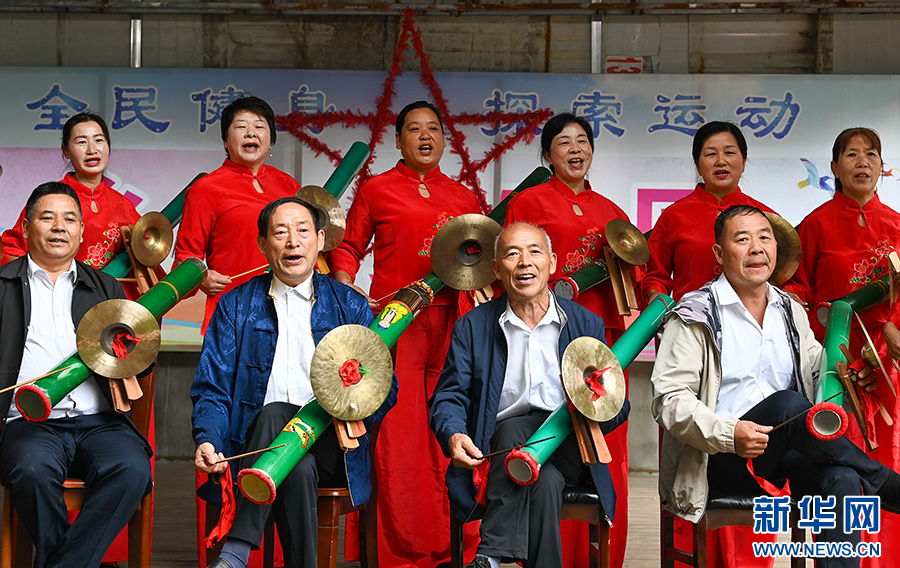
A narrative art form originating from Taoist music, with melodious tunes, listed as national intangible cultural heritage in 2008.
Must-know transportation for exploring the city
High-speed rail from Xi'an to Shangluo takes about 1 hour, with stations including Shangluo and Shangluo North.
Approx. 50-80 RMB
Buses from Xi'an South Coach Station to Shangluo take about 2 hours.
Approx. 30-50 RMB
Shangluo currently has no civil airport; fly to Xi'an Xianyang International Airport and transfer by high-speed rail or bus.
Depends on route
Taste the most authentic and popular local specialties
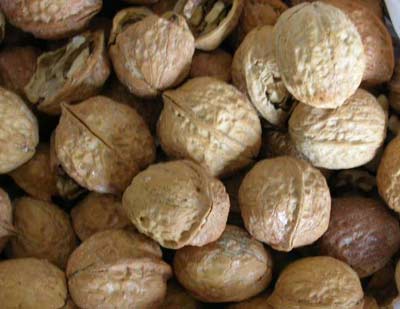
A specialty of Shangluo, with thin shell and large kernel, rich in nutrition, known as 'longevity fruit'.
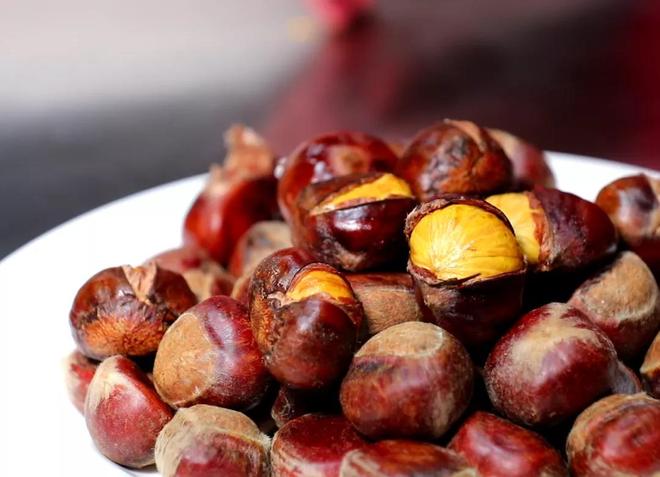
Large, plump, sweet and soft, can be sugar-roasted or used in soups.
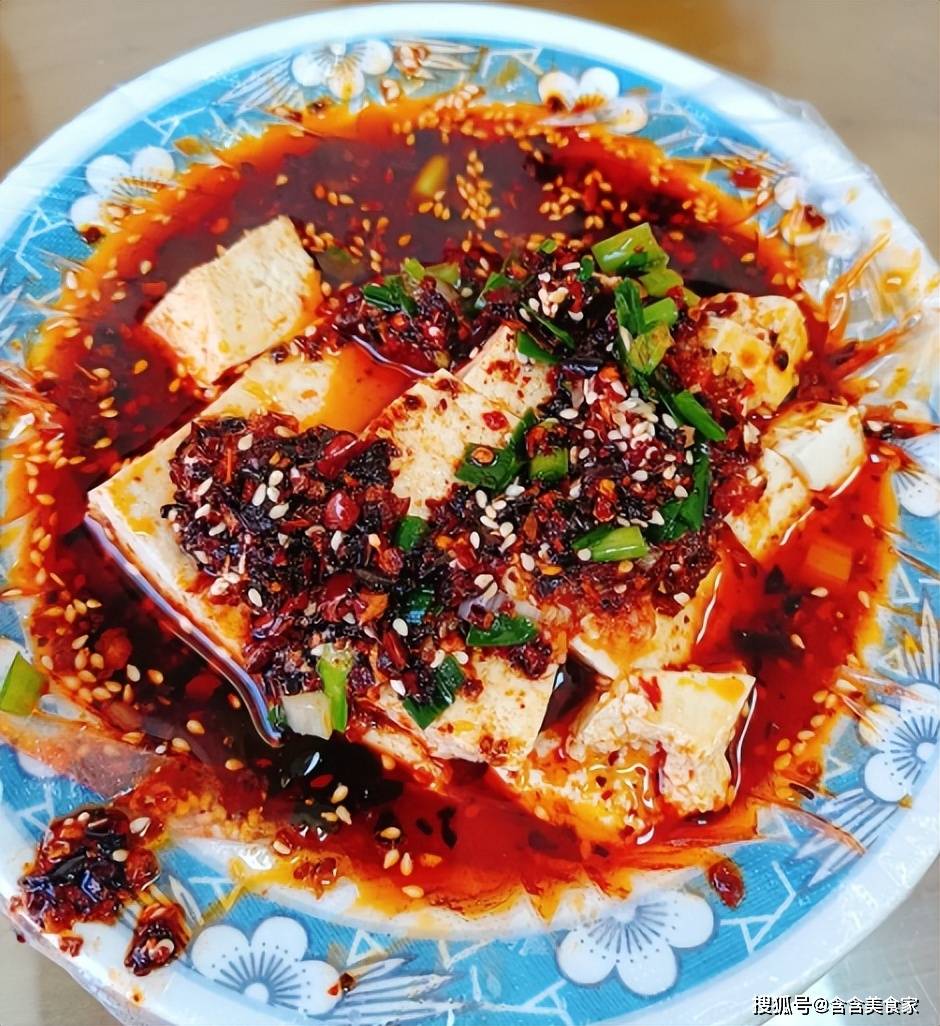
Made with Qinling mountain spring water, tender and smooth with rich bean flavor, served in tofu feasts.
A national 4A scenic area, the highest peak of the eastern Qinling Mountains, with dense primeval forests, a summer resort.
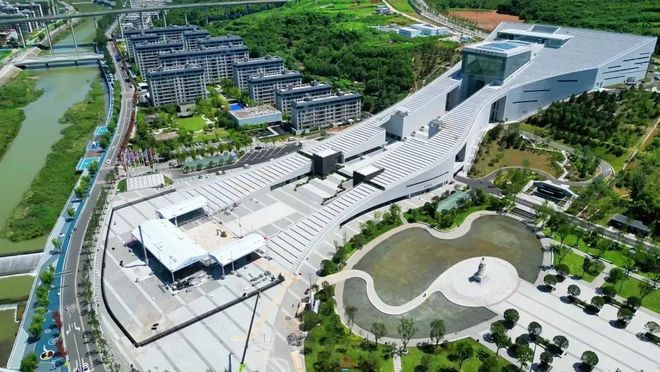
A comprehensive museum showcasing Shangluo's history and culture, with rich collections including artifacts related to Shang Yang's fiefdom.
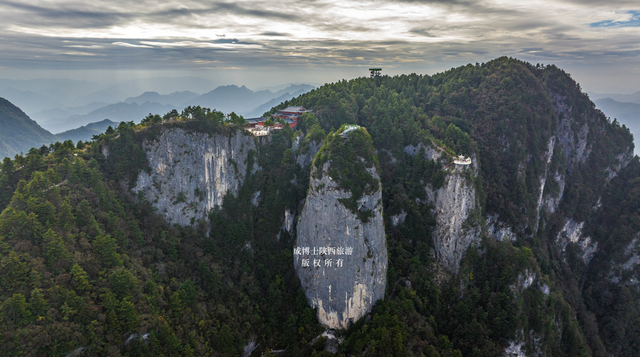
A national 4A scenic area, a famous Taoist mountain with steep terrain and spectacular sea of clouds, known as 'Little Emei of Qinling'.
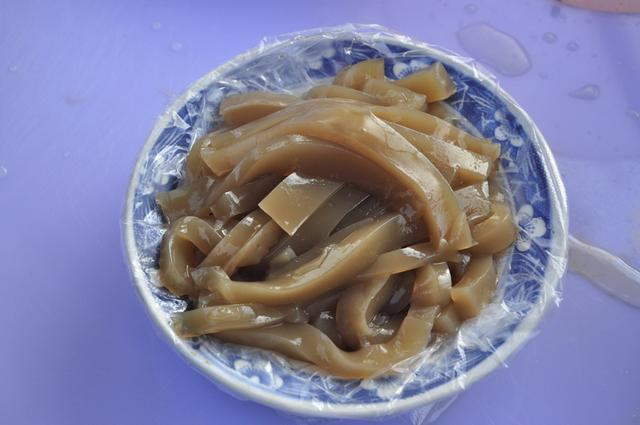
Made from acorn powder, smooth texture, sour and spicy, a local specialty snack.
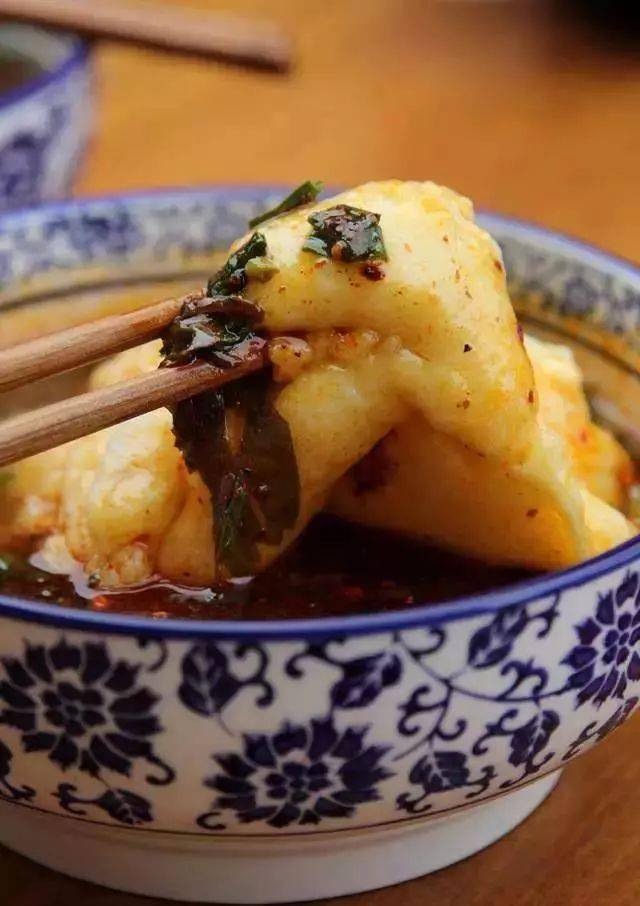
Steamed glutinous rice pounded into a paste, crispy outside and chewy inside, served with sugar or honey.