
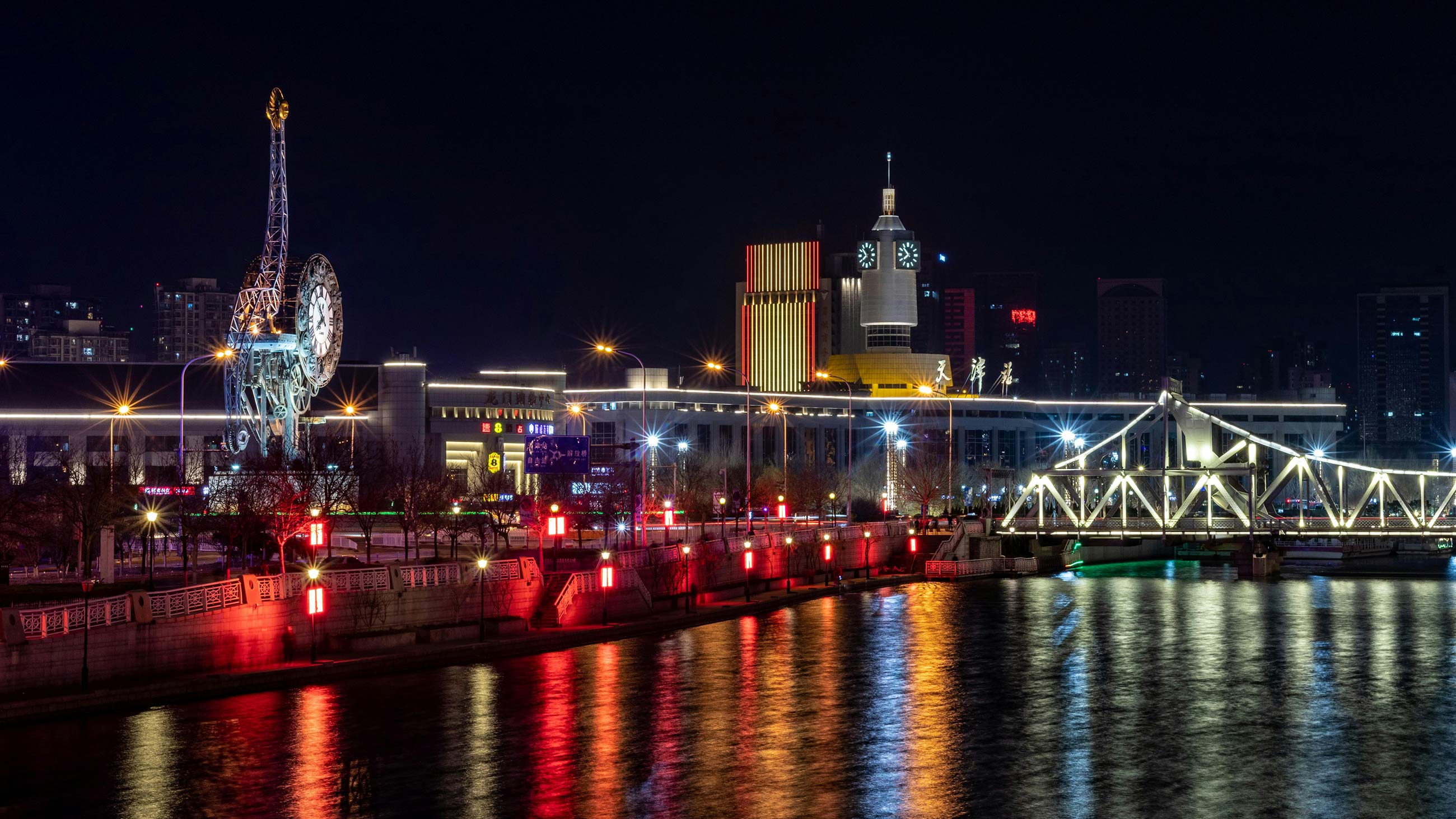
Tianjin is located in the northeastern part of the North China Plain, bordering the Bohai Sea to the east and the Yanshan Mountains to the north, with the Haihe River flowing through the city. It has a warm temperate semi-humid continental monsoon climate, with four distinct seasons: hot and rainy summers, cold and dry winters, and mild and pleasant springs and autumns.
Tianjin has a long history and has been a key hub for grain transport by water and an important military town since ancient times. After opening as a port in 1860, it became one of the earliest trading ports in northern China, where Chinese and Western cultures blended, leaving behind the unique architectural styles of nine foreign concessions. The city is characterized by a fusion of ancient and modern, Chinese and Western elements, featuring both the traditional Tianjin folk customs on Ancient Culture Street and the foreign-style villas on the Five Great Avenues.
Tianjin boasts a profound cultural heritage, with cross-talk and clapper talk being renowned nationwide, and its citizens enjoy a leisurely lifestyle. The city's cuisine is famous for "Tianjin dishes" and "snacks," such as Goubuli steamed buns, jianbing guozi (fried pancake rolls), and Erduoyan fried cakes, all of which are mouthwatering. Tianjin locals are warm and hospitable, with teahouses and cross-talk venues being popular social hotspots.
As one of China's four direct-administered municipalities, Tianjin is an important port city and industrial base in the north. In recent years, the Binhai New Area has developed rapidly, and the throughput of Tianjin Port ranks among the top in the world. In the future, Tianjin will leverage the Belt and Road Initiative and the Beijing-Tianjin-Hebei coordinated development strategy to build itself into an international modern metropolis.
The best time to visit 天津 is Spring and autumn are the best seasons to visit Tianjin..
The best time to visit Tianjin is in spring (April to May) and autumn (September to November). During these seasons, the temperature is moderate, the weather is clear, and there is less rainfall, making them very suitable for outdoor activities and sightseeing. Summer is hot and humid, while winter is cold and dry, but winter offers unique ice and snow activities.
Spring (March-May): Tianjin's spring is warm with flowers in full bloom, especially the Peach Blossom Embankment in April and Jizhou Pear Garden in May, both offering charming scenery. During this time, you can join the Tianjin Canal Peach Blossom Festival, stroll along the Haihe River, and soak in the vibrant spring atmosphere. It is recommended to wear a light jacket and long pants.
Autumn (September-November): Tianjin's autumn features clear skies and cool weather, making it an ideal season for climbing high and enjoying distant views. The red leaves of Panshan Mountain and the autumn scenery of Water Park are must-see beauties. The Tianjin International Tourism Festival and the Yuyang Golden Autumn Tourism Festival from late September to early October are worth attending. It is recommended to wear long-sleeved shirts and light jackets.
Ming Chengzu, Zhu Di, ordered the establishment of a garrison and the construction of a city in Tianjin, serving as a military fortress and a hub for grain transport by water. Tianjin was formally named, meaning 'the emperor's ferry crossing.'
Recommended places to visit
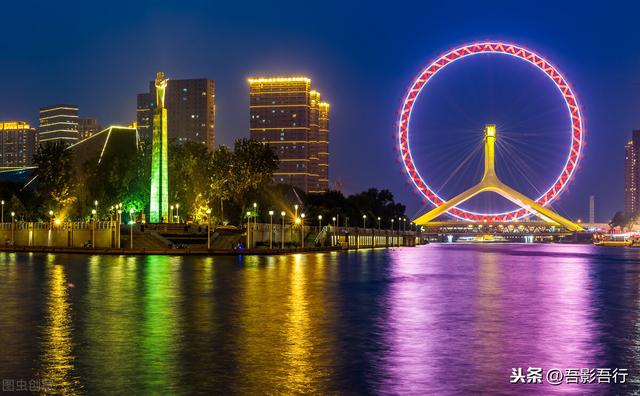
The world's only Ferris wheel built on a bridge, with a diameter of 110 meters, offering views of the Haihe River and the city skyline.
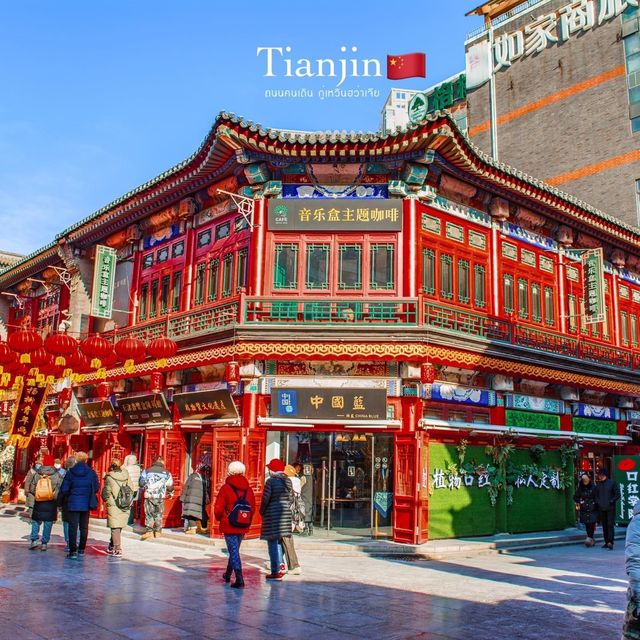
Located in Nankai District, it showcases Tianjin's folk culture, featuring time-honored shops such as Clay Figure Zhang and Yangliuqing New Year Paintings, and offers a taste of Tianjin-style snacks.
UNESCO World Heritage Sites
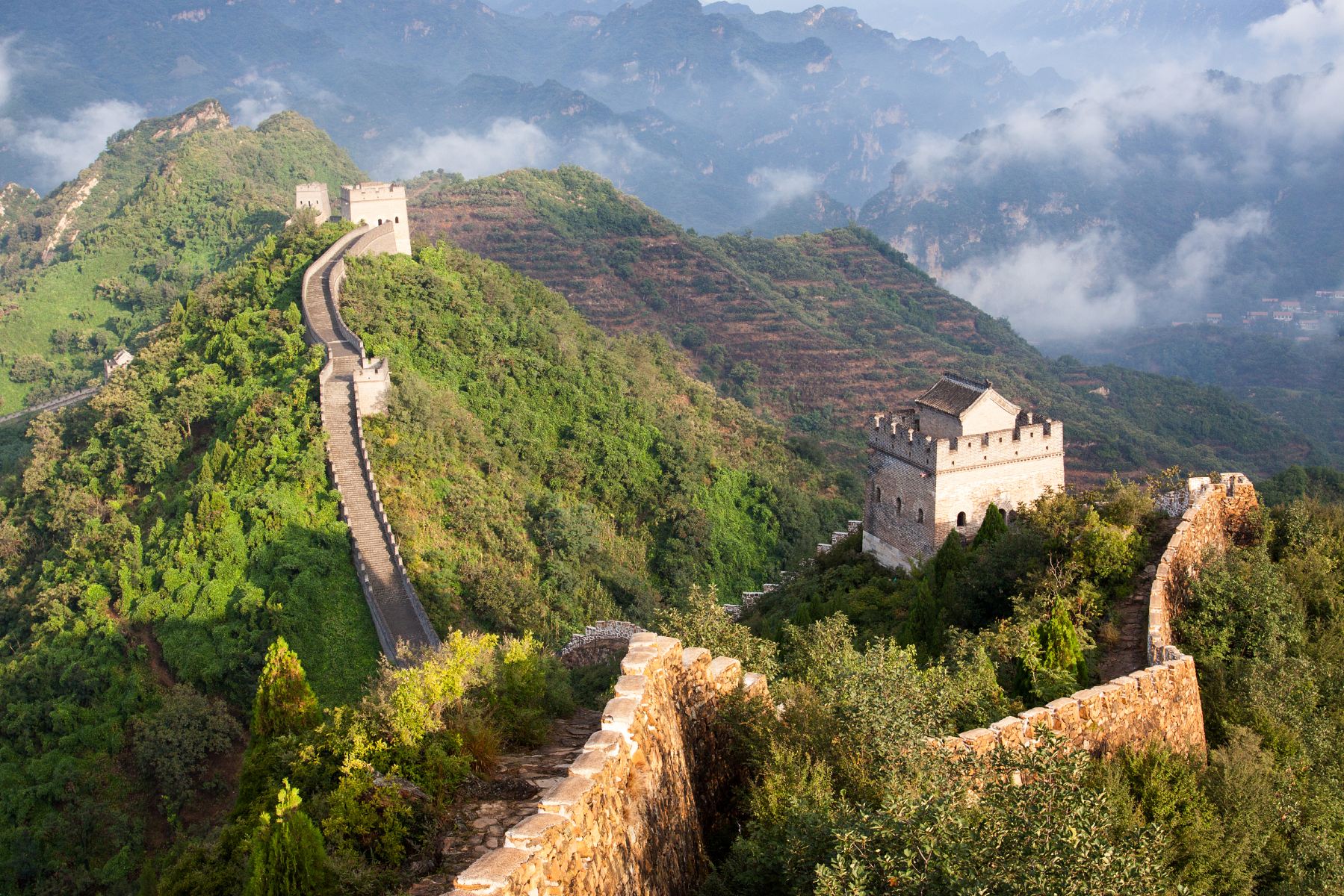
The Ming Great Wall's important pass, located in Jizhou District, renowned for its majesty and peril, is listed in the World Heritage 'Great Wall' project.
Explore rich intangible cultural heritage and traditional crafts
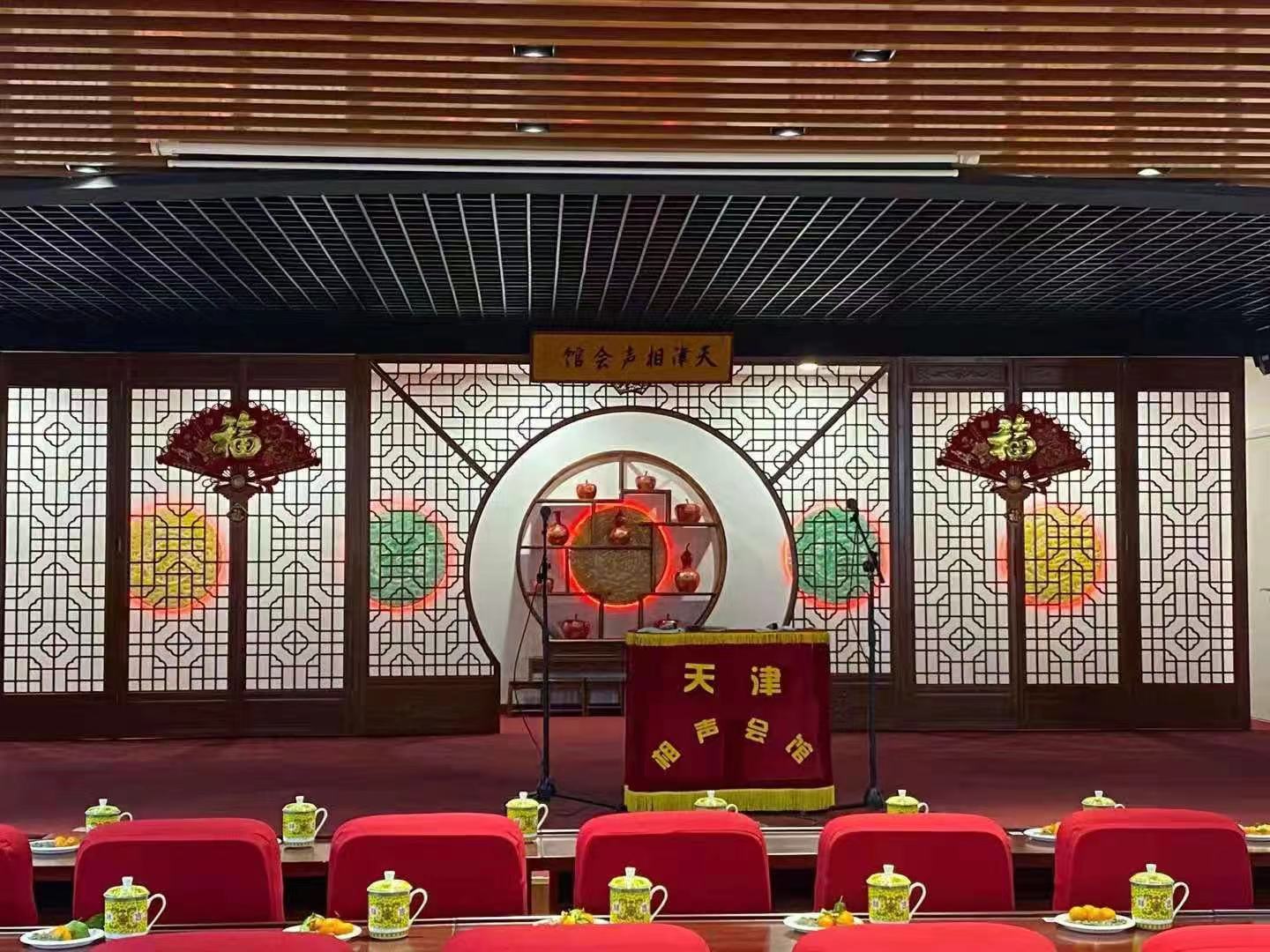
National-level intangible cultural heritage, characterized by speaking, imitating, teasing, and singing. Tianjin is an important birthplace and thriving hub for the art of crosstalk (xiangsheng).
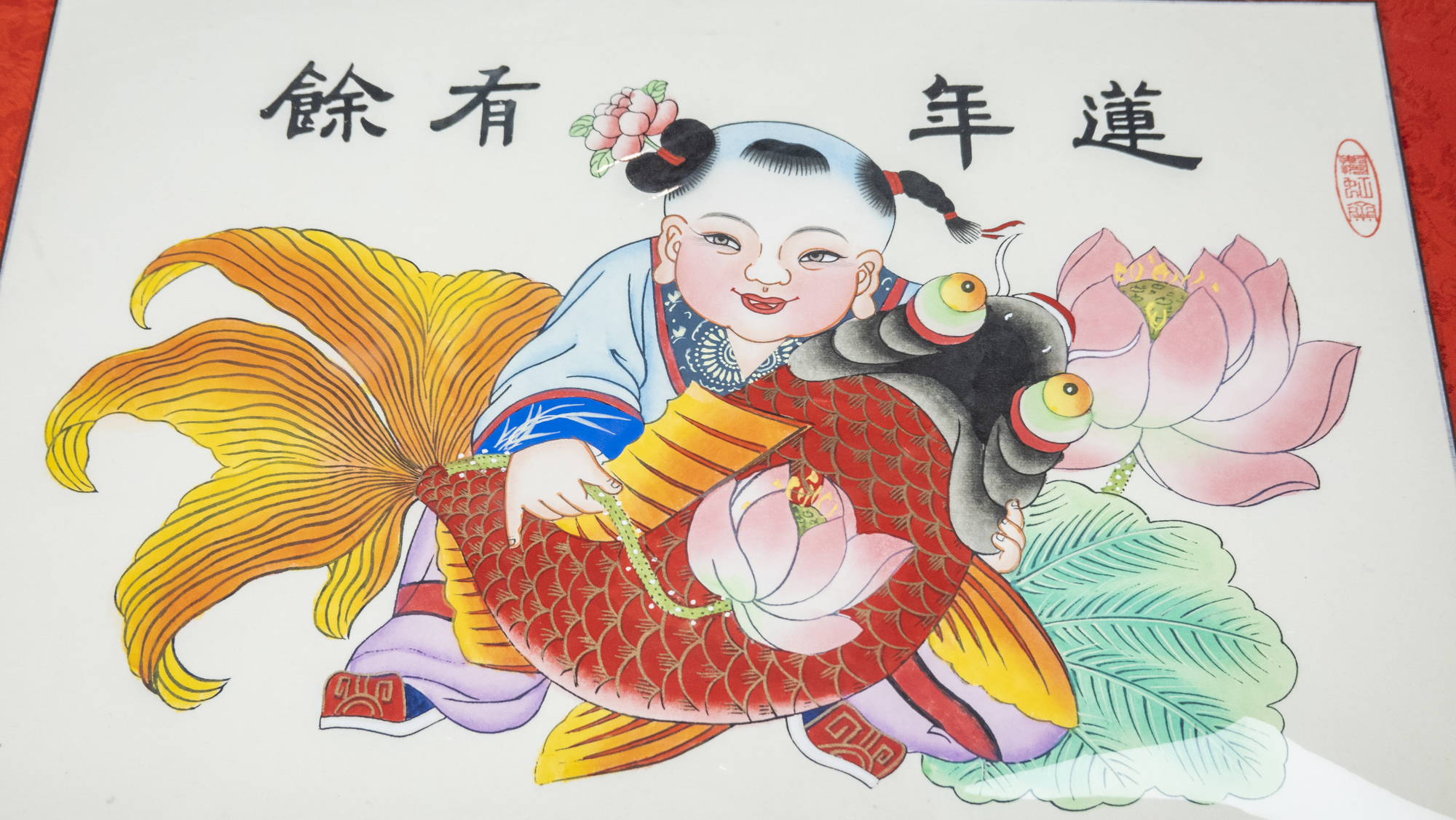
The national intangible cultural heritage, originating from Yangliuqing Town in Tianjin, is characterized by vibrant colors and auspicious themes, making it a treasure of Chinese folk art.
Must-know transportation for exploring the city
Located in Dongli District, about 13 kilometers from the city center. It offers a wide range of domestic and international flight routes, with airport shuttles and Metro Line 2 connecting to the city, and taxis taking about 40 minutes.
Airport bus 15-30 yuan
Tianjin Station is located in the city center, primarily serving regular trains and the Beijing-Tianjin intercity high-speed railway; Tianjin West Station is a high-speed rail hub; Tianjin South Station is a station on the Beijing-Shanghai high-speed railway. The Beijing-Tianjin intercity train reaches Beijing in half an hour.
Beijing-Tianjin Intercity second class seat 54.5 yuan.
Lines 1, 2, 3, 5, 6, and 9 are now operational, covering major attractions and transportation hubs. The bus fare is 2 yuan, and mobile payment is supported. Additionally, you can take a ferry to cruise along the Haihe River.
Taste the most authentic and popular local specialties
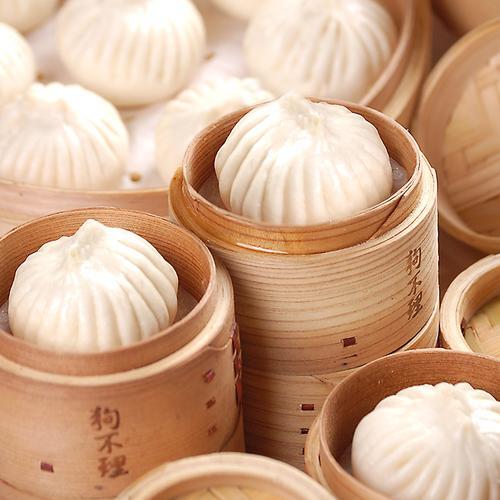
Tianjin's most famous baozi, with thin skin and generous filling, evenly pleated, boasting a long history and said to have originated in the Qing Dynasty.
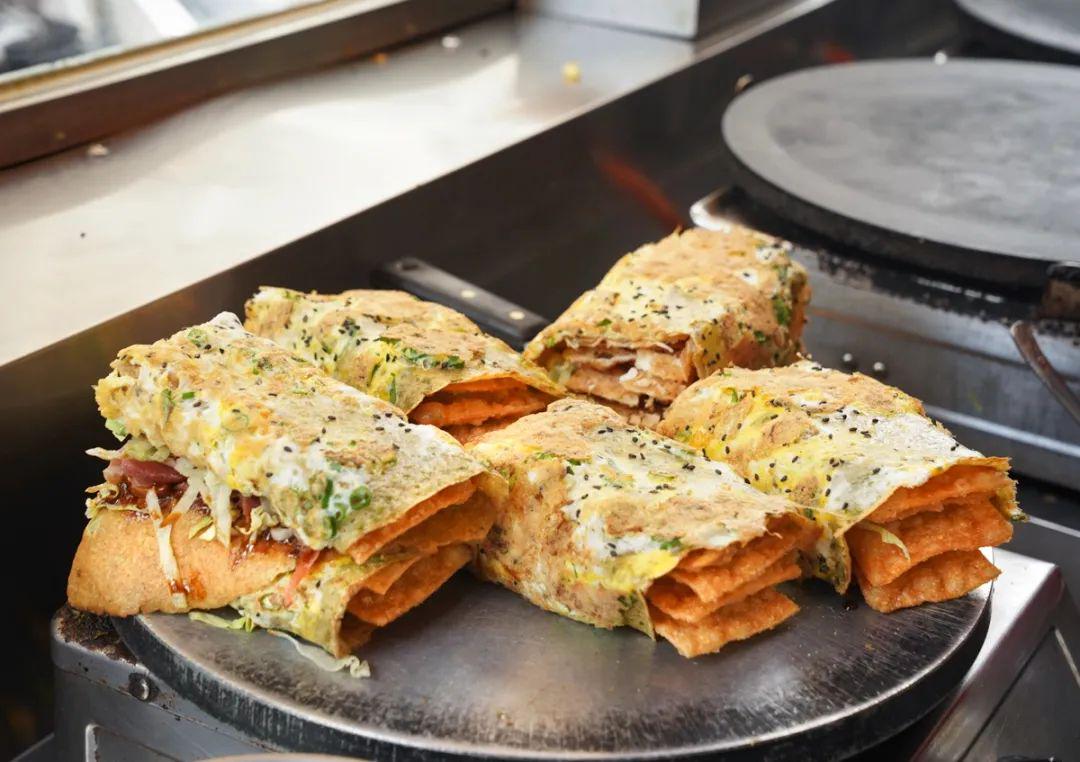
Tianjin locals' favorite breakfast: a thin pancake made from mung bean flour, topped with an egg, filled with fried dough sticks or crispy fritters, and brushed with bean sauce and chili sauce.
After the Second Opium War, the Treaty of Beijing stipulated that Tianjin be opened as a treaty port, and countries such as Britain, France, and the United States established concessions, rapidly turning Tianjin into a frontier of northern China's opening to the outside world.
The Boxers resisted foreign forces in Tianjin. The Eight-Nation Alliance captured Tianjin, causing severe damage to the city, but it was later rebuilt and began its modernization process.
On January 15, 1949, the People's Liberation Army captured Tianjin, marking its liberation and establishing it as an important industrial city in New China.
The State Council approved the Tianjin Binhai New Area as a national comprehensive reform pilot zone, promoting Tianjin as the economic center of the North and Tianjin Port as a world-class port.
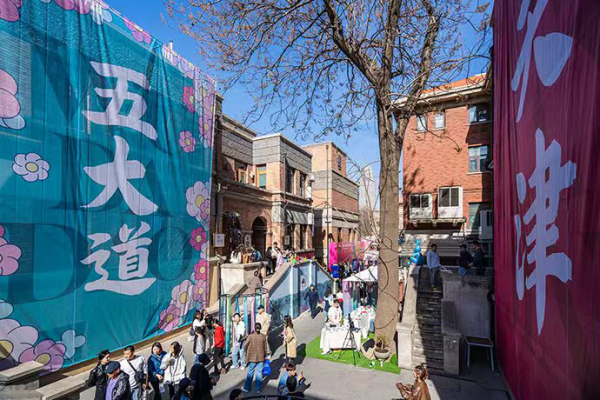
With over 2,000 small Western-style buildings featuring English, French, Italian, and other architectural styles, it is known as the 'Museum of International Architecture' and can be explored by horse-drawn carriage.
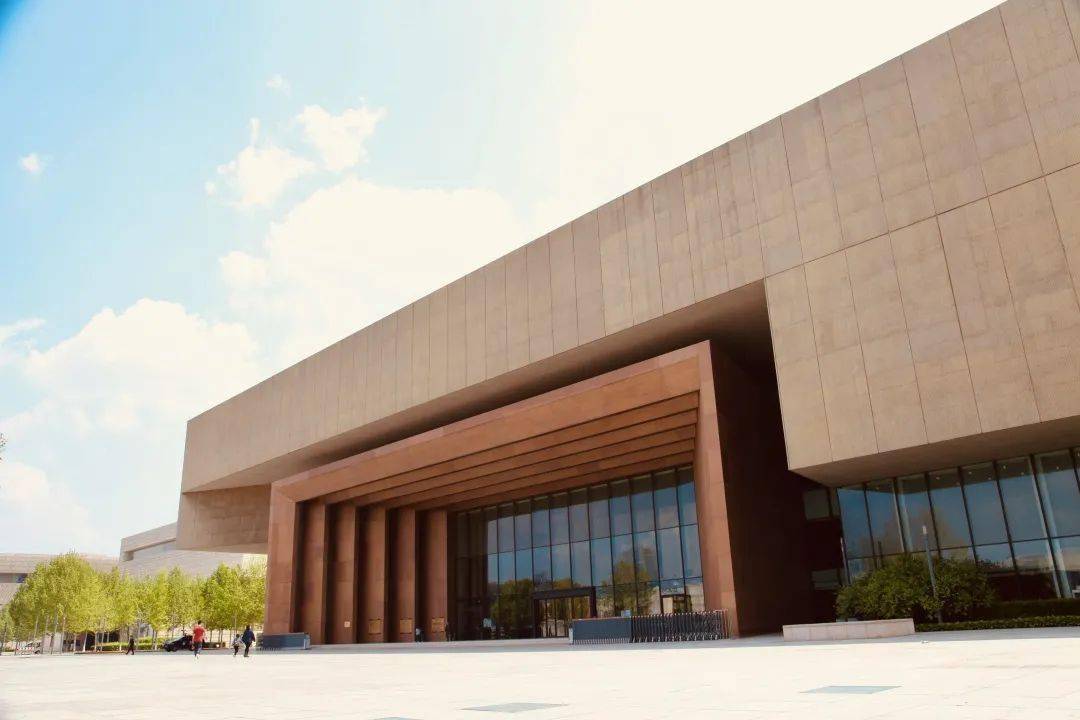
The museum houses over 200,000 cultural relics, including ancient bronzes, ceramics, paintings, and calligraphy, making it an excellent place to learn about Tianjin's history and culture.
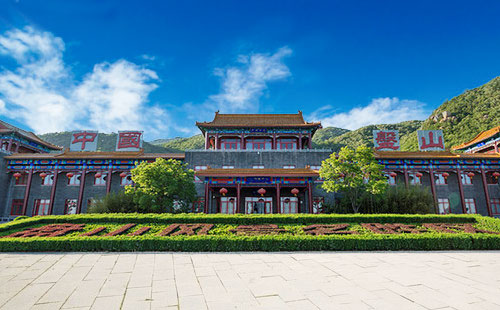
Located in Jizhou District, this Qing Dynasty imperial garden is renowned for the "Three Plates of Scenic Wonders." In autumn, the hills are covered with red leaves, making it a popular destination for mountain climbing and sightseeing.
Subway 2-10 yuan
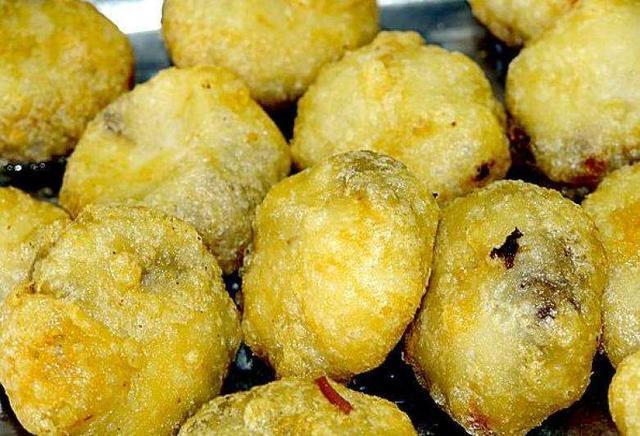
Tianjin traditional dessert: glutinous rice dough wrapped with red bean paste filling, deep-fried until golden, crispy on the outside and chewy on the inside, sweet and delicious.
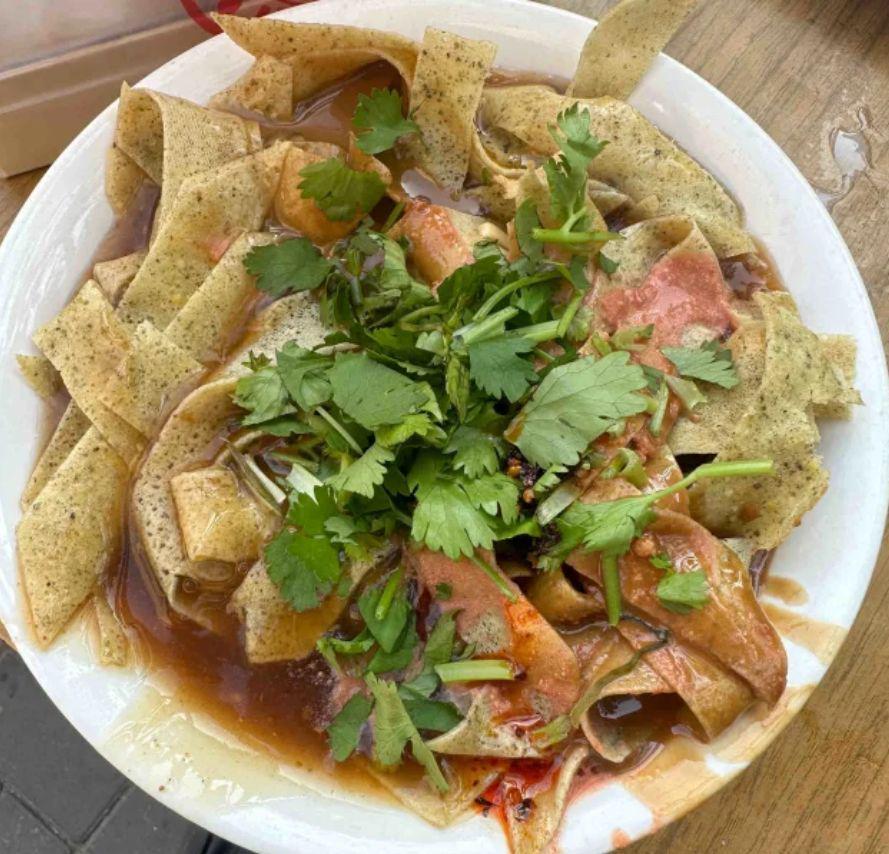
Tianjin-style breakfast: thin sheets made from mung bean flour, cut into strips, topped with gravy, and seasoned with sesame paste, chili oil, and other condiments for a unique flavor.
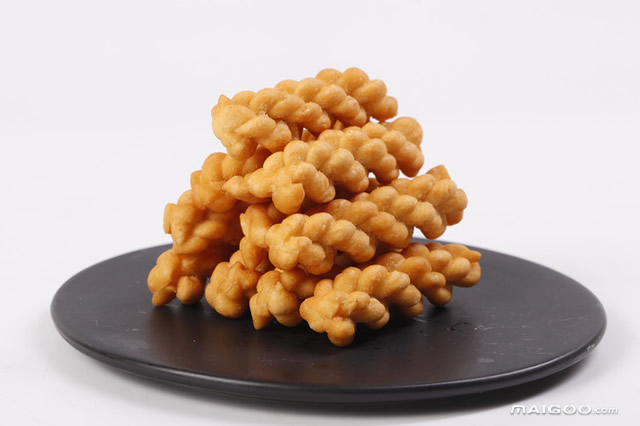
One of the three must-try specialties of Tianjin, the most famous being Guifaxiang Shiba Street Mahua, is crispy, sweet, and comes in a variety of flavors, making it a perfect gift.