
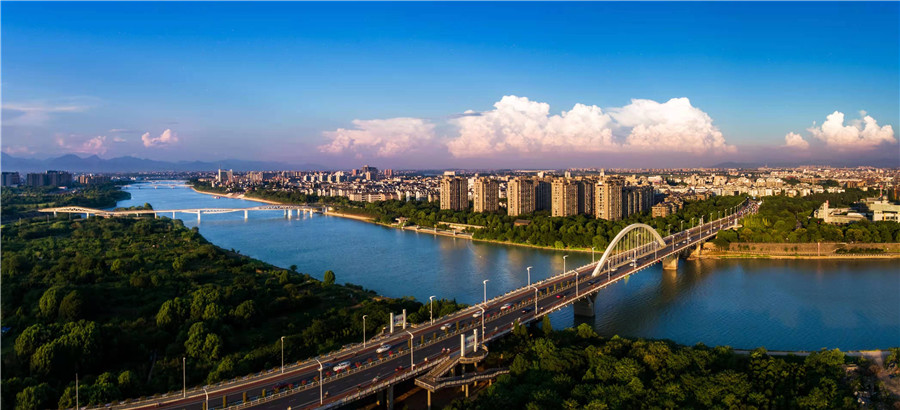
Located in western Zhejiang Province, Quzhou sits at the junction of Zhejiang, Jiangxi, Anhui, and Fujian provinces, earning it the name "Crossroads of Four Provinces." It has a subtropical monsoon climate with four distinct seasons, warm and humid, with an average annual temperature of about 17°C.
Quzhou has a long history, dating back to 192 AD when it was first established as Xin'an County. It is the ancestral home of Confucius' descendants; in the Southern Song Dynasty, the Southern Branch of the Kong family moved here, making it known as the "Holy Land of Southern Confucius."
With profound cultural heritage, Quzhou is known for its unique "Quzhou: A City of Propriety" culture. Its cuisine is famous for "Three Heads and One Paw" (rabbit head, duck head, fish head, duck paw), with a distinctive spicy flavor. Other local specialties include Quzhou baked flatbread and Longyou fermented rice cake.
Modern Quzhou serves as an ecological barrier in western Zhejiang and a key transportation hub, vigorously developing green industries and tourism. With a well-developed high-speed rail network and multiple routes from Quzhou Airport, the city is changing rapidly.
The best time to visit 衢州 is Best in spring and autumn, pleasant climate and beautiful scenery.
Spring (March-May): Warm weather, flowers in bloom, especially suitable for visiting Jianglang Mountain and Longyou Grottoes.
Autumn (September-November): Clear and crisp autumn weather, colorful forests, good for hiking and photography.
Summer (June-August): Hot, but you can escape the heat at Qianjiangyuan National Forest Park; Winter (December-February) is cold, but you can experience unique snow scenery.
In 192 AD, the third year of the Chuping era of Eastern Han, Xin'an County was established from Tai'mo County, marking the founding of Quzhou.
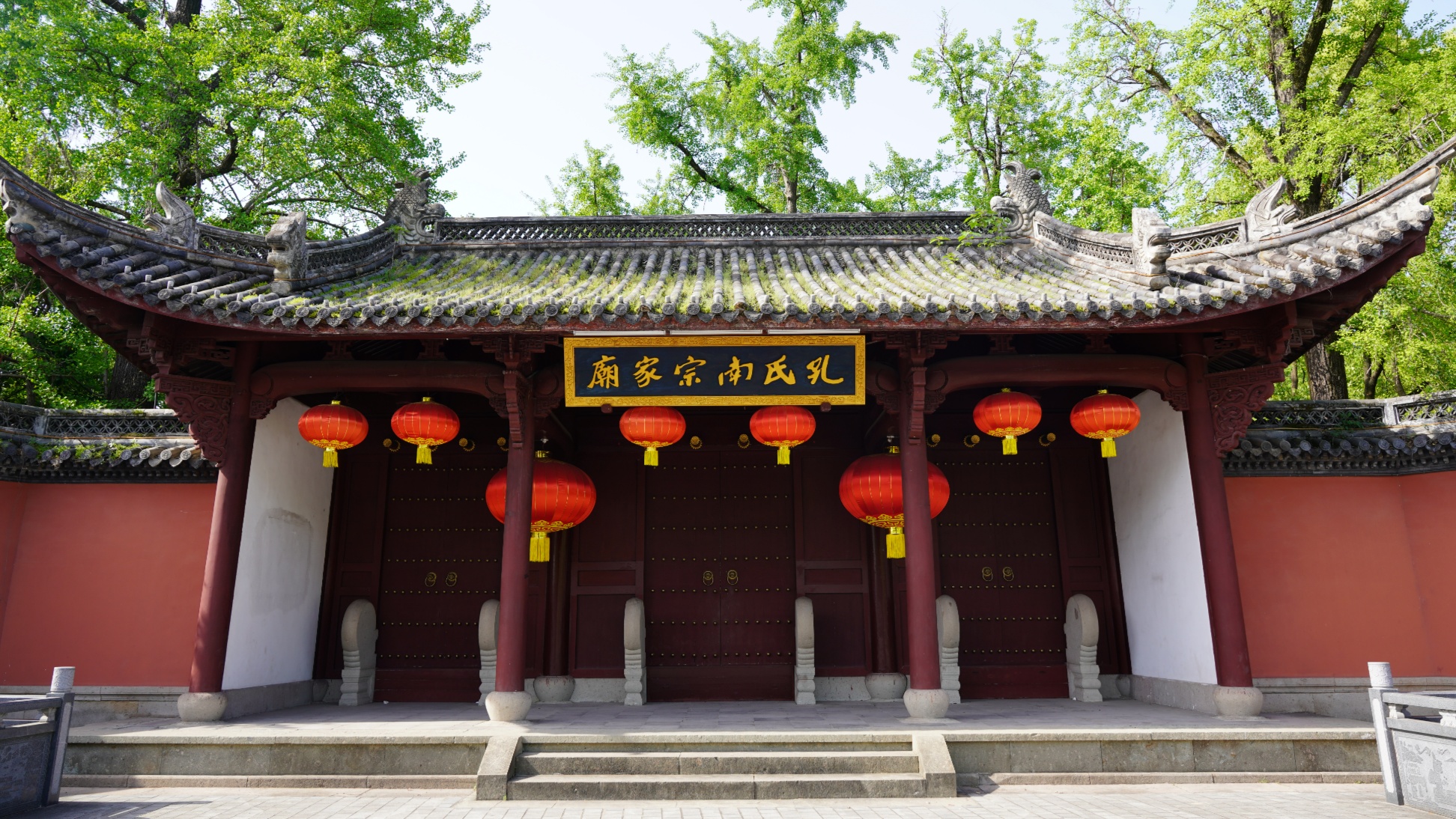
In 1129, the 48th generation descendant of Confucius, Kong Duanyou, crossed south with Emperor Gaozong of Song and settled in Quzhou, establishing the Southern Confucian Ancestral Temple.
In 1985, Quzhou was upgraded to a prefecture-level city, governing Kecheng District, Qujiang District, Jiangshan City, Longyou County, Changshan County, and Kaihua County.
Recommended places to visit
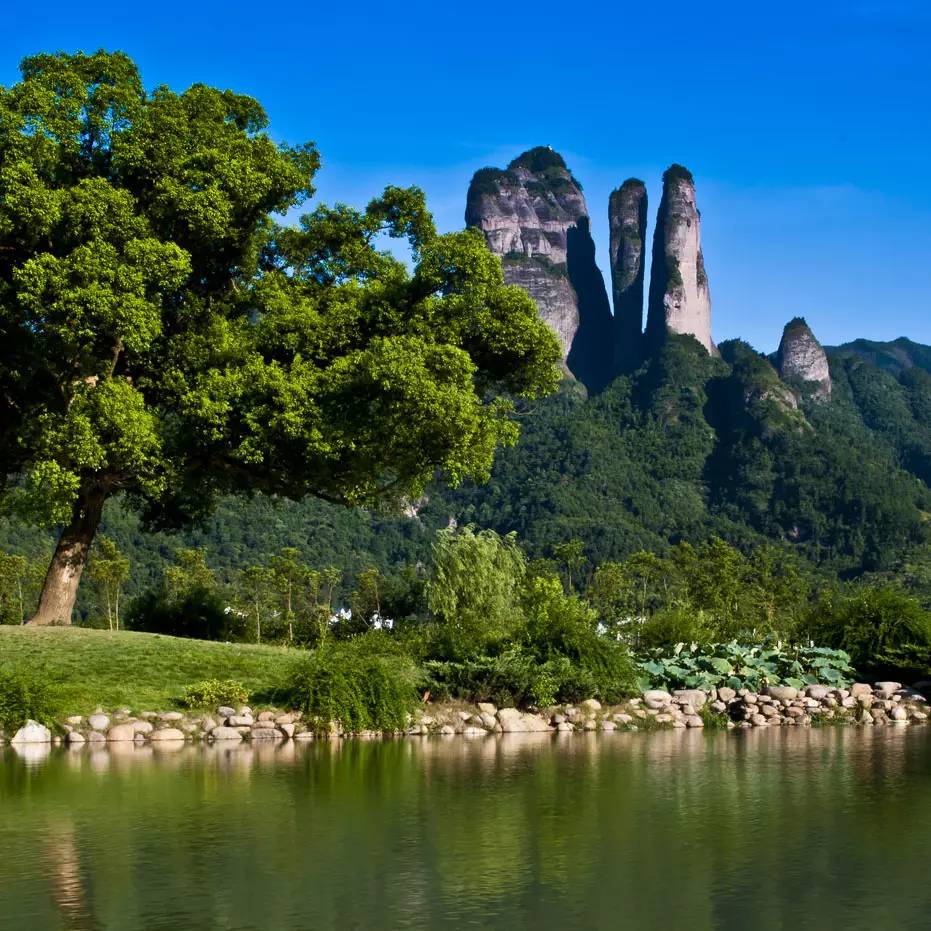
A World Natural Heritage site, famous for its three stone peaks, a typical Danxia landform, known as the 'First Danxia Peak in China'.
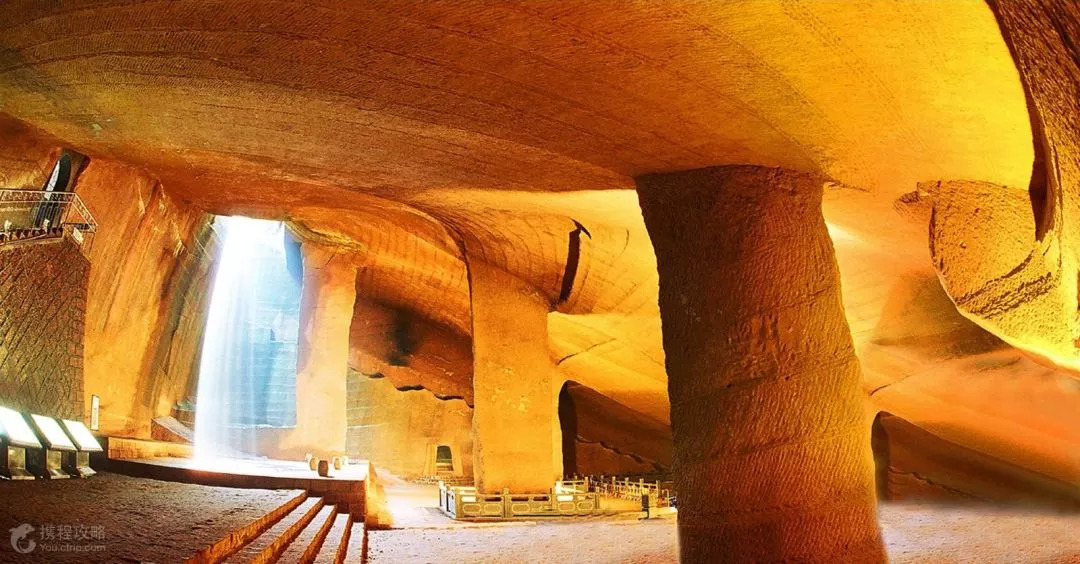
An ancient underground artificial grotto complex, vast in scale and full of mysteries, known as the 'Ninth Wonder of the World'.
UNESCO World Heritage Sites
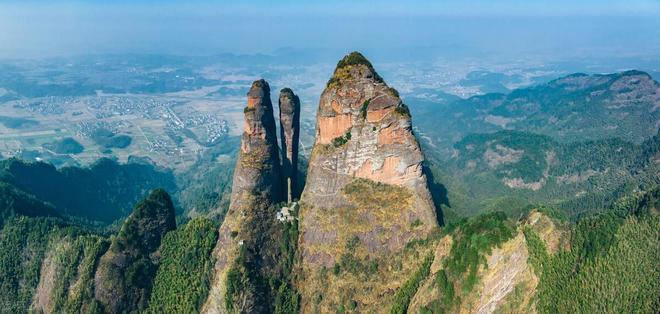
Inscribed as part of 'China Danxia' World Natural Heritage, known for its spectacular three stone peaks and Danxia landform.
Explore rich intangible cultural heritage and traditional crafts
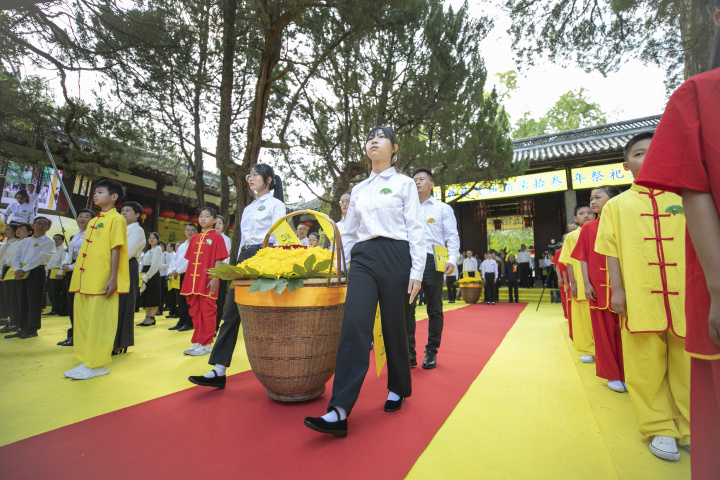
National intangible cultural heritage, a large-scale Confucius memorial ceremony held annually at the Southern Confucian Ancestral Temple, passing on Confucian culture.
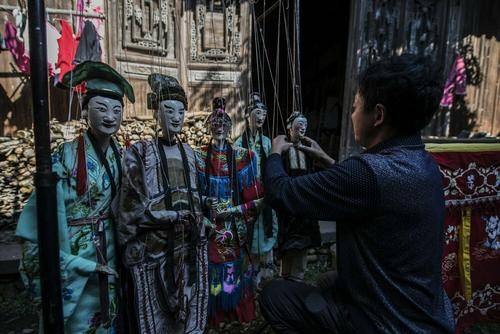
National intangible cultural heritage, a traditional string puppet show in Nianbadu Ancient Town, with exquisite performance and rich repertoire.
Must-know transportation for exploring the city
Located in the city center, with flights to major cities such as Beijing, Shenzhen, Chengdu, Qingdao, etc., convenient transportation.
Price varies by route
Intersection of Shanghai-Kunming HSR and Quzhou-Jiujiang Railway, direct to Hangzhou in 1.5h, Shanghai in 2.5h, a transportation hub in western Zhejiang.
About 120 RMB to Hangzhou, 200 RMB to Shanghai
The city bus network covers major attractions and urban areas, fare 2 RMB, supports mobile payment.
2 RMB
Taste the most authentic and popular local specialties
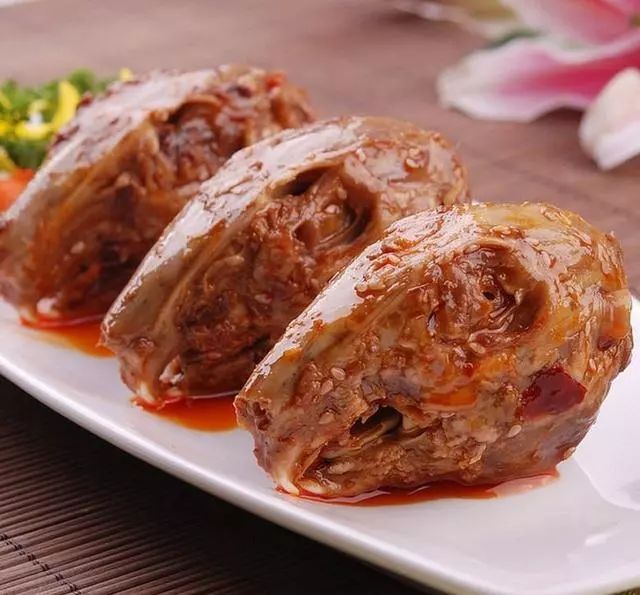
A Quzhou specialty snack, made from rabbit heads braised with chili and Sichuan pepper, tender and spicy.
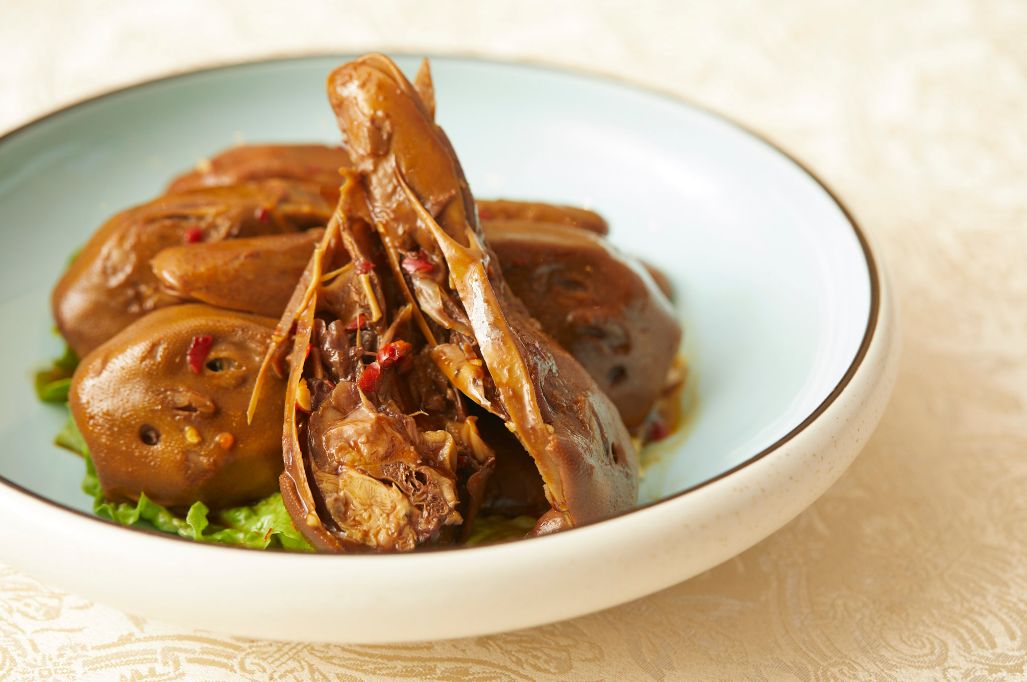
As famous as rabbit head, braised to perfection, spicy and aromatic, a classic late-night snack in Quzhou.
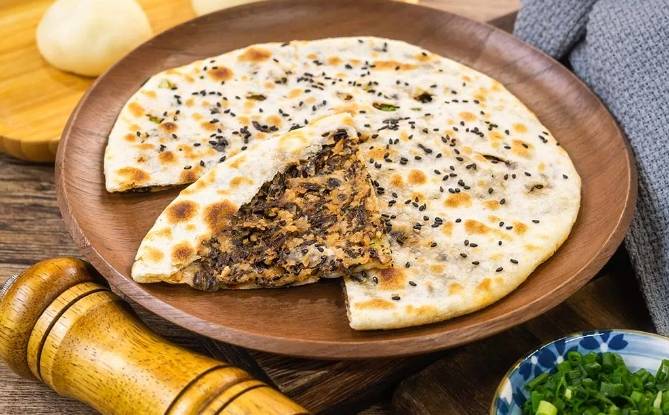
One of the only two existing Confucian ancestral temples in China, a sacrificial site for Confucius' descendants after moving south, with simple and solemn architecture.
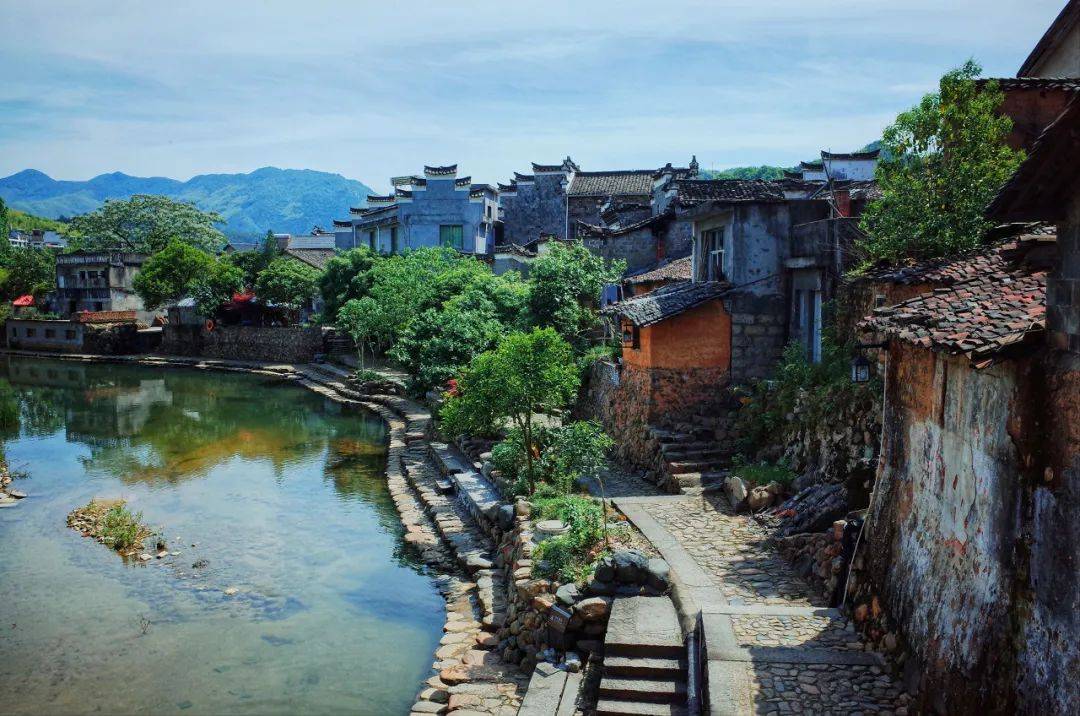
Located in Jiangshan City, with over 900 years of history, the ancient town's architecture blends styles from Zhejiang, Fujian, Jiangxi, and Anhui, known as a 'cultural enclave'.

The source of the Qiantang River, Zhejiang's mother river, with dense forests and clear streams, a natural oxygen bar and summer resort.
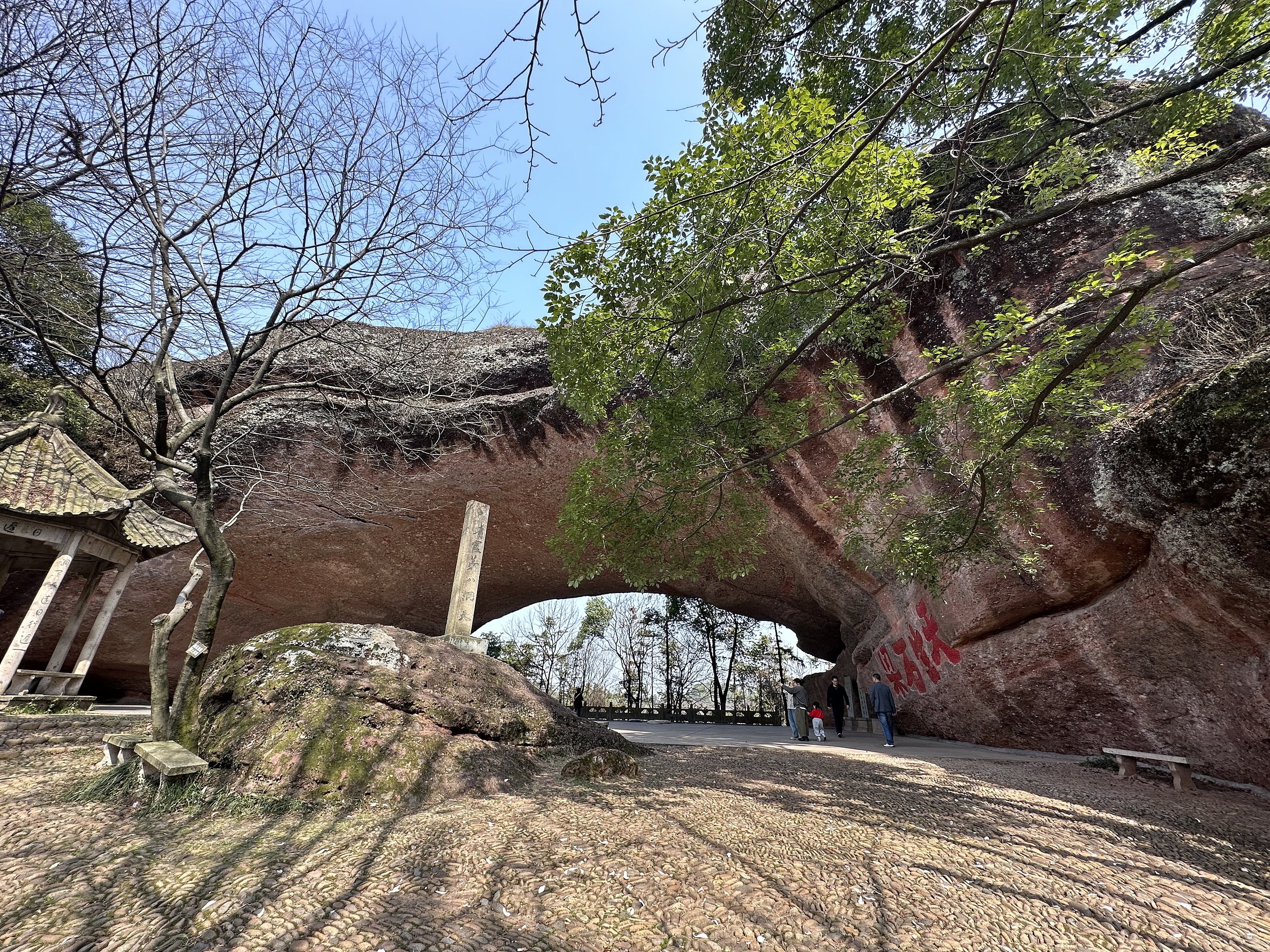
The birthplace of Chinese Go culture, legend has it that Wang Zhi of Jin Dynasty watched a game and his axe handle rotted; the mountain features a natural stone bridge and Go fairyland.
Crispy outside and savory inside, with fillings like preserved vegetable pork and scallion pork, a common street snack.
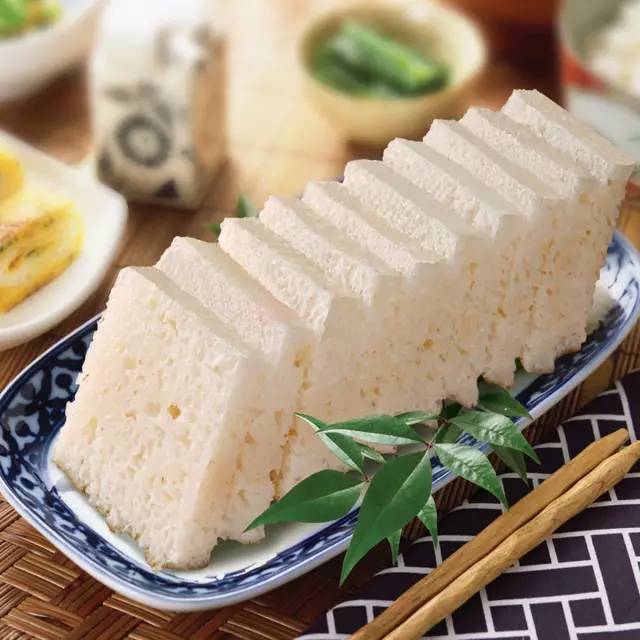
A traditional delicacy from Longyou County, made from fermented glutinous rice, soft and sweet, available in brown sugar and white sugar flavors.
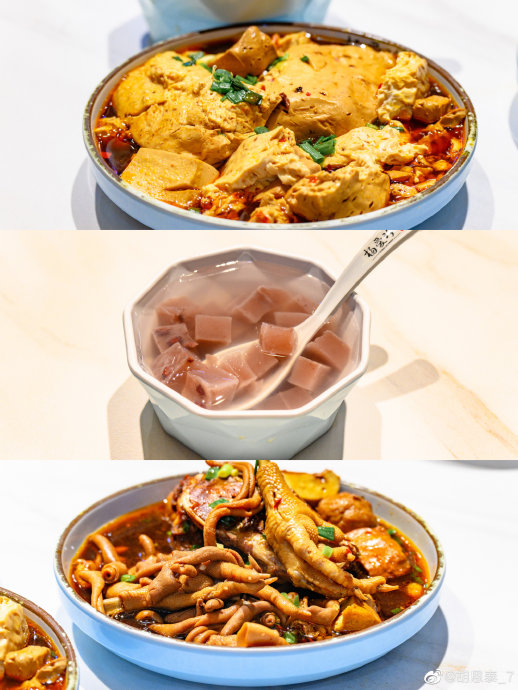
The most representative dish combination in Quzhou, including rabbit head, duck head, fish head, and duck paw, known for its spiciness.
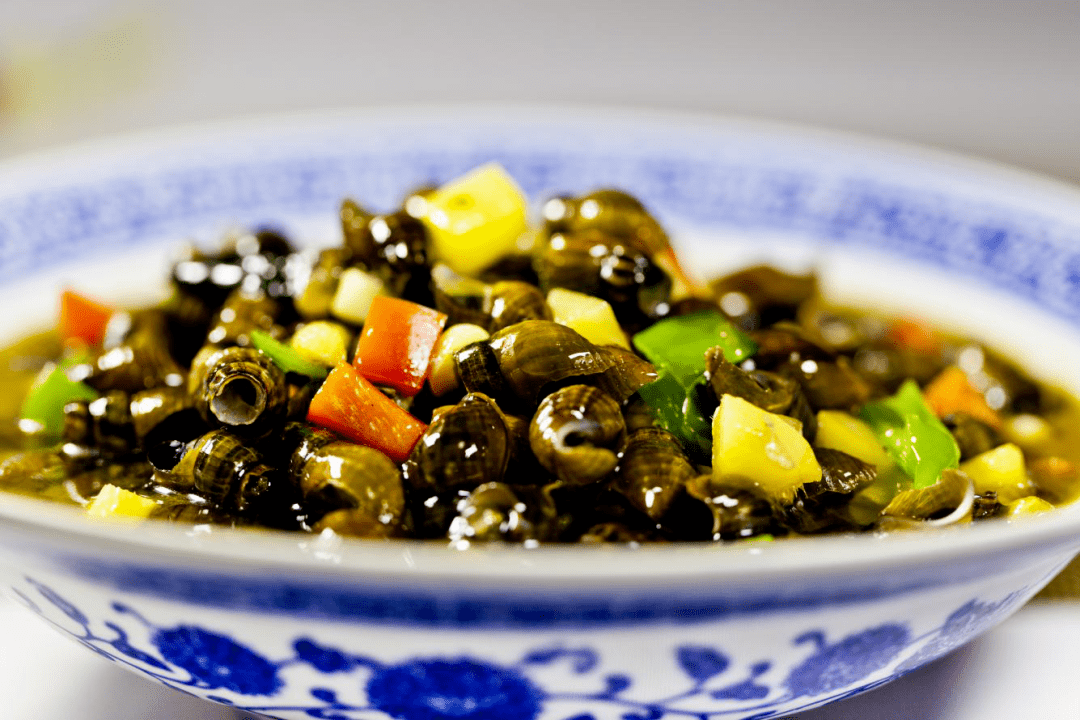
A unique freshwater snail from Kaihua County, green shell and tender meat, stir-fried with perilla and chili, extremely delicious.