
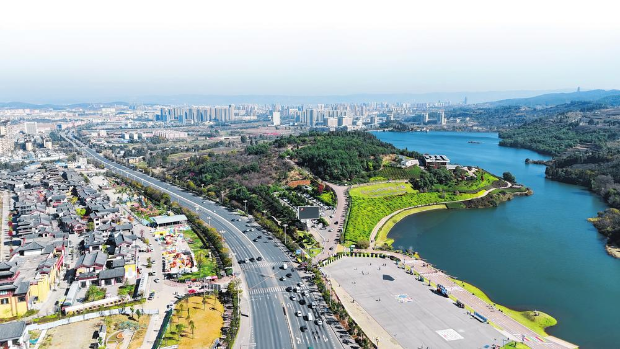
Qujing is located in eastern Yunnan Province, at the source of the Pearl River, known as the 'Key to Yunnan and Guizhou'. It has a subtropical plateau monsoon climate, with mild winters and cool summers, an average annual temperature of 14.5°C, spring-like weather year-round, and abundant rainfall.
Qujing has a long history, with human activity dating back to the Paleolithic era. In the Western Han Dynasty, Weixian County was established, one of the earliest counties in Yunnan. During the Tang Dynasty, it was Dongchuan Prefecture of the Nanzhao Kingdom, and in the Ming Dynasty, it became an important military stronghold. It developed in modern times due to the relocation of industries during the Anti-Japanese War.
Qujing is the birthplace of Cuan culture, with many surviving Cuan-style calligraphy inscriptions. The local culture blends Han, Yi, Hui, and other ethnic characteristics, with rich folk activities such as the Torch Festival and Huashan Festival. The cuisine features Xuanwei ham, Zhanyi spicy chicken, steamed rice noodles, and more, known for their fresh, spicy, and savory flavors.
Today, Qujing is an important industrial base and transportation hub in Yunnan Province, with an industrial system centered on tobacco, energy, and chemicals. The city has well-developed infrastructure and thriving eco-tourism, with attractions like Luoping's rapeseed flower sea and the Pearl River Source Scenic Area drawing many visitors.
The best time to visit 曲靖 is Spring (Feb-Apr) and Autumn (Sep-Nov).
Spring (February to April) is the season when rapeseed flowers bloom in Luoping, creating a spectacular sea of golden yellow across the hills. The temperature is moderate, perfect for outdoor flower viewing.
Summer (May to August) is relatively hot but rainy and cool, offering opportunities to escape the heat and visit the Pearl River Source waterfalls. However, caution is needed during the rainy season.
Autumn (September to November) features clear skies and crisp air, ideal for hiking and visiting ancient towns. At this time, the Duoyi River and Jiulong Waterfalls have abundant water and beautiful scenery.
After unifying China, Emperor Qin Shi Huang built the 'Five-Foot Road' from Yibin to Qujing to strengthen control over the southwest, facilitating exchanges between the Central Plains and Yunnan.
During the Three Kingdoms period, Zhuge Liang, chancellor of Shu Han, led a southern campaign to quell rebellions in Nanzhong, leaving the legend of 'capturing Meng Huo seven times'.
Recommended places to visit
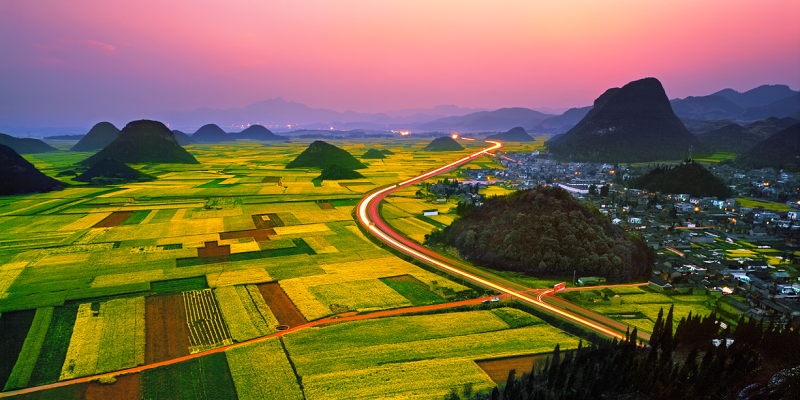
The world's largest natural garden, with thousands of acres of rapeseed flowers blooming from February to March. Attractions like Jinji Peak and Luositian are spectacular.
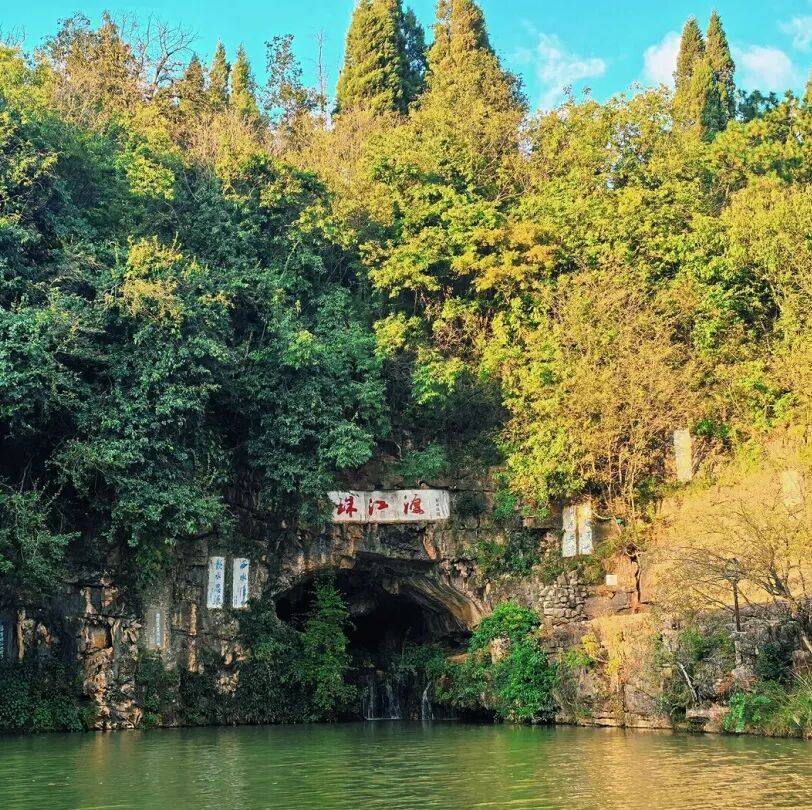
The source of the Pearl River, located in Zhanyi County, featuring Maxiong Mountain, Pearl River Source waterfalls, and the Pearl River Source Stele, with dense forests.
Explore rich intangible cultural heritage and traditional crafts
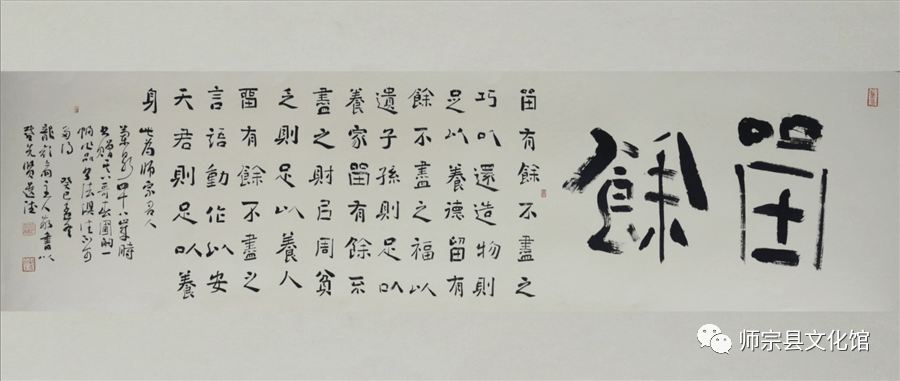
A unique calligraphy art of Qujing, originating from the Cuan culture from the Eastern Jin to early Tang dynasties, with distinctive stele characters, known as 'Treasure of Southern Stele'.
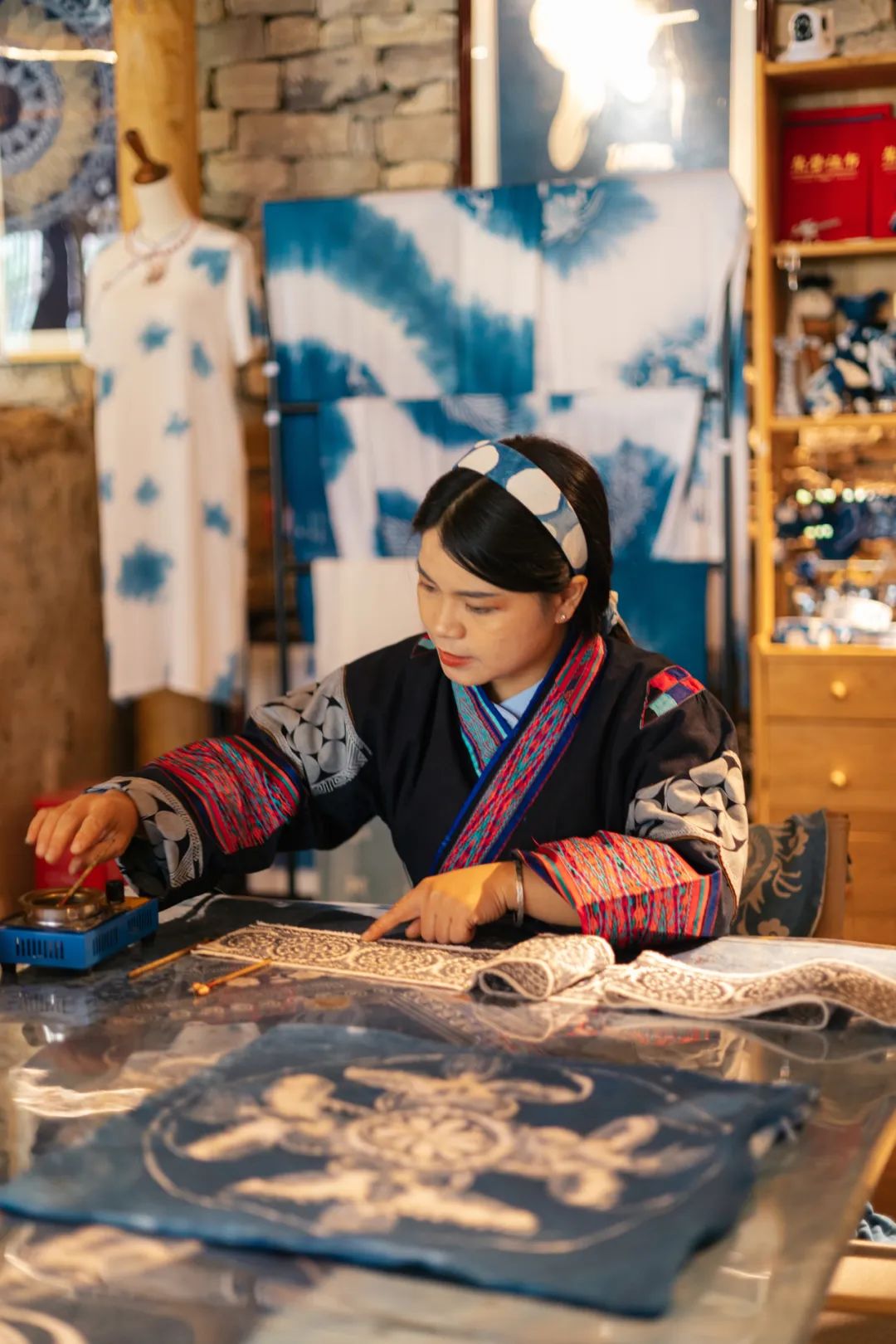
Traditional Bouyei dyeing technique, using wax as a resist, with exquisite patterns in blue and white.
Must-know transportation for exploring the city
Located in Zhanyi District, with flights to Kunming, Shanghai, Guangzhou, etc. Airport buses and taxis are available to the city center.
Airport bus 20 RMB, taxi about 50 RMB
Qujing Station is for regular trains, Qujing North Station for high-speed rail. High-speed trains reach Kunming, Guiyang, Guangzhou, etc., about 1 hour to Kunming.
High-speed to Kunming about 60 RMB, regular about 30 RMB
Qujing buses cover the city and major attractions, fare 1-2 RMB. Some routes reach Luoping, Zhanyi, etc.
1-2 RMB
Taste the most authentic and popular local specialties
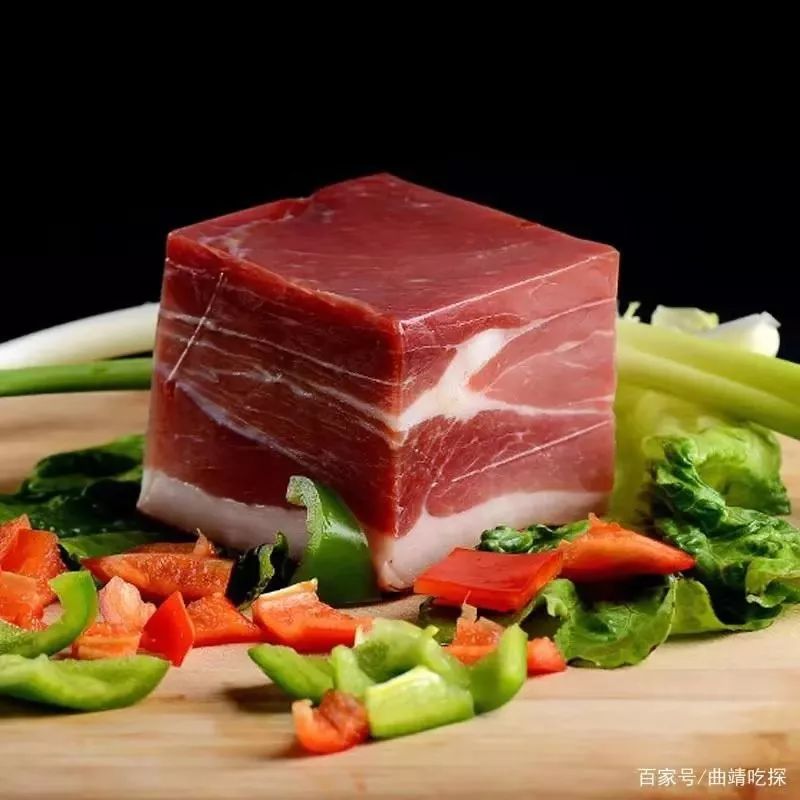
One of China's three famous hams, with reddish meat, savory and delicious, can be eaten raw or used in soups.
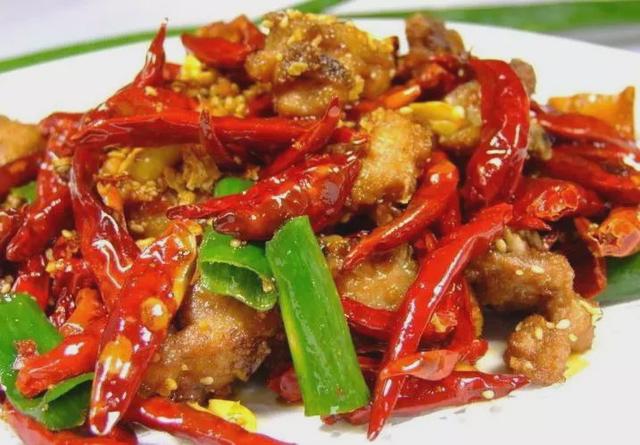
Stir-fried free-range chicken with dried chili peppers, numbing and spicy, a representative dish of Qujing.
After the outbreak of the Anti-Japanese War, coastal factories moved inland, making Qujing an important industrial base and accelerating its modernization.
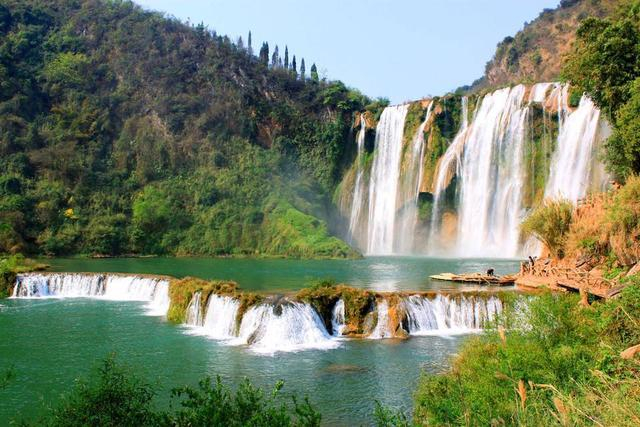
Located in Luoping County, consisting of nine cascading waterfalls, the largest being 56 meters high and 112 meters wide, known as 'Nine Dragons and Ten Waterfalls'.
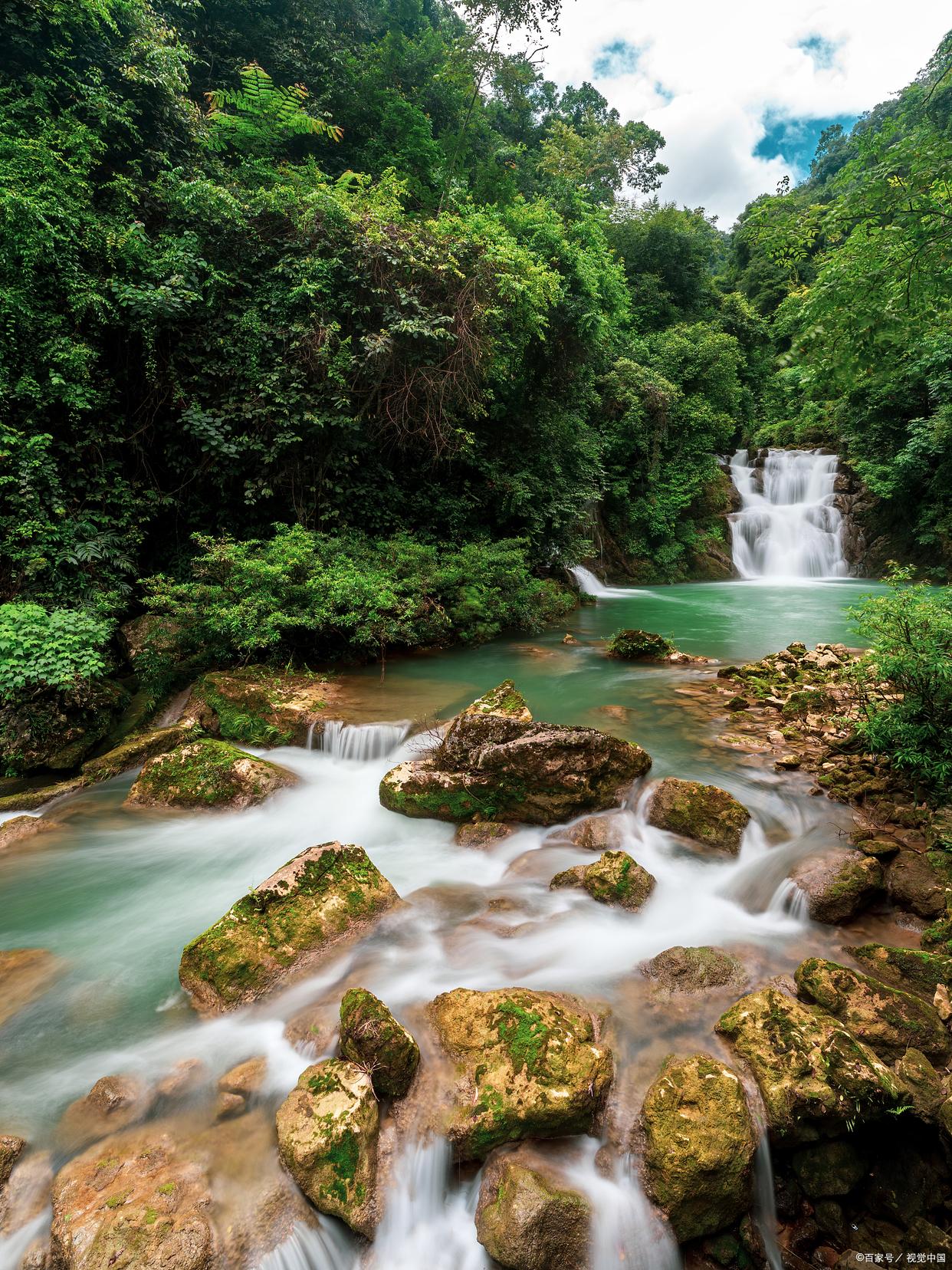
Located in Luoping County, with crystal-clear water, Bouyei villages, waterwheel clusters, and waterfalls along the river, offering beautiful scenery.
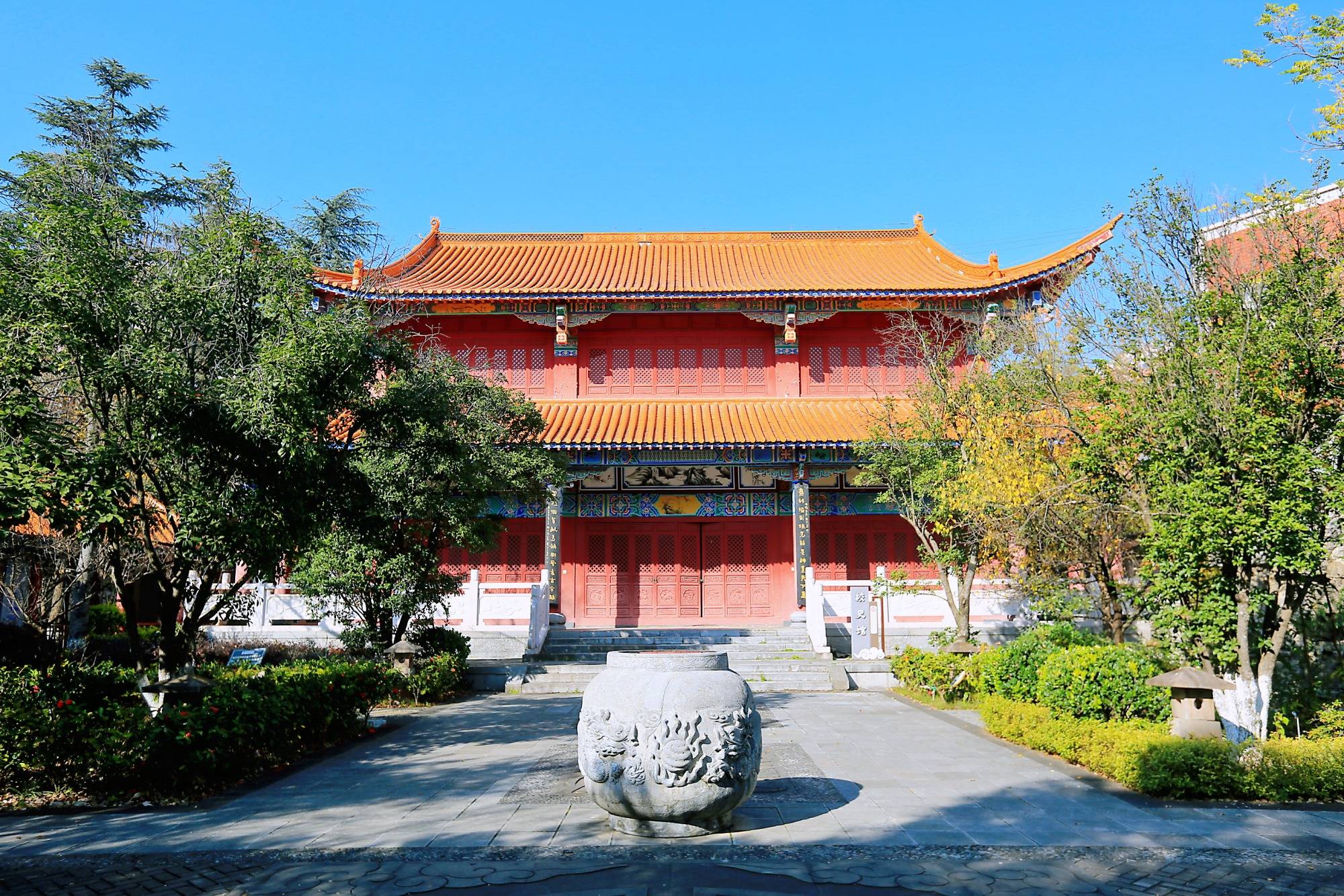
Located in downtown Qujing, showcasing the history of Cuan culture, with precious steles such as the Cuan Baozi Stele and Cuan Longyan Stele.
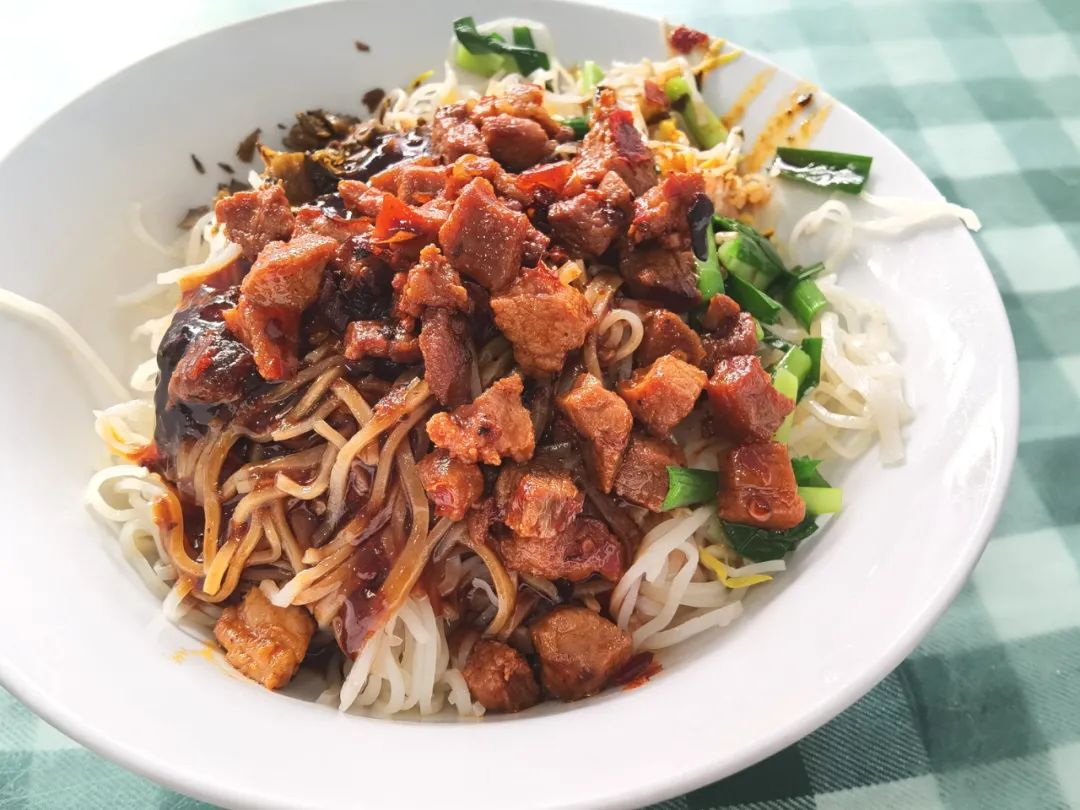
A Qujing specialty snack, made from steamed rice batter cut into shreds, served with minced pork, chives, bean sprouts, etc., soft and chewy.
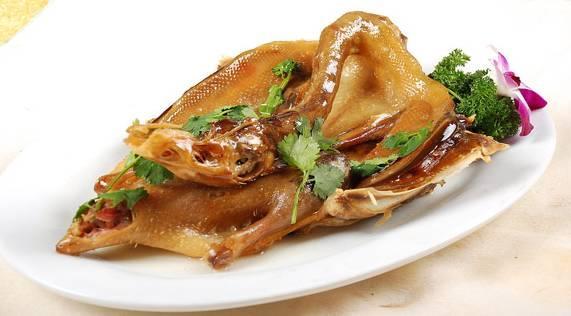
Made from local ducks, cured and air-dried, with firm meat and savory flavor.
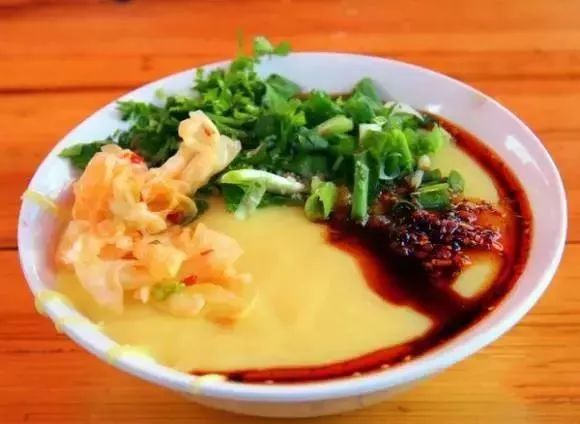
Made from pea flour, cooked into a paste, served with fried dough sticks, chili oil, and scallions, a popular breakfast.