
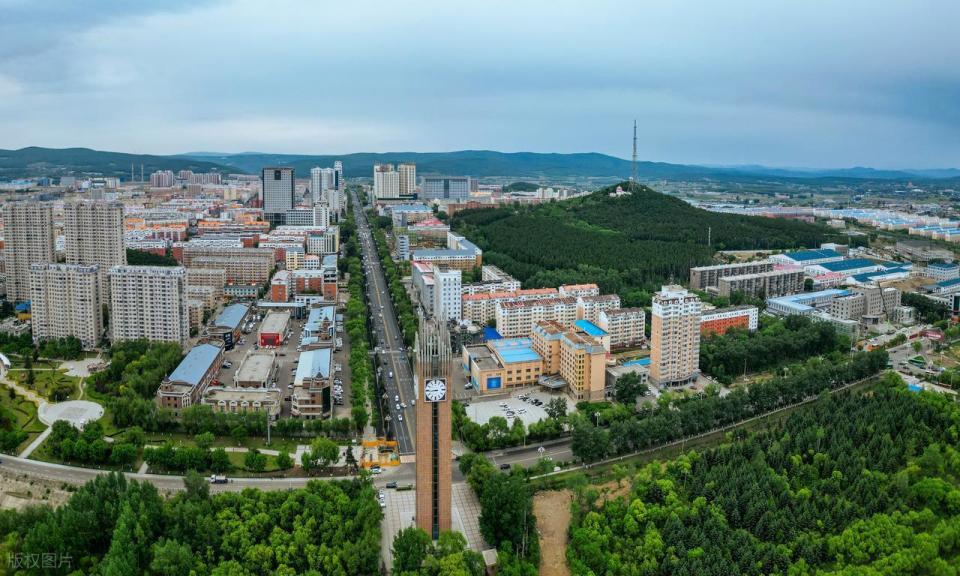
Qitaihe is located in eastern Heilongjiang Province, at the western foot of the Wanda Mountains. It has a mid-temperate continental monsoon climate, with long, cold winters and short, warm summers. The annual average temperature is about 3.9°C, and the snow cover is deep in winter, making it an ideal venue for ice and snow sports.
Qitaihe rose due to coal mining and was established as a city in 1958 following coal mine development. It was once an important coal production base in China. In recent years, Qitaihe has actively transformed, vigorously developing the ice and snow economy and non-coal industries, becoming a model for resource-based city transformation.
Qitaihe is known as the 'Hometown of Winter Olympic Champions', having produced world champions in short track speed skating such as Yang Yang, Wang Meng, and Sun Linlin. Local cuisine features northeastern specialties, represented by iron pot stew, pork and sauerkraut stew, sweet and sour pork, and cold noodles. The flavors are rich and portions are generous.
Today, Qitaihe is accelerating industrial upgrading, leveraging its ice and snow resources and champion culture to build an ice and snow tourism brand, while developing emerging industries like graphene. The city's appearance has been renewed, and the ecological environment continues to improve.
The best time to visit 七台河 is Best in winter (Dec-Feb), pleasant in summer (Jun-Aug).
Winter is the golden season for tourism in Qitaihe, with deep snow and moderate temperatures, perfect for skiing, skating, and other ice and snow sports. Visitors can also experience northeastern folk customs and ice and snow festivals.
Summer is cool and pleasant, with an average temperature of about 20°C, making it a great time for summer vacation. You can explore mountains, forests, and lakes, enjoying the natural scenery of the north.
Spring and autumn are short. Spring is windy, and autumn is cool, but the scenery has its own charm, suitable for travelers who prefer tranquility.
Due to coal mine development, Qitaihe was officially established as a city, becoming a new industrial city centered on coal mining.
Yang Yang, an athlete from Qitaihe, won the gold medal in women's 500m short track speed skating at the Salt Lake City Winter Olympics, achieving China's first Winter Olympic gold.
Recommended places to visit
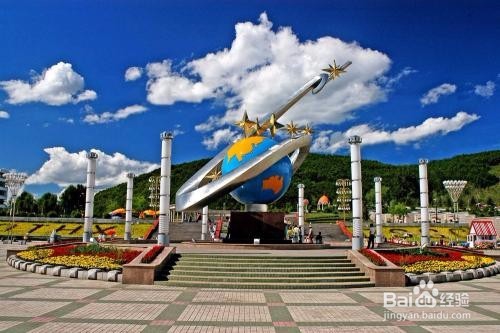
A natural forest park in the city, featuring a natural cave on the mountain and dense vegetation, a popular spot for leisure and fitness.

A scenic area centered on Taoshan Reservoir, featuring beautiful lake and mountain views, boat tours, and a summer resort.
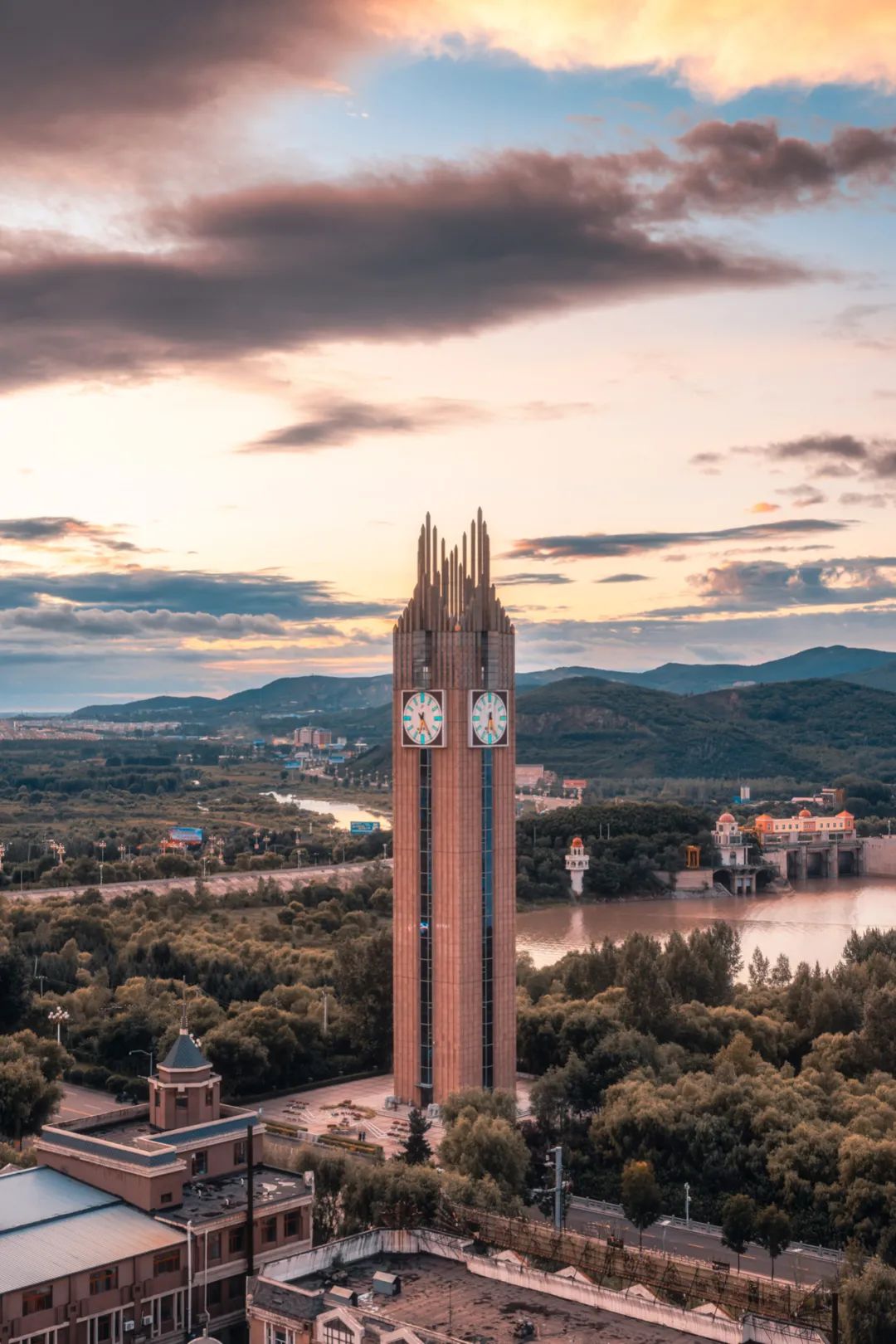
Must-know transportation for exploring the city
Located in Boli County, about 30 km from the city center, with flights to Beijing, Harbin, etc.
Economy class approx. 500-1000 RMB
Qitaihe Station serves conventional trains, Qitaihe West Station serves high-speed trains, connecting to Harbin, Mudanjiang, etc., about 2 hours to Harbin.
High-speed second class approx. 100-150 RMB
Multiple bus routes within the city, fare 1-2 RMB, covering main urban areas and attractions. Taxi starting fare 5 RMB.
Bus 1-2 RMB, taxi starting 5 RMB
Taste the most authentic and popular local specialties
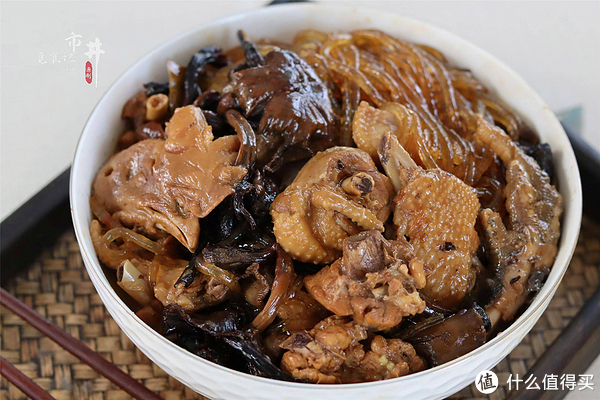
A northeastern specialty stew, cooked in a large iron pot with chicken, fish, or ribs, plus potatoes and vermicelli, rich in flavor.
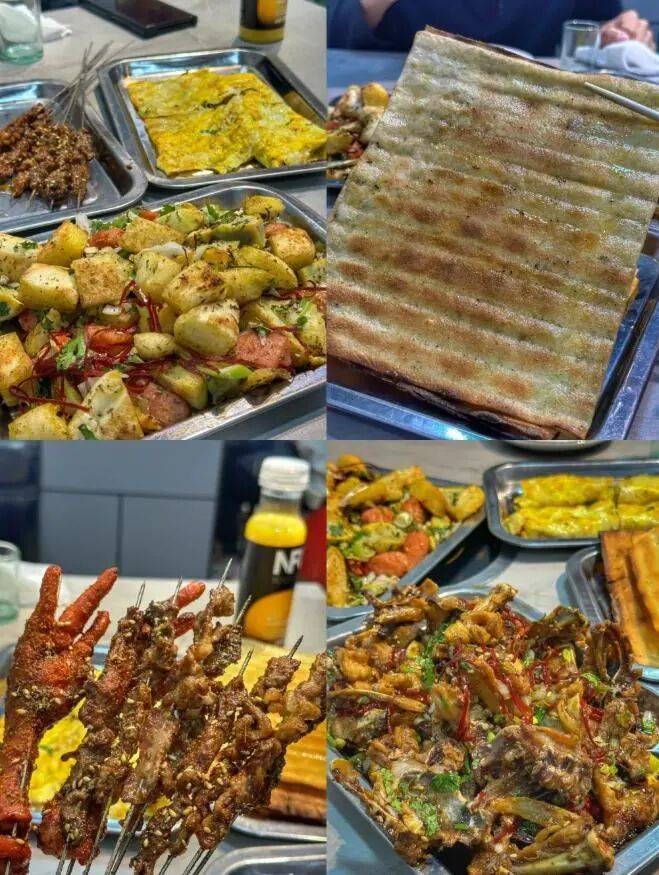
A traditional northeastern New Year dish, stewed with fresh pork, blood sausage, and pickled cabbage, sour and savory, a winter must-eat.
Qitaihe began transitioning from a coal city to new industries such as ice and snow tourism and graphene, hosting multiple winter sports events and building a champion culture.
A museum dedicated to the achievements of Winter Olympic champions from Qitaihe, such as Yang Yang and Wang Meng, an important place to learn about champion culture.
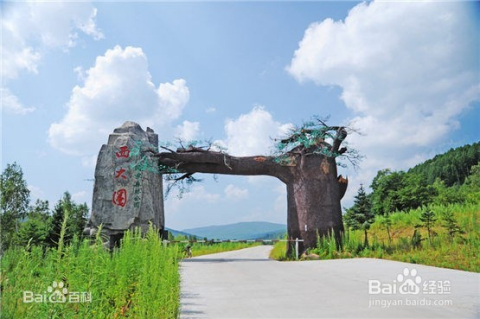
A national forest park with primeval forests, waterfalls, and streams, especially spectacular with red leaves in autumn.
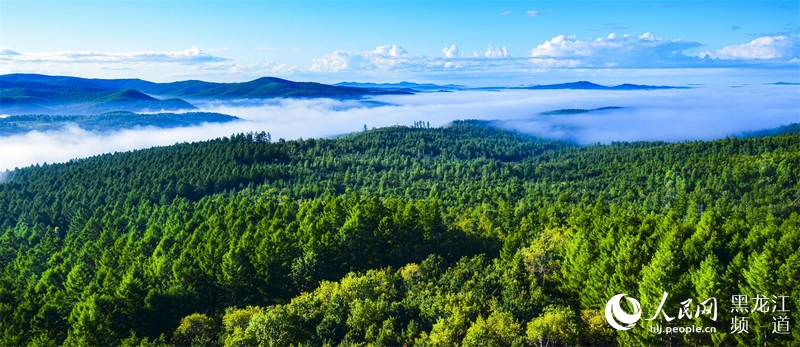
Located in Boli County, centered on the Wusihun River, with high forest coverage, offering rafting, hiking, and other outdoor activities.
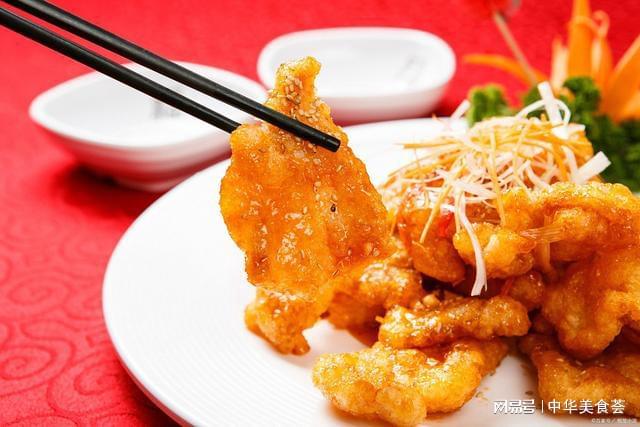
A classic northeastern dish, sliced pork tenderloin battered and fried until crispy, then coated in a sweet and sour sauce, crispy outside and tender inside.
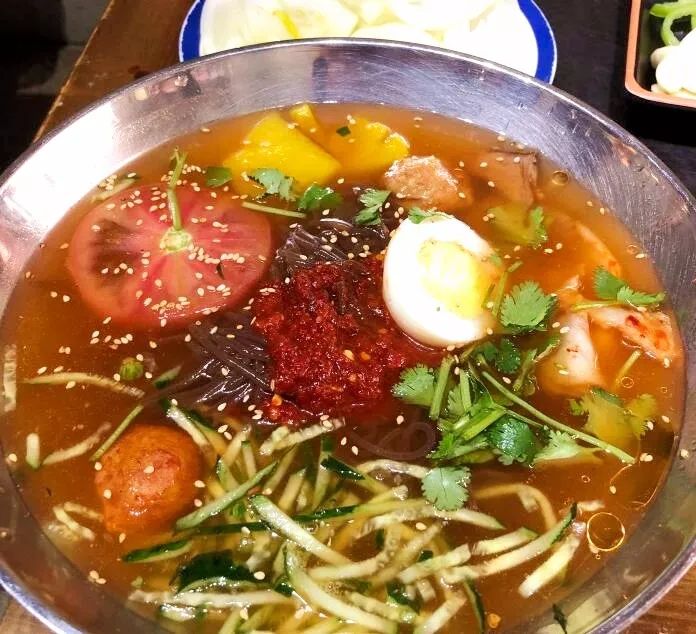
A Korean-Chinese specialty, noodles made from buckwheat or wheat, served chilled with kimchi, cucumber shreds, and egg, sweet and sour and refreshing.
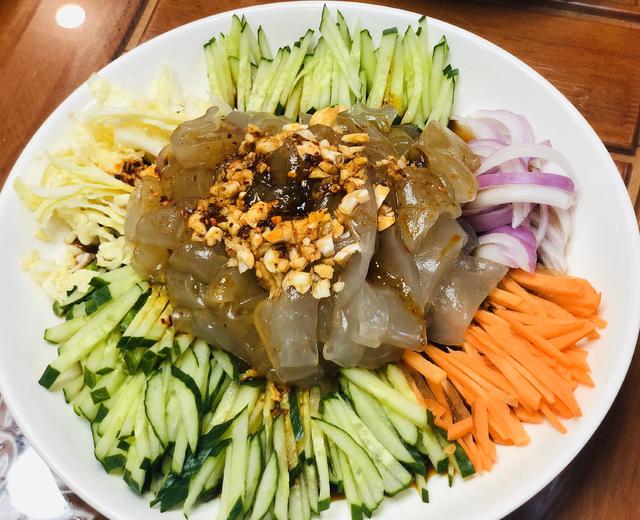
Cold jelly noodles made from mung bean starch, cut into wide strips, served with cucumber shreds, carrot shreds, and sesame sauce, cool and smooth.