
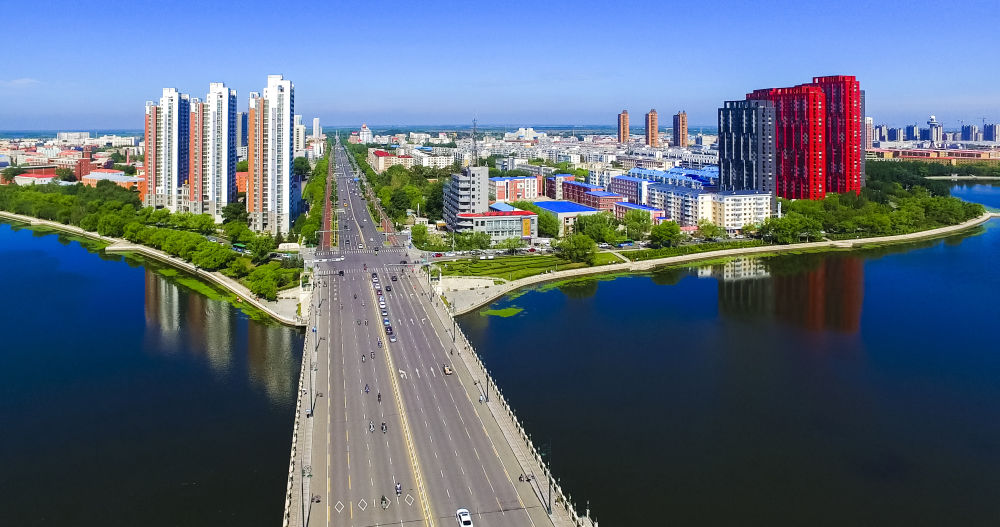
Located in the west of Heilongjiang Province along the middle reaches of the Nen River, Qiqihar lies in the heart of the Songnen Plain. It has a temperate continental monsoon climate with four distinct seasons: cold, long winters and warm, rainy summers.
Qiqihar has a long history, with human activity dating back to the Stone Age. During the Qing Dynasty, it served as the seat of the Heilongjiang General, an important military town in the Northeast. After the founding of New China, it became a key industrial base.
Qiqihar is the hometown of the red-crowned crane, and the Zhalong Nature Reserve is world-renowned. The local culture blends Manchu, Han, Mongolian, and other ethnic characteristics. Its cuisine, represented by grilled meat and sauerkraut pork, is uniquely flavorful.
Modern Qiqihar is actively transforming, developing ecotourism and green agriculture while preserving its industrial heritage to create a cultural and leisure city.
The best time to visit 齐齐哈尔 is The best travel time is from May to September.
Spring (May-June) has pleasant weather, ideal for outdoor activities, and red-crowned cranes are active in Zhalong Nature Reserve.
Summer (July-August) is cool and comfortable, a summer resort to enjoy wetland scenery.
Autumn (September) has clear skies and beautiful landscapes, suitable for photography and hiking.
During the Kangxi period of the Qing Dynasty, the Heilongjiang General's Mansion was established in Qiqihar to resist Russian invasion, and the city was built.
During the First Five-Year Plan of the People's Republic, Qiqihar was designated as a key construction city, building several large heavy industrial enterprises.
Zhalong Nature Reserve was officially established, and in 1992 it was listed as a Wetland of International Importance, becoming a habitat for rare birds like red-crowned cranes.
Recommended places to visit
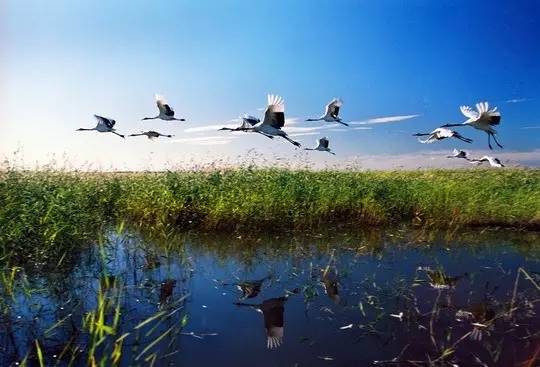
The world's largest reed wetland, famous for red-crowned cranes, where you can watch crane releases.
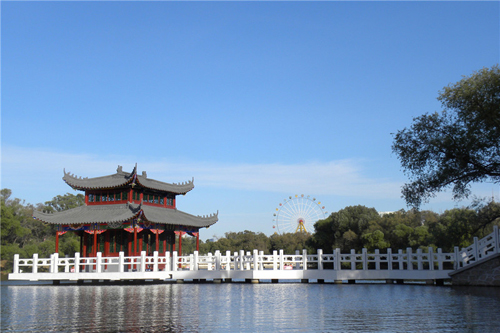
The largest comprehensive park in Northeast China, featuring historic sites, lakes, and a zoo.
Explore rich intangible cultural heritage and traditional crafts
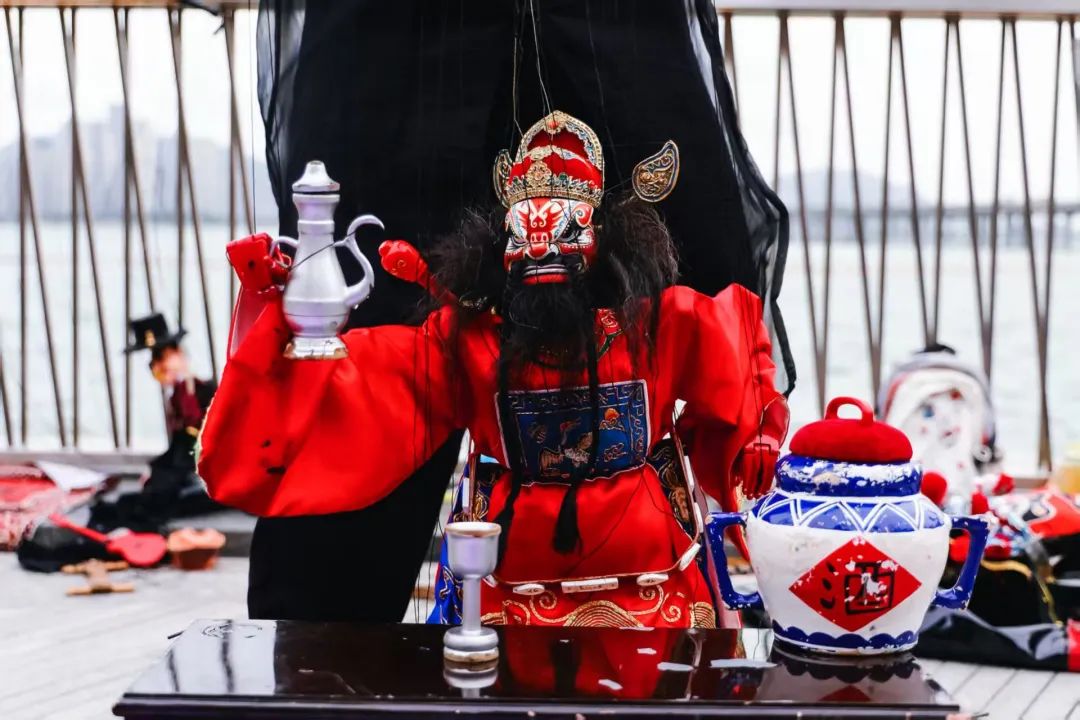
Intangible cultural heritage of Heilongjiang Province, performing traditional stories with puppets, exquisite skills.
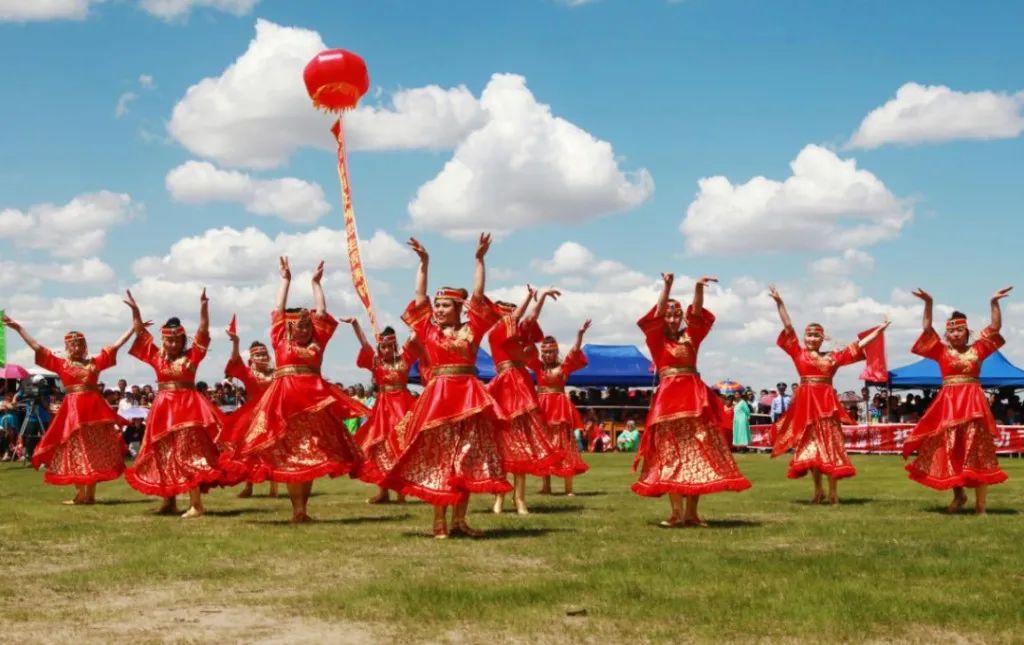
Traditional dance of the Daur ethnic group in Qiqihar, reflecting fishing and hunting life, lively rhythm.
Must-know transportation for exploring the city
About 13 km from the city center, with flights to Beijing, Shanghai, Guangzhou, etc.
Ticket prices vary by route
High-speed trains connect to Harbin, Changchun, Shenyang, etc., regular trains reach nationwide.
High-speed second class about 100-200 RMB
Covering main urban areas and attractions, fare 1-2 RMB, some routes reach Zhalong.
1-2 RMB
Taste the most authentic and popular local specialties
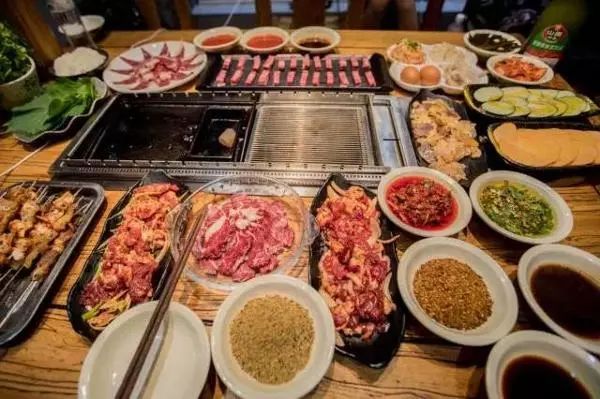
Northeast specialty grilled meat, cooked on an iron plate, tender and juicy with unique dipping sauce.
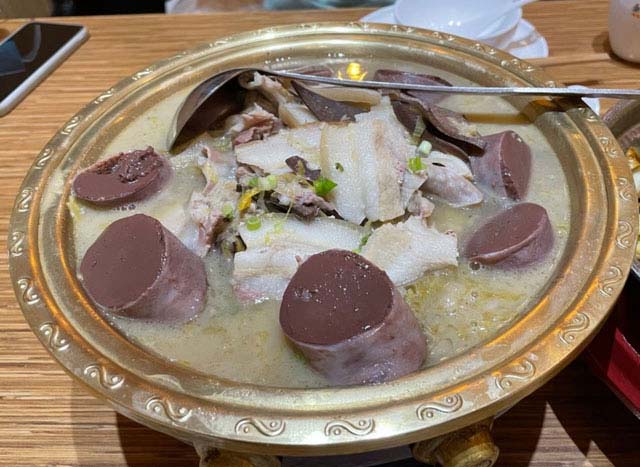
Traditional Northeast Chinese New Year dish, stewed with pork, blood sausage, and sauerkraut, rich in flavor.
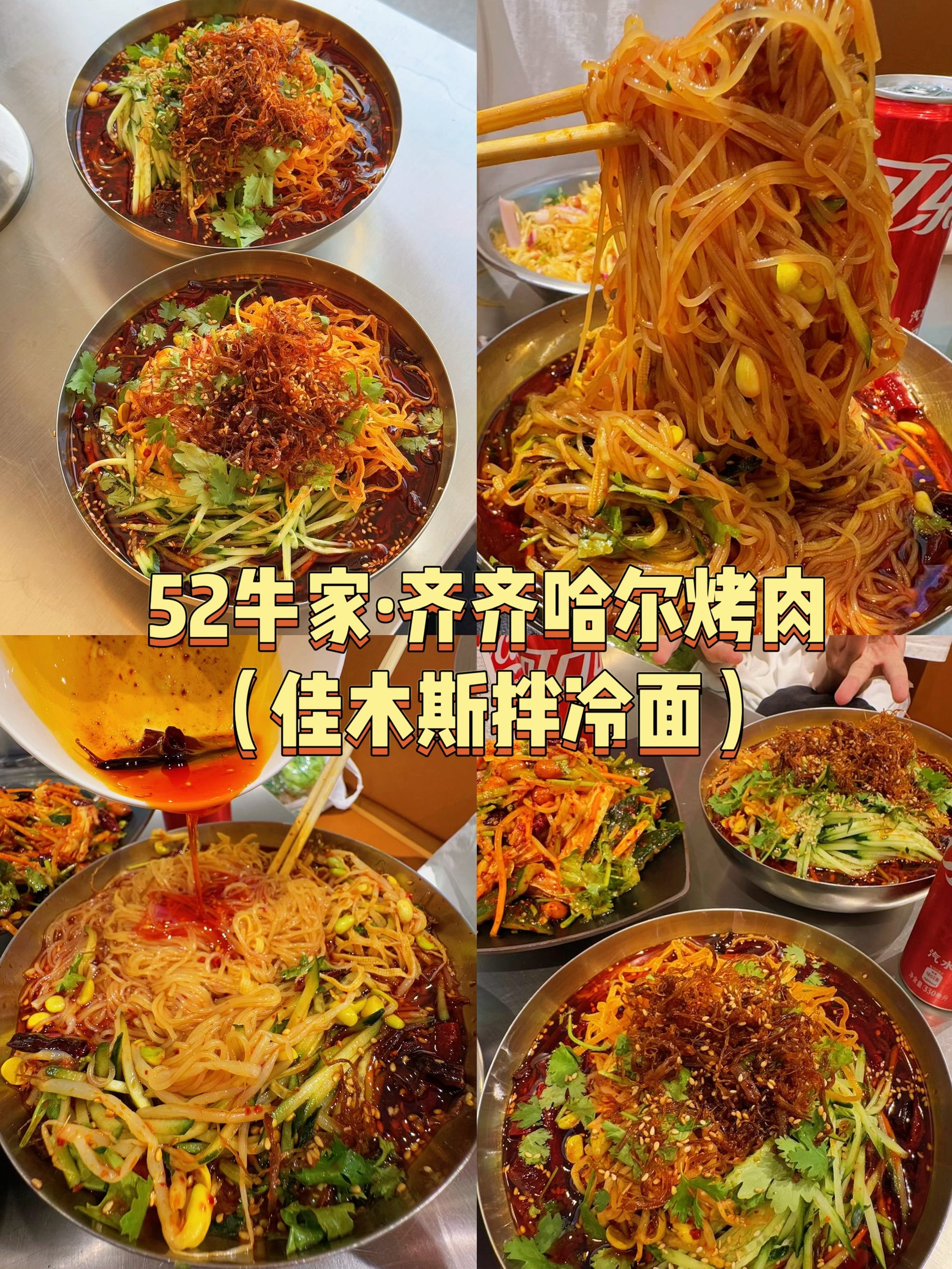
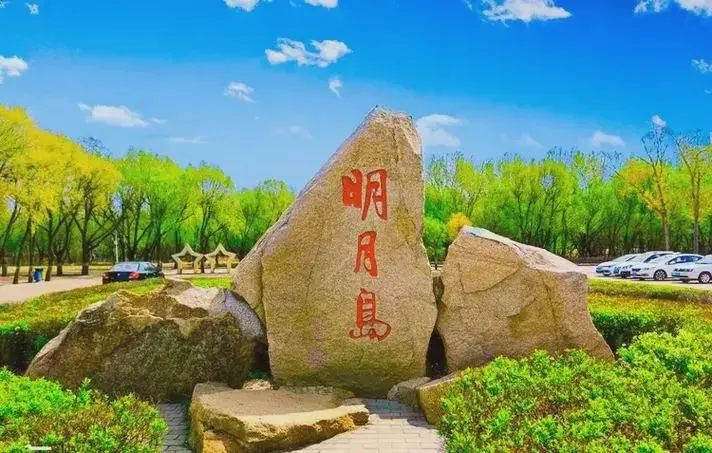
An island in the Nen River with Qing Dynasty architecture and natural scenery, a summer resort.
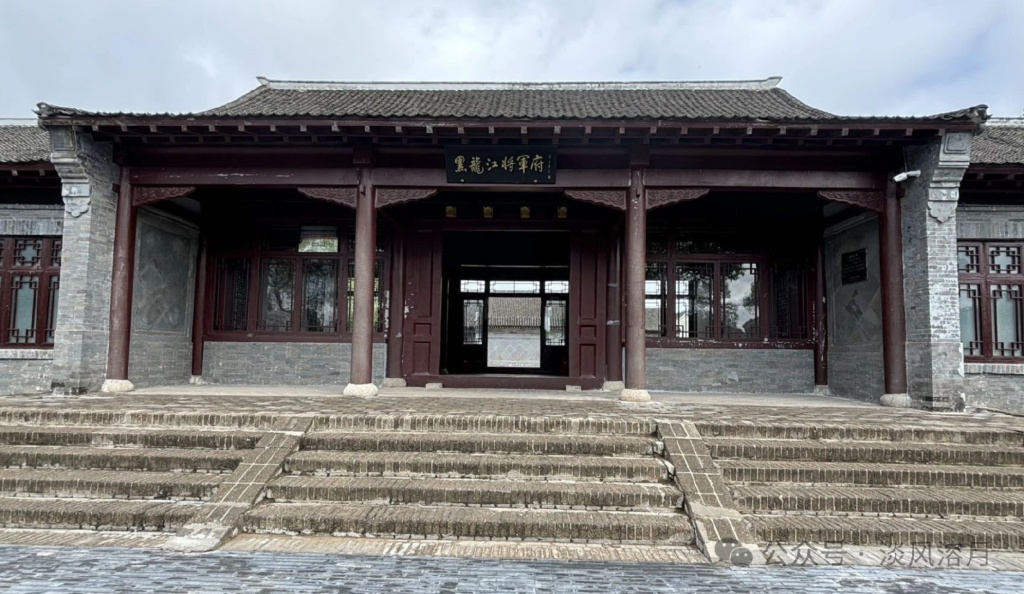
The former residence of the Heilongjiang General in the Qing Dynasty, now a museum displaying historical artifacts.
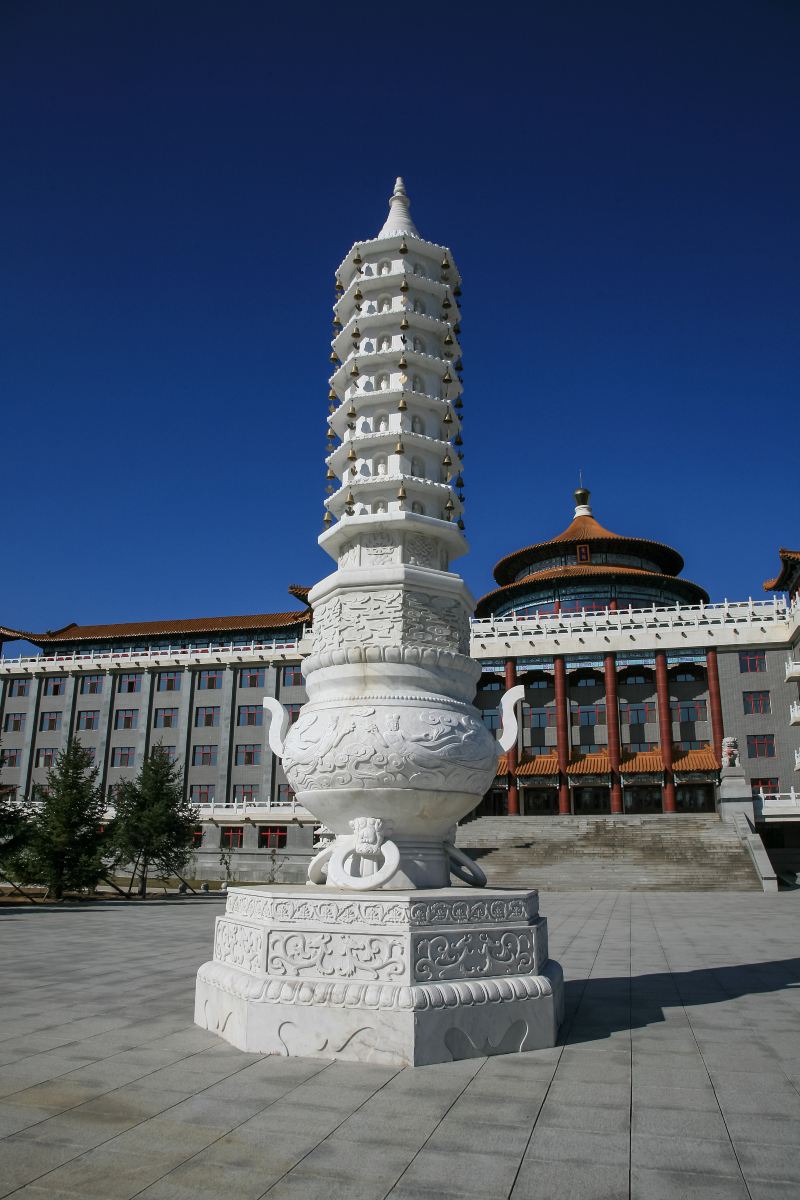
A famous Buddhist temple in Northeast China, with magnificent architecture and thriving incense.
Street food, cold noodles grilled on an iron plate with eggs and sauce, sweet and sour.
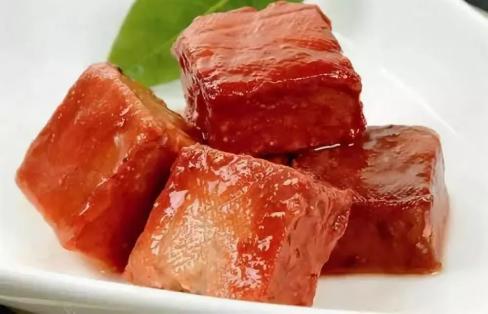
Famous product of Heilongjiang, red and shiny, fine texture, savory and salty.
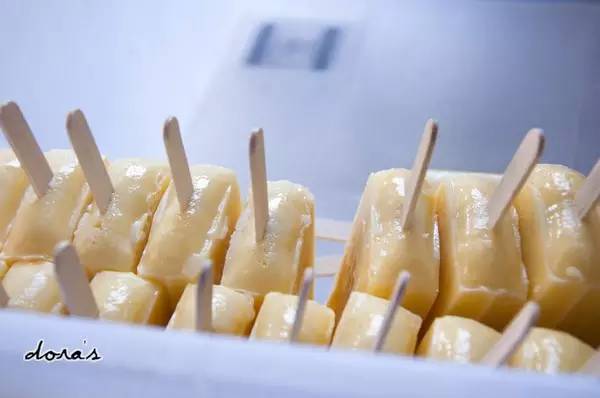
Classic ice lolly from Harbin, rich milk flavor, smooth texture.