
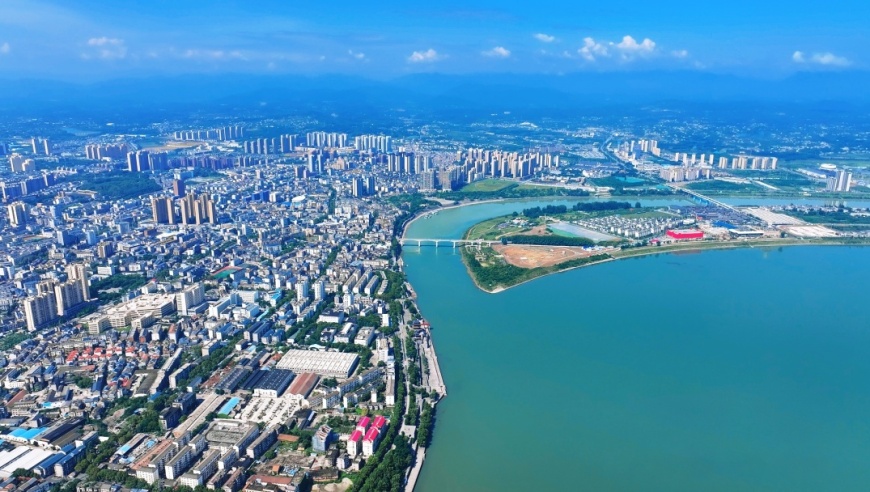
Located on the southern coast of Guangxi, on the northern shore of the Beibu Gulf, Qinzhou enjoys a warm and humid subtropical monsoon climate with lush greenery year-round.
With a history spanning over 1,400 years since its establishment as a prefecture during the Liang Dynasty of the Southern Dynasties, Qinzhou was once envisioned by Sun Yat-sen as a major southern port in his 'Plan for National Reconstruction'.
Qinzhou is renowned as the 'Capital of Nixing Pottery', one of China's four famous types of pottery. Local cuisine features seafood, especially oysters, blue crabs, and prawns, along with specialties like Qinzhou pig trotter noodles and Dasi Township lemon duck.
As a core city in the Beibu Gulf Economic Zone, modern Qinzhou is rapidly developing with Qinzhou Port and the China-Malaysia Qinzhou Industrial Park. It also prioritizes ecological conservation, with Sanniang Bay serving as a habitat for Chinese white dolphins.
The best time to visit 钦州 is The best travel time is spring and autumn.
Spring (March-May): Pleasant temperatures, flowers in bloom, suitable for outdoor activities.
Autumn (September-November): Clear and crisp weather, seafood is at its best, a great time to enjoy seafood.
Summer (June-August): Hot and rainy, but beach activities are available; be aware of typhoons.
Qinzhou was established as a prefecture in 502 AD during the Liang Dynasty of the Southern Dynasties, with a history of over 1,500 years.
In 'The International Development of China', Sun Yat-sen designated Qinzhou as a southern great port, planning railways and ports.
In 1994, Qinzhou Prefecture was upgraded to a prefecture-level city, becoming Qinzhou City.
Recommended places to visit

National 4A scenic area, famous for Chinese white dolphins. Visitors can take boat trips to see dolphins.
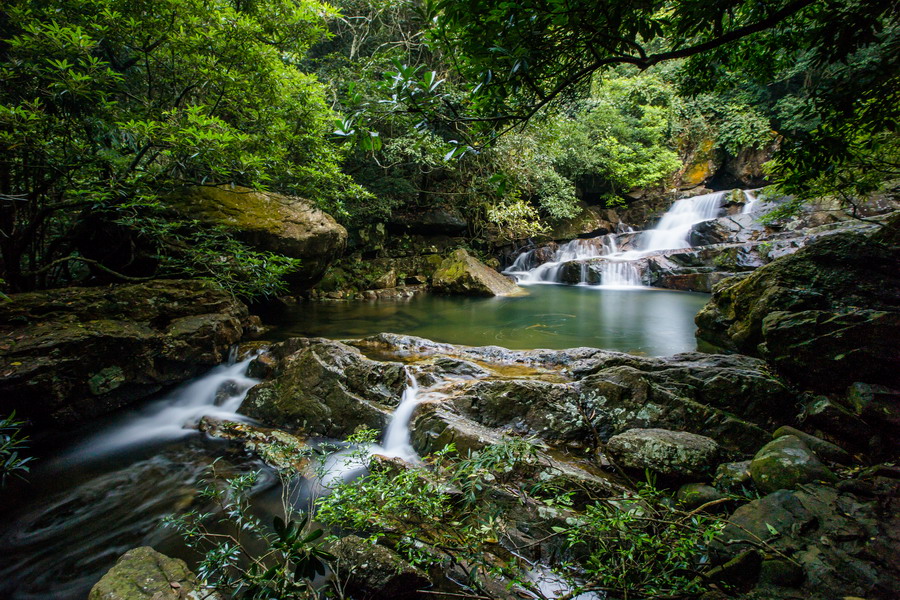
National 4A scenic area, known for primitive forests and waterfalls, reputed as a natural oxygen bar.
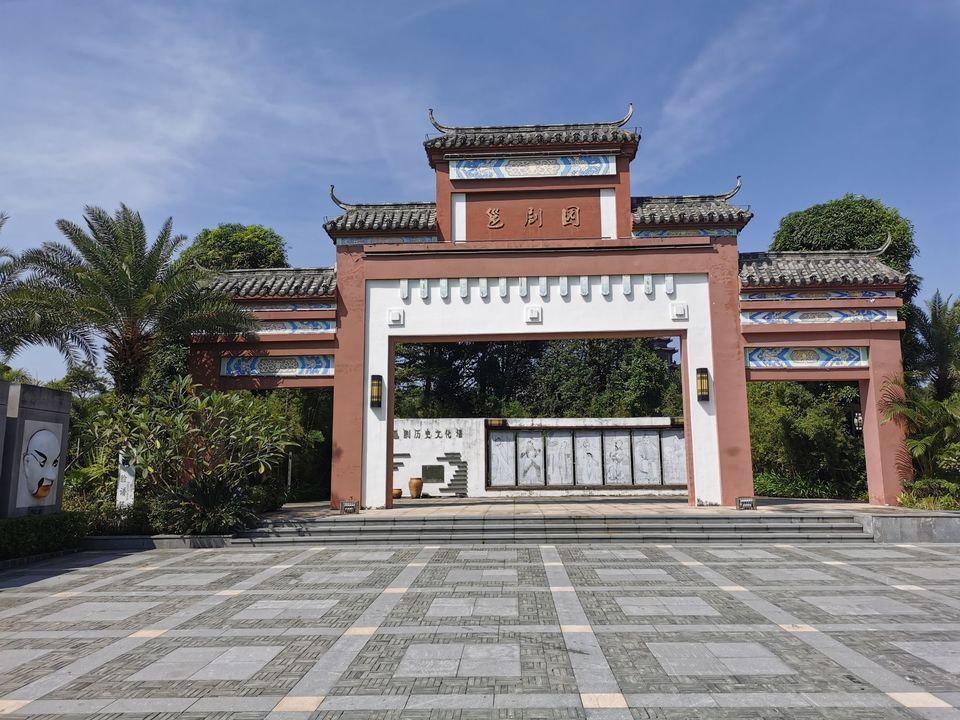
Explore rich intangible cultural heritage and traditional crafts
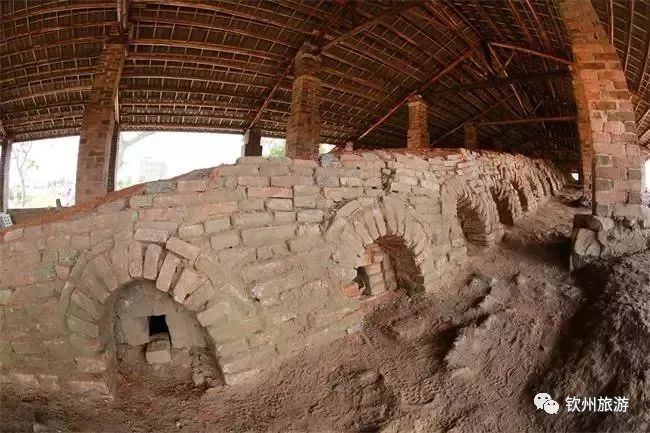
Qinzhou Nixing pottery is one of China's four famous ceramics, and its firing technique is listed in the National Intangible Cultural Heritage.

Qinzhou Tea-Picking Opera is a local traditional drama originating from tea-picking labor, listed in Guangxi Zhuang Autonomous Region Intangible Cultural Heritage.
Must-know transportation for exploring the city
Qinzhou currently has no civil airport. Fly to Nanning Wuxu International Airport or Beihai Fucheng Airport, then transfer by high-speed rail or bus.
Nanning-Qinzhou high-speed rail about 30 RMB
Qinzhou East Railway Station is a high-speed rail station with direct trains to Nanning, Beihai, Guangzhou, etc., convenient transportation.
Nanning-Qinzhou bullet train about 30 RMB
Qinzhou has multiple bus routes covering major attractions. Taxi starting fare about 8 RMB.
Bus 2 RMB
Taste the most authentic and popular local specialties
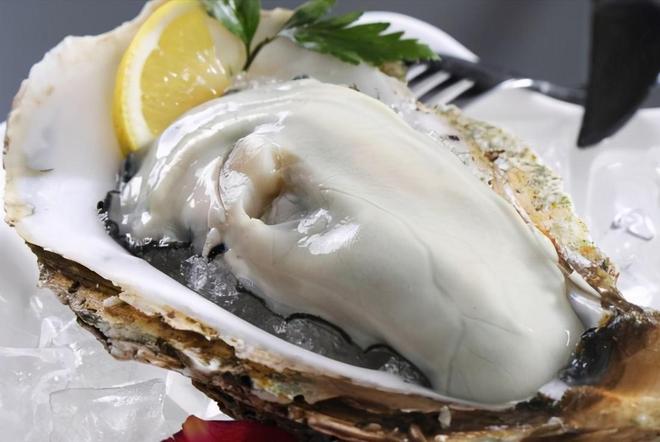
Qinzhou oysters are large and plump, can be eaten raw or grilled. They are a national geographical indication product.
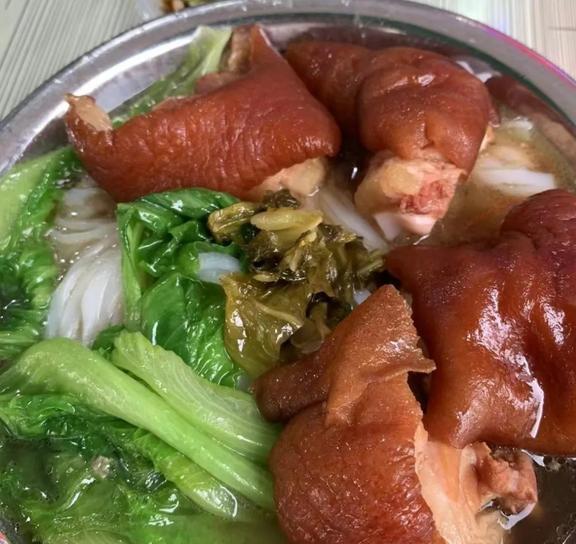
Pig trotters stewed until tender, served with rice noodles and special sauce, a local breakfast favorite.
A large park integrating garden art and ecological leisure, showcasing garden styles from various parts of Guangxi.
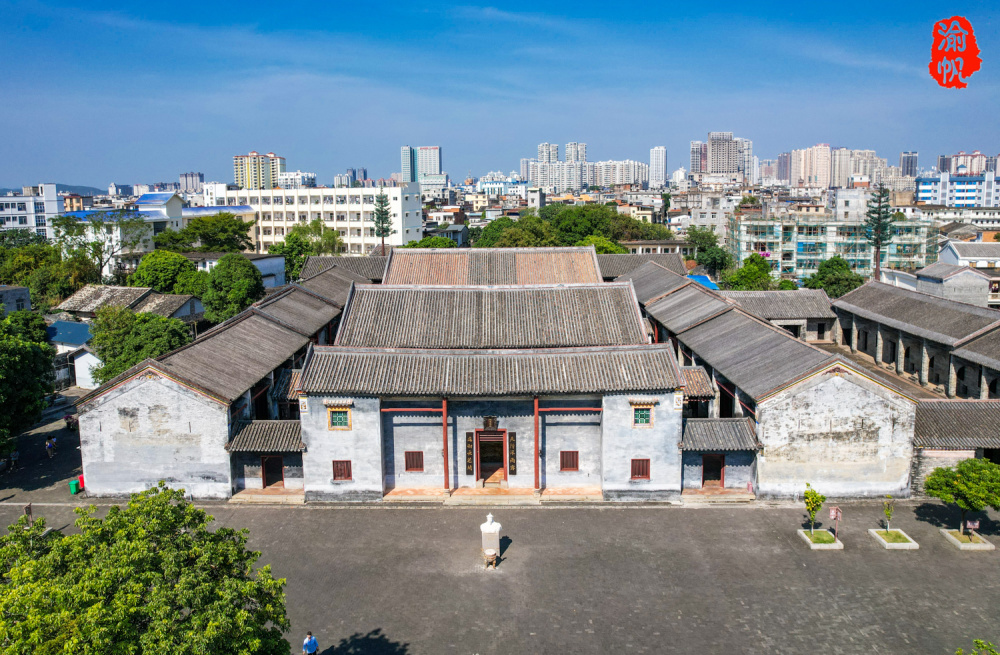
Former residence of Liu Yongfu, a national hero in the late Qing Dynasty. It is a key national cultural relic protection unit with Lingnan architectural style.
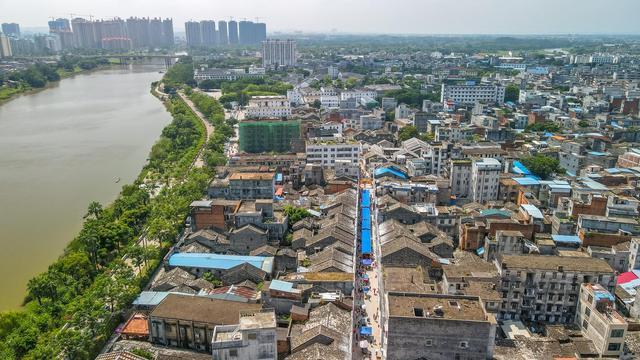
A historic district preserving architectural styles from Ming, Qing, and Republican periods, featuring arcade buildings and guild halls.
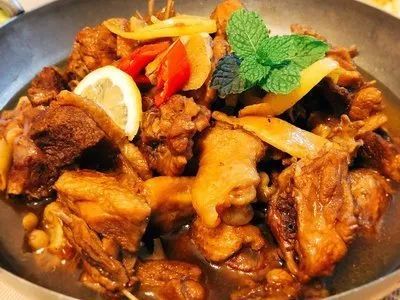
Duck marinated with lemon and pickled scallions, then braised, sour and spicy, a Qinzhou specialty.
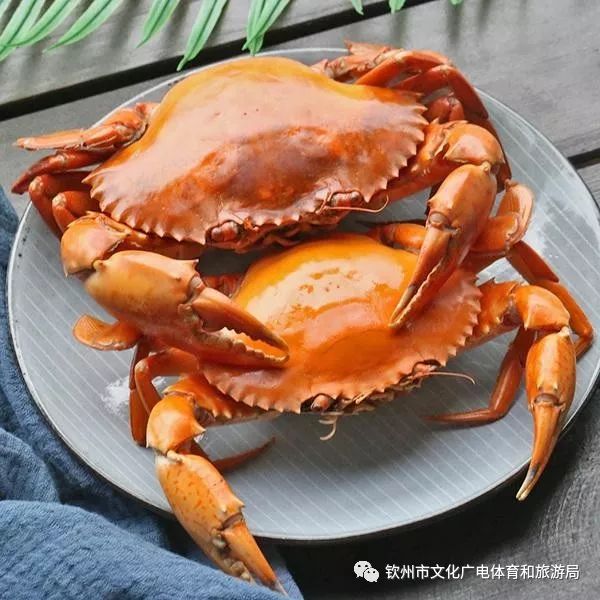
Blue crab specialty from Beibu Gulf, tender and delicious, often steamed or stir-fried with ginger and scallion.
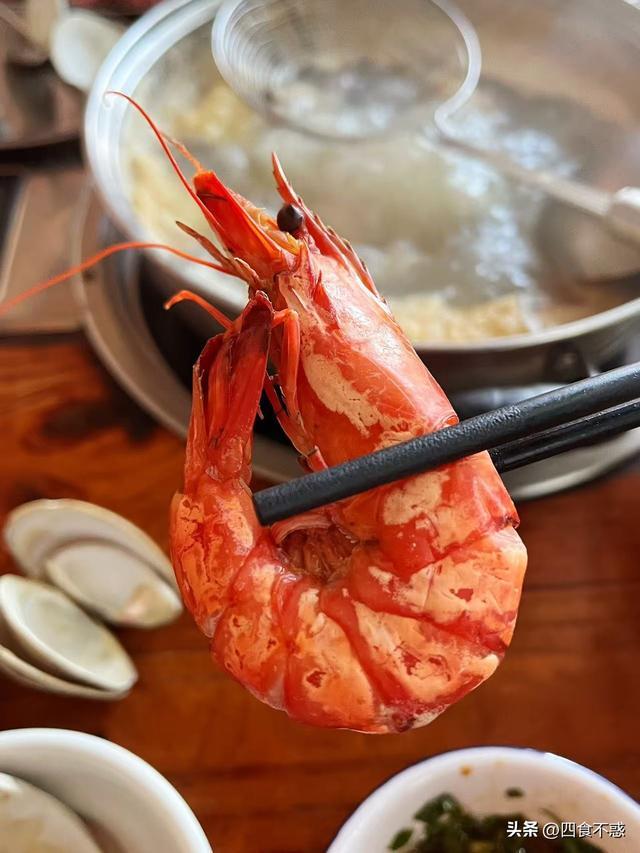
Prawns from Beibu Gulf, large and springy, can be boiled or braised.