
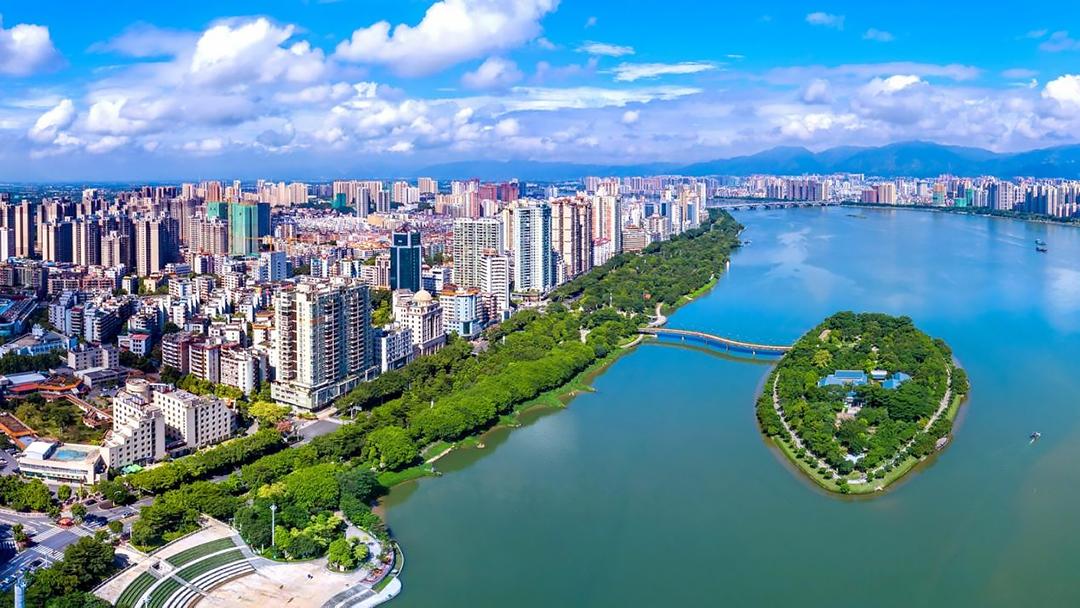
Qingyuan is located in the north-central part of Guangdong Province, in the middle and lower reaches of the Bei River, bordering Guangzhou to the south and Hunan to the north. It has a subtropical monsoon climate with four distinct seasons and abundant rainfall, with an average annual temperature of about 21°C.
Qingyuan has a long history, dating back to the Qin Dynasty when a county was established. During the Han Dynasty, it belonged to Guiyang Commandery, and gradually developed after the Tang Dynasty. In the Ming and Qing Dynasties, it became an important commercial town due to the Bei River shipping, and also played a significant role in modern revolutionary history.
Qingyuan is a place where Guangfu culture and Hakka culture blend, with unique Yao and Zhuang ethnic customs. Its cuisine is famous for Qingyuan chicken, Bei River fresh fish, and Daocie rice noodles. Folk arts include lion dance and dragon boat racing.
Modern Qingyuan leverages its geographical advantages to actively integrate into the Guangdong-Hong Kong-Macao Greater Bay Area, developing eco-tourism, modern agriculture, and advanced manufacturing. Projects such as the Guangqing Industrial Park and Chimelong International Tourism Resort are driving economic transformation.
The best time to visit 清远 is Spring (March-May) and Autumn (September-November) offer pleasant weather, making them the best travel seasons..
Spring (March-May): Mild temperatures, flowers bloom, suitable for flower viewing and outdoor activities. However, there is more rain and fog, so bring rain gear.
Summer (June-August): Hot and rainy, but it's the best time for rafting and water play. Qingyuan's rafting is very famous.
Autumn (September-November): Clear and crisp autumn weather with less rainfall, ideal for hiking and hot spring experiences. Winter (December-February) is colder, but hot spring tourism remains popular.
After Qin Shi Huang unified Lingnan, Zhenyang County was established in the Qingyuan area under Nanhai Commandery, marking the beginning of Qingyuan's administrative history.
In the 9th year of the Kaihuang era of the Sui Dynasty, Zhenyang County was abolished and replaced with Qingyuan County. The name 'Qingyuan' has been used ever since.
Recommended places to visit
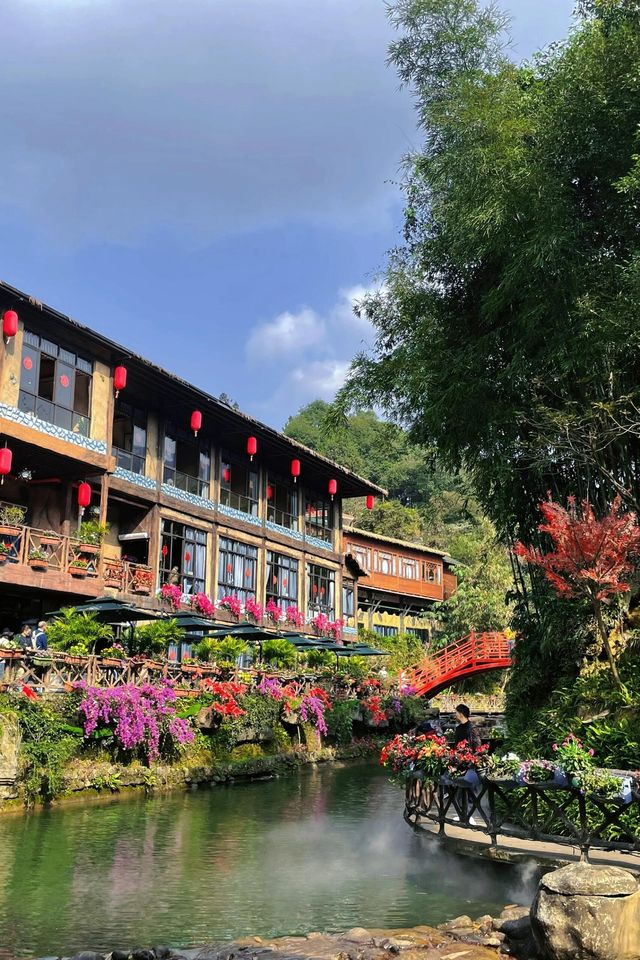
National 4A-level scenic area, famous for rafting and glass bridge, known as the 'Hometown of Chinese Rafting'. The gorge features numerous waterfalls and dense forests.
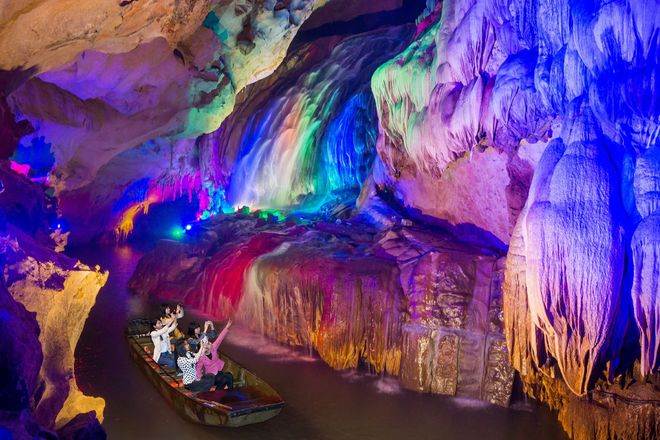
National 5A-level scenic area, a large underground river karst cave with various stalactites, accessible by boat.
Explore rich intangible cultural heritage and traditional crafts
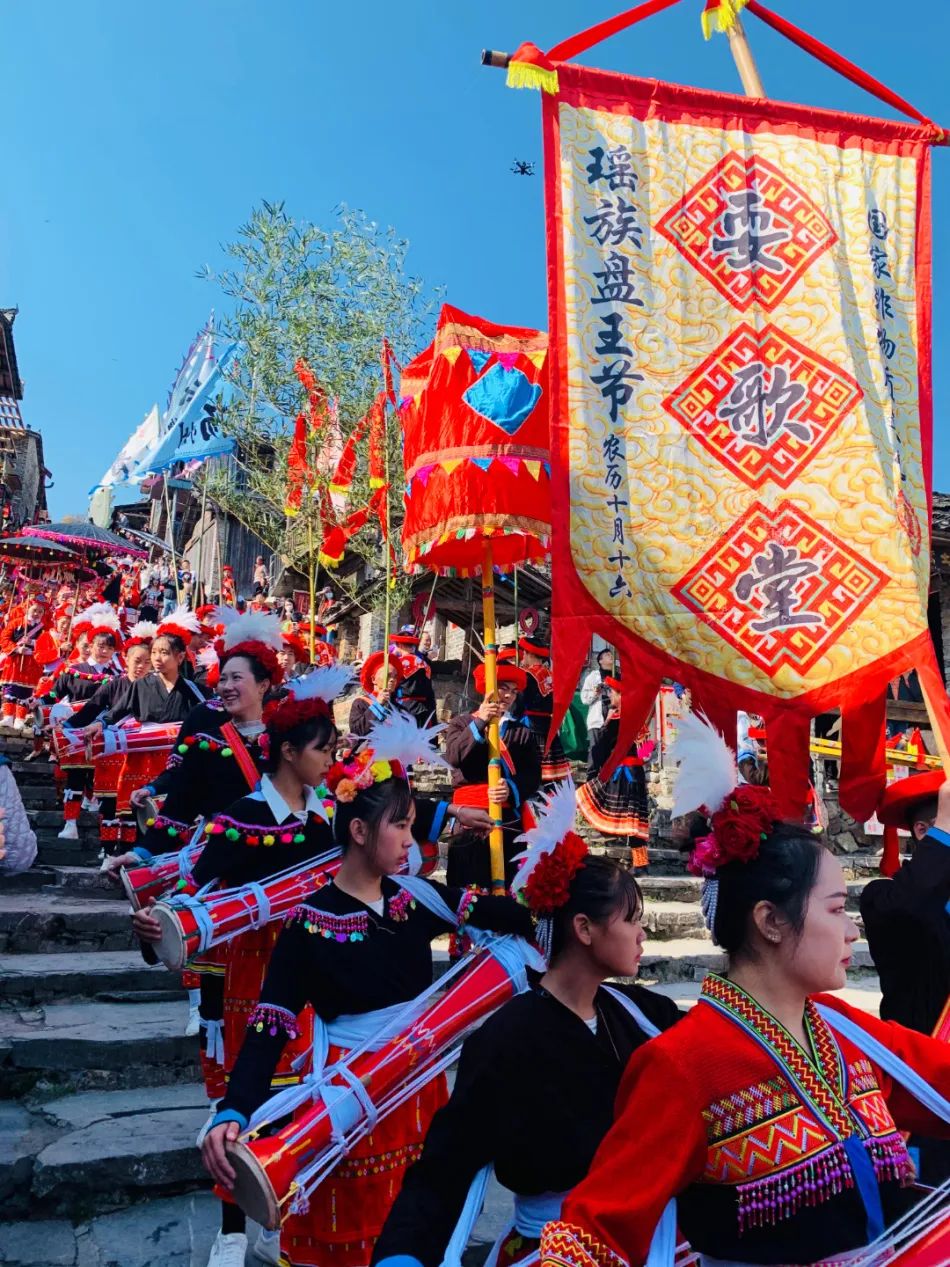
Traditional Yao song and dance activity in Liannan, inscribed as a national intangible cultural heritage in 2006.
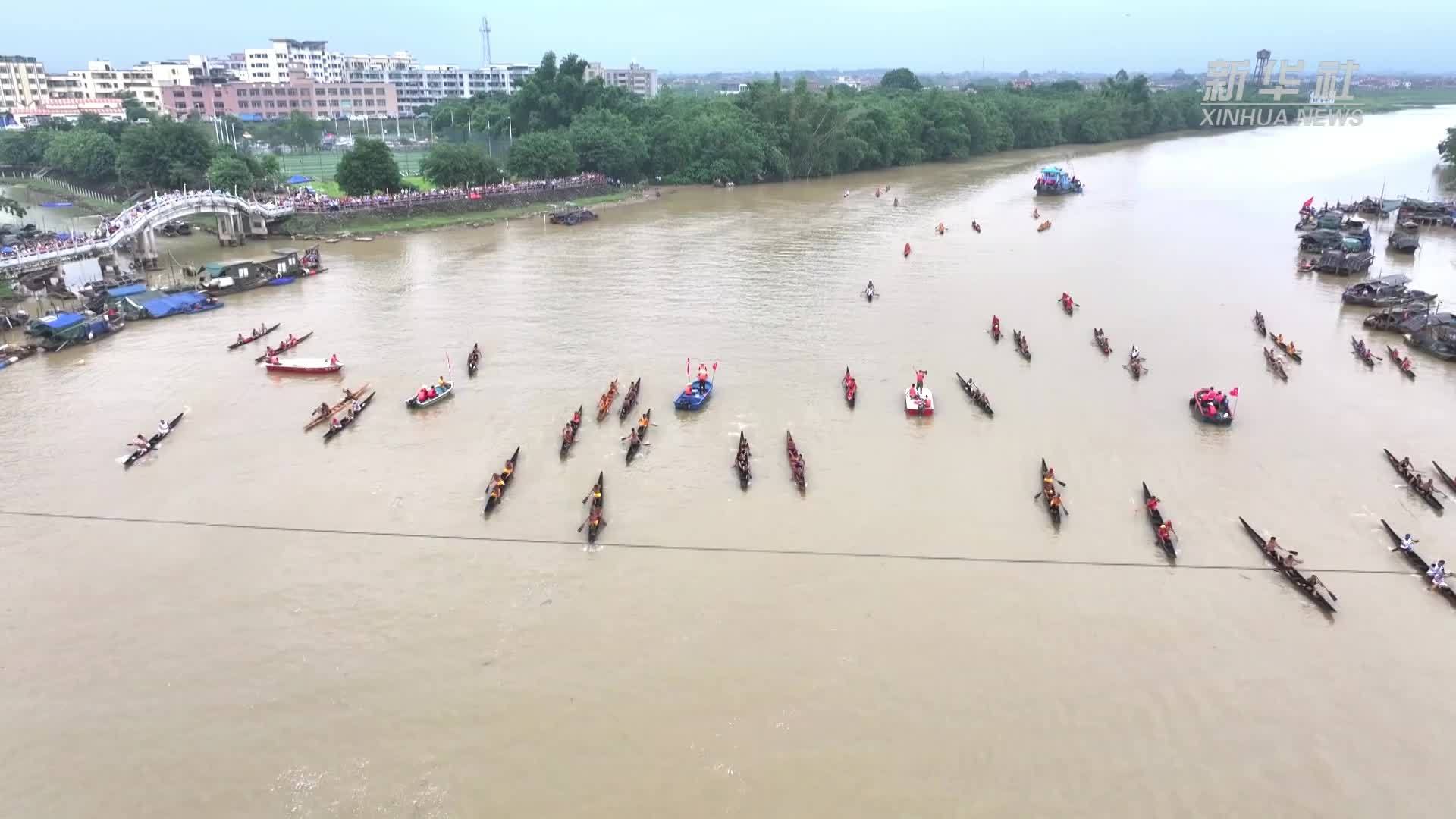
Traditional water racing activity in Qingyuan, listed as Guangdong provincial intangible cultural heritage in 2012.
Must-know transportation for exploring the city
Qingyuan Station is on the Wuhan-Guangzhou high-speed railway. From Guangzhou South Station to Qingyuan Station takes about 24 minutes, second-class seat fare approx. 39.5 RMB.
Approx. 39.5 RMB
Direct buses to Qingyuan are available from Guangzhou Provincial Station and City Station, about 1 hour drive, fare approx. 30-50 RMB.
Approx. 30-50 RMB
Qingyuan is about 70 km from Guangzhou Baiyun Airport. Direct airport buses take about 1.5 hours, fare approx. 70 RMB.
Approx. 70 RMB
Taste the most authentic and popular local specialties
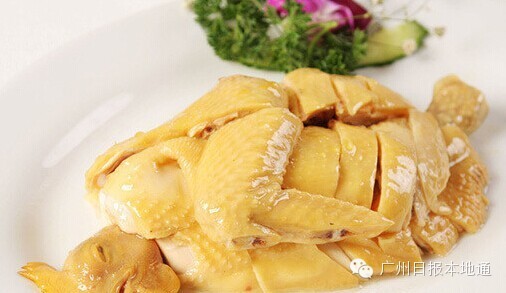
One of the four famous chickens in Guangdong, with smooth skin and tender meat, best served as white cut chicken.
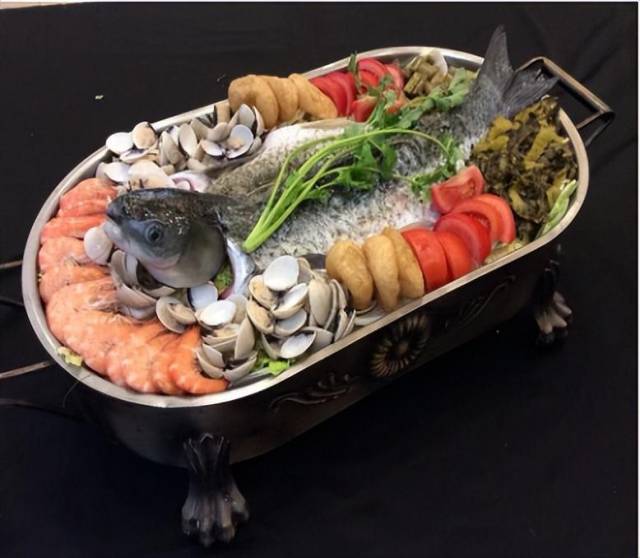
The Bei River has clear water and abundant freshwater fish, such as yellow bone fish and river shrimp, suitable for steaming or braising.
In January 1988, the State Council approved the abolition of Qingyuan County and the establishment of Qingyuan City (prefecture-level), governing Qingcheng, Qingjiao districts, and counties including Fogang and Yingde.
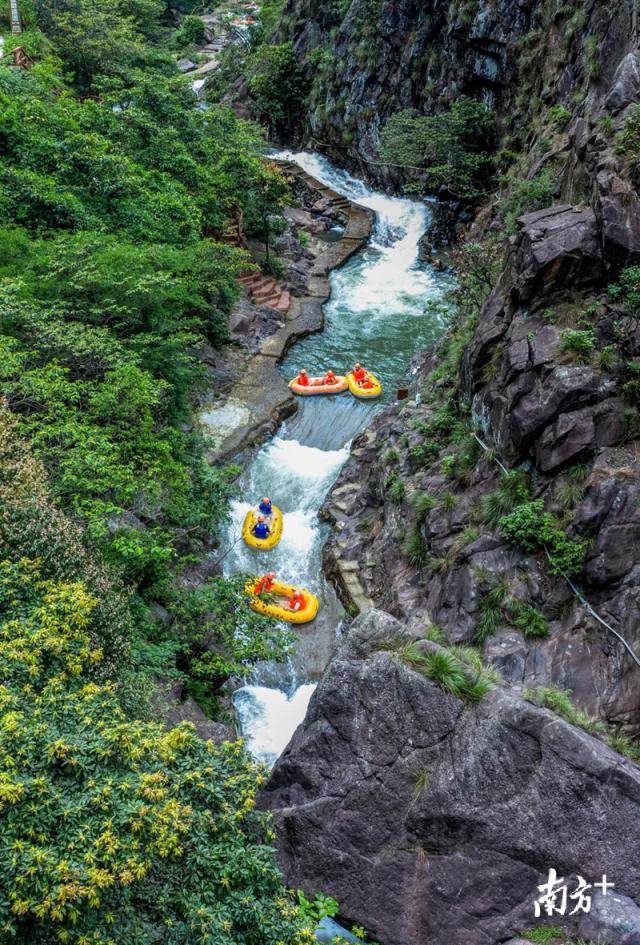
National 4A-level scenic area, known for rafting and mountain scenery, dubbed 'Little Jiuzhaigou'.
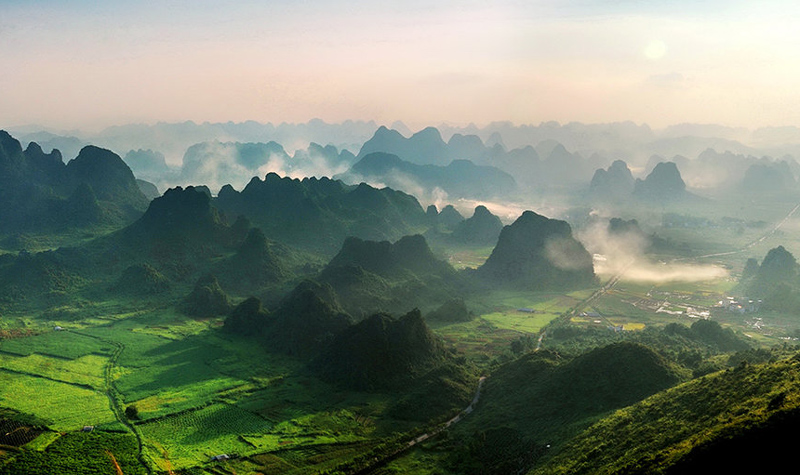
Typical karst landform with dense peak forests and picturesque rural scenery, known as 'Little Guilin of Guangdong'.
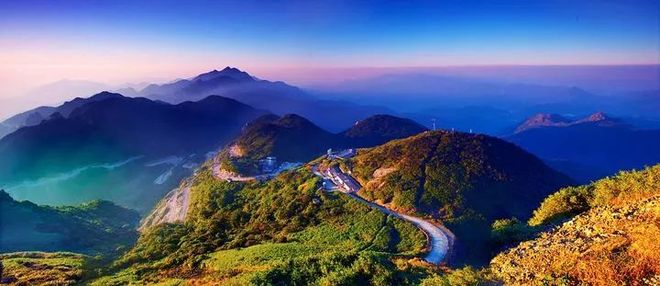
At 1902 meters, it is the highest peak in Guangdong, covered with primeval forest, offering sea of clouds and sunrise views.
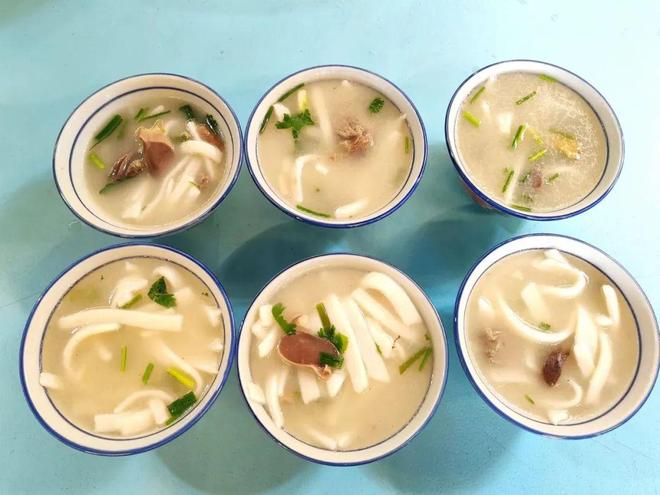
A traditional Qingyuan snack made from rice flour sheets cut with a knife, served in broth with toppings, smooth and chewy.
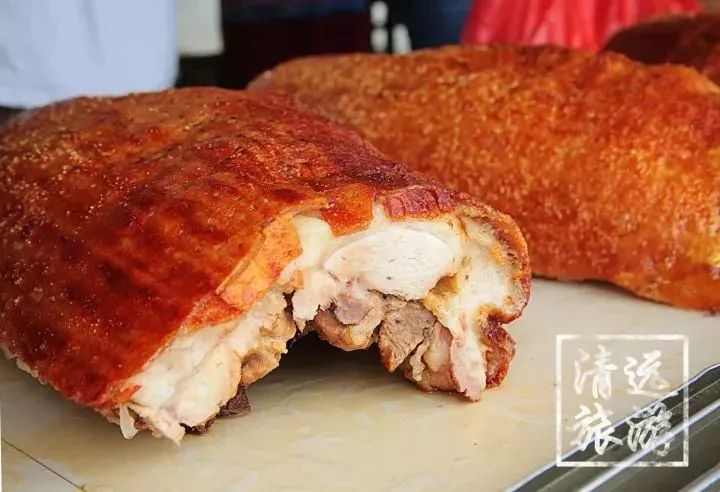
Originating from Zhouxin Town, Qingcheng District, traditionally charcoal-roasted, crispy skin and tender meat, fatty but not greasy.
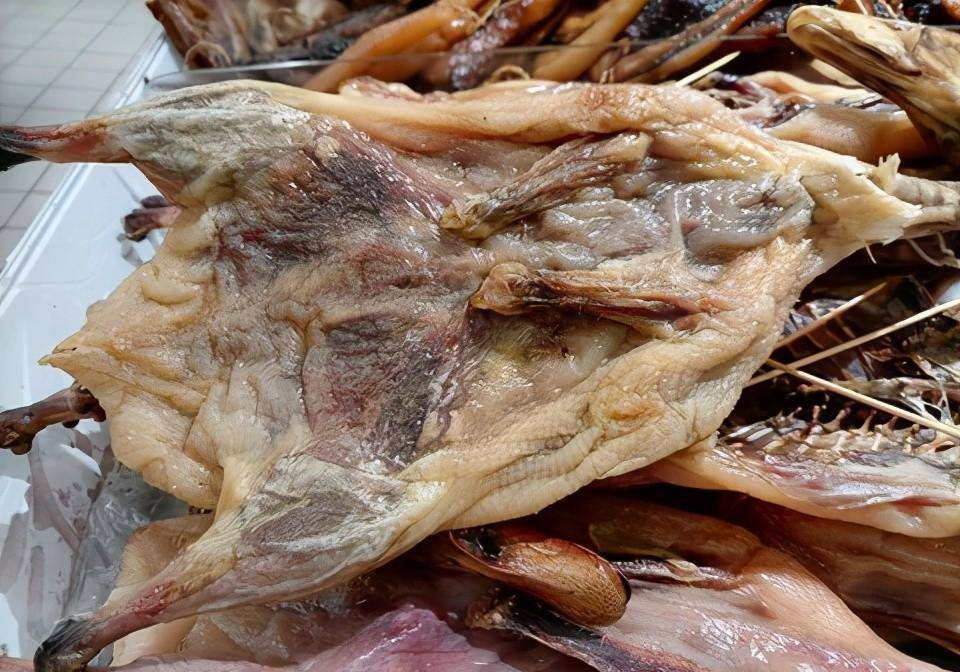
Specialty of Lianshan Zhuang and Yao Autonomous County, golden-colored cured meat and sausages with unique flavor, naturally air-dried.