
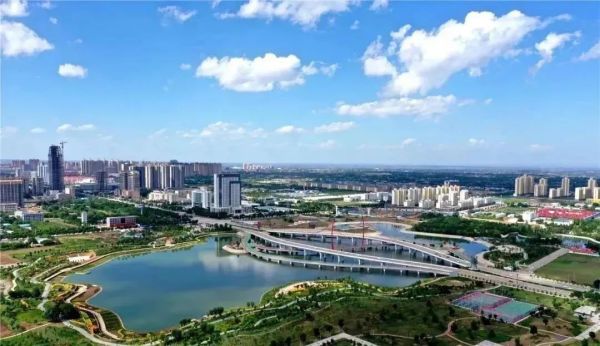
Qingyang City is located in eastern Gansu Province, deep in the Loess Plateau, bordering Yan'an in Shaanxi to the east and Guyuan in Ningxia to the west. It is a typical loess plateau gully region with a temperate continental monsoon climate, featuring four distinct seasons. The average annual temperature is 9.5°C, annual precipitation is about 450mm, with cool summers and dry cold winters.
Qingyang has a long history and is one of the important birthplaces of Chinese civilization. The Zhou ancestor Buzhu taught people farming here, initiating farming culture. In the Han Dynasty, Beidi Commandery was established, and in the Tang Dynasty, Qingzhou was set up. The name Qingyang has been used since the Ming and Qing Dynasties. In the 1930s, Qingyang was an important part of the Shaanxi-Gansu-Ningxia Border Region, with many red revolution sites.
Qingyang has a rich cultural heritage, including national intangible cultural heritage items such as sachets, paper-cutting, and Daoqing shadow puppetry. The cuisine is dominated by noodles and lamb, such as hele noodles, lamb meat, and buckwheat hele. Local folk activities are abundant, with Shehuo and suona music having unique characteristics.
In recent years, Qingyang has developed rapidly, relying on resources such as oil and coal to become an energy and chemical base. At the same time, tourism is booming, with attractions like Zhouzu Mausoleum and Nanliang Revolution Memorial Hall drawing many visitors. In terms of transportation, Qingyang Airport has opened multiple routes, and the Yinchuan-Xi'an high-speed railway has made travel more convenient.
The best time to visit 庆阳 is Spring and Autumn (April-June, September-November).
Spring (April-June): Warm weather, flowers in bloom, ideal for visiting Zhouzu Mausoleum and North Grotto Temple, experiencing the vitality of the Loess Plateau.
Autumn (September-November): Clear sky, fruits fragrant, best time to taste Qingyang apples and walnuts, with magnificent autumn scenery.
Summer is cool for escaping heat; winter is cold but offers ice and snow folk activities like Shehuo and ice lanterns.
Zhou ancestor Buzhu led his people to settle in Qingyang, teaching farming, initiating Chinese agricultural civilization.
Liu Zhidan, Xie Zichang and others established the Nanliang-centered revolutionary base, a foothold for the Long March.
The Yinchuan-Xi'an high-speed railway began operation, bringing Qingyang into the high-speed rail era, greatly boosting regional economic development.
Recommended places to visit
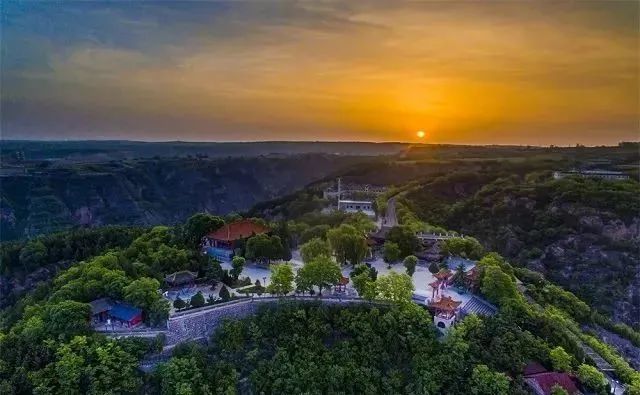
The mausoleum of Zhou ancestor Buzhu, located on Dongshan in Qingcheng County, a sacred site of Chinese agricultural culture. The grand complex offers panoramic views.
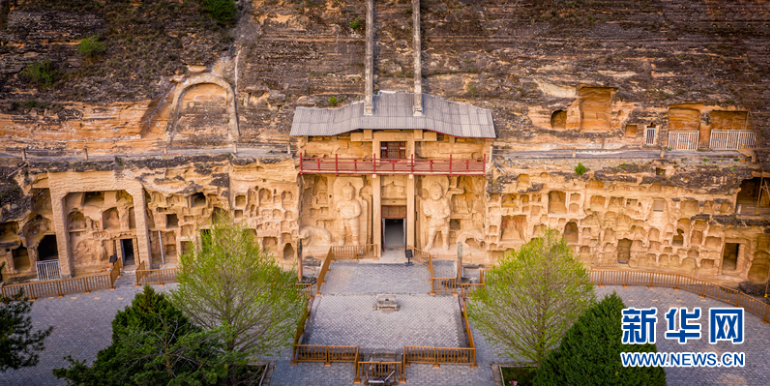
A group of caves carved during the Northern Wei Dynasty, with 296 niches and over 2000 statues, one of the four major grottoes in Gansu.
Explore rich intangible cultural heritage and traditional crafts
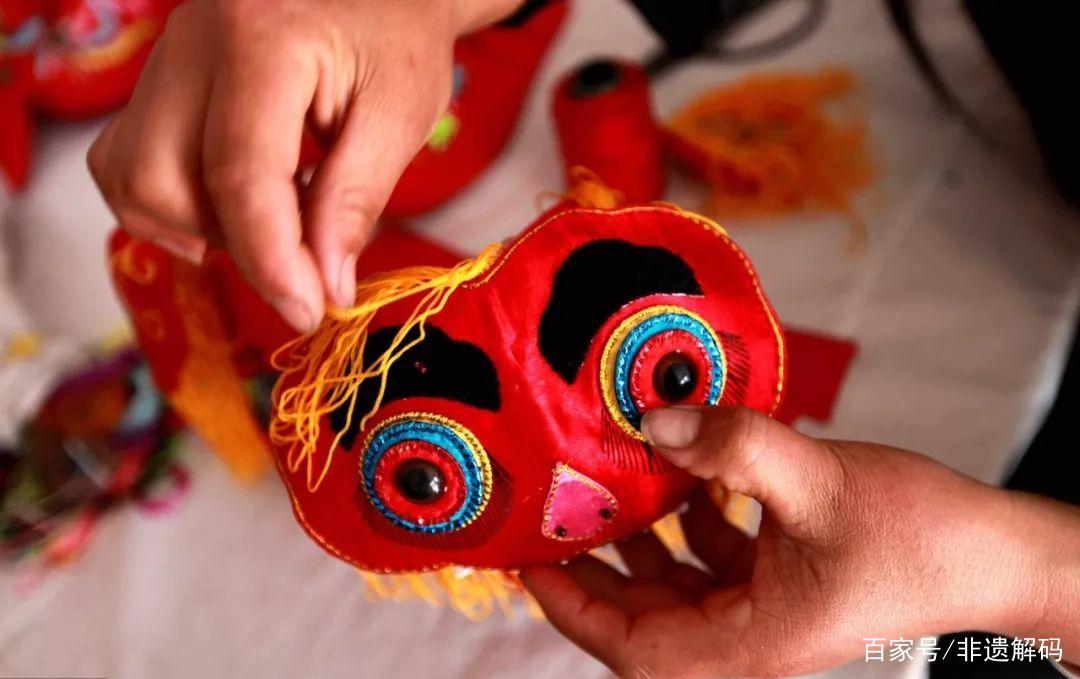
Qingyang sachet embroidery uses colored silk threads to embroider patterns on satin, filled with spices, symbolizing warding off evil and praying for blessings. Inscribed in 2006 as a national intangible cultural heritage.
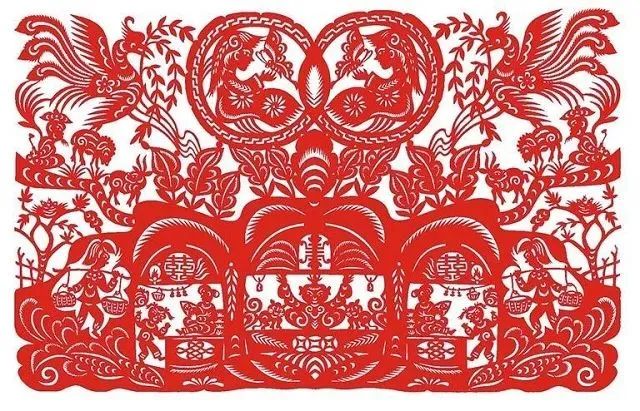
Qingyang paper-cutting features bold style and full composition, often depicting folk life. Inscribed in 2008 as a national intangible cultural heritage.
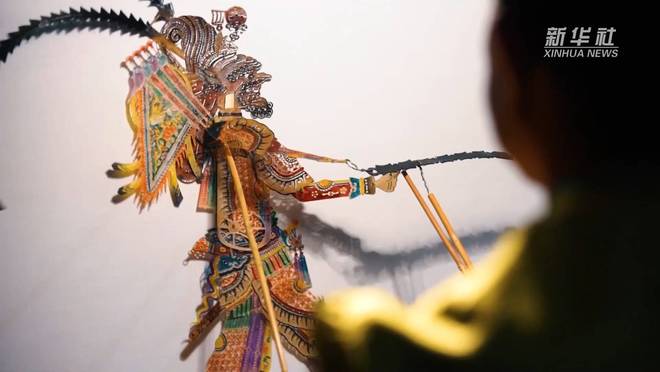
Huanxian Daoqing shadow puppetry combines Daoqing music with shadow performance, with melodious singing. Inscribed in 2006 as a national intangible cultural heritage.
Must-know transportation for exploring the city
Located in Xifeng District, with flights to Beijing, Shanghai, Xi'an, Lanzhou, etc., about 10 km from city center.
Varies by route
Qingyang Station on the line, connecting Yinchuan and Xi'an, speed 250 km/h, about 1.5 hours to Xi'an.
About 100 RMB from Xi'an
City bus routes cover main areas, fare 1-2 RMB, taxi starting fare 5 RMB.
1-2 RMB
Taste the most authentic and popular local specialties
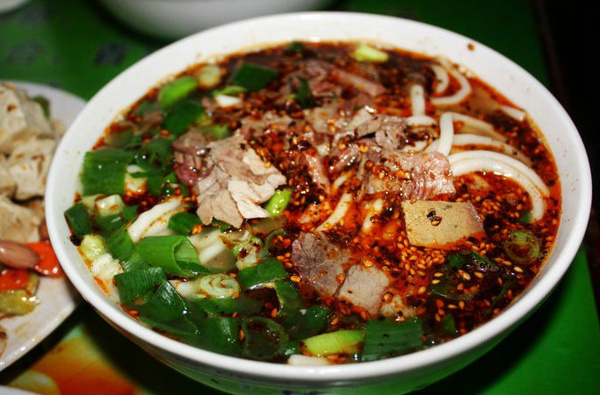
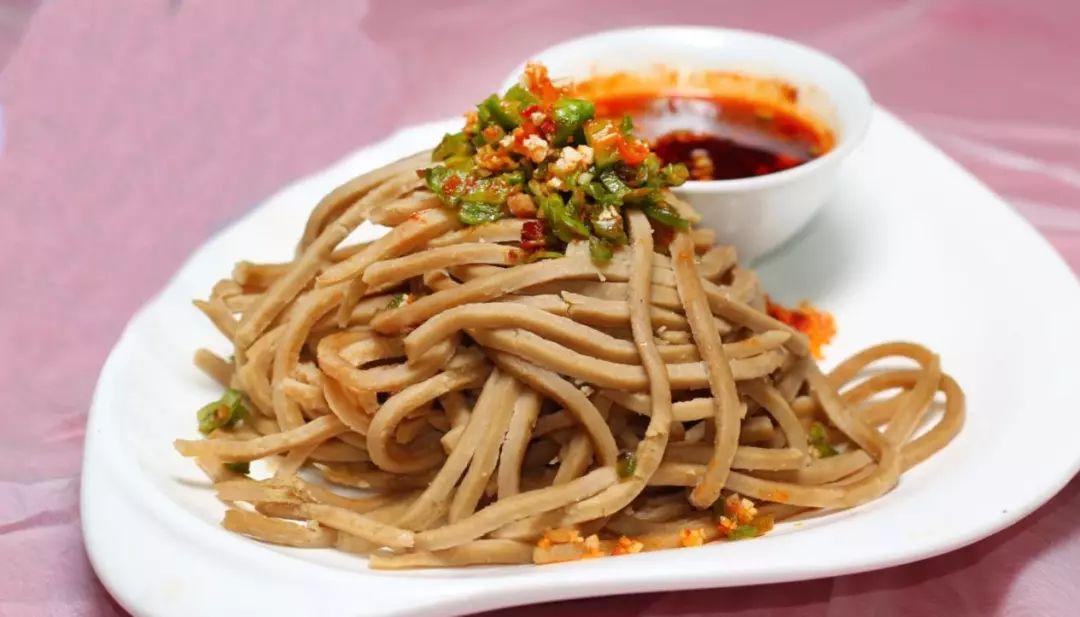
Noodles pressed from buckwheat or wheat flour, chewy and smooth, served with lamb soup or sour soup, a representative noodle dish of Qingyang.
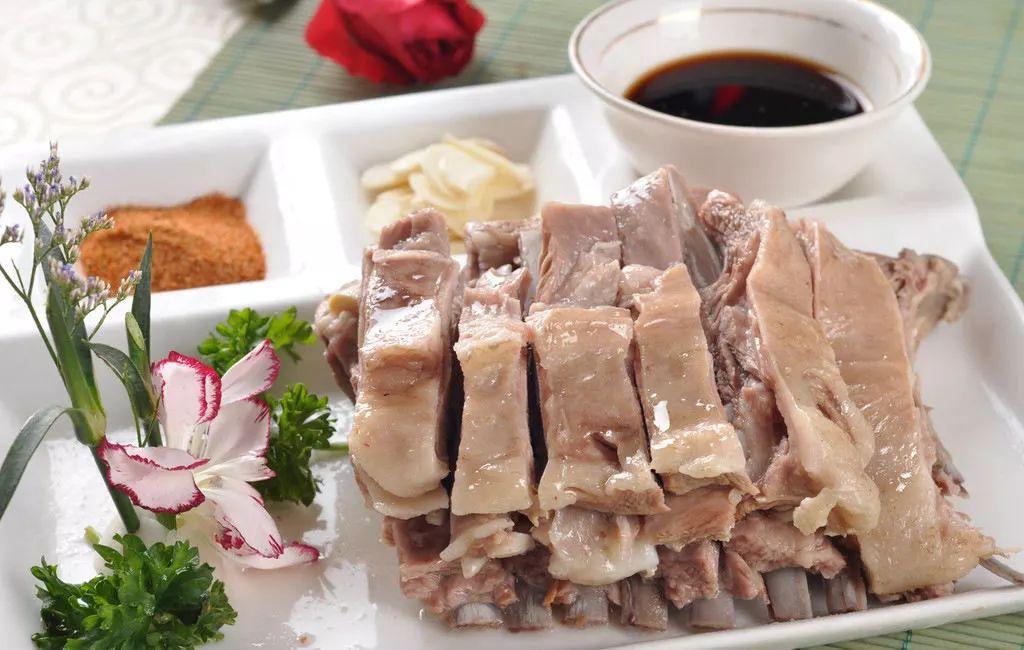
Locally raised lamb, tender and without gamey taste, delicious braised or stewed.
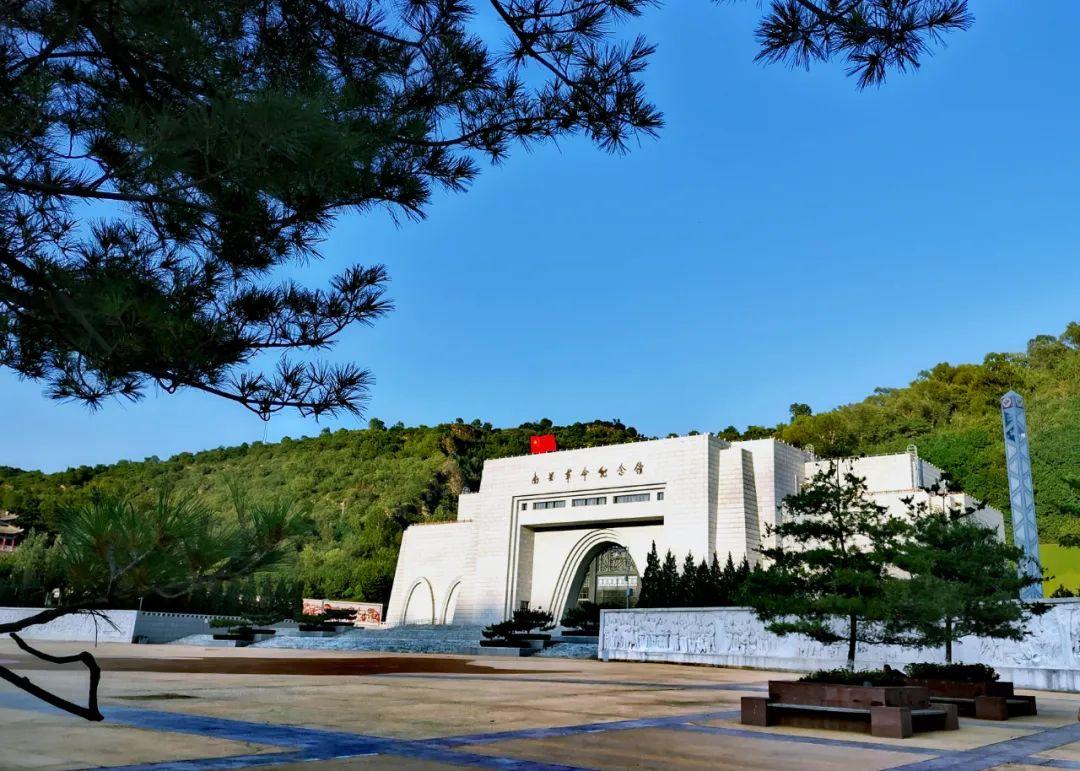
Built to commemorate the Shaanxi-Gansu Border Revolutionary Base, exhibiting heroic deeds of revolutionaries like Liu Zhidan and Xi Zhongxun.
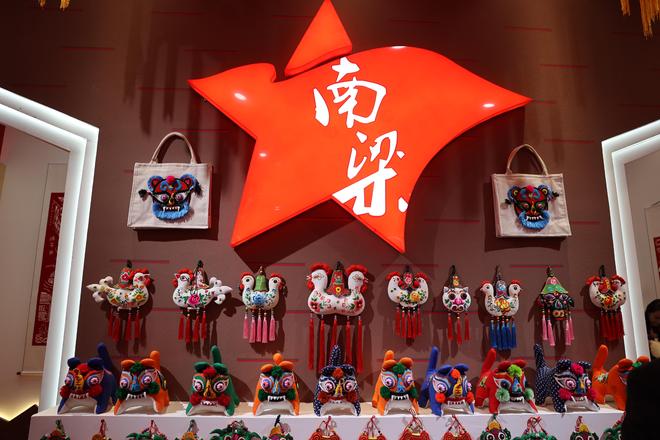
Exhibits folk arts like sachets, paper-cutting, shadow puppetry; hands-on workshops available.
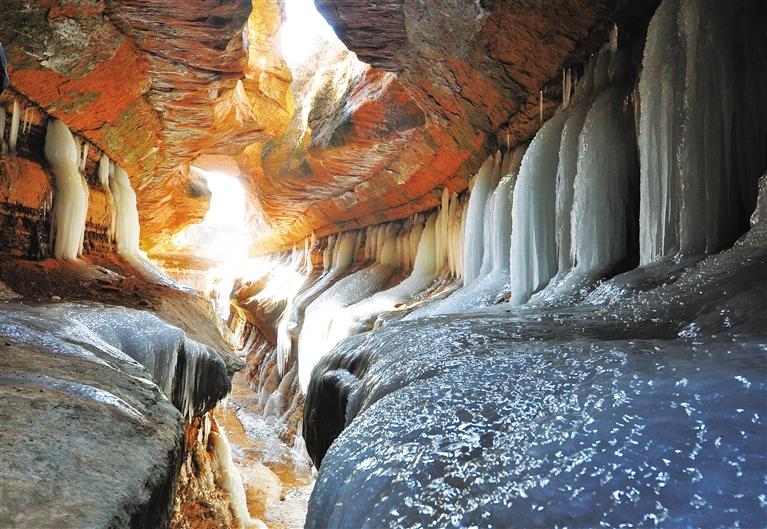
Natural ice cave formed in winter, with crystal-clear icicles and icefalls like a crystal palace.
Hele noodles made from buckwheat, brownish-black in color, unique texture, often served with pickled vegetables or minced lamb.
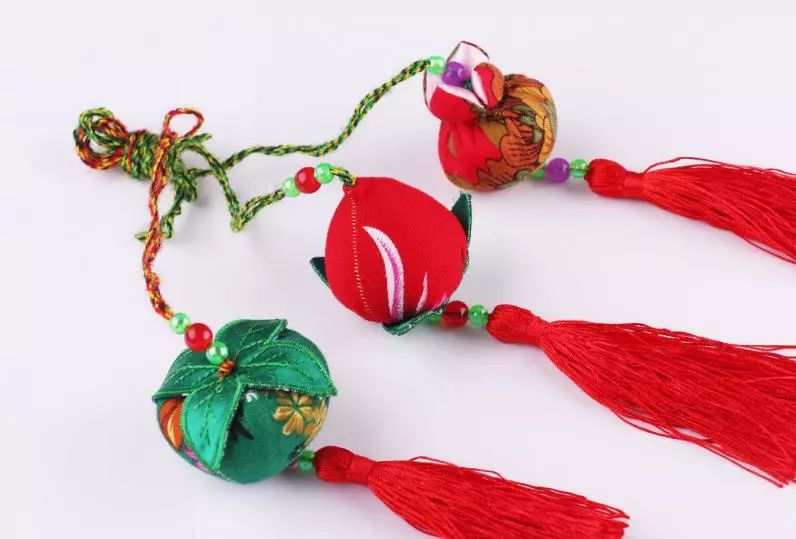
Traditional handicraft filled with spices, various shapes, symbolizing good luck, a national intangible cultural heritage.
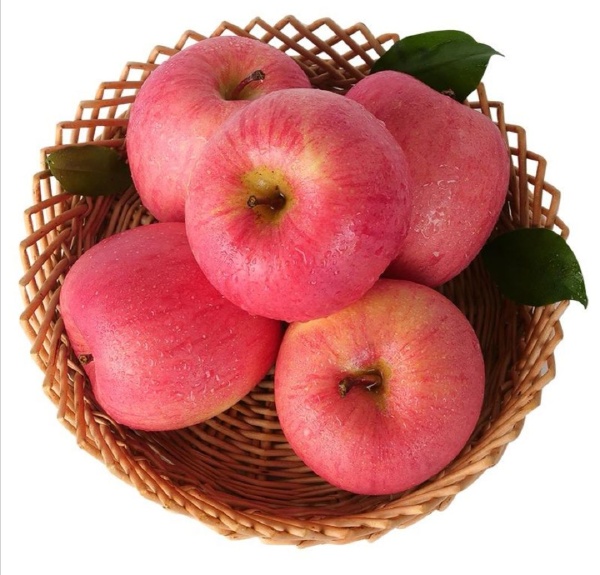
Grown on the Loess Plateau with ample sunlight, apples are bright, sweet, crisp and juicy, a national geographical indication product.