

Located in south-central Guizhou Province, Qiannan Buyi and Miao Autonomous Prefecture lies on the transitional slope from the southeastern Yunnan-Guizhou Plateau to the Guangxi hills. It has a subtropical monsoon climate with mild winters and cool summers, abundant rainfall, and an average annual temperature of around 16°C. Karst landforms are widespread, featuring peaks, caves, and underground rivers.
Qiannan has a long history, with human activity dating back to the Yin and Zhou dynasties. During the Qin and Han dynasties, it was part of the Yelang Kingdom. In the Tang dynasty, Jimi prefectures were established, and after the Ming dynasty's reform of local chieftains, it gradually came under central control. In 1956, the Qiannan Buyi and Miao Autonomous Prefecture was founded, becoming a multi-ethnic region.
Qiannan's culture is diverse, dominated by Buyi and Miao traditions, with unique intangible cultural heritage such as batik, embroidery, and Nuo opera. The local cuisine features sour and spicy flavors, with specialties like sour fish soup, shrimp sour, and stinky sour. Maojian tea is renowned nationwide.
In recent years, Qiannan has promoted science tourism centered on China's FAST telescope, while advancing ecological construction and rural revitalization. Attractions like Libo Small Seven Arch and Maolan Nature Reserve draw many visitors. Transportation has improved significantly, with high-speed rail and airports connecting to the rest of the country.
The best time to visit 黔南 is Spring and autumn (March-May, September-November) have pleasant weather.
Spring (March-May): Temperatures rise, flowers bloom, especially in Libo and Pingtang, ideal for outdoor sightseeing.
Summer (June-August): Although hot, Libo Small Seven Arch and Maolan are summer resorts, offering water forest and rafting.
Autumn (September-November): Clear skies and golden rice fields, the best season to view terraced fields and karst landscapes.
In August 1956, Qiannan Buyi and Miao Autonomous Prefecture was officially established with its capital in Duyun, marking the implementation of regional ethnic autonomy.
On September 25, 2016, the Five-hundred-meter Aperture Spherical Radio Telescope (FAST) in Pingtang County, Qiannan, was completed and put into operation, becoming the world's largest single-dish radio telescope.
In 2007, Libo Karst was inscribed on the UNESCO World Heritage List as part of 'South China Karst'.
Recommended places to visit
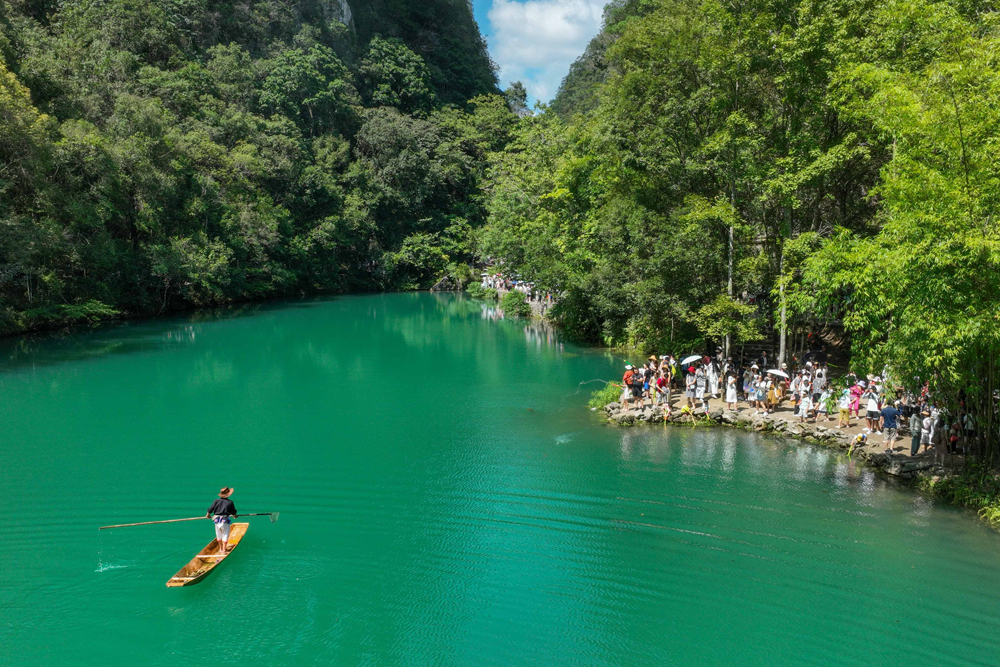
A World Natural Heritage site known for karst forests, waterfalls, lakes, and ancient bridges, hailed as the 'Green Gem on the Earth's Belt'.

Home to the world's largest single-dish radio telescope FAST, where visitors can explore the astronomy experience hall and observation deck.
UNESCO World Heritage Sites
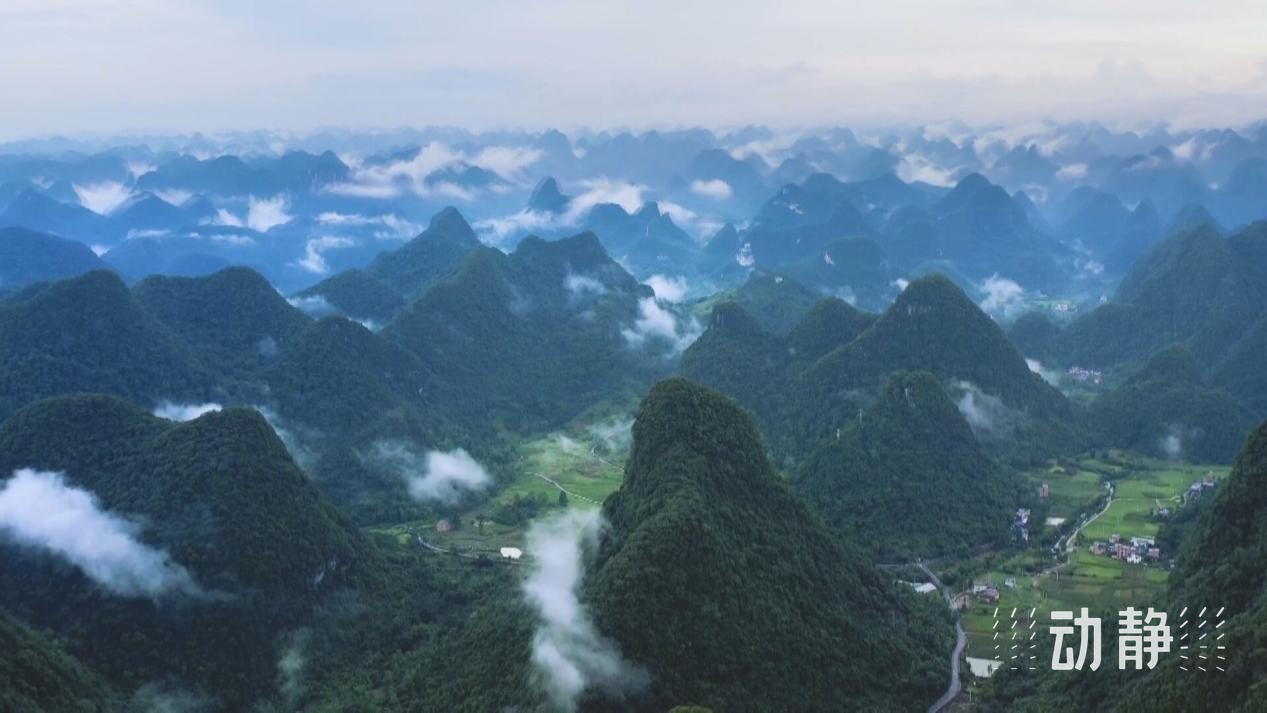
Libo Karst is a key component of 'South China Karst', characterized by cone and tower karst landforms with rich biodiversity.
Explore rich intangible cultural heritage and traditional crafts
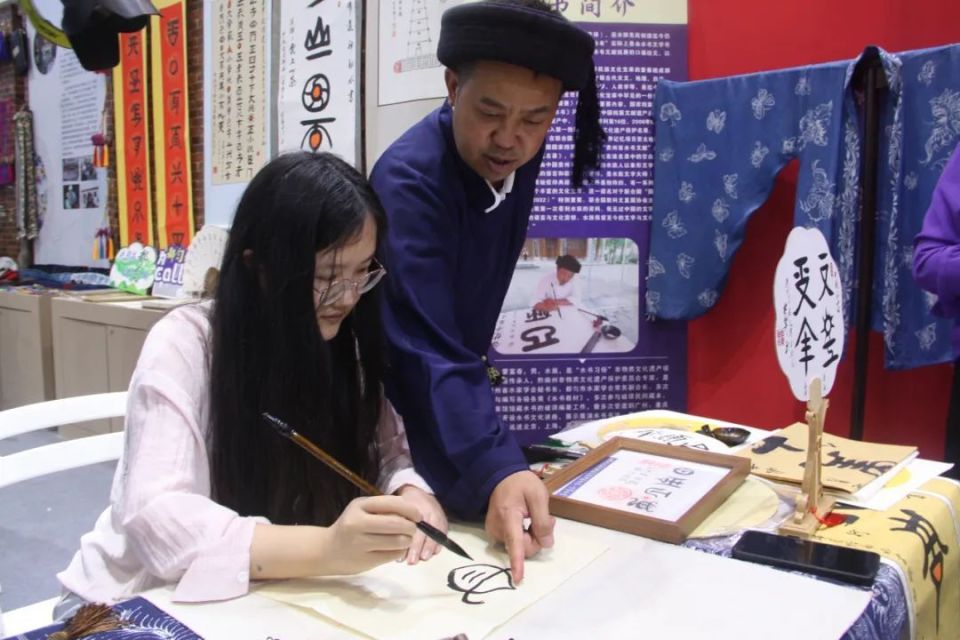
The unique script and customs of the Shui ethnic group, used for divination and rituals, known as a 'living fossil of pictographic characters'.
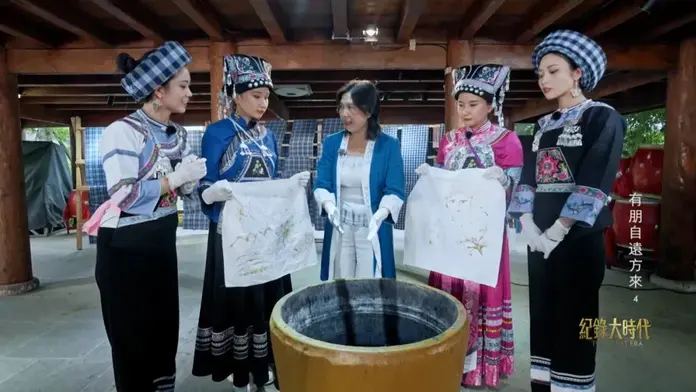
A traditional Buyi dyeing technique using wax as a resist agent to draw patterns on cloth, then dyeing to create blue-and-white designs.
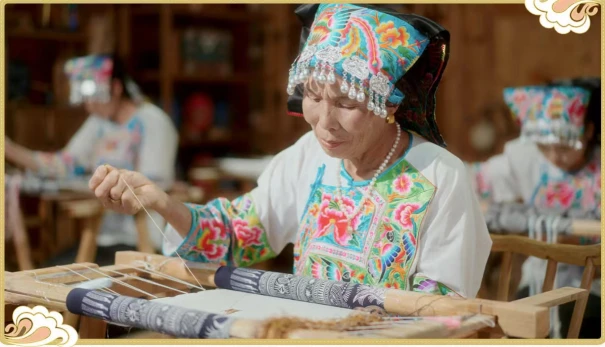
A traditional Miao embroidery technique with exquisite patterns and vibrant colors, reflecting Miao history and legends.
Must-know transportation for exploring the city
Located in Libo County, with flights to Guiyang, Guangzhou, Shenzhen, etc., about 30 km from Small Seven Arch Scenic Area.
Varies by route
Passes through Duyun East Station, Sandu County Station, etc., connecting Guiyang, Guangzhou, Shenzhen; about 1 hour from Guiyang to Duyun.
Guiyang-Duyun second class about 50 RMB
Each county and city has bus stations, with coaches to Guiyang, Kaili, Libo, etc., at affordable prices.
Duyun-Libo about 60 RMB
Taste the most authentic and popular local specialties
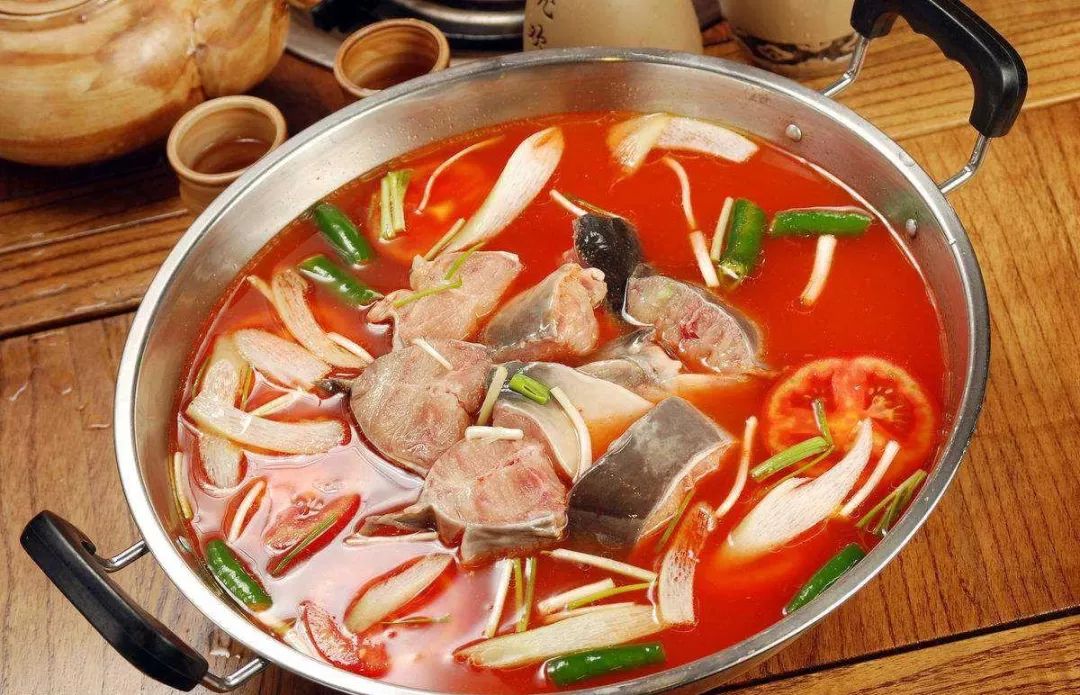
The most representative dish of Qiannan, made with sour soup and fresh river fish, sour and spicy, appetizing.
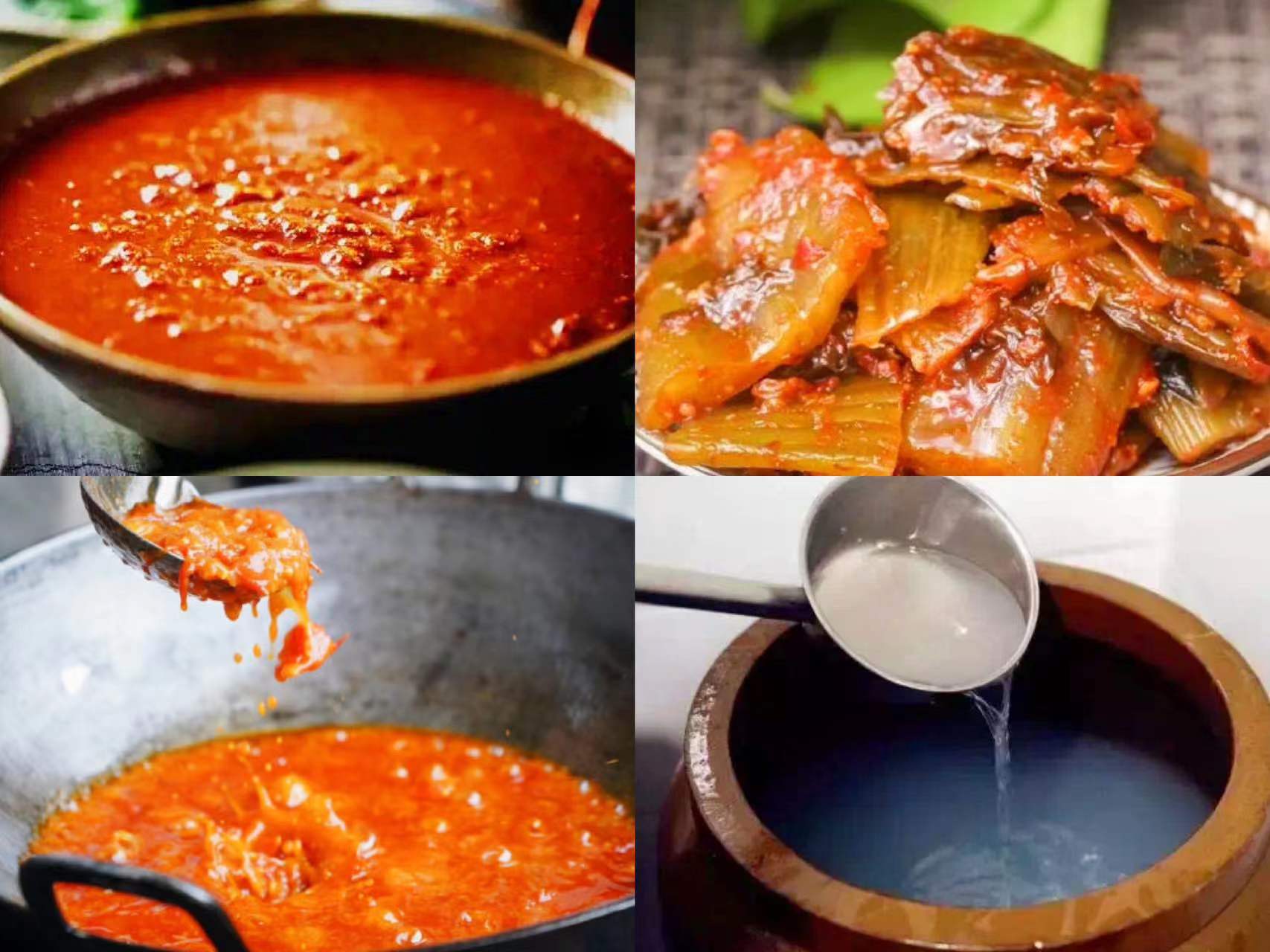
A unique fermented seasoning made from small river shrimp, used in stir-fries or hotpot, with a rich and distinctive flavor.
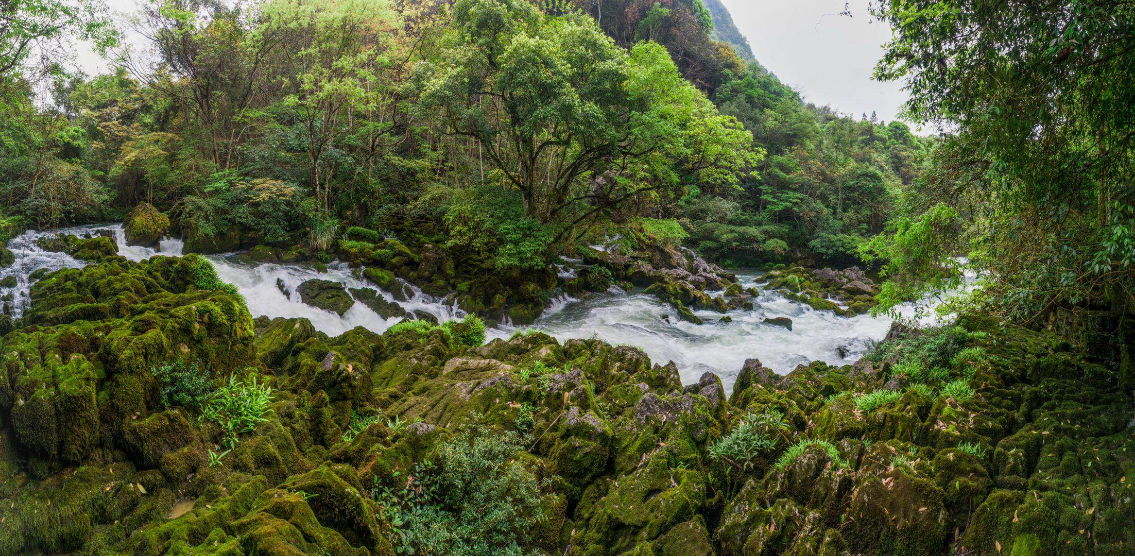
A karst forest ecosystem reserve with primeval forests, caves, and rare flora and fauna, a paradise for hiking and adventure.

A large film and television base recreating Qin and Han architecture, offering costume photography and historical culture experiences.
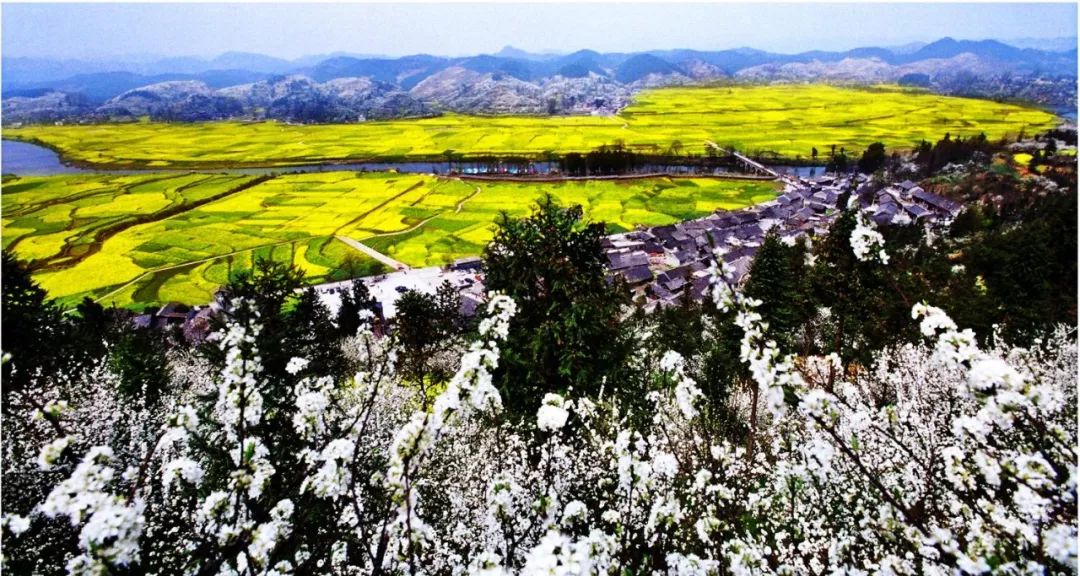
In spring, vast fields of rapeseed flowers and pear blossoms bloom, creating a spectacular sea of gold and white.
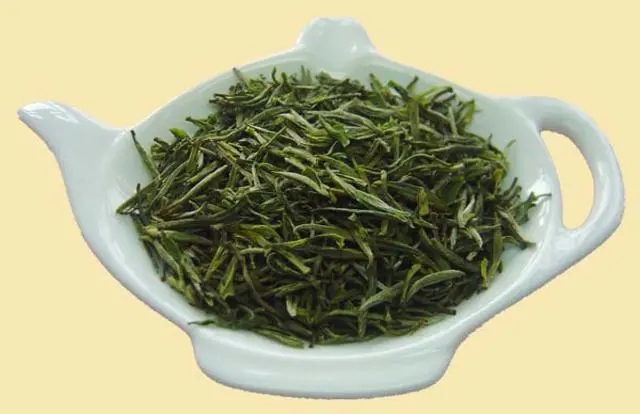
One of China's top ten famous teas, with curled, hook-shaped leaves covered in white down, a fresh and sweet taste, and a delicate aroma.
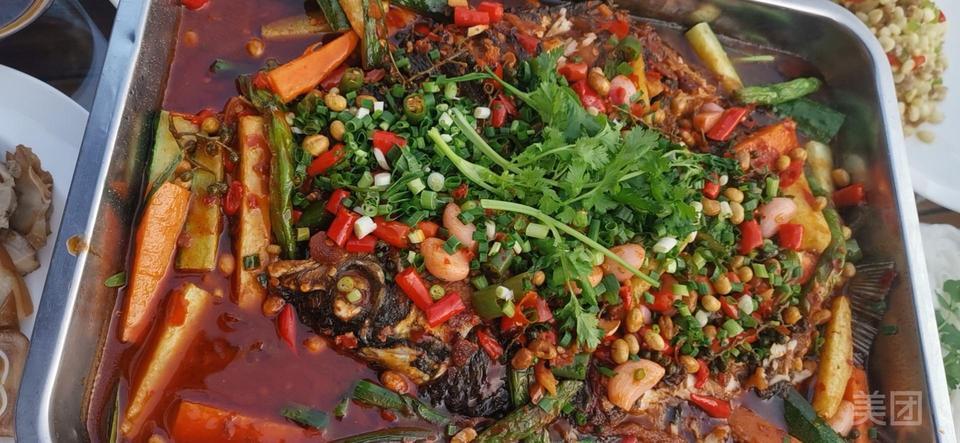
Fresh fish from Zhangjiang River grilled with chili, Sichuan pepper, and other spices, crispy outside and tender inside, spicy and delicious.
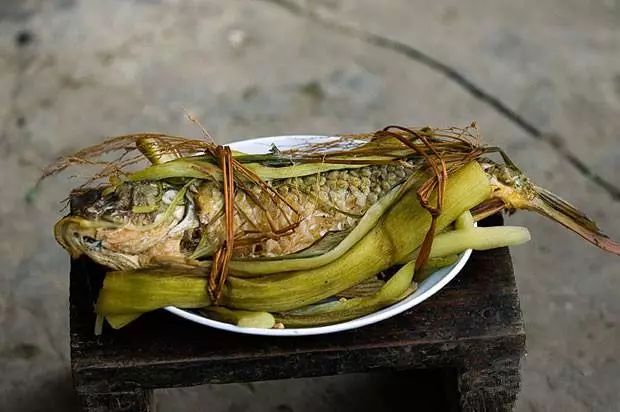
A traditional Shui ethnic dish, stuffing fish belly with leek and seasonings, then steaming till tender, with a fragrant leek flavor.