

Qiandongnan Miao and Dong Autonomous Prefecture is located in southeastern Guizhou Province, transitioning from the Yunnan-Guizhou Plateau to the hills and basins of Hunan and Guangxi. It has a subtropical monsoon humid climate with distinct seasons and abundant rainfall, with an annual average temperature of 14-18°C.
Qiandongnan has a long history. During the Spring and Autumn and Warring States periods, it belonged to the Chu and Qin Qianzhong Commandery. In the Han Dynasty, it was part of Wuling Commandery. By the late Tang, it was under Qianzhong Circuit. Prefectures were established in the Ming Dynasty, and the system of chieftains was replaced by regular officials in the Qing Dynasty. The autonomous prefecture was established in 1956, and it is a multi-ethnic area.
Qiandongnan's culture centers around Miao and Dong traditions, with festivals like the Miao New Year and Dong New Year. The Lusheng dance and Dong Grand Song are famous worldwide. The local cuisine features sour and spicy flavors, with representative dishes such as sour soup fish, niubie (beef tripe soup), and fermented fish.
In recent years, Qiandongnan has leveraged its rich ethnic culture and natural ecological resources to develop tourism. Attractions like Xijiang Qianhu Miao Village and Zhaoxing Dong Village have become popular destinations. Meanwhile, transportation infrastructure has been continuously improved, with high-speed rail and airports connecting the region to other parts of the province and beyond.
The best time to visit 黔东南 is Best in spring and autumn (March-May, September-November).
Spring (March-May): Mild temperatures, everything revives. The terraced fields in Miao villages are mirror-like after irrigation, and you can participate in traditional festivals like the Miao Sisters Festival.
Autumn (September-November): Clear and crisp weather, golden rice paddies. Dong villages celebrate harvest festivals, offering great photo opportunities of autumn scenery.
Summer (June-August) is hot and rainy but you can escape the heat in natural areas like Leigong Mountain. Winter (December-February) is cold but you can experience Miao New Year and other folk activities.
On July 23, 1956, Qiandongnan Miao and Dong Autonomous Prefecture was officially established with its capital in Kaili, marking the implementation of regional ethnic autonomy.
In 2008, the Grand Song of the Dong was inscribed on UNESCO's Representative List of the Intangible Cultural Heritage of Humanity, becoming a cultural symbol of Qiandongnan.
Recommended places to visit
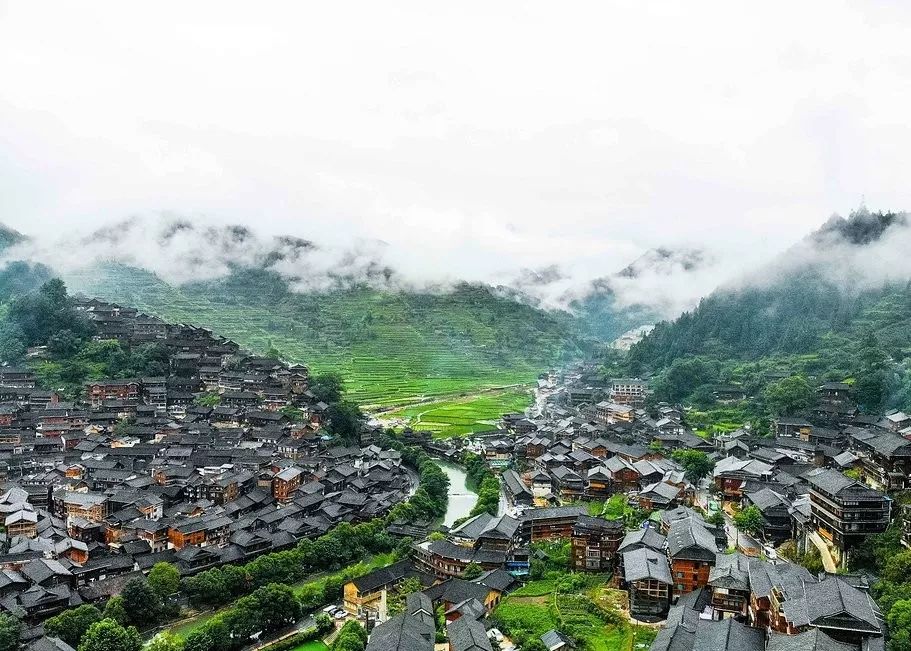
The largest Miao village in the world, located in Leishan County, featuring tiered stilted houses and brilliant night lights, known as the 'king of Miao village night views'.
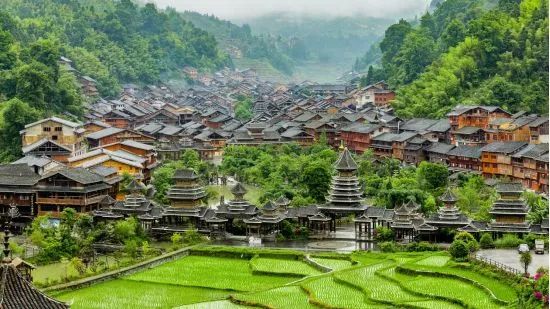
One of the largest Dong villages in China, located in Liping County, famous for its five drum towers and covered bridges, and is a birthplace of the Grand Song of the Dong.
Explore rich intangible cultural heritage and traditional crafts
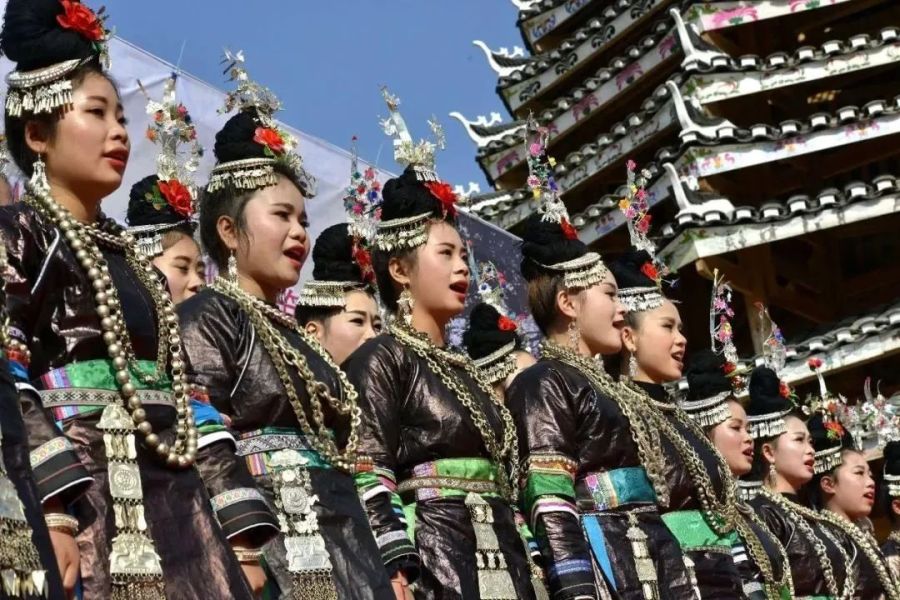
Multi-part folk chorus of the Dong people, without conductor or accompaniment, imitating natural sounds, inscribed as UNESCO Intangible Cultural Heritage.
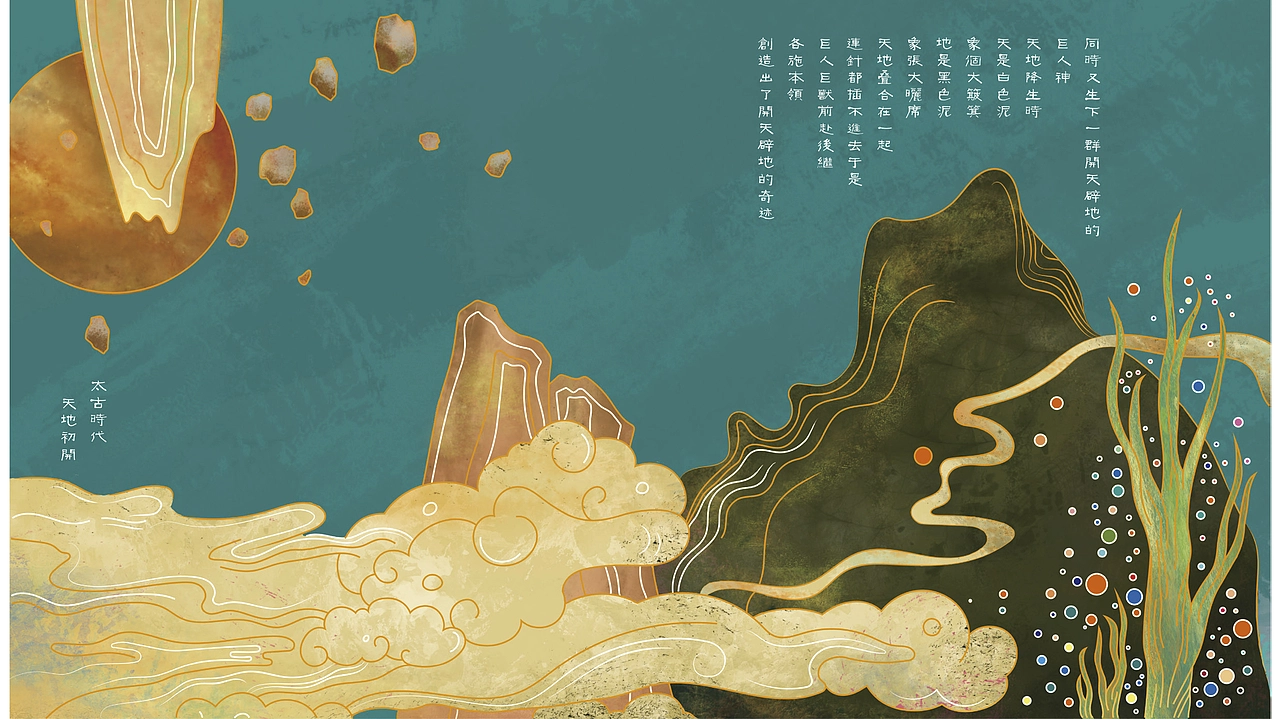
Oral epic of the Miao people, covering creation and migration, sung in five-character verses, a living fossil for studying Miao history.
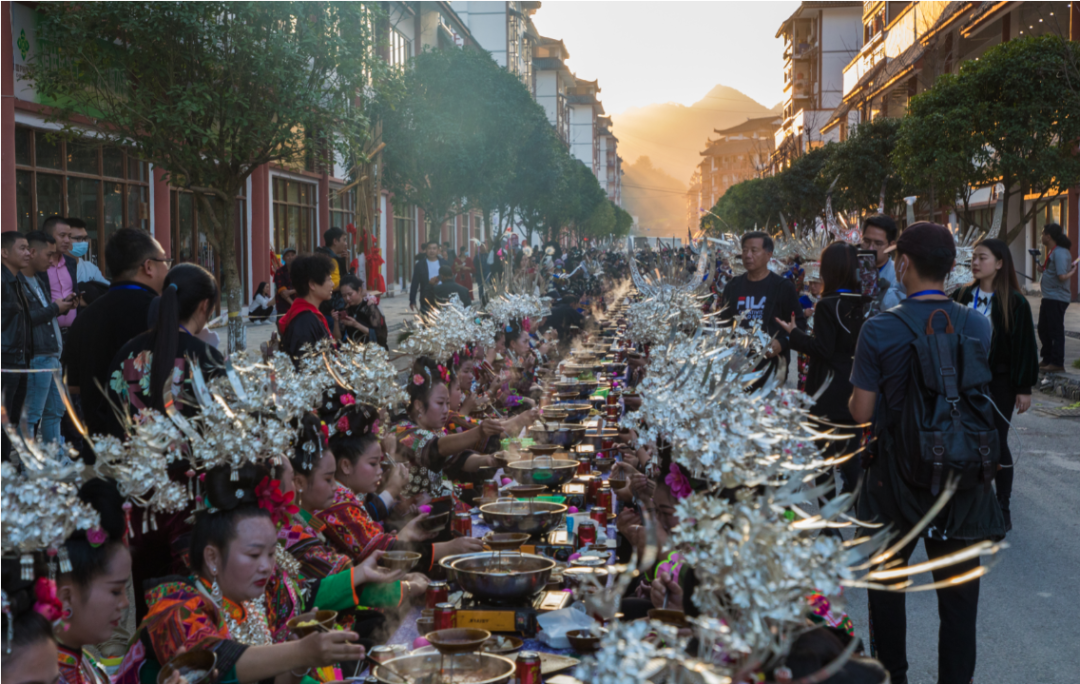
The most important traditional festival of the Miao people, held from the 10th to 11th lunar months, featuring Lusheng dance, bullfighting, and stepping ceremonies.
Must-know transportation for exploring the city
Located in Huangping County, about 50km from Kaili, with flights to Beijing, Shanghai, Guangzhou, Guiyang, etc.
Varies by route
Kaili South Station is a key stop on the Shanghai-Kunming HSR, connecting to Guiyang (40 min), Changsha (2h), Shanghai (6h), etc.
Kaili to Guiyang second class about 58 yuan
Kaili bus station has buses to Xijiang, Zhenyuan, Zhaoxing, etc. Some scenic areas provide direct shuttles.
Kaili to Xijiang about 16 yuan
Taste the most authentic and popular local specialties
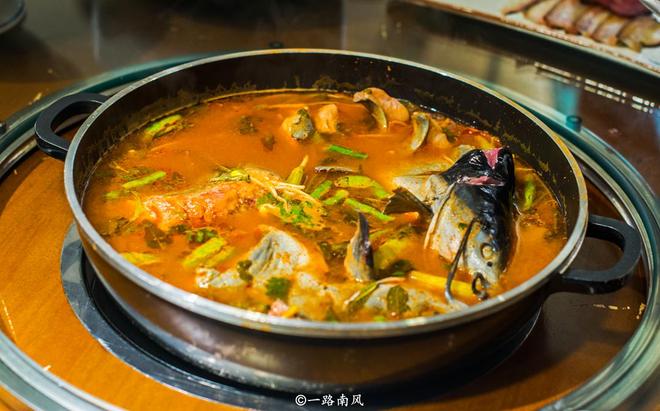
The most representative dish of Qiandongnan, fish cooked in special sour soup (red or white), sour and spicy, appetizing and delicious.
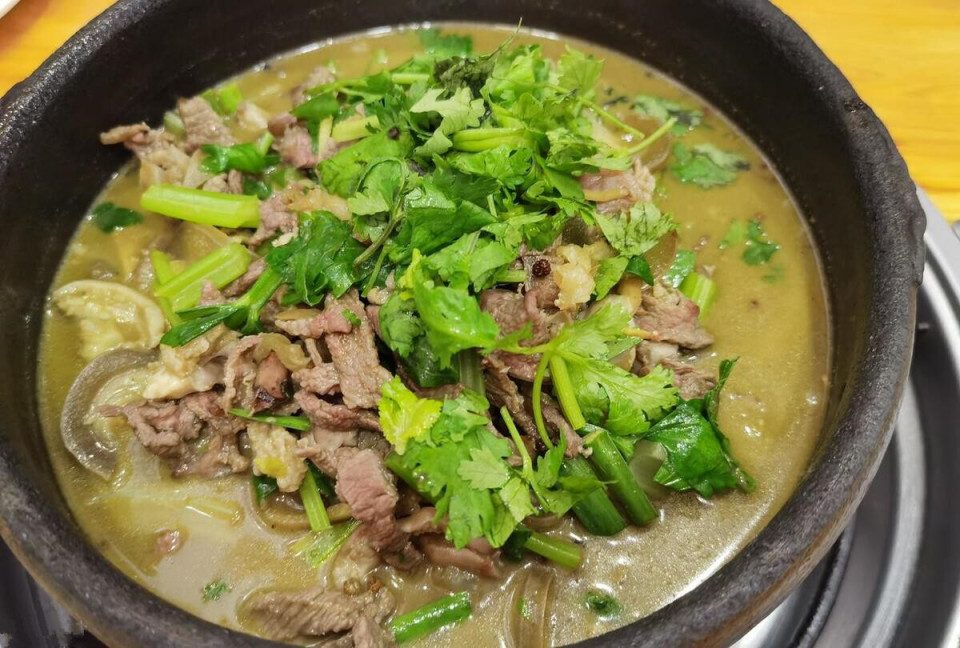
A specialty dish of Qiandongnan, beef cooked with the grass juice from the cow's stomach, unique flavor and believed to aid digestion.
In 2018, Xijiang Qianhu Miao Village received over 10 million visitors annually, becoming one of Guizhou's most popular ethnic cultural tourism destinations.
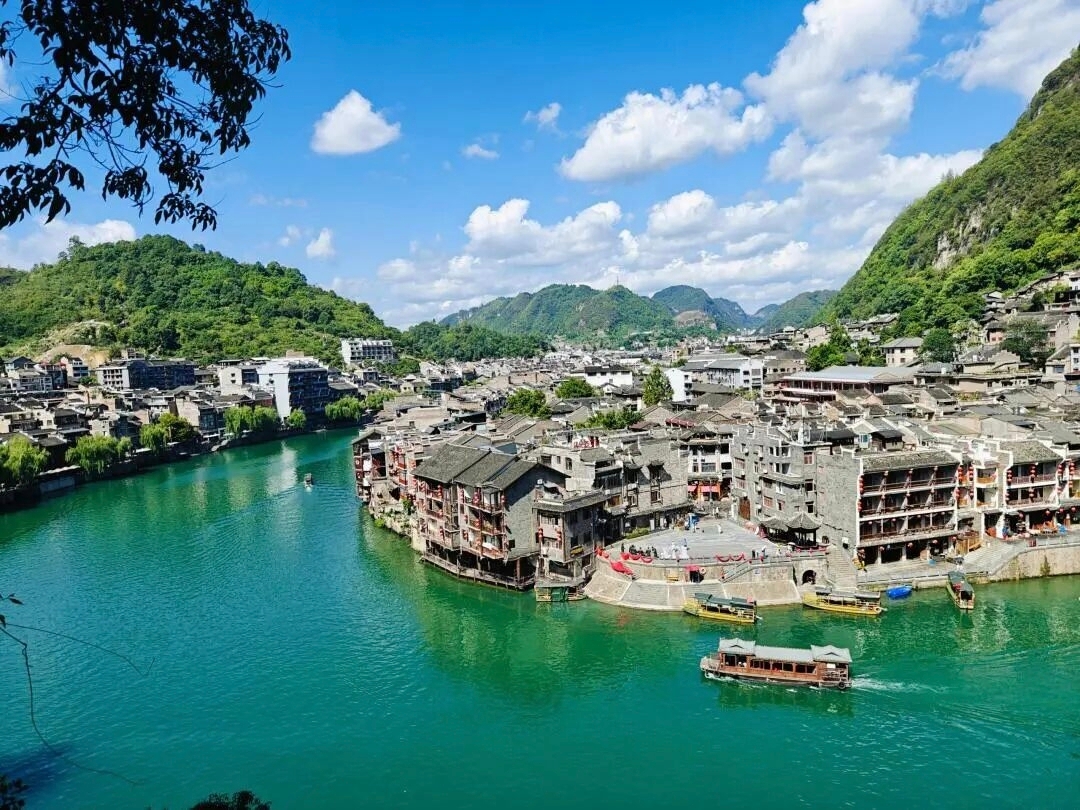
A national historical and cultural city in Zhenyuan County, traversed by the Wuyang River. The Qinglong Cave ancient building complex is built on the hillside, blending Confucian, Buddhist, and Taoist cultures.
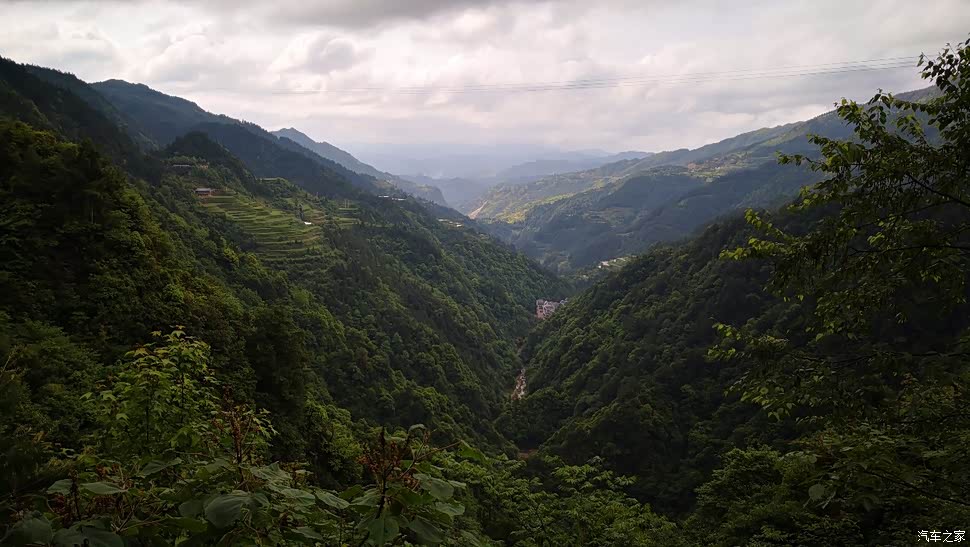
The main peak of the Miao Mountains, elevation 2178m, with dense primeval forests and numerous waterfalls, a summer resort and biodiversity treasure.
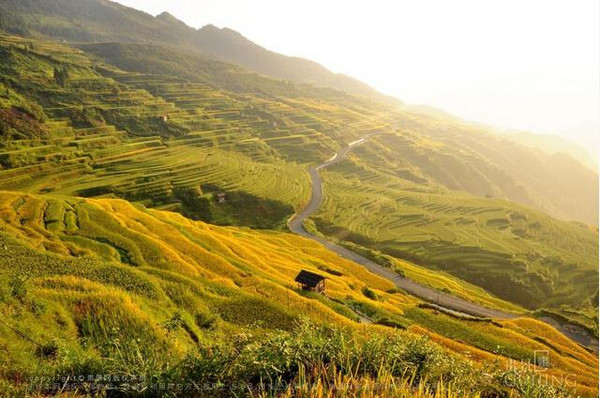
Located in Congjiang County, one of China's most beautiful terraces. The layers follow the mountain contours, mirror-like in spring and golden in autumn, a photographer's paradise.
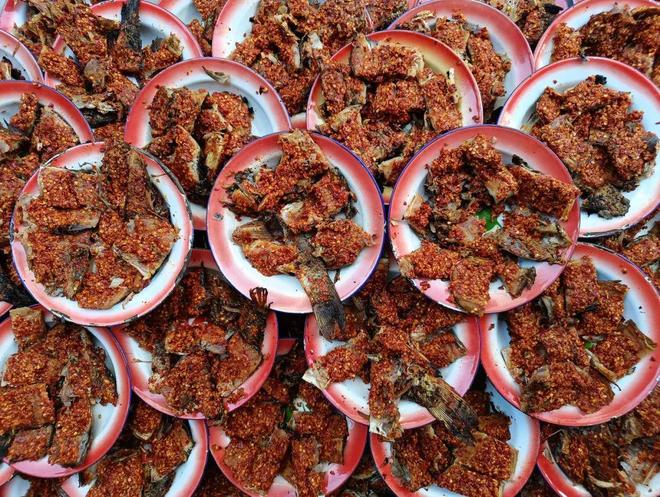
Traditional Dong food, fermented carp from rice paddies, sour and salty, can be eaten raw or grilled.
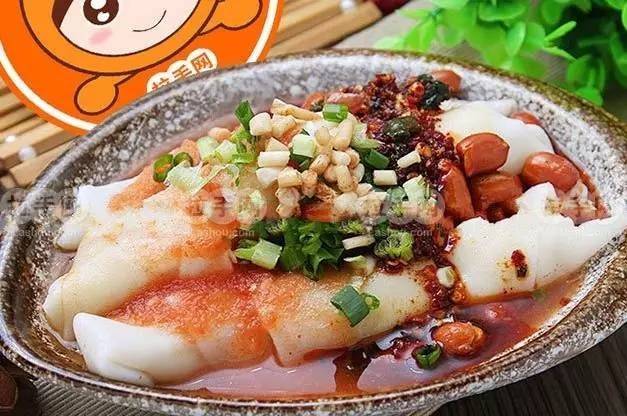
A specialty snack of Rongjiang County, rice rolls filled with bean sprouts, minced meat, etc., served with chili sauce and sour soup, smooth texture.
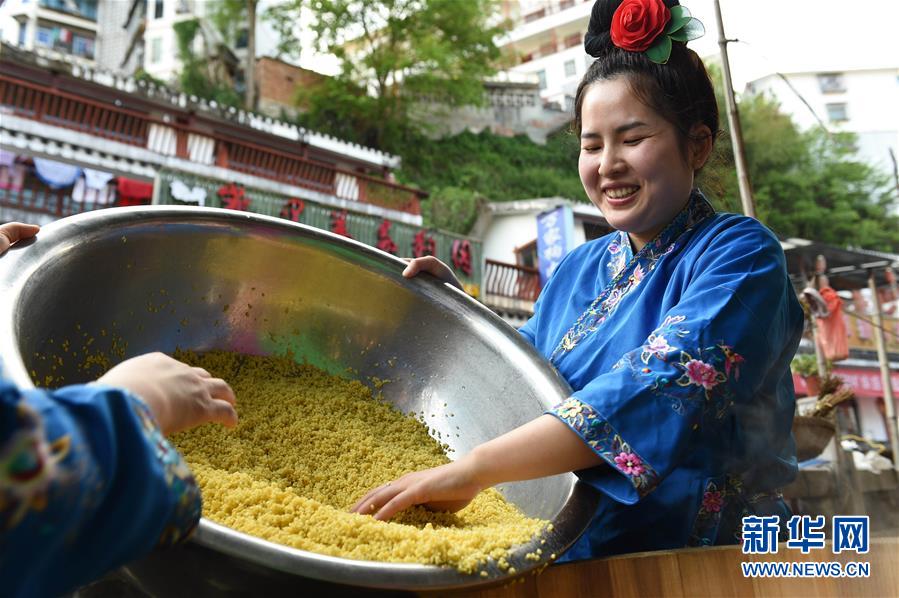
Traditional food for the Miao Sisters Festival in Taijiang County, five-colored glutinous rice with cured meat, peanuts, etc., colorful and auspicious.