
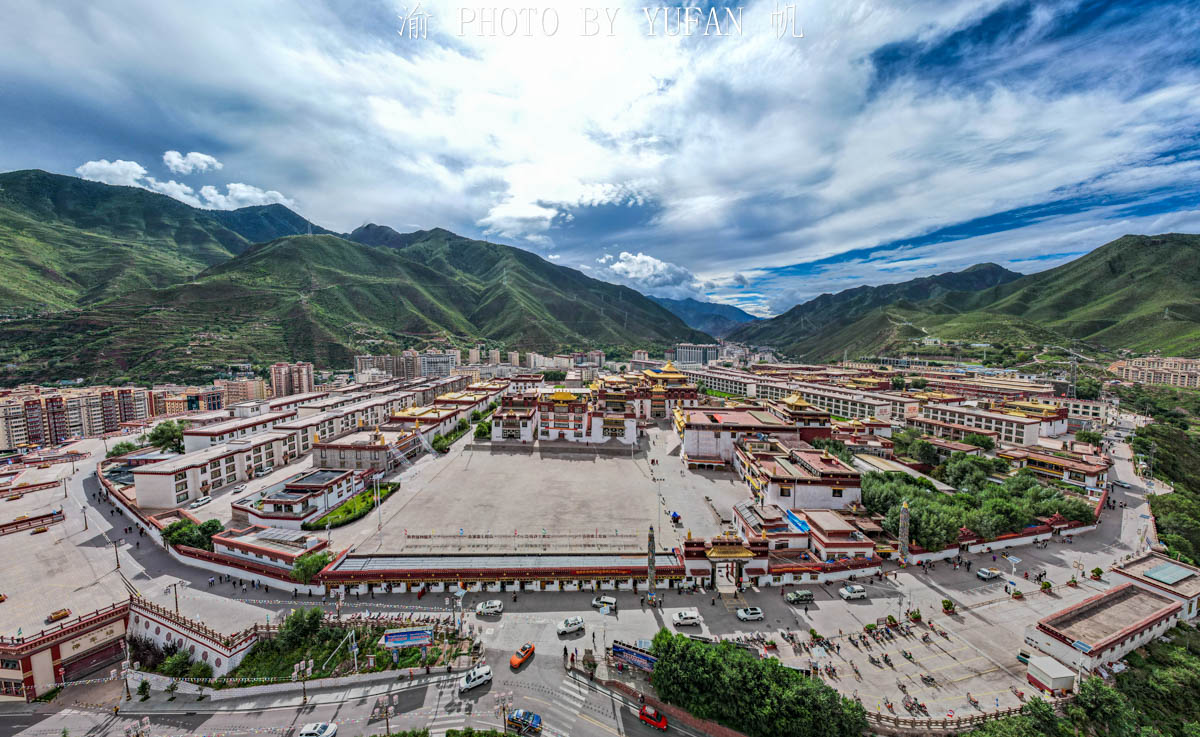
Qamdo is located in eastern Tibet Autonomous Region, nestled in the Hengduan Mountains and the basins of three rivers (Jinsha, Lancang, and Nujiang), with an average altitude above 3,500 meters. It has a sub-frigid plateau monsoon climate, abundant sunshine, large diurnal temperature variation, cool summers, and cold dry winters.
Historically known as 'Kham', Qamdo is one of the birthplaces of Khampa culture. It belonged to the Tubo Kingdom during the Tang Dynasty and became an important town on the Ancient Tea Horse Road after the Song Dynasty. In 1950, Qamdo was liberated, marking the start of peaceful liberation of Tibet. In 1959, Qamdo Prefecture was established, later upgraded to a prefecture-level city.
Qamdo's culture is centered on Khampa culture, rich in Tibetan traditions, with folk arts like Reba dance and Xianzi dance. Local specialties include butter tea, tsampa, yak meat, Qamdo snow fish, and highland barley wine, offering unique flavors of the plateau.
Modern Qamdo is actively developing transportation and tourism. Bangda Airport connects to inland cities, and the Sichuan-Tibet Railway is under planning. Urban infrastructure is improving, tourism has become a pillar industry, while ecological protection and cultural heritage are emphasized.
The best time to visit 昌都 is May to October.
The best time to visit Qamdo is from May to October, when the weather is mild, rainfall is less, and the scenery is beautiful.
Summer (June-August) features green grasslands and blooming wildflowers, ideal for outdoor activities and photography.
Autumn (September-October) has clear skies and colorful forests, the best time to enjoy plateau autumn scenery.
In October 1950, the People's Liberation Army launched the Qamdo Campaign, liberating Qamdo and laying the foundation for the peaceful liberation of Tibet.
In 1959, Qamdo Prefecture was formally established, becoming an important administrative division of the Tibet Autonomous Region.
In 2014, Qamdo Prefecture was abolished and Qamdo City was established as a prefecture-level city, marking a new stage of development.
Recommended places to visit
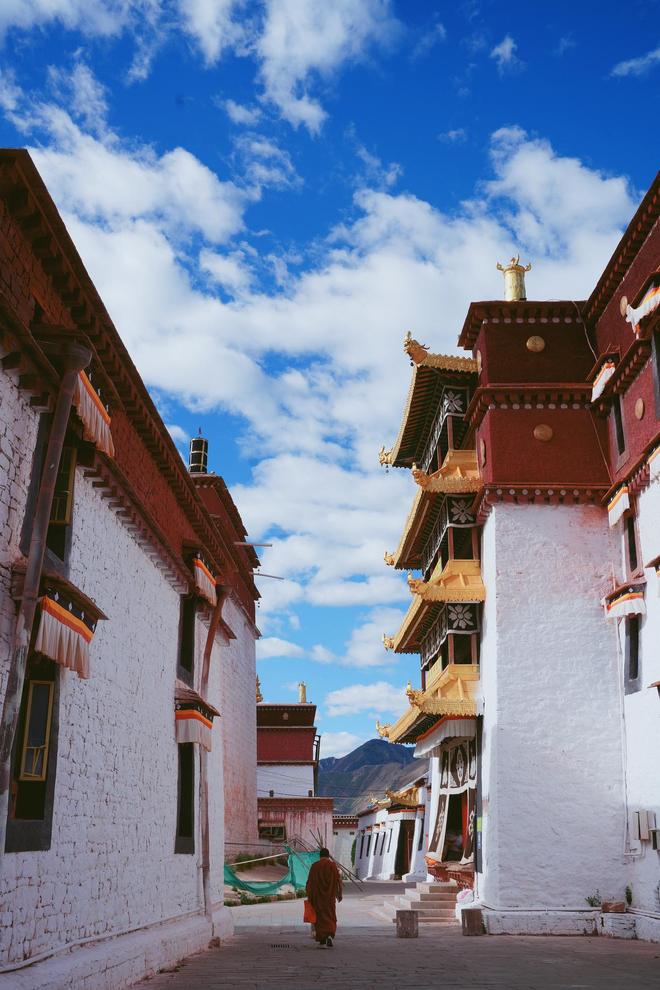
Located in Qamdo town, built in 1444, it is the largest Gelug monastery in eastern Tibet, famous for the Maitreya Buddha and exquisite murals.
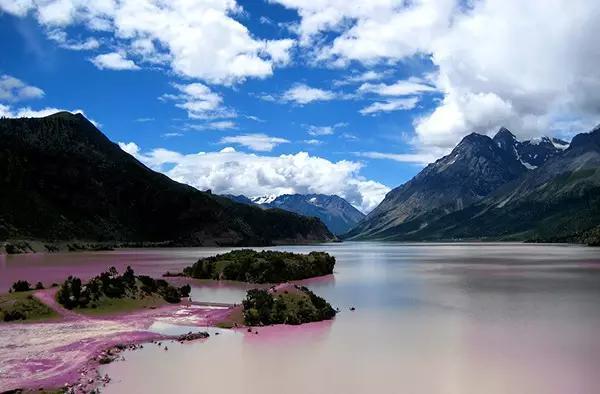
Located in Baxoi County, it is the largest lake in eastern Tibet, with crystal clear water and snow mountain reflections, known as 'Heavenly Jade Pool'.
Explore rich intangible cultural heritage and traditional crafts
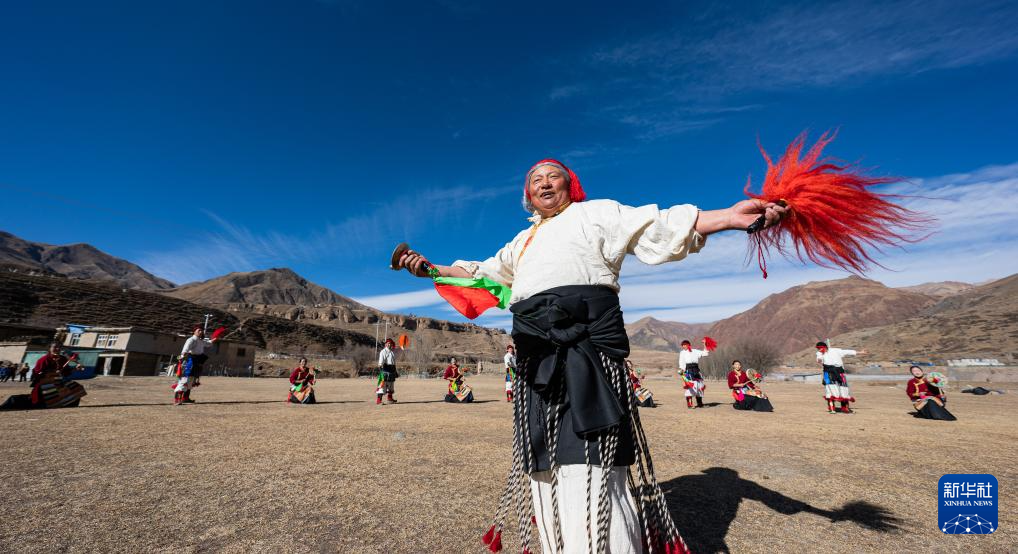
Traditional folk dance from Dingqing County, Qamdo, integrating song, dance, and acrobatics, with bold movements and exciting drum beats, listed as national intangible heritage in 2006.
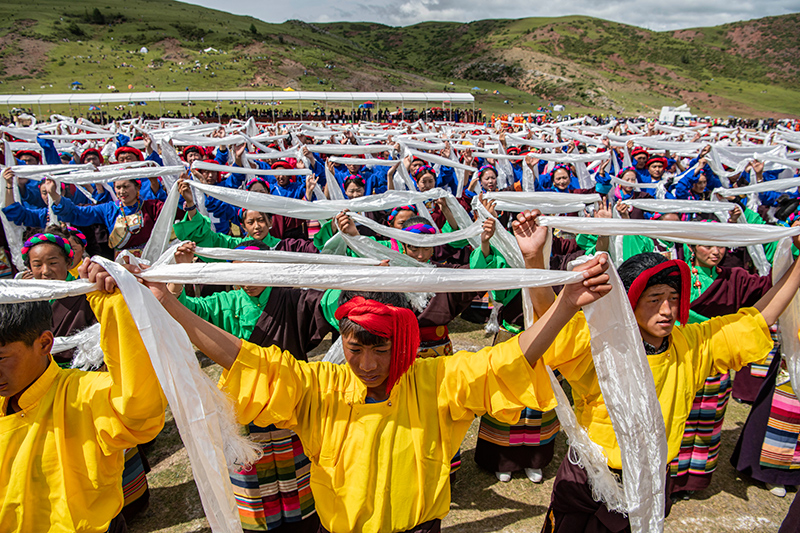
Tibetan folk dance from Qamdo area, accompanied by xianzi (ox-horn fiddle), graceful movements, listed as national intangible heritage in 2008.
Must-know transportation for exploring the city
Located in Bangda Town, about 126 km from the city, with flights to Chengdu, Chongqing, etc., one of the highest airports in the world.
800-1500 yuan
Qamdo Bus Station has buses to Lhasa, Chengdu, Nyingchi, etc., with complex road conditions and long travel times.
200-500 yuan
Qamdo city has multiple bus routes covering major attractions and urban areas, with cheap fares and convenient travel.
1-2 yuan
Taste the most authentic and popular local specialties
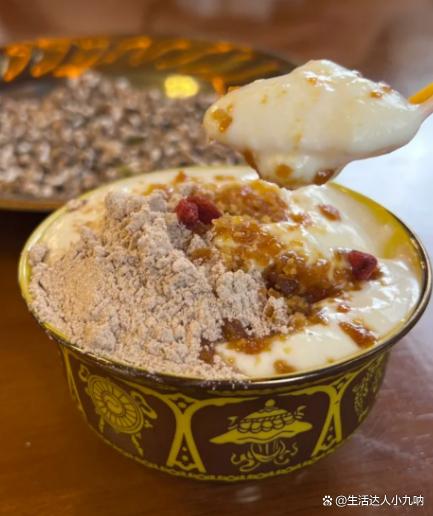
Traditional Tibetan drink made from butter, tea, and salt, rich and delicious, helps keep warm and refresh.
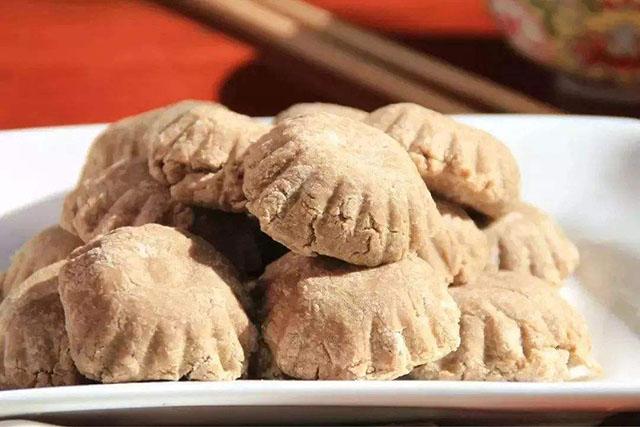
Tibetan staple food, made from roasted highland barley flour mixed with butter tea, formed into balls, nutritious and portable.
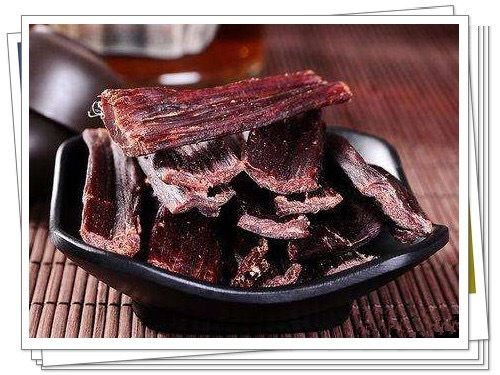
Highland specialty, firm meat, delicious, can be dried or stewed, a staple meat in Tibetan diet.
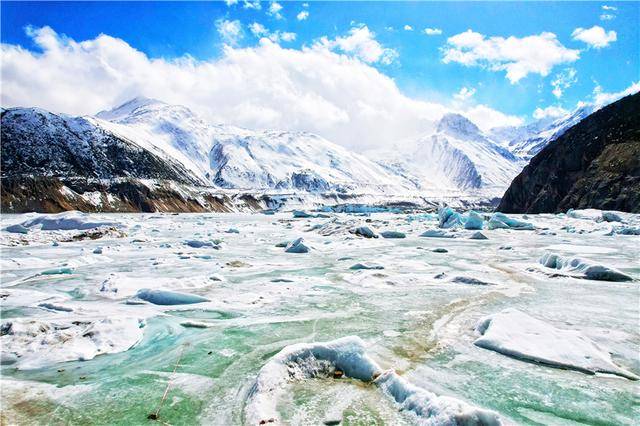
Located in Ranwu Town, Baxoi County, it is one of the three largest glaciers in the world, composed of multiple glaciers, spectacular and stunning.
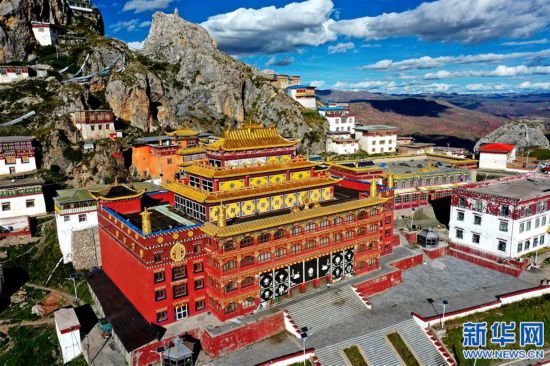
Located in Dingqing County, built over 3,000 years ago, it is one of the oldest Bon monasteries, perched on a cliff with precipitous scenery.
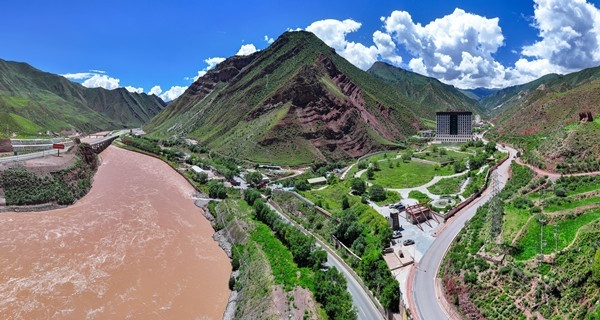
Located in Qamdo town, dating back 4,000-5,000 years, it is the first Neolithic site discovered in Tibet, yielding a large number of artifacts.
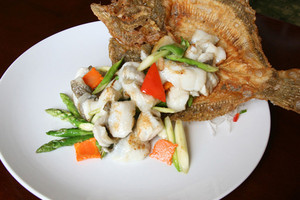
Fish from highland snow-fed rivers, tender meat, few bones, often steamed or braised.
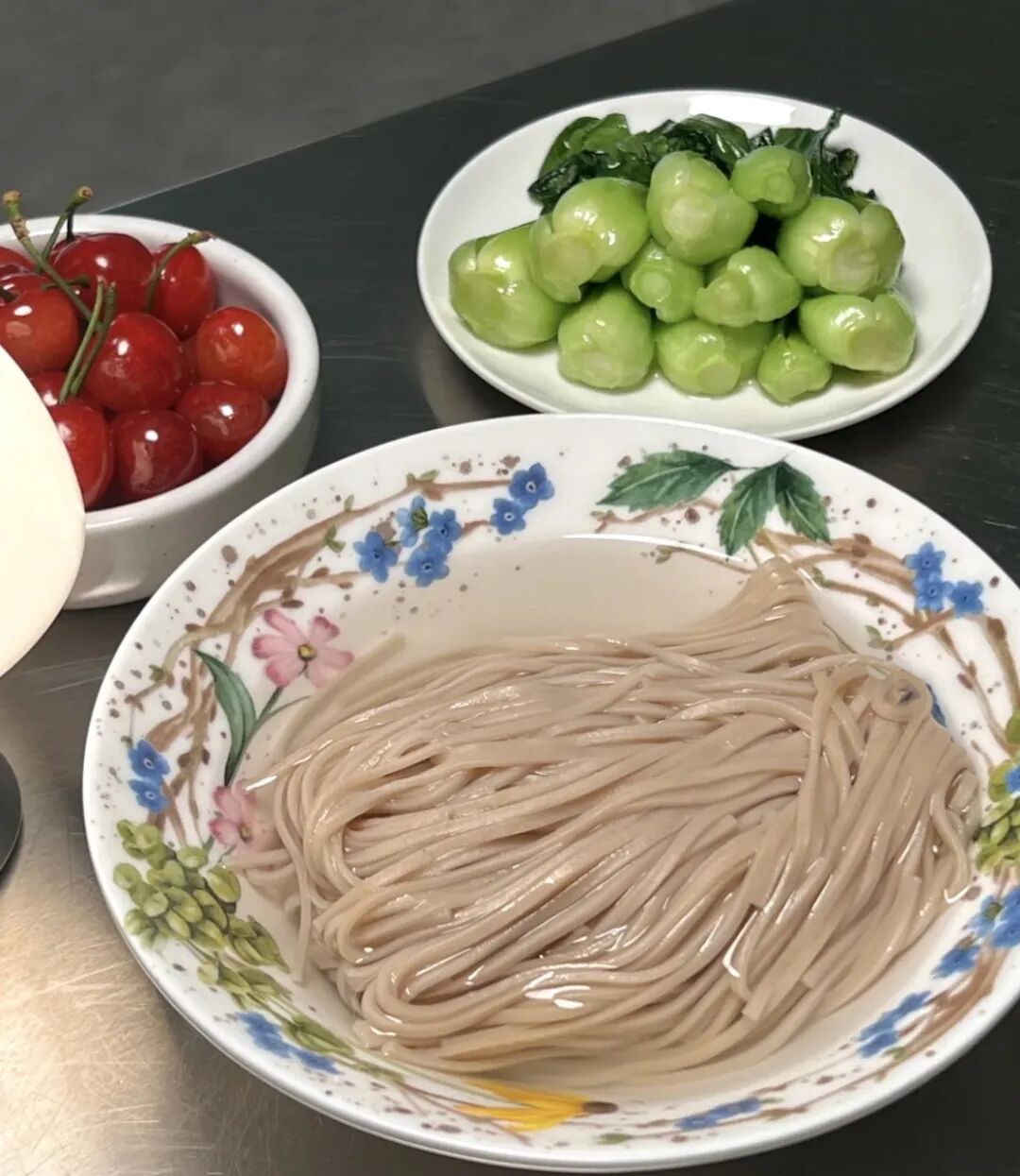
Traditional Tibetan wine made from highland barley, low alcohol, sweet and sour taste, essential for festivals.