
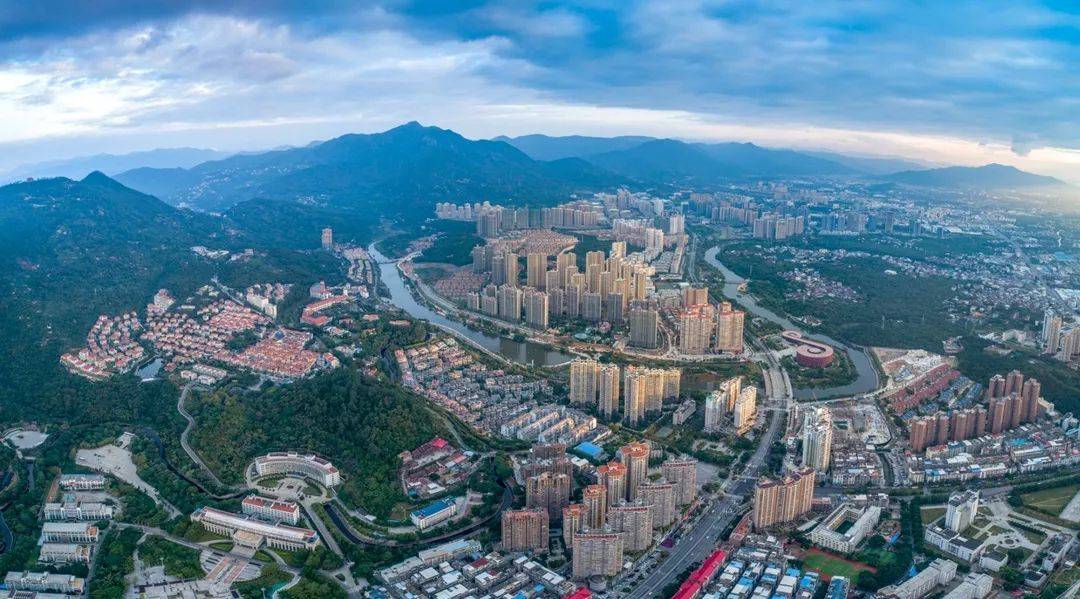
Putian is located in the central coastal area of Fujian Province, bordered by Fuzhou to the north, Quanzhou to the south, and facing the Taiwan Strait to the east. It has a subtropical maritime monsoon climate, warm and humid with distinct seasons. The average annual temperature is about 20°C, with abundant rainfall.
Putian has a long history, historically known as 'Xinghua' and praised as a 'Coastal Cultural Hub'. It has been a county since the Southern Dynasties, with over 1,400 years of history. It is the birthplace of Mazu culture and an important node on the Maritime Silk Road.
Putian's culture is centered on Mazu worship. The Mazu Festival on Meizhou Island is listed as a UNESCO Intangible Cultural Heritage. Puxian Opera, Putian wood carving, and other intangible heritage items are renowned. In terms of cuisine, Xinghua rice noodles, Putian braised noodles, lychee pork, and stewed tofu are distinctive, known for their fresh and light flavors.
Modern Putian is a major production base for China's shoe industry, known as the 'Shoe Capital of China'. It is also vigorously developing industries such as electronic information and high-end equipment, while building an international tourist resort on Meizhou Island, achieving coordinated economic and ecological development.
The best time to visit 莆田 is Suitable all year round, best in spring and autumn.
Spring (March-May): Pleasant temperatures, flowers in full bloom. The grand Mazu Festival on Meizhou Island during Mazu's birthday is the best time to experience Mazu culture.
Autumn (September-November): Clear and crisp weather with less rainfall, ideal for hiking and sea views, visiting Jiuli Lake and Meizhou Island.
Summer (June-August): Hot and rainy, but suitable for beach activities on Meizhou Island and enjoying fresh seafood; Winter (December-February) is mild and dry, perfect for city walks.
In 568 AD, during the Chen Dynasty of the Southern Dynasties, Putian was established as a county under Fengzhou (now Fuzhou), marking its formal administrative status.
In 987 AD, during the Northern Song Dynasty, Mazu (Lin Moniang) ascended to heaven on Meizhou Island. Temples were built in her honor, gradually forming the influential Mazu belief.
UNESCO inscribed Mazu belief on the Representative List of the Intangible Cultural Heritage of Humanity, making Meizhou Island a global pilgrimage center for Mazu followers.
Recommended places to visit
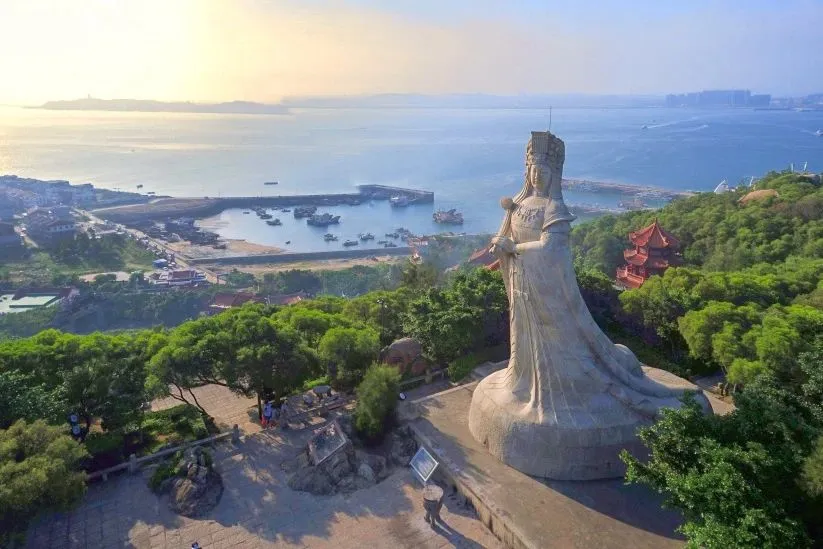
The birthplace of Mazu culture, featuring the Mazu Ancestral Temple, Ewei Shenshi Park, and Golden Beach. It is a national tourist resort.
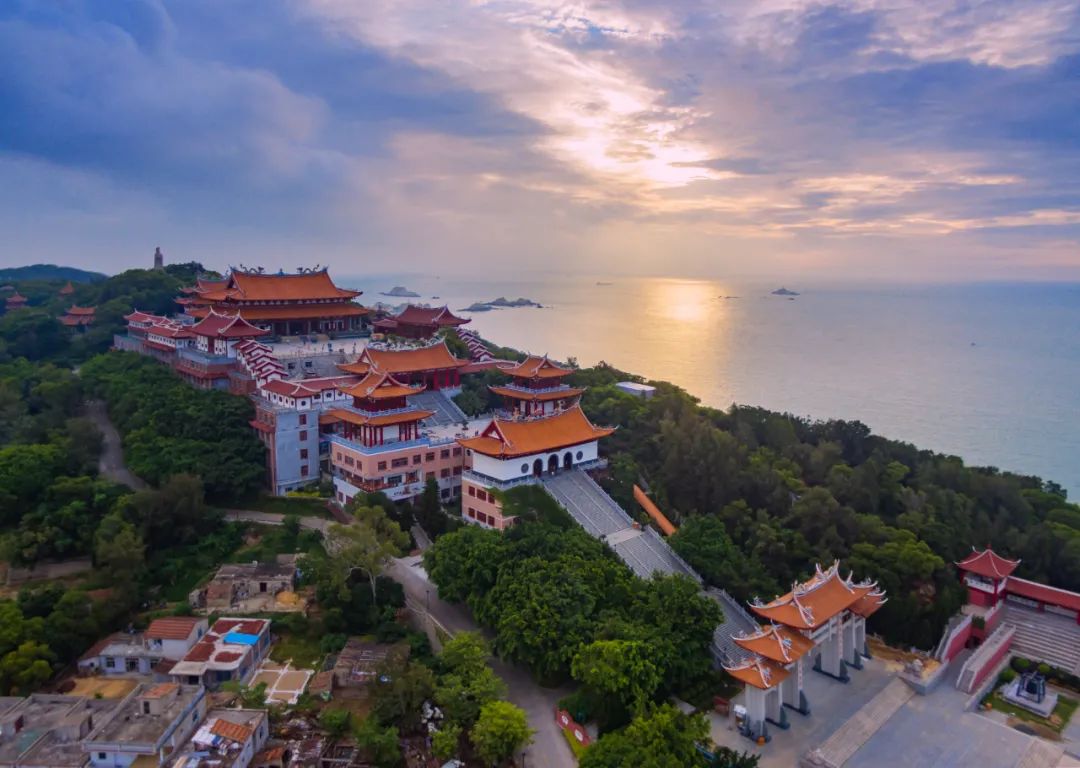
The ancestral temple of all Mazu temples worldwide, first built in the Northern Song Dynasty. The complex is built on a hillside with magnificent architecture. Grand ceremonies are held annually on Mazu's birthday.
Explore rich intangible cultural heritage and traditional crafts
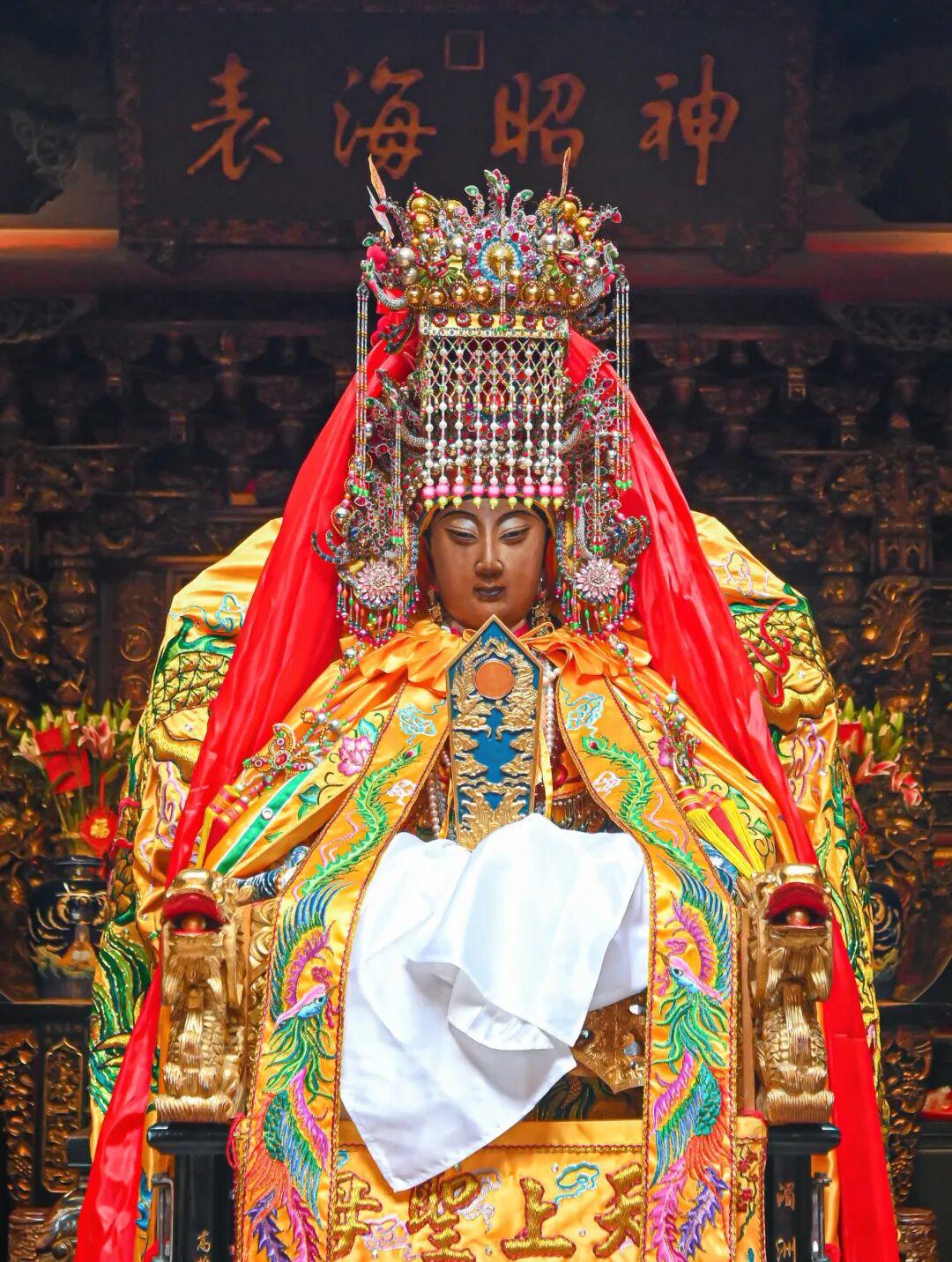
Centered on the Mazu Ancestral Temple on Meizhou Island, it includes sacrificial ceremonies, folk customs, and legends. Recognized by UNESCO as an intangible cultural heritage of humanity.
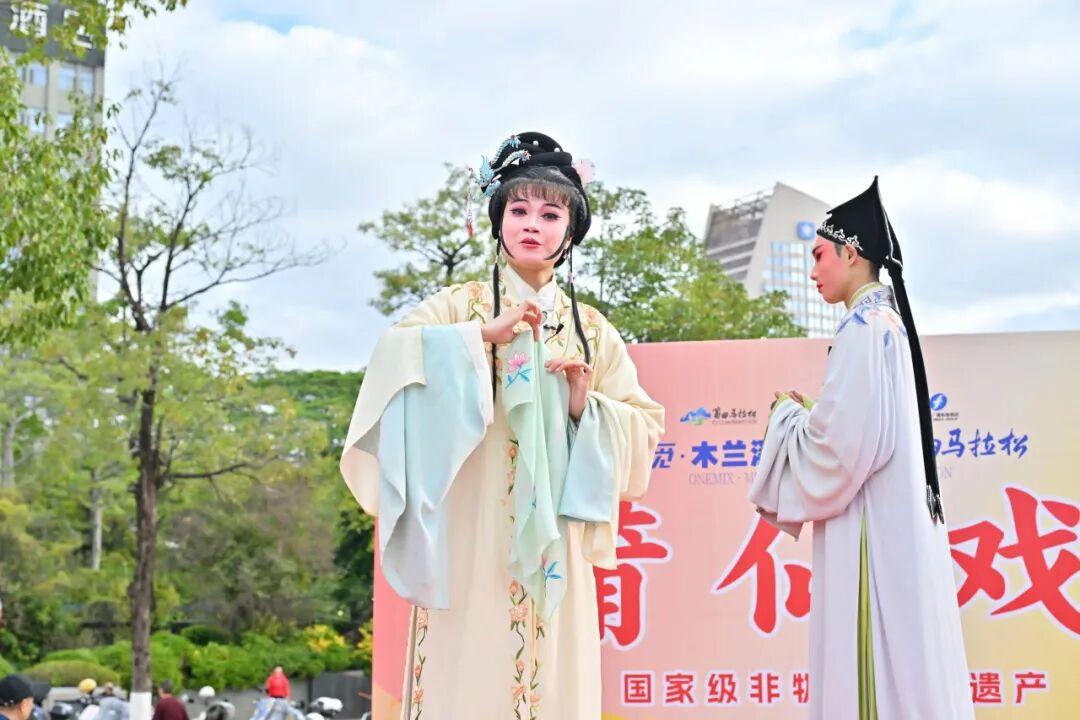
A local opera of Fujian Province, originating from the Tang Dynasty, preserving many elements of Southern Opera from Song and Yuan dynasties, known as a 'living fossil of Southern Opera'.
Must-know transportation for exploring the city
About 100 km from downtown Putian, with direct airport shuttle buses taking about 1.5 hours.
Airport shuttle about 50 RMB
A station along the Fuzhou-Xiamen high-speed railway, providing direct access to cities like Fuzhou, Xiamen, Shanghai, and Shenzhen.
Second-class from Fuzhou to Putian about 40 RMB
Public buses cover major attractions, fares 1-5 RMB; taxi starting fare 8 RMB, ride-hailing services are convenient.
Bus 1-5 RMB, taxi starting 8 RMB
Taste the most authentic and popular local specialties

A traditional specialty of Putian, as thin as silk and as white as snow, with a chewy texture. It can be stir-fried or served in soup, a breakfast favorite.

Rich in ingredients with a thick broth, often including oysters, pork, and shiitake mushrooms, delivering a savory flavor.
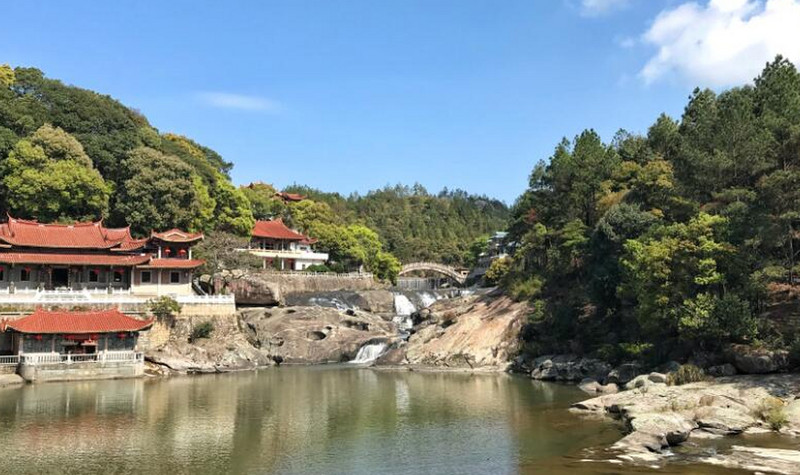
Famous for the Jiuli Waterfall and dream-seeking culture. It is a national water conservancy scenic area, known as 'the wonder of Jiuli Waterfall under heaven'.
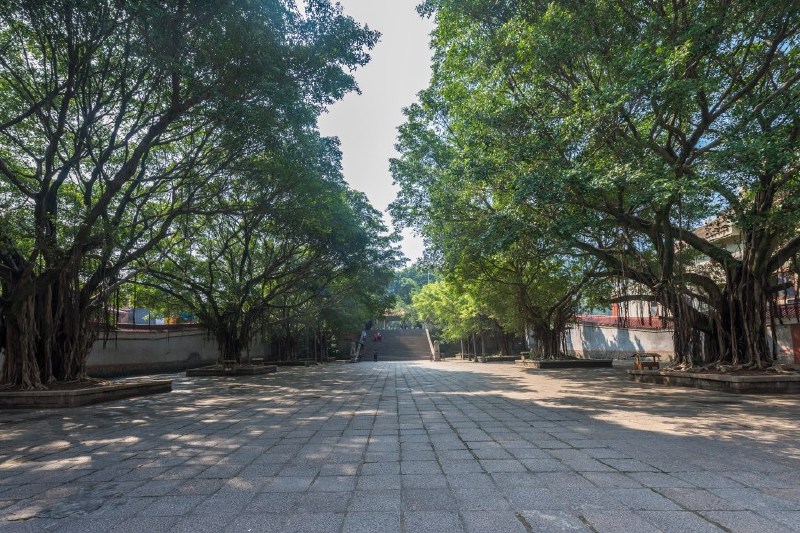
First built in the Southern Dynasties, it is one of the four major Buddhist monasteries in Fujian. It features a Song Dynasty stone pagoda and a thousand-year-old camphor tree in a serene setting.
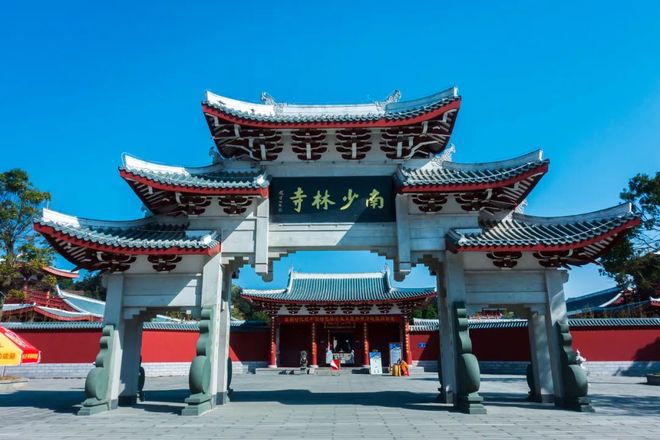
Traditionally regarded as the southern branch of Shaolin Temple, it is one of the birthplaces of Nanquan (Southern Fist). The temple was rebuilt in the 1990s and has a strong martial arts culture.

Characterized by lychee groves and ancient bridges, it is a popular leisure spot for locals, featuring thousand-year-old lychee trees and Yanshou Bridge.
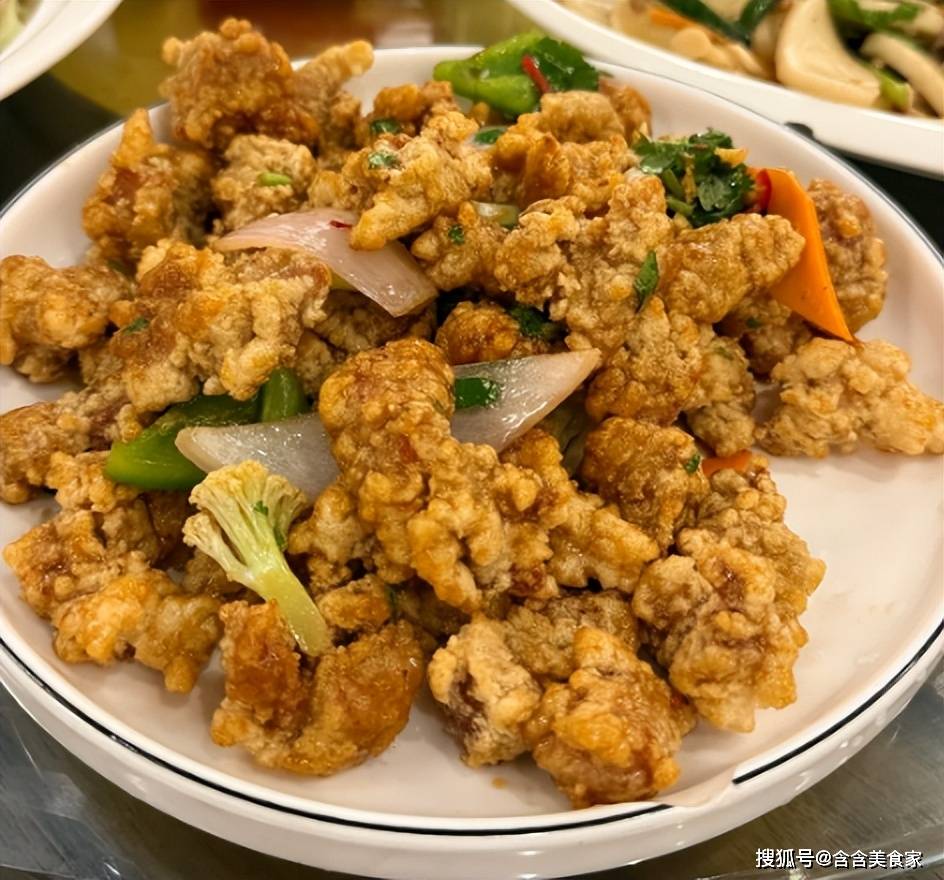
Named for its resemblance to lychee, it is crispy outside and tender inside, with a sweet and sour taste. A representative dish of Putian.

Slow-braised brine tofu with seafood or meat, smooth and tender with a rich bean flavor.
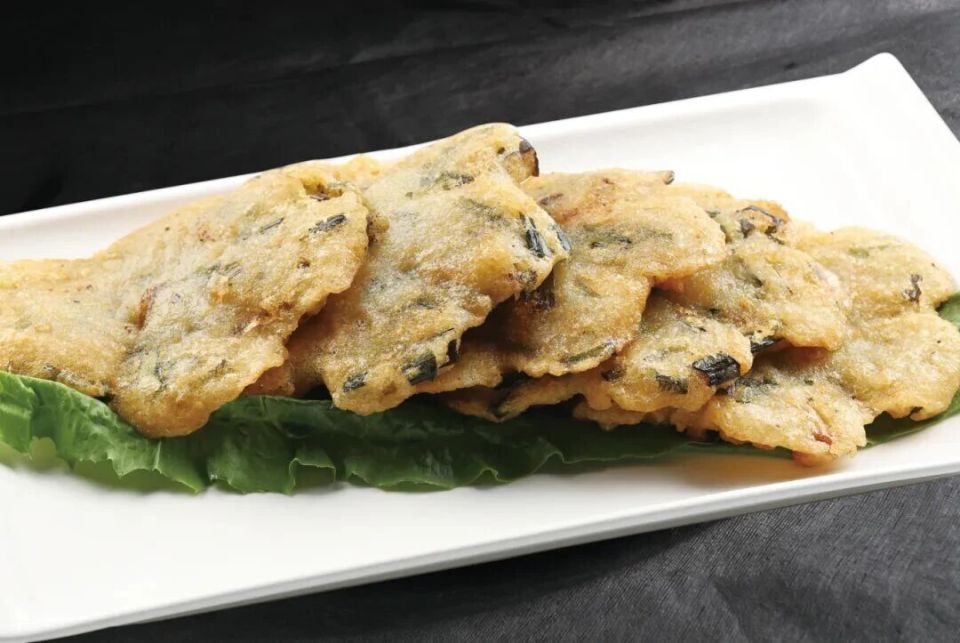
Made with fresh oysters mixed with sweet potato starch, pan-fried until golden. Crispy outside, tender inside, best served with dipping sauce.
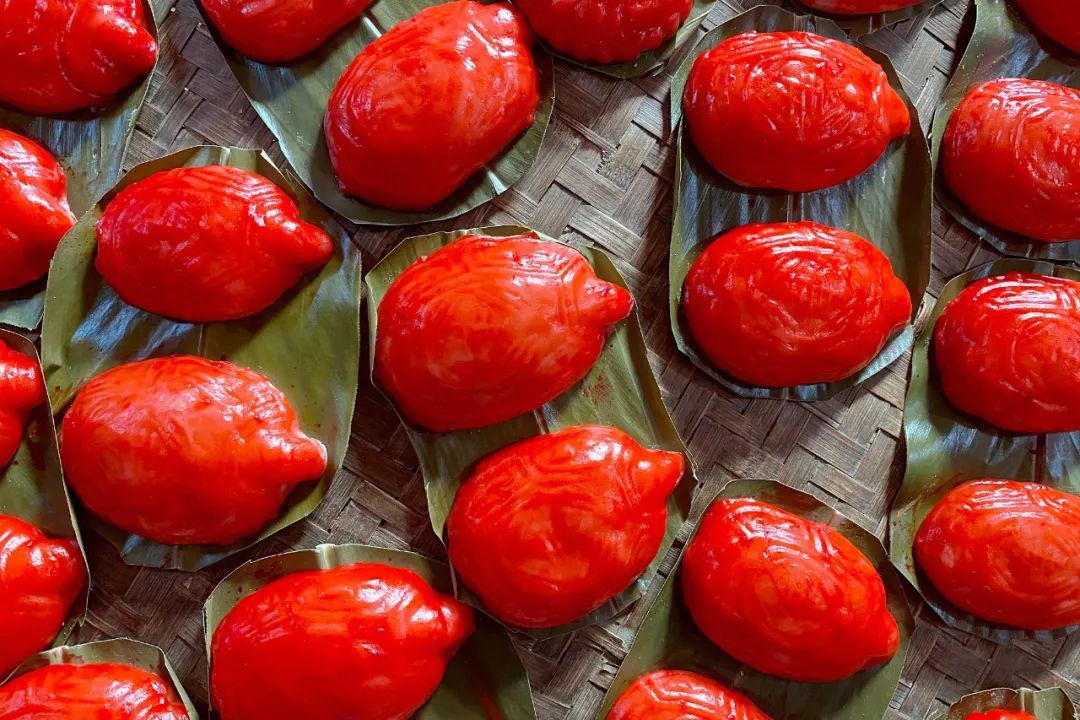
A traditional festive food, the outer skin is dyed with red yeast rice, filled with glutinous rice or red bean paste, symbolizing good fortune.