

Located in southwestern Yunnan Province near the Tropic of Cancer, Pu'er enjoys a subtropical monsoon climate with an average annual temperature of 18-25°C, abundant rainfall, and high forest coverage, earning it the nickname 'Green Sea Pearl'.
With a long history, Pu'er is the origin of the Ancient Tea Horse Road. Tea trade flourished as early as the Tang Dynasty. During the Ming and Qing dynasties, Pu'er tea became a tribute tea, renowned both at home and abroad.
Pu'er is a multi-ethnic region home to 14 indigenous ethnic groups including Hani, Yi, and Dai, with rich and diverse ethnic cultures. The local cuisine features Pu'er barbecue and sour-spicy flavors, with specialties like Pu'er bean soup and sour bamboo shoot fish.
Modern Pu'er relies on the Pu'er tea and coffee industries as pillars, having built a national green economy demonstration zone, while vigorously developing eco-tourism, making it a popular health and wellness destination.
The best time to visit 普洱 is Suitable all year, best in spring and autumn.
Spring (March-May): Mild weather, blooming flowers, ideal for flower viewing and tea picking.
Autumn (September-November): Clear and crisp, charming autumn scenery in tea mountains, suitable for hiking and photography.
Summer (June-August): Rainy season but lush green, experience tropical rainforest scenery, be prepared for rain.
According to the Tang Dynasty book 'Man Shu' by Fan Chuo, tea cultivation and processing began in the Pu'er region, giving rise to the prototype of Pu'er tea.
In the 7th year of Yongzheng (1729), the Qing government established Pu'er Prefecture, making Pu'er tea a tribute tea and boosting the Tea Horse Road.
Approved by the State Council, Simao City was officially renamed Pu'er City, further promoting the Pu'er tea brand.
Recommended places to visit
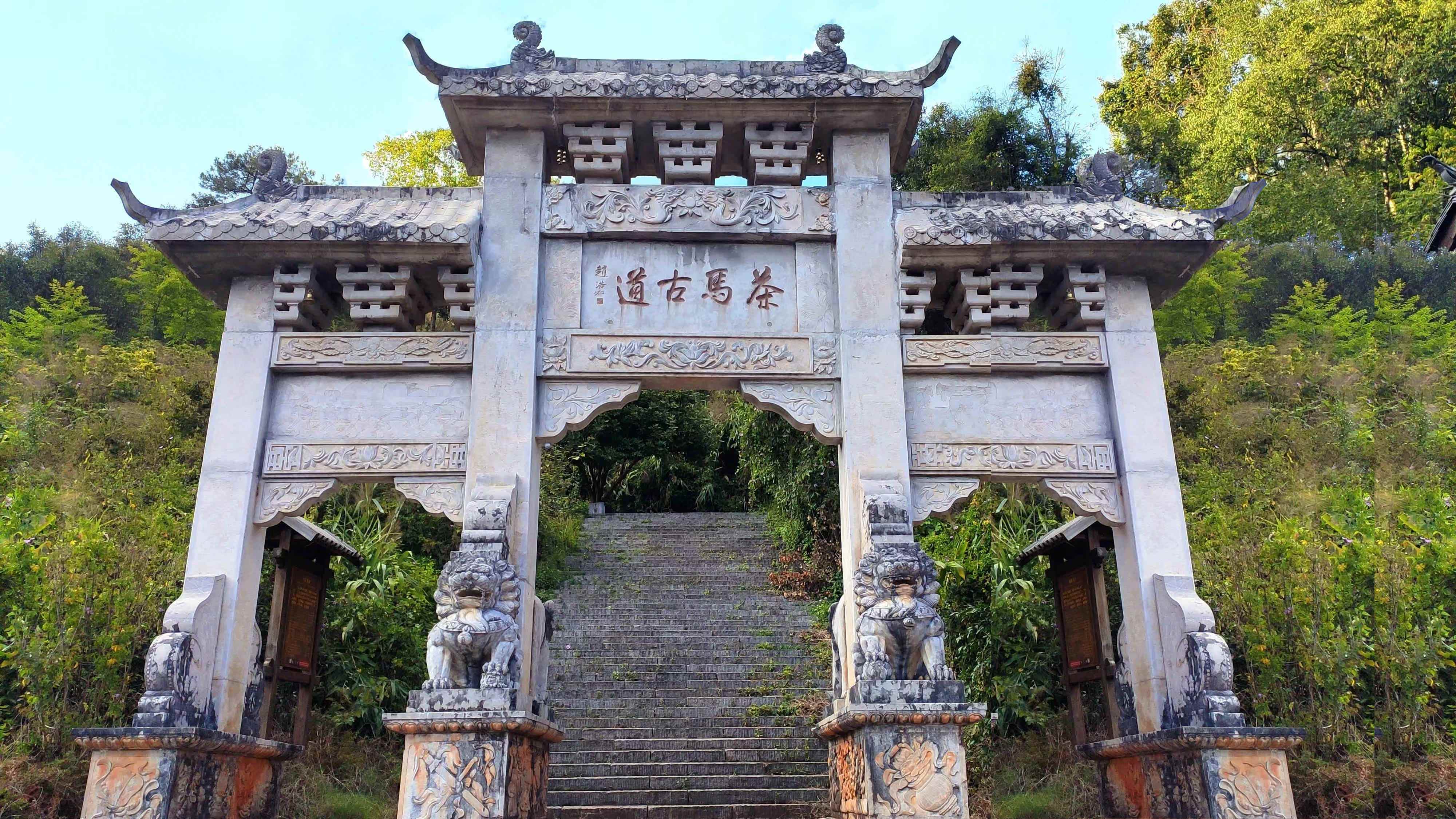
National 4A scenic area that recreates the history of the Tea Horse Road, offering experiences of caravan culture, ancient road hiking, and tea culture exhibitions.

National 4A scenic area integrating Pu'er tea culture exhibition, experience, and sightseeing, where visitors can taste and make tea.
UNESCO World Heritage Sites

Inscribed in 2023 as the world's first tea-themed World Heritage site, showcasing the millennium-old tradition of coexistence between humans and tea.
Explore rich intangible cultural heritage and traditional crafts

Inscribed in 2008 as a national intangible cultural heritage, including traditional processes such as picking, fixing, rolling, sun-drying, and pressing.

Inscribed in 2008 as a national intangible cultural heritage, a traditional dance of the Lahu people accompanied by the lusheng (reed pipe).
Must-know transportation for exploring the city
Flights to Kunming, Chengdu, Chongqing, etc., about 5 km from city center.
From Kunming about 300-600 CNY
The China-Laos Railway passes through Pu'er, with high-speed trains to Kunming (about 2.5 hours) and Xishuangbanna.
From Kunming about 100-200 CNY
Bus routes cover main urban areas and attractions, fare 1-2 CNY, some scenic spots have shuttle buses.
1-2 CNY
Taste the most authentic and popular local specialties

Pu'er specialty barbecue, featuring marinated meat and vegetables grilled and dipped in special sauce, spicy and delicious.
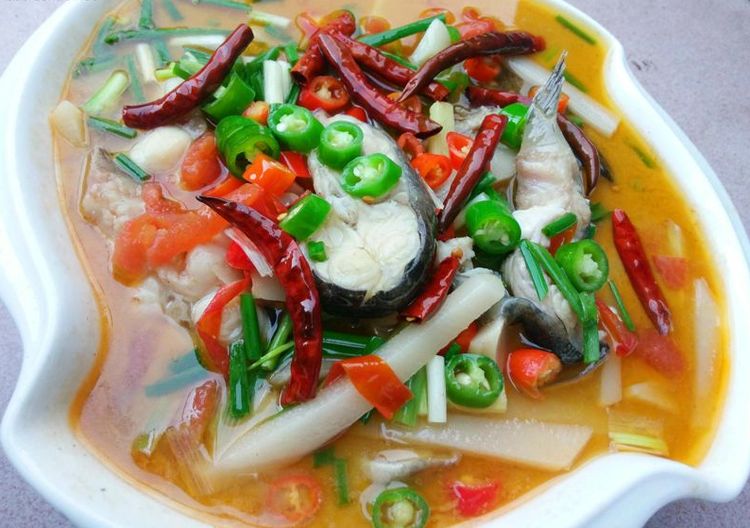
Stewed with sour bamboo shoots and fresh fish, sour and spicy, a Dai ethnic specialty.

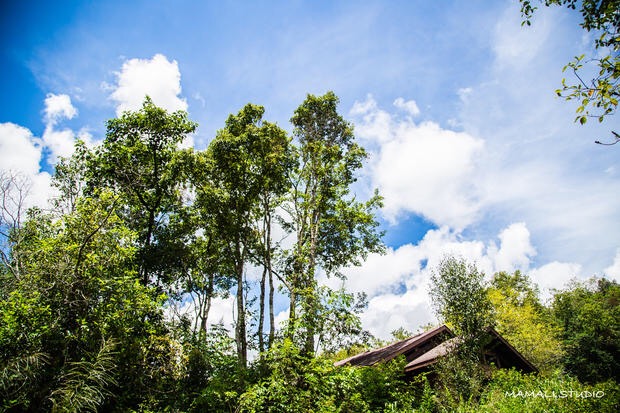
National 4A scenic area with pristine tropical rainforest, Rhino Meadow, and opportunities to see rare animals and plants.
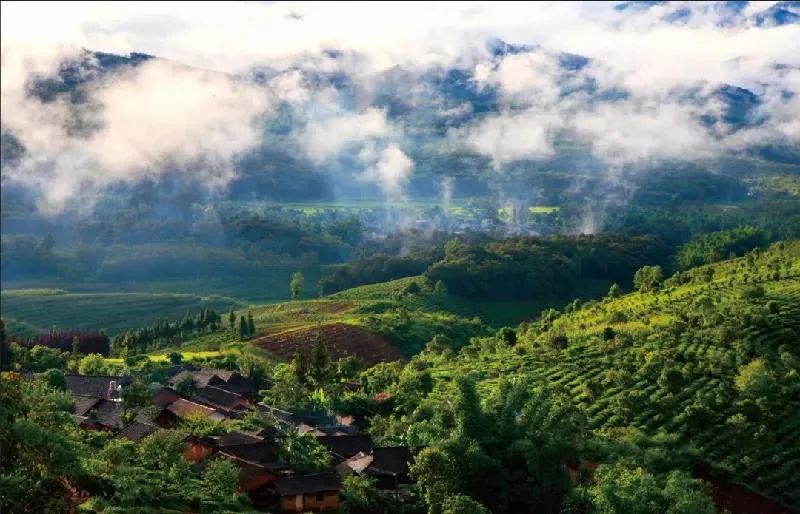
On the tentative list of World Heritage, featuring thousand-year-old tea forests, Bulang and Dai villages, a tea culture pilgrimage site.

National 4A scenic area themed on the Tropic of Cancer, integrating astronomy, geography, and ethnic culture.
Made from local pea flour, smooth texture, served with rice noodles or rice.

Made from chicken and egg whites, resembling tofu, smooth and tender, a traditional Pu'er dish.
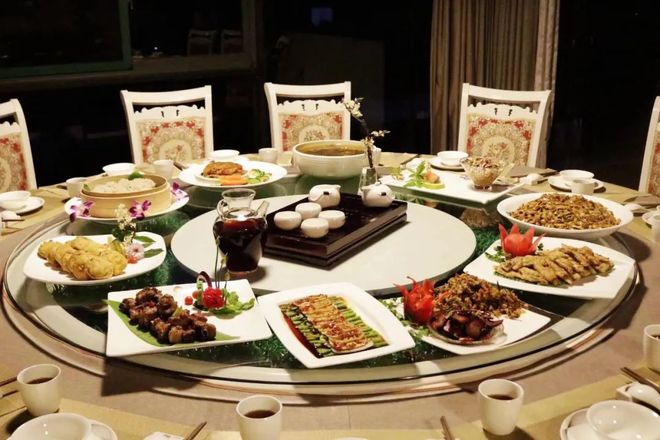
Dishes cooked with Pu'er tea, such as tea-scented ribs and tea rice, fragrant with tea aroma.