
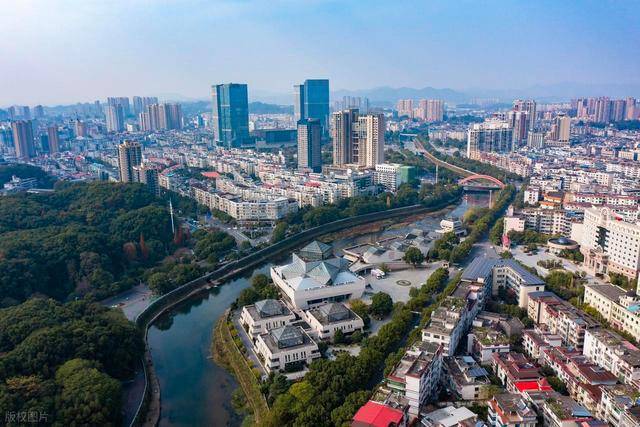
Pingxiang is located in the western part of Jiangxi Province, on the border between Hunan and Jiangxi, in the northern section of the Luoxiao Mountains. It has a subtropical monsoon humid climate with distinct seasons and abundant rainfall.
Pingxiang has a long history, dating back to 267 AD when it was established as a county during the Three Kingdoms period. In modern times, Pingxiang was an important birthplace of the Chinese labor movement, where the Anyuan Railway and Mining Workers' Strike took place.
Pingxiang boasts rich cultural heritage, including Nuo culture, fireworks culture, and revolutionary culture. Its cuisine is known for being spicy, fresh, and aromatic, with representative dishes such as Pingxiang stir-fried rice noodles, Lianhua blood duck, and Pingxiang cured meat.
Pingxiang is transitioning from a resource-based city to an eco-tourism destination. Attractions like Wugong Mountain are gaining fame, urban infrastructure is continuously improving, and economic development is steadily progressing.
The best time to visit 萍乡 is Spring and Autumn (March-May, September-November).
Spring (March-May): Pleasant temperatures, the alpine meadows of Wugong Mountain turn green, and azaleas bloom, making it the best time for hiking and flower viewing.
Summer (June-August): Hot and rainy, but Wugong Mountain is a summer resort with cool temperatures on the summit, ideal for camping and stargazing.
Autumn (September-November): Clear and crisp weather, forests are dyed with autumn colors, and the golden meadows of Wugong Mountain are breathtaking, also a great season to taste local cuisine.
In 267 AD, during the Three Kingdoms period, Pingxiang was officially established as a county under Yuzhang Commandery, with a history of over 1,700 years.
In September 1922, under the leadership of Mao Zedong, Liu Shaoqi, and Li Lisan, workers of the Anyuan Railway and Mining staged a successful strike, a significant event in Chinese labor history.
Recommended places to visit
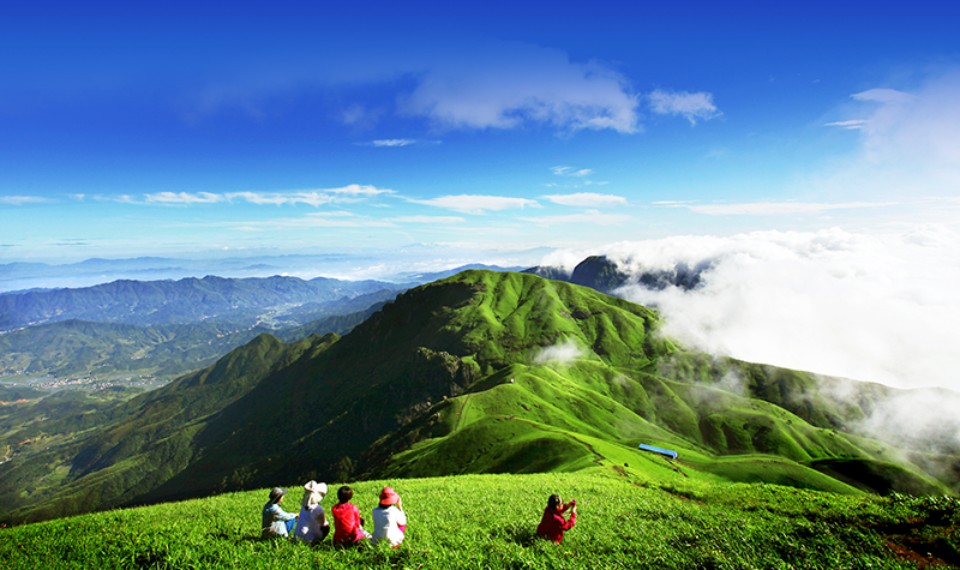
A national 5A-level tourist attraction, famous for alpine meadows, sea of clouds and sunrise, and unique peaks and rocks. It is a paradise for hiking and photography.
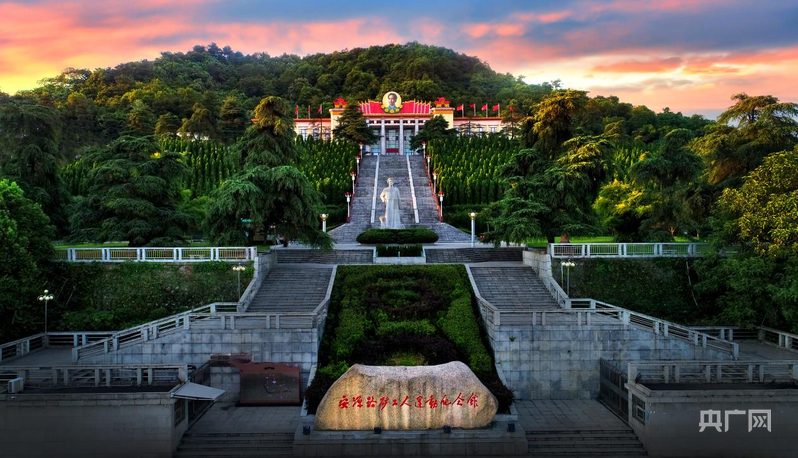
A national demonstration base for patriotic education, showcasing the history of the Anyuan strike. An important red tourism site.
Explore rich intangible cultural heritage and traditional crafts
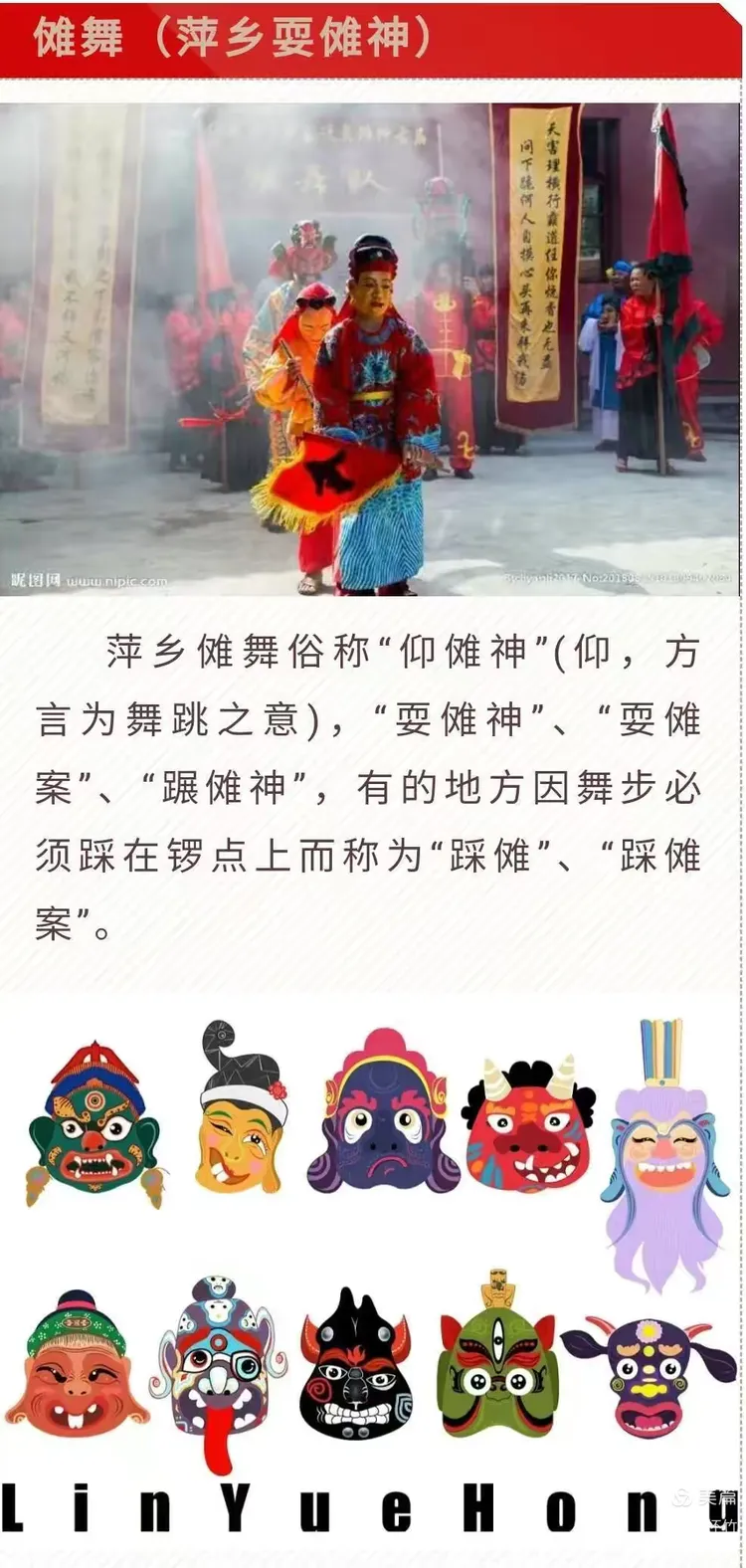
Pingxiang Nuo dance is a national intangible cultural heritage, originating from ancient exorcism rituals. Performers wear masks and move vigorously, with strong religious and folk characteristics.
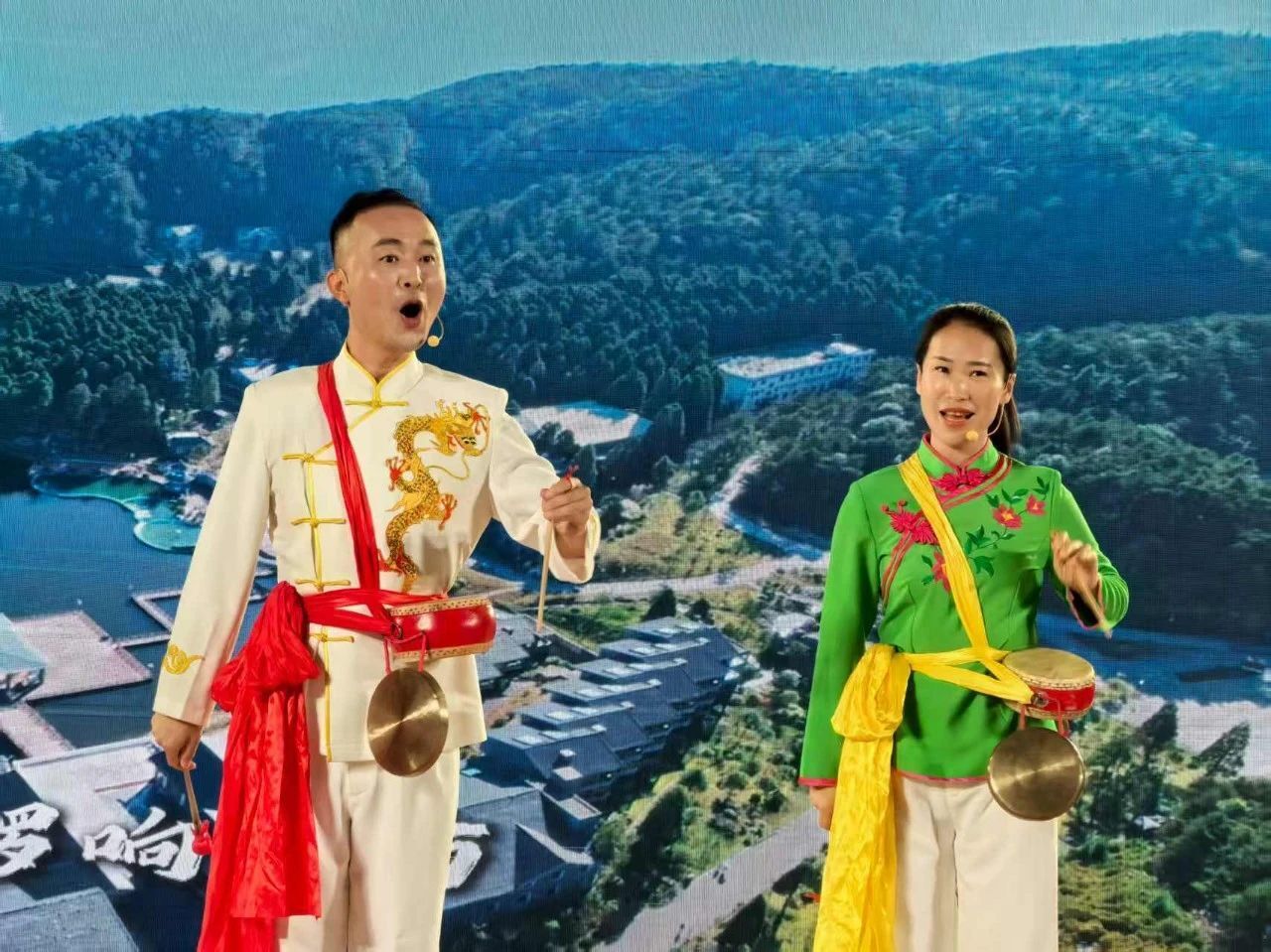
Pingxiang Spring Gong is a national intangible cultural heritage, a form of folk quyi. Artists beat gongs and drums, singing to announce spring and convey blessings.
Must-know transportation for exploring the city
Pingxiang Station serves regular trains, while Pingxiang North Station is for high-speed trains on the Shanghai-Kunming line. About 1 hour from Nanchang or Changsha by high-speed rail.
High-speed second class about 100 yuan (Nanchang-Pingxiang)
City bus routes cover main urban areas and scenic spots. Fare 1-2 yuan, some routes accept transit cards or mobile payment.
1-2 yuan
About 60 km from Pingxiang city center, with flights to Beijing, Shanghai, Guangzhou, etc. Airport buses or taxis are available to Pingxiang.
Airport bus about 30 yuan
Taste the most authentic and popular local specialties
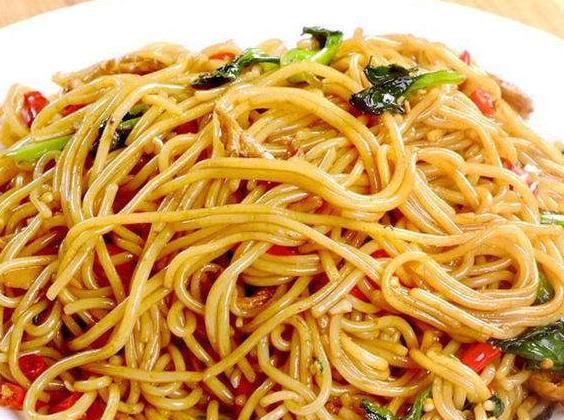
The most representative snack in Pingxiang. Local rice noodles stir-fried with shredded pork, bean sprouts, and greens, smooth and spicy.
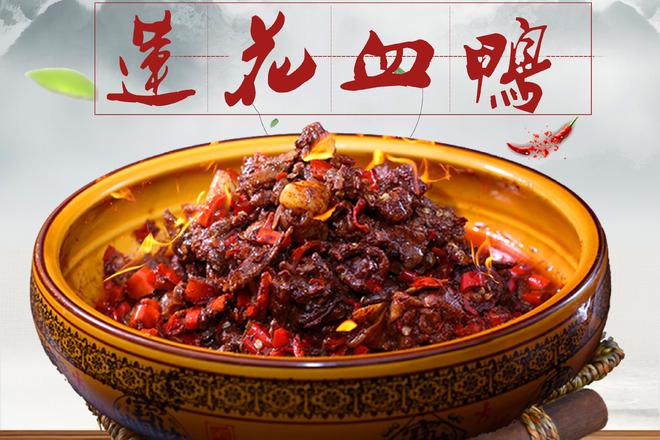
A specialty of Lianhua County. Duck blood and meat stir-fried with chili, ginger, and garlic. Purple-red color, fresh and spicy, a must-have at Pingxiang banquets.
Wugong Mountain was designated a provincial scenic area of Jiangxi, later developing into a national scenic area and a 5A-level tourist attraction.
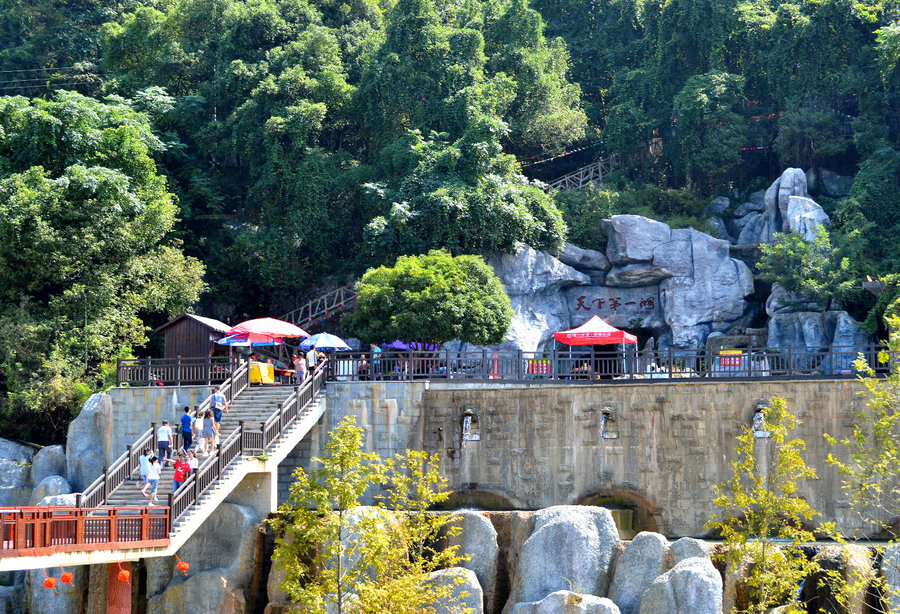
A national 4A-level tourist attraction, formed 180 million years ago. Stalactites in various shapes and an underground river winding through, known as an 'underground art corridor'.
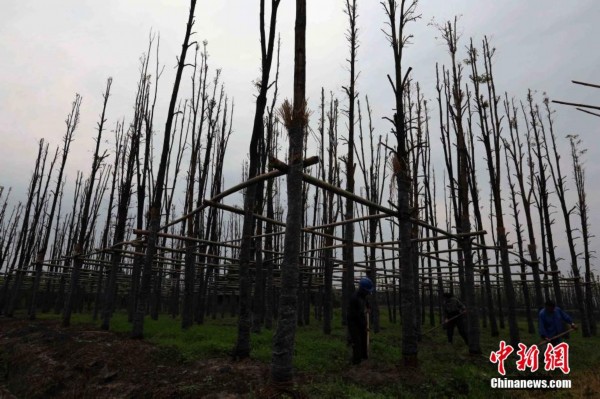
A national 4A-level tourist attraction, the birthplace of the Yangqi sect of Chan Buddhism. Ancient sites like Yangqi Putong Temple, with beautiful natural scenery.
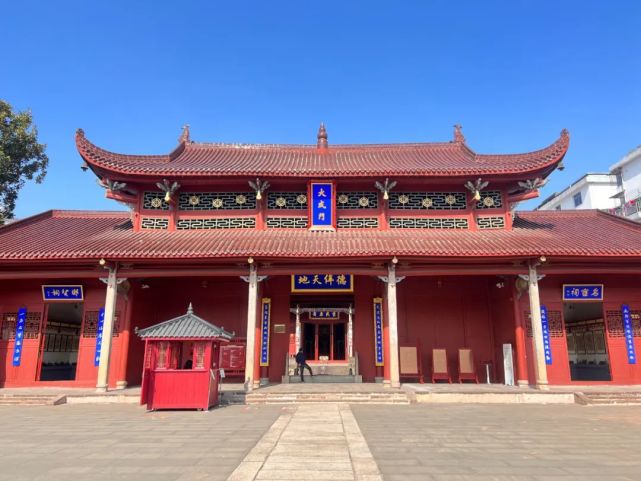
A key cultural relic protection unit in Jiangxi, first built in the Tang Dynasty, with existing structures rebuilt in the Qing Dynasty. A place to worship Confucius, featuring simple and elegant architecture.
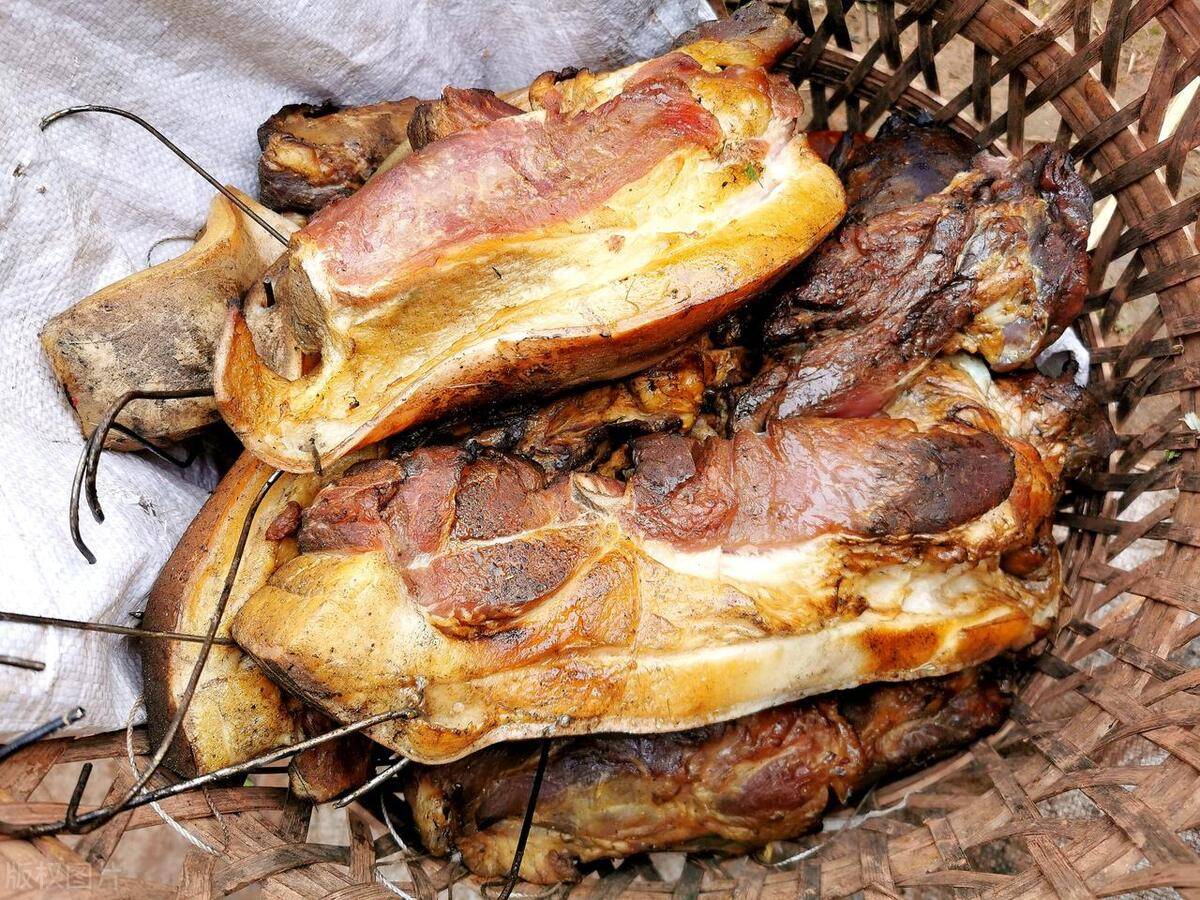
Made by traditional curing and smoking, golden color, fatty but not greasy, lean but not dry. Can be steamed or stir-fried, unique flavor.
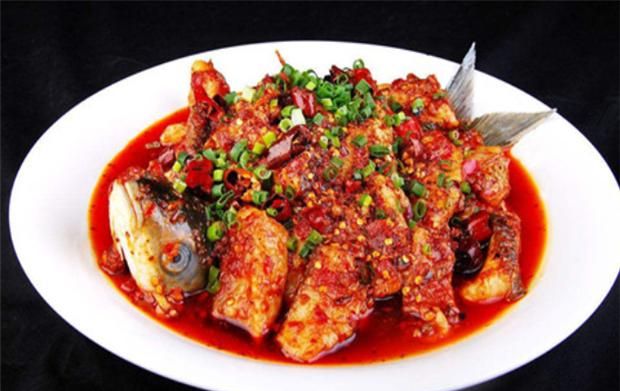
Made with fresh local fish, cooked with plenty of dried chili and Sichuan pepper. Tender fish, numbing and spicy, a great dish with rice.
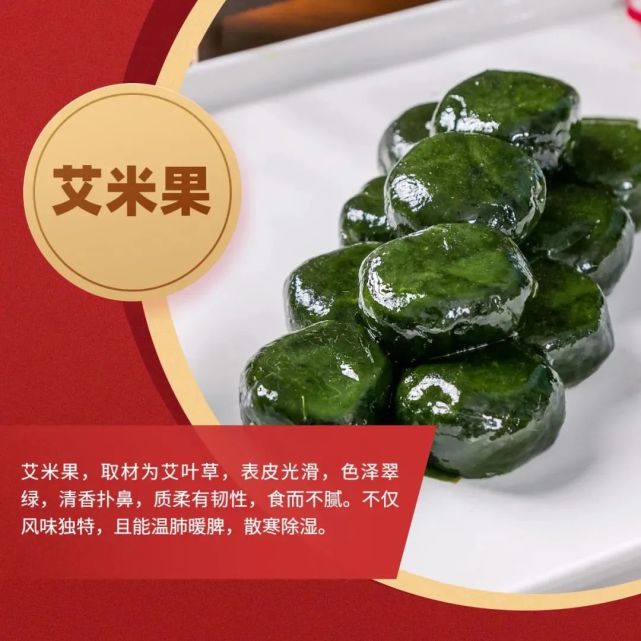
Made with mugwort juice and glutinous rice flour, filled with sesame, peanuts, or red bean paste. Steamed, fragrant and chewy, a spring seasonal snack.