
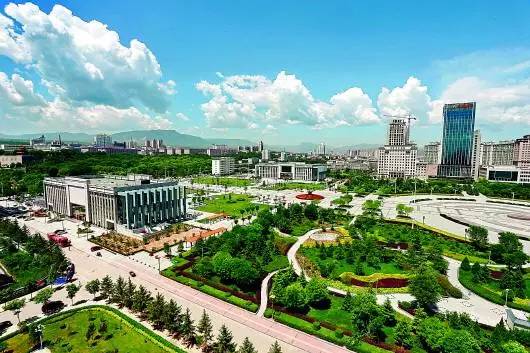
Pingliang is located in eastern Gansu Province, at the eastern foot of the Liupan Mountains and the upper reaches of the Jing River, at the junction of Shaanxi, Gansu, and Ningxia. It has a semi-arid continental climate with four distinct seasons and cool summers, making it a summer resort.
Pingliang has a long history and is one of the important birthplaces of Chinese civilization. As early as over 3,000 years ago, the ancestors of the Zhou people pioneered agricultural culture here. In the Qin and Han dynasties, it was established as a prefecture, and in the Sui and Tang dynasties, it became a key town in eastern Gansu. During the Ming dynasty, it was the fiefdom of Prince Han, and in the Qing dynasty, it was established as a prefecture.
Pingliang boasts profound cultural heritage and is one of the birthplaces of Taoist culture. Mount Kongtong is known as the 'First Taoist Mountain'. Local specialties include Pingliang Hele noodles, Jingning roasted chicken, and Jingchuan pot tea, each with unique flavors.
In recent years, Pingliang has vigorously developed tourism and modern ecological agriculture, building a 'Green Pingliang'. Transportation conditions have continuously improved, with the Baoji-Zhongwei Railway, Tianshui-Pingliang Railway, and Fuzhou-Yinchuan Expressway passing through, making it a regional transportation hub.
The best time to visit 平凉 is Suitable all year round, best in summer and autumn.
Spring (March-May): Temperatures rise, peach blossoms bloom, suitable for outings and flower viewing.
Summer (June-August): Cool and pleasant, average temperature around 20°C, peak season for summer retreat. Mount Kongtong is shrouded in clouds and mist, offering stunning views.
Autumn (September-November): Clear and crisp, red leaves cover the mountains, ideal for mountain climbing and sightseeing.
The ancestors of the Zhou people, such as Gongliu, settled in the Pingliang area, developed agriculture, and initiated the pre-Zhou culture.
The Southern Song and Jin dynasties fought fiercely in Pingliang. Famous Song generals Wu Jie and Wu Lin led troops to resist the Jin army and achieved victory.
In July 1949, the First Field Army of the People's Liberation Army liberated Pingliang, opening a new chapter in its history.
Recommended places to visit
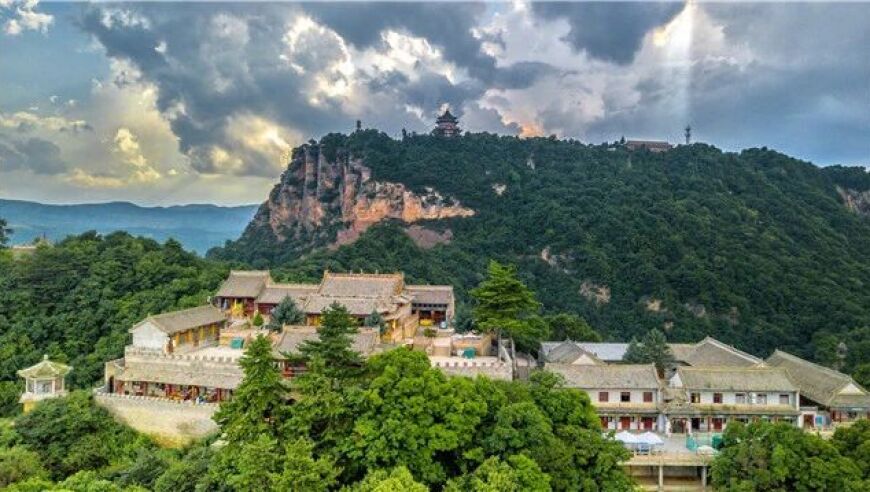
Famous Taoist mountain, national 5A scenic spot, known as 'the first mountain from the west'. Steep terrain, beautiful scenery, numerous historical sites, one of the birthplaces of Taoism.
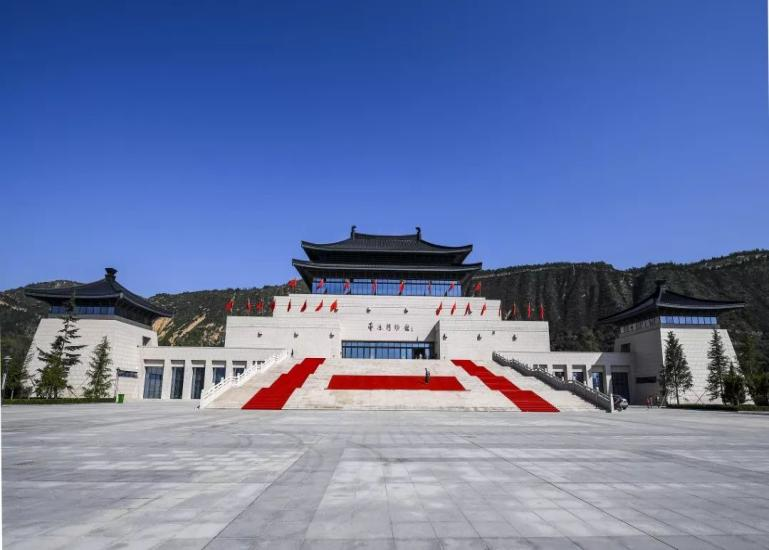
National first-class museum, rich collection of cultural relics, featuring bronze ware, ceramics, and Buddhist art, showcasing Pingliang's long history.
Explore rich intangible cultural heritage and traditional crafts
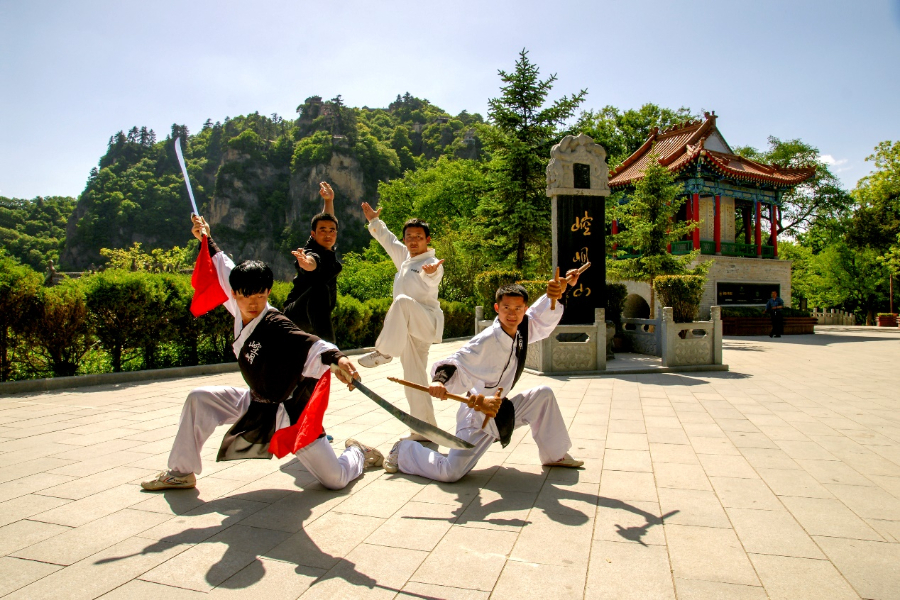
National intangible cultural heritage, originating from Kongtong Mountain, one of the four major Chinese martial arts schools together with Shaolin, Wudang, and Emei, with unique style.
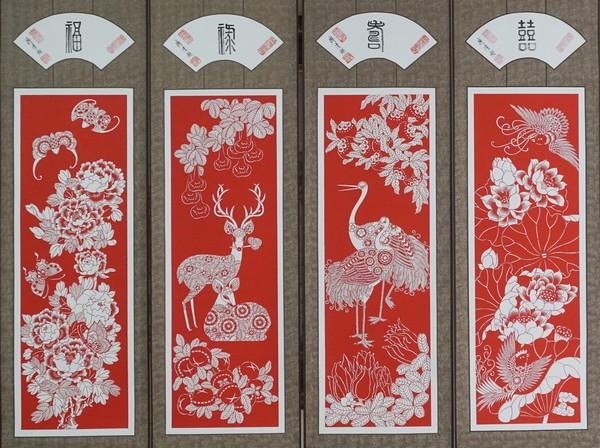
Gansu provincial intangible cultural heritage, known for full composition, smooth lines, and rich themes, reflecting local folk customs.
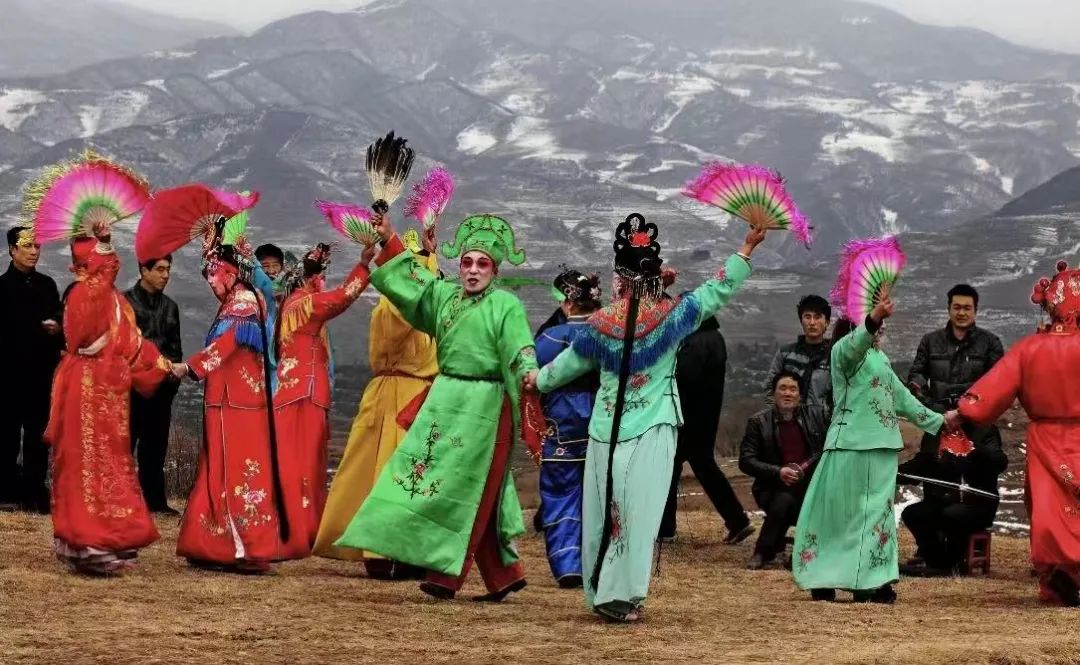
Gansu provincial intangible cultural heritage, a local opera with rich tunes and vivid performances, deeply loved by the people.
Must-know transportation for exploring the city
Located in Kongtong District, with Baozhong Railway and Tianping Railway, direct trains to Xi'an, Lanzhou, Beijing, etc.
Hard seat about 50-200 RMB depending on destination
Multiple bus stations in Pingliang, mainly serving surrounding counties and cities, as well as Lanzhou, Xi'an, etc. City bus routes cover major attractions.
City bus 1 RMB, long-distance depends on distance
Currently no civil aviation in Pingliang. You can fly to Xi'an Xianyang International Airport first, then transfer by high-speed rail or bus to Pingliang, about 3 hours drive.
Xi'an to Pingliang high-speed rail second class about 100 RMB, bus about 80 RMB
Taste the most authentic and popular local specialties
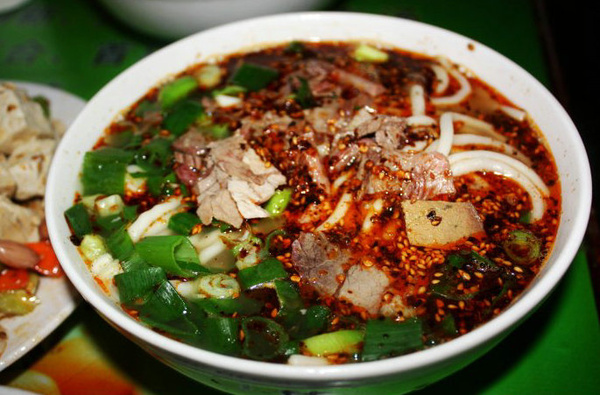
Made from buckwheat or wheat flour, chewy and smooth, served in sour soup or with minced meat, the most representative noodle dish in Pingliang.
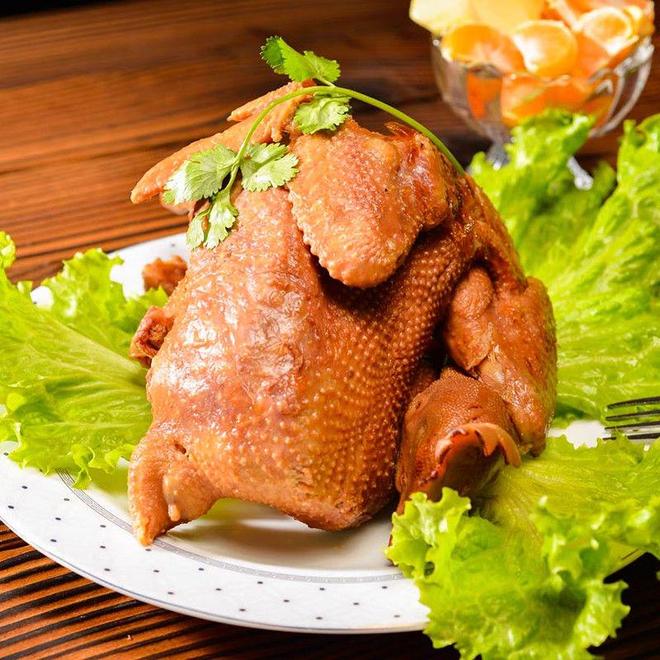
Traditional specialty of Jingning County, made with free-range chicken, marinated with various spices and then roasted, golden color, tender meat, bone and meat separate easily.
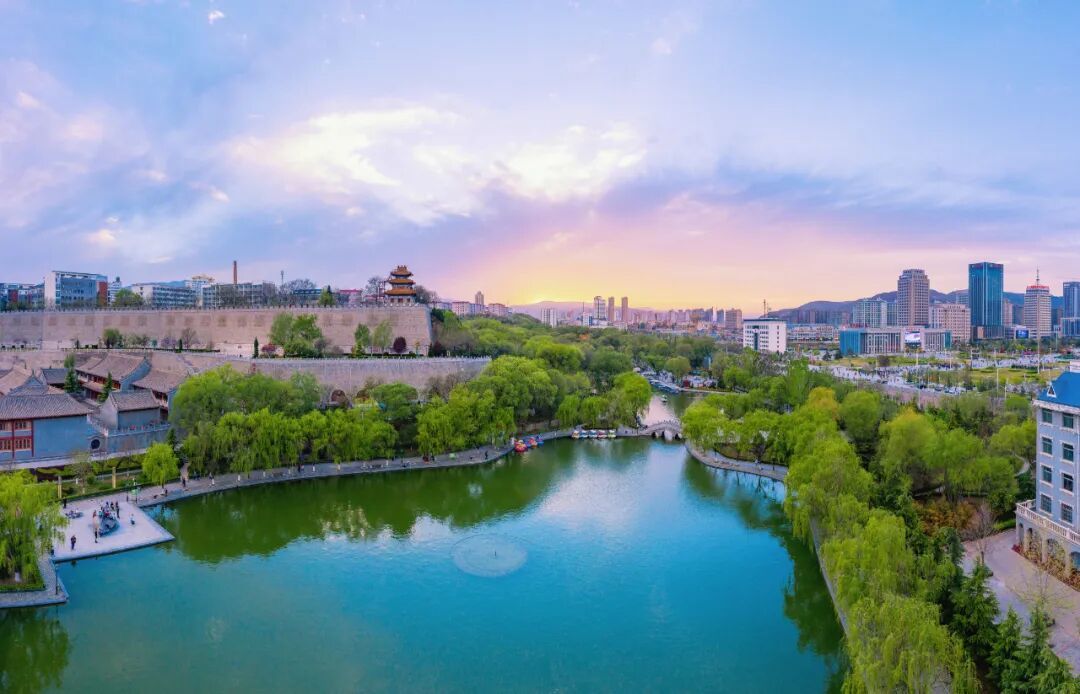
Built in the Song Dynasty, famous for willows and lake water, a classical garden in Pingliang, known for the beautiful scene 'Willow Lake in Sunshine and Snow'.
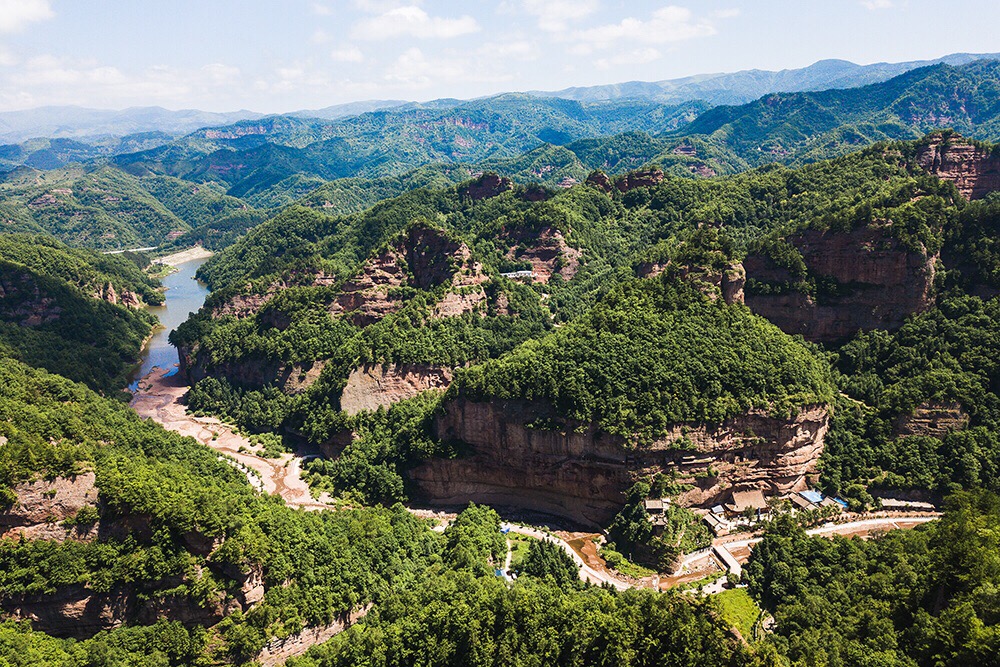
Located in Zhuanglang County, national 4A scenic spot, famous for grotto art, built in the Northern Wei Dynasty, with over 20 caves and hundreds of Buddha statues.
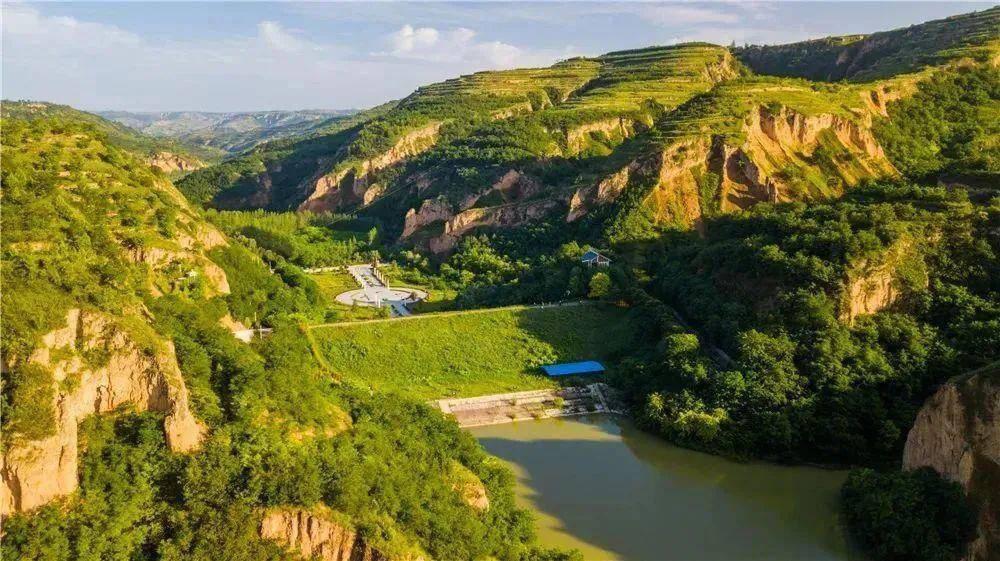
Located in Jingchuan County, national 4A scenic spot, featuring ecological management of the Loess Plateau and natural scenery, known as 'natural oxygen bar'.
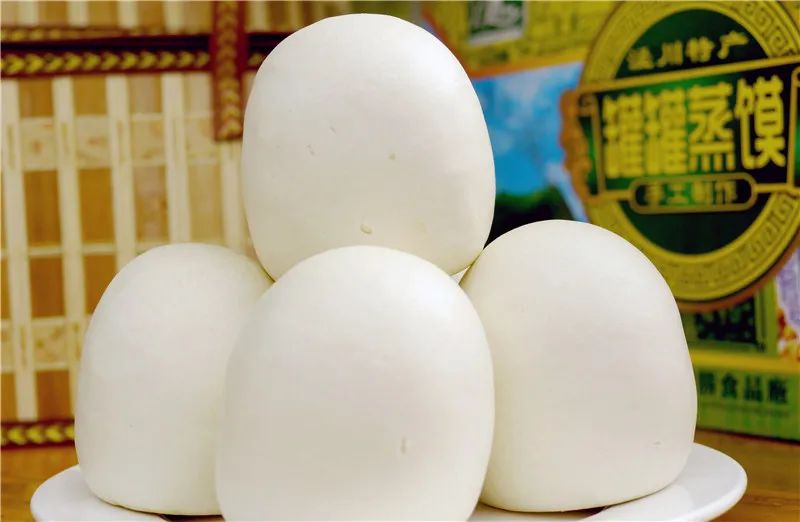
Special tea drink of Jingchuan County, boiled in a pottery pot with red dates, goji berries, rock sugar, etc., rich tea flavor, sweet and delicious.
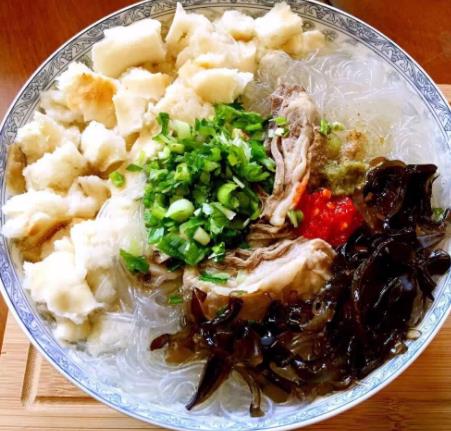
Different from Xi'an's, Pingliang's paomo has clear soup and tender lamb, smaller bread pieces, served with vermicelli and coriander, delicious.
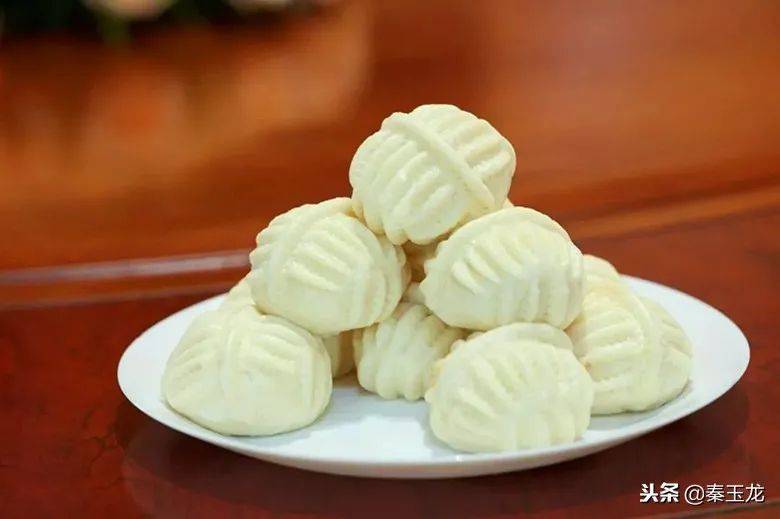
Special snack of Huating County, filled with walnut kernels, sugar, and sesame, soft bun skin, sweet and nutritious filling.