
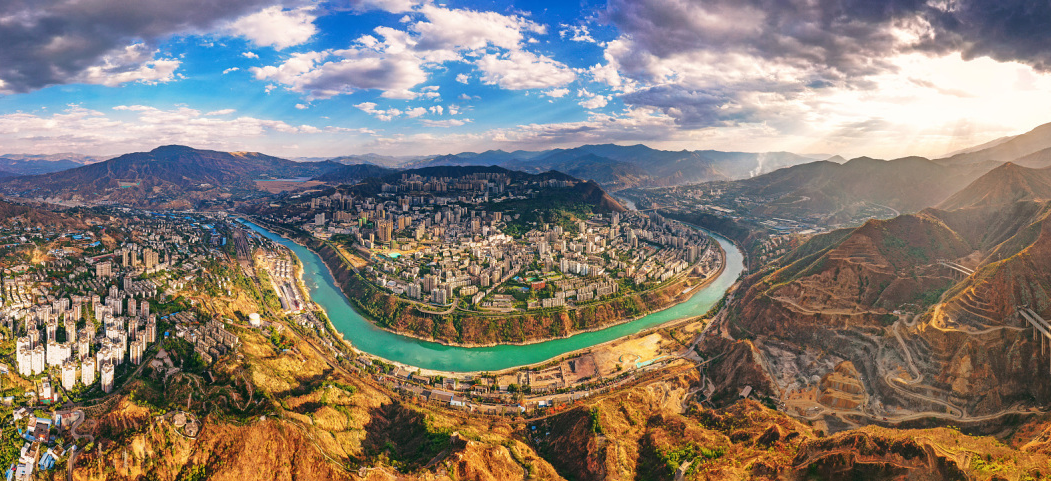
Panzhihua is located at the southernmost tip of Sichuan Province, at the confluence of the Jinsha and Yalong Rivers. It enjoys a southern subtropical climate with an average annual temperature of 20.3°C and abundant sunshine, earning it the nickname 'Sunshine Flower City.'
Founded in 1965 due to its mineral resources, Panzhihua is a key steel and vanadium-titanium industrial base in China. During the Third Front construction period, builders from across the country created an industrial miracle here.
Panzhihua is a multi-ethnic area with rich cultures of Yi, Lisu, and other ethnic groups. Local specialties include lamb rice noodles, copper hotpot, and oil-preserved meat, offering unique flavors.
Today, Panzhihua is transforming into a wellness and tourism city, leveraging its warm climate and abundant fruits (mangoes, loquats) to develop winter escape and eco-tourism, while upgrading its vanadium-titanium industry.
The best time to visit 攀枝花 is All year round, best in winter.
Panzhihua has warm winters and early springs. Winter (Dec-Feb) average temperature is above 15°C, making it a great winter escape, especially for elderly health tourism.
Spring (Mar-May) sees blooming flowers, especially kapok and bougainvillea, ideal for flower viewing.
Summer (Jun-Aug) is hot but offers seasonal fruits like mangoes and loquats, and you can retreat to high-altitude areas like Gesala for coolness.
To exploit mineral resources in the Panxi region, the state decided to establish Panzhihua Special Zone, later renamed Panzhihua City, becoming a key city for the Third Front construction.
Phase I of the Panzhihua steel base was completed and put into operation, with the first molten iron flowing out, marking the birth of the largest steel base in Southwest China.
The second line of the Chengdu-Kunming Railway (Chengdu-Panzhihua section) opened, bringing Panzhihua into the EMU era and greatly shortening travel time to Chengdu.
Recommended places to visit
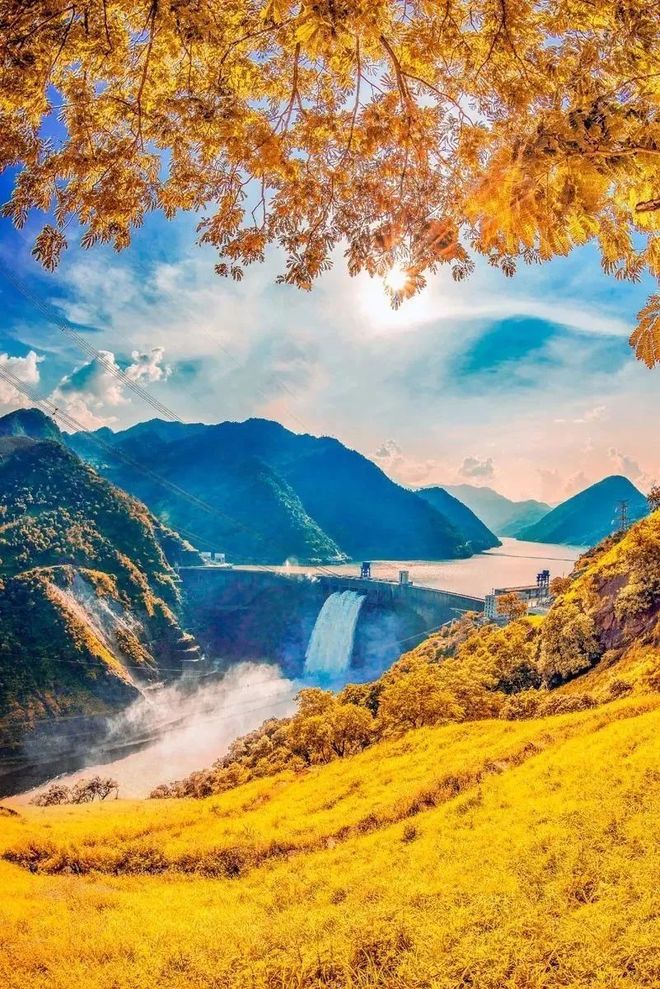
Centered on the Ertan Hydropower Station, it features magnificent views of gorges and a man-made lake. Visitors can take boat tours and enjoy pristine forests and waterfalls.
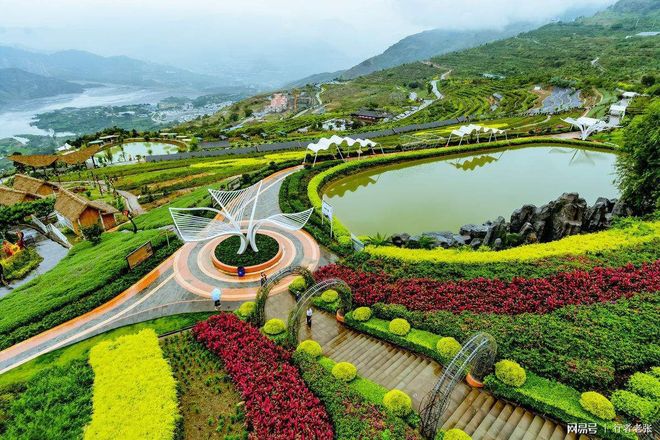
Known as a 'natural geological museum', it features vast rhododendron forests, pine woods, alpine meadows, and karst landforms like sinkholes.
Explore rich intangible cultural heritage and traditional crafts
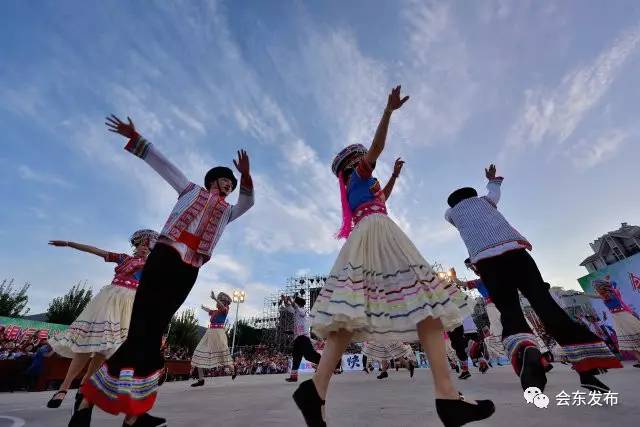
Traditional Lisu dance with bold and unrestrained movements, depicting hunting, farming, and other life scenes. It is a Sichuan provincial intangible cultural heritage.
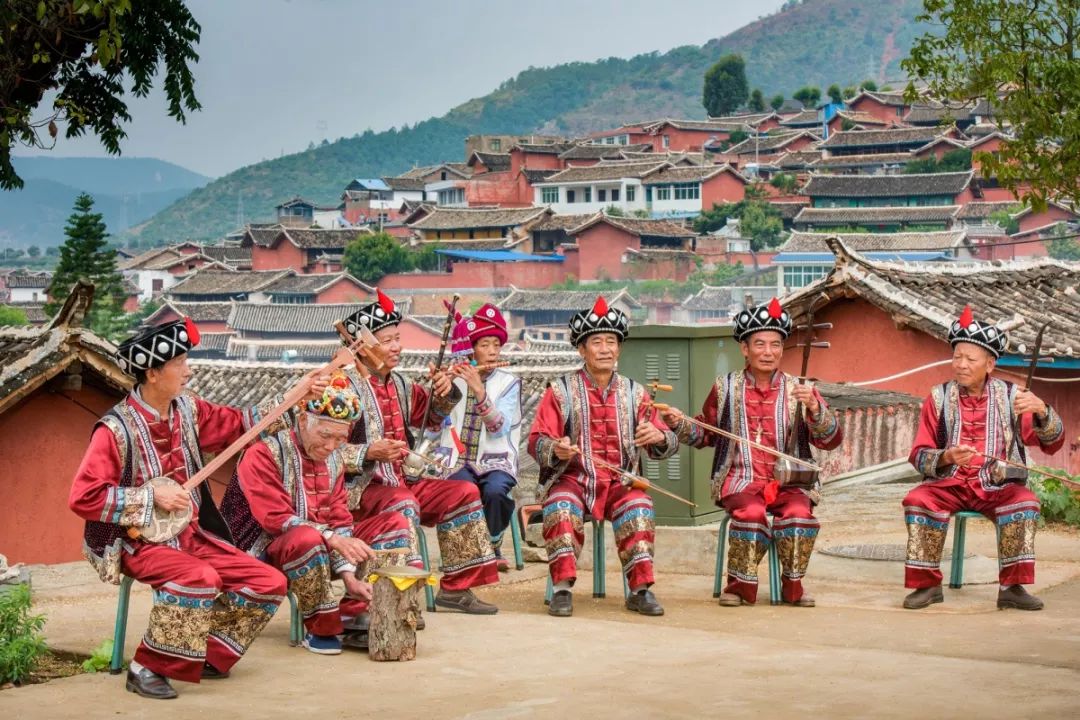
Ancient Yi music passed down in Yishala Village, Renhe District, blending court music and folk music with melodious tunes. It is a provincial intangible cultural heritage.
Must-know transportation for exploring the city
About 10 km from city center, with flights to Chengdu, Chongqing, Beijing, etc. Airport buses and taxis are available.
Airport bus 15 yuan, taxi about 30 yuan
Station on the Chengdu-Kunming second line, with EMU direct to Chengdu (about 4.5h) and Kunming (about 2.5h). Multiple regular trains also available.
EMU second class to Chengdu South about 190 yuan
The bus network covers main urban areas and attractions, fare 1-4 yuan. Shared bikes and ride-hailing are also available.
1-4 yuan
Taste the most authentic and popular local specialties
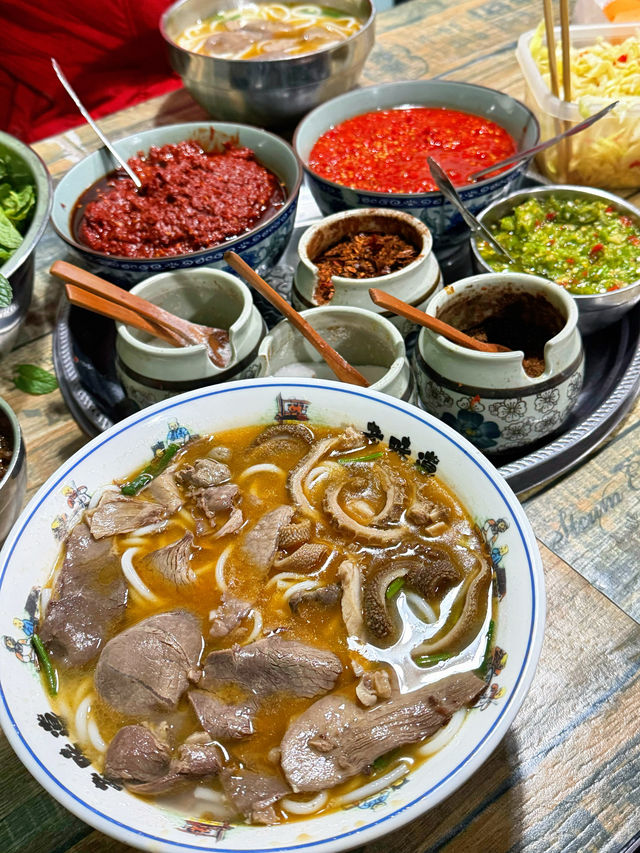
The most representative snack in Panzhihua, made with lamb broth, fresh lamb slices, and rice noodles, topped with mint, pickled vegetables, etc. The soup is savory and delicious.
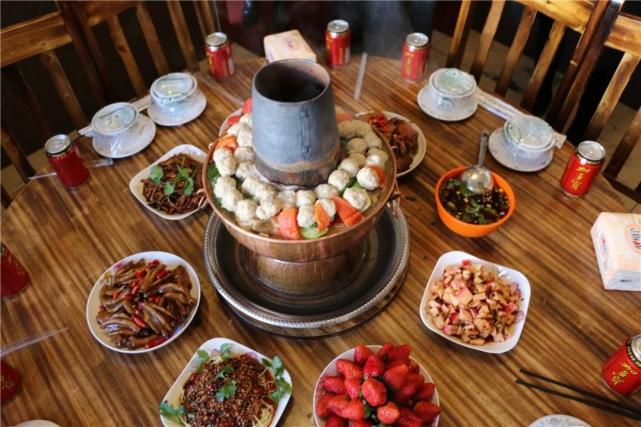
Cooked in a copper pot, the broth is made from chicken, duck, and pork bones. Ingredients include crispy pork, meatballs, and vegetables, with a unique dipping sauce.
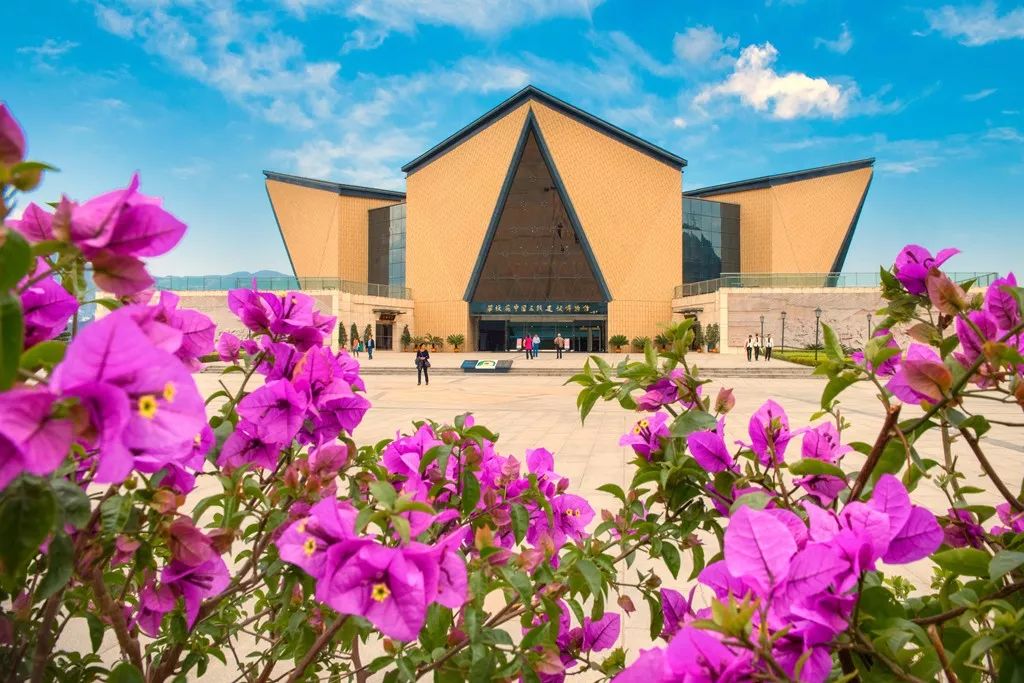
The largest museum in China themed on the Third Front construction, showcasing Panzhihua's development history with a vast collection of artifacts and historical materials.
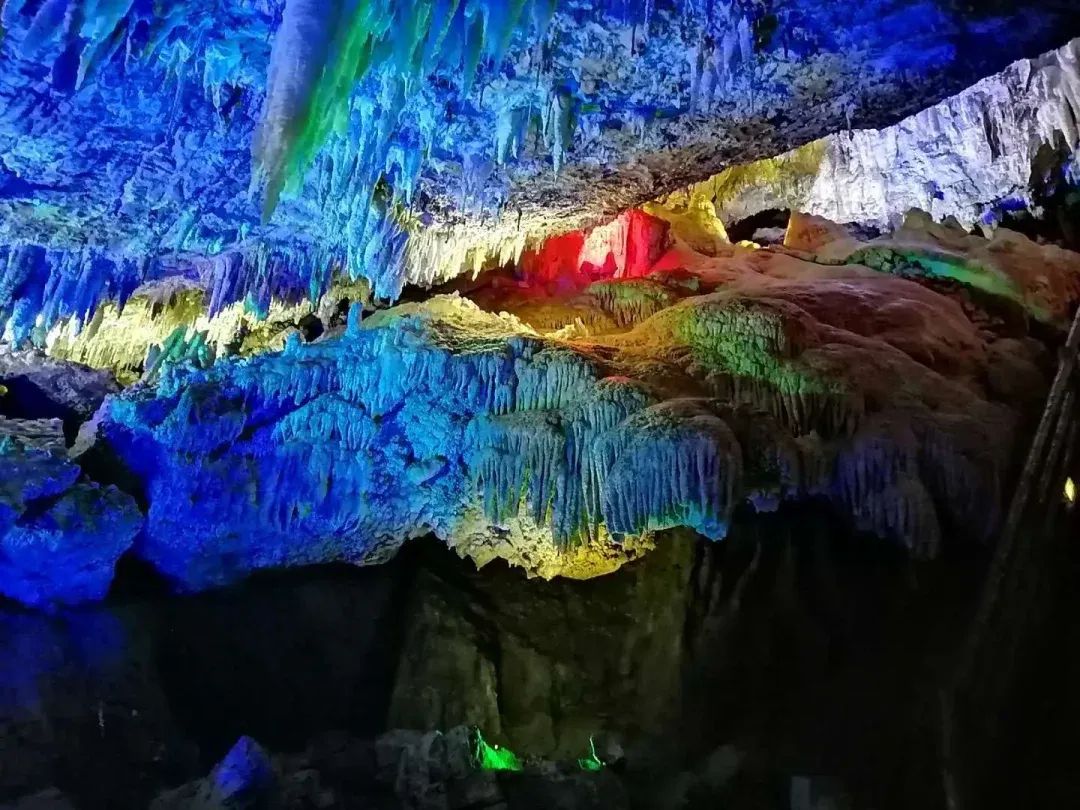
A large karst cave group themed on the Zhuanxu culture, with stalactites, stalagmites, and draperies in various shapes under colorful lighting.
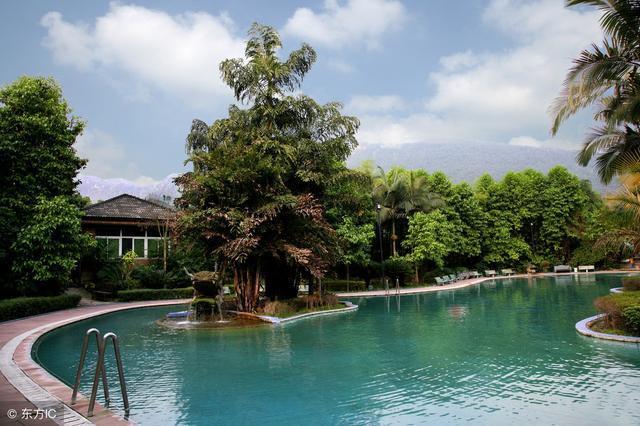
Features high-quality radon hot springs with water temperature 57°C, rich in minerals, surrounded by tropical scenery, ideal for relaxation and health.
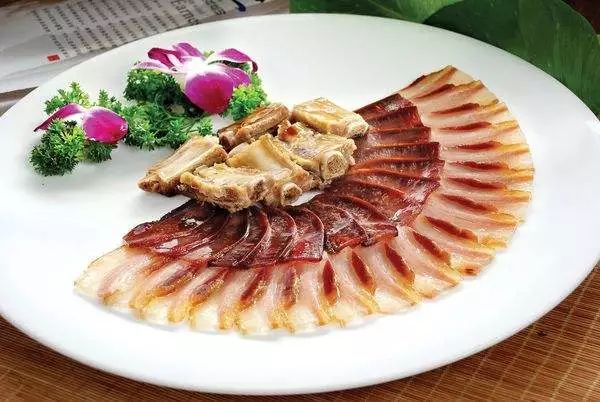
Traditionally preserved pork soaked in lard, with firm texture and rich flavor. It can be steamed or stir-fried, a special cured meat of Panzhihua.
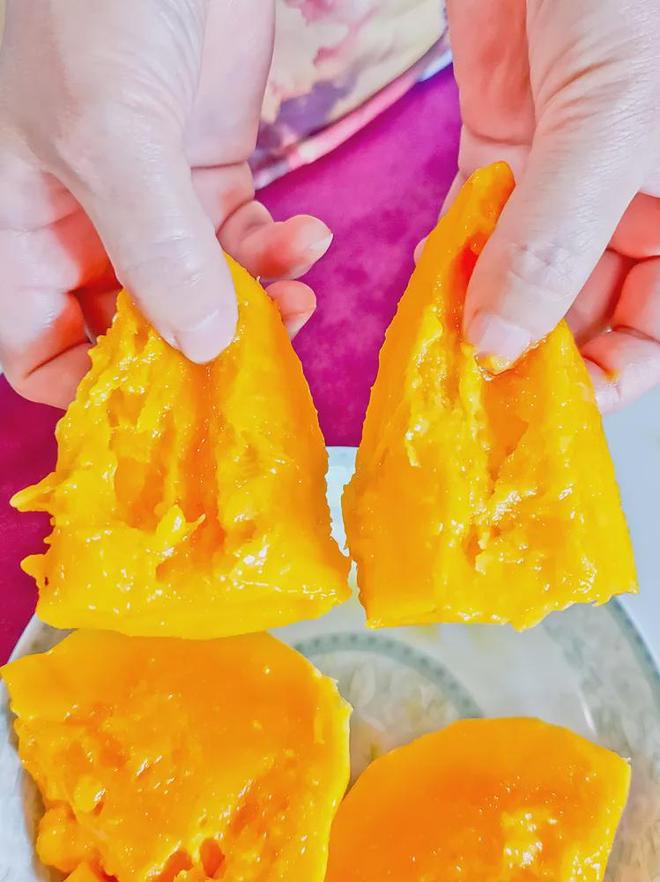
Panzhihua is a premium mango producing area in China, with varieties like Kate and Jinhuang. The flesh is tender and very sweet, available from June to October.
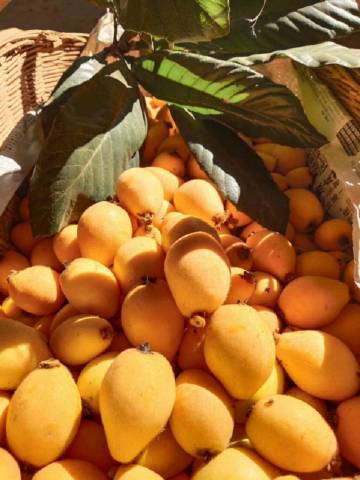
Panzhihua's early spring loquats are large, thick-fleshed, juicy and sweet, ripening from February to April. A local specialty fruit.