
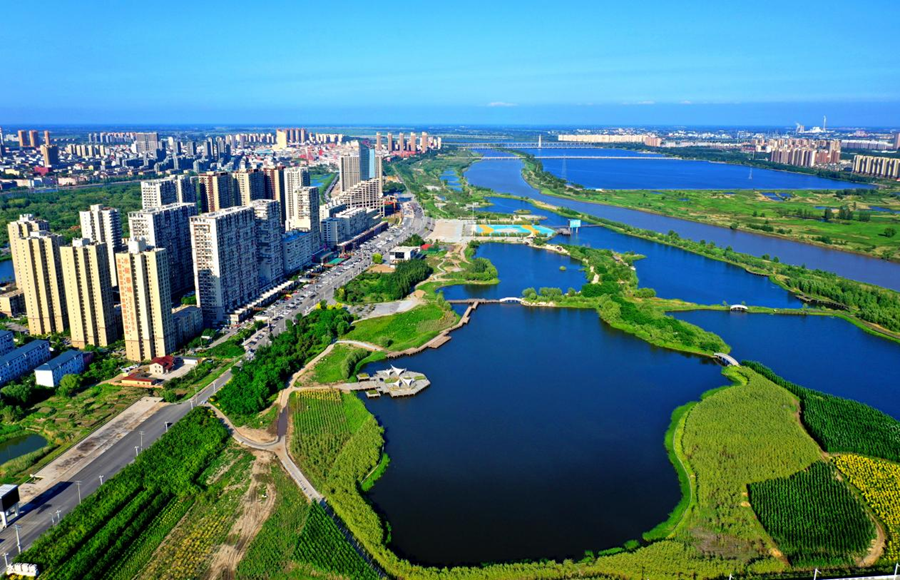
Panjin is located in the southwest of Liaoning Province, at the center of the Liaohe River Delta. It has a warm temperate continental semi-humid monsoon climate with four distinct seasons, featuring rainy and hot summers, and cold and dry winters. The annual average temperature is around 9°C, with annual precipitation of about 650 mm.
Panjin has a long history, dating back to the Western Han Dynasty when it was established as Fang County. It gradually developed after the Ming Dynasty and was officially established as Panjin City in 1984. The city rose rapidly due to the development of the Liaohe Oilfield, becoming a major petrochemical city.
Panjin's culture is a blend of Guandong and Liaohekou cultures, with distinctive features. Folk arts include stilts and yangge dances. The most famous local foods are Panjin rice and Panjin river crabs, along with specialty ingredients like cattail shoots and clams. The cooking style emphasizes natural flavors.
Modern Panjin focuses on eco-tourism and green economy, with the Red Beach National Scenic Corridor as its core attraction. Relying on the Liaohe Oilfield and fine chemical industry, the economy continues to grow, and urban infrastructure is constantly improving, aiming to build an international wetland city.
The best time to visit 盘锦 is Best travel time is from May to October.
From May to June is spring, with mild weather and vibrant wetlands, ideal for bird watching and outdoor activities.
From July to August is summer, though hot and rainy, the Red Beach begins to turn red with spectacular views, and it's the best season for tasting river crabs.
From September to October is autumn, with cool weather, the reddest Red Beach, and golden rice fields, making it the golden season for photography and sightseeing.
During the Western Han Dynasty, Panjin area was established as Fang County under Liaodong Commandery.
In June 1984, with the approval of the State Council, Panjin City (prefecture-level) was established based on the former Panshan County.
Large-scale development of Liaohe Oilfield made Panjin an important petrochemical base in China.
Recommended places to visit
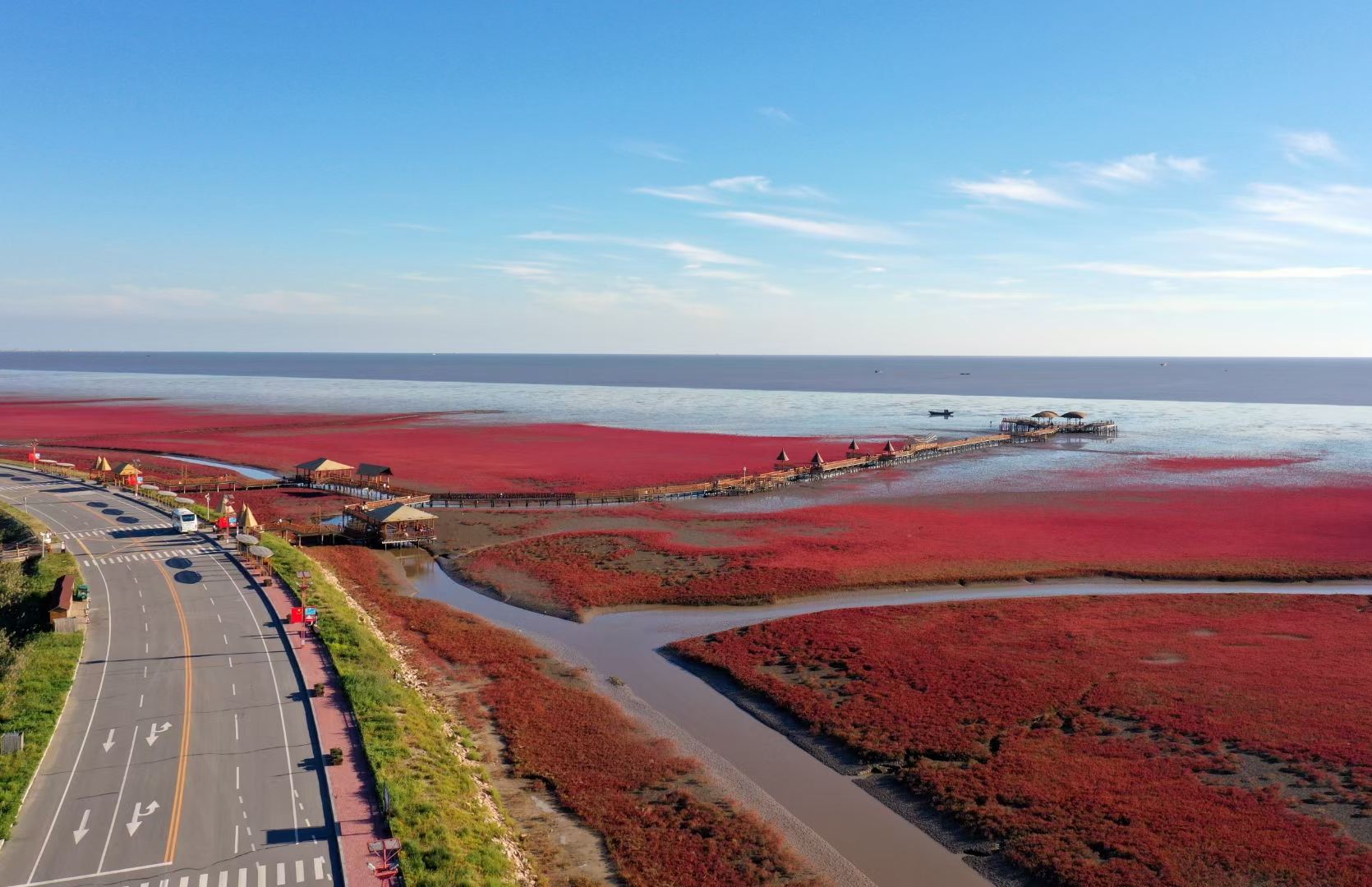
The world's largest red beach, formed by Suaeda salsa, turns fiery red in autumn. It is Panjin's iconic attraction, with reed marshes and red-crowned cranes.
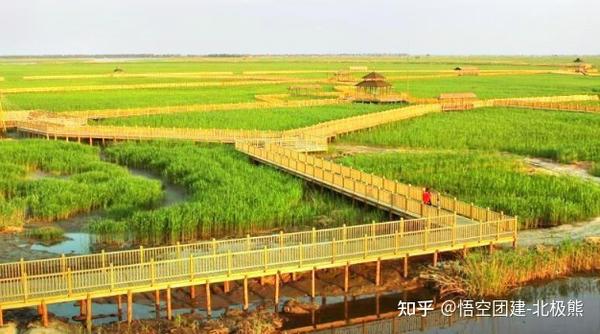
An ecological area integrating wetlands, forests, and birds, featuring the world's largest reed marsh and bird-watching platforms.
Explore rich intangible cultural heritage and traditional crafts
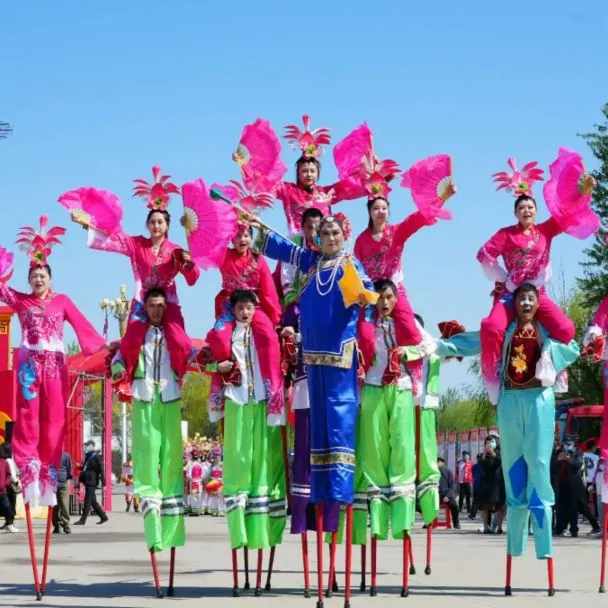
Traditional folk dance in Panjin, with a long history of stilt performances, humorous moves, and popular among people.
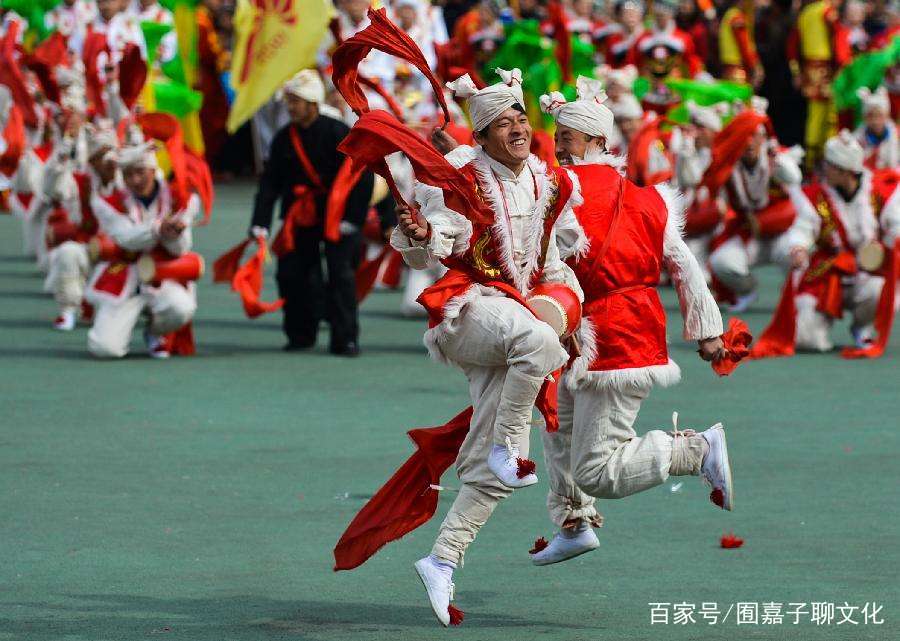
Popular folk dance in Panjin, with lively rhythms and diverse forms, often performed during festivals.
Must-know transportation for exploring the city
Panjin Airport is about 10 km from the city center, with flights to Beijing, Shanghai, Guangzhou, etc.
Depends on route
Panjin Station is in the city center for regular trains; Panjin North Station is a high-speed rail station connecting to Beijing, Shenyang, Dalian, etc.
High-speed rail second class about 100-300 RMB
Bus routes cover major attractions and areas, fare 2 RMB, some routes support mobile payment.
2 RMB
Taste the most authentic and popular local specialties
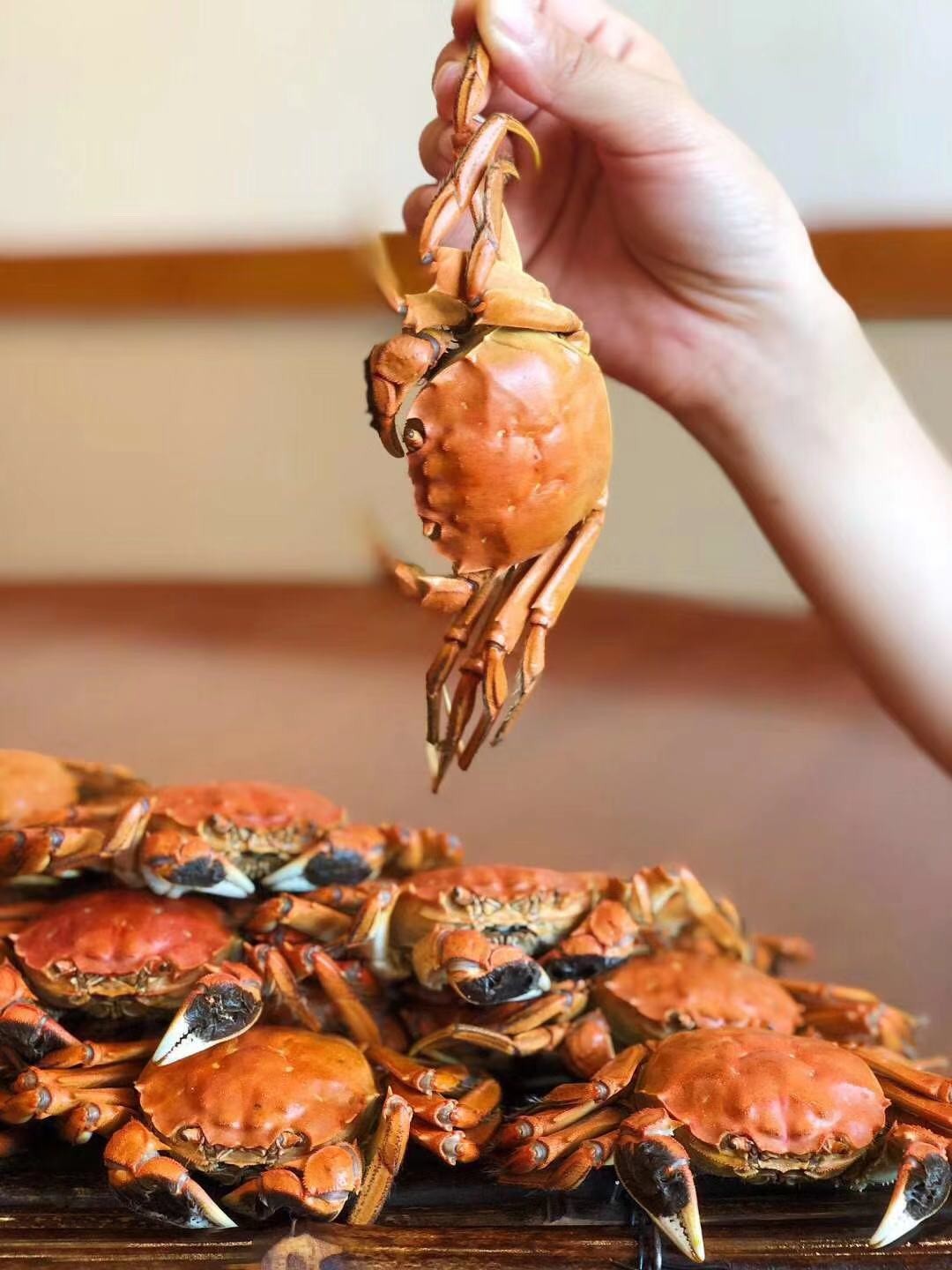
Panjin specialty, with rich roe and tender meat, best steamed.
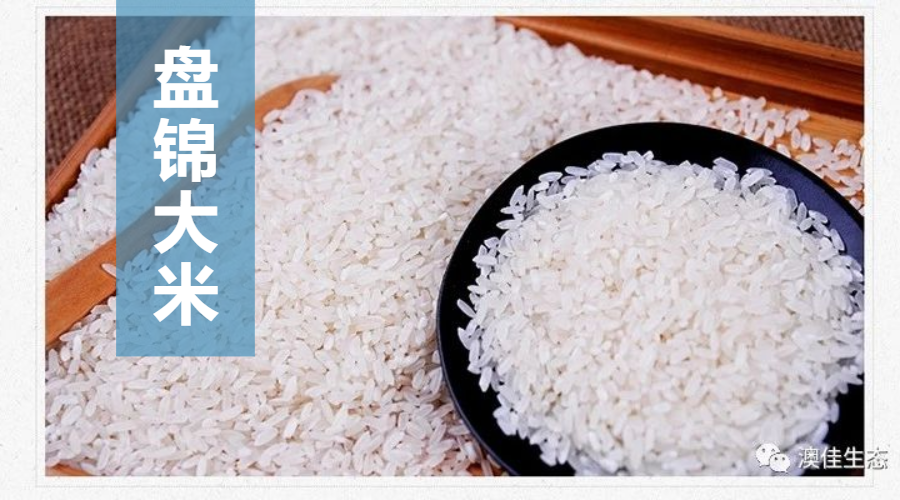
China's geographical indication product, with crystal grains, soft and sticky texture, and rich aroma.

Specialty from Panjin wetlands, crispy and tender, can be eaten cold or stir-fried, nutritious.
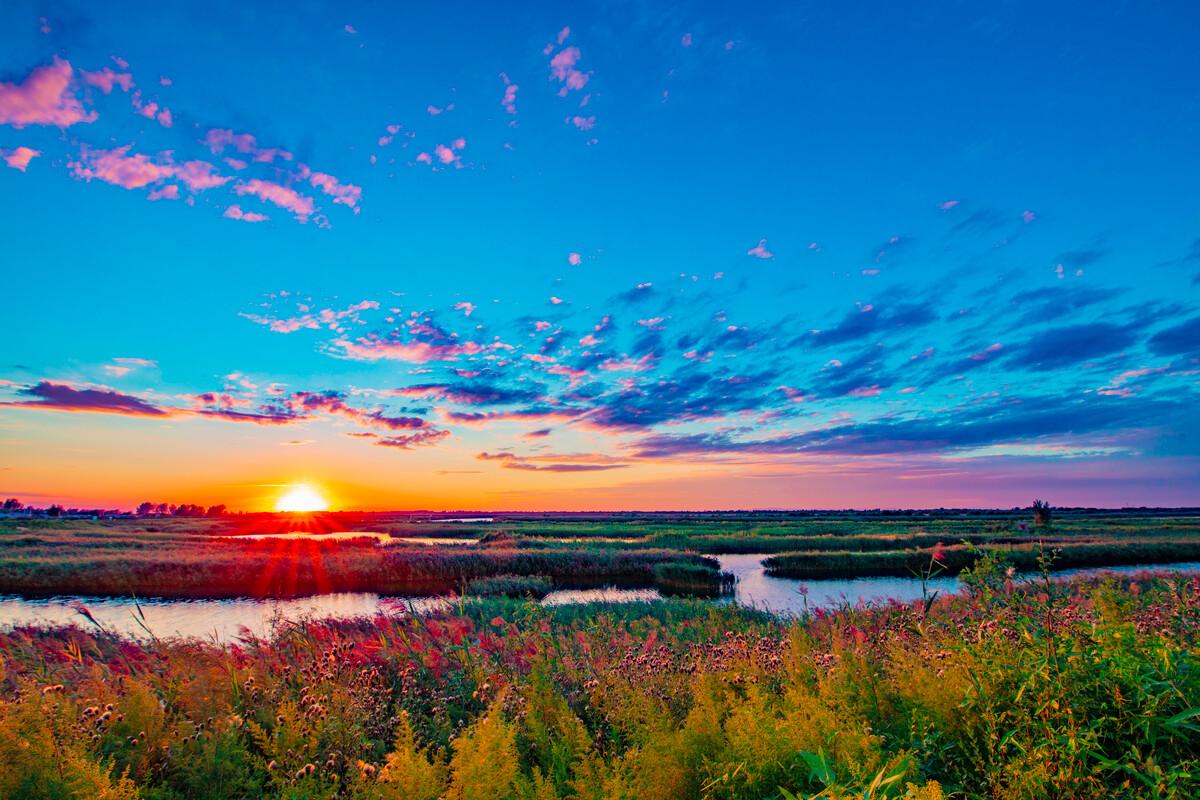
Located in the city center, it is an urban wetland park suitable for leisure walks and enjoying the Liaohe scenery.
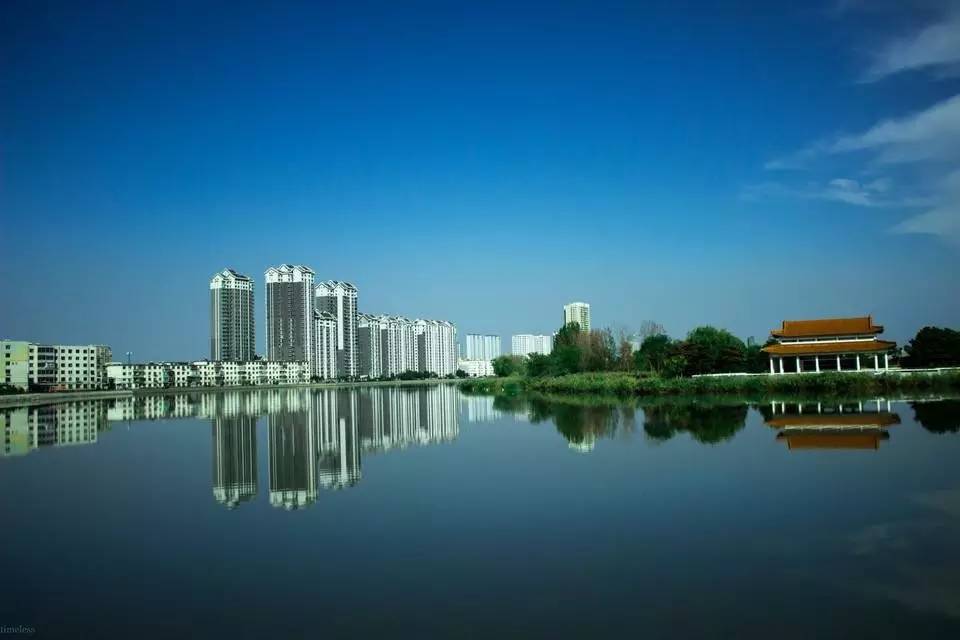
A comprehensive park with lakes and pavilions, suitable for family outings and spring flower viewing.

Exhibits the history, cultivation techniques, and culture of Panjin rice, a great place to learn about local agriculture.
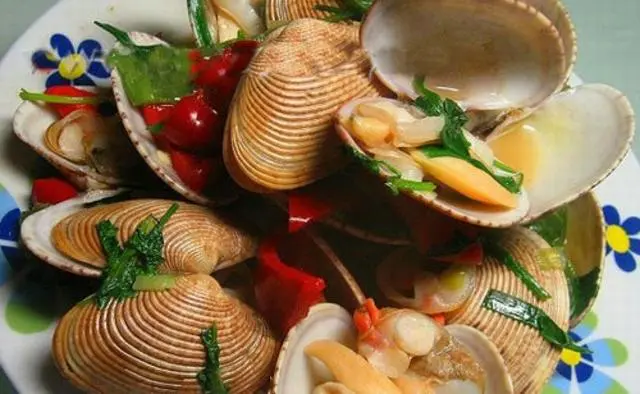
Specialty from Panjin sea area, delicious meat, often used for soup or barbecue.
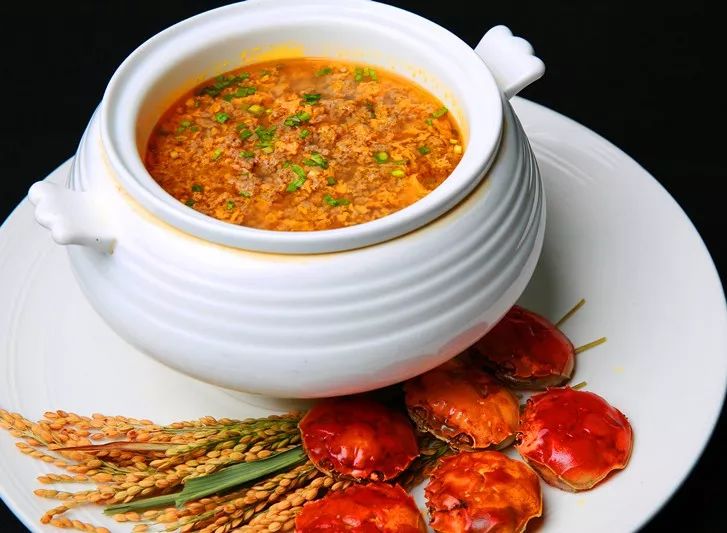
A dish made with river crab meat and tofu, smooth and tender, deliciously fresh.