
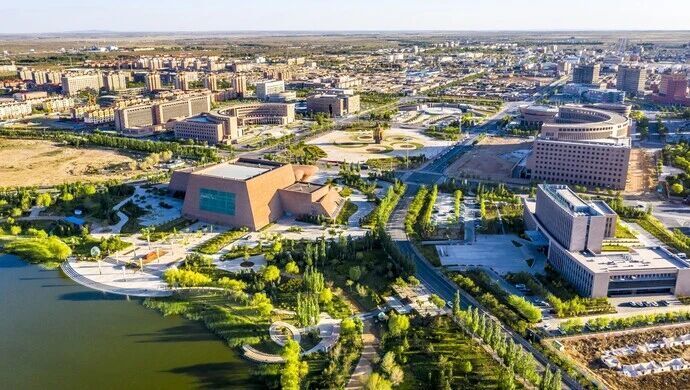
Ordos is located in the southwestern part of Inner Mongolia Autonomous Region, on the south bank of the Yellow River's '几' shaped bend, with the Yin Mountains to the north and the Loess Plateau to the south. It has a typical temperate continental climate with four distinct seasons, large temperature differences between day and night, low annual rainfall, and abundant sunshine.
Ordos has a long history and is an important birthplace of the Hetao culture. The Mausoleum of Genghis Khan is located here, and it was once one of the political, economic, and cultural centers of the Mongol Empire. In modern times, it has risen rapidly due to the development of coal, natural gas, and other resources.
Ordos is one of the regions where traditional Mongolian culture is best preserved. Folk activities such as the Naadam Festival and Ordos wedding are rich and colorful. The cuisine features prairie flavors like hand-grabbed lamb, roasted whole lamb, milk tea, and yogurt, which are unique and distinctive.
In the 21st century, Ordos has achieved economic takeoff by relying on its abundant energy resources, earning the title 'China's Coal Capital.' At the same time, the city focuses on ecological construction. Kangbashi New District has become the first 4A-level tourist attraction named after an urban landscape in China, realizing a transformation from 'Coal, Sheep, Earth, Gas' to 'Green and Smart.'
The best time to visit 鄂尔多斯 is The best travel time is summer (June-August) and autumn (September-October).
Summer (June-August): The grassland is lush green with pleasant cool weather. It's the season for the Naadam Festival, where you can experience traditional Mongolian activities.
Autumn (September-October): Clear and crisp autumn weather, golden grasslands, and comfortable desert temperatures. It's the best time to view poplar forests and desert landscapes.
Winter (November-February): Cold and dry, but you can experience the Ice and Snow Naadam and hot springs. Fewer tourists and relatively favorable prices.
Genghis Khan died during the campaign against the Western Xia. His mausoleum was enshrined in Ejin Horo Banner, Ordos, becoming a pilgrimage site for Mongols.
With the approval of the State Council, the Yikezhao League was abolished and the prefecture-level city of Ordos was established, marking a new stage of urban development.
Recommended places to visit
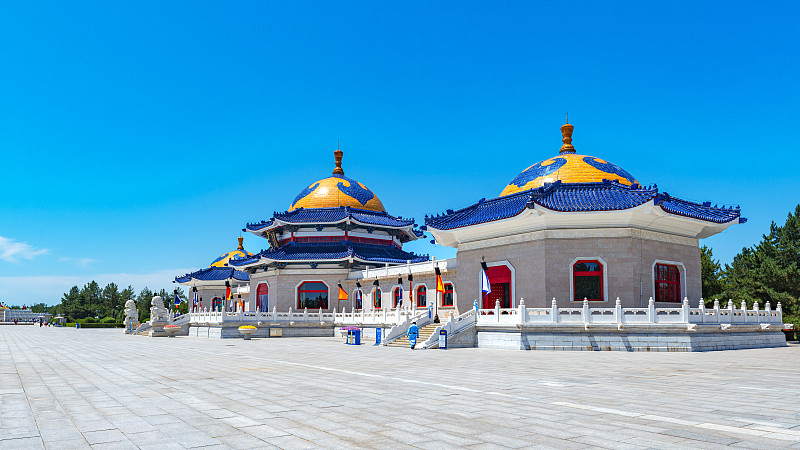
Located in Ejin Horo Banner, it is the cenotaph of Genghis Khan and a pilgrimage site for Mongols. The main building consists of three yurt-style halls, magnificent in scale.
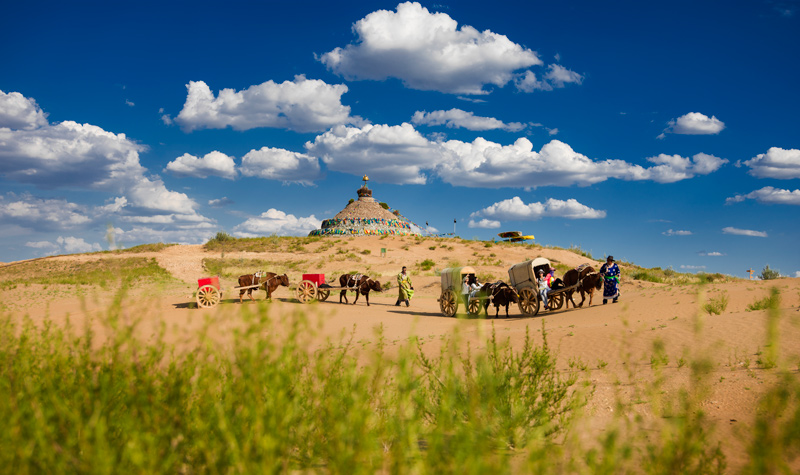
Located at the eastern end of the Kubuqi Desert in Dalad Banner, named for the sound made by sand. It integrates desert sightseeing, sand sliding, desert off-roading and other entertainment.
Explore rich intangible cultural heritage and traditional crafts
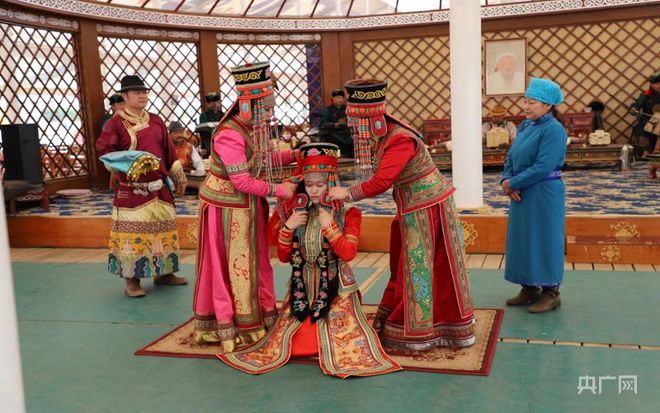
Traditional Mongolian wedding ceremony, including proposal, engagement, wedding, and return visit, accompanied by singing and dancing, grand in scale. Listed as a national intangible cultural heritage in 2006.
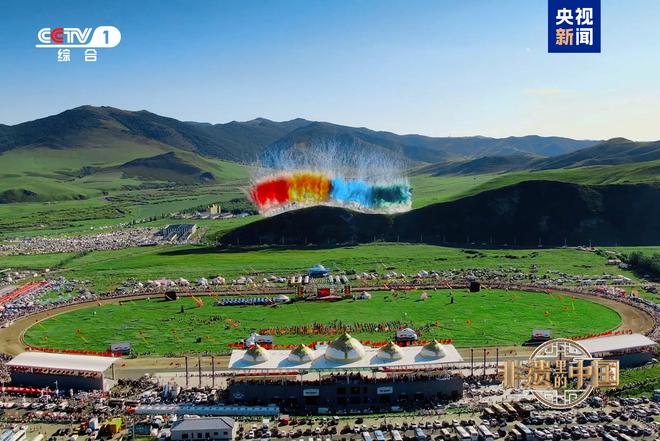
Traditional Mongolian sports and entertainment activities, including horse racing, wrestling, archery, etc., an important carrier of Mongolian culture. Listed as a national intangible cultural heritage in 2006.

The horsehead fiddle is a representative Mongolian instrument, its music melodious and deep, expressing grassland emotions. Listed as a national intangible cultural heritage in 2006.
Must-know transportation for exploring the city
Located in Ejin Horo Banner, about 15 km from the city center. It operates many domestic and international routes, including major cities like Beijing, Shanghai, Xi'an, Guangzhou.
Airfare varies by season and route
Located in Kangbashi New District, it is an important station on the Baotou-Xi'an high-speed railway. Direct trains to Hohhot, Baotou, Xi'an, Beijing, etc., convenient.
High-speed rail fare: to Hohhot about 1 hour, about 100 RMB; to Beijing about 5 hours, about 300 RMB
City buses cover major urban areas. In addition, there are tourist shuttles to attractions such as the Mausoleum of Genghis Khan and Xiangshawan, convenient for tourists.
Bus fare starts from 2 RMB, tourist shuttle fare 10-30 RMB
Taste the most authentic and popular local specialties
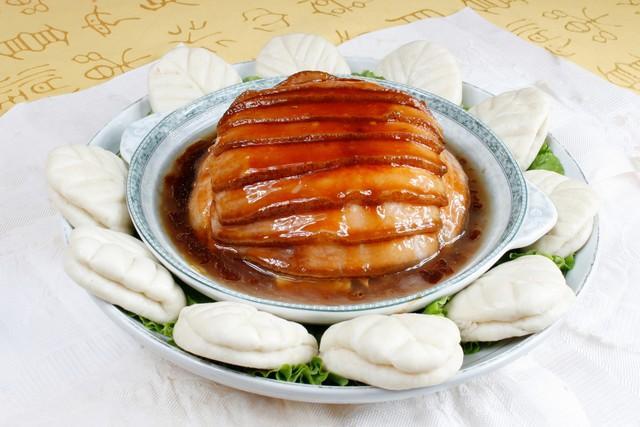
Traditional Mongolian cuisine, using grassland lamb, boiled until about 70-80% done, eaten by cutting with a knife, tender and delicious.

A famous feast dish of Mongolians, the whole lamb is roasted until the skin is crispy and the inside is tender. It is a must for major festivals and VIP receptions.

Ordos began to transform from a coal-dependent economy to a diversified one, while vigorously carrying out ecological governance. Kangbashi New District became a model of green development.
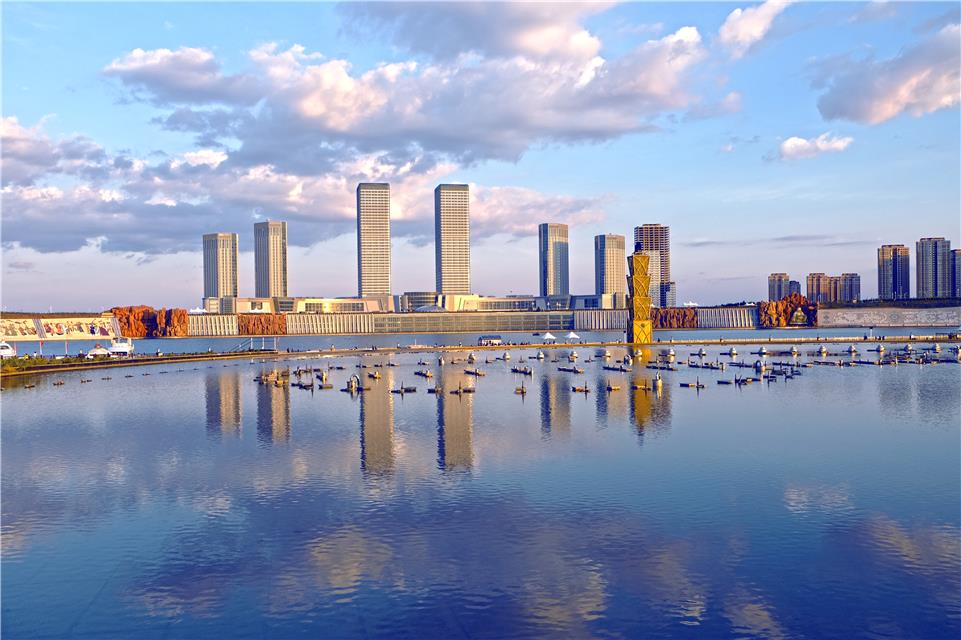
The new urban area of Ordos, rated as a national 4A-level tourist attraction for its overall urban landscape. It features Ulan Mulun Lake, Genghis Khan Square, etc.
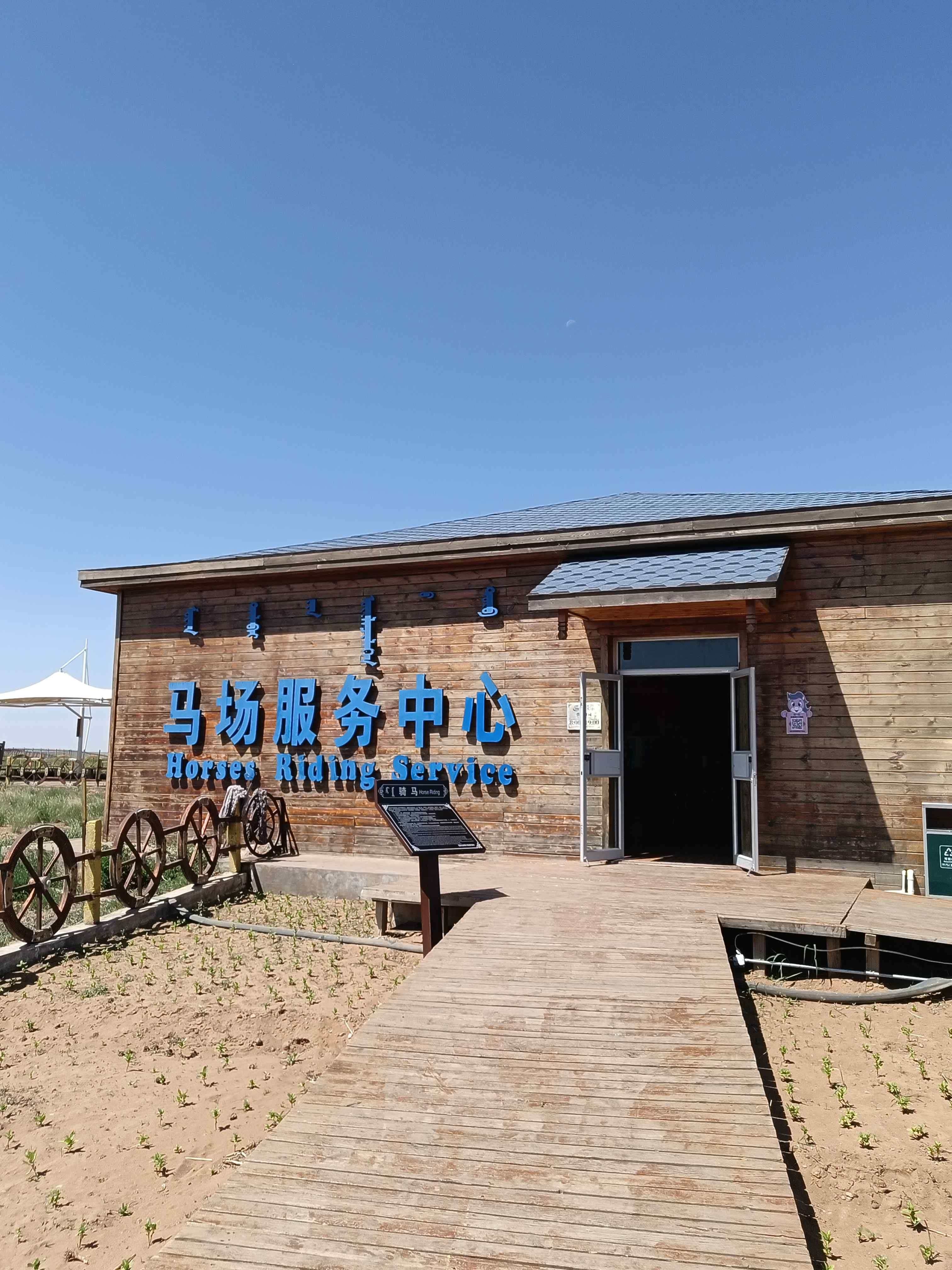
Located in Hanggin Banner, it is a typical Mongolian nomadic grassland. You can experience horse riding, archery, staying in yurts, and watching the sunset on the grassland.
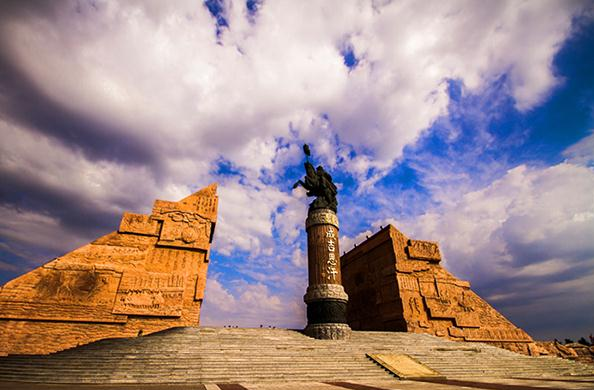
Centered on the Mausoleum of Genghis Khan, it includes historical and cultural areas, grassland sightseeing areas, etc., showcasing Mongolian history and the life of Genghis Khan.
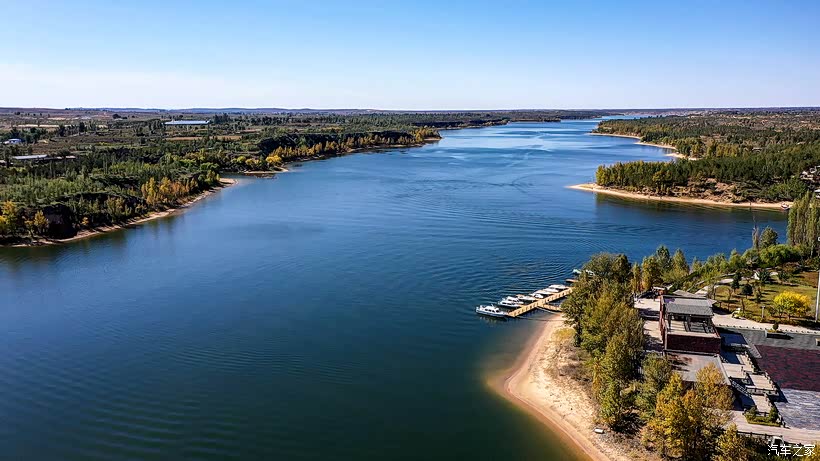
Located in Uxin Banner, it is a late Paleolithic site, known as the hometown of the 'Hetao people', with significant archaeological value.
Daily drink of Mongolians, made by boiling brick tea and fresh milk, adding fried rice, milk skin, butter, etc., salty and delicious.
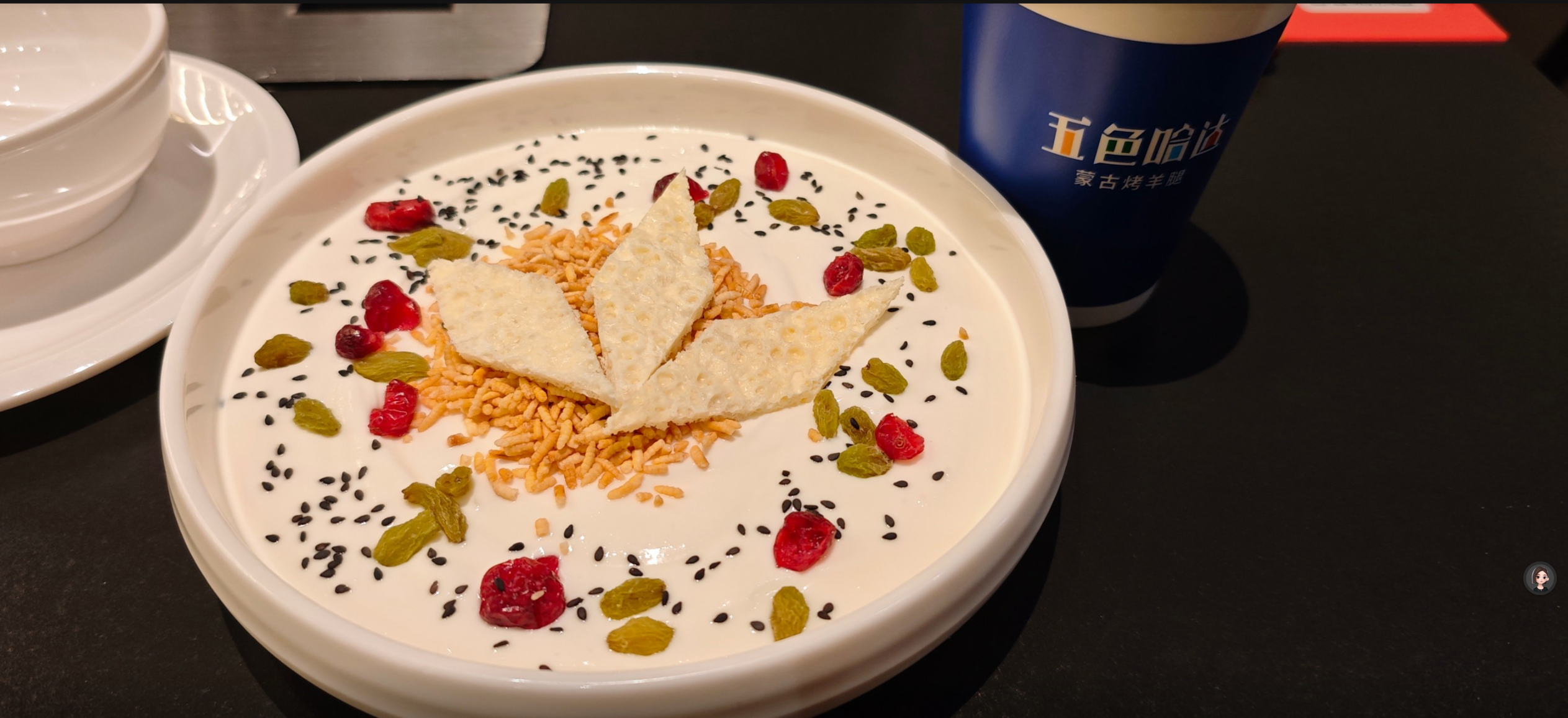
Traditional Mongolian yogurt, rich and sweet-sour taste, helps digestion, often served as a dessert after meals.
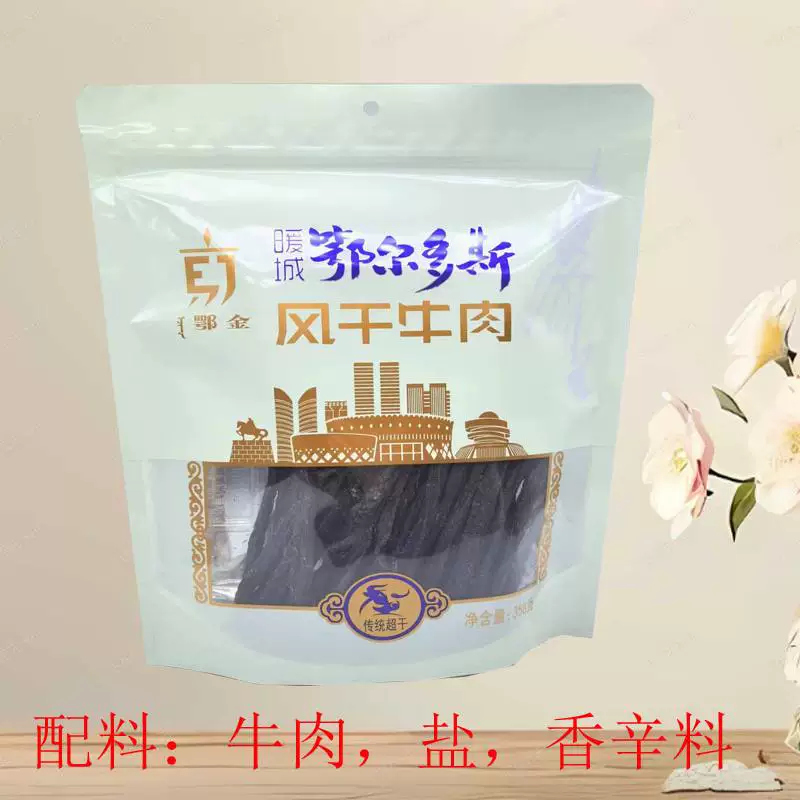
Traditional Mongolian way of preserving meat, beef is marinated and air-dried naturally, chewy and long-lasting.
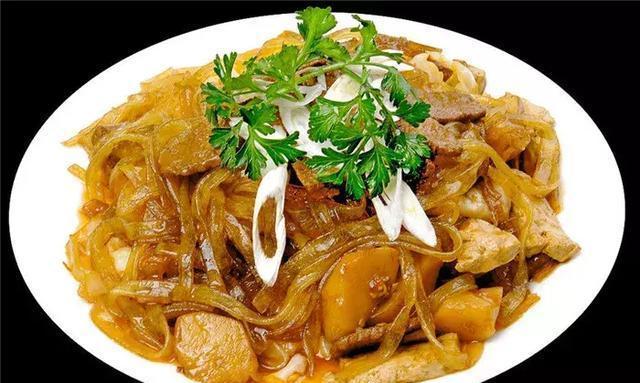
Local specialty stew, mainly with potatoes, vermicelli, cabbage, tofu, etc., adding lamb or pork and simmering slowly, rich in flavor.