

Nujiang Lisu Autonomous Prefecture is located in northwestern Yunnan Province, at the transition zone between the Qinghai-Tibet Plateau and the Yunnan-Guizhou Plateau. It boasts one of the world's most spectacular mountain canyons—the Nujiang Grand Canyon. The climate varies dramatically with altitude, from subtropical in the valley to frigid on the high peaks, with abundant rainfall and year-round mist.
Nujiang has a long history, with human activity dating back to the Qin and Han dynasties. It was part of the Nanzhao Kingdom in the Tang Dynasty, the Dali Kingdom in the Song Dynasty, and the Tusi system was established in the Ming Dynasty. In 1954, Nujiang Lisu Autonomous Prefecture was founded, making it the only Lisu autonomous prefecture in China. It was once an important passage on the Ancient Tea Horse Road, witnessing centuries of multi-ethnic exchange and integration.
Nujiang is a multi-ethnic region, predominantly inhabited by the Lisu, Nu, and Dulong peoples. Unique festivals include the Lisu Kuoshi Festival and Knife-Pole Festival, and the Nu Fairy Festival. The local cuisine is known for its natural ingredients, such as lacquer oil chicken, hand-grabbed rice, and stone-grilled buckwheat cakes, reflecting the wisdom of mountain-dwelling communities.
In recent years, Nujiang has made great strides in transportation and tourism. The completion of the Nujiang Beautiful Highway has greatly improved accessibility. Leveraging the Three Parallel Rivers World Heritage site, the region is developing eco-tourism and ethnic cultural experiences, emerging as a new travel destination in Yunnan.
The best time to visit 怒江 is Best travel time: October to April.
October to November: The Nujiang River is clear, autumn colors are splendid, and the weather is cool and pleasant, ideal for hiking and photography.
December to February: Winter is warm with little rain; you can experience Lisu festivals like Kuoshi Festival and enjoy snow-capped mountain views.
March to April: Spring brings blooming flowers, with kapok blossoms along the river, making it the best time for natural scenery.
On August 23, 1954, Nujiang Lisu Autonomous Prefecture was officially established, becoming the only Lisu autonomous prefecture in China.
In July 2003, UNESCO inscribed 'Three Parallel Rivers' as a World Natural Heritage site, with Nujiang being one of the rivers.
At the end of 2019, the Nujiang Beautiful Highway (section from Bingzhongluo to Liuku of G219) was fully opened, greatly improving local transportation.
Recommended places to visit
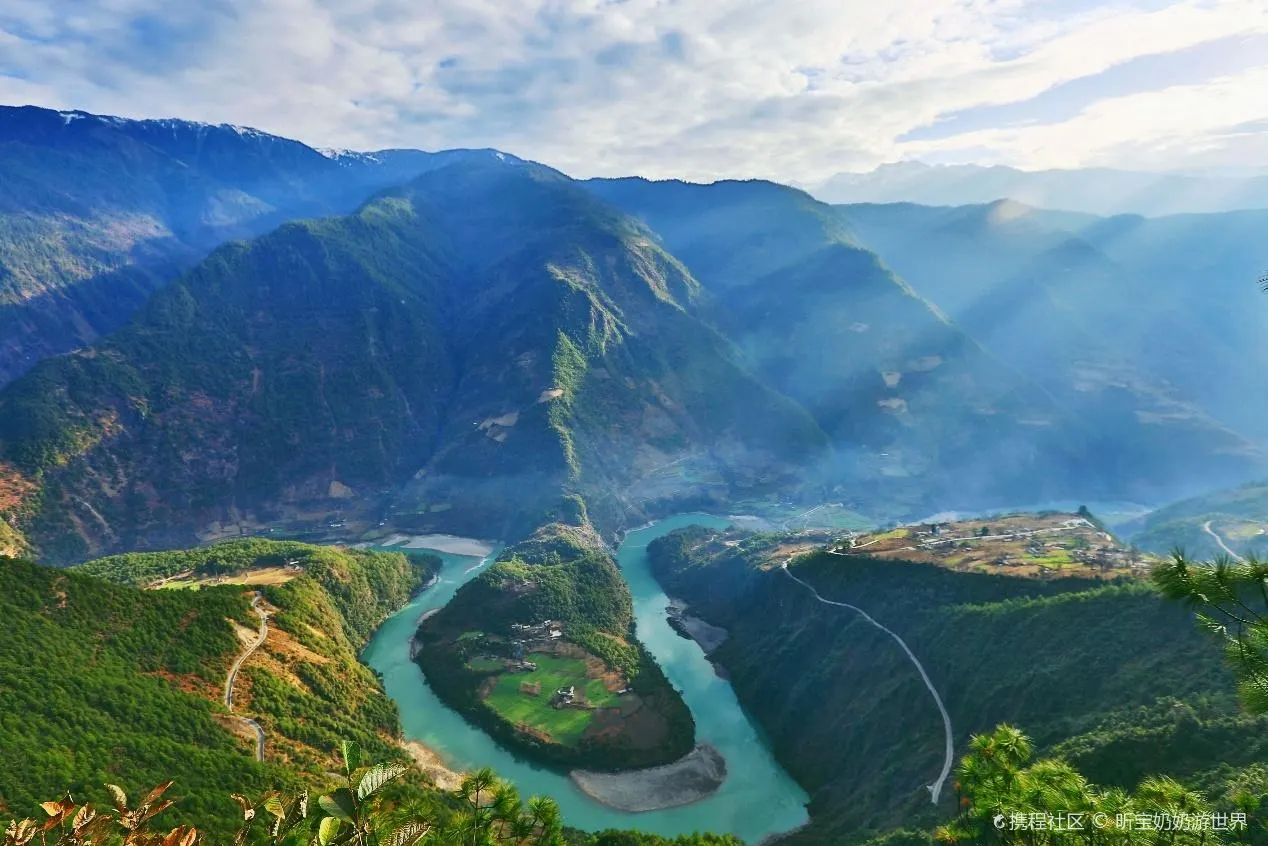
One of the world's three major canyons, about 300 km long with an average depth of 2,000 meters, known for its grandeur, peril, wonder, and beauty. Snow-capped mountains tower on both sides, with surging river water, offering magnificent views.
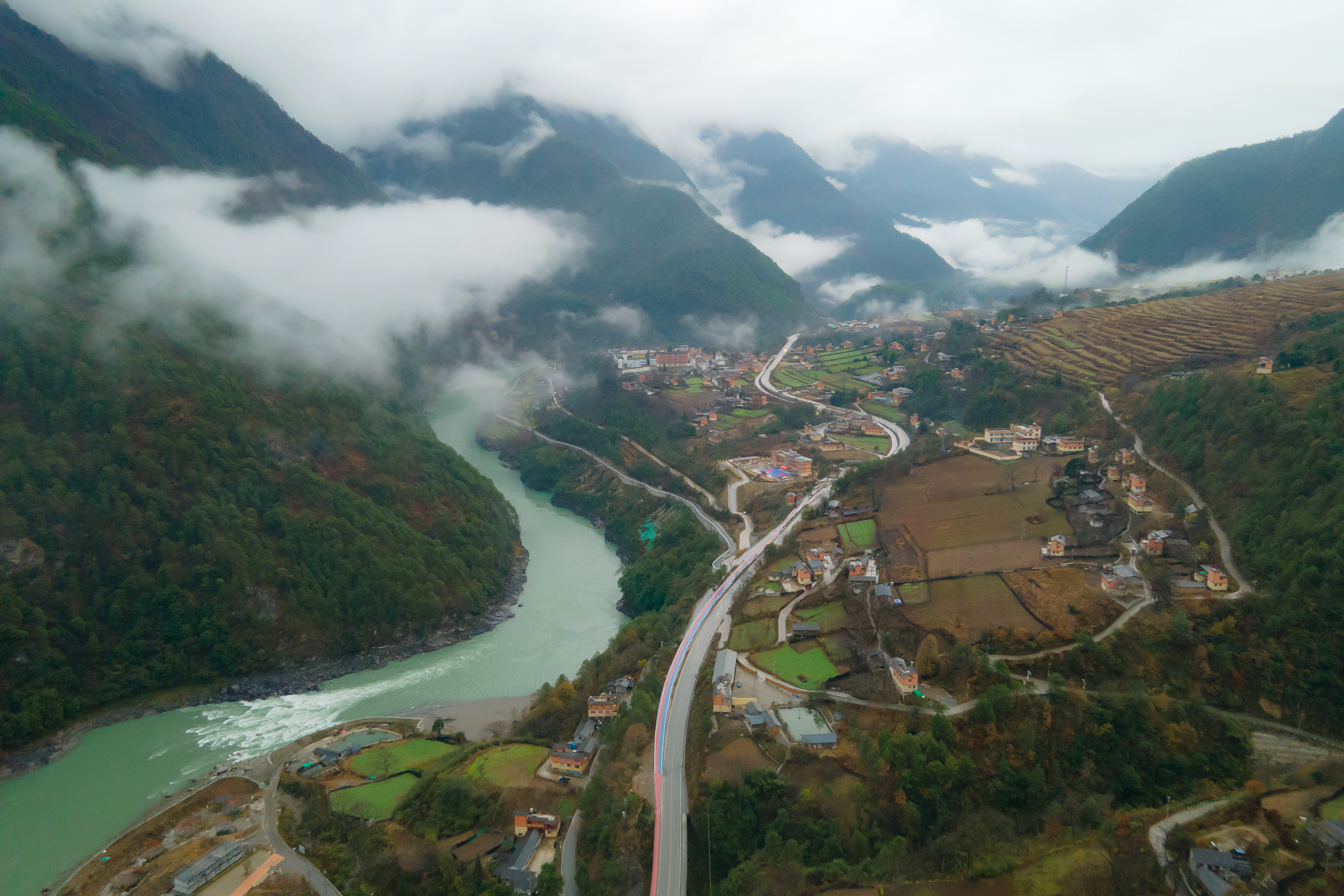
Known as 'a place where humans and gods coexist', it is a paradise deep in the Nujiang Grand Canyon. Attractions include the First Bend of Nujiang and Peach Blossom Island, where multiple ethnic groups live in harmony.
UNESCO World Heritage Sites
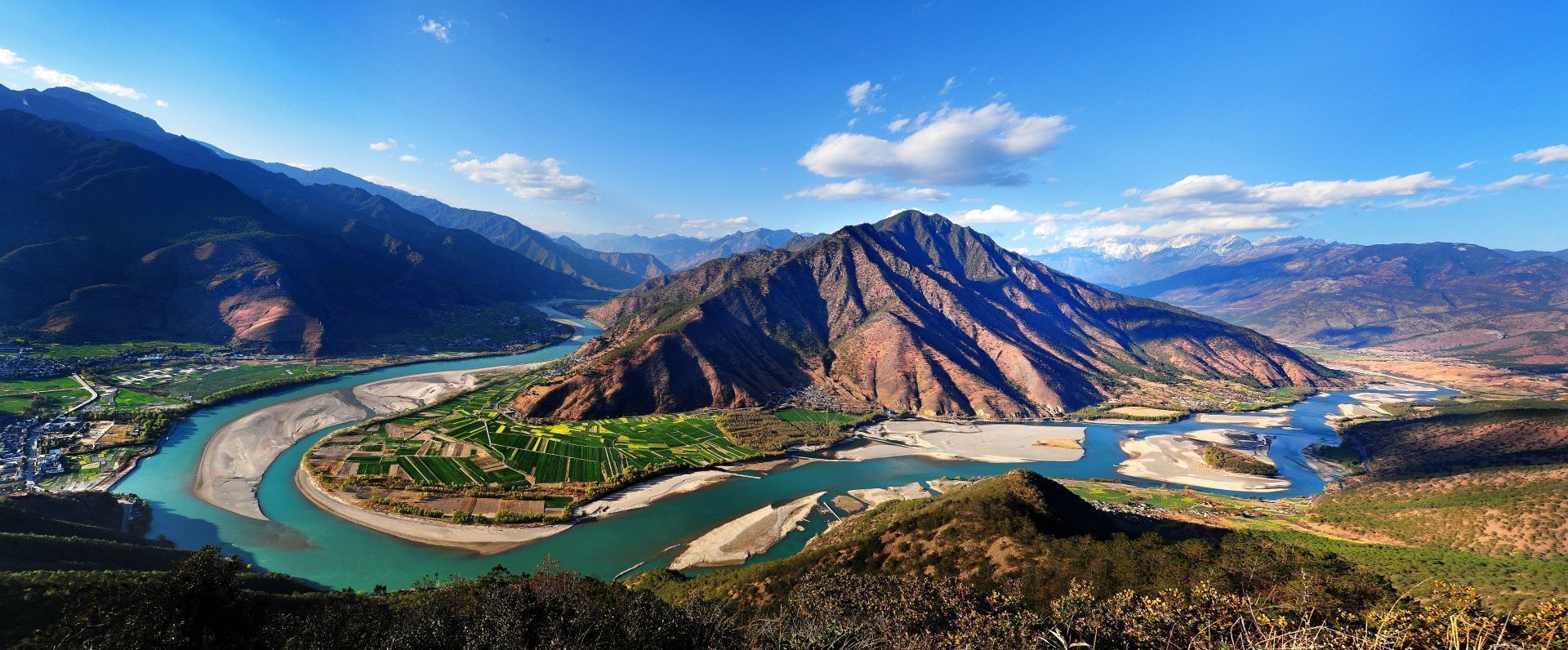
World Natural Heritage, featuring the parallel flow of the Nujiang, Lancang, and Jinsha rivers for hundreds of kilometers within the Hengduan Mountains without convergence.
Explore rich intangible cultural heritage and traditional crafts
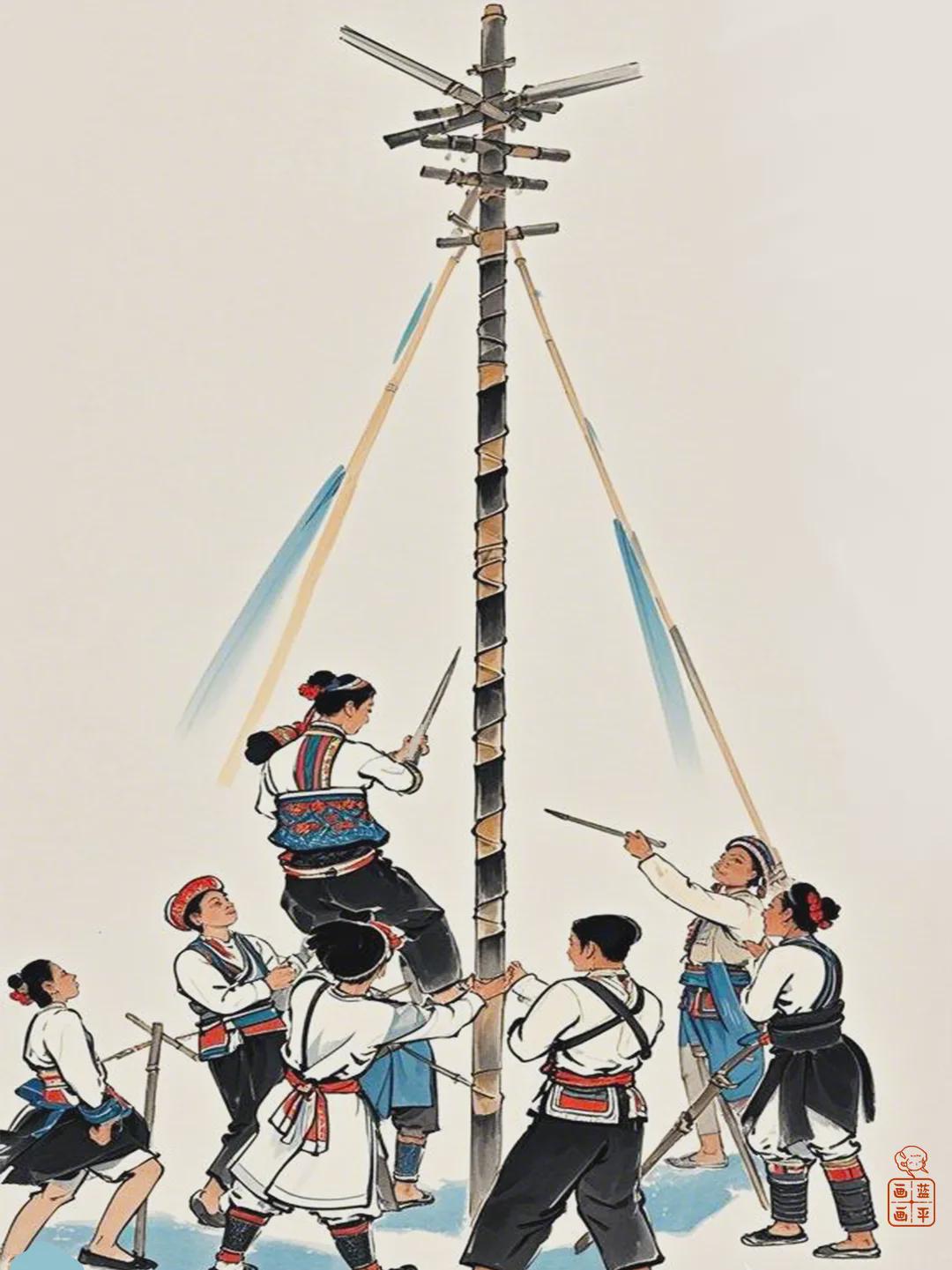
Traditional Lisu festival where performers climb a pole studded with dozens of sharp knives barefoot, demonstrating bravery and faith.
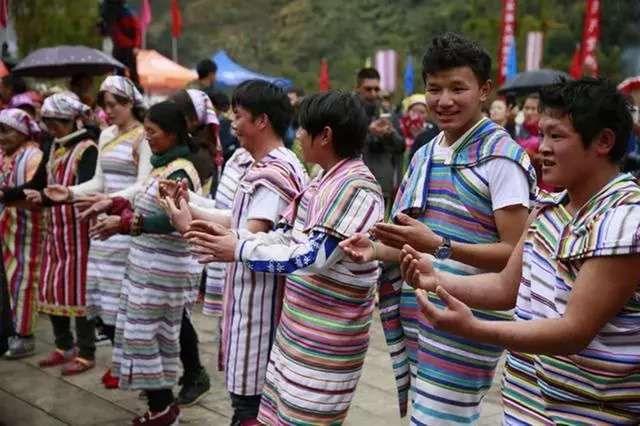
The only traditional festival of the Dulong people, featuring bull sacrifice as a major ritual to pray for harvest and peace.
Must-know transportation for exploring the city
Currently there is no civil airport in Nujiang; you can fly to Dali or Baoshan airport and then transfer by bus.
About 100 yuan from Dali to Liuku
The nearest railway stations are Dali and Baoshan, both with direct high-speed trains to Kunming. It takes about 3 hours by car from Dali to Liuku.
Kunming to Dali second class about 145 yuan
Liuku, the prefecture capital, has a bus station with services to Kunming, Dali, Baoshan, etc. There are also local buses connecting counties.
Liuku to Kunming about 200 yuan
Taste the most authentic and popular local specialties
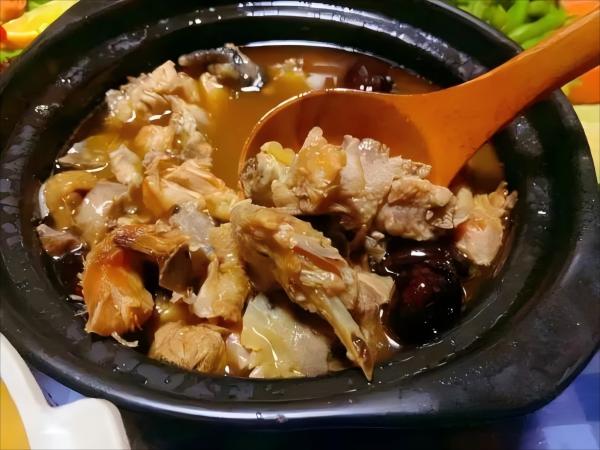
Local chicken cooked with oil extracted from lacquer tree seeds, golden in color with a unique aroma, and has nourishing effects.
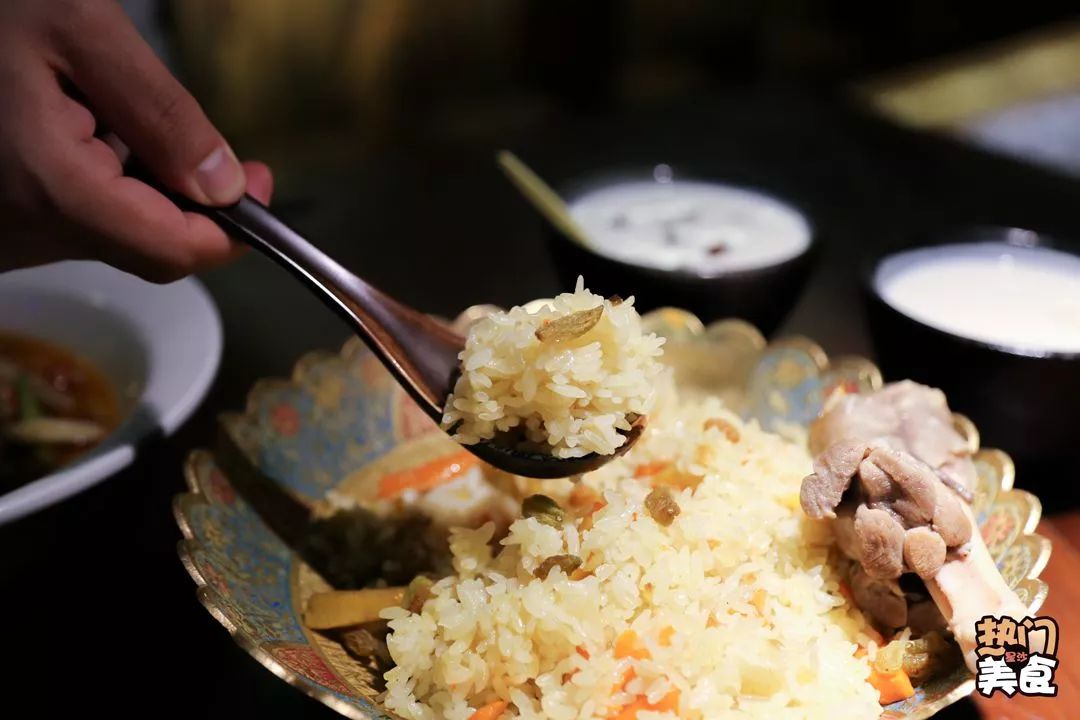
Traditional Lisu dish: rice with grilled meat and vegetables spread on banana leaves, eaten by hand, full of flavor.
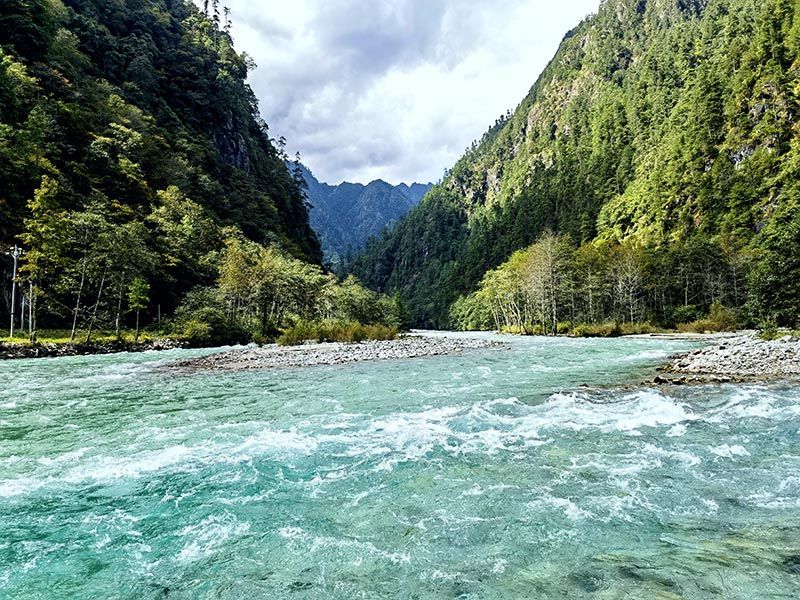
Homeland of the Dulong people, with dense primeval forests and emerald green river water. The last tattooed women can be found here, making it a great place to explore primitive culture.
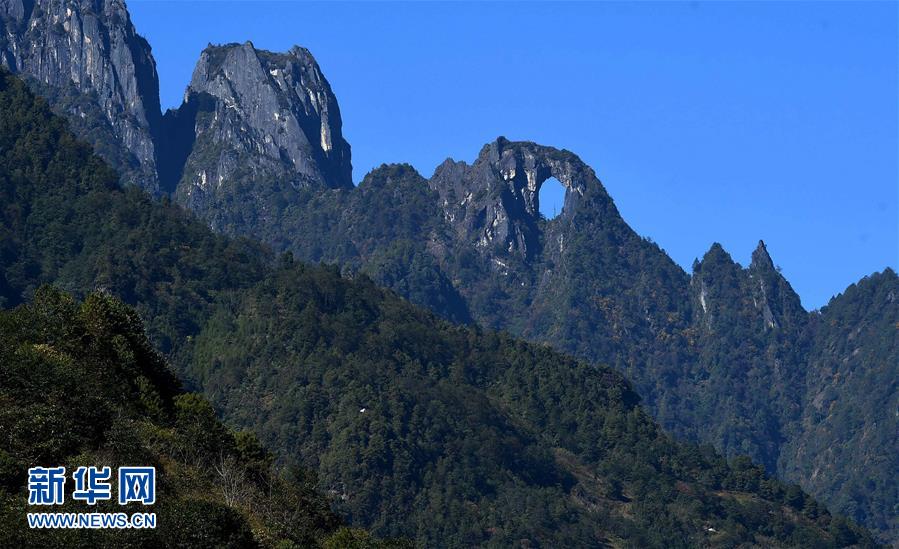
At an altitude of 3,360 meters on Gaoligong Mountain, there is a huge through-cave shaped like a moon, considered a sacred site by the Lisu people.
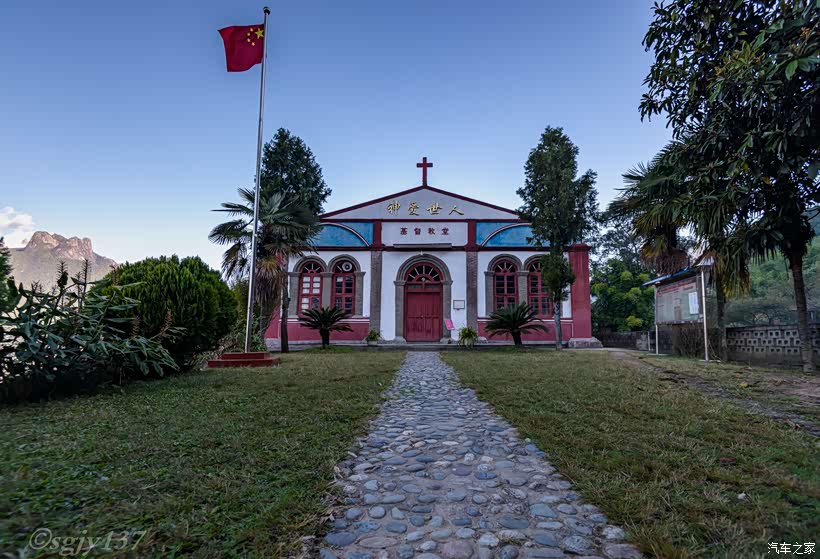
A Christian church built halfway up the Biluo Snow Mountain, one of the most famous churches in Nujiang, offering a panoramic view of the Nujiang Grand Canyon.
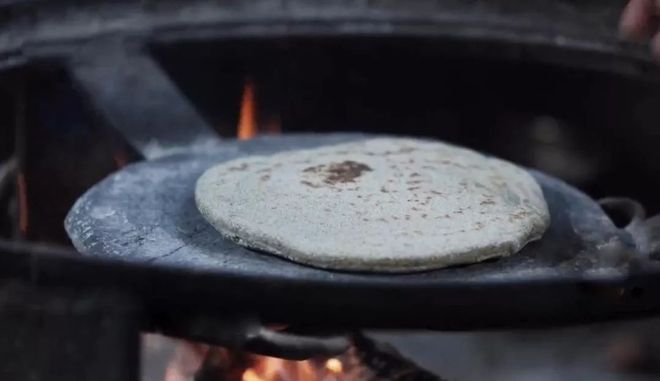
Buckwheat pancake baked on a heated green stone slab, crispy outside and soft inside, with a unique mineral aroma.
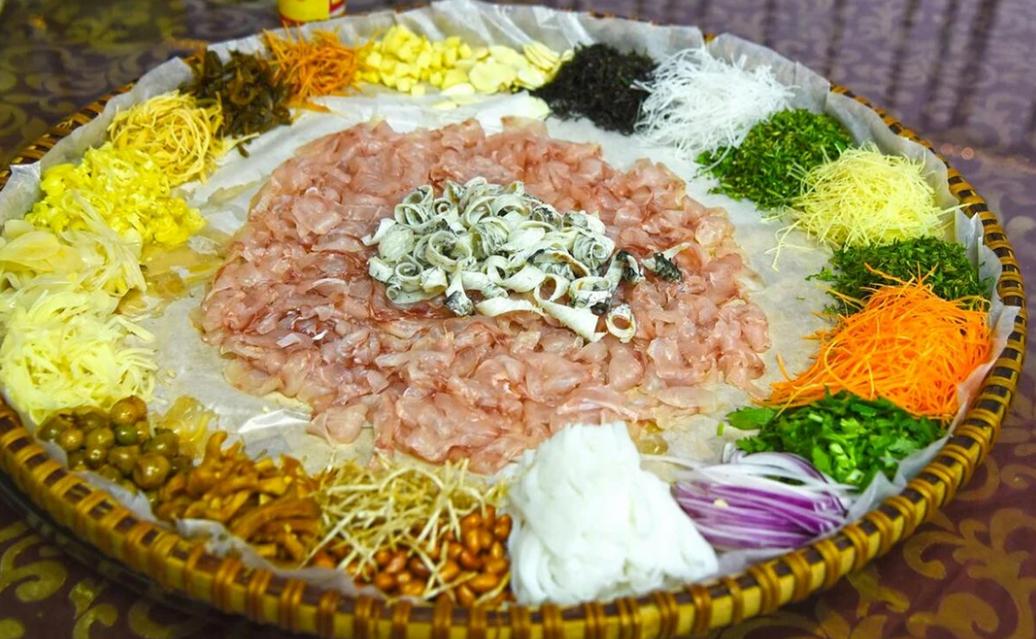
Wild fish from the Nujiang River, tender and delicious, commonly prepared as clear soup fish or sour-spicy fish.
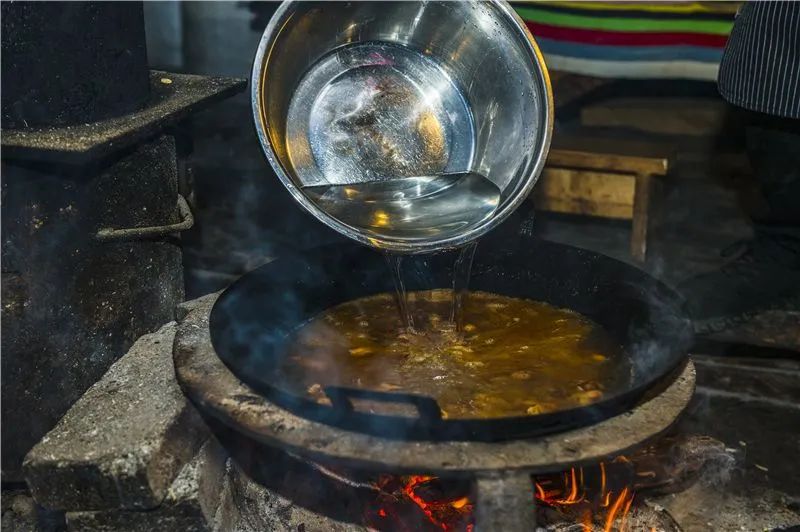
Nu traditional meat wine: chicken or pork cooked with liquor, rich in wine aroma, warming and comforting.