
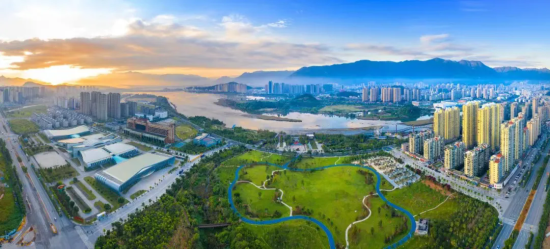
Ningde is located in the northeast of Fujian Province, bordering the East China Sea to the east. Nestled at the eastern foot of the Jiufeng Mountains, it enjoys a subtropical maritime monsoon climate, characterized by warmth, humidity, distinct seasons, and abundant rainfall.
Ningde has a long history, with human activity dating back to the Paleolithic era. During the Three Kingdoms period, the Wu Kingdom established a shipyard here. In the third year of the Taikang era of the Jin Dynasty (282 AD), Wenma County was established, making it the earliest county in eastern Fujian. Historically, it served as the political, economic, and cultural center of the region.
Ningde is a major settlement of the She ethnic group, whose culture is rich and diverse, including She songs, dances, and wedding customs. Local cuisine features seafood, such as large yellow croaker, oyster cakes, and Fuding meat slices, offering unique flavors.
Modern Ningde is developing rapidly, leveraging its port and new energy industries to become an emerging industrial city. Tourism is also booming, with attractions like Taimu Mountain and Baishuiyang drawing large numbers of visitors, while urban infrastructure continues to improve.
The best time to visit 宁德 is Spring and Autumn (March-May, September-November).
Spring (March-May) offers pleasant temperatures and blooming flowers, ideal for visiting Taimu Mountain and Baishuiyang, with beautiful scenery.
Autumn (September-November) has cool and crisp weather, perfect for hiking and enjoying autumn leaves.
Summer (June-August) is hot but suitable for beach activities and rafting; winter (December-February) is cold with fewer tourists, suitable for those seeking tranquility.
In 282 AD, Wenma County was established, the earliest administrative county in eastern Fujian.
In August 1949, the People's Liberation Army liberated Ningde.
In 2000, Ningde Prefecture was abolished and Ningde was established as a prefecture-level city.
Recommended places to visit
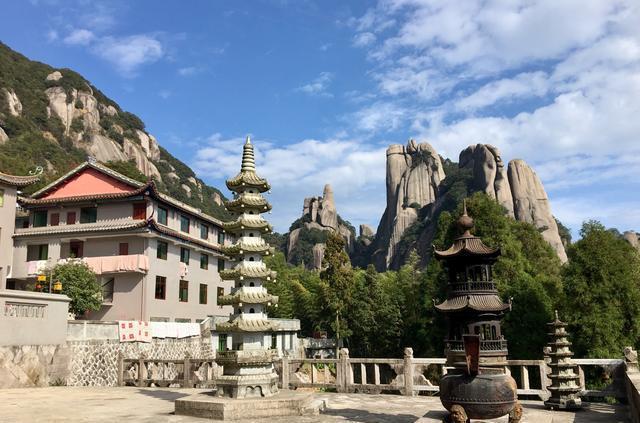
A UNESCO Global Geopark and national 5A-level scenic area, known for its granite peak forest landscape, often called the 'Fairy Capital on the Sea'.
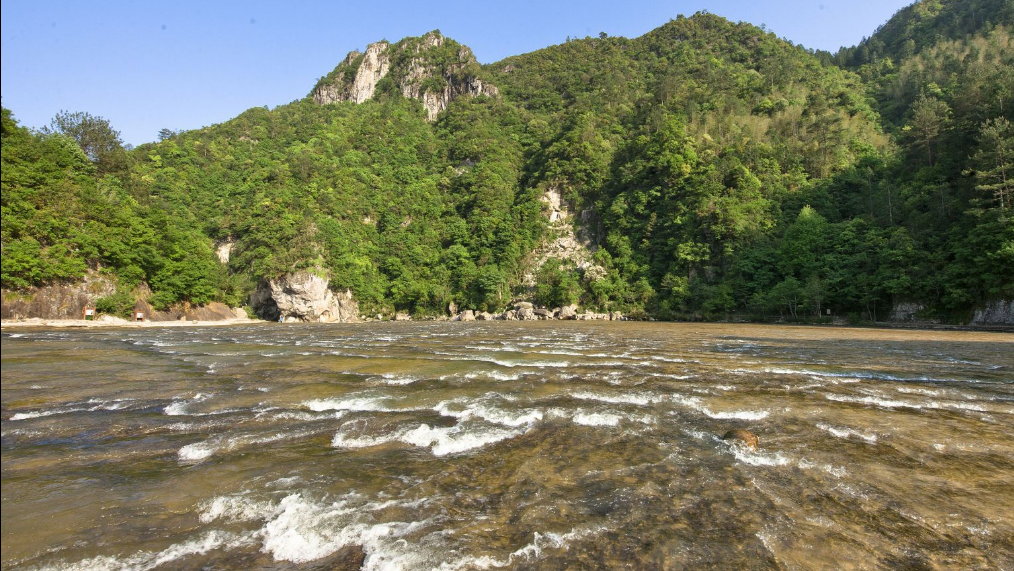
A national 5A-level scenic area and UNESCO Global Geopark, featuring a unique shallow water plaza, a natural water park.
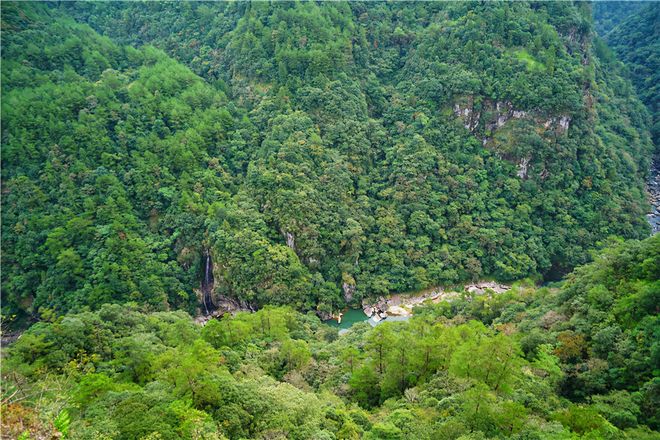
Explore rich intangible cultural heritage and traditional crafts
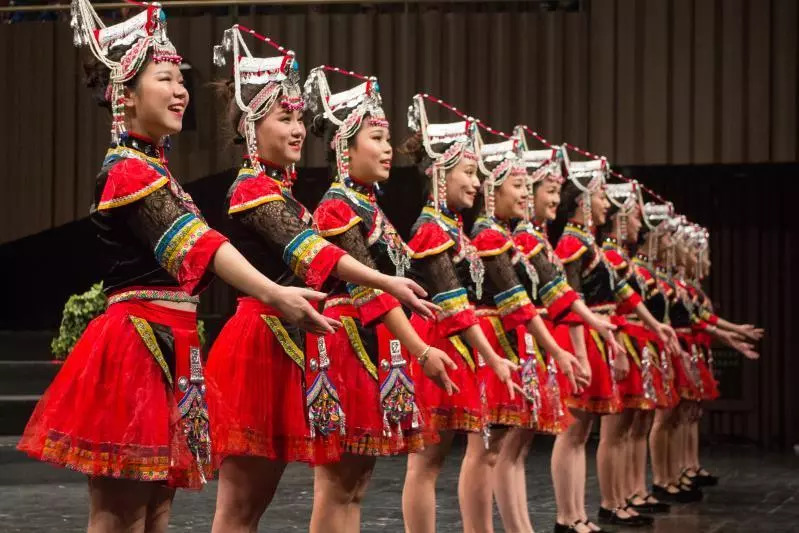
Oral literature created by the She people during long-term production and life, listed in the National Intangible Cultural Heritage.
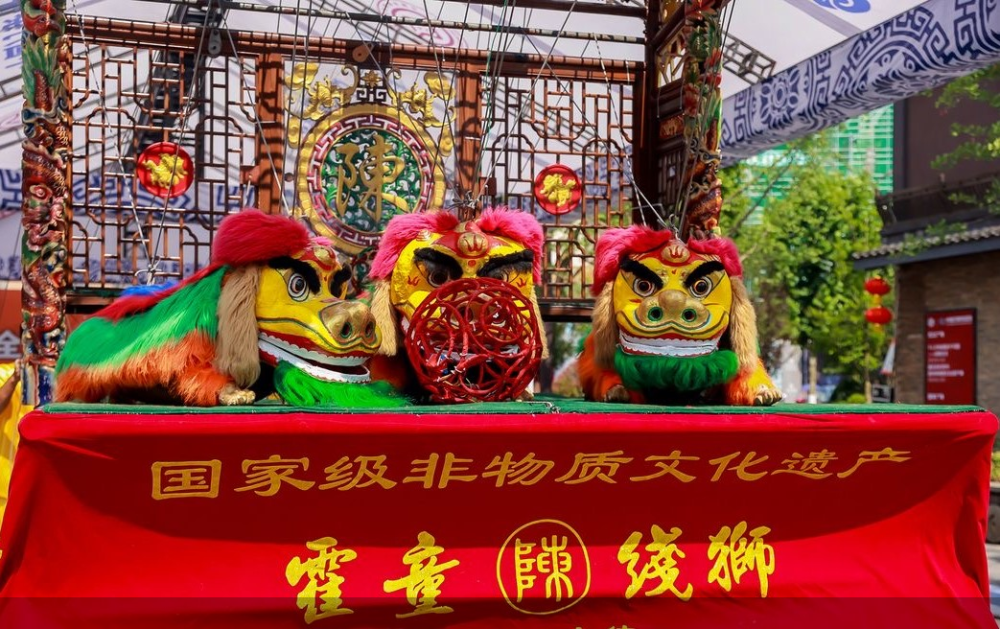
A traditional folk art in Huotong Town, Ningde, where lions are manipulated by strings, listed as a National Intangible Cultural Heritage.
Must-know transportation for exploring the city
Ningde Station is located in the city center, connecting to Fuzhou, Wenzhou, Xiamen and other cities with frequent services.
About 50 RMB to Fuzhou
City buses cover major attractions and urban areas, fare 1-2 RMB, some lines go directly to Taimu Mountain and other scenic spots.
1-2 RMB
Ningde currently has no civil airport; the nearest is Fuzhou Changle International Airport, about 2 hours' drive away.
About 100 RMB by airport bus to Fuzhou
Taste the most authentic and popular local specialties
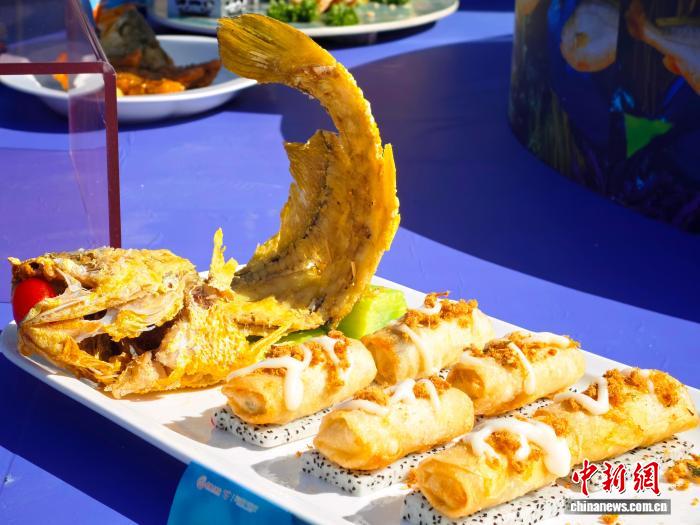
A specialty of Ningde, tender and nutritious, known as the 'National Fish'.
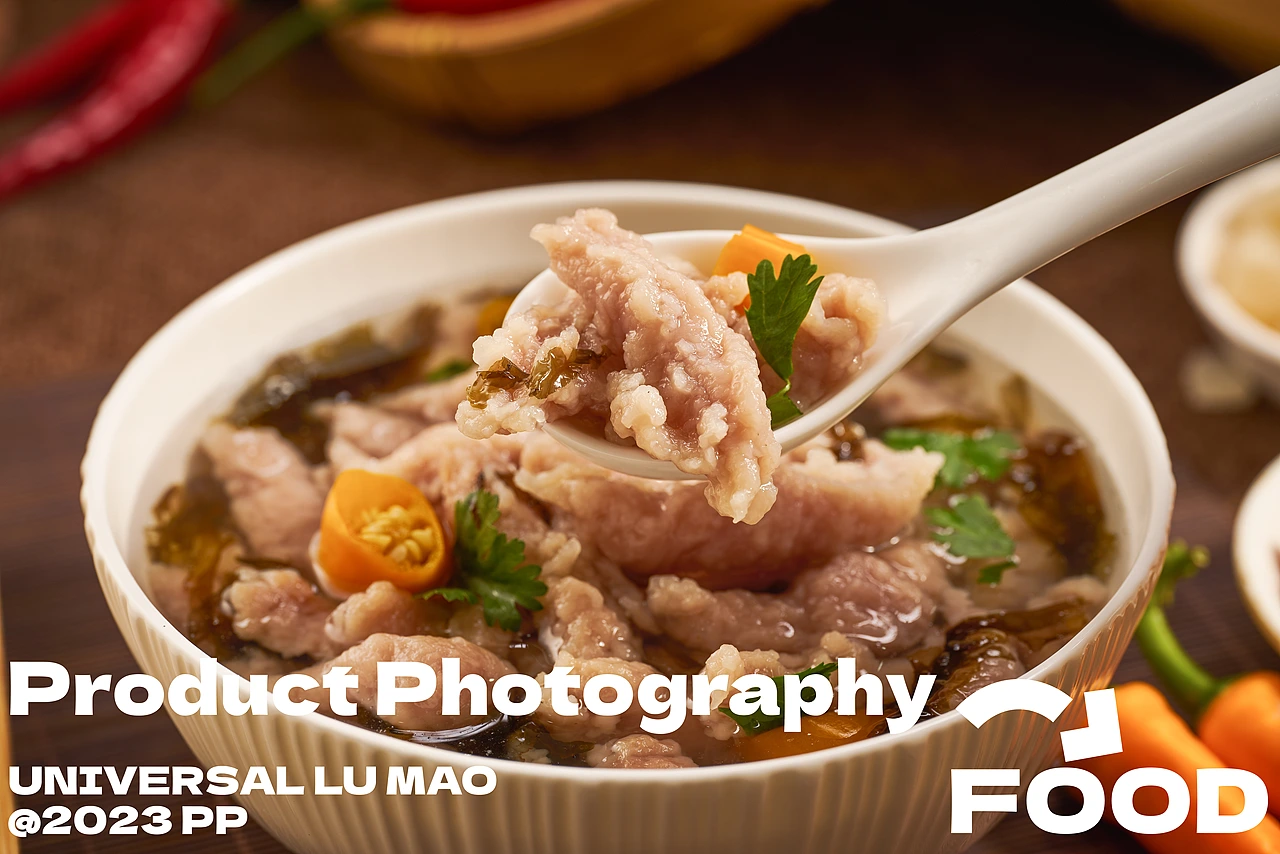
A Fuding specialty snack made from lean pork and starch, chewy texture with sour and spicy soup.

A national 5A-level scenic area, famous for mandarin ducks and other rare birds as well as waterfall scenery, known as the 'Lovers' Paradise'.
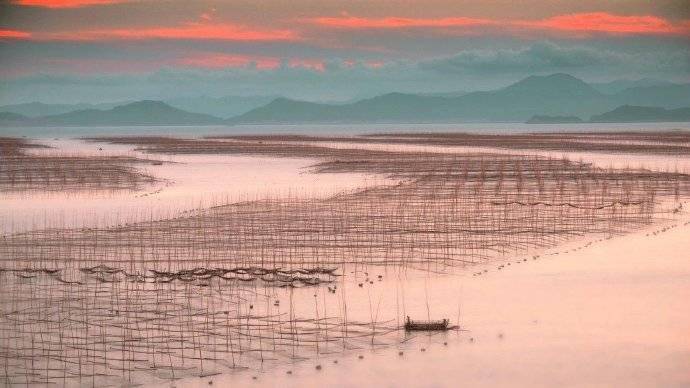
A world-renowned photography destination, featuring spectacular mudflat scenery and fishing culture, a paradise for photographers.
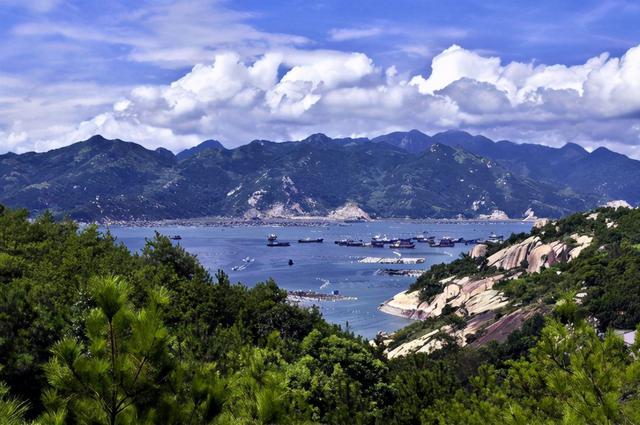
A natural deep-water port, known as the 'Heavenly Lake on the Sea', offering visits to Doumu Island and floating fishing rafts.
A common street snack in Ningde, made from oysters and flour, deep-fried to crispy outside and tender inside.

Made from fresh fish, smooth and bouncy texture, clear and delicious soup.

A traditional She ethnic food, glutinous rice soaked in the juice of Vaccinium bracteatum leaves and steamed, black and shiny, fragrant and delicious.