
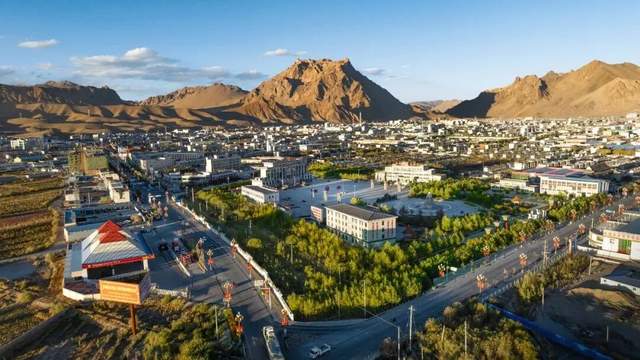
Ngari Prefecture is located in the western part of the Tibet Autonomous Region, China, with an average altitude of over 4,500 meters, earning it the title "Roof of the Roof of the World." The climate is cold and dry, with large temperature differences between day and night, low annual precipitation, and abundant sunshine. Winters are long and harsh, while summers are short and cool. The best travel season is from May to October.
Ngari has a long history and is the birthplace of the ancient Zhangzhung civilization and the Bon religion. Before the 7th century, the Zhangzhung Kingdom ruled here, later annexed by the Tubo Kingdom. In the 17th century, after the establishment of the Ganden Phodrang regime, Ngari came under the jurisdiction of the local Tibetan government. It was peacefully liberated in 1951, established as Ngari Prefecture in 1960, and changed to a region in 1979.
Ngari is an important region for Tibetan Buddhist culture, with numerous monasteries and religious relics. Special local foods include tsampa, butter tea, dried yak meat, and highland barley wine. The local diet mainly consists of beef, mutton, and dairy products, with a salty flavor adapted to the high-altitude environment.
Modern Ngari relies on animal husbandry and tourism as its pillar industries, with infrastructure gradually improving. Kunsha Airport and National Highway 219 have enhanced transportation. Ngari emphasizes ecological protection and sustainable tourism, making it a paradise for explorers and photography enthusiasts.
The best time to visit 阿里 is The best time to visit is from May to October.
May to June: Spring temperatures rise, grasslands begin to turn green, but there are still sandstorms and fewer tourists.
July to August: Summer has mild weather and lush grasslands, peak tourist season; pay attention to sun protection and warmth.
September to October: Autumn has clear weather and magnificent scenery, especially the sacred mountains and lakes under blue skies, a golden season for photography.
Ngari region was the core area of the ancient Zhangzhung kingdom, whose civilization was an important origin of ancient Tibetan civilization.
The Zhangzhung kingdom was conquered by the Tubo dynasty, and Ngari region was incorporated into Tubo territory.
Ngari region was peacefully liberated, and people's government was gradually established.
Recommended places to visit
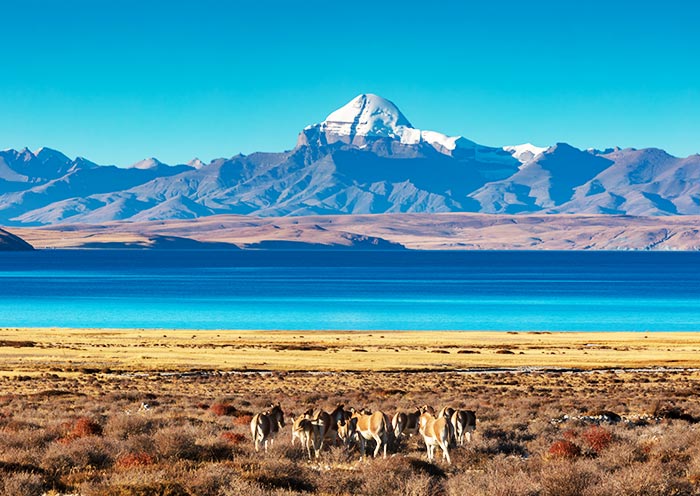
Mount Kailash is the main peak of the Gangdise Range, 6656 meters high, revered as a sacred mountain by Tibetan Buddhism, Hinduism, Jainism, and Bon. It attracts countless pilgrims for kora every year.
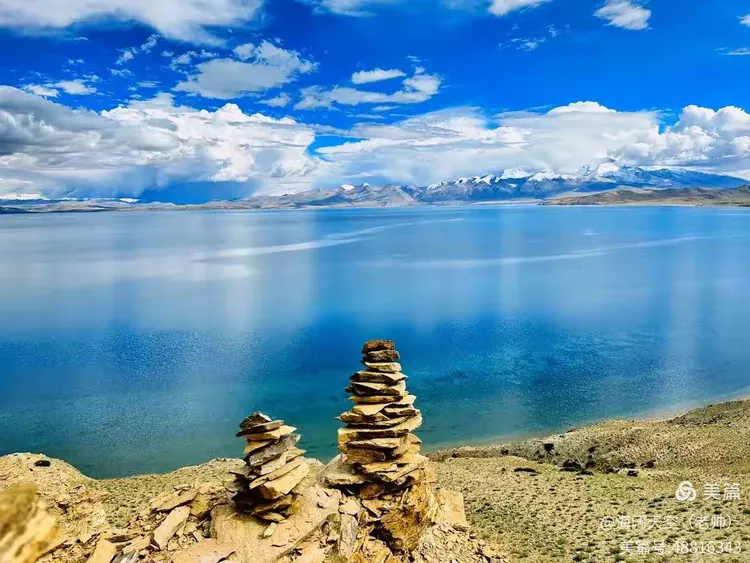
Lake Manasarovar is one of the highest freshwater lakes in the world, known as the 'Holy Lake', complementing Mount Kailash. The water is clear and the scenery is sacred.
Explore rich intangible cultural heritage and traditional crafts
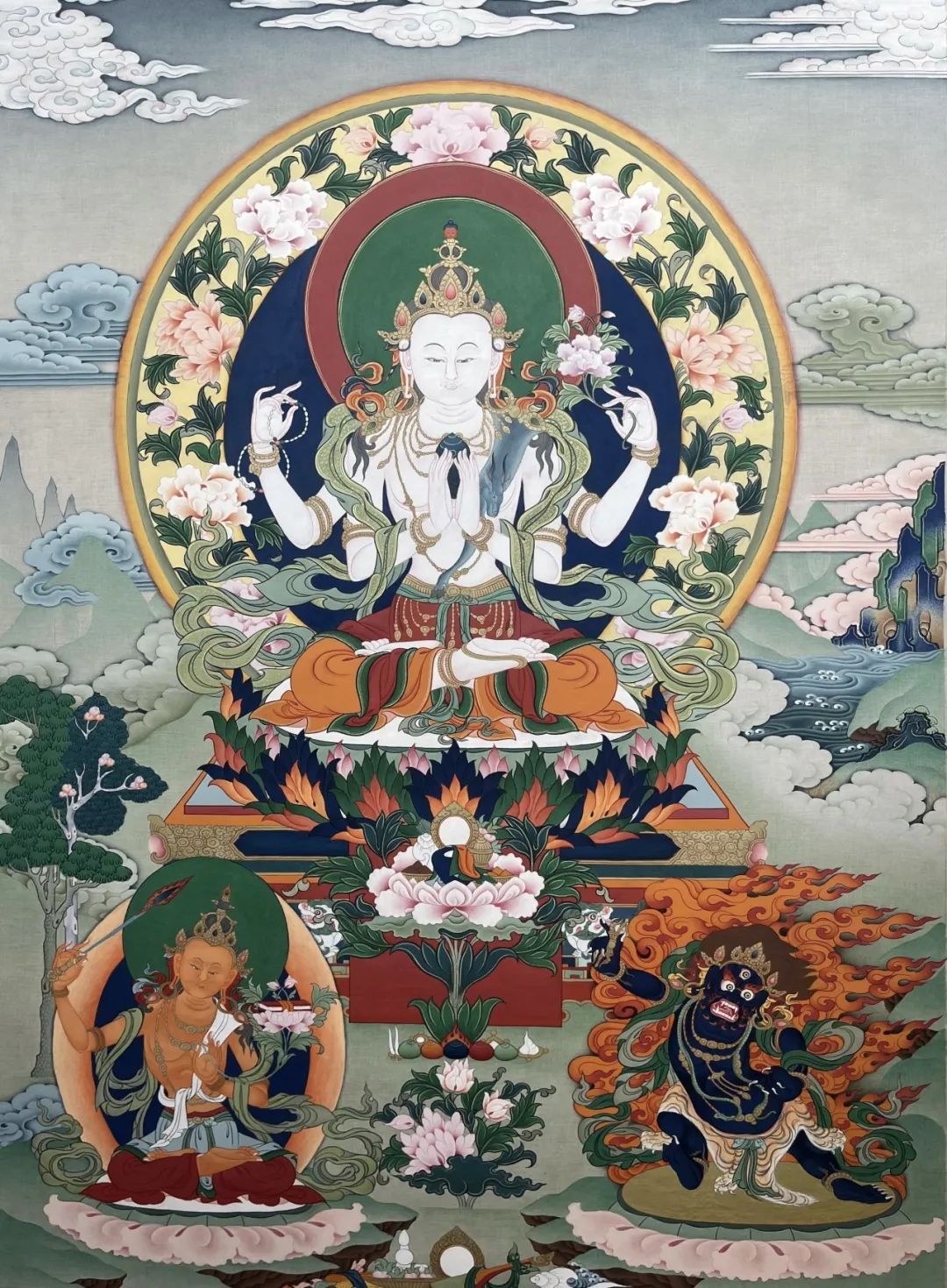
Thangka is a Tibetan religious scroll painting, mostly depicting Buddhist themes, with bright colors and exquisite craftsmanship. Ngari Thangka has a unique style.
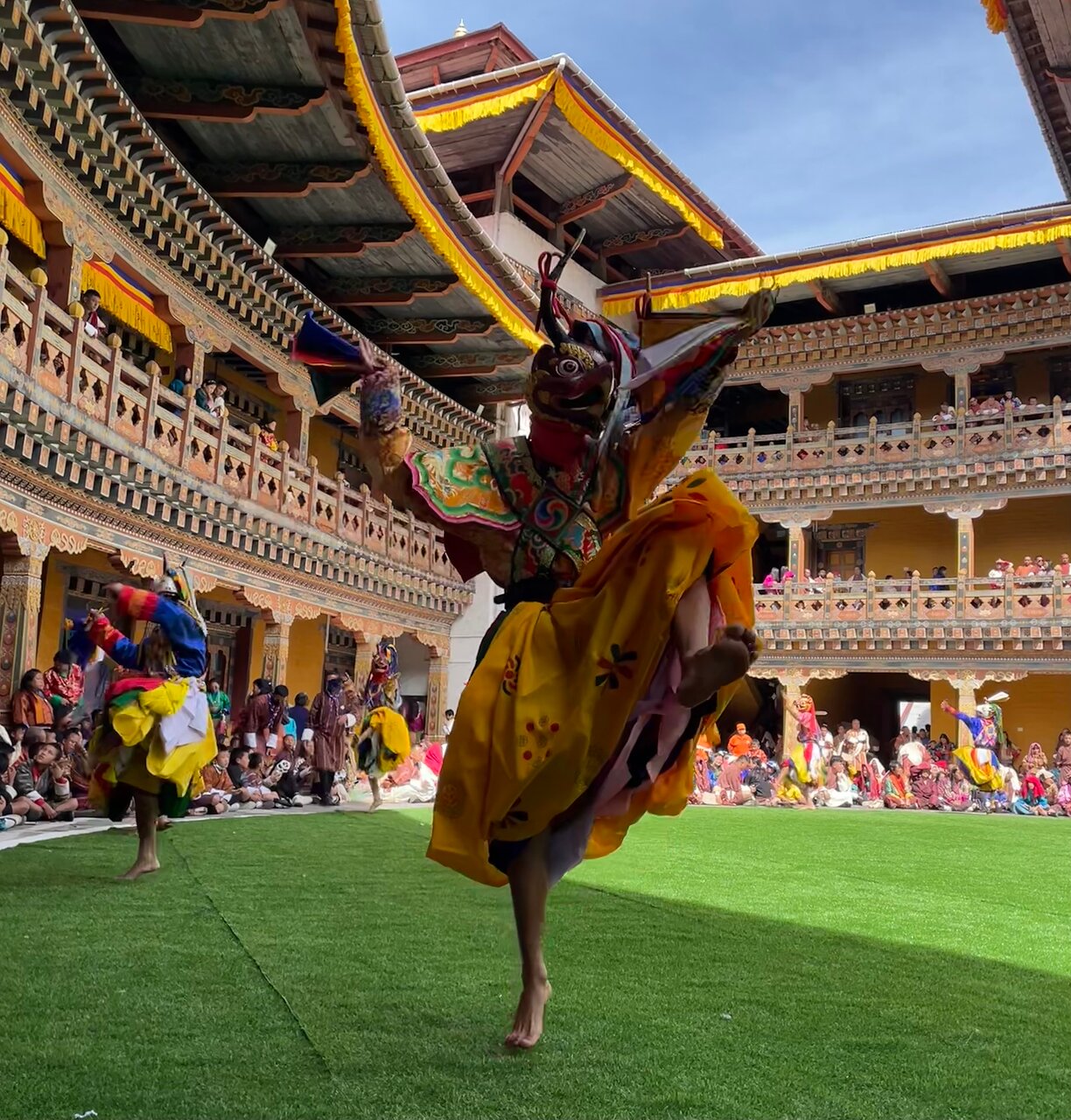
Tibetan opera is a traditional Tibetan drama combining song, dance, masks, and religious stories. Ngari Tibetan opera retains ancient forms, performed during festivals.
Must-know transportation for exploring the city
Ngari Kunsha Airport is located in Shiquanhe Town, with flights to Lhasa and Kashgar. At 4,274 meters, it is one of the highest airports in the world.
About 1500 yuan from Lhasa to Ngari
Shiquanhe Town in Ngari has a long-distance bus station, with routes to Lhasa, Shigatse, Yecheng in Xinjiang, etc. Few departures and complex road conditions.
About 600 yuan from Shiquanhe to Lhasa
Self-driving or chartering a car is the main way to tour Ngari, with National Highway 219 crossing the region. A 4WD vehicle is recommended, and border permits must be obtained in advance.
Chartered car about 1000-2000 yuan per day
Taste the most authentic and popular local specialties
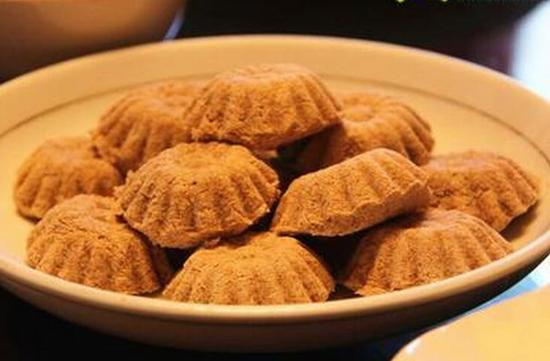
Tsampa is a traditional Tibetan staple, made from roasted highland barley flour, mixed with butter tea or milk tea and kneaded into balls. It has a fragrant and sticky texture, a daily food in Ngari.
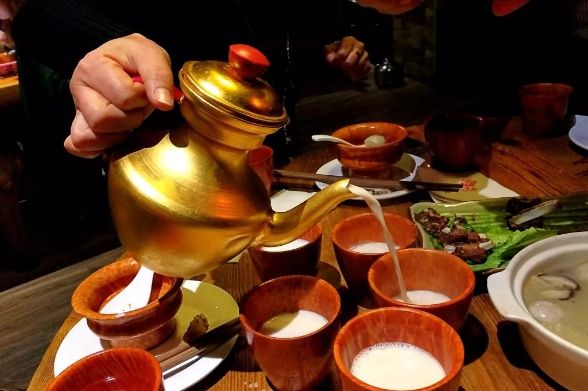
Butter tea is an essential Tibetan beverage made from brick tea, butter, and salt. It has a rich flavor, warms the body and satisfies hunger, adapted to high altitude.
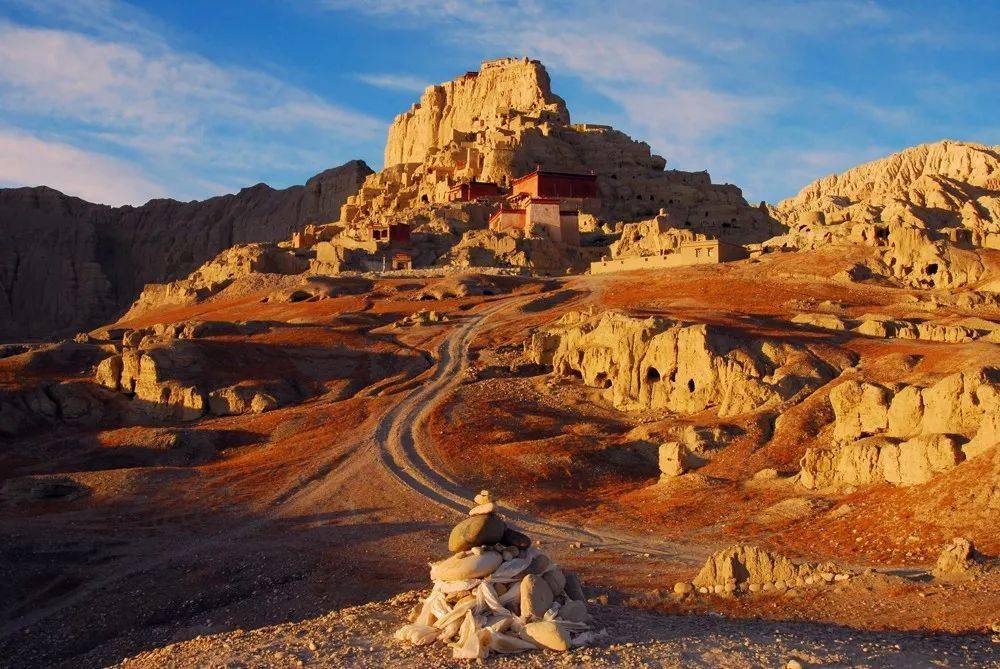
The Guge Kingdom Ruins are located in Zanda County, the capital site of the Guge Kingdom from the 10th to 17th centuries, featuring magnificent palaces, temples, and caves, an important archaeological site in Tibet.
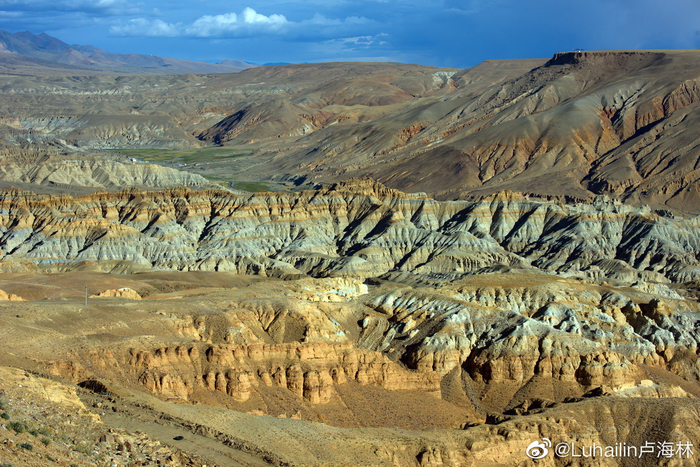
The Zanda Earth Forest is a landform formed by millions of years of geological changes, with various shapes and spectacular views. Under the sunset, it appears golden, like an alien world.
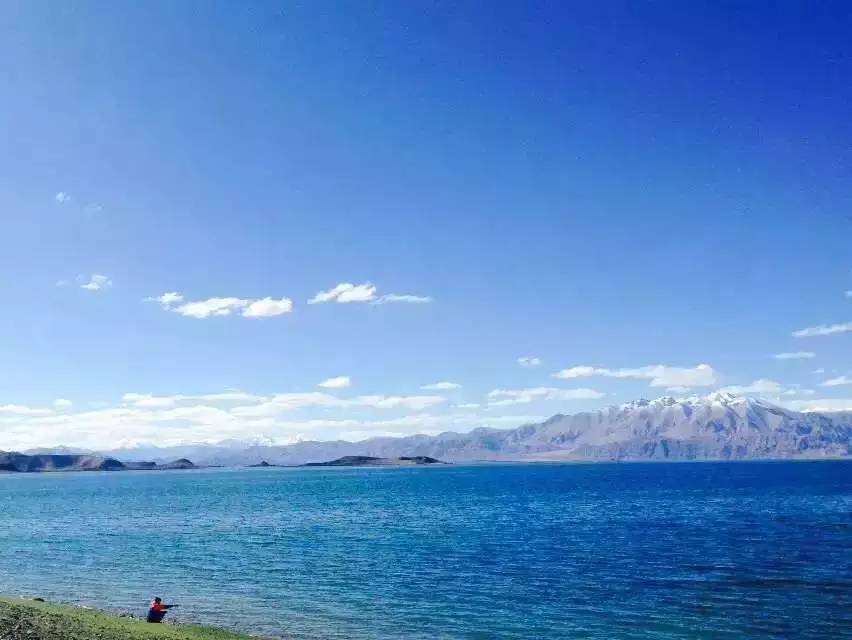
Pangong Tso is a border lake between China and India, mostly within China. The lake water shows blue-green gradients due to varying salinity, with bird islands, a bird-watching paradise.
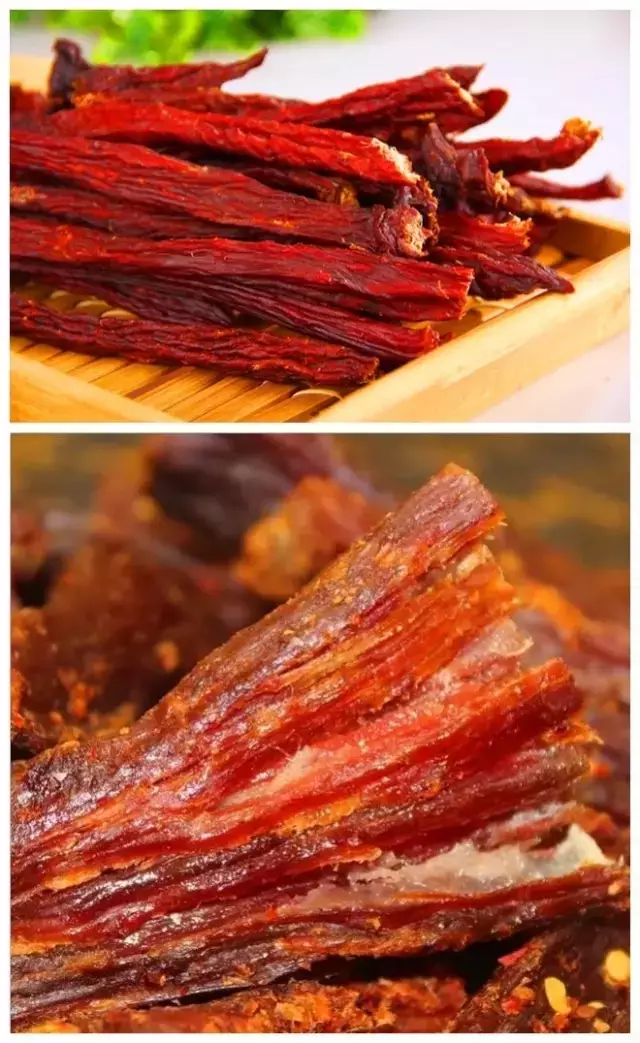
Air-dried yak meat is a traditional meat product in Ngari, where yak meat is cut into strips and air-dried naturally. The meat is firm, salty, and chewy, rich in protein.
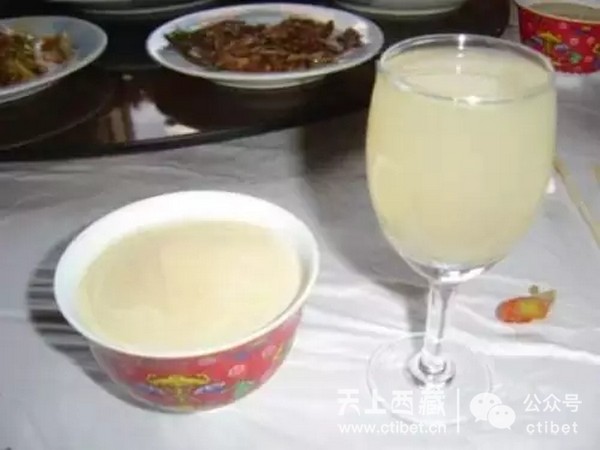
Highland barley wine is a traditional Tibetan alcoholic beverage made from fermented highland barley, low in alcohol, sweet and sour, essential for festivals and hospitality.
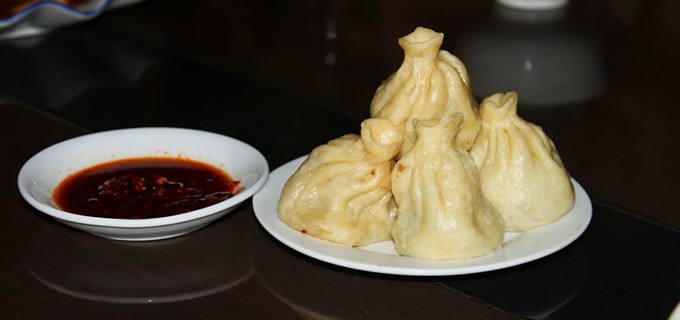
Tibetan momo is a Tibetan specialty dumpling filled with yak or mutton, seasoned with green onion and ginger, steamed. Thin skin with plenty of filling, delicious and juicy.