
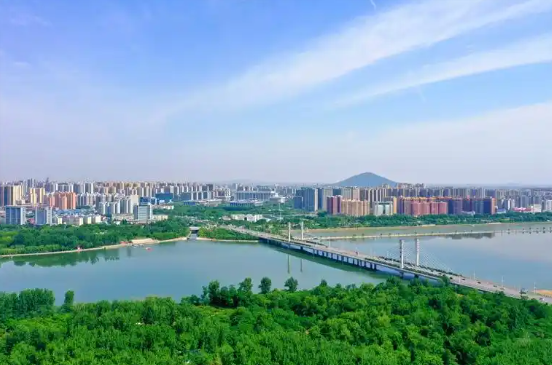
Nanyang is located in the southwest of Henan Province, at the junction of Henan, Hubei, and Shaanxi provinces. It is named for being south of the Funiu Mountains and north of the Han River. With a subtropical monsoon climate, it has four distinct seasons, an average annual temperature of about 15°C, and abundant rainfall, earning it the title of 'Granary of the Central Plains.'
Nanyang has a long history and is one of the birthplaces of Chu-Han culture. During the Western Han Dynasty, it was one of the six major metropolises in China. It nurtured historical luminaries such as Zhang Heng (the 'Saint of Science'), Zhang Zhongjing (the 'Saint of Medicine'), and Fan Li (the 'Saint of Business'). Zhuge Liang once farmed at Wolonggang in Nanyang, leaving behind the timeless story of 'Three Visits to the Thatched Cottage.'
Nanyang boasts profound cultural heritage, with intangible cultural heritages like Han Dynasty stone reliefs, Wanbang opera, and jade carving being renowned far and wide. Its cuisine is represented by dishes such as Nanyang yellow cattle series, Fangcheng stewed noodles, Bowang pot helmet, and Zhenping roasted chicken, offering unique flavors. Nanyang is also known as the 'Hometown of Jade Carving' and the 'Hometown of Mugwort.'
Modern Nanyang is a key regional central city in Henan Province, with rapid development in equipment manufacturing, new energy, and traditional Chinese medicine industries. Transportation hubs such as the Zhengzhou-Wanzhou High-Speed Railway and Nanyang Airport are well-established. The city's appearance is changing with each passing day, as it strives to become the 'World Capital of Roses' and the 'National Health and Wellness Destination.'
The best time to visit 南阳 is Spring and Autumn (March-May, September-November).
Spring (March-May): Roses bloom in Nanyang, the climate is mild, making it the best time for flower viewing and outdoor activities. Recommended visits include the Rose Expo Garden and Wolonggang.
Summer (June-August): Hot and rainy, but you can experience the coolness of Baotianman Eco-tourism Area or enjoy water activities at Danjiangkou Reservoir.
Autumn (September-November): Clear and crisp autumn weather is ideal for mountain climbing and viewing red leaves. Scenic spots like Laojieling and Qifeng Mountain are particularly beautiful.
In the 35th year of King Zhaoxiang of Qin, the Qin state established Nanyang Commandery, marking the beginning of Nanyang's administrative system.
At the end of the Eastern Han Dynasty, Zhuge Liang lived in seclusion at Wolonggang in Nanyang, farming and studying. Later, Liu Bei visited him three times to solicit his help.
Recommended places to visit
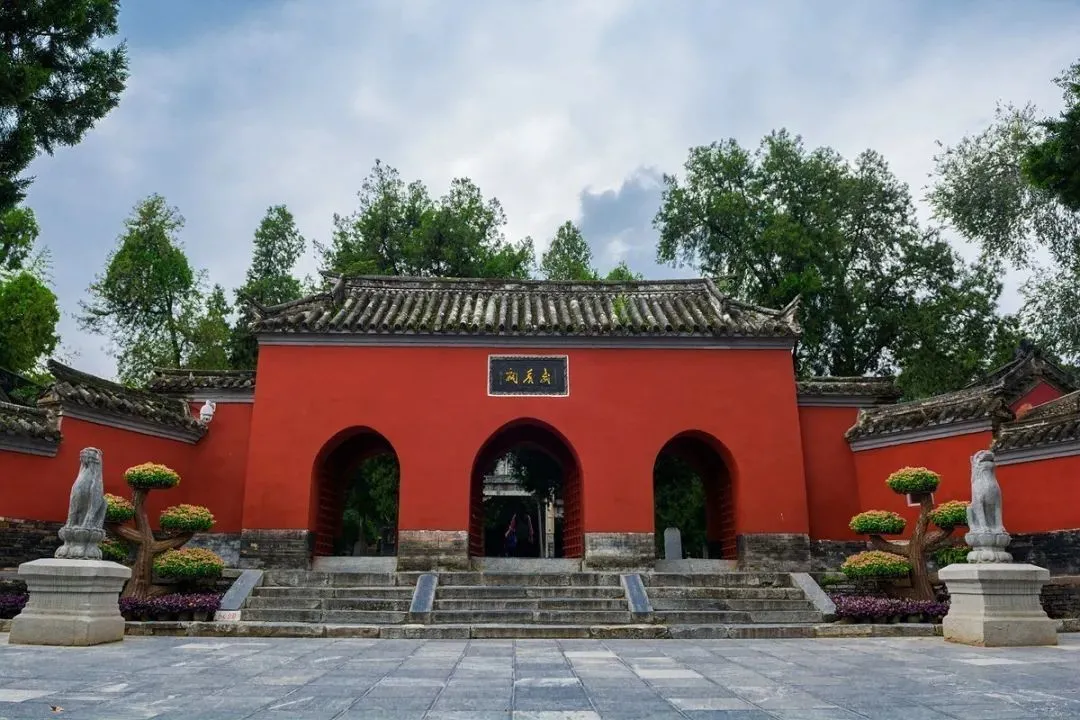
A temple commemorating Zhuge Liang, located at Wolonggang, the site of 'Three Visits to the Thatched Cottage.' It features Ming and Qing architecture and stone inscriptions.
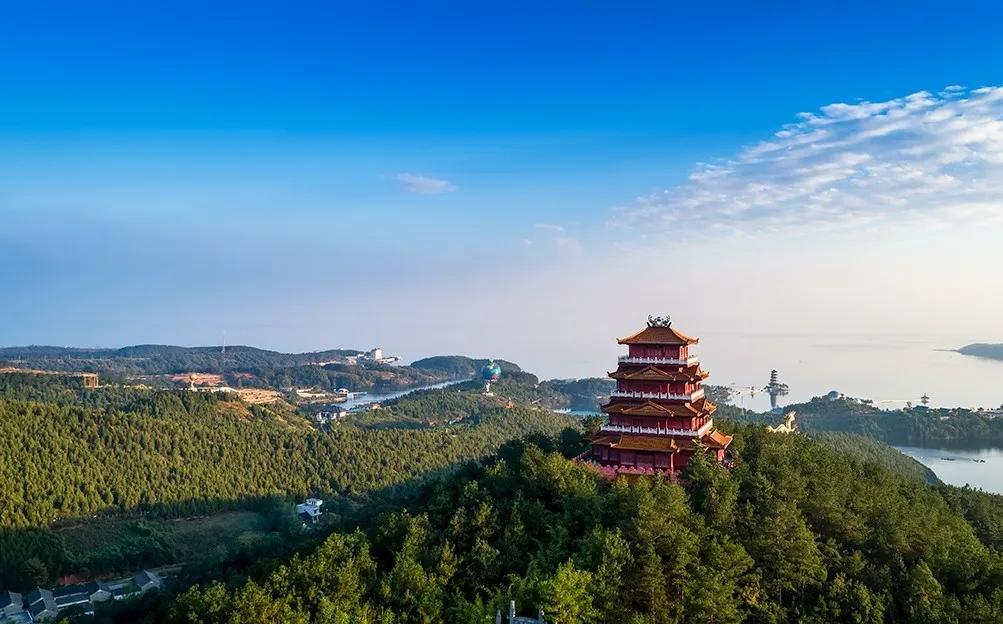
Located along the Danjiangkou Reservoir, it integrates mountain and water scenery, cultural landscapes, and leisure. It is the water source of the Middle Route of the South-to-North Water Diversion Project.
Explore rich intangible cultural heritage and traditional crafts
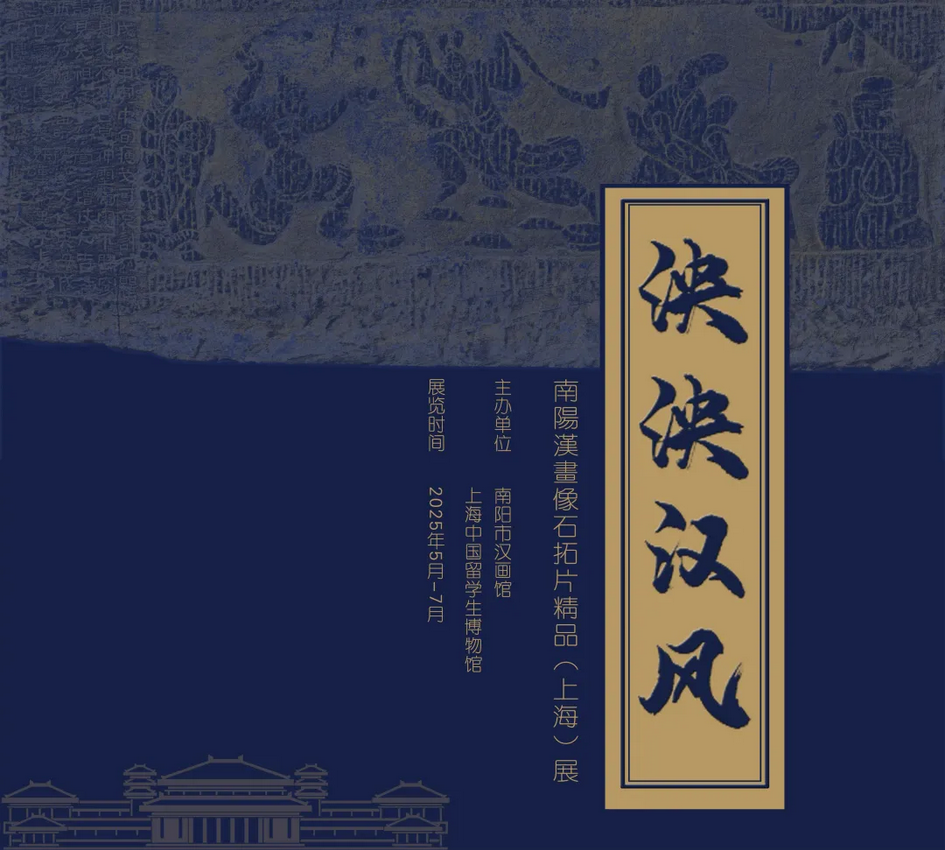
Stone carvings from Han Dynasty tombs, covering mythology, history, and daily life, providing valuable insights into Han society.
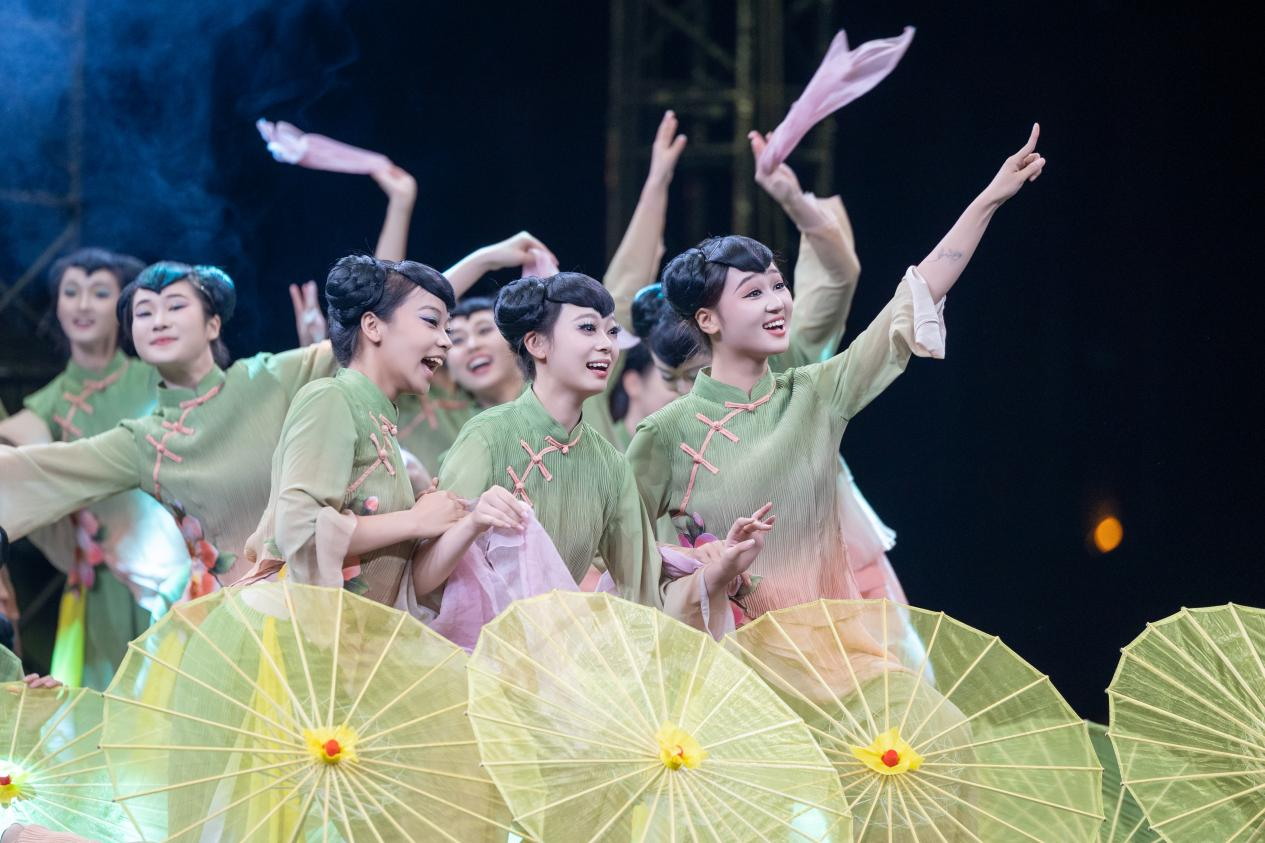
A local opera of Henan, with high-pitched and passionate singing, bold and unrestrained performance, deeply loved by locals.

Using Dushan jade as raw material, exquisite craftsmanship, diverse shapes, one of the four major jade carving schools in China.
Must-know transportation for exploring the city
Located in the southeast of the city, with flights to major cities such as Beijing, Shanghai, Guangzhou, and Shenzhen.
Economy class about 500-1500 RMB
An important station on the Zhengzhou-Wanzhou high-speed railway, providing direct access to Zhengzhou, Beijing, Shanghai, Chongqing, etc.
Second class to Zhengzhou about 120 RMB
Covering major scenic spots and urban areas, fare 1-2 RMB, can use bus card or mobile payment.
1-2 RMB
Taste the most authentic and popular local specialties
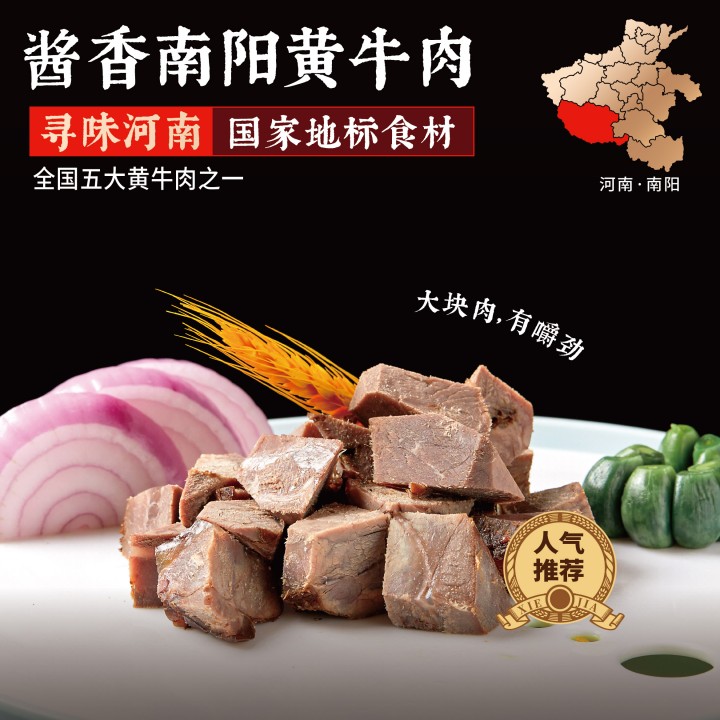
A specialty of Nanyang, tender and nutritious, can be braised, stewed, or used in beef noodles. It is a representative local delicacy.
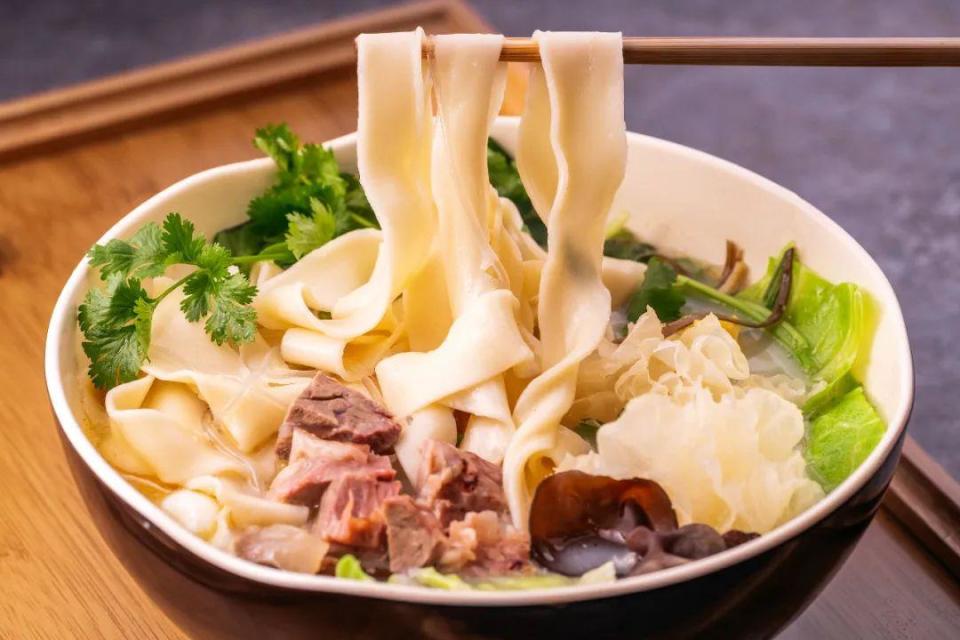
A specialty noodle dish from Fangcheng County, with thick and wide noodles, rich and savory broth, and various toppings. It is a popular breakfast in Nanyang.
During the War of Resistance Against Japan, Nanyang served as an important rear base, accommodating a large number of refugees and schools, contributing to the war effort.
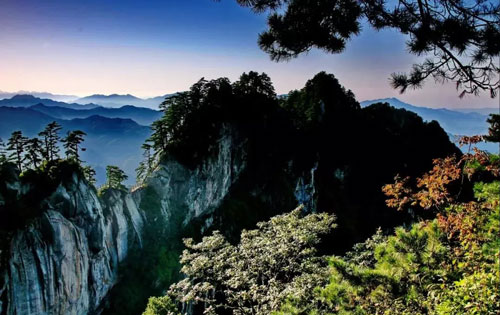
A UNESCO Biosphere Reserve, famous for its primeval forests and rare flora and fauna, known as the 'Gene Bank of Central Plains Species.'
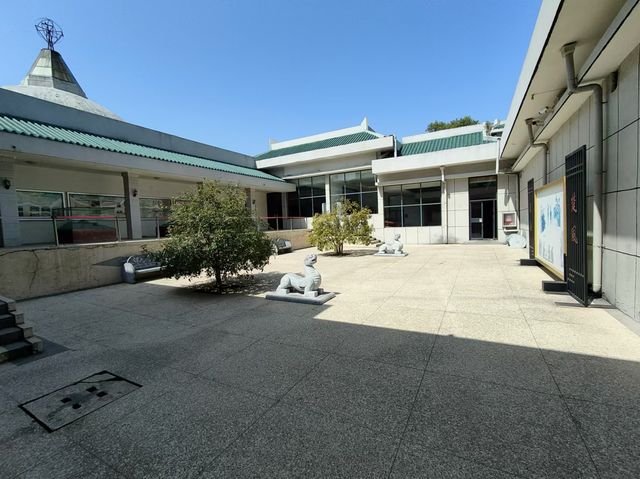
China's first museum dedicated to collecting and displaying Han Dynasty stone reliefs, with a rich collection of high artistic value.
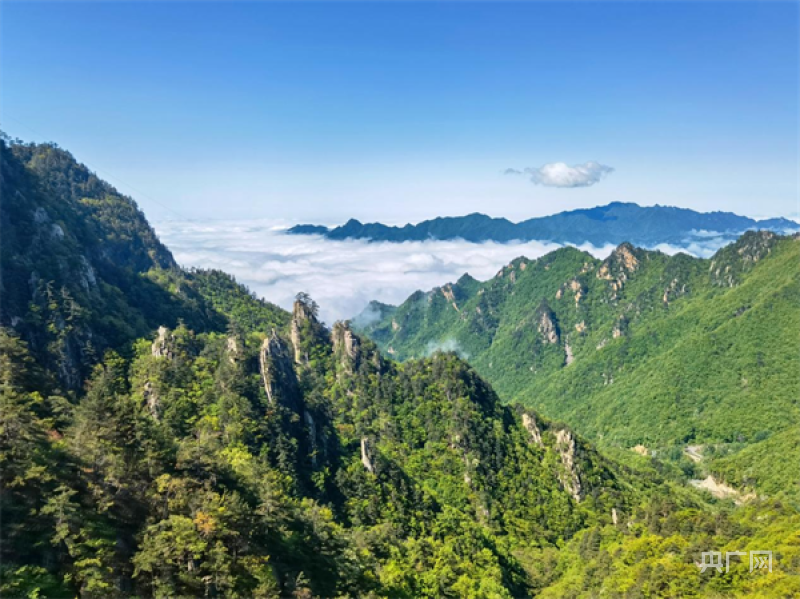
One of the main peaks of Funiu Mountain, about 2200 meters above sea level, known for its strange peaks, rocks, sea of clouds, and sunrise, a popular hiking destination.
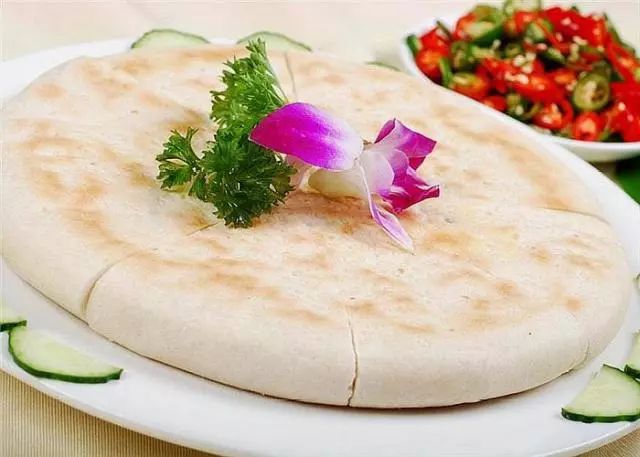
Originating from the Three Kingdoms period, shaped like a helmet, crispy outside and soft inside, long-lasting, can be eaten with dishes.
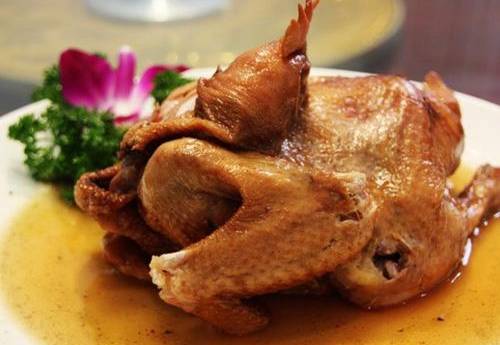
A traditional delicacy from Zhenping County, golden in color, tender and flaky meat, rich aroma, excellent for banquets.
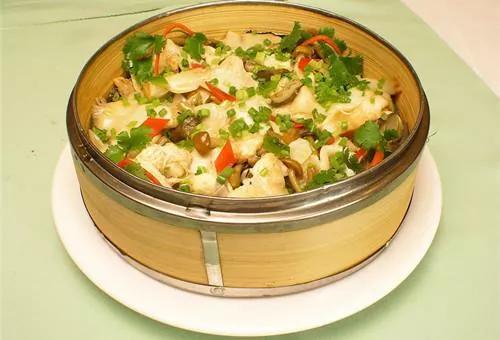
Fresh vegetables coated with flour and steamed, served with garlic sauce, light and healthy, a local home-style dish.