
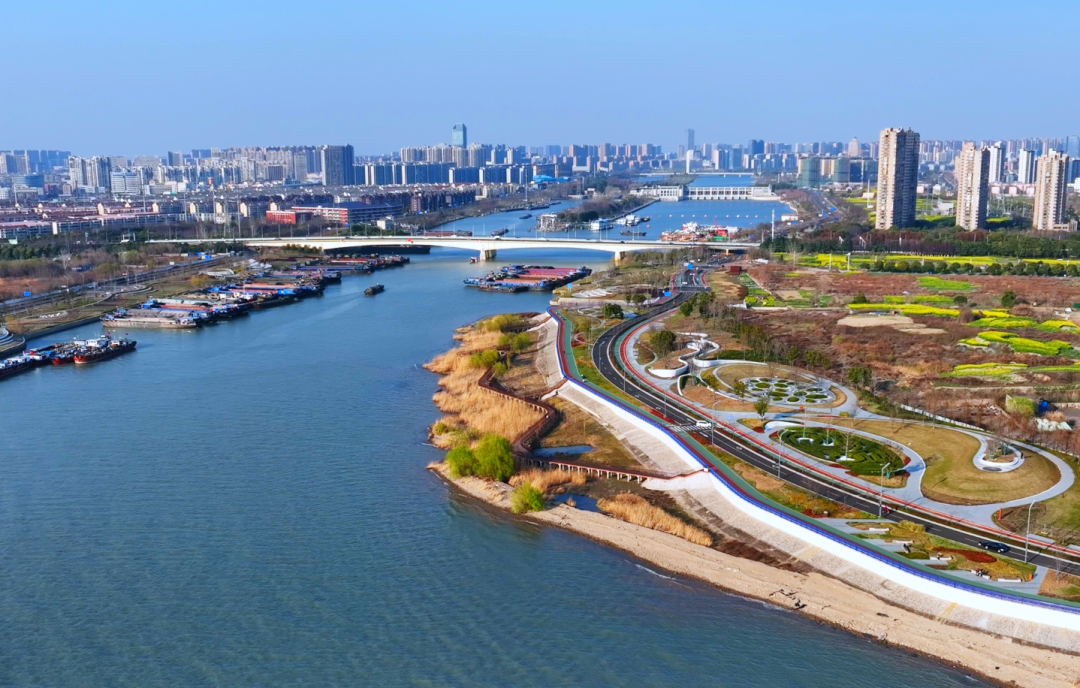
Nantong is located in the southeastern part of Jiangsu Province, on the north bank of the Yangtze River estuary, facing the Yellow Sea to the east and the Yangtze River to the south, with views of Shanghai and Suzhou across the river. It belongs to the northern subtropical humid climate zone, with four distinct seasons, warm and humid, with an average annual temperature of around 15°C and abundant rainfall.
Nantong emerged as land during the Tang Dynasty, established as Jinghai Army in the Five Dynasties, and was fortified in 958 AD during the Later Zhou Dynasty, then known as Tongzhou. In modern times, Zhang Jian pioneered industry and education here, making Nantong one of the birthplaces of China's modern national industry, earning the title 'China's First Modern City'.
Nantong's culture blends Wu-Yue, Jianghuai, and maritime cultures, with diverse dialects. Local specialties include Nantong clams, Langshan chicken, Baipu dried tofu, Rugao Dong sugar, and Haimen mountain lamb. Intangible cultural heritages like blue calico printing and whistling kites are renowned.
Nantong is an economic center on the north wing of the Yangtze River Delta, with pillar industries such as shipbuilding and marine engineering, and electronic information. Nantong Port is a key port on the lower Yangtze. With the opening of the Shanghai-Suzhou-Nantong Yangtze River Bridge, it has deeply integrated into Shanghai's one-hour economic circle. The city is eco-friendly and livable, with the Haohe Scenic Area known as the 'Jade Necklace'.
The best time to visit 南通 is Spring and Autumn (March-May, September-November).
Spring (March-May): Mild temperatures, flowers in bloom, ideal for visiting Langshan and Haohe, and participating in the Nantong International Jianghai Tourism Festival.
Autumn (September-November): Clear skies, abundant crabs, perfect for seafood and garden tours.
Summer (June-August) is hot and rainy, winter (December-February) is damp and cold, but fewer tourists offer a different experience.
In the fifth year of Xiande of the Later Zhou, Nantong was built as a city and established as Tongzhou, marking the beginning of the city's formation.
Zhang Jian established the Dasheng Cotton Mill in Tongzhou, pioneering modern national industry.
The Shanghai-Suzhou-Nantong Yangtze River Bridge opened to traffic, integrating Nantong into Shanghai's one-hour economic circle.
Recommended places to visit
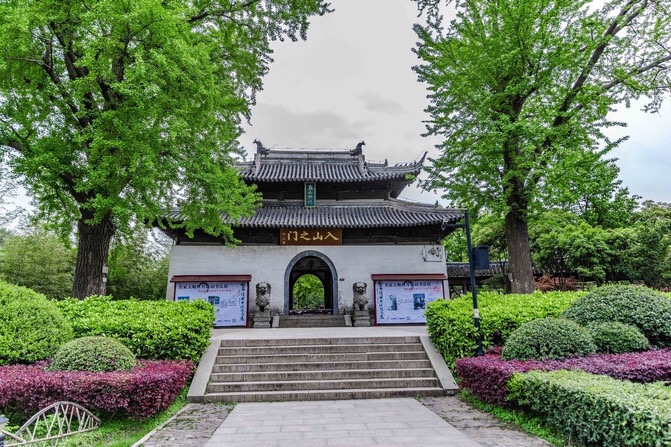
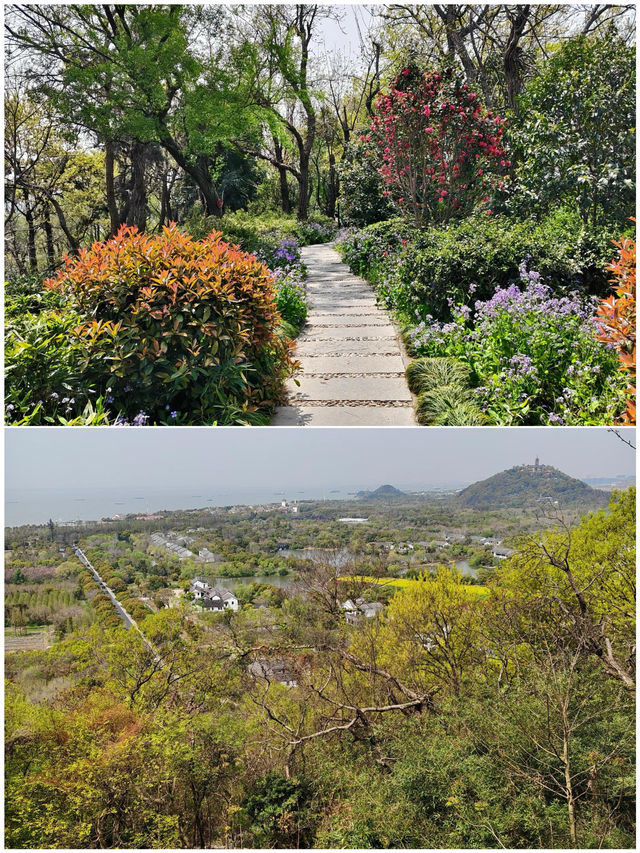
The most famous attraction in Nantong, a famous Buddhist mountain with ancient temples like Guangjiao Temple, offering panoramic views of the Yangtze River from the summit.
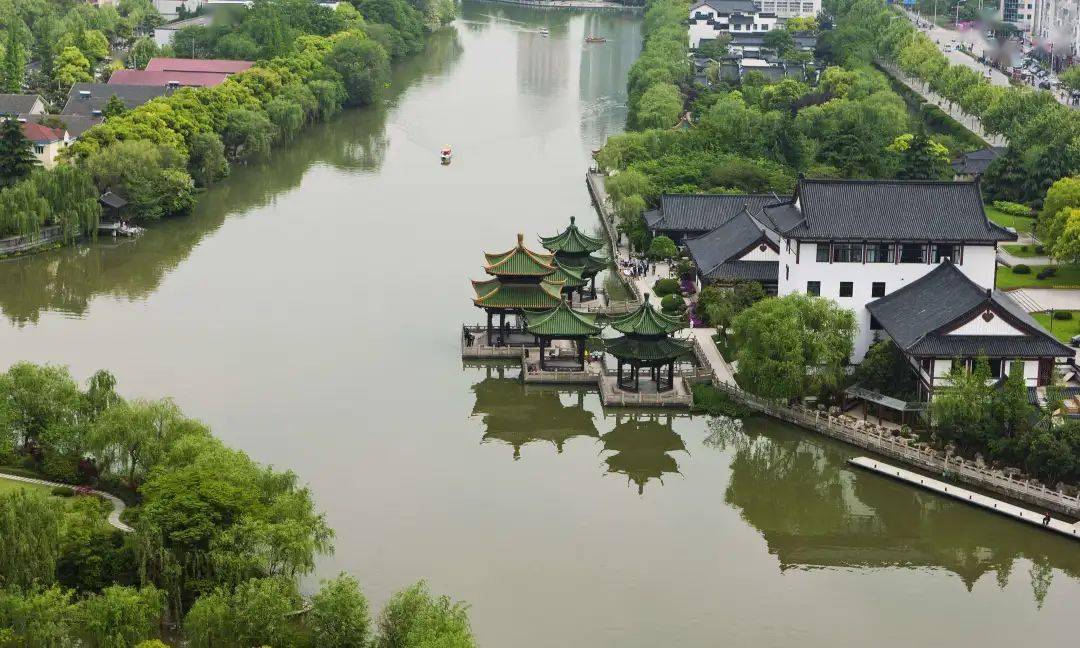
The moat of Nantong, a national 5A scenic area with museums and gardens along the river, especially charming for night cruises.
UNESCO World Heritage Sites
The Nantong section is part of the Beijing-Hangzhou Grand Canal, witnessing ancient grain transport history.
Explore rich intangible cultural heritage and traditional crafts
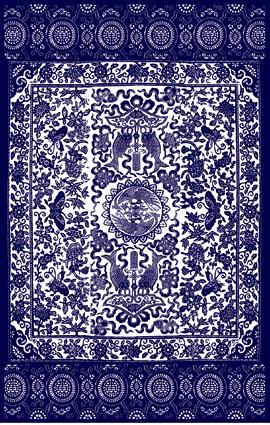
National intangible cultural heritage, using indigo as dye, hand-printed, with rustic patterns.
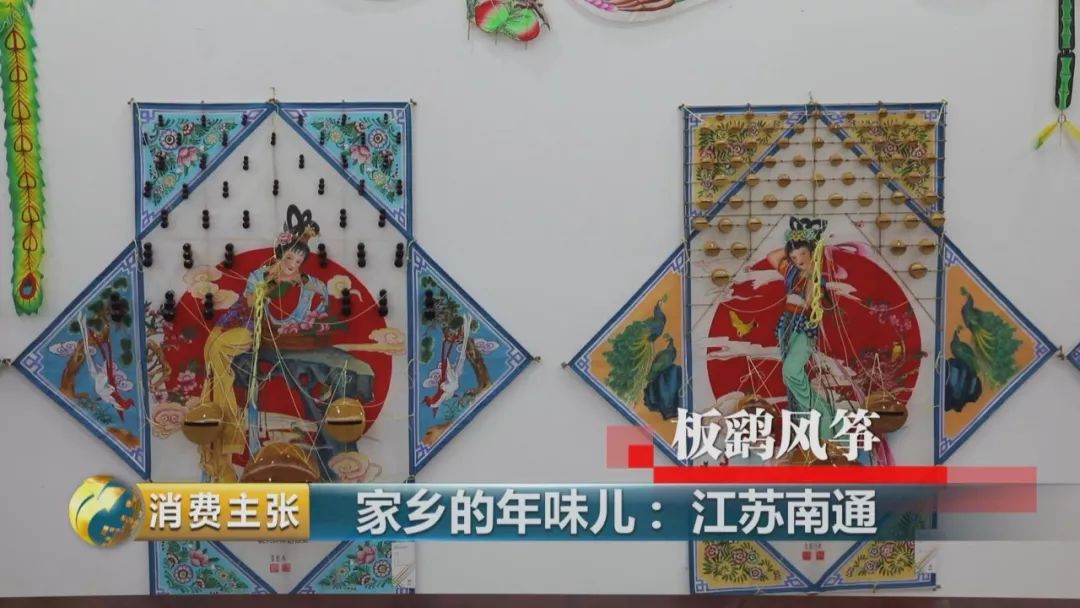
National intangible cultural heritage, kites equipped with whistles that produce pleasant sounds when flown.
Must-know transportation for exploring the city
About 20 km from city center, with flights to major domestic cities like Beijing, Guangzhou, Shenzhen, and international routes to Japan, South Korea, etc.
Varies by route
Nantong Station is for conventional trains, Nantong West Station for high-speed trains, connected to Shanghai via the Shanghai-Suzhou-Nantong Railway, about 1 hour.
High-speed second class about 60 RMB to Shanghai
Extensive bus network in urban area, fare 1-2 RMB, supports mobile payment. Tourist buses go directly to major attractions.
1-2 RMB
Taste the most authentic and popular local specialties
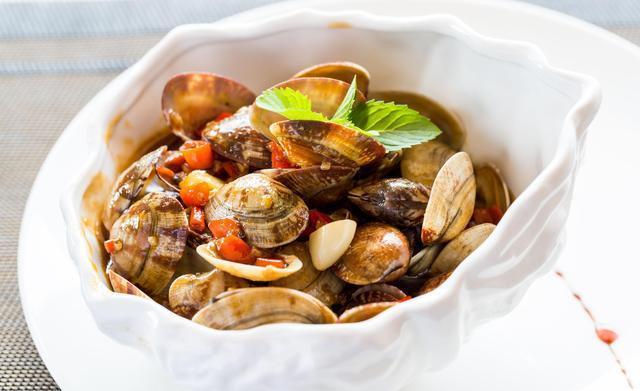
Nantong specialty, tender and delicious, can be steamed, stir-fried, or made into soup, known as 'the best fresh in the world'.
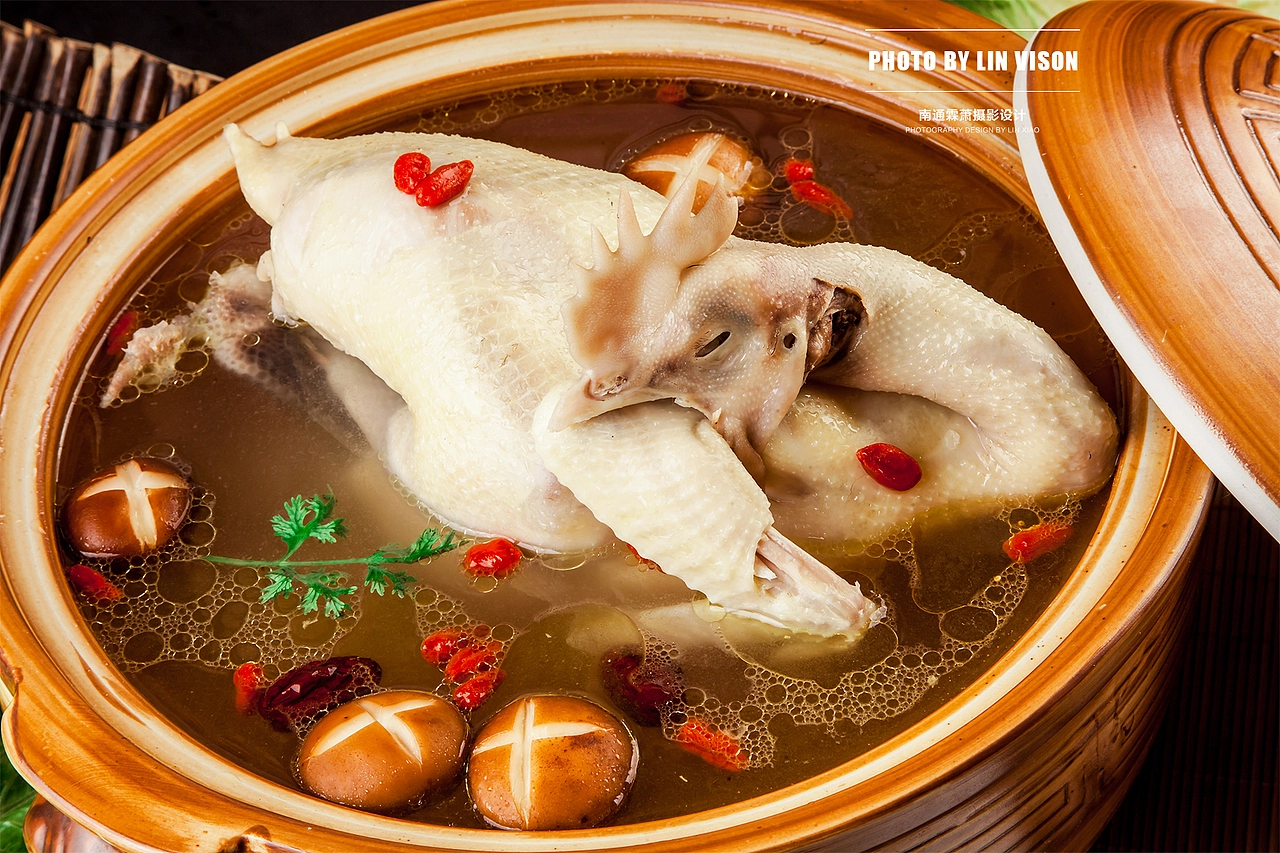
A local chicken breed from Langshan, tender meat, best for braising or plain boiled, with a long history.
China's earliest public museum, founded by Zhang Jian, with rich collections and a blend of Chinese and Western architecture.
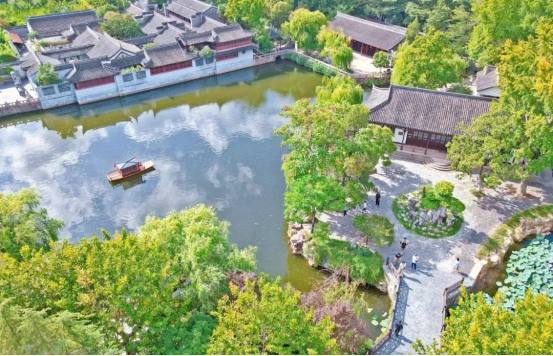
A classical garden in Rugao, the retreat of Mao Xiang in late Ming and early Qing, featuring water scenery, a renowned Jiangnan garden.
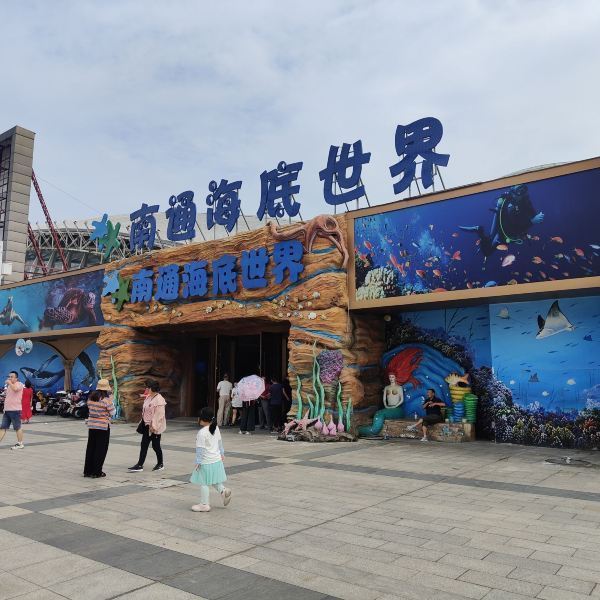
A modern marine theme park with exhibits of marine life and shows, ideal for family trips.
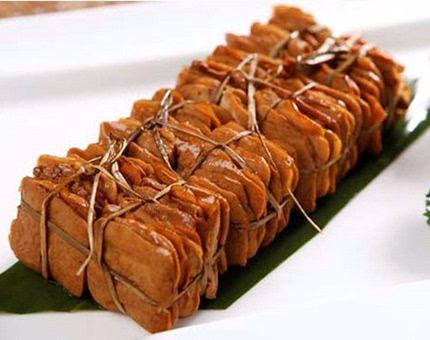
Specialty from Baipu Town, Rugao, five-spiced dried tofu, fine texture, can be eaten directly or cooked.
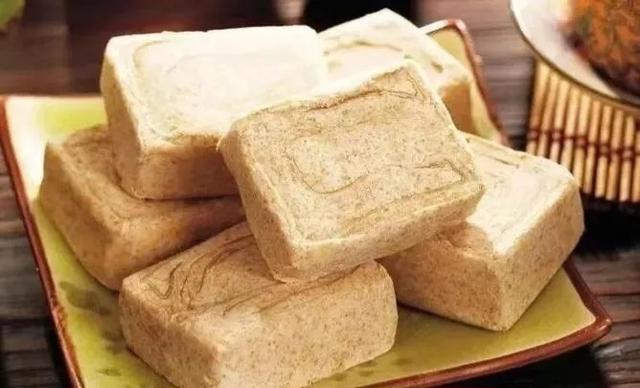
Traditional dessert from Rugao, made with sesame and maltose, sweet and crispy, melts in the mouth.
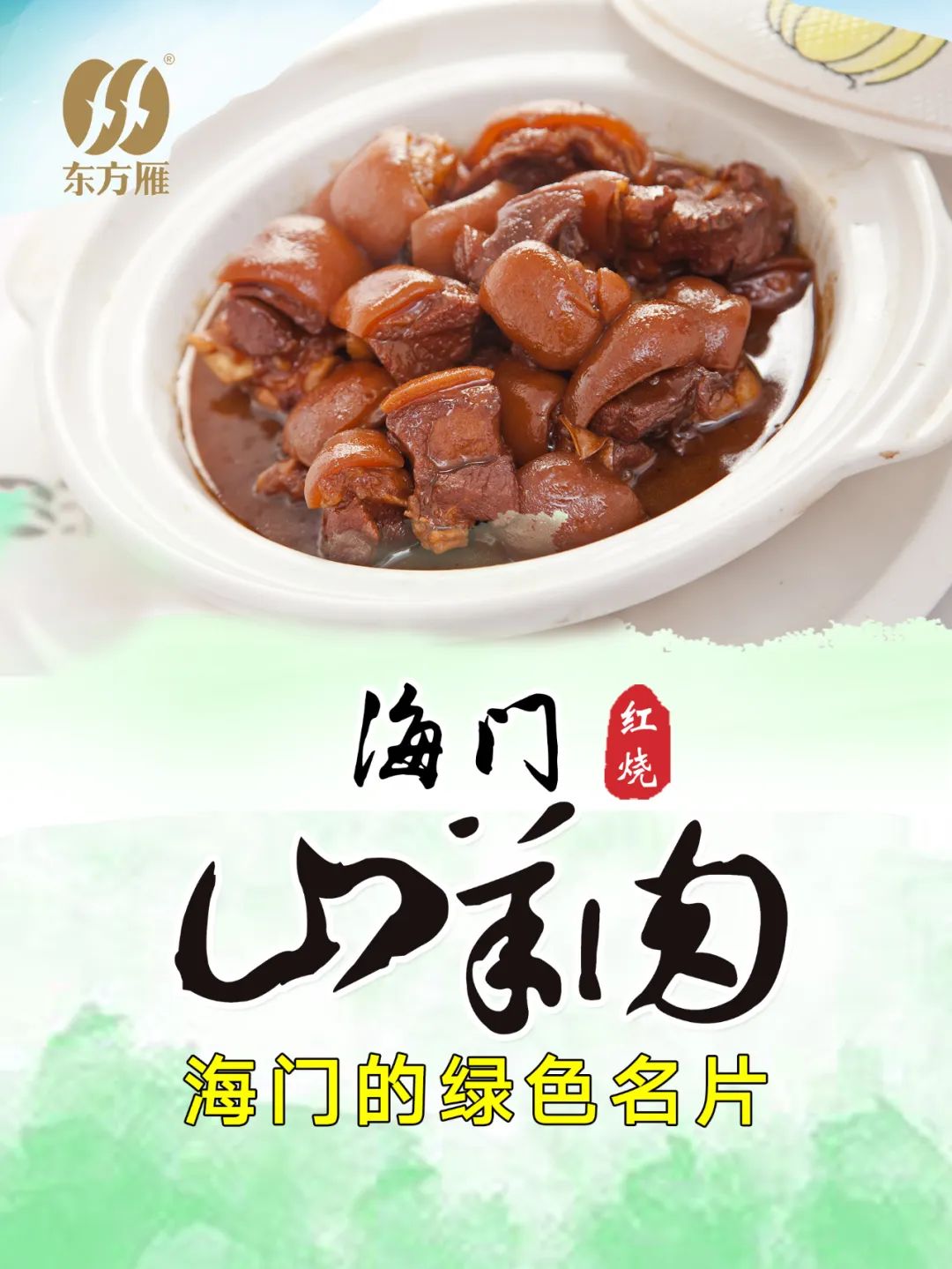
Specialty from Haimen, tender goat meat with little gamey taste, suitable for braising, plain boiling, or hotpot.