
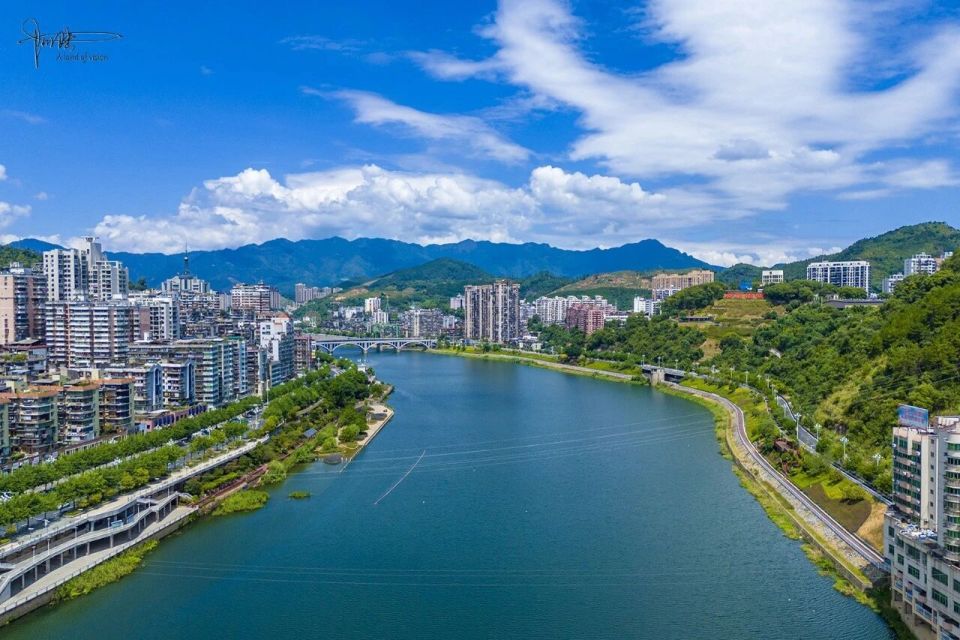
Nanping is located in the northern part of Fujian Province, upstream of the Min River, commonly known as northern Fujian. Situated on the southeastern side of the Wuyi Mountains, it has a subtropical monsoon climate with distinct seasons, warm and humid, abundant rainfall, and high forest coverage, making it the ecological barrier of Fujian.
Nanping has a long history and is one of the earliest developed regions in Fujian. During the Qin and Han dynasties, the Minyue Kingdom established its capital here. In the Song Dynasty, it enjoyed cultural prosperity, with Neo-Confucian master Zhu Xi lecturing and writing books here, earning Nanping the reputation of "Famous State of Neo-Confucianism."
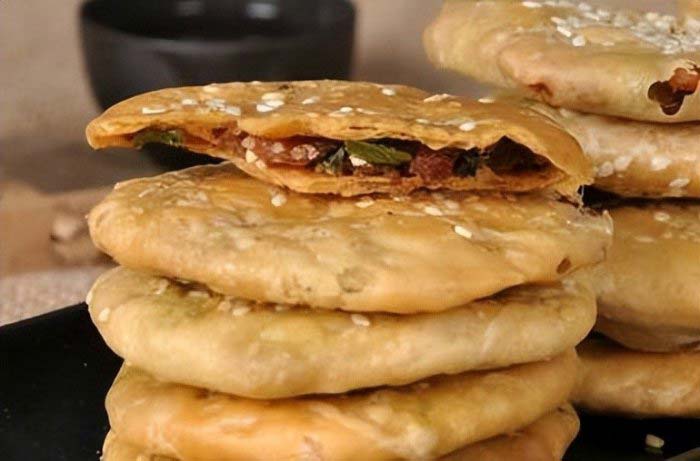
Nanping boasts diverse culture, with the Wuyi Mountain World Cultural Heritage and numerous intangible cultural heritages. The cuisine features mountain delicacies and river fish, such as Wuyi rock tea,笋燕(bamboo shoot and swallow nest), Jian'ou Guangbing (sesame cakes), Shaowu Baozi (glutinous rice cakes), which are light and delicious.
Modern Nanping is developing a green economy based on its ecological advantages, with the Wuyi New Area as the core for urban construction. The transportation network is increasingly improved, with high-speed rail connecting to the rest of the country, and tourism is booming, making it an important eco-cultural tourism destination.
The best time to visit 南平 is Best in spring and autumn, especially April-May and October-November.
Spring (April-May): Pleasant temperatures, azaleas bloom on Wuyi Mountain, perfect for hiking and sightseeing.
Autumn (October-November): Clear and crisp weather, spectacular sea of clouds on Wuyi Mountain, comfortable rafting on Nine-Bend Stream, and less rainfall.
Summer (June-August): Hot but can escape heat, rafting in Wuyi Mountain is cool; Winter (December-February) is cold but you can enjoy snow scenery, fewer tourists, suitable for quiet visits.
The Nanping area became the capital of the Minyue Kingdom, the first local political center in Fujian history.
Neo-Confucian master Zhu Xi founded the Wuyi Academy at the foot of Yinping Peak in Wuyi Mountain, where he lectured and wrote books to spread Neo-Confucianism.
Wuyi Mountain was inscribed by UNESCO as a World Cultural and Natural Heritage site, making Nanping famous worldwide.
Recommended places to visit
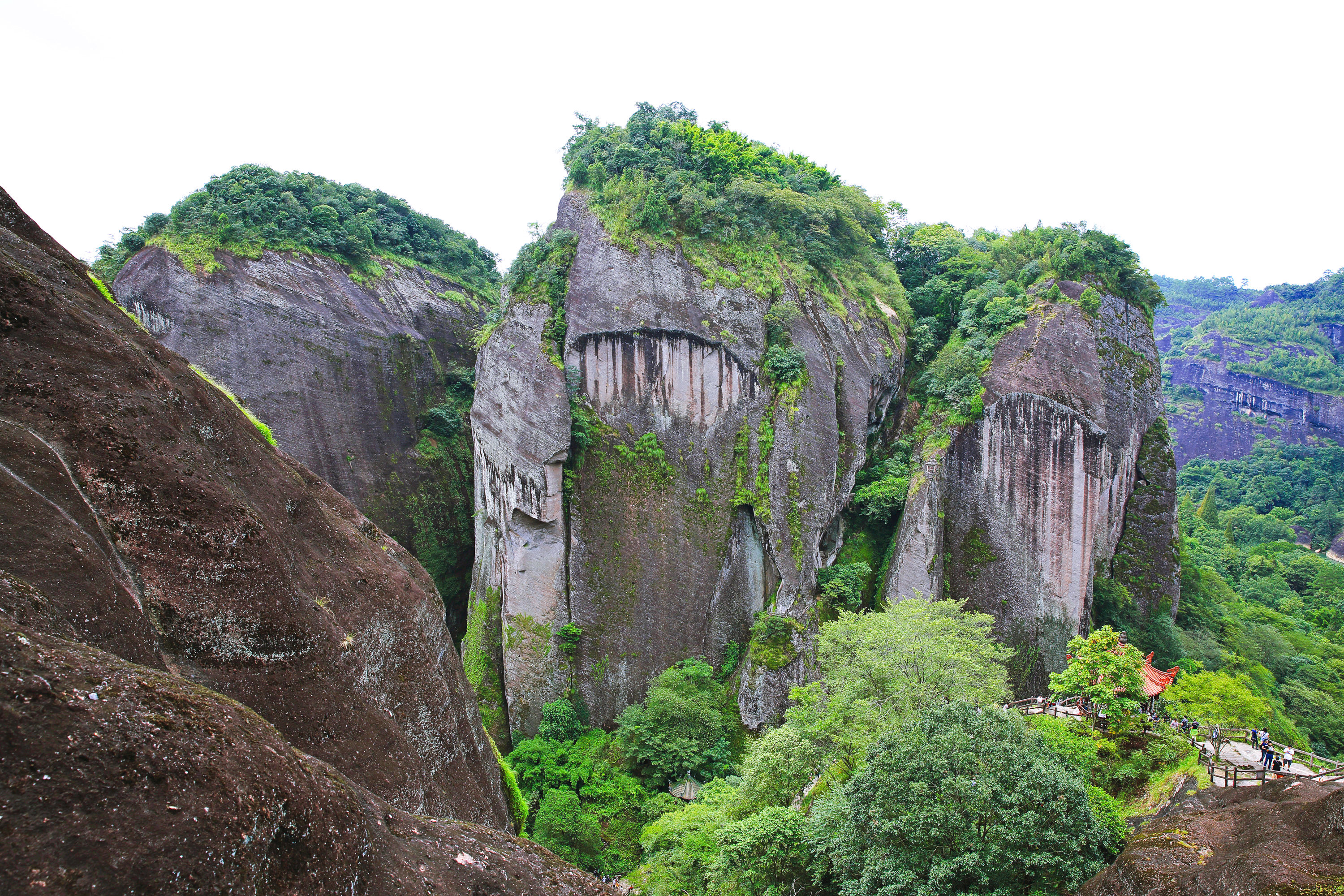
A UNESCO World Cultural and Natural Heritage site, famous for Danxia landforms, Nine-Bend Stream, and Tianyou Peak, the most famous tourist destination in Fujian.
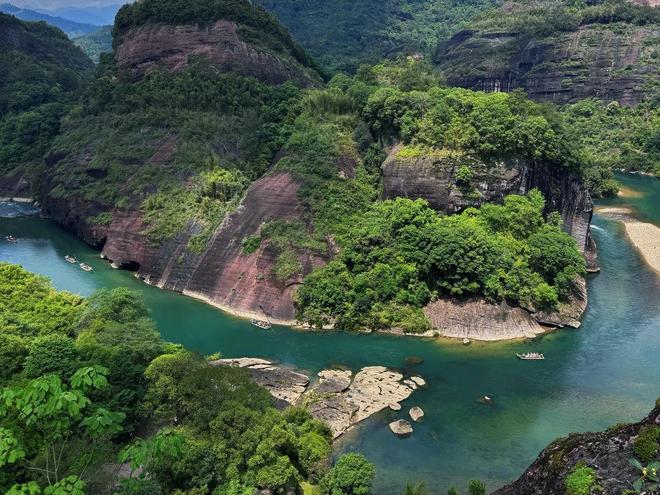
Take a bamboo raft downstream to enjoy the Danxia wonders on both banks, the most classic water tour in Wuyi Mountain.
UNESCO World Heritage Sites
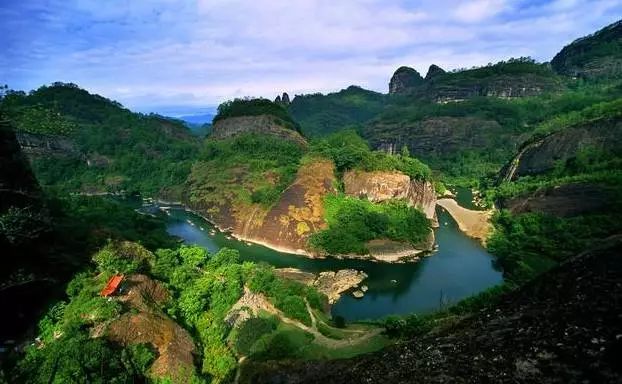
UNESCO World Cultural and Natural Heritage, famous for Danxia landforms, Nine-Bend Stream, Dahongpao mother tree, and Zhu Xi culture.
Explore rich intangible cultural heritage and traditional crafts
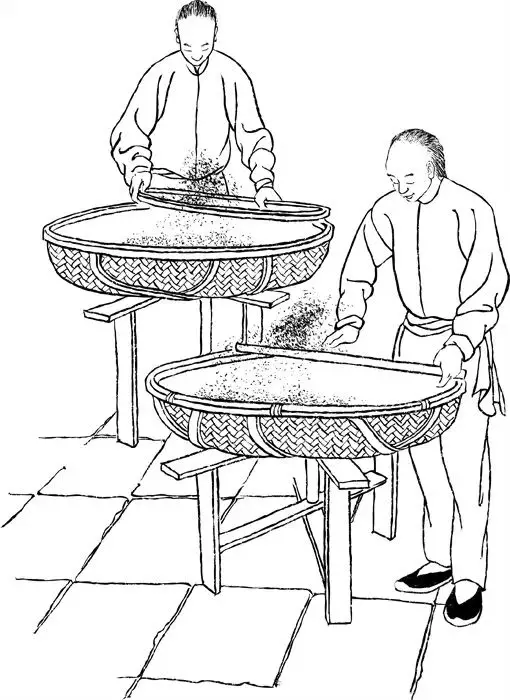
National intangible cultural heritage, including complex processes such as picking, withering, tossing, fixing, rolling, and baking.
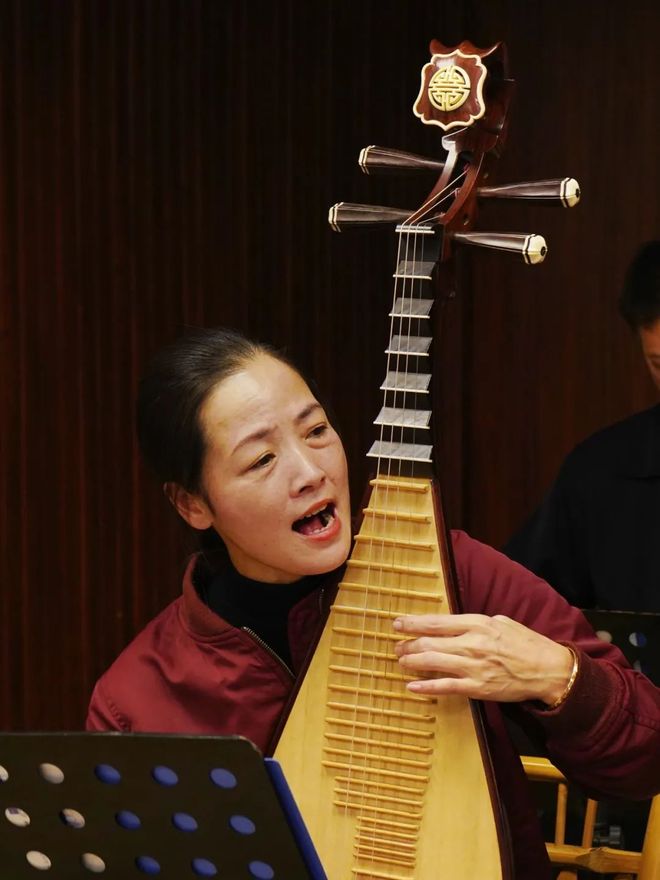
Fujian local folk art, sung in dialect, accompanied by string and wind instruments, with melodious tunes.
Must-know transportation for exploring the city
Located in Wuyishan City, about 7 km from the city center, with flights to major cities like Beijing, Shanghai, and Guangzhou.
Varies by route
Located in Jianyang District, on the Hefei-Fuzhou high-speed railway, providing fast access to Fuzhou, Xiamen, Shanghai, etc.
Second class about 50-200 CNY
The city bus network covers main urban areas and attractions, with low fares, some routes reach Wuyi Mountain.
1-5 CNY
Taste the most authentic and popular local specialties
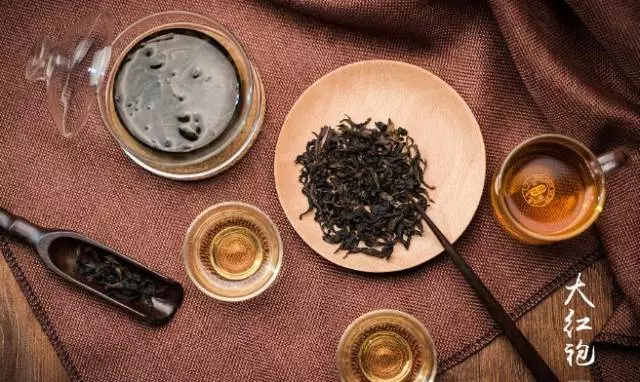
One of China's top ten teas, produced in Wuyi Mountain, with rich rock rhyme and fragrant aroma.
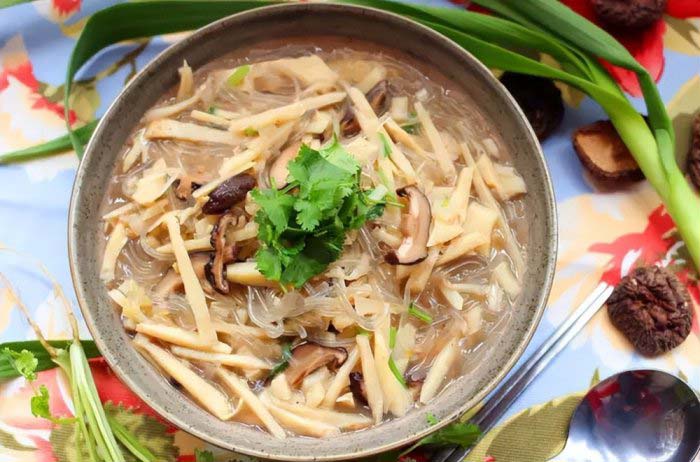
Traditional Nanping dish, made with shredded winter bamboo shoots, shredded pork, and vermicelli, smooth and delicious.

Famous for the Dahongpao mother tree, located in Jiulongke of Wuyi Mountain, a must-visit for rock tea lovers.
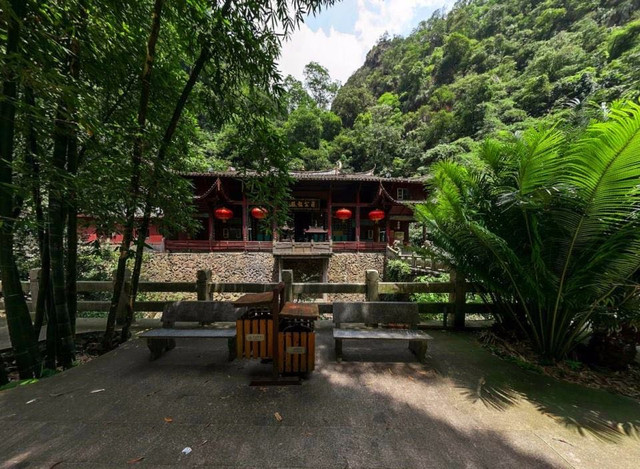
National 4A scenic area, known for waterfalls, streams, and primeval forest, a summer resort for Nanping locals.
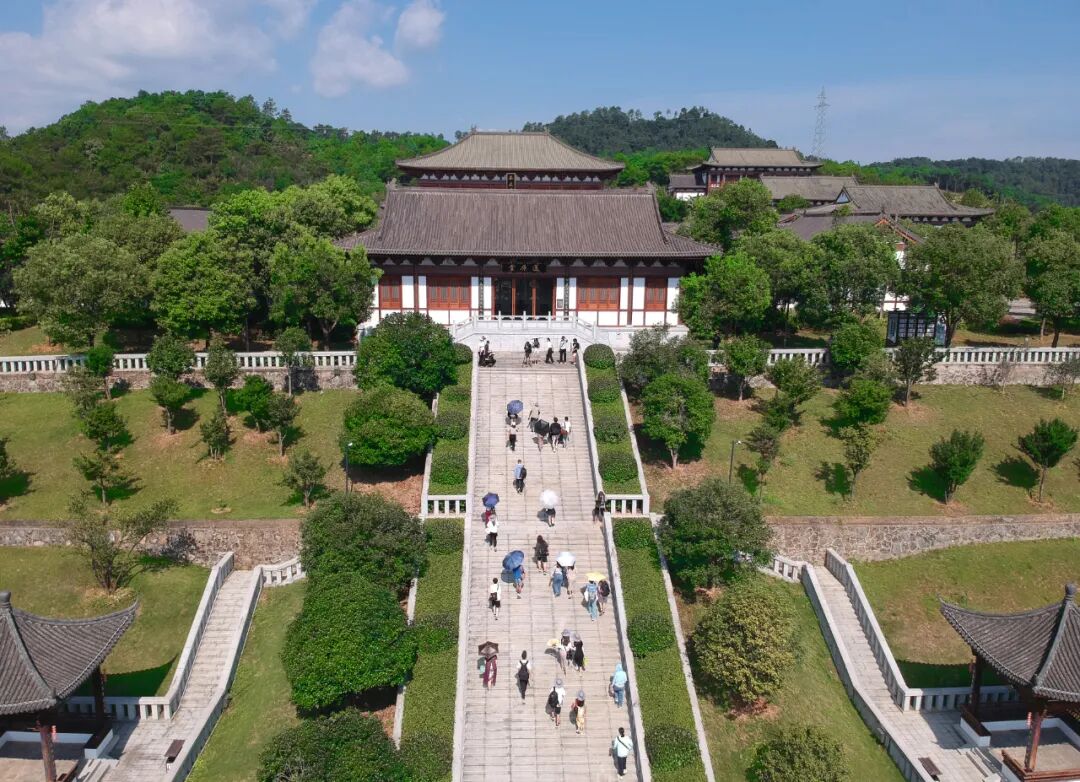
The place where Zhu Xi lectured in his later years, the birthplace of Minxue (Fujian Neo-Confucianism), now a key cultural relic protection unit in Fujian.
Fujian traditional snack, baked with flour and sesame, crispy and delicious, with a long history.
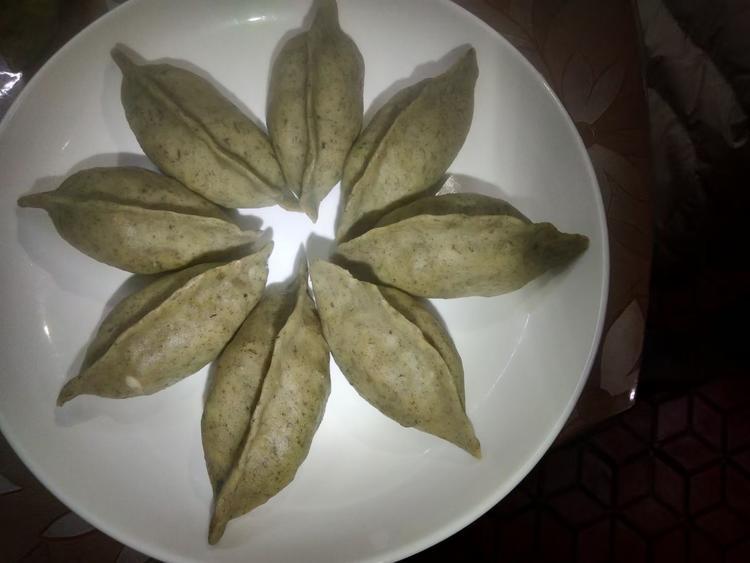
Shaowu specialty snack, made with gnaphalium affine and rice milk as wrapper, filled with stuffing and steamed, soft and fragrant.
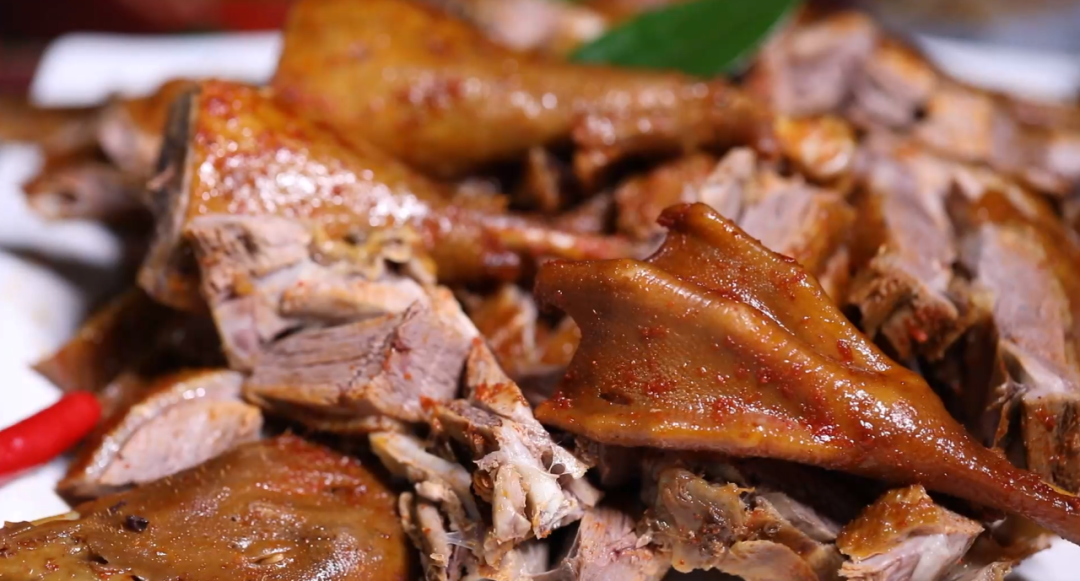
Wuyi specialty, smoked with tea leaves and rice, golden color, strong smoky flavor, tender meat.