
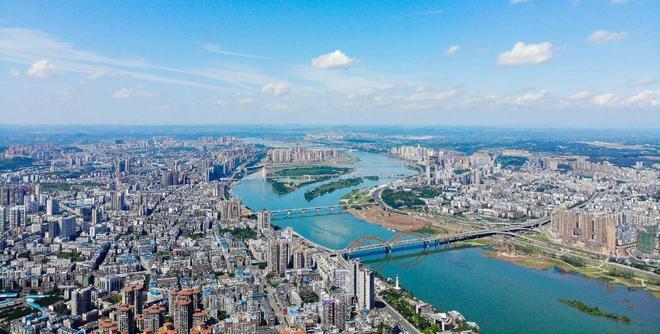
Nanchong is located in the northeastern part of the Sichuan Basin, along the middle reaches of the Jialing River. It has a subtropical humid monsoon climate with four distinct seasons and abundant rainfall, with an average annual temperature of about 17°C.
Nanchong has a long history. As early as the Warring States period, it was an important town of the Ba State. A county was established here in the early Han Dynasty, and it was named Guozhou in the Tang Dynasty. During the Ming and Qing Dynasties, it was a key city in northern Sichuan. In modern times, it was an important part of the Sichuan-Shaanxi Revolutionary Base.
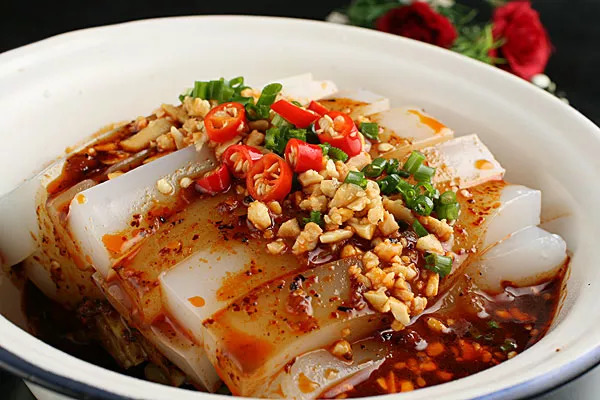
Nanchong is famous as the City of Silk, with a rich silk culture. Intangible cultural heritages such as Northern Sichuan Lantern Opera and Langzhong Shadow Play are diverse and colorful. The local cuisine is mainly Sichuanese, with rice noodles, Zhangfei beef, and Northern Sichuan Liangfen being renowned nationwide.
Nanchong is the central city in the northern part of the Chengdu-Chongqing Economic Zone, with industries including chemicals, auto parts, and silk textiles. In recent years, transportation has developed rapidly, forming a three-dimensional network of highways, railways, and aviation.
The best time to visit 南充 is Spring and Autumn (March-May, September-November).
Spring (March-May) has pleasant temperatures with blooming flowers along the Jialing River, ideal for flower viewing and outdoor activities.
Autumn (September-November) is crisp and clear, perfect for visiting ancient towns and scenic spots, especially Langzhong Ancient City and Lingyun Mountain.
Summer is hot and winter is damp and cold, but if you want to experience the Spring Festival culture, visiting Langzhong during the first lunar month offers a strong festive atmosphere.
After King Huiwen of Qin destroyed the Ba State, Langzhong County was established in present-day Nanchong, marking the beginning of Nanchong's administrative history.
In the fourth year of Wude reign of Emperor Gaozu of Tang, Nanchong Commandery was renamed Guozhou, making Nanchong a prefecture-level administrative division.
The Fourth Front Army of the Red Army entered Nanchong and established the Sichuan-Shaanxi Revolutionary Base, making Nanchong an old revolutionary area.
Recommended places to visit
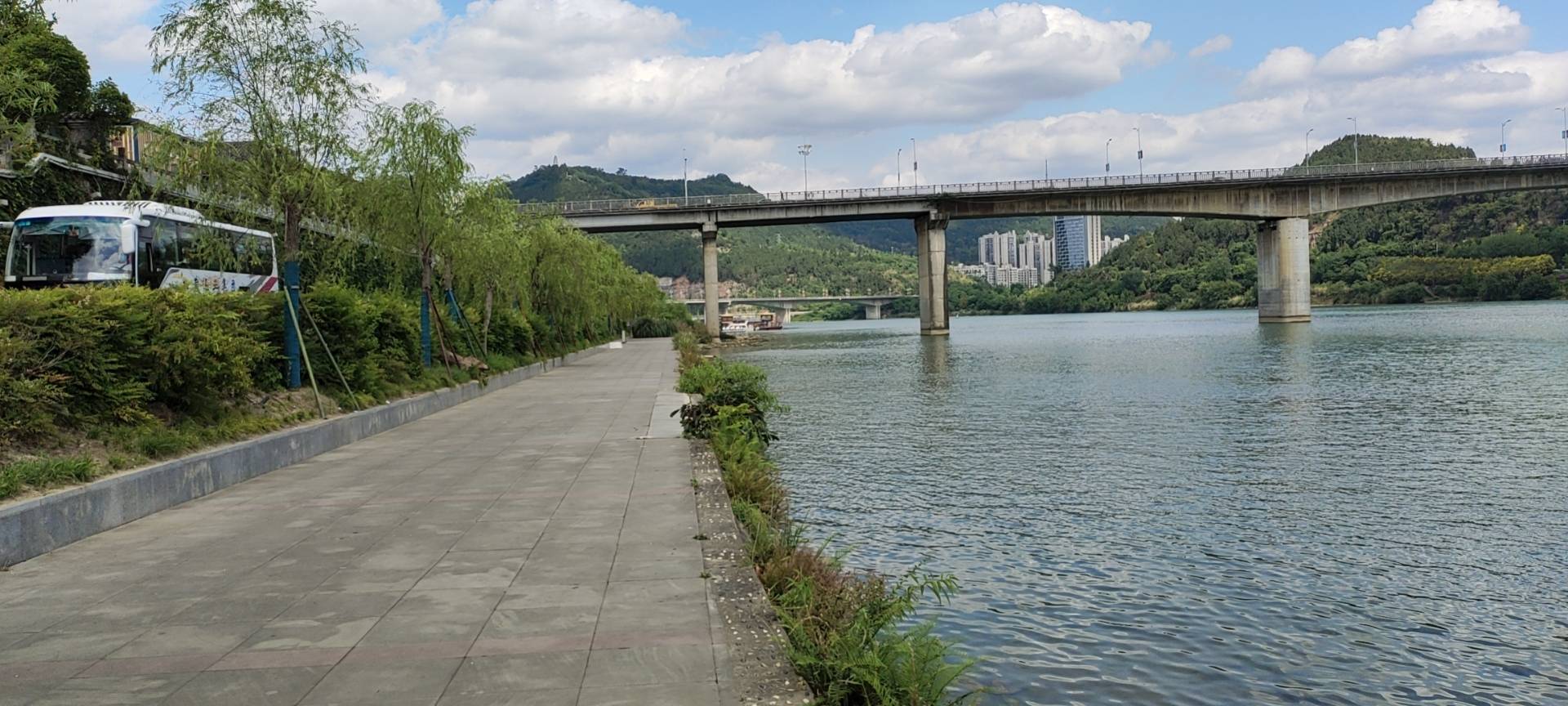
One of China's four greatest ancient cities, a national 5A-level scenic spot, with well-preserved Ming and Qing ancient buildings, and a key town of Three Kingdoms culture.
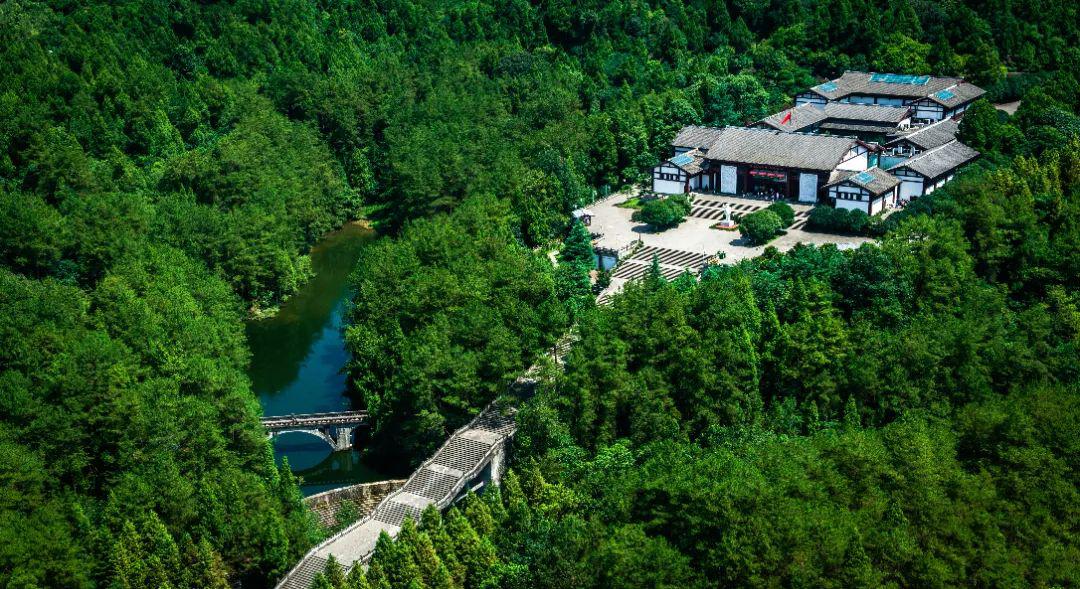
A national 5A-level scenic spot located in Yilong County, the birthplace and former residence of Marshal Zhu De.
Explore rich intangible cultural heritage and traditional crafts
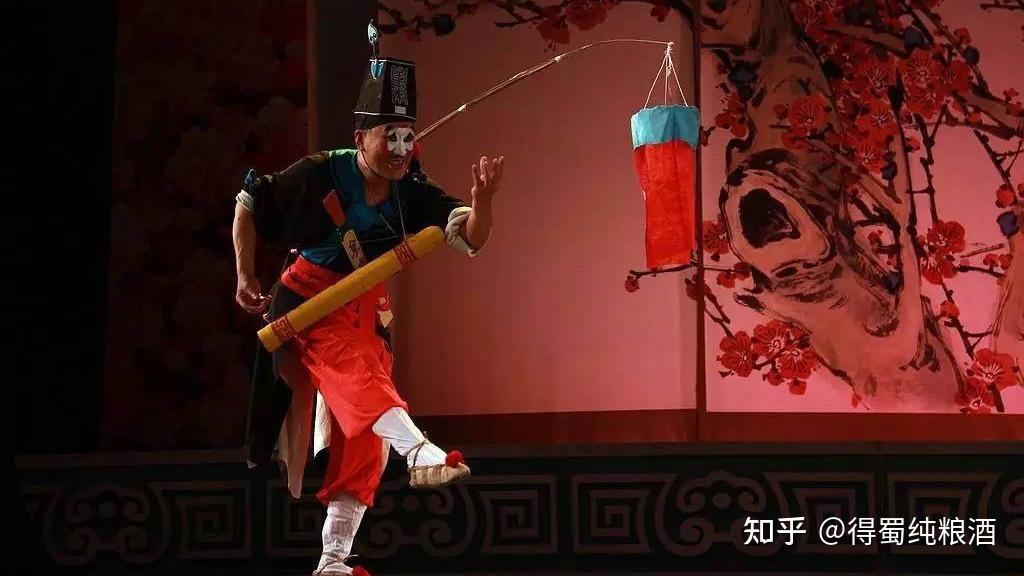
A traditional Sichuan opera using lanterns as props, featuring singing, dancing, and humor. Inscribed on the National Intangible Cultural Heritage list in 2006.
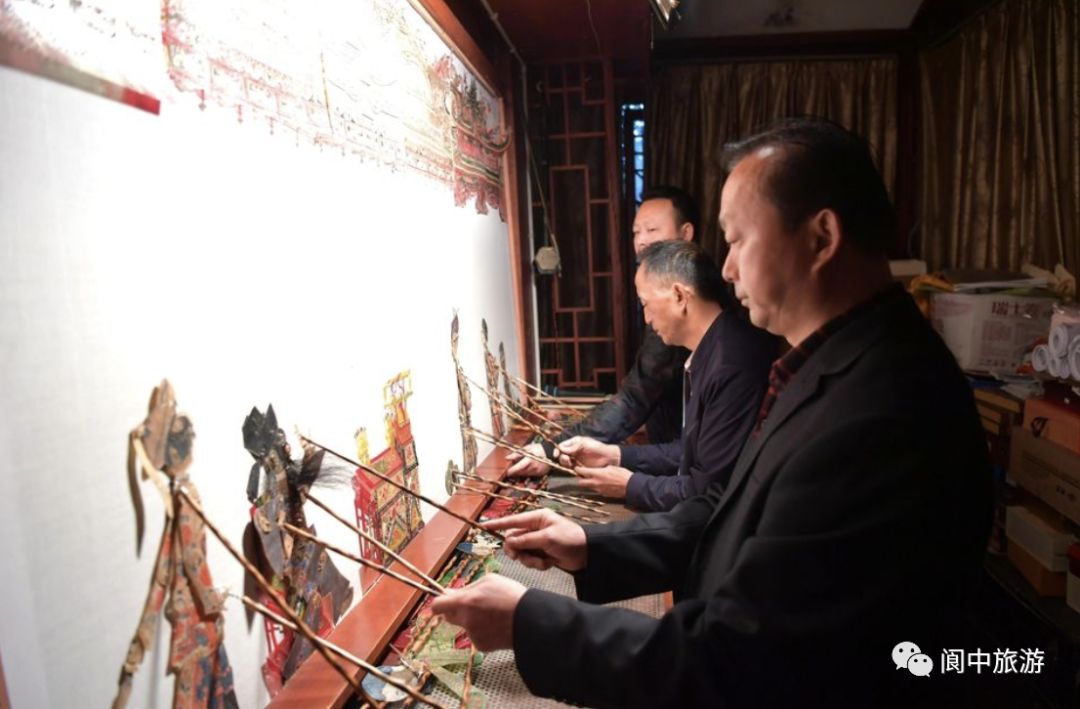
A representative of Sichuan shadow play, with finely carved cowhide figures, exquisite shapes, and vivid performances. Inscribed in 2008.
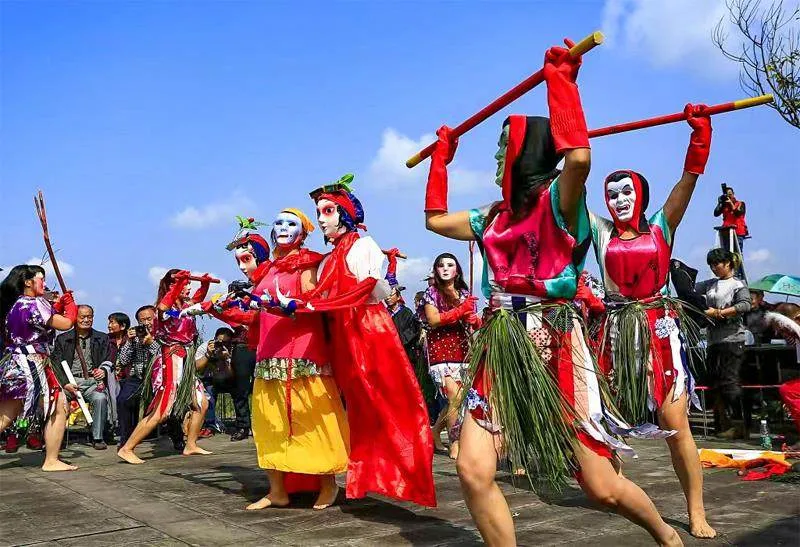
An ancient ritual drama in Nanbu County, featuring unique masks and functions of exorcism and blessing. Inscribed in 2011.
Must-know transportation for exploring the city
About 10 km from the city center, with flights to major domestic cities such as Beijing, Shanghai, Guangzhou, and Shenzhen.
Ticket prices vary by route
Nanchong Station is in Shunqing District, Nanchong North Station is in Yingxi, both connected to Dacheng Railway and Lanyu Railway, with high-speed trains to Chengdu, Chongqing, Xi'an, etc.
High-speed rail fare approx. 50-200 RMB
City bus routes cover major urban areas and attractions, fare 1-2 RMB, some routes accept bus cards.
1-2 RMB
Taste the most authentic and popular local specialties
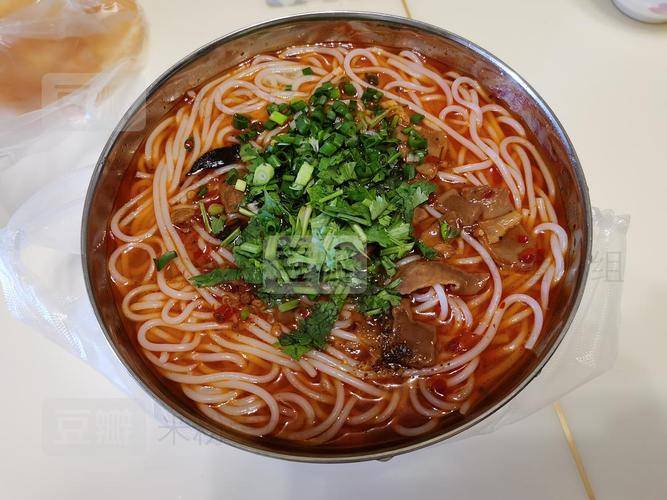
A signature breakfast in Nanchong, featuring savory broth, smooth rice noodles, and rich toppings such as beef and pork intestines.
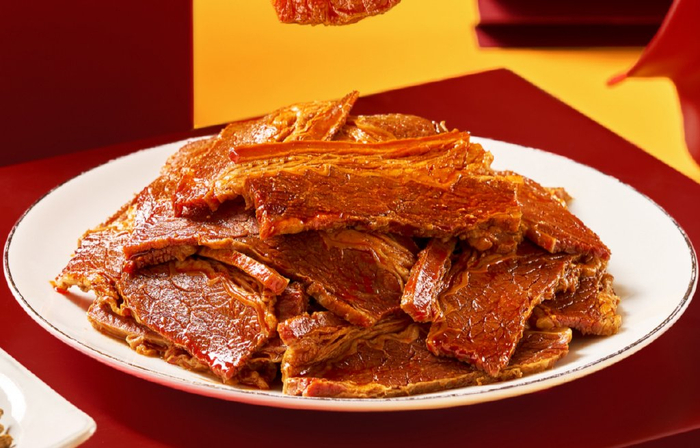
A specialty of Langzhong, made from premium beef cured and smoked, with a black exterior and red interior, tender texture.
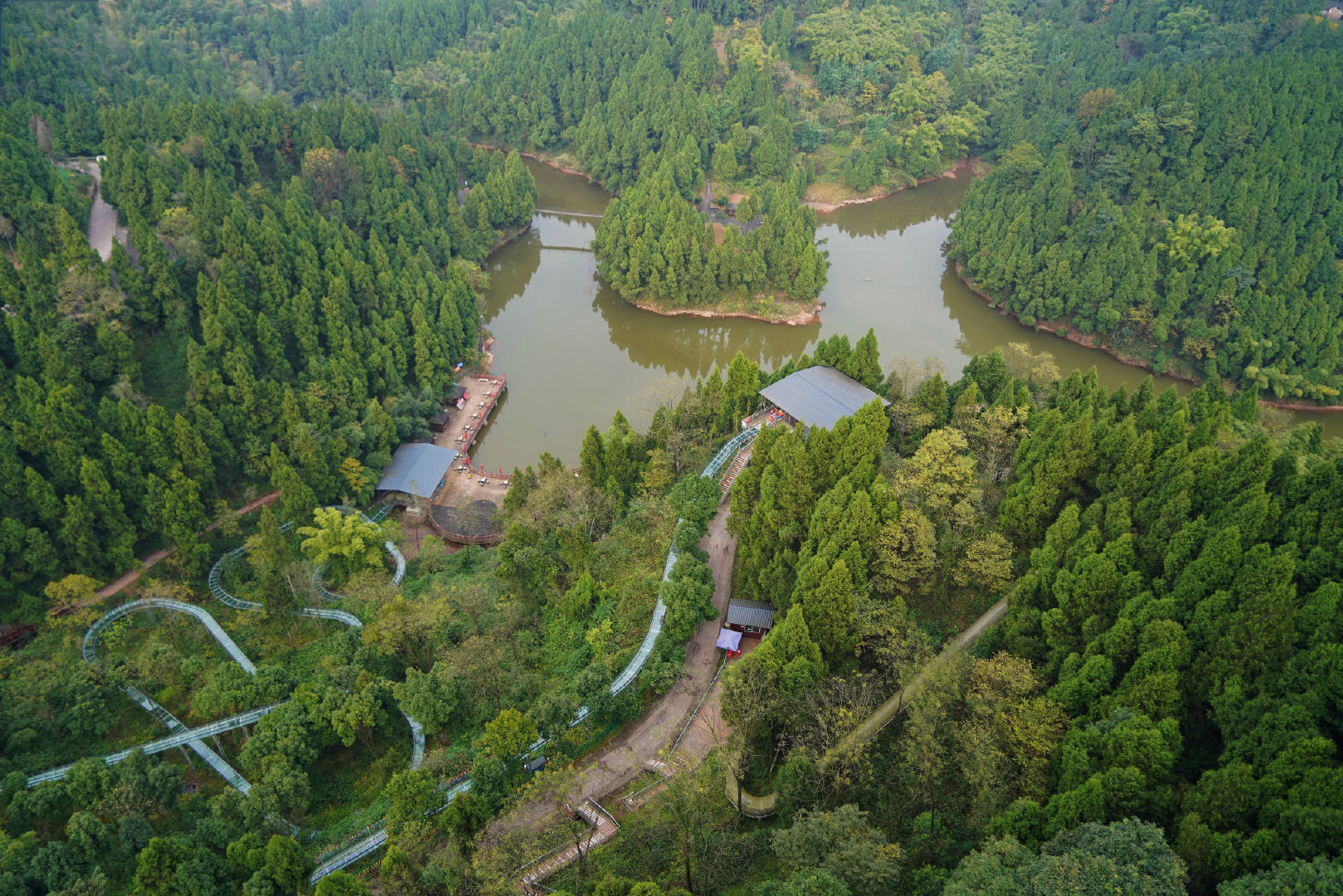
A national 4A-level scenic spot known for Taoist culture and natural scenery, reputed as 'Little Mount Emei'.
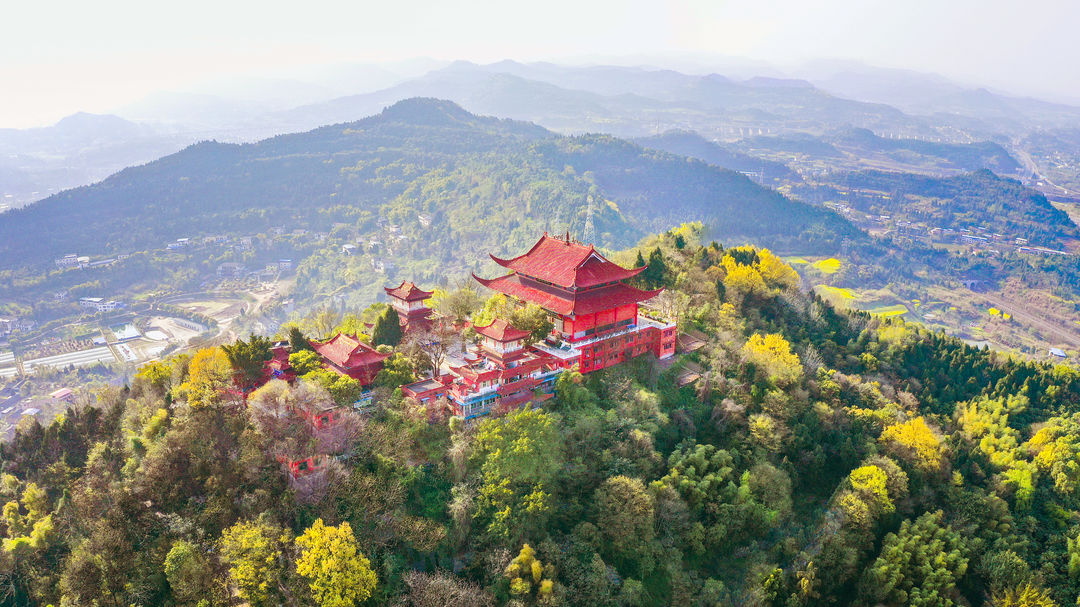
A national 4A-level scenic area including Wanjuan Tower and Kaihan Tower, important sites of Three Kingdoms culture.
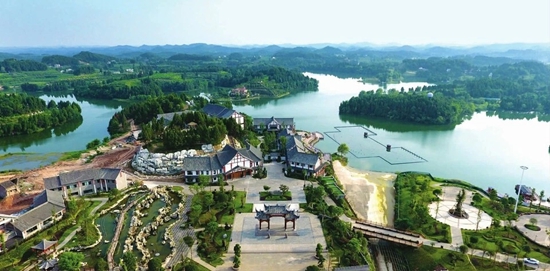
A national 4A-level scenic spot, the largest artificial lake in Southwest China, known for fishing and water sports.
A famous Sichuan snack made from pea starch, dressed with chili oil, Sichuan pepper, and other seasonings, spicy and refreshing.
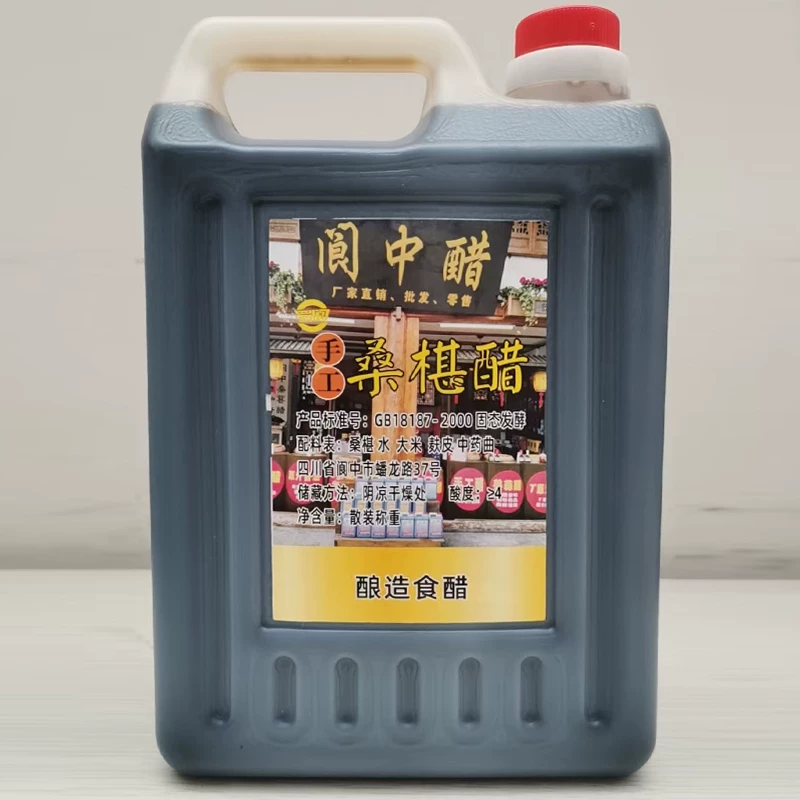
One of China's four famous vinegars, made from bran and rice, with a mellow sour taste and brownish-red color.
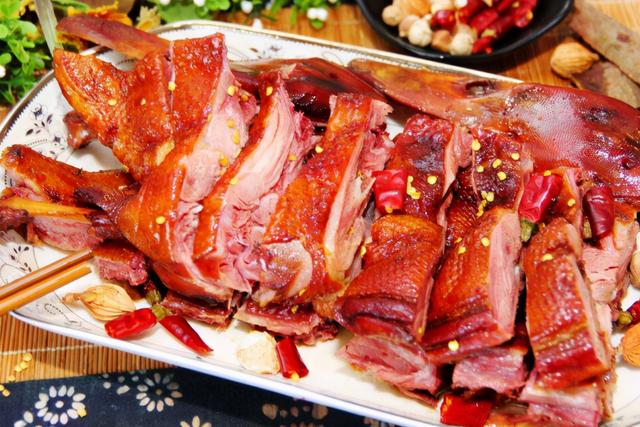
A specialty of Yingshan County, made from free-range ducks cured and air-dried, with firm texture and savory flavor.