
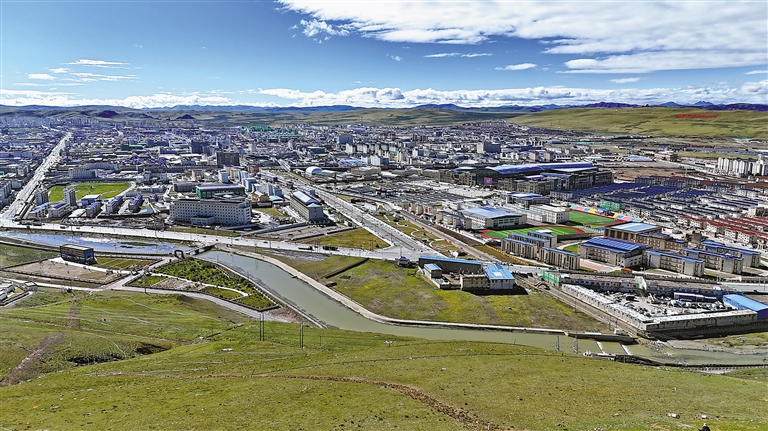
Nagqu is located in the northern part of the Tibet Autonomous Region, deep within the Qinghai-Tibet Plateau, with an average altitude exceeding 4,500 meters, earning it the nickname 'the roof of the world's roof.' The climate is cold and dry, with an annual average temperature of -2°C, typical of a sub-frigid plateau climate.
Historically known as 'Changtang,' Nagqu was a gathering place for nomadic tribes. In 1956, the Nagqu Prefecture was established, and in 2017, it was upgraded to a prefecture-level city, becoming one of the youngest cities in Tibet.
Nagqu's culture is centered around Tibetan nomadic traditions, with the Horse Racing Festival being the most grand local event. The cuisine features yak meat, butter tea, and tsampa, with air-dried yak meat and yogurt being specialties.
Nagqu is a key node on the Qinghai-Tibet Railway and Highway. In recent years, it has been developing clean energy and animal husbandry, becoming an important economic center in northern Tibet.
The best time to visit 那曲 is Summer (June to September).
June to September is the golden season for visiting Nagqu, with relatively mild temperatures around 15°C during the day, lush green grasslands, and blooming wildflowers.
July and August feature the horse racing festival, offering a chance to experience Tibetan traditional culture and folk activities, but beware of sun protection and warmth.
Other seasons are extremely cold, especially winter (October to May), with temperatures often below -20°C, making travel inadvisable.
In 1956, the Preparatory Committee for the Tibet Autonomous Region established Nagqu Prefecture, marking its official administrative status.
On July 1, 2006, the Qinghai-Tibet Railway fully opened, with Nagqu Station becoming a key stop, greatly boosting local economy.
In 2017, the State Council approved the upgrade of Nagqu Prefecture to a prefecture-level city, making it the youngest city in Tibet.
Recommended places to visit
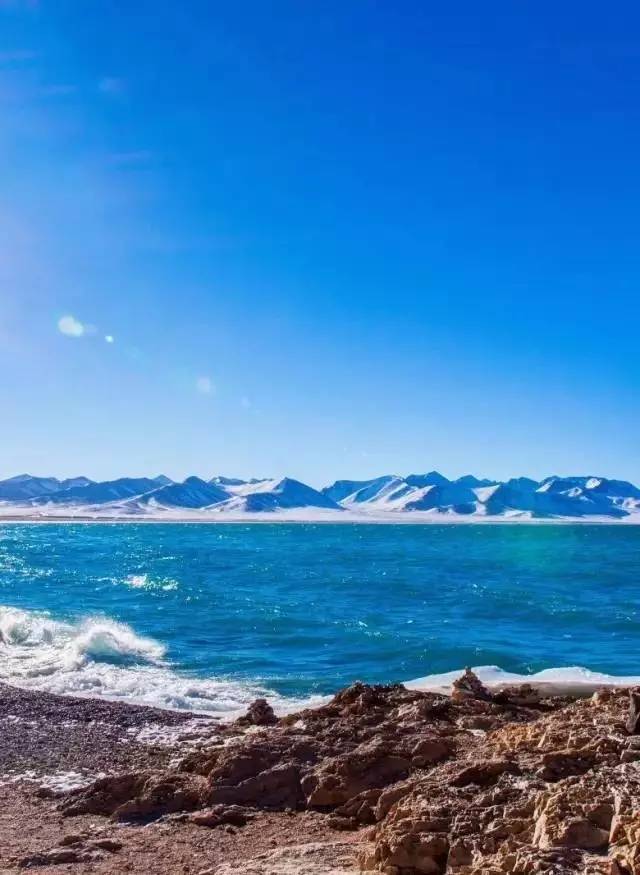
One of Tibet's three holy lakes, at 4,718m altitude, with crystal blue water surrounded by snow-capped mountains, ideal for photography and pilgrimage.
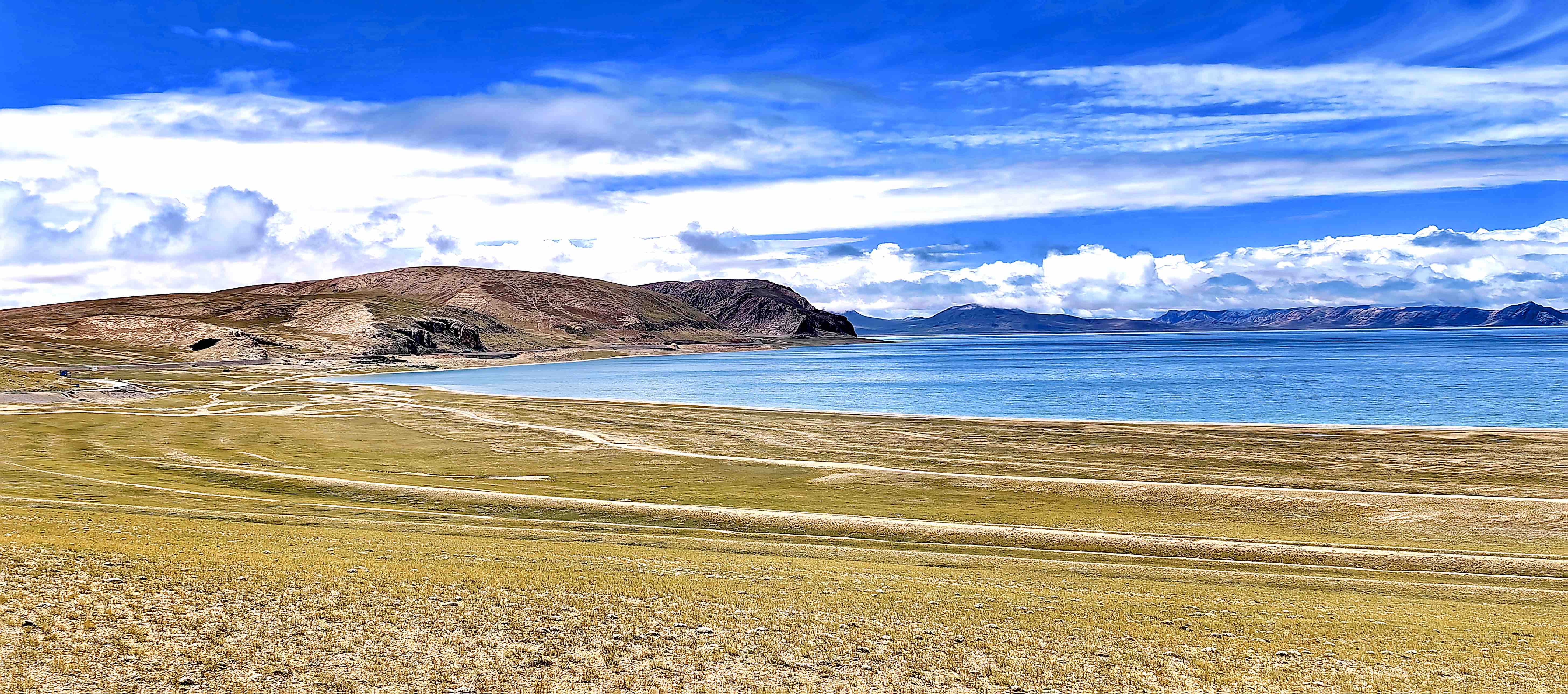
The largest saltwater lake in Tibet, covering about 2,391 sq km, with deep blue water surrounded by vast Changtang grassland, home to abundant wildlife.
Explore rich intangible cultural heritage and traditional crafts
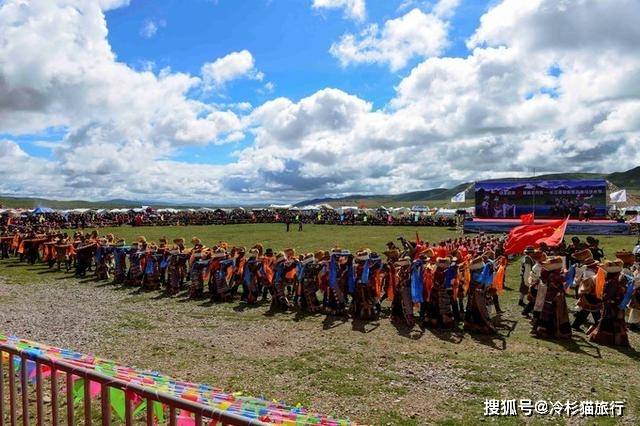
Inscribed as a National Intangible Cultural Heritage, held every August, the largest traditional horse racing event in northern Tibet, featuring races, dances, and trade.
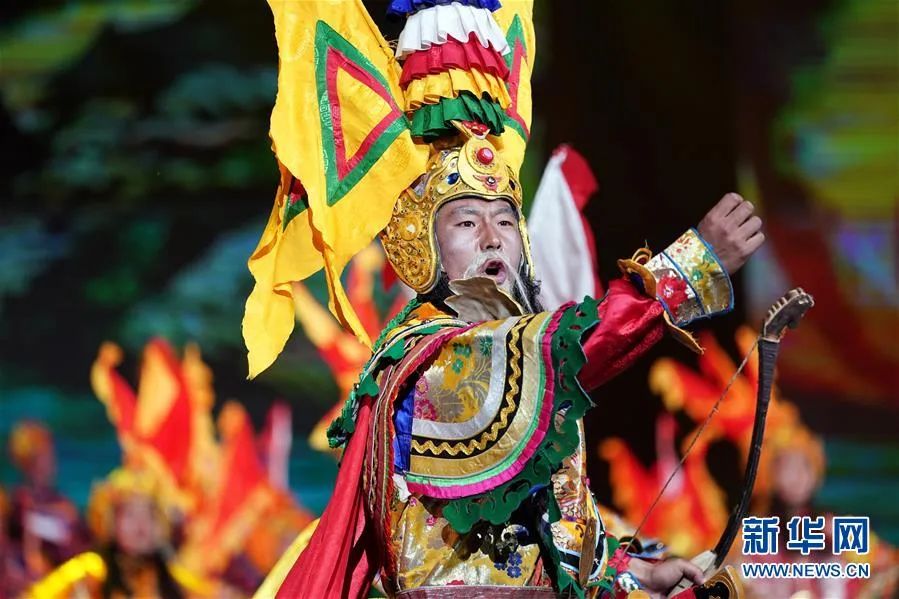
Inscribed on the UNESCO Representative List of Intangible Cultural Heritage, Nagqu is an important area for the epic's transmission, with many folk artists.
Must-know transportation for exploring the city
Nagqu Station is a key stop on the Qinghai-Tibet Railway, with multiple daily trains to Lhasa and Xining, hard seat fare about 120 CNY.
Hard seat about 120 CNY
Nagqu Airport is under construction, expected to open in 2025, with direct flights to Lhasa, Chengdu, etc. Currently, fly to Lhasa Gonggar Airport, then take train or bus.
Not available
Nagqu Bus Station has services to Lhasa, Amdo, Biru, etc. Fare varies, to Lhasa about 150 CNY, 5-hour ride.
To Lhasa about 150 CNY
Taste the most authentic and popular local specialties
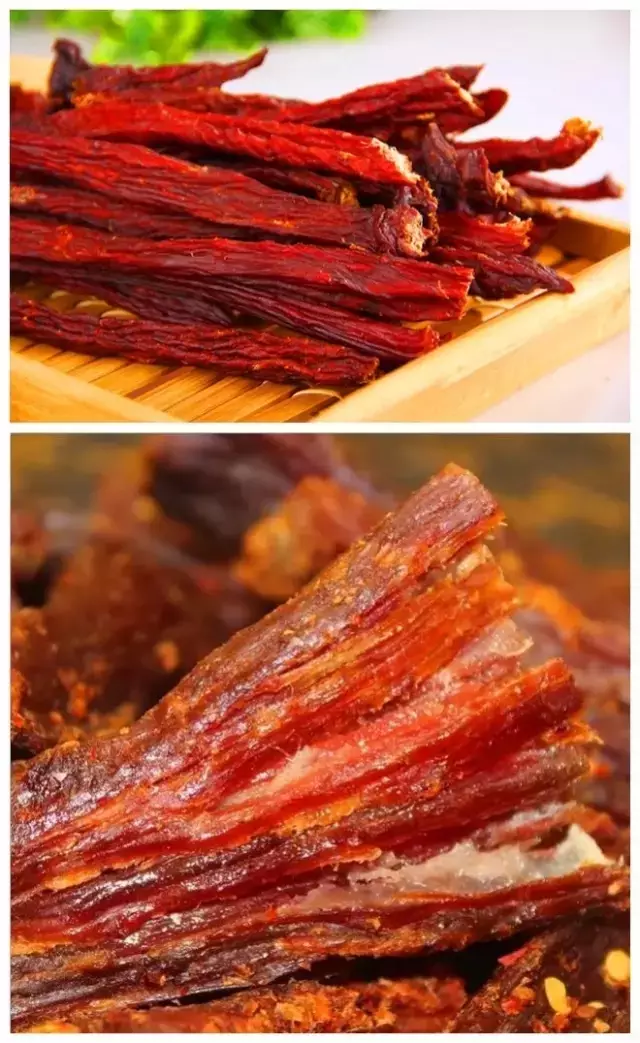
Traditional Nagqu delicacy, made from highland yak meat naturally air-dried, firm texture and rich flavor, a staple for herders.
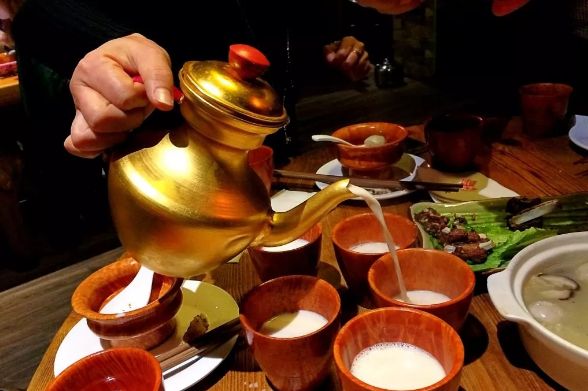
Daily Tibetan drink, made from brick tea, butter, and salt, refreshing and warming, essential on the plateau.
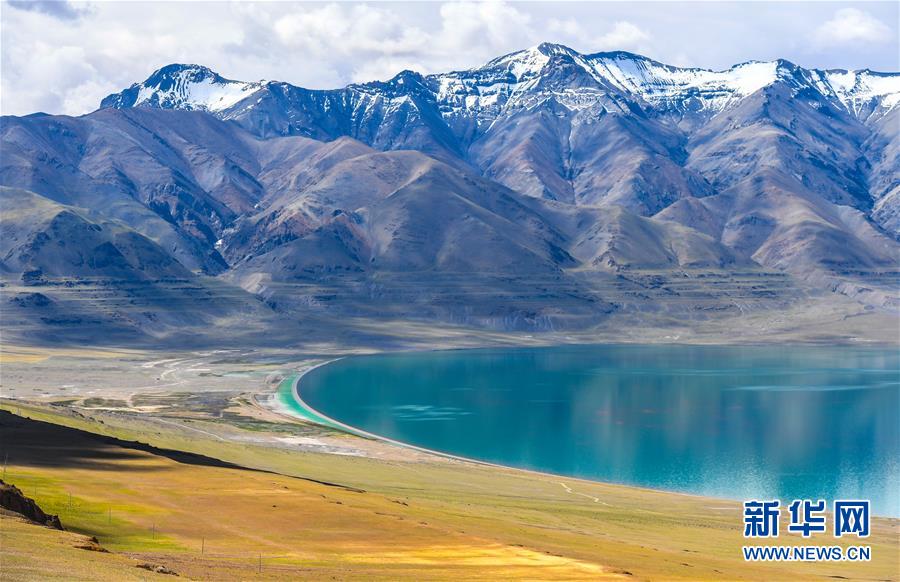
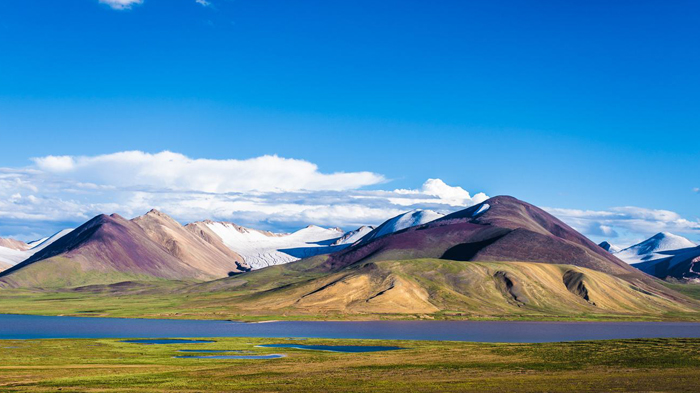
The deepest lake in Tibet, over 230m deep, with emerald water and the sacred Bon mountain Dagyima nearby, a pilgrimage site for Bon followers.
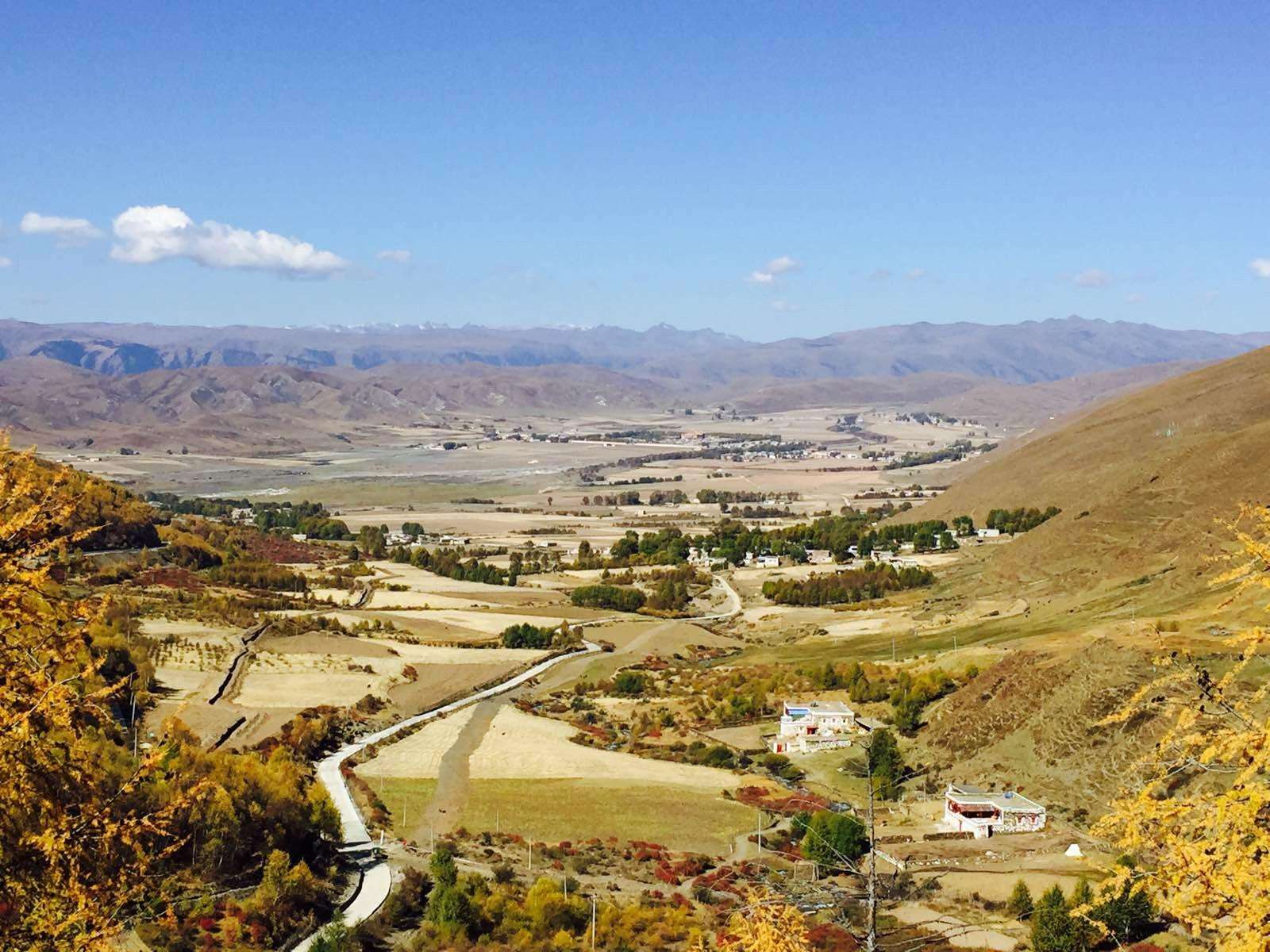
One of China's five major pastures, average altitude over 4,500m, endless grasslands inhabited by rare animals like Tibetan antelope and wild yak.
Hosts the Nagqu Horse Racing Festival every August, the largest traditional horse racing event in northern Tibet, attracting many tourists and herders.
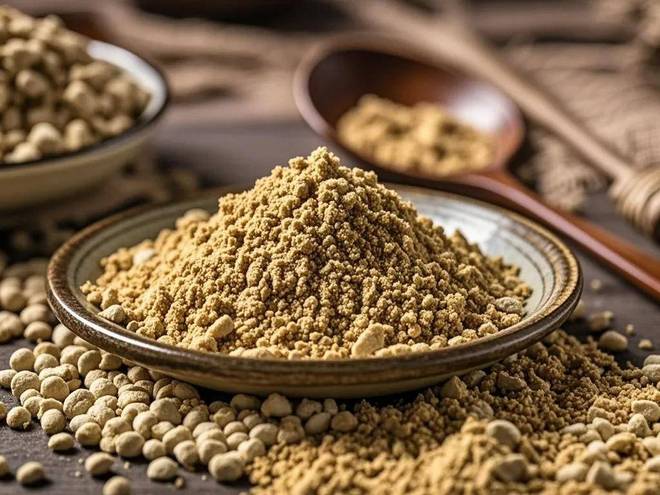
Tibetan staple, made from roasted highland barley flour mixed with butter tea into dough, convenient and nutritious.
Nagqu yogurt made from fermented yak milk, thick texture, moderate sweet-sour taste, often with a layer of cream on top, a local specialty.
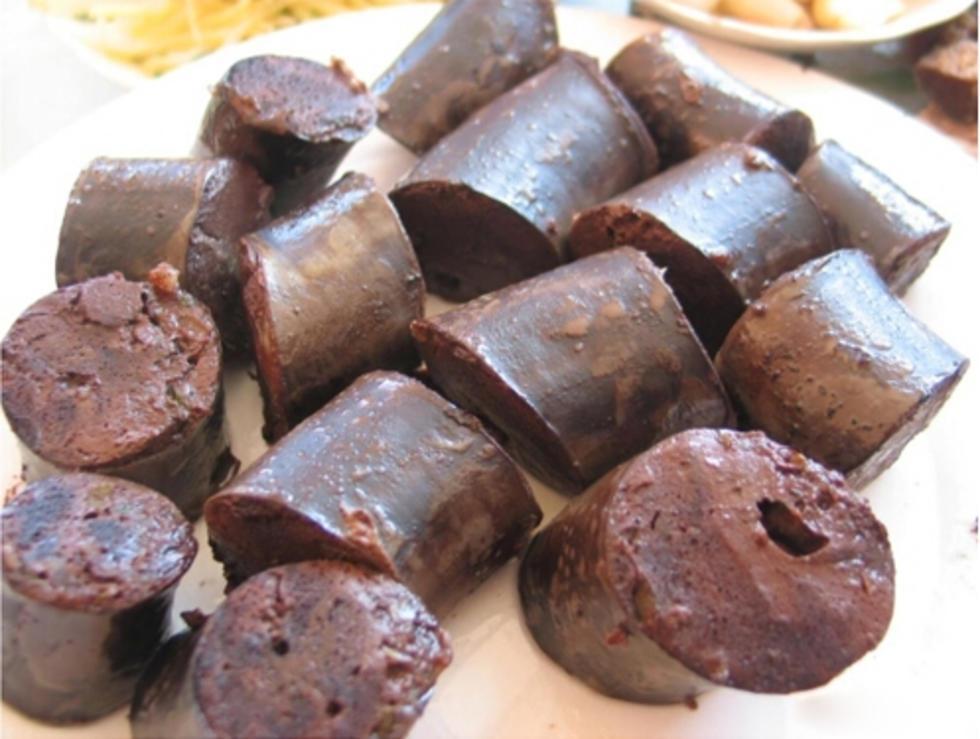
Tibetan traditional food, made from yak blood, tsampa, and spices stuffed into casings, boiled and eaten, unique texture.