
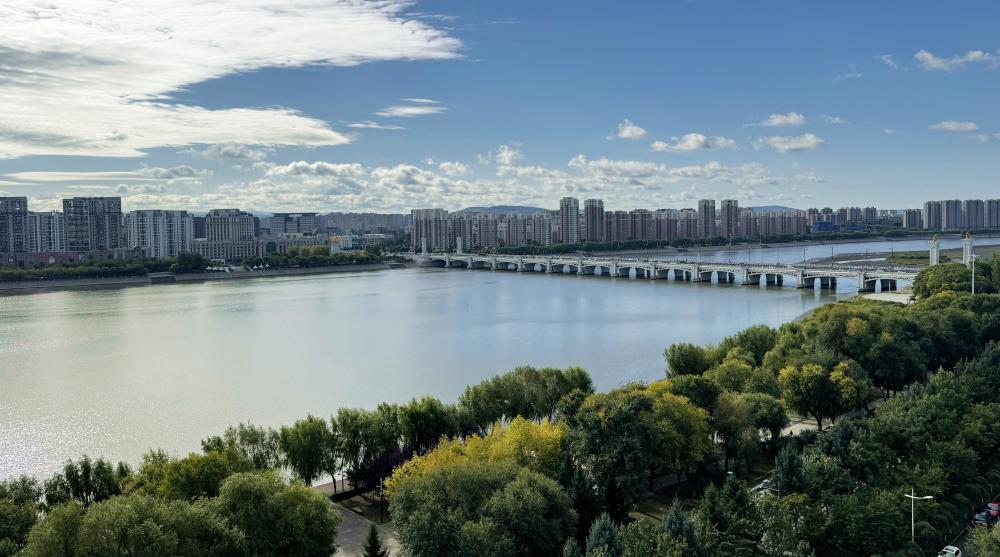
Mudanjiang is located in the southeastern part of Heilongjiang Province, at the junction of China, Russia, and North Korea. It has a temperate continental monsoon climate with long, cold winters and short, cool summers, earning it the nickname 'Snow City'.
Mudanjiang has a long history. During the Tang Dynasty, the Balhae Kingdom established its capital here. In the Qing Dynasty, it was the garrison of the Ningguta General. It rose to prominence in modern times due to the construction of the Chinese Eastern Railway and is now an important node city for Sino-Russian economic and trade cooperation.
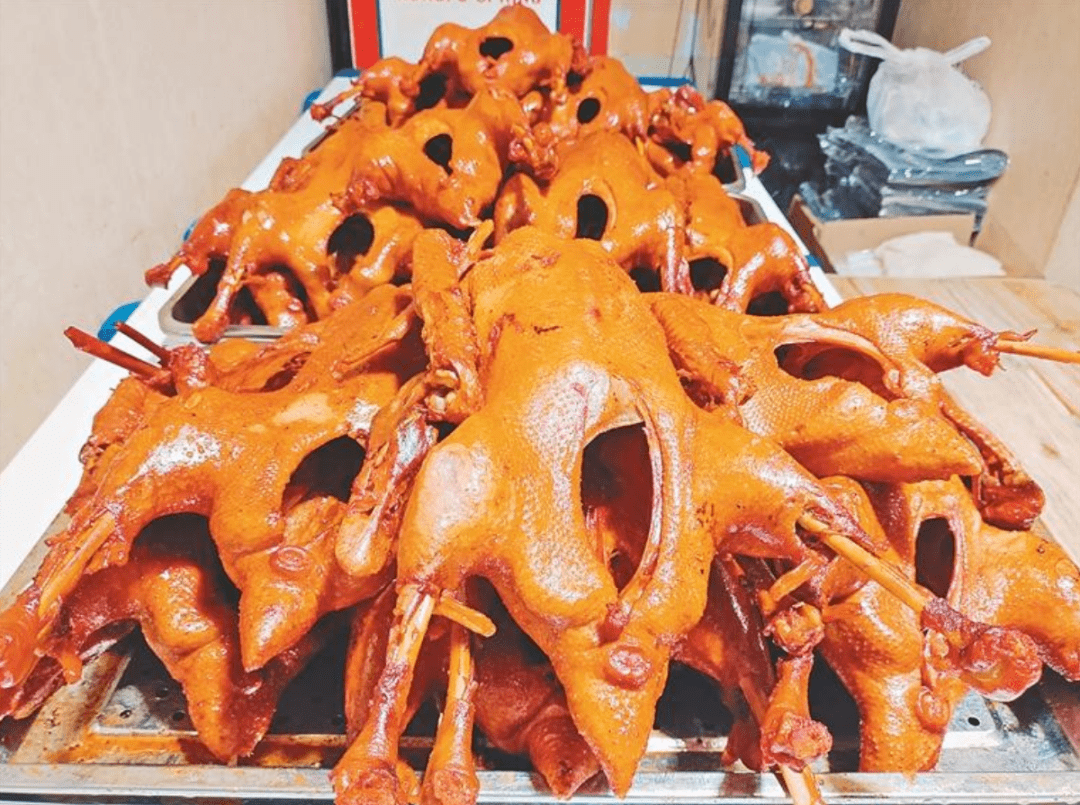
Mudanjiang boasts a diverse culture, blending Han, Manchu, Korean, Hui, and other ethnic characteristics. Korean cold noodles, spicy cabbage, and northeastern stews are popular dishes; Jingpo Lake whole-fish banquet and Linkou goose are local specialties with unique flavors.
Modern Mudanjiang actively develops tourism and green food industries. Relying on resources such as Jingpo Lake and Snow Town, it builds a four-season tourism brand. Meanwhile, it promotes cooperation with Russia and cross-border e-commerce, achieving steady economic growth.
The best time to visit 牡丹江 is Summer for escaping heat, winter for snow.
Summer (June-August): Cool climate, ideal summer resort. Jingpo Lake has abundant waterfall flow, perfect for lake tours and waterfall viewing.
Autumn (September-October): Colorful forests with vibrant hues, great for photography and hiking.
Winter (December-February): Heavy snowfall, enjoy snow town visits, skiing, and winter scenery.
In 698, the Mohe people established the Balhae Kingdom in the Mudanjiang River basin. Its capital, Sanggyeong Yongcheonbu, located in present-day Ning'an, was one of the largest cities in Northeast Asia at the time.
During the Kangxi reign of the Qing Dynasty, the Ningguta General was established in present-day Hailin, governing the vast Heilongjiang River region and serving as a key frontier stronghold.
In 1903, the Chinese Eastern Railway was fully opened, making Mudanjiang an important hub and promoting its modernization.
Recommended places to visit
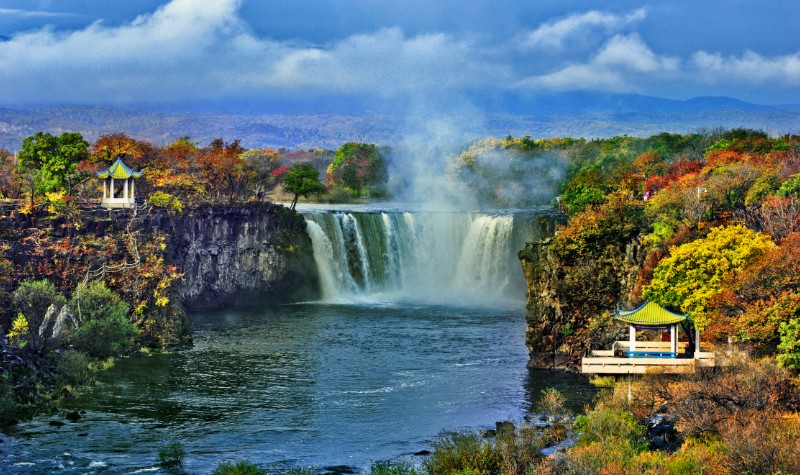
China's largest alpine barrier lake, famous for its lake scenery and Diaoshuilou Waterfall. A summer resort and spectacular ice falls in winter.
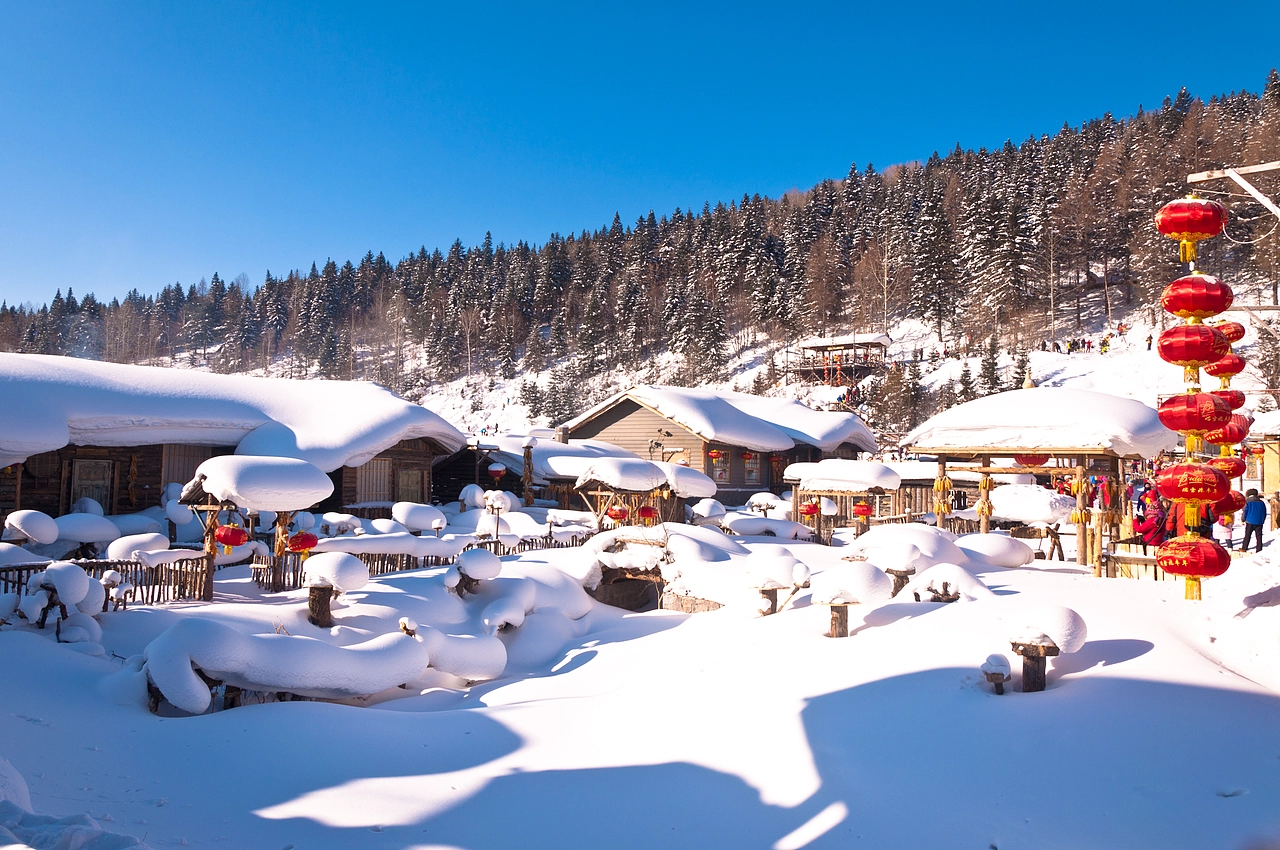
One of China's most famous snow destinations, with snow cover lasting 7 months, excellent snow quality, and fairy-tale night views.
Explore rich intangible cultural heritage and traditional crafts
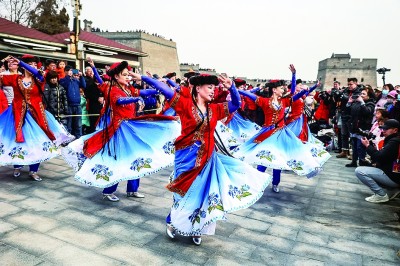
Traditional Korean folk dance accompanied by farm music, expressing farming life and harvest joy, with lively rhythms.
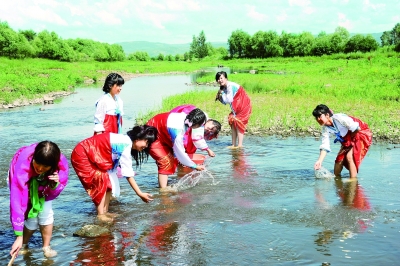
A traditional Korean festival on the 15th day of the sixth lunar month, where people wash their hair in rivers for blessings and hold singing and dancing events.
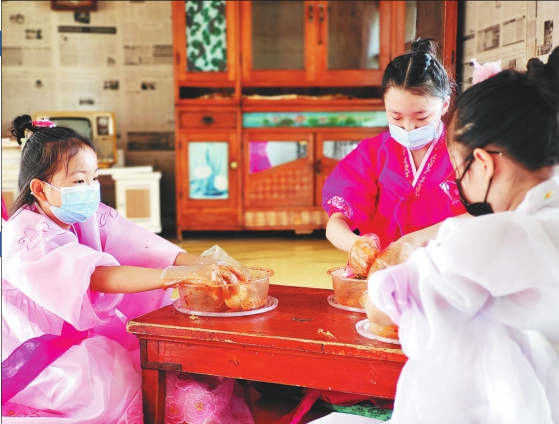
Traditional Korean kimchi making methods, including spicy cabbage and radish kimchi, with unique techniques and rich flavors.
Must-know transportation for exploring the city
Located southwest of the city, with flights to Beijing, Shanghai, Guangzhou, Seoul, etc., an important aviation hub in southeastern Heilongjiang.
Varies by route
Mudanjiang Station serves conventional trains; Mudanjiang High-speed Rail Station is the terminal of the Harbin-Mudanjiang HSR, with direct trains to Harbin (about 1.5h) and Beijing.
High-speed to Harbin about 100 RMB
City buses cover major attractions and urban areas, fare 1-2 RMB; long-distance coaches go to Jingpo Lake, Snow Town, Suifenhe, etc.
Bus 1-2 RMB; long-distance varies
Taste the most authentic and popular local specialties
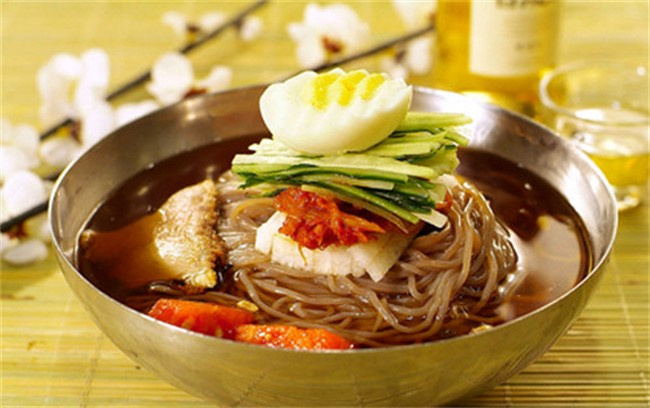
Buckwheat noodles in icy broth, topped with kimchi, cucumber, egg, etc., sweet and sour, a summer must.
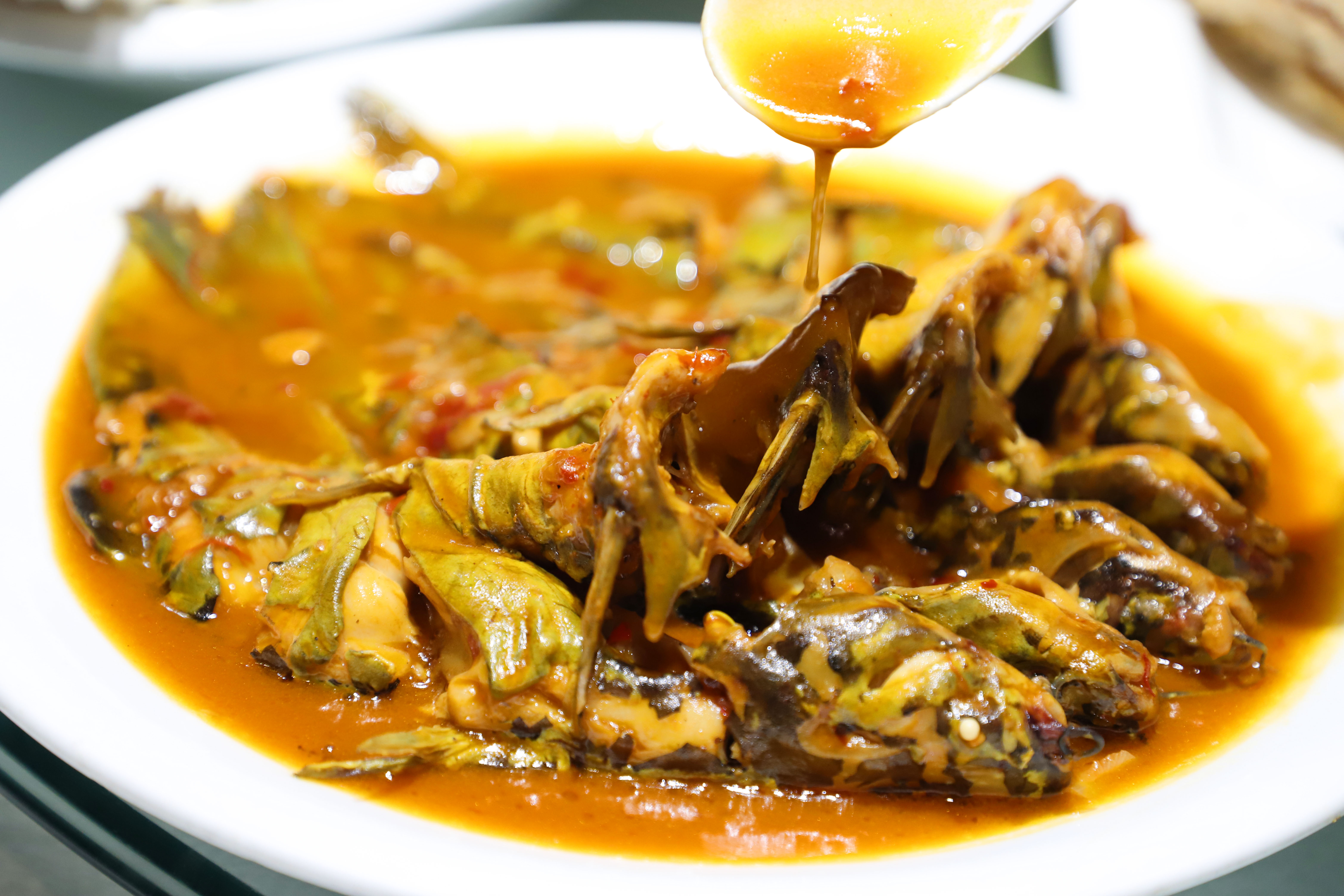
Fresh lake fish from Jingpo Lake prepared in various styles: steamed, braised, soup, etc., incredibly delicious.
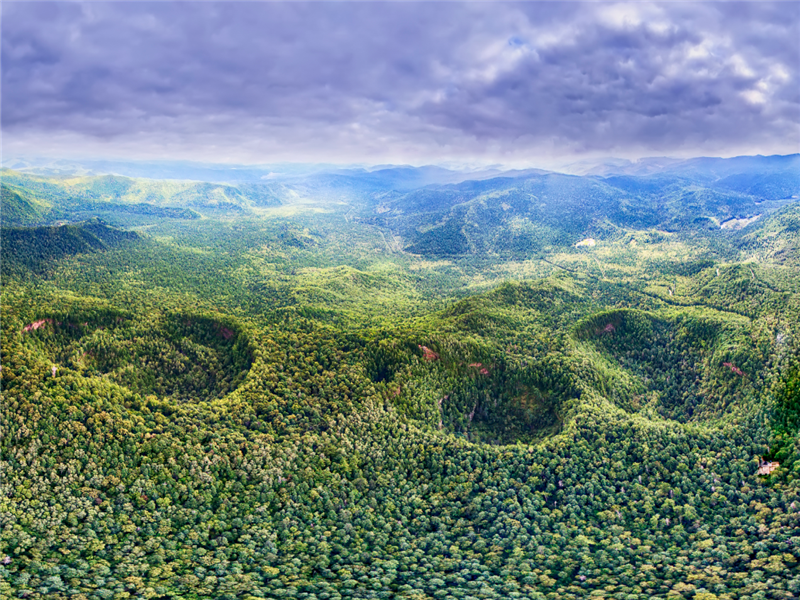
Located northwest of Jingpo Lake, featuring multiple volcanic craters and underground forests, lush vegetation, a natural oxygen bar.
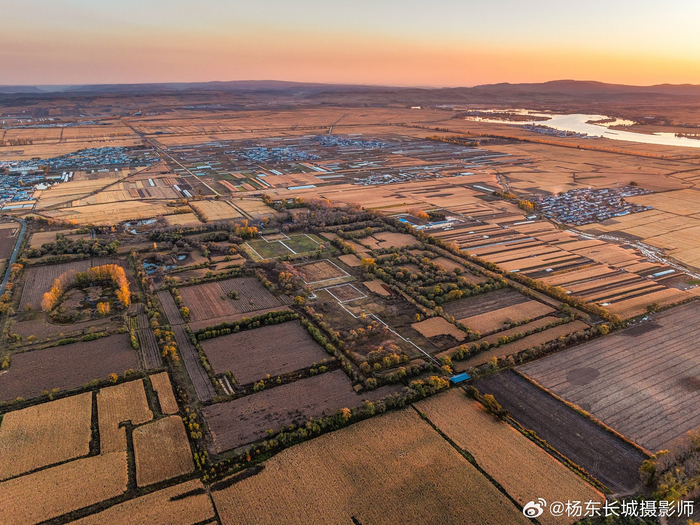
The capital site of the Balhae Kingdom from the Tang Dynasty, with preserved palace and city wall ruins, important for studying Balhae history.
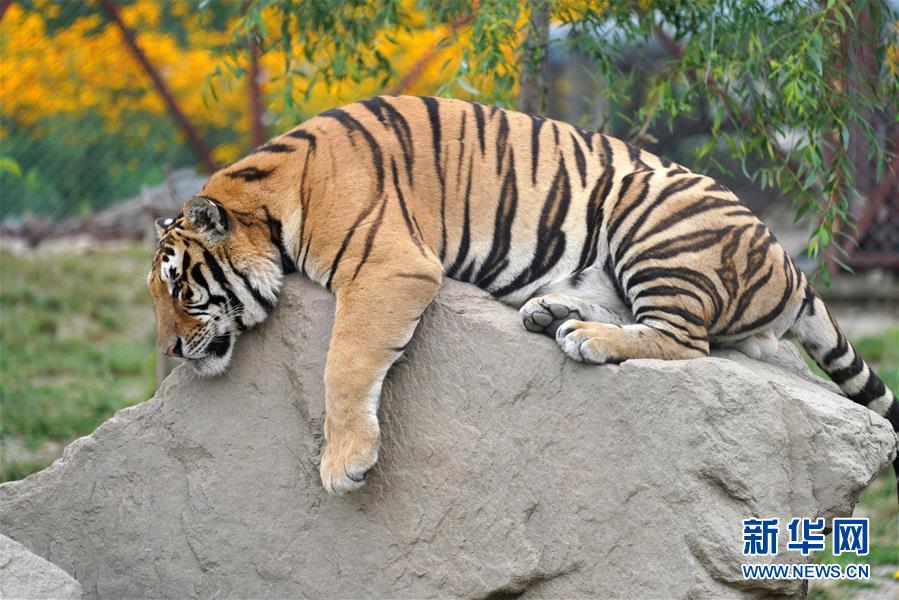
The world's largest Siberian tiger breeding center, offering close-up views of the tigers.
A specialty of Linkou County, goose braised with various seasonings, tender and flavorful.
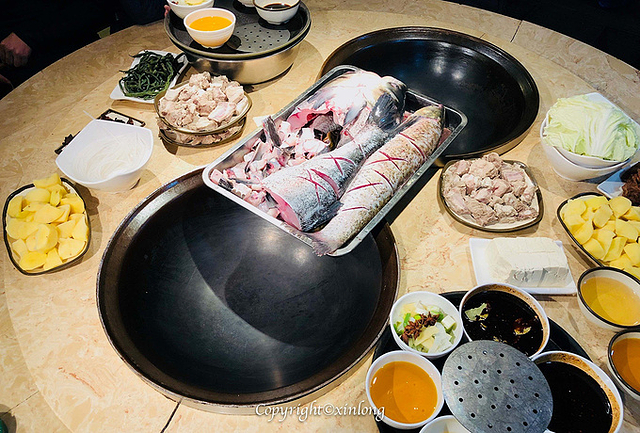
Large iron pot stew with ribs, chicken, or fish, plus potatoes, beans, and other veggies, with cornbread on the side, rustic flavor.
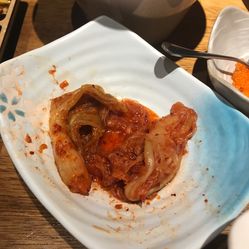
Traditional Korean fermented cabbage with chili paste, sour and spicy, a daily side dish.