
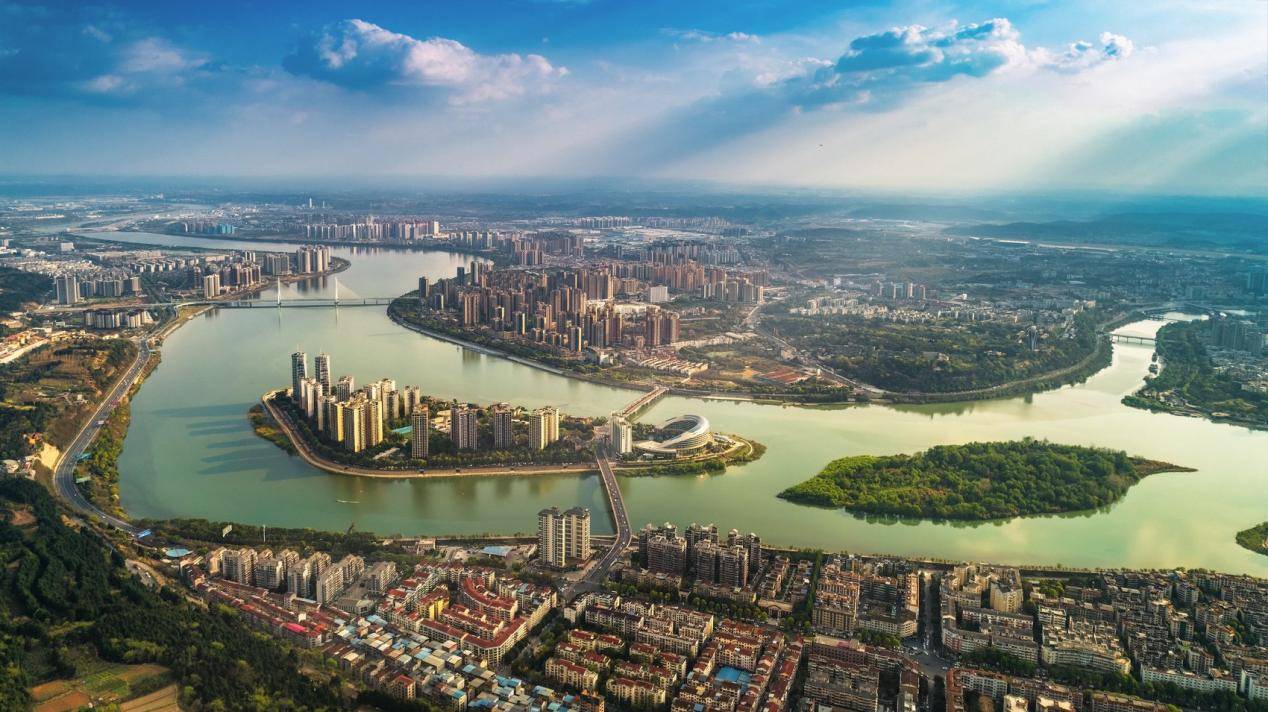
Mianyang is located in the northwestern part of the Sichuan Basin, in the middle and upper reaches of the Fujiang River. It has a subtropical humid monsoon climate with four distinct seasons and abundant rainfall.
Mianyang, historically known as Mianzhou, has a history of over 2,200 years and is the hometown of famous historical figures such as Li Bai and Ouyang Xiu.
Mianyang is an important birthplace of Qiang culture, featuring intangible cultural heritages like Qiang embroidery and Qiang flute. Its cuisine is represented by Mianyang rice noodles and Jiangyou braised intestines.
As China's only Science City, Mianyang leads in fields such as electronic information and nuclear industry, while also emphasizing ecological protection and possessing several nature reserves.
The best time to visit 绵阳 is Spring and Autumn (March-May, September-November).
Spring (March-May): Warm weather, flowers in bloom, ideal for flower viewing and outdoor activities.
Autumn (September-November): Clear and crisp, pleasant scenery, great for red leaves and hiking.
Summer is hot but rainy, winter is mild with little snow, still suitable for travel.
In the sixth year of Emperor Gaozu of Han (201 BC), Fu County was established, marking the beginning of Mianyang's administrative history.
The great Tang dynasty poet Li Bai was born in Changlong County, Mianzhou (present-day Jiangyou, Mianyang).
Mianyang was approved by the State Council to build a National Science and Technology City, becoming China's only one.
Recommended places to visit
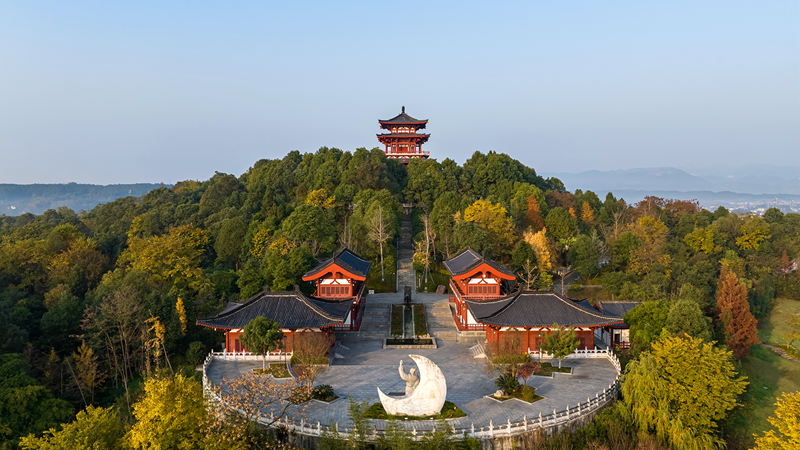
Located in Qinglian Town, Jiangyou City, it is where Li Bai spent his youth, featuring Taibai Stele Forest and Taibai Temple.
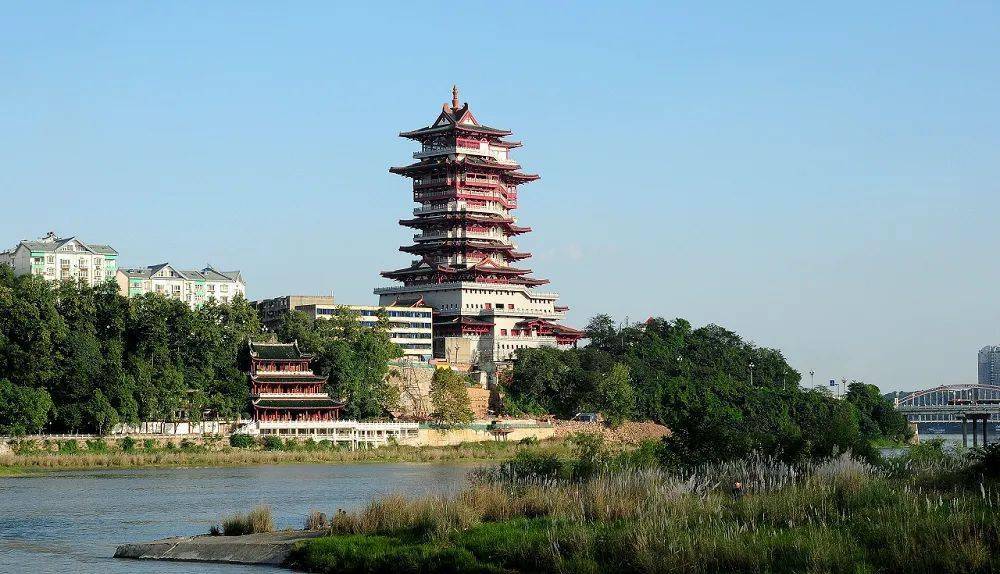
A Tang dynasty structure on Guishan Mountain, a landmark of Mianyang with panoramic views of Fujiang River.
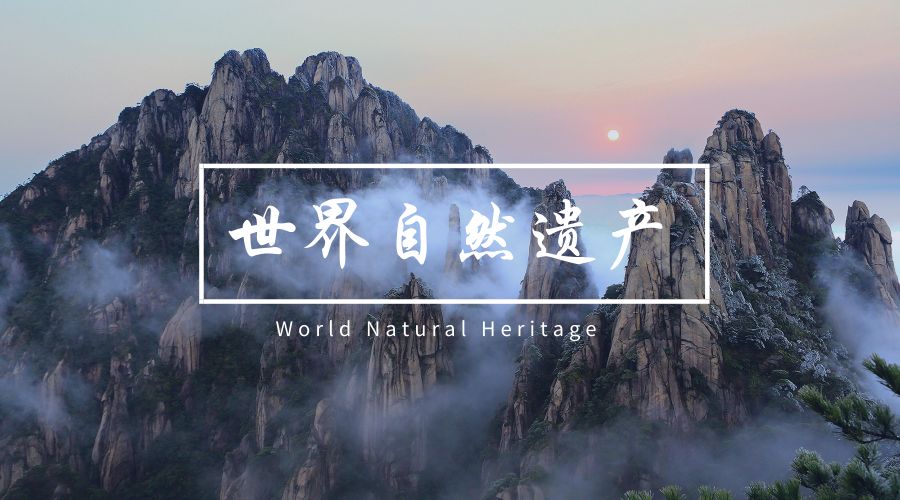
UNESCO World Heritage Sites
Explore rich intangible cultural heritage and traditional crafts
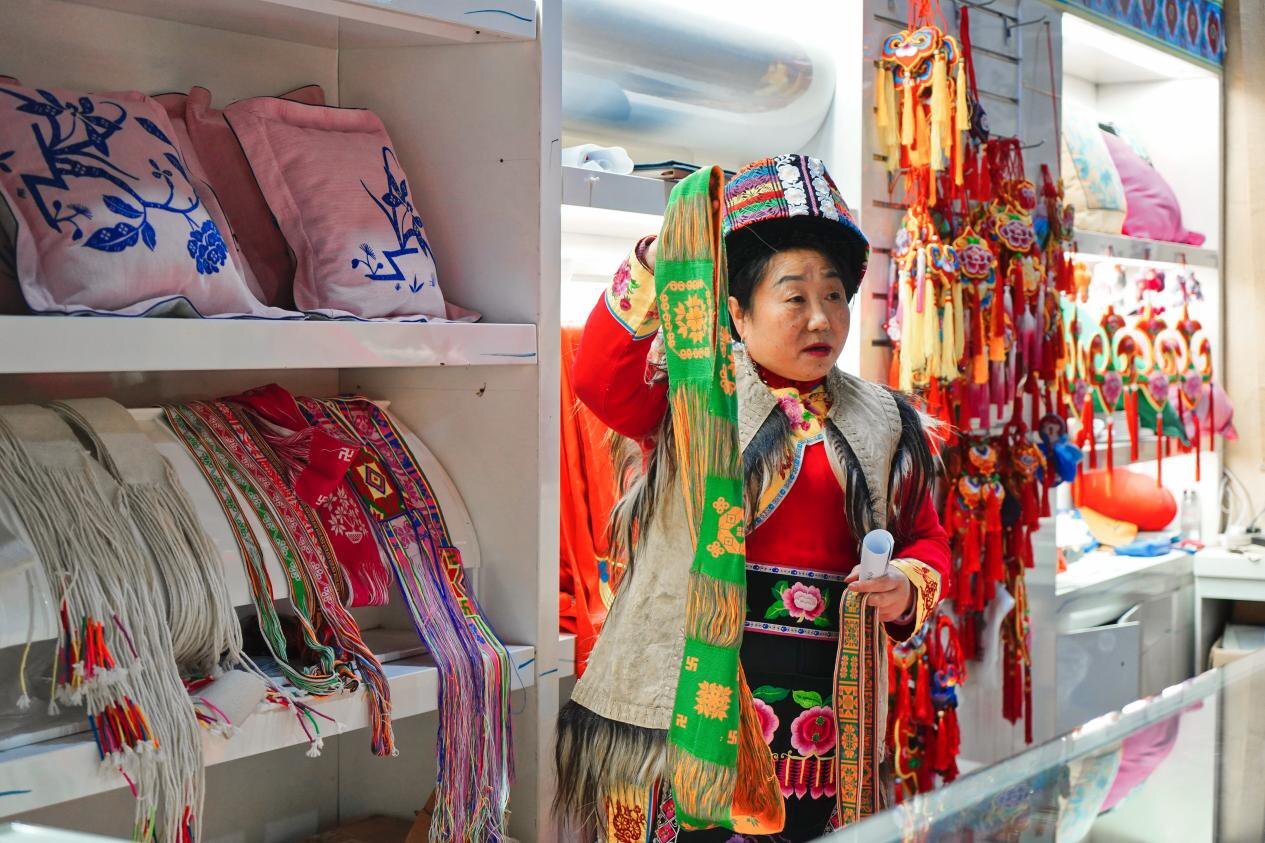
Traditional embroidery of the Qiang ethnic group, with exquisite patterns and bright colors.
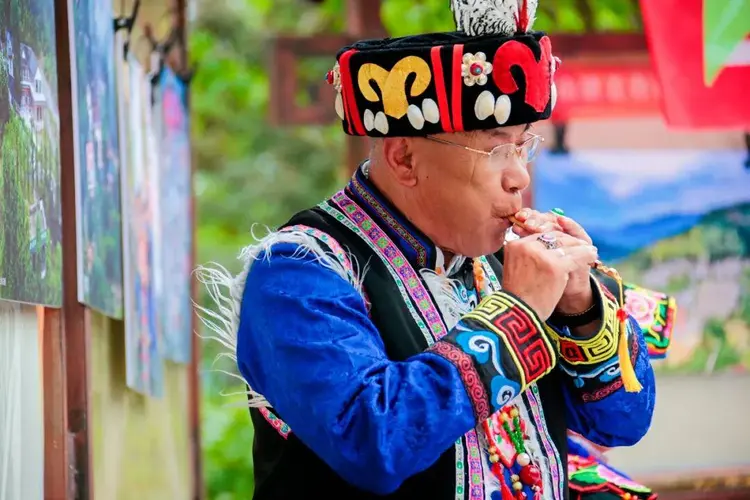
An ancient Qiang musical instrument, double-pipe and double-reed, with melodious tones.
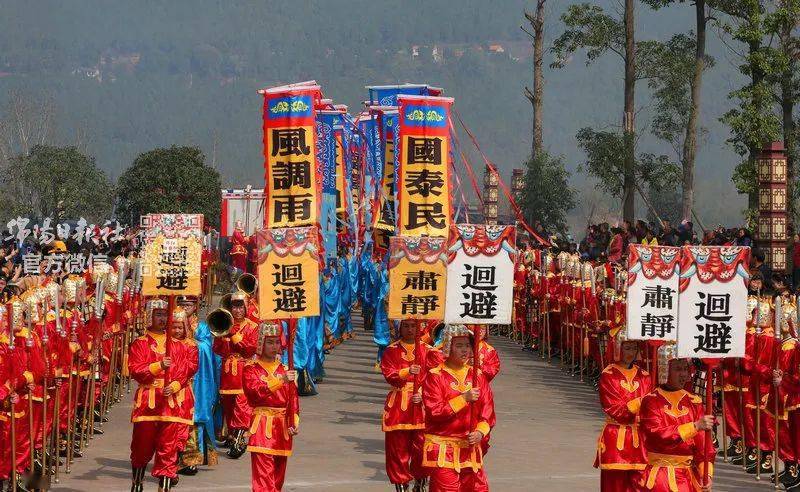
Traditional folk activity in Zitong County to commemorate the Wenchang Emperor.
Must-know transportation for exploring the city
About 10 km from city center, with flights to major cities like Beijing, Shanghai, Guangzhou.
Economy 300-1000 RMB
Located in city center, on Xi'an-Chengdu high-speed line, about 45 minutes to Chengdu.
Second class 45 RMB to Chengdu
Cover major attractions and urban areas, fare 1-2 RMB, some routes support mobile payment.
1-2 RMB
Taste the most authentic and popular local specialties
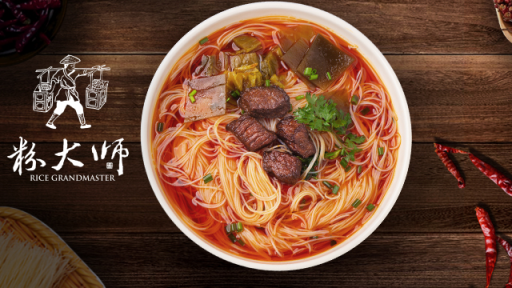
Thin and smooth rice noodles served with beef or pork intestines in a savory broth.
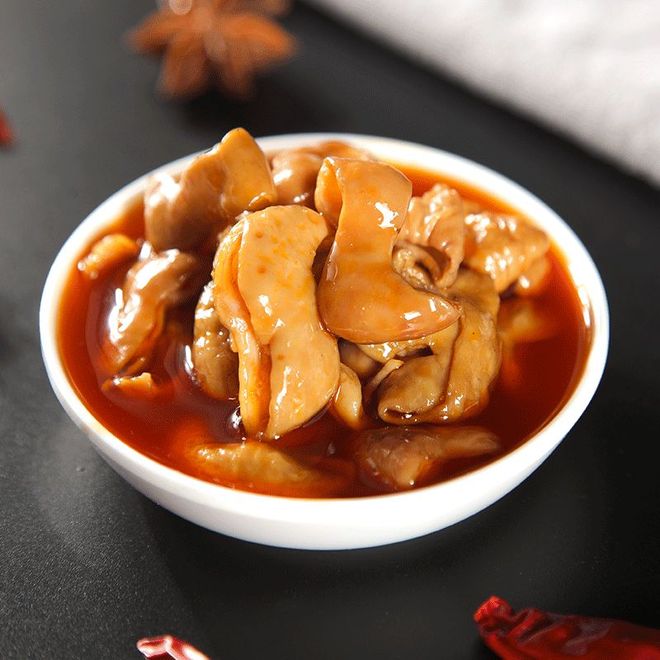
Braised pork intestines, bright red color, soft and flavorful, a specialty of Jiangyou.
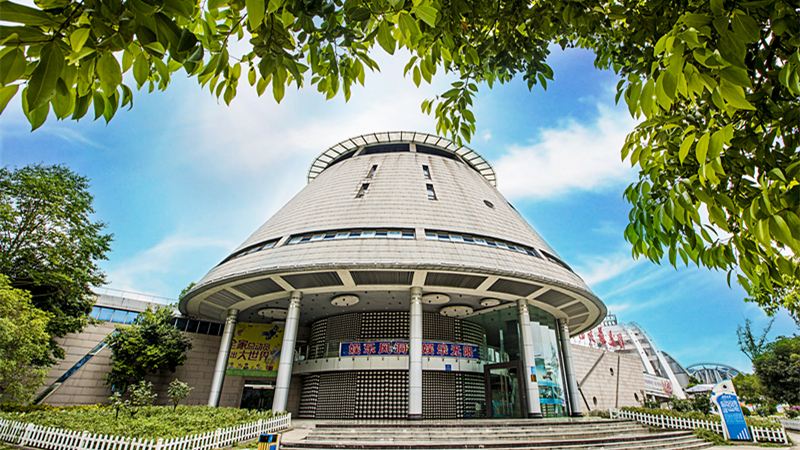
Located in Fucheng District, showcasing achievements in nuclear technology and aerospace, with interactive exhibits.
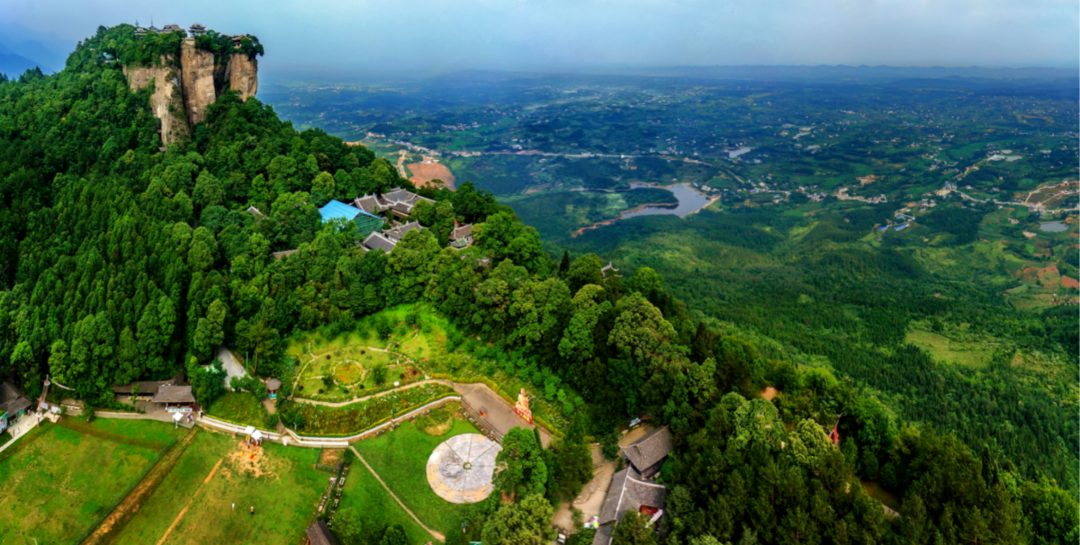
Located in Jiangyou City, known for its peculiar peaks and cable crossing, a famous Taoist mountain.
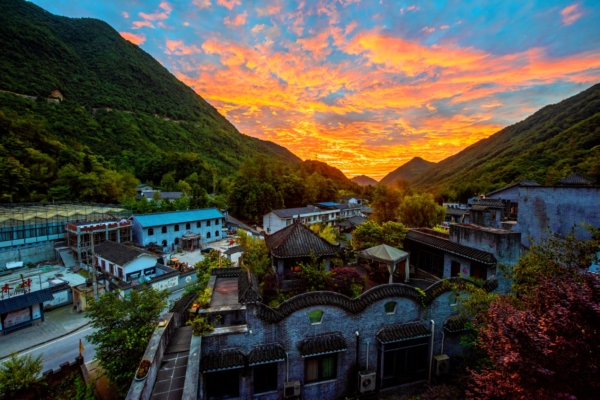
Includes the Beichuan earthquake ruins and new county town, showcasing Qiang culture and earthquake resilience.
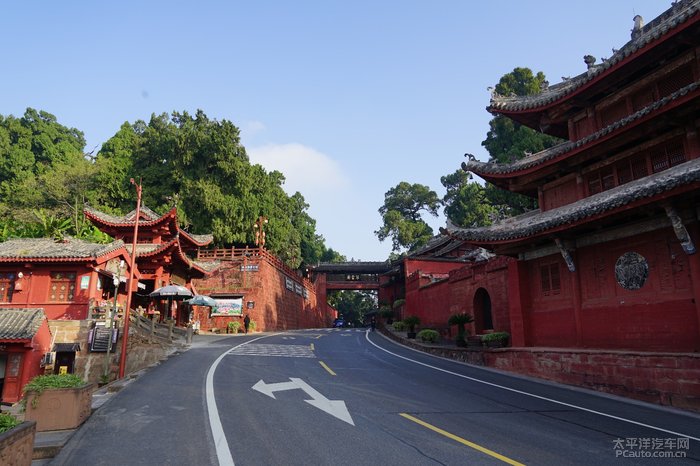
Located in Zitong County, the ancestral temple of Wenchang Emperor, surrounded by ancient cypress trees.
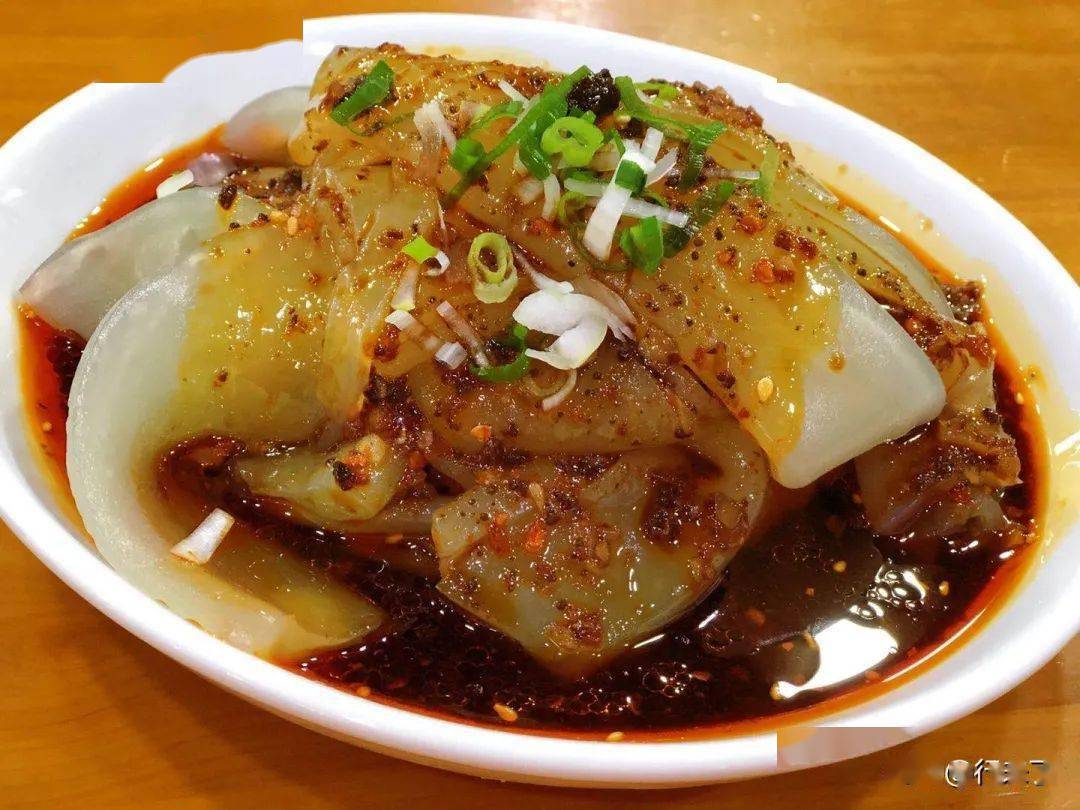
Made from mung bean starch, thin as paper, served cold with a sour and spicy dressing.
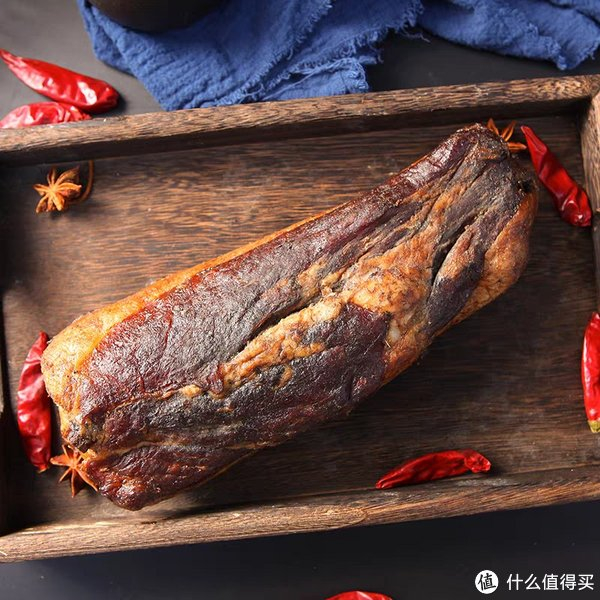
Traditionally cured and smoked pork by the Qiang people, golden color and rich aroma.
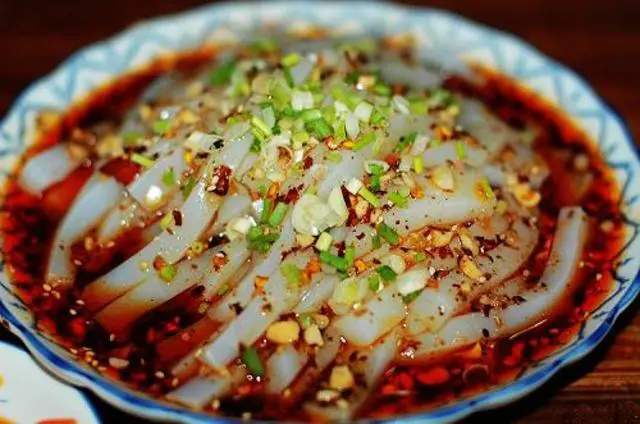
A time-honored Mianyang snack made from pea starch, smooth texture with unique seasoning.