
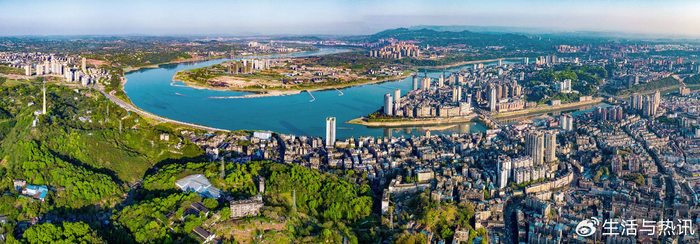
Luzhou is located in southeastern Sichuan Province, at the confluence of the Yangtze and Tuo Rivers. It has a subtropical humid climate with four distinct seasons and abundant rainfall, with an average annual temperature of about 18°C. Its unique geographical position makes it an important water and land transportation hub in southern Sichuan.
Luzhou has a long history dating back over 2,000 years since the establishment of a prefecture in the Western Han Dynasty. During the Song Dynasty, it became a major commercial center in the southwest, and in the Ming and Qing dynasties, it was a key route for transporting Sichuan salt to Guizhou. In modern times, Luzhou was an important node during the Red Army's Long March, leaving behind a rich red culture.
Luzhou is famous for its liquor culture, being the birthplace of strong-aroma baijiu, with well-known brands like Luzhou Laojiao. Local cuisine features spicy and numbing flavors, such as Luzhou White Cake and Gulin Spicy Chicken. Additionally, Luzhou preserves rich intangible cultural heritage, including Yutan Colorful Dragon and Luzhou River Sichuan Opera.
Today, Luzhou is a key city in the Chengdu-Chongqing Economic Circle, experiencing rapid development. It has a national-level economic and technological development zone, focusing on industries such as liquor, chemicals, and machinery. At the same time, Luzhou is actively building itself into a regional central city, enhancing its urban quality and tourism appeal.
The best time to visit 泸州 is Best in Spring and Autumn.
Spring (March to May) offers mild weather and blooming flowers, ideal for outdoor activities and flower viewing.
Autumn (September to November) has clear skies and crisp air, perfect for enjoying fine liquor and local cuisine.
Summer is hot and rainy, while winter is damp and cold, each with its own charm—such as Yangtze River night cruises in summer and hot pot in winter.
During the reign of Emperor Wu of the Western Han, the Qianwei Prefecture was established, bringing the Luzhou area under central administrative control.
During the Long March, the Central Red Army conducted the famous Four Crossings of the Chishui River in Gulin County, Luzhou, breaking the encirclement and pursuit of the Nationalist forces.
Luzhou Laojiao Co., Ltd. was listed on the Shenzhen Stock Exchange, becoming a major enterprise in China's baijiu industry.
Recommended places to visit
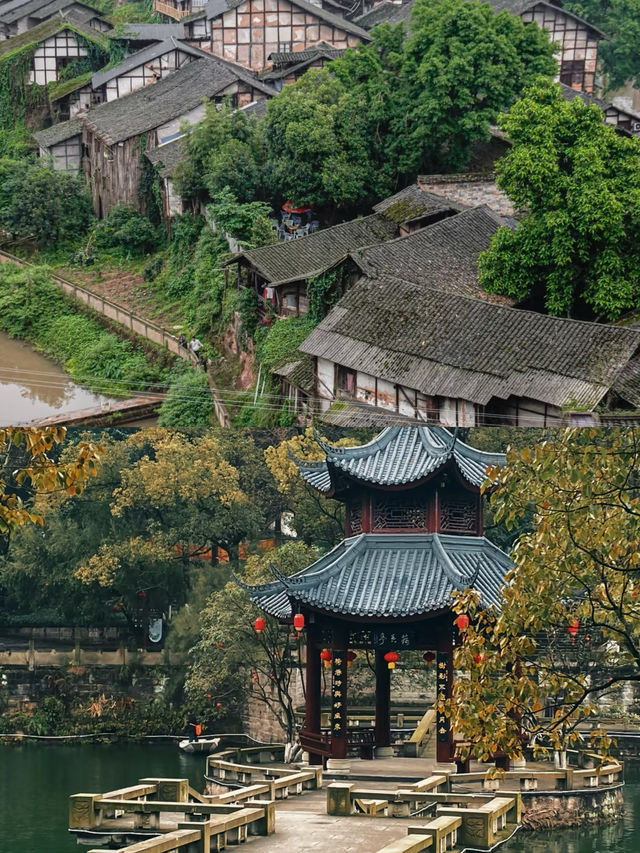
A national 4A scenic area showcasing the history, craftsmanship, and cellar culture of Luzhou Laojiao, where visitors can taste original baijiu.
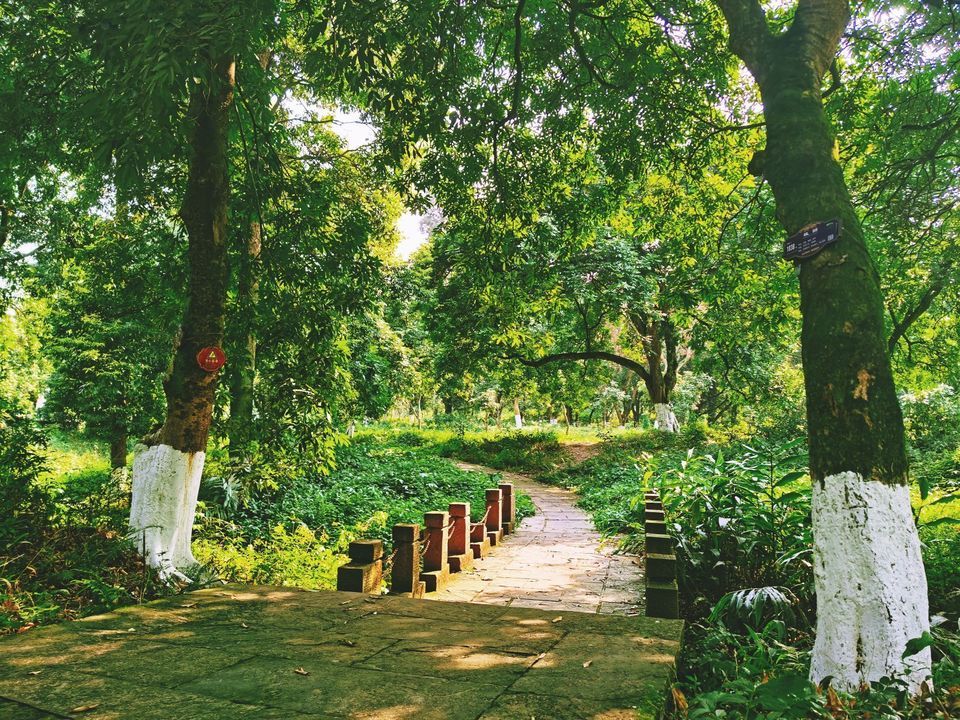
A national 4A scenic area with century-old longan trees, serving as an important ecological barrier and leisure destination along the upper Yangtze River.
Explore rich intangible cultural heritage and traditional crafts
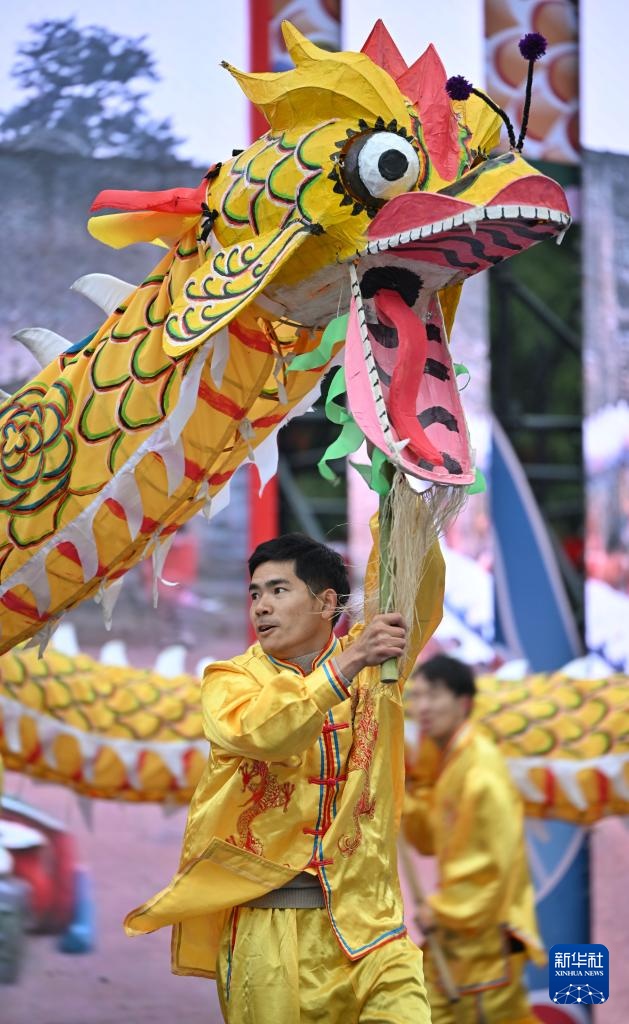
A traditional dance in Lu County, Luzhou, featuring a painted dragon with majestic movements, recognized as a national intangible cultural heritage.
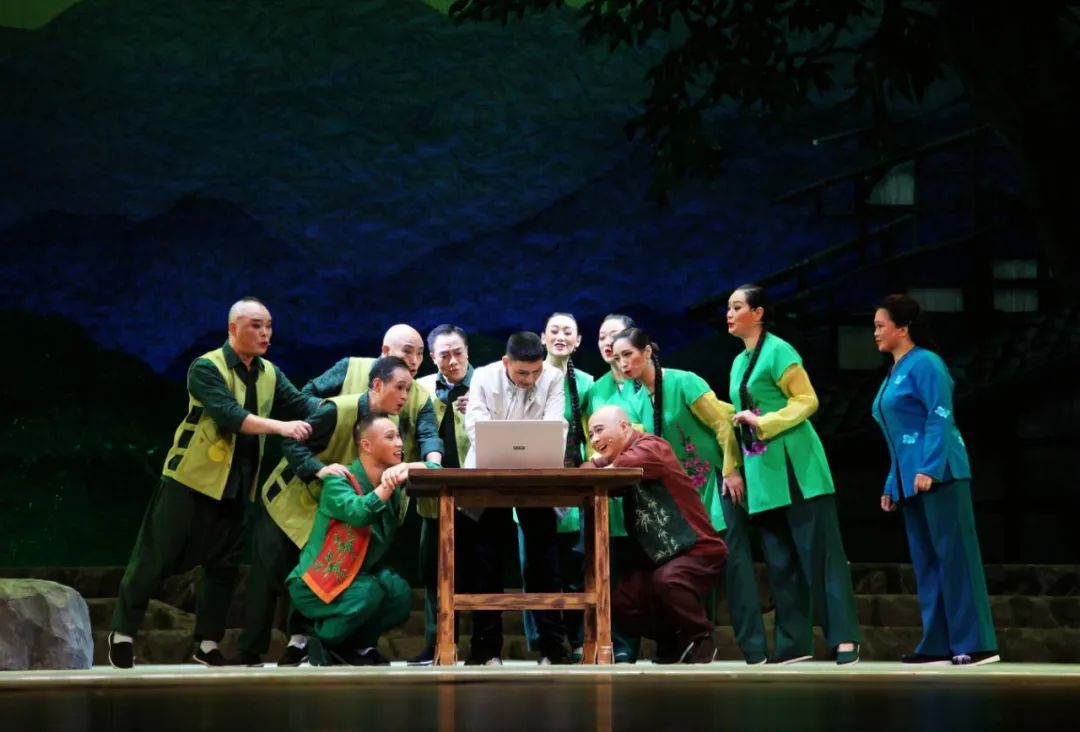
An important school of Sichuan Opera, known for its high-pitched singing and face-changing, listed as a national intangible cultural heritage.
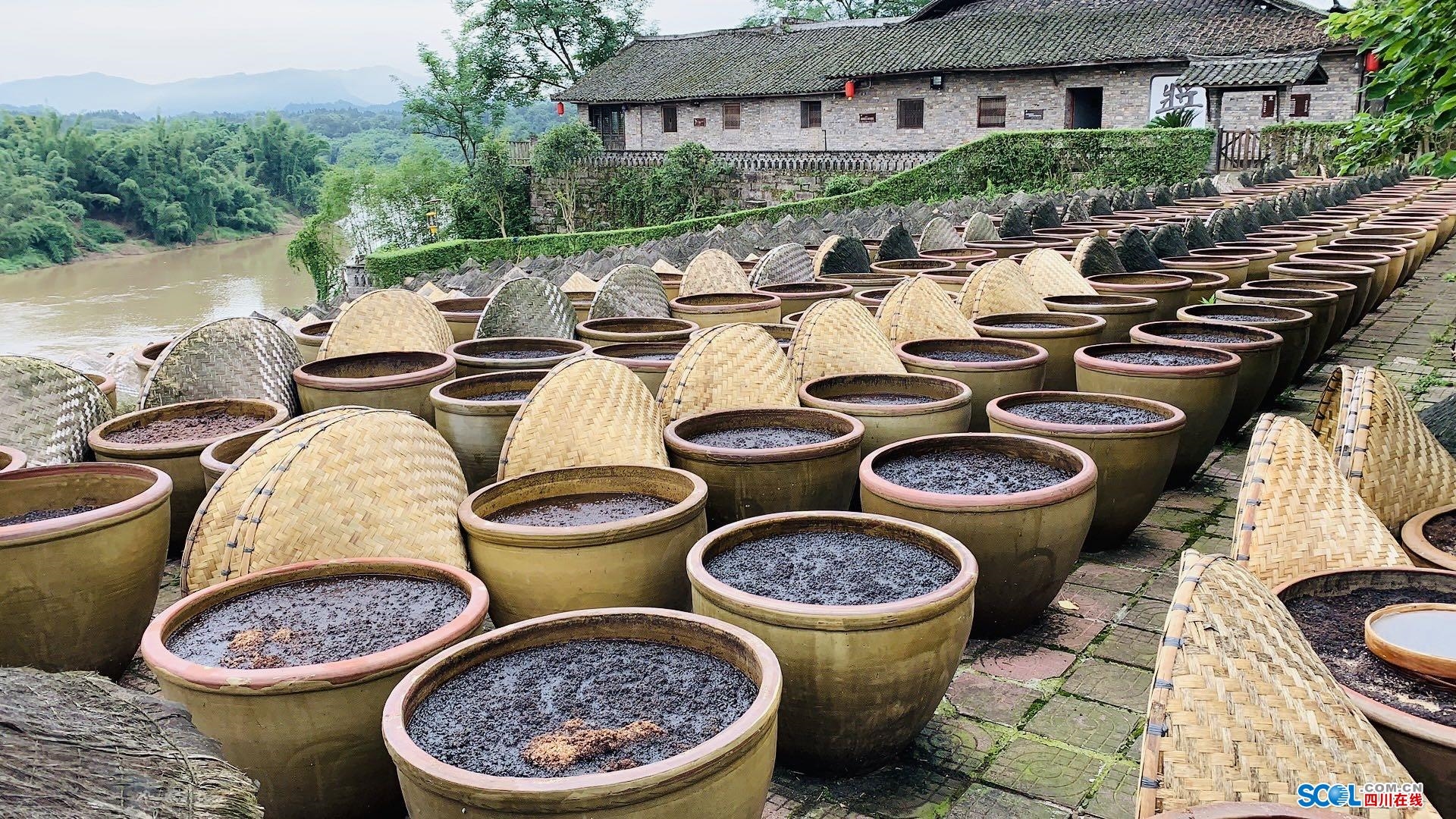
Traditional soy sauce brewing technique in Xianshi Town, Hejiang County, using natural sun exposure, selected as a national intangible cultural heritage.
Must-know transportation for exploring the city
About 15 km from the city center, with flights to major domestic cities such as Beijing, Shanghai, Guangzhou, and Shenzhen.
Varies by route
The Neijiang-Zigong-Luzhou section of the Mianyang-Luzhou high-speed railway is operational, connecting to cities like Chengdu and Chongqing.
Chengdu-Luzhou approx. 110 RMB
Luzhou's bus network covers the main urban area and major attractions, with fares of 1-2 RMB, supporting mobile payment.
1-2 RMB
Taste the most authentic and popular local specialties

Made mainly from glutinous rice, soft and sweet, a traditional Luzhou snack.
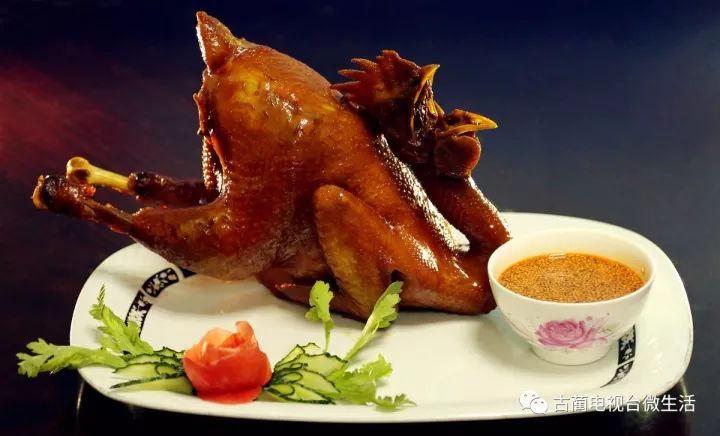
A specialty of Gulin County, tender chicken with strong spicy and numbing flavor, served with special dipping sauce.
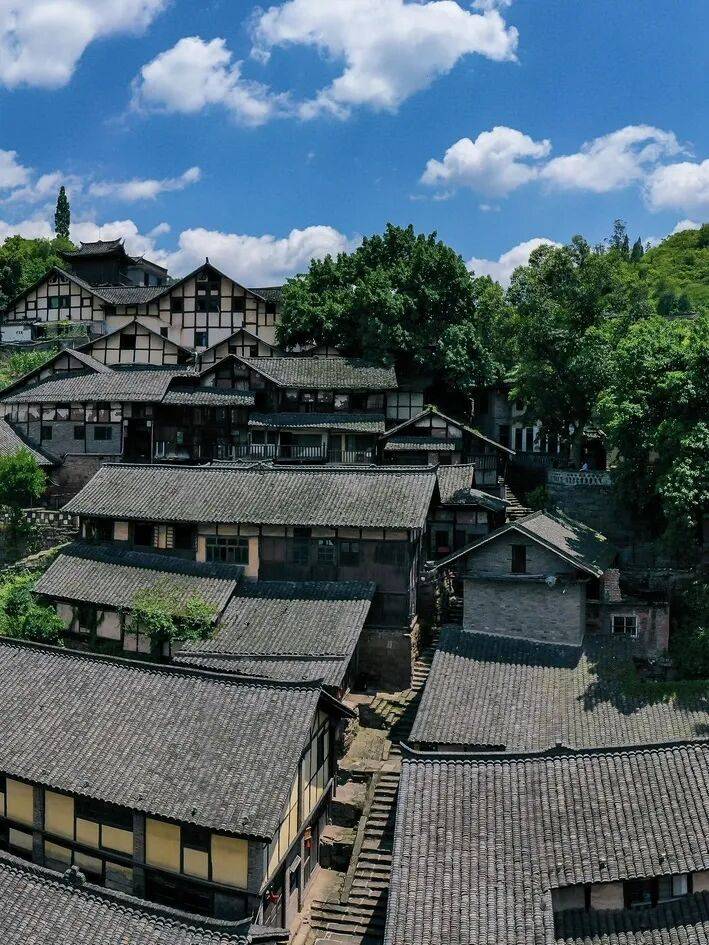
A national 4A scenic area, an important site of the Red Army's Four Crossings of the Chishui River, preserving Ming and Qing architecture and red cultural relics.
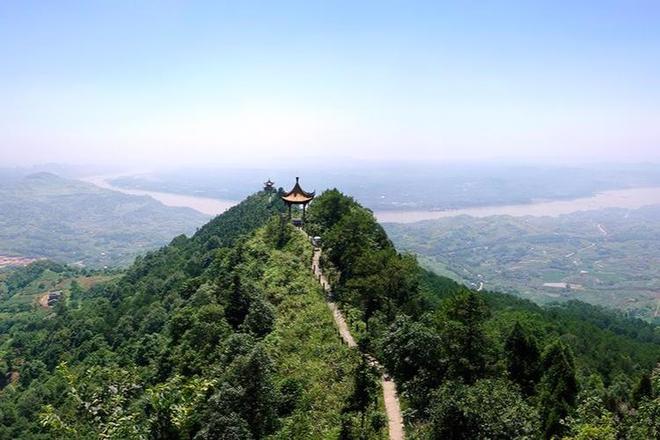
A national 3A scenic area featuring Danxia landforms and Buddhist culture, known as 'Little Mount Emei'.
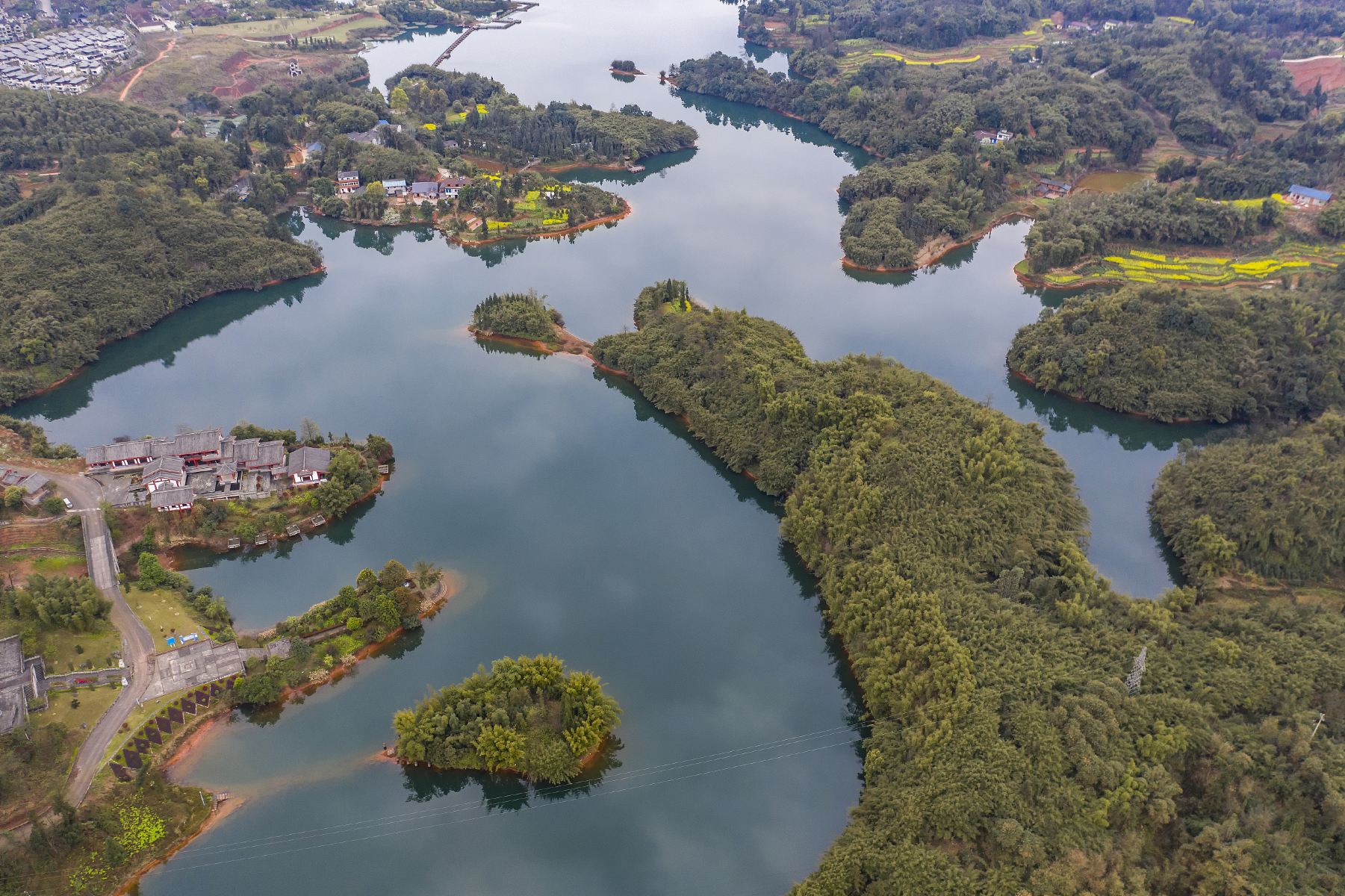
A national 4A scenic area with lake and mountain views, ideal for leisure vacations and water activities.
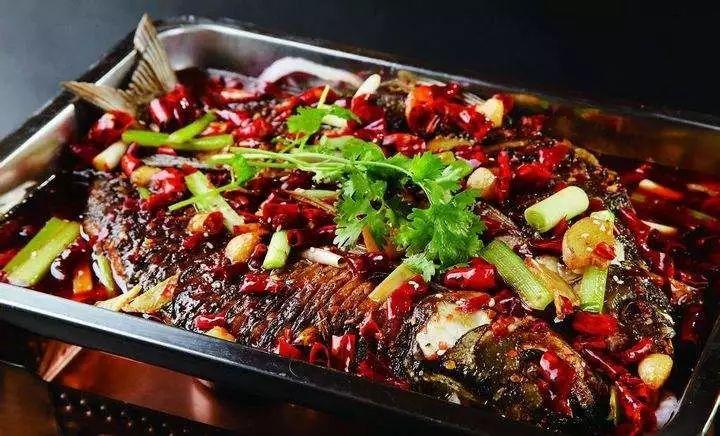
A specialty of Hejiang County, grilled with secret sauce, crispy outside and tender inside, spicy and aromatic.
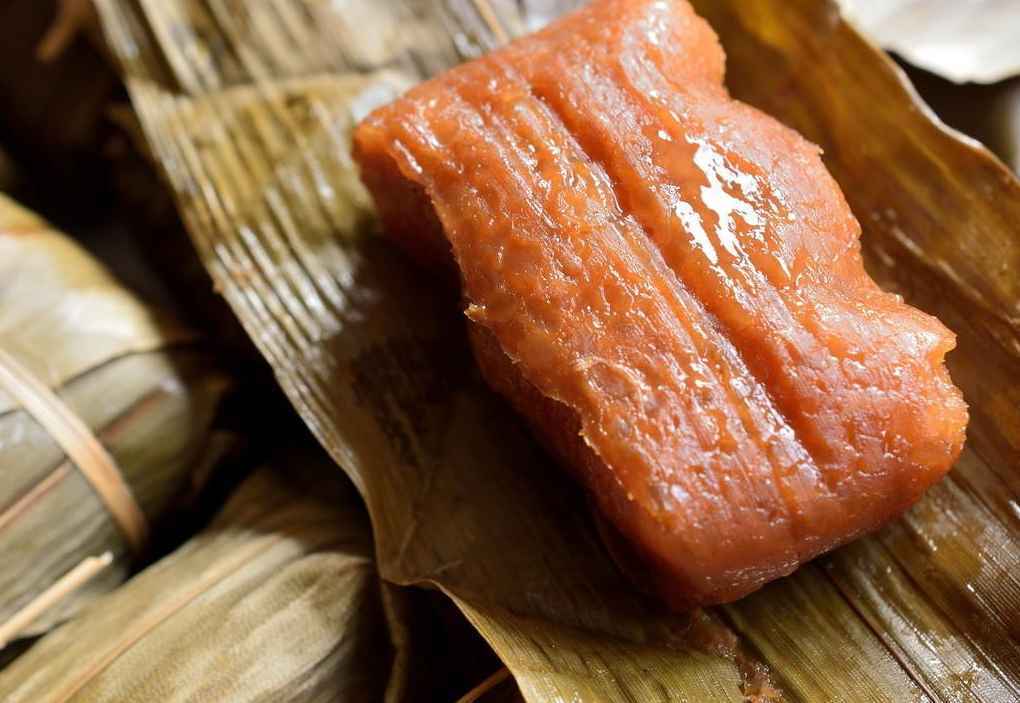
Steamed with glutinous rice and brown sugar, golden in color, soft and sweet.
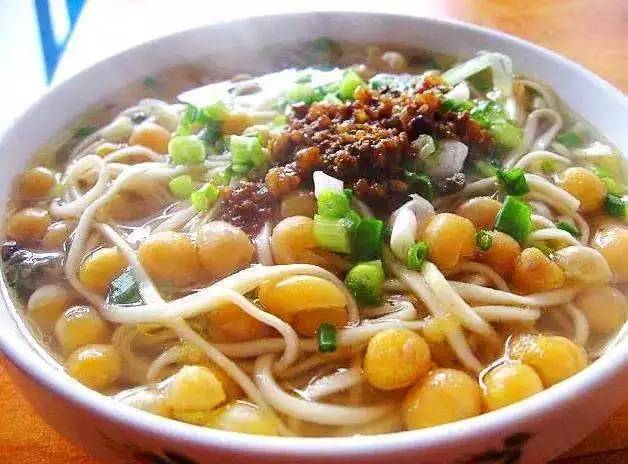
A specialty noodle dish of Xuyong County, with soup made from peas, chewy noodles, and delicious broth.