
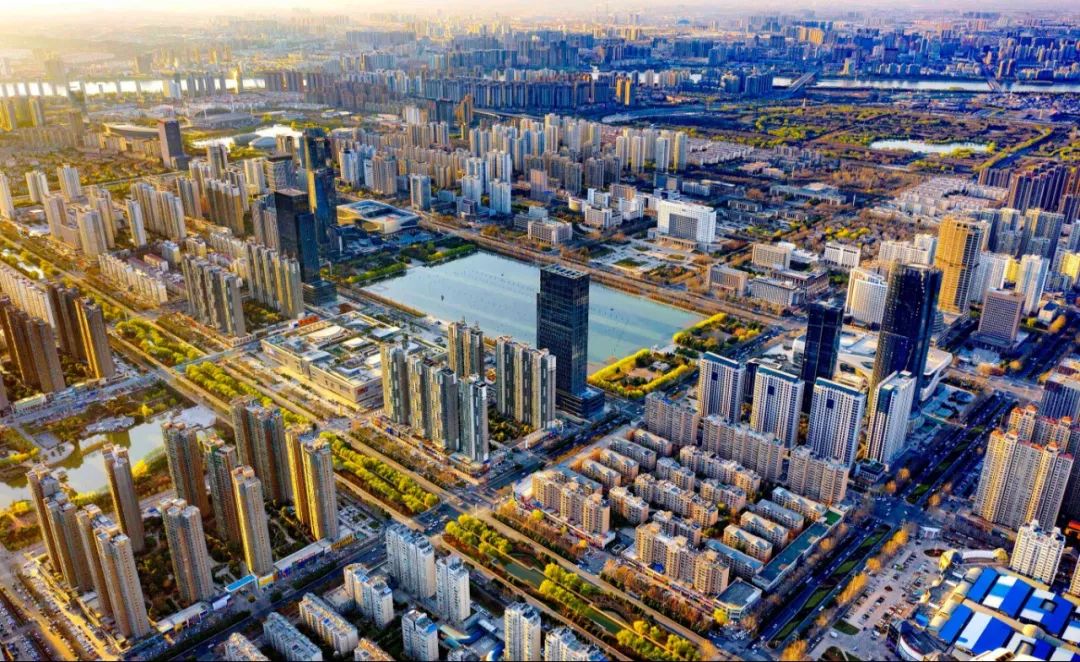
Luoyang is located in the western part of Henan Province, spanning the middle and lower reaches of the Yellow River. It is backed by Mangshan Mountain to the north and faces Longmen to the south, with a terrain that slopes from west to east. The city has a warm temperate continental monsoon climate with four distinct seasons: windy springs, hot and rainy summers, cool autumns, and cold, dry winters. The annual average temperature is about 14°C, and the annual average precipitation is around 600 mm.
Luoyang is an important birthplace of Chinese civilization. Historically, 13 dynasties established their capitals here, making it the city with the earliest, longest, and most dynastic capitals in China. Starting from the Xia Dynasty, through the Shang, Western Zhou, Eastern Zhou, Eastern Han, Cao Wei, Western Jin, Northern Wei, Sui, Tang, and others, Luoyang boasts a civilization history of over 5,000 years, a city history of over 4,000 years, and a capital history of over 1,500 years.
Luoyang has profound cultural heritage and is the core area of Heluo culture. Famous historical sites include the Longmen Grottoes, White Horse Temple, and Guanlin. Luoyang peonies are renowned worldwide, and the Peony Festival in April attracts a large number of tourists. Local specialties include Luoyang Water Banquet, beef soup, Bufan soup, Jiang noodles, and Peony Silver Silk Pastry, all with unique flavors that leave a lasting impression.
Today, Luoyang is a sub-central city in the Central Plains urban agglomeration, with booming industries such as equipment manufacturing, new materials, and electronic information. The city has convenient transportation, with high-speed rail connecting to major cities nationwide and Luoyang Airport operating multiple routes. The city also emphasizes ecological construction, with beautiful scenery along the Luo and Yi rivers and a high urban green coverage rate, making it a pleasant place to live and visit.
The best time to visit 洛阳 is Spring (April) and Autumn (September-October).
Spring (April): Luoyang peonies are in full bloom. The Peony Festival (April 1 to May 10) is the best time to enjoy peonies, with mild weather and a sea of flowers.
Autumn (September-October): The weather is clear and cool, ideal for visiting outdoor attractions like Longmen Grottoes and White Horse Temple, avoiding summer crowds.
Summer (June-August): Hot and rainy, but you can enjoy night cruises on the Luo River. Winter (December-February) is cold and dry with fewer tourists, suitable for those who prefer a quiet trip.
The Xia Dynasty was established in the Luoyang area. The Erlitou site is considered the capital of the middle and late Xia Dynasty, marking the formation of early Chinese state.
White Horse Temple was the first Buddhist temple built after Buddhism was introduced to China, known as the 'cradle of Chinese Buddhism'.
Emperor Xiaowen of Northern Wei moved the capital from Pingcheng (now Datong) to Luoyang, implemented sinicization reforms, and began carving the Longmen Grottoes.
Recommended places to visit
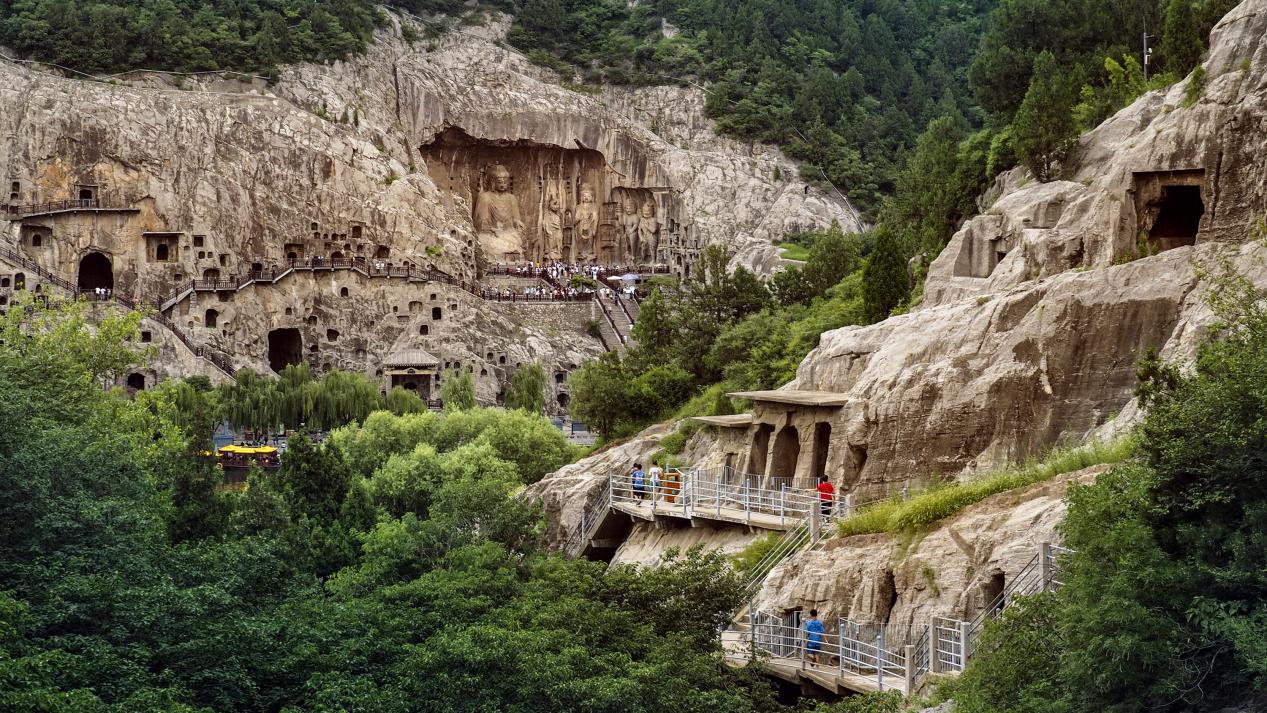
A UNESCO World Heritage site and one of China's four great grottoes, with 2,345 niches and over 100,000 Buddha statues, the most famous being the Vairocana Buddha of the Tang Dynasty.
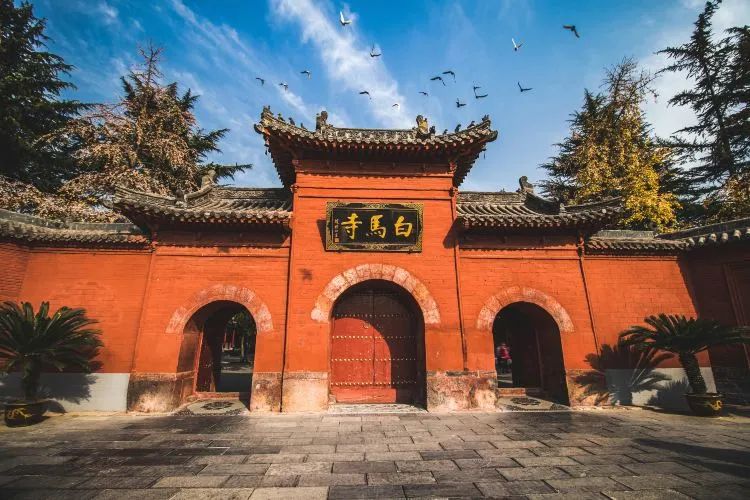
The first ancient temple in China, a famous Buddhist monastery, built as the first temple after Buddhism was introduced to China, known as the 'cradle of Chinese Buddhism'.
UNESCO World Heritage Sites
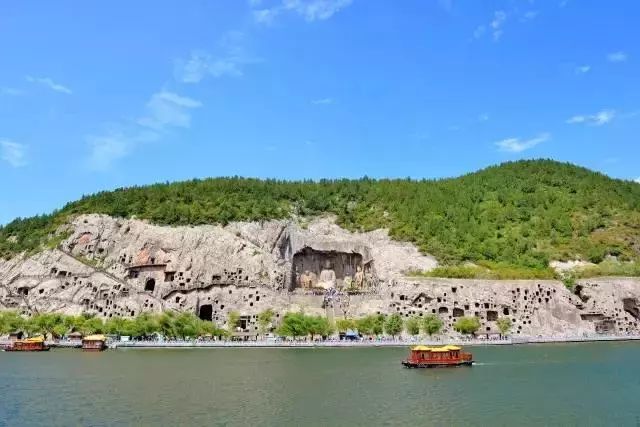
Longmen Grottoes is one of China's treasuries of stone carving art, with over 100,000 Buddha statues and 2,800 inscriptions, representing the highest achievement of Buddhist sculpture from the Northern Wei to Tang dynasties.
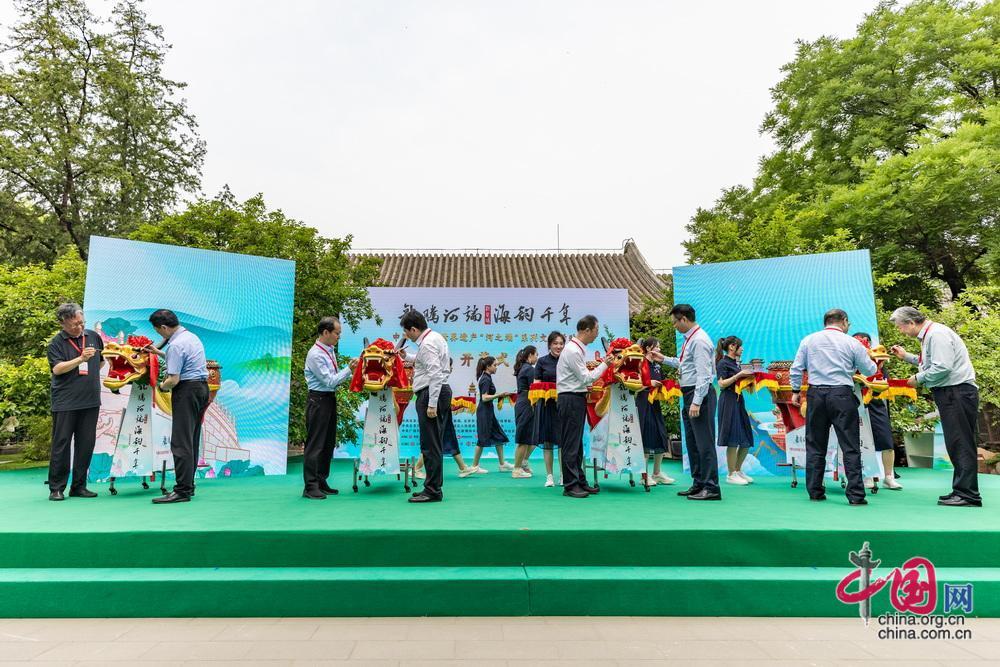
The Grand Canal is the longest ancient canal in the world. The Luoyang section includes the Hanjia Granary and Huiluo Granary sites, important nodes of the Sui-Tang Grand Canal.
Explore rich intangible cultural heritage and traditional crafts
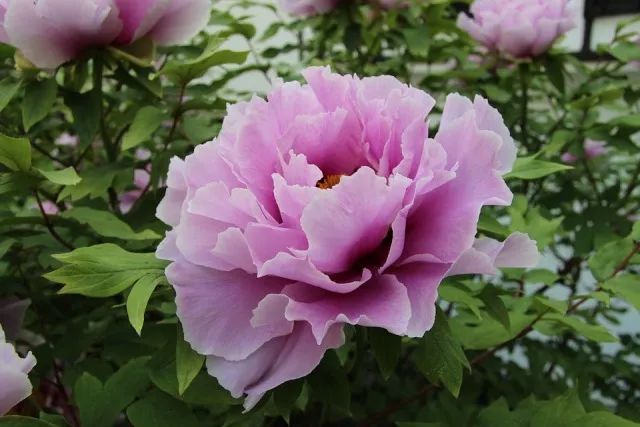
The Luoyang Peony Festival started in 1983, held annually from April 1 to May 10, featuring flower viewing, cultural activities, and economic exchanges. It is a national intangible cultural heritage.
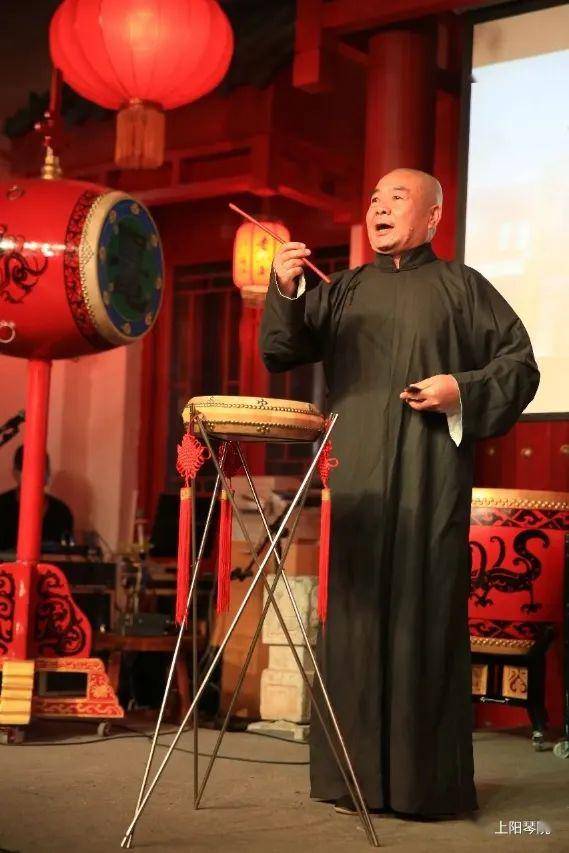
Heluo Drum Song is a traditional folk art form popular in the Luoyang area, accompanied by drum, clapper, and string instruments, combining speaking and singing with beautiful melodies and strong local characteristics.
Must-know transportation for exploring the city
Located in the northwest of the city, about 10 km from the city center. It operates domestic routes to major cities like Beijing, Shanghai, Guangzhou, Shenzhen, Chengdu, Chongqing, and international routes to Bangkok, Osaka, etc.
Varies by route
Located in the new district of Luoyang, an important station on the Xuzhou-Lanzhou high-speed railway (Zhengzhou-Xi'an section). Direct trains to Beijing (about 3.5h), Shanghai (about 4.5h), Xi'an (about 1.5h), Zhengzhou (about 40min), etc.
Second class about 100-300 RMB
Covers the urban area and surrounding attractions. Fare is 1-2 RMB, payable by bus card or mobile payment. Major routes include special lines to Longmen Grottoes and White Horse Temple.
Taste the most authentic and popular local specialties
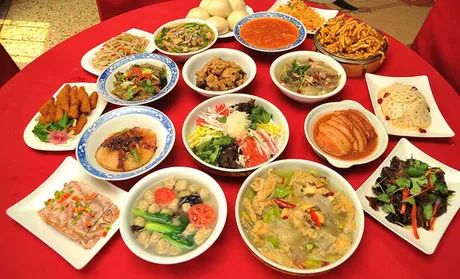
A traditional Luoyang feast of 24 dishes based on soup, combining meat and vegetables with diverse flavors, known for being 'sour, spicy, refreshing and smooth'.
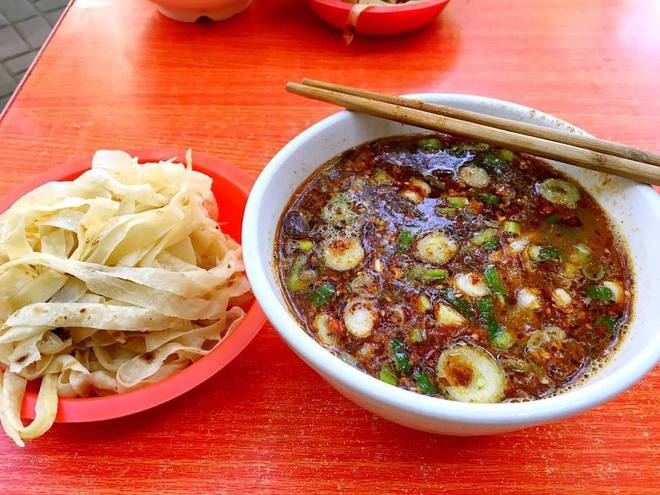
The first choice for breakfast in Luoyang, with fresh soup and tender beef, served with shredded pancake or baked flatbread, rich in flavor and nutrition.
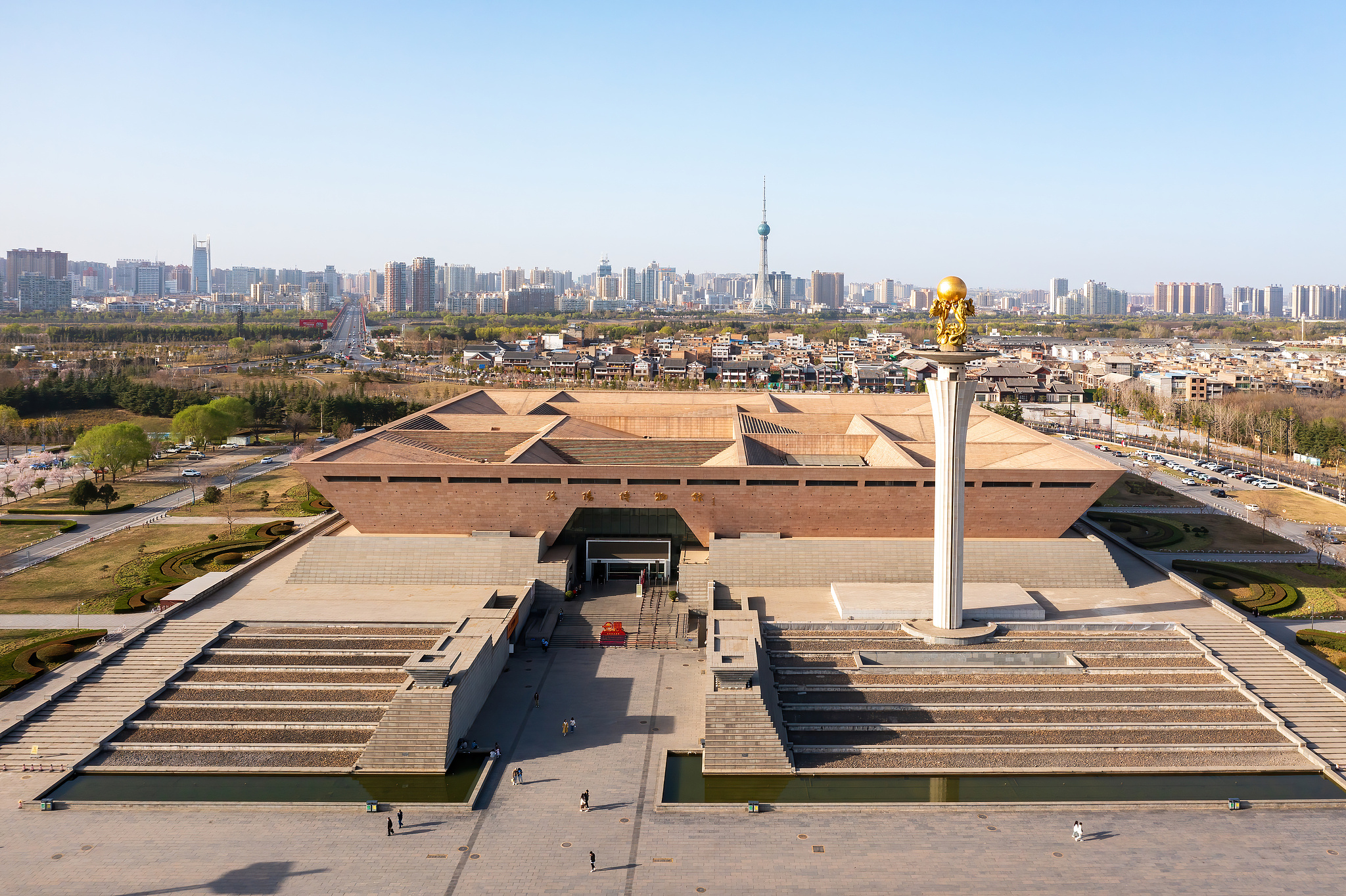
A national first-class museum with over 400,000 cultural relics, featuring bronzes from Xia, Shang, and Zhou dynasties, Tang tri-colored glazed pottery, and stone carvings.
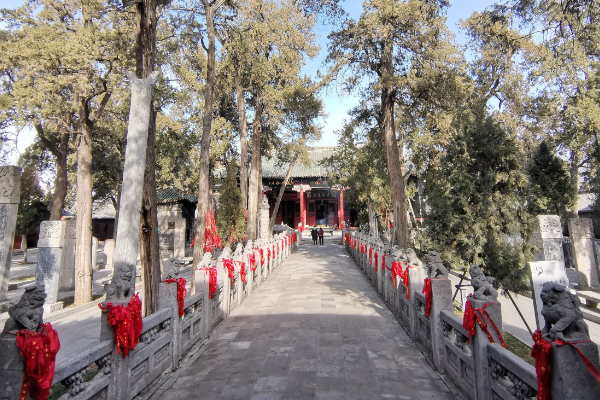
The burial site of Guan Yu's head, a famous general of the Three Kingdoms, and the only ancient architectural complex combining tomb, temple, and forest in China.
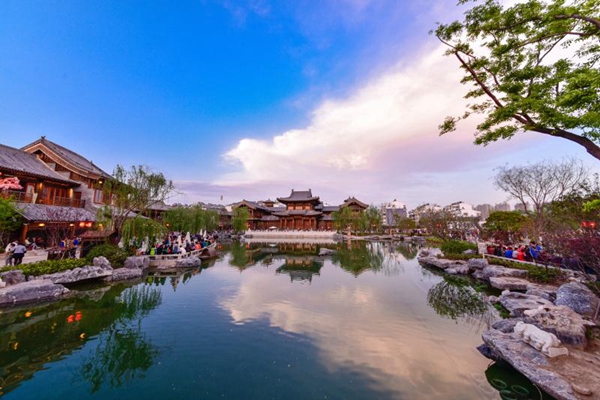
Rich in historical relics and traditional style, including Lijing Gate and Cross Street, a great place to experience Luoyang folk customs and food.
1-2 RMB
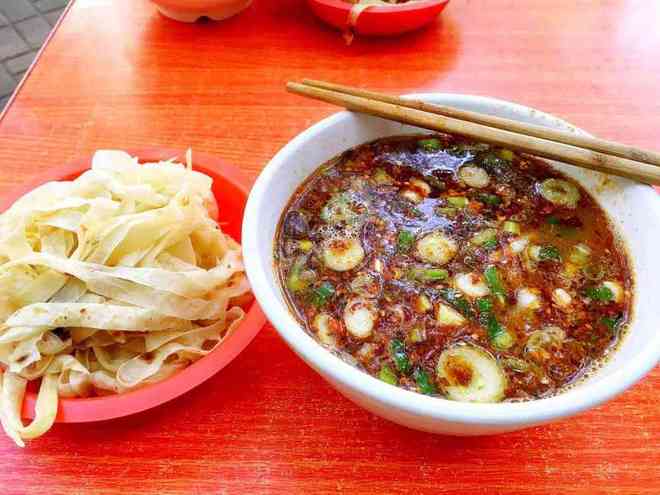
A traditional Luoyang snack made of mung bean sheet jelly and broth, with various seasonings, sour and spicy. It gets its name because the jelly doesn't need to be flipped during cooking.
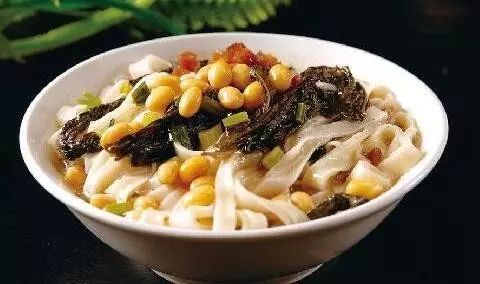
A Luoyang specialty noodle dish made by cooking noodles in fermented mung bean pulp, with a unique sour taste that stimulates appetite and aids digestion. A favorite home-style food.
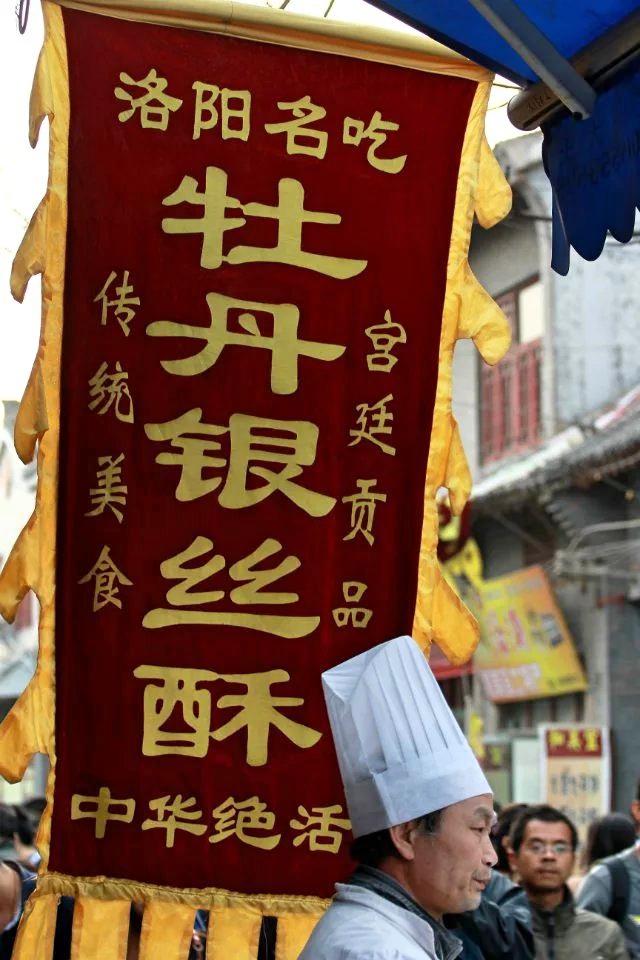
A Luoyang specialty pastry shaped like a peony, with a crispy crust and sweet soft filling that melts in the mouth. A great souvenir gift.