

Lu'an is located in western Anhui Province, at the northern foot of the Dabie Mountains, between the Yangtze and Huaihe Rivers. It has a subtropical monsoon climate with four distinct seasons and abundant rainfall.
Lu'an has a long history. In ancient times, it belonged to the Gaotao tribe. During the Spring and Autumn and Warring States periods, it was the land of the Six Kingdoms. In the Western Han Dynasty, Lu'an County was established. After the Sui and Tang dynasties, it served as the seat of prefectures and counties, making it an important birthplace of Gaotao culture.
Lu'an boasts diverse culture. It is the birthplace of Lu Opera and Dabie Mountain folk songs. The local cuisine is mainly Western Anhui style, with specialties such as Lu'an Guapian tea, Huoshan Dendrobium, and Jinzhai chestnuts.
Modern Lu'an leverages its ecological and red resources to develop a green economy, becoming an important ecological barrier and tourist destination in the Yangtze River Delta, while actively integrating into the Hefei metropolitan area.
The best time to visit 六安 is Best in spring and autumn with pleasant weather.
Spring (March-May): Moderate temperatures, blooming mountain flowers, ideal for hiking and sightseeing.
Summer (June-August): Hot and rainy, but mountainous areas are cool, suitable for escaping the heat.
Autumn (September-November): Clear and crisp weather, charming autumn colors, the golden season for tourism.
In the second year of Yuanshou of Emperor Wu of Han (121 BC), the state of Lu'an was established, meaning 'peace in the land of Liu', marking the beginning of the name Lu'an.
In 1947, Liu Bocheng and Deng Xiaoping led the main force of the Shanxi-Hebei-Shandong-Henan Field Army into the Dabie Mountains, making Lu'an an important strategic area.
One of the largest water conservancy projects after the founding of New China, the Pishihang Irrigation District started construction in Lu'an, benefiting Anhui and Henan provinces.
Recommended places to visit
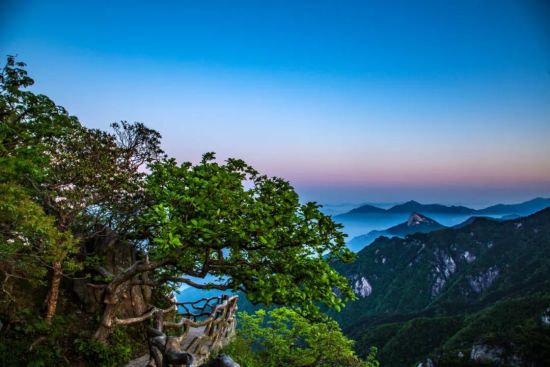
The second highest peak of the Dabie Mountains, a national 5A-level scenic area, known for primeval forests, waterfalls, and peculiar peaks and rocks.
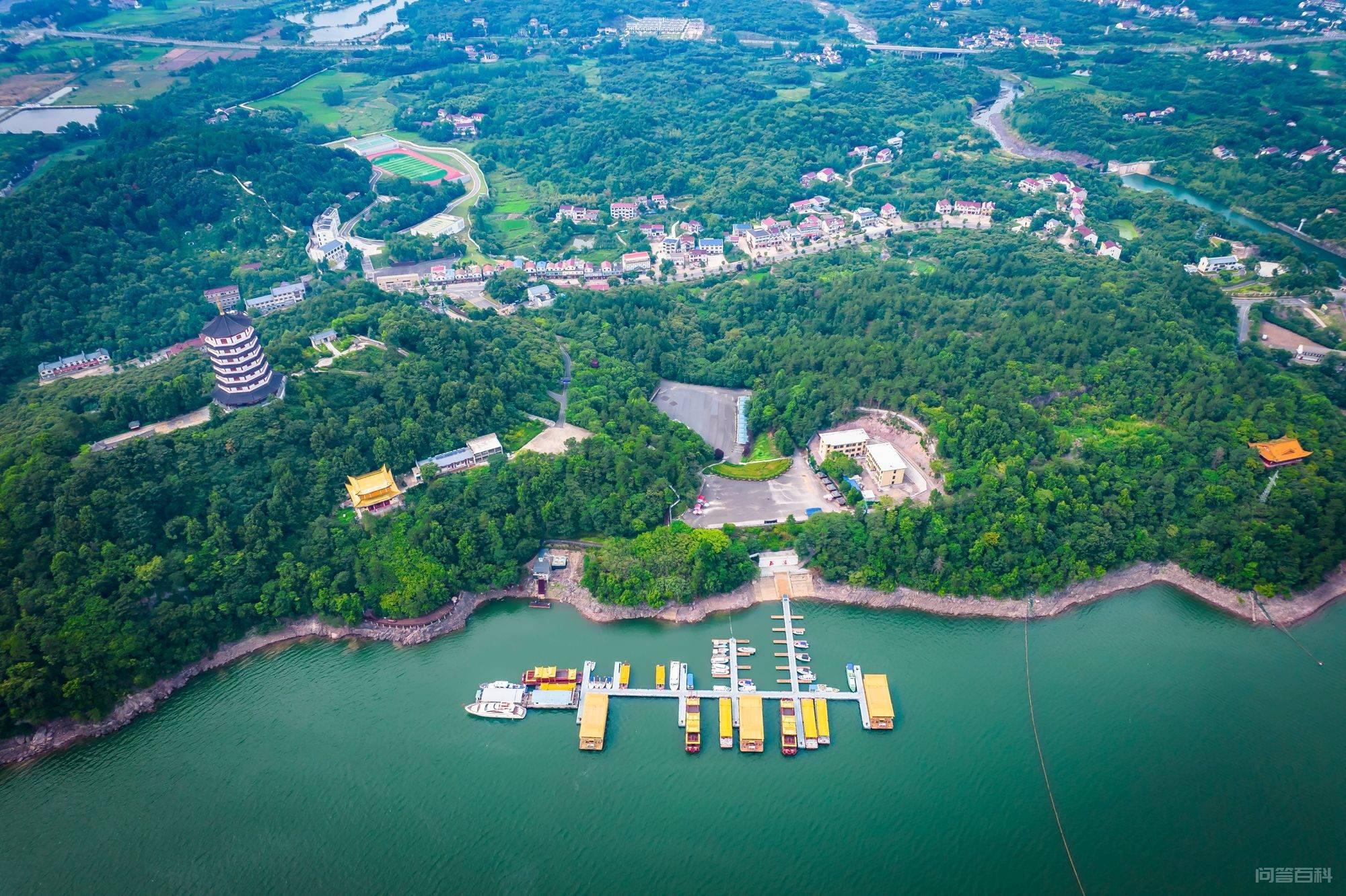
A national 5A-level scenic area with a wide lake and numerous islands, known as the 'Thousand Island Lake of Anhui'.
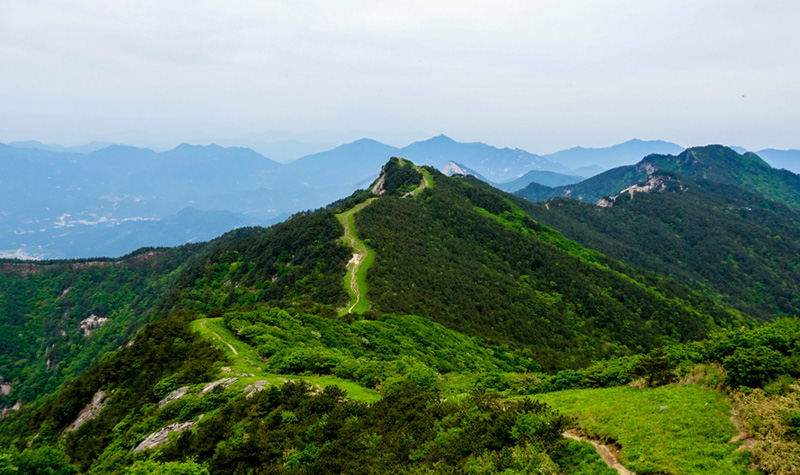
Explore rich intangible cultural heritage and traditional crafts

A traditional local opera of Anhui Province, popular in central and western Anhui, with beautiful melodies and simple performances.
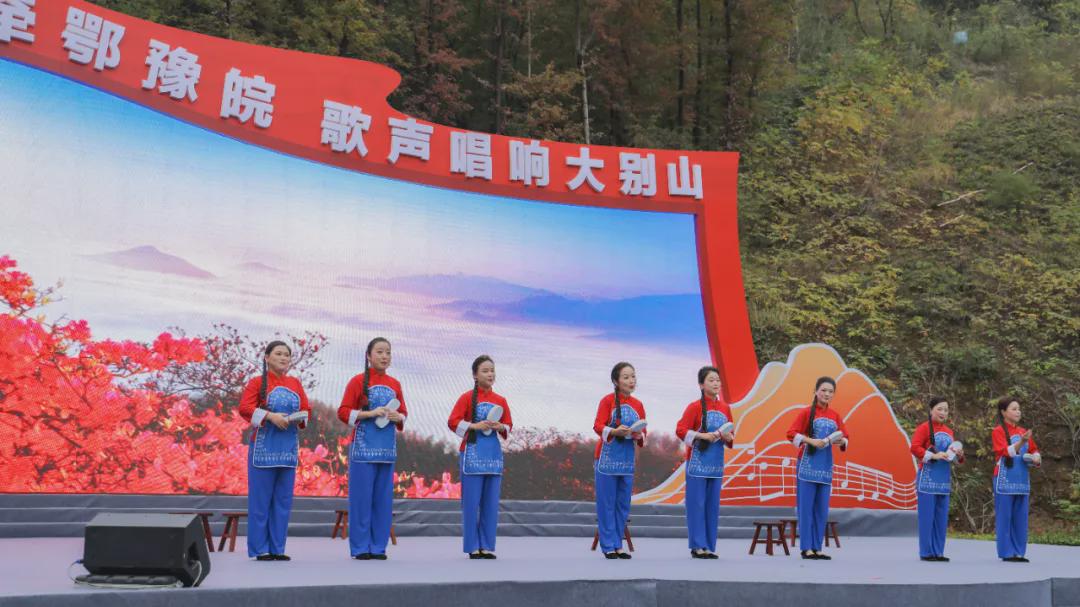
Folk music spread in the Dabie Mountain area, loud and clear, reflecting labor and life.
Must-know transportation for exploring the city
About 80 km from Lu'an, with direct airport buses to downtown Lu'an.
Airport bus about 60 RMB
Served by Hefei-Wuhan high-speed railway and Nanjing-Xi'an railway, direct to Hefei, Wuhan, Nanjing, etc.
High-speed to Hefei about 40 RMB
City bus routes cover major attractions and business districts, fare 1-2 RMB.
1-2 RMB
Taste the most authentic and popular local specialties
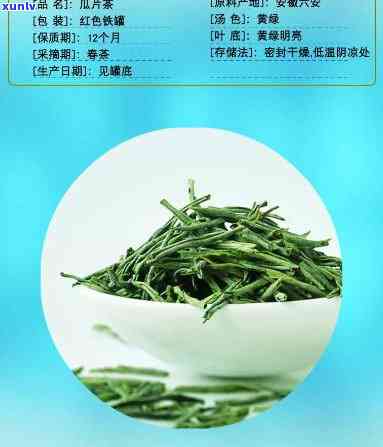
One of China's top ten famous teas, without buds or stems, shaped like melon seeds, with a pleasant fragrance.

A precious Chinese medicinal herb, also known as 'Thousand-year Moisture', nourishing yin, clearing heat, and promoting body fluids.
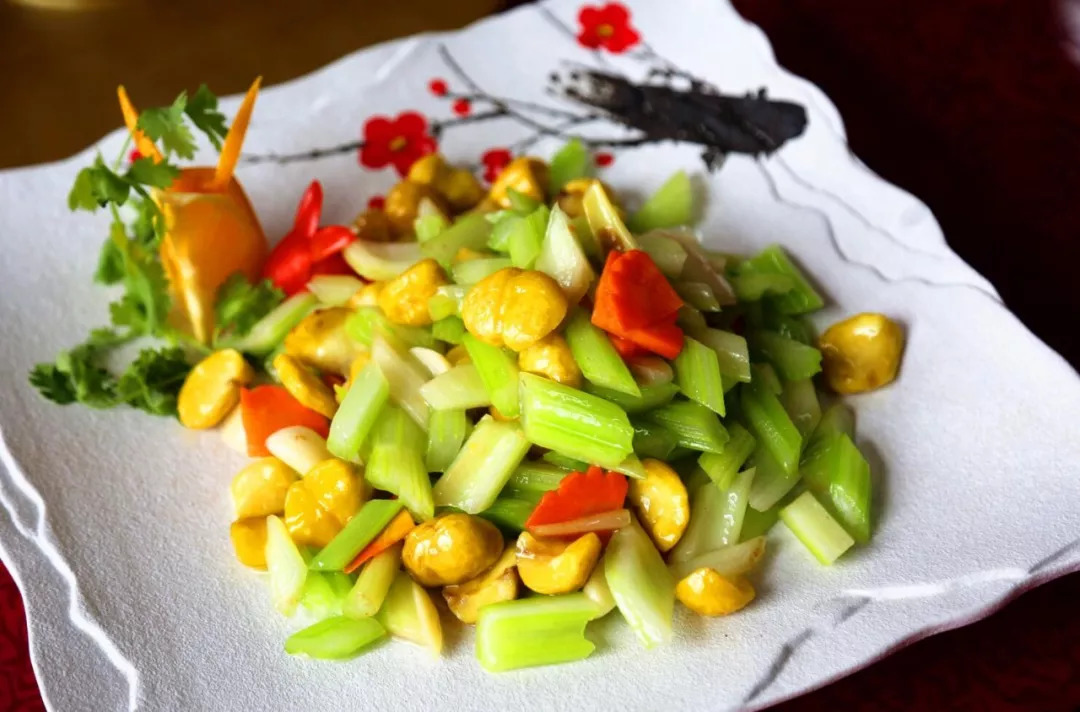
The highest peak of the Dabie Mountains at 1777 meters, a national 4A-level scenic area with pristine ecology and magnificent sea of clouds.
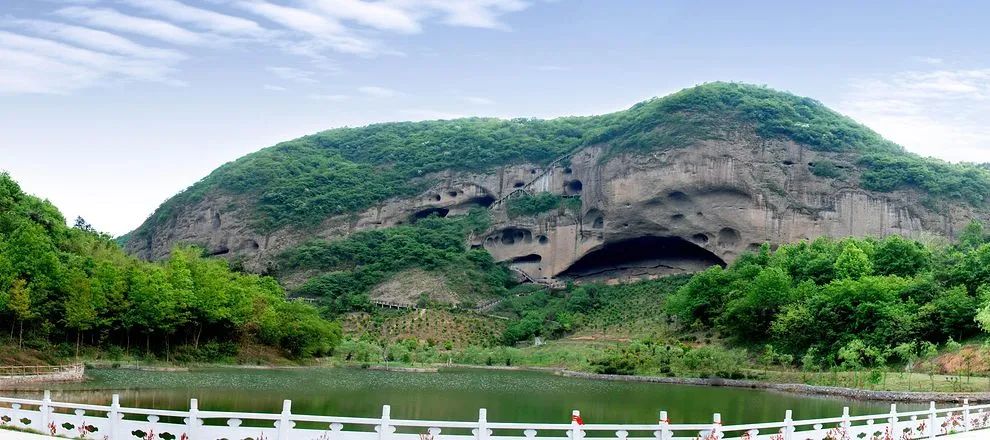
A national 4A-level scenic area with steep mountains and deep canyons, known for geological wonders and outdoor adventure.
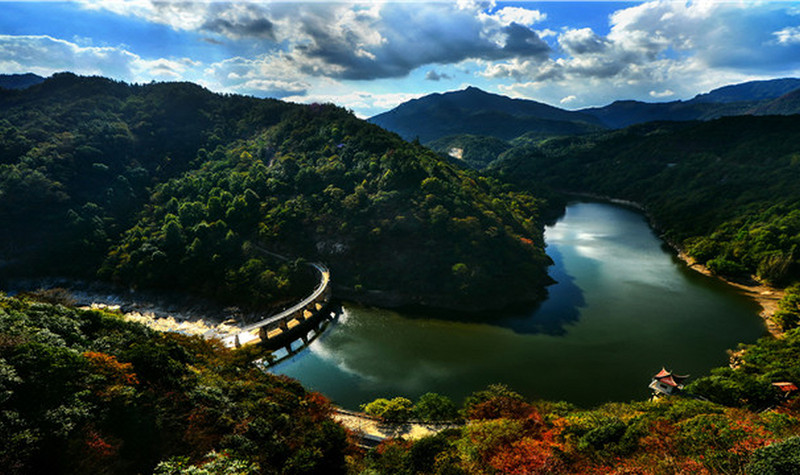
A national 4A-level scenic area known for the 'tiankeng' wonder and waterfall clusters, with varying scenery in four seasons.
Large and plump, sweet and delicious, can be eaten raw or sugar-roasted.
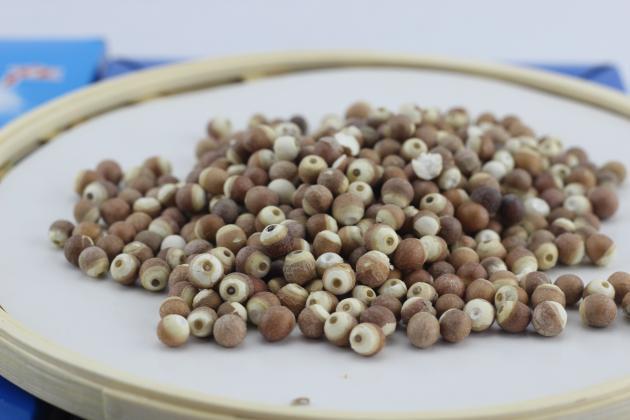
Fruit of an aquatic plant, strengthens the spleen and stops diarrhea, nutritious, can be used in soups and porridge.
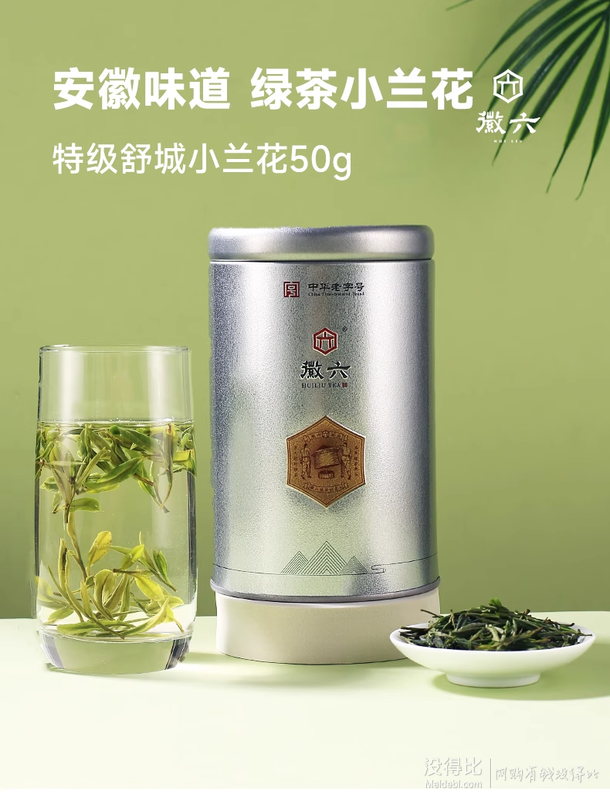
A specialty tea from Shucheng, shaped like orchids, with a lasting fragrance and mellow taste.