

Loudi is located in central Hunan Province, in the hilly region of central Hunan. It has a warm and humid climate with distinct seasons. The Zishui and Lianshui rivers flow through the city, and the Xuefeng Mountain range stretches across the area, forming a natural landscape of "mountains surrounding rivers."
Loudi has a long history. It was part of the Chu State in the pre-Qin period and belonged to the Changsha Kingdom in the Han Dynasty. Loudi Town was established in the Northern Song Dynasty (1072), and it became a city in 1952. It is the hometown of Chiyou, the legendary ancestor of the Chinese people, as well as the birthplace of Zeng Guofan, a famous official in the Qing Dynasty, and Cai Hesen and Cai Chang, modern revolutionaries.
Loudi is the core area of Meishan culture, preserving ancient folk customs such as Nuo opera, folk songs, and martial arts. Its cuisine is based on Hunan cuisine, featuring spicy and fresh flavors. Specialties include Loudi Shuifu Feast, Xinhua Sanhe Soup, and Lianyuan Zhumei Chicken.
Loudi is an important energy and raw material base in Hunan Province, with developed steel and coal industries, earning it the nickname "Steel City." In recent years, it has actively developed eco-tourism and modern agriculture. Attractions like Ziquejie Terraces and Meijiang National Geopark draw many visitors.
The best time to visit 娄底 is Best in spring and autumn (March-May, September-November).
Spring (March-May): The weather warms up, and the Ziquejie Terraces are irrigated, creating mirror-like reflections and blooming rapeseed flowers, a paradise for photographers.
Autumn (September-November): Clear and crisp, the terraces turn golden with ripe rice, and the Meijiang landscape is colorful, ideal for hiking and mountain climbing.
Summer (June-August): Hot and rainy, but you can escape the heat in Daxiong Mountain National Forest Park. Winter (December-February) is cold with occasional snow, offering snow scenery.
In the fifth year of Xining of the Northern Song Dynasty (1072), Loudi Town was established under Xiangxiang County, marking the first appearance of the name Loudi in historical records.
The famous Qing official Zeng Guofan was born in Heye Town, Shuangfeng County, Loudi. He later founded the Xiang Army and had a profound impact on politics, military, and culture in the late Qing Dynasty.
Recommended places to visit

Globally Important Agricultural Heritage System, national 4A scenic spot. The terraced fields undulate along the mountain slopes, appearing like mirrors in spring, green in summer, golden in autumn, and silver in winter.
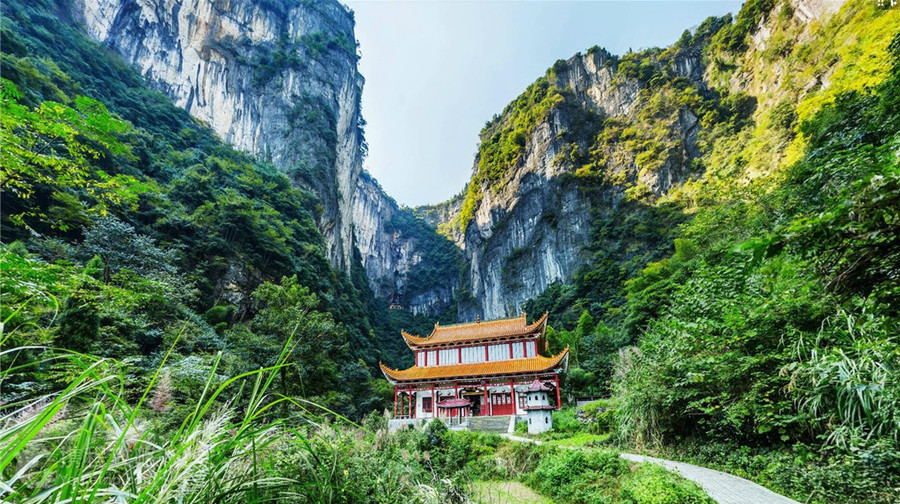
National 4A scenic spot, featuring karst landforms, canyons, and waterfalls, known as 'Little Guilin'. Key attractions include Guanyin Cliff, Saihai Lake, and Dajiangkou.
UNESCO World Heritage Sites

Ziquejie Terraces is among the first Globally Important Agricultural Heritage Systems. Its gravity-fed irrigation system is a world wonder, with a history of over 2,000 years.
Explore rich intangible cultural heritage and traditional crafts

Meishan Nuo Opera is a traditional drama in Xinhua County, Hunan, originating from ancient exorcism rituals. It integrates song, dance, martial arts, and opera, with strong witchcraft and Nuo cultural characteristics.
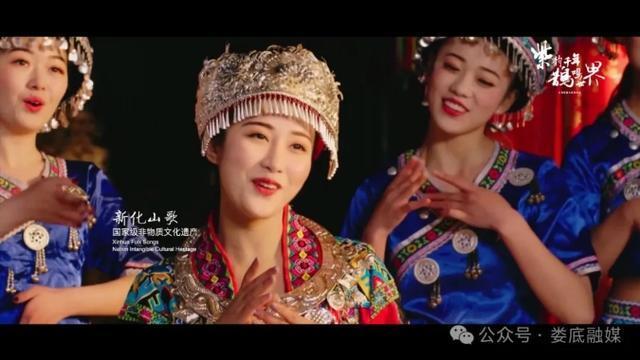
Xinhua Folk Songs are folk music popular in Xinhua County. The tunes are loud and clear, with lyrics reflecting labor, love, and life. They are an important carrier of Meishan culture.
Must-know transportation for exploring the city
Loudi South Station is a hub for the Shanghai-Kunming and Luoyang-Zhanjiang high-speed railways, with direct trains to Changsha, Guangzhou, Shanghai, Beijing, etc. It takes about 40 minutes from Changsha South to Loudi South.
Second-class seat from Changsha to Loudi about 64 RMB
Loudi city has multiple bus routes covering major attractions and commercial areas. Fare is 1-2 RMB, and mobile payment is accepted. There are also tourist shuttle buses.
1-2 RMB
Loudi does not have a civil airport. Visitors can fly to Changsha Huanghua International Airport, then transfer to Loudi by high-speed rail (about 40 minutes) or bus (about 2 hours).
High-speed rail from Changsha to Loudi about 64 RMB, bus about 50 RMB
Taste the most authentic and popular local specialties
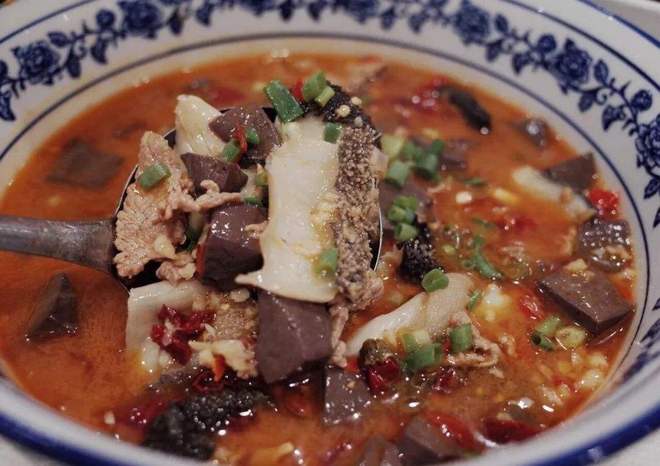
A traditional dish from Xinhua, made with beef, tripe, and blood curd, seasoned with chili and wild pepper oil. The soup is fresh and spicy, appetizing and warming.

A specialty from the Zhumei area of Lianyuan, using local free-range chicken, stewed with traditional methods. The meat is tender, the broth rich, and nutritious.

In 1952, Loudi was officially established as a city under Hunan Province, gradually developing into an important industrial city in central Hunan.

National 4A scenic spot, located in Heye Town, Shuangfeng County. It is the birthplace and later residence of Zeng Guofan, featuring typical Qing Dynasty residential architecture of central Hunan, magnificent and grand.
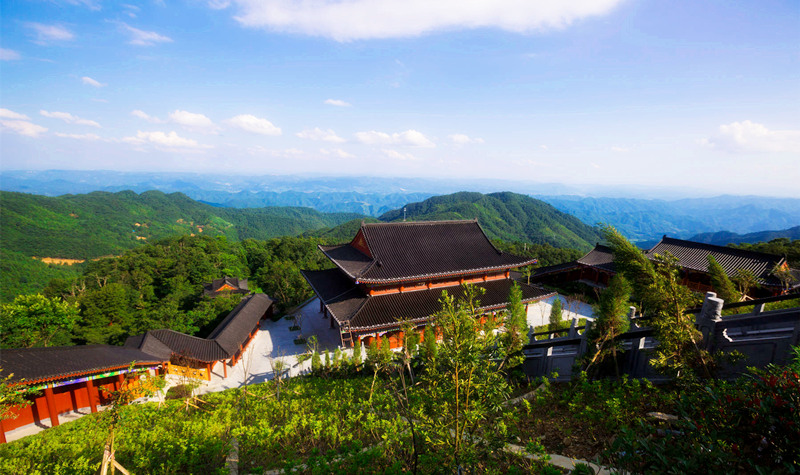
National 4A scenic spot, with high forest coverage, known as 'the roof of central Hunan'. It features Chiyou cultural scenic area, primitive secondary forests, and waterfall groups, cool in summer.
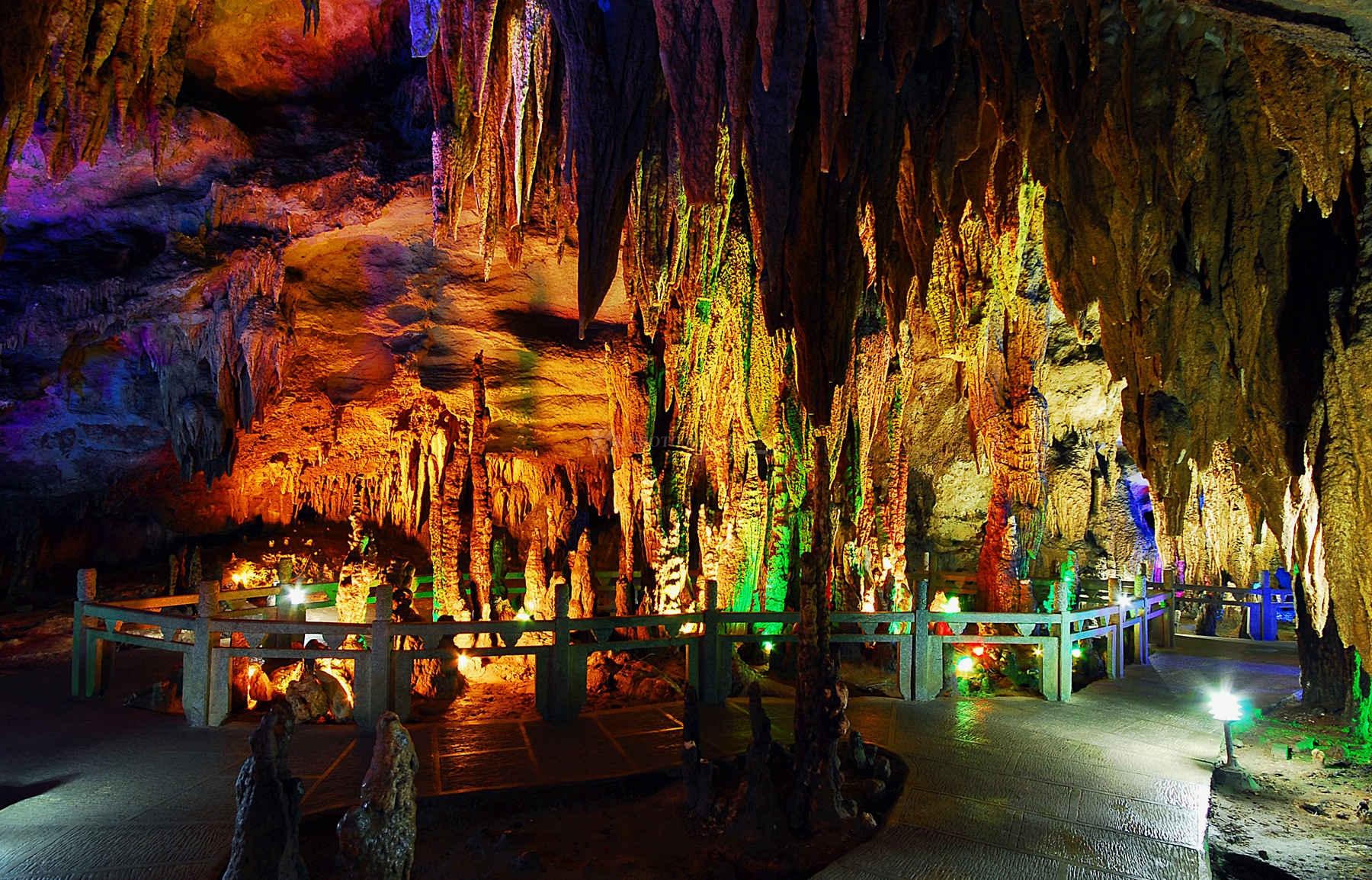
National 4A scenic spot, a large karst cave group with various stalactites and winding underground rivers, praised as one of 'the most beautiful caves in Asia'.
A traditional feast from Loudi, originating from the Shuifu Temple area, mainly featuring steamed dishes such as steamed fish, steamed pork, and steamed eggs. The taste is light and fresh.
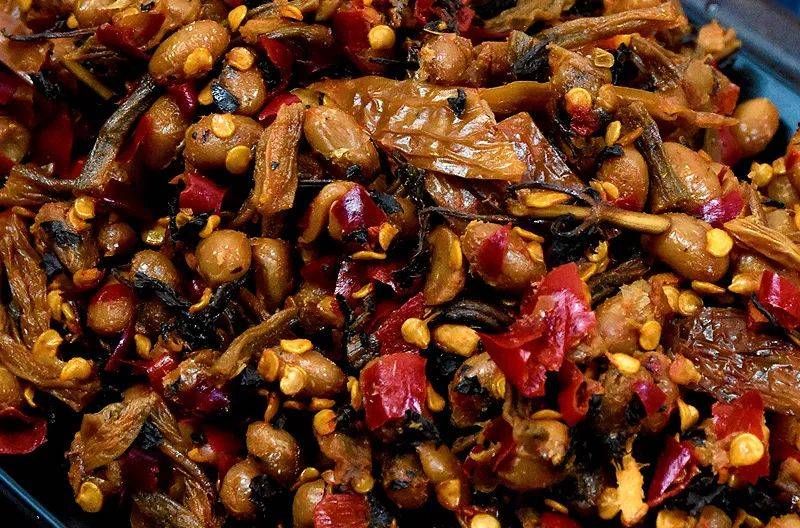
A specialty of Shuangfeng County, made from local chilies, fermented and ground. Bright red in color, spicy and aromatic, a great condiment for meals.
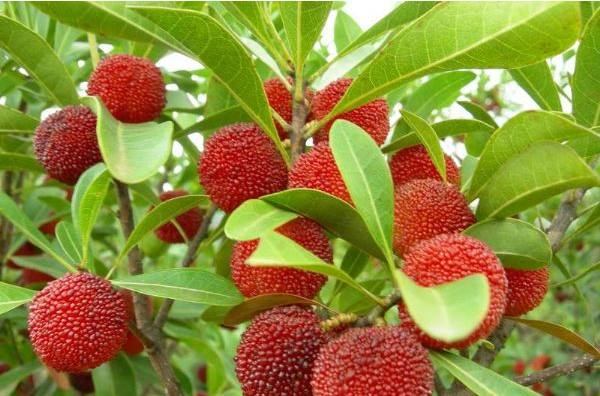
A specialty of Lengshuijiang City, the fruit is purple-red, juicy, and sweet with a hint of tartness, a perfect summer refreshment.