
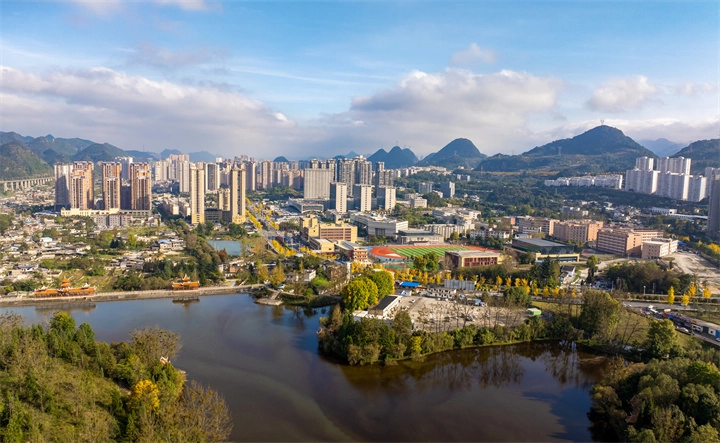
Liupanshui is located in western Guizhou Province, on the slopes of the first and second terraces of the Yunnan-Guizhou Plateau, with an average altitude of about 1,800 meters. It has a northern subtropical humid monsoon climate, with an average summer temperature of 19.7°C, earning it the title "China's Cool City". With no severe cold in winter, no extreme heat in summer, and abundant rainfall, it is an ideal summer resort.
Liupanshui has a long history. It belonged to the Zangke Kingdom during the Spring and Autumn period and to the Yelang Kingdom from the Warring States period to the Qin and Han dynasties. During the Ming and Qing dynasties, it was under the rule of the Shuixi Tusi. In 1964, it was established as a city due to the "Third Front" construction, and officially became Liupanshui City in 1978. It is a typical resource-based industrial city.
Liupanshui is a multi-ethnic area with rich cultures of the Yi, Miao, Buyi, and other ethnic groups. Festivals like the Torch Festival and Tiaohua Festival are vibrant. The local cuisine is characterized by sour and spicy flavors, with specialties such as Shuicheng lamb rice noodles, Luoguo (a type of griddle dish), and Panxian ham, as well as local products like prickly pear and kiwifruit.
In recent years, Liupanshui has leveraged its cool climate and karst landscapes to develop tourism, creating attractions such as Meihua Mountain and Wumeng Prairie. At the same time, it is promoting industrial transformation, developing mountain-specific agriculture and clean energy, and has become an important regional central city in western Guizhou.
The best time to visit 六盘水 is Summer (June-August) is the best travel season, cool and pleasant.
With an average summer temperature of only 19.7°C, Liupanshui is a summer paradise. The grasslands are lush and azaleas are in full bloom, perfect for outdoor activities.
Spring (March-May) sees rising temperatures and blooming flowers, including cherry blossoms and azaleas, but with large temperature differences between day and night.
Autumn (September-November) offers clear skies and colorful forests, ideal for hiking and sightseeing. Winter is cold but offers alpine skiing.
Liupanshui area was part of the Yelang Kingdom, with a long-standing Yelang culture.
Due to the national Third Front construction strategy, Liupanshui was developed as a coal base, officially becoming a city in 1978.
Liupanshui was awarded the title 'China's Cool City' by the China Meteorological Society, becoming the first city named after its climate characteristics.
Recommended places to visit
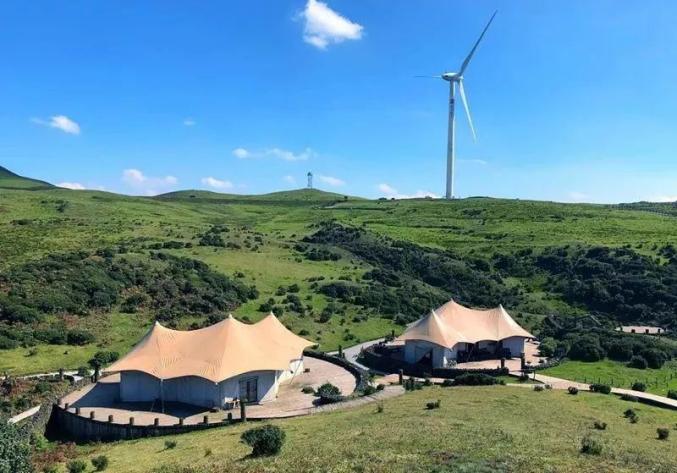
One of the highest and largest alpine grasslands in Southwest China, cool in summer with herds of cattle and sheep, offering views of sea of clouds and Buddhist halo.
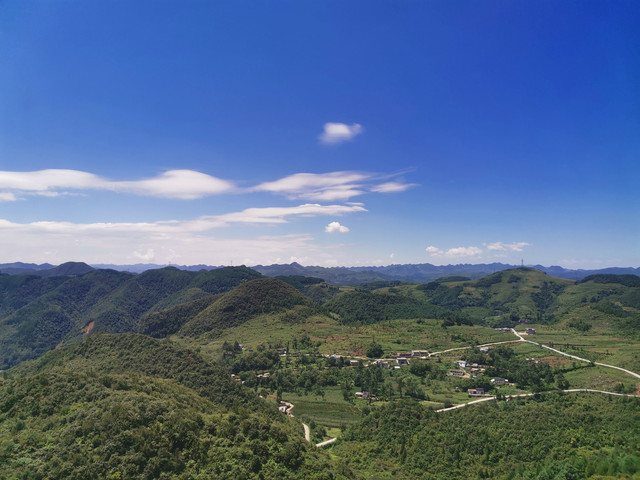
Famous for the Meihua Mountain cable car, 9.9 km long, the world's longest mountain cable car on the same route, offering panoramic views of the city.
Explore rich intangible cultural heritage and traditional crafts
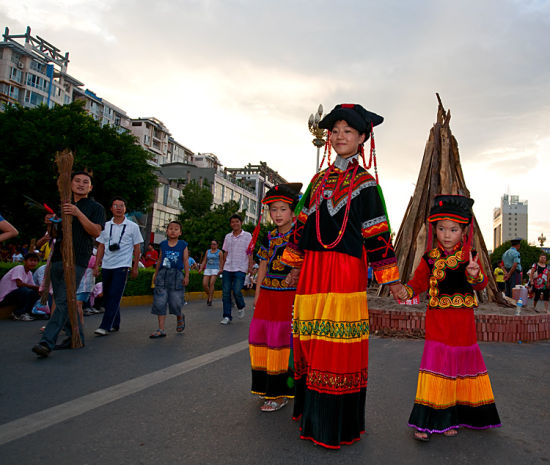
Traditional Yi festival held on the 24th day of the sixth lunar month, lighting torches to drive away evil and pray for blessings, with singing and dancing.
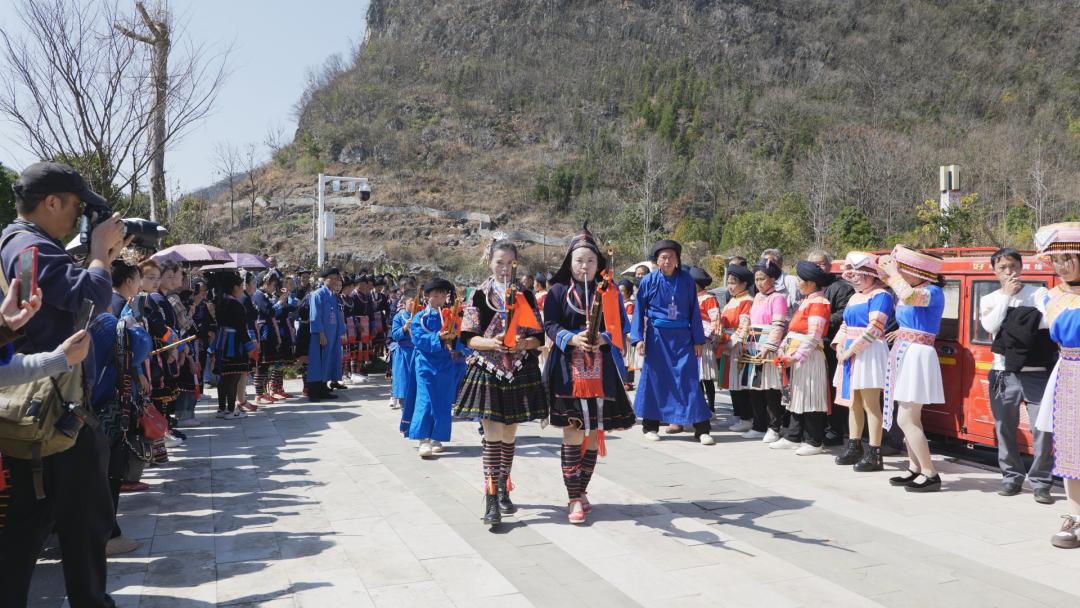
Traditional Miao festival where young men and women dress up, play the lusheng (reed pipe), and dance to find their loved ones.
Must-know transportation for exploring the city
About 15 km from the city center, with flights to major cities like Beijing, Shanghai, Guangzhou, and Chengdu.
Ticket prices vary by season
Served by the Shanghai-Kunming high-speed railway, providing direct access to Guiyang, Kunming, Changsha, etc. There is also Liupanshui East Station.
High-speed rail fare about 100-300 RMB
The bus system covers main urban areas and attractions, with fares of 1-2 RMB, and some routes support mobile payment.
1-2 RMB
Taste the most authentic and popular local specialties
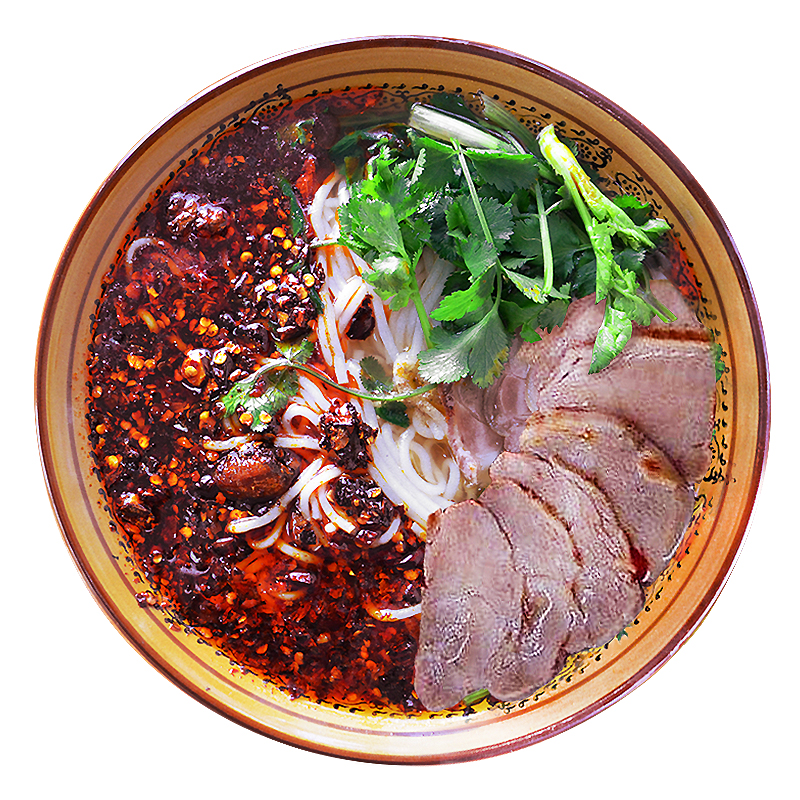
The most famous dish in Liupanshui, with fresh soup, tender lamb, smooth rice noodles, paired with pickled vegetables and chili, unique flavor.
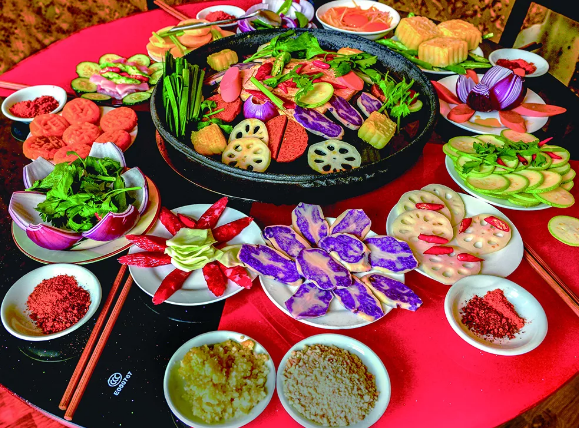
A unique grilling method, oil is brushed on a convex earthenware pot to grill various ingredients, dipped in chili powder.
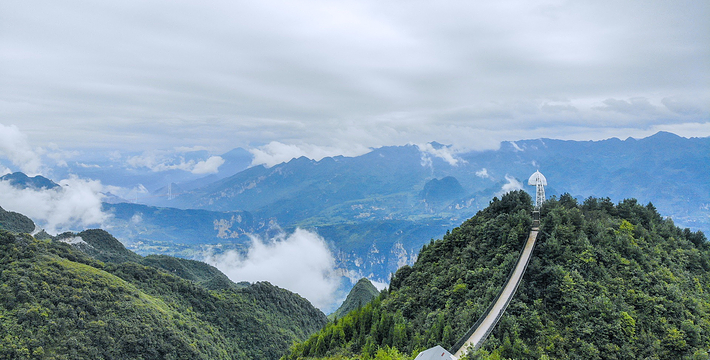
Known for forest landscapes and a ski resort, offering skiing in winter and summer escape in summer, with rich flora and fauna.
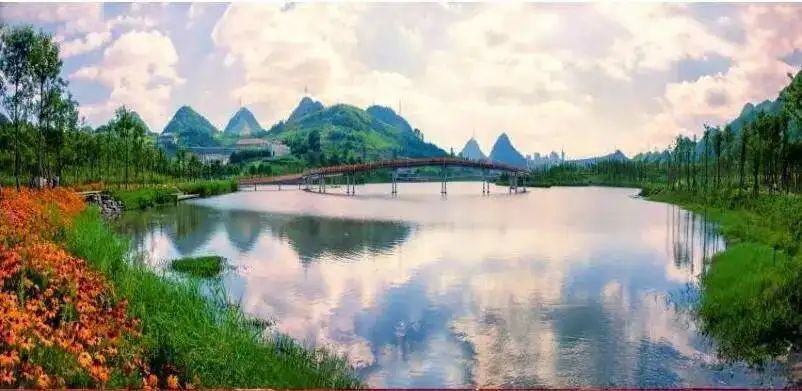
An urban wetland park with clear lake water and good ecology, suitable for walking and cycling, featuring Rainbow Bridge and other sights.
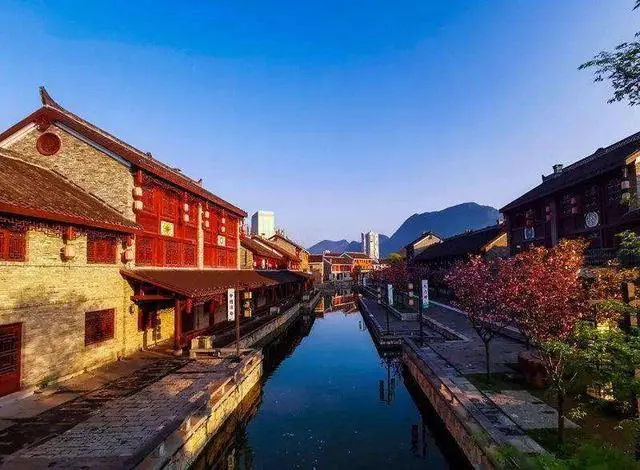
Built in the Yongzheng period of Qing Dynasty, preserving many ancient buildings, famous for Shuicheng Luoguo and lamb rice noodles, with charming night views.
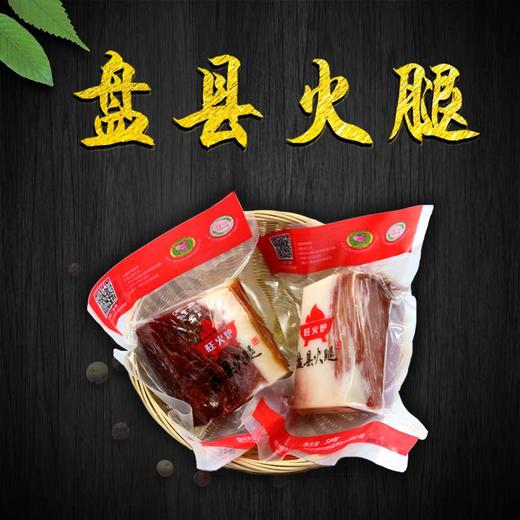
As famous as Xuanwei ham, with a long history, firm texture, savory and delicious, can be steamed, boiled, or stir-fried.
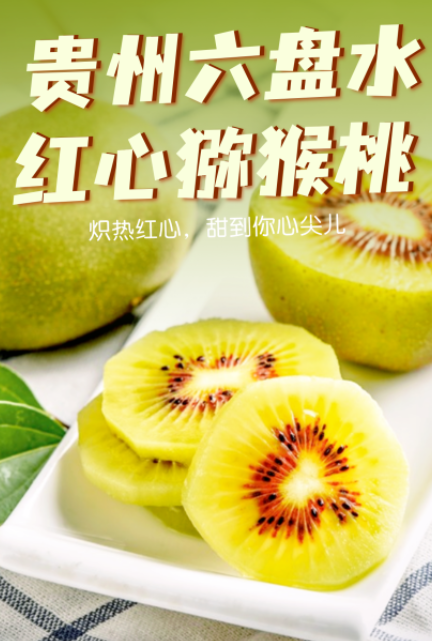
Local specialty fruit, green flesh, sweet and sour, rich in vitamin C, known as the 'king of fruits'.
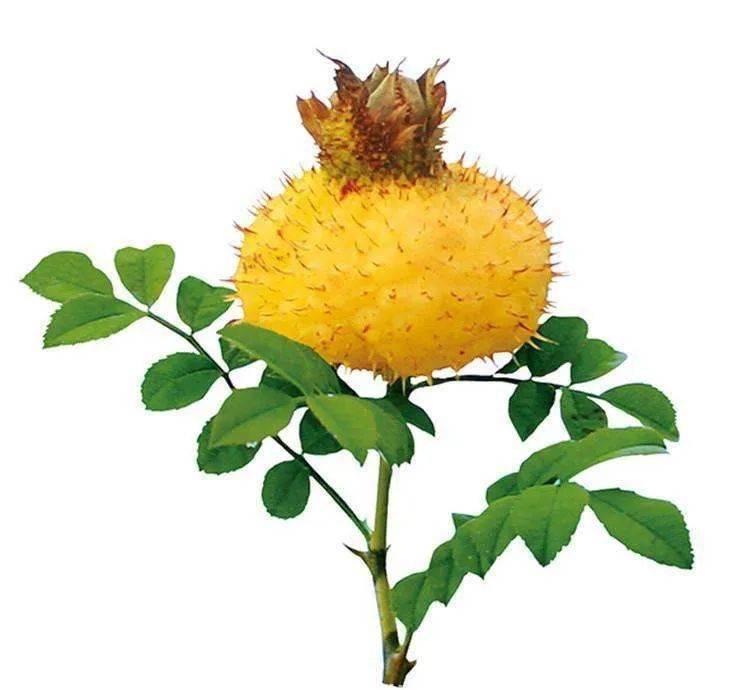
A unique fruit in Guizhou, rich in vitamin C, can be eaten fresh or processed into juice and preserved fruit, sweet and sour taste.